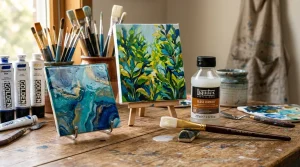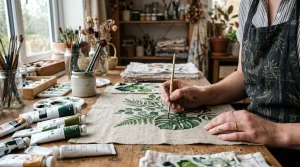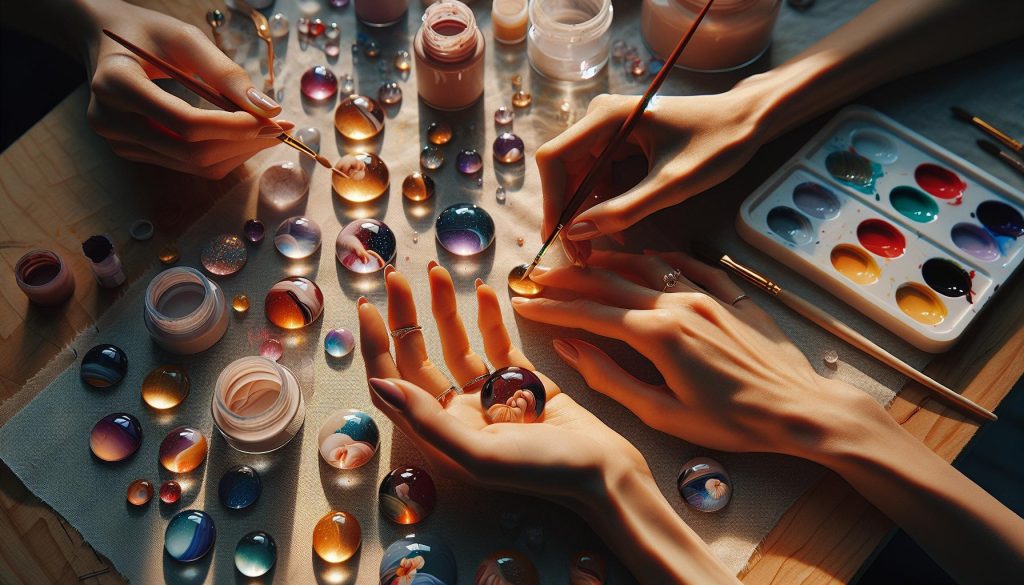
If you’ve ever pondered the creative possibilities of turning everyday glass objects into stunning cabochons, you’re not alone. The question “Will acrylic paint stick to glass?” is essential for artists and DIY enthusiasts alike. Understanding the answer can unlock new artistic avenues for custom jewelry making and home decor.
Acrylic paint, with its vibrant colors and quick-drying properties, offers an exciting medium for crafting unique pieces. However, ensuring that your creations adhere well to glass can be a challenge. This guide will delve into the techniques and tips necessary to successfully paint on glass, helping you create beautiful, durable cabochons that reflect your personal style. Whether you’re a seasoned crafter or just starting, the insights shared here will empower you to enhance your jewelry collection or gift-giving with charming, hand-painted designs. So, let’s explore how to make your artistic visions a reality!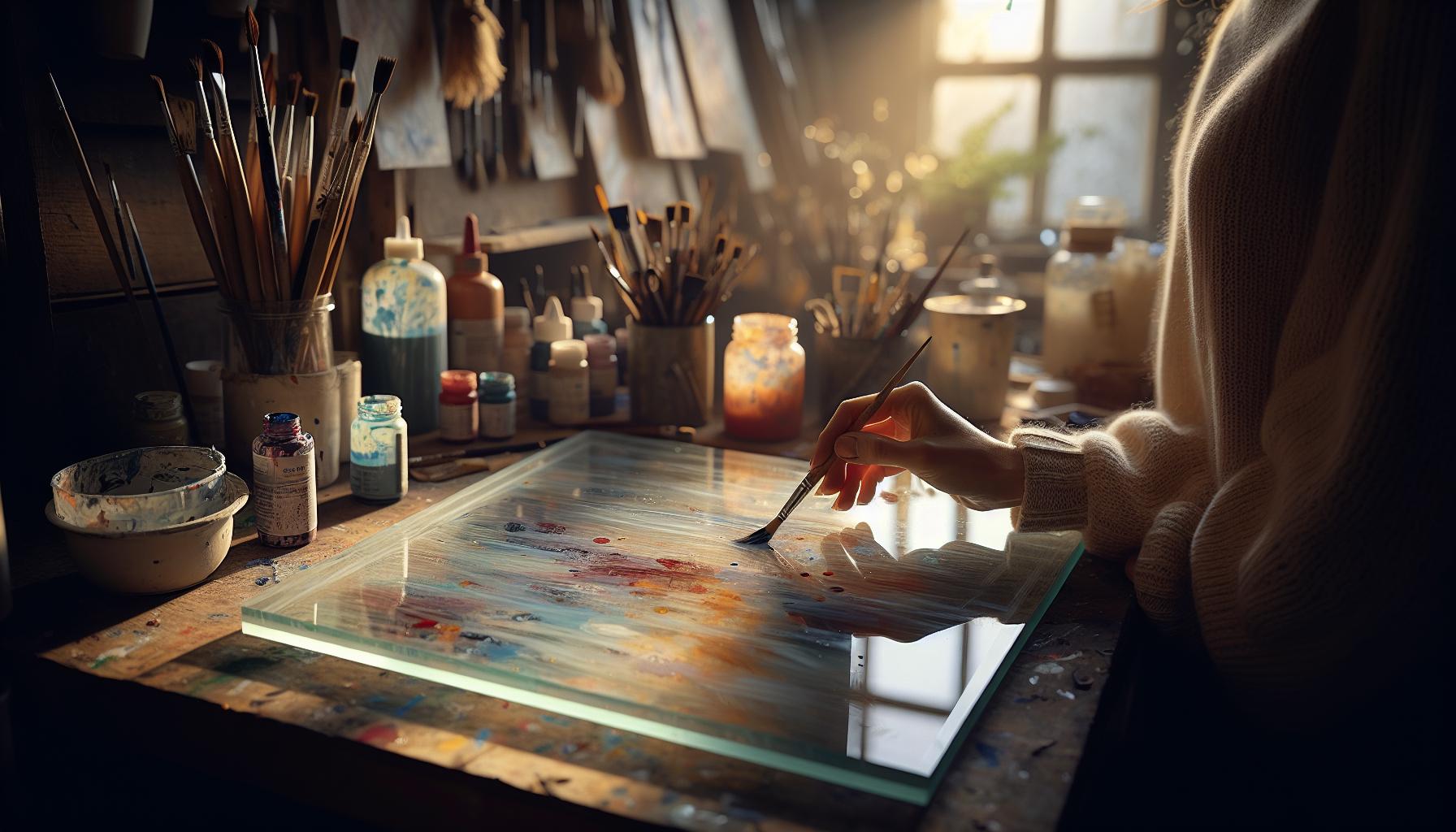
Will Acrylic Paint Stick to Glass? Understanding the Basics
When it comes to painting on glass, many beginners wonder if acrylic paint will actually adhere to this slick surface. The good news is that acrylic paint can stick to glass, but its effectiveness greatly depends on proper preparation and techniques. Acrylics are water-based paints that dry into a durable, flexible, and water-resistant layer, making them suitable for a variety of surfaces, including glass. However, the smooth and non-porous nature of glass presents unique challenges that must be addressed to ensure your projects turn out beautifully.
To achieve the best results when using acrylic paint on glass, you must enhance the paint’s adhesion. This can be done through meticulous surface preparation. Start by cleaning the glass thoroughly with soap and water, then wipe it down with rubbing alcohol to remove any remaining grease or residues. For even better adhesion, you can gently sand the surface with fine-grit sandpaper. This step creates a slight texture, providing the paint with a better grip. After sanding, ensure to wipe the surface clean again to eliminate any dust.
Once your glass surface is prepped, you can choose to apply a transparent primer specifically designed for glass. This additional layer can further enhance the paint’s ability to bond with the glass, resulting in a more durable finish. When selecting acrylic paint, look for brands that are labeled as suitable for glass or multi-surface; these paints are formulated to adhere better to non-porous surfaces. By taking these essential steps, you empower yourself to create stunning glass projects, from vibrant cabochons to decorative ornaments, ensuring that your creativity shines through effectively.
The Science of Acrylic vs. Glass Adhesion
The effectiveness of acrylic paint on glass is a captivating topic that bridges the worlds of art and science. Understanding the dynamics between acrylics and glass surfaces can empower artists and crafters to create stunning creations, such as colorful cabochons or intricate glassware. Acrylic paint is a popular choice primarily due to its water-based composition and versatility. However, the inherently smooth and non-porous nature of glass can pose unique challenges for adhesion. To help mitigate these challenges, it’s essential to delve into the science of how acrylic can effectively cling to glass surfaces.
Acrylic paint consists of polymers that form a continuous film as they dry. The key to greater adhesion lies in the paint’s ability to create mechanical bonds with the surface it’s applied to. When painting on glass, the lack of porosity means there are fewer opportunities for these bonds to form. However, this doesn’t mean that acrylics cannot stick to glass; rather, achieving the best results requires strategic preparation. By treating the glass surface, such as cleaning and sanding it lightly, you can enhance the texture and create a more conducive environment for the acrylic paint to adhere. This process is not just about aesthetics; it has a scientific basis rooted in the principles of surface tension and adhesion.
Moreover, selecting the right type of acrylic paint can also significantly affect the outcome of your projects. Some paints are specifically formulated to provide superior adhesion to glass and similar non-porous materials. These formulations include additives that improve the paint’s ability to cling, even on challenging surfaces. Additionally, an optional transparent primer can serve as a chemical anchor, facilitating a stronger bond that enhances durability and longevity.
As you embark on your creative journey with glass and acrylics, remember that preparation is the cornerstone of success. Whether you’re aiming to create beautiful glass cabochons or decorative pieces, understanding the interplay between your chosen materials can be the difference between a fleeting project and one that stands the test of time. Embrace the science behind your craft, and let it inspire you to explore the stunning possibilities that await in the world of painted glass.
Preparing Glass Surfaces for Optimal Painting
requires thoughtful attention to detail, especially if you want your acrylic creations to last. Glass, being a non-porous and smooth material, poses unique challenges for adhesion. The first step is consistency in cleanliness; it’s crucial to remove any dust, grease, or residues that might hinder the bonding process. Start by washing your glass piece with warm, soapy water and dry it thoroughly. For thorough cleansing, consider using a mixture of isopropyl alcohol and water to ensure all oils and contaminants are eliminated.
Once your glass is clean, creating a tactile surface can significantly enhance the adhesion of acrylic paint. Lightly sanding the surface with fine-grit sandpaper (around 220-grit) is an effective method to achieve this. The sanding process creates micro-abrasions that help the acrylic paint grip better. Ensure that you wipe away any dust produced from sanding before proceeding with your painting.
For those looking to elevate their work even further, applying a transparent primer designed for glass can provide an excellent base layer. This step is particularly valuable when working on detailed projects like cabochons, where paint adhesion and durability are paramount. Primers designed for glass increase the surface’s adhesion properties, resulting in a longer-lasting finish. After applying the primer, allow it to dry completely according to the product instructions.
In summary, the preparation process not only enhances the aesthetic appeal of your artwork but also increases the longevity of your painted pieces. By attending to cleanliness, texture, and optionally using primers, you set a solid foundation for your acrylic paint to flourish on glass. This attention to detail allows your artistic vision-be it stunning jewelry or intricate decorative pieces-to truly shine.
Best Techniques for Acrylic Painting on Glass
To achieve stunning results when painting acrylic on glass, mastering a few essential techniques can make all the difference. One important approach is layering your paint to create depth and texture. Begin with a base coat, utilizing a translucent acrylic paint to establish a smooth foundation. This not only helps the subsequent layers adhere better but can also create a luminous effect that enhances the visual appeal of your glass piece. As you work, allow each layer to dry completely before applying the next, which prevents smudging and helps maintain clarity in your colors.
Additionally, using fine brushes or even sponge applicators can significantly improve your application technique. A fine brush allows for more control when detailing, especially intricate designs typical in cabochon creations. Conversely, sponges can help you achieve soft transitions and blend colors beautifully. Don’t hesitate to experiment with different brush sizes and tools until you find what works best for your style and the desired outcome.
Another key technique in acrylic painting on glass involves incorporating a heat-setting method for increased durability. After your paint has fully dried, gently heat your glass piece with a heat gun or place it in a preheated oven at a low temperature. This curing process can enhance the bond between the paint and the glass, making your artwork less susceptible to chipping and wear over time. Always remember to follow safety guidelines when using heat tools.
Ultimately, for those aiming to create beautiful painted glass cabochons, patience and practice are paramount. Embrace the process, refine your skills through experimentation, and don’t shy away from trying new techniques. With the right approach, you can transform plain glass into striking pieces of art that reflect your unique creative vision.
Choosing the Right Acrylic Paint for Glass Projects
Choosing the right acrylic paint can significantly impact the quality and durability of your painted glass projects, especially when creating beautiful cabochons. Unlike traditional paints, acrylics offer a range of benefits, including versatility, vibrant color options, and the ability to adhere well to smooth, non-porous surfaces like glass when selected appropriately. To achieve the best results, it’s vital to consider the type of acrylic paint that will serve your specific needs.
When selecting acrylic paint for glass, look for formulations specifically designed for non-porous surfaces. Many brands now offer acrylic enamel paints that are not only glossy and long-lasting but also provide better adhesion. These paints are formulated to cure to a durable finish, making them ideal for pieces like cabochons that may be subjected to handling and environmental factors. Additionally, consider paint that is labeled as multi-surface or for glass, which is made to cling better to smooth surfaces without chipping.
It’s also wise to examine the transparency and opacity levels of the paint. Transparent colors can create beautiful layered effects, enhancing the depth of your cabochons. On the other hand, opaque colors provide solid coverage, ensuring that any underlying imperfections in the glass are hidden. Furthermore, mixing different levels of opacity can yield striking results, allowing for creative freedom in your designs.
Before purchasing, it’s beneficial to test a few different brands and formulations to see how they interact with your glass surface. Experimenting with small sample pieces can provide valuable insights into which paints adhere best and deliver the aesthetic you desire. Don’t forget to check out customer reviews or forums for recommendations on brands that consistently perform well for glass painting; this shared knowledge can streamline your selection process and enhance your artistic journey.
Creating Stunning Cabochons with Acrylic Paint
Creating beautiful cabochons with acrylic paint opens a world of creativity and personalization in jewelry making. The glossy finish and vibrant hues of acrylics can transform simple glass pieces into stunning focal points that catch the eye. For those looking to expand their jewelry collection or make unique gifts, the process not only allows for artistic expression but also provides a satisfying hands-on experience.
To start, it’s essential to select the right type of glass for your cabochons. Clear glass provides a perfect canvas that enhances the colors and designs you’ll create. Once you’ve chosen your glass pieces, prepare them properly by cleaning and drying thoroughly to ensure that the acrylic paint adheres well. This initial step can make a significant difference in the durability of your artwork.
Technique and Layering
When applying acrylic paint, consider using various techniques to achieve depth and texture. For instance, layering transparent colors can create stunning visual effects; start with a base layer and gradually add additional shades. Using a fine brush allows for detailed designs and patterns, while sponges or brushes can help in blending colors for a more organic look. Pay attention to the consistency of the paint; thicker applications can create a raised effect, adding even more dimension to your cabochons.
After painting, it’s crucial to seal your work to protect it from scratches and fading. A clear acrylic sealer can enhance the durability while also giving your cabochons a glossy finish. When properly sealed, your creations not only maintain their beauty but also withstand daily wear, making them suitable for any jewelry piece. Experimenting with different finishes can lead to unique results, whether you prefer a high gloss or a more matte appearance.
The joy of creating cabochons with acrylic paint lies in the possibilities. You can incorporate unique embellishments such as glitter, or even experiment with mixed media by adding elements like beads or fabrics beneath the paint. These additions can give your cabochons character and reflect your personal style. So, gather your materials, unleash your artistic spirit, and enjoy the process of crafting stunning glass cabochons that are both beautiful and meaningful.
Sealing Your Acrylic Paint on Glass: Essential Tips
To ensure the longevity and vibrancy of your beautifully painted glass cabochons, sealing your acrylic paint is an essential step that should not be overlooked. Proper sealing protects your creations from scratches, UV damage, and fading, effectively extending their lifespan and keeping them looking fresh. Not only does a good sealer enhance the glossy finish of your paint, but it creates a barrier against moisture and dirt, making your cabochons suitable for daily wear and tear.
When choosing a sealer, consider using a clear acrylic spray sealer for even coverage and ease of application. It’s best to select a product that is specifically designed for use on acrylic paints and is compatible with glass surfaces. Before applying, ensure that your painted cabochons are completely dry; typically, this can take 24 hours, depending on the thickness of your paint layers. When you’re ready, take the following steps:
- Work in a well-ventilated area: This is essential for your safety and to avoid dust particles settling on your painted surfaces.
- Apply thin, even coats: Hold the spray about 12 inches from the cabochon and spray in smooth, sweeping motions to prevent drips.
- Let each coat dry: A good practice is to allow at least 30 minutes of drying time between coats. For optimal protection, two to three layers of sealer is recommended.
- Final drying period: After the last coat, allow your cabochons to cure for a full 24 hours before handling or wearing.
For added personalization, you can experiment with different types of finishes-glossy, satin, or matte-depending on your aesthetic preference. Some sealers come with UV protection, which is excellent for maintaining the color integrity of your acrylic paint over time. If you’re aiming for a unique texture, try a resin seal, though it’s a bit more advanced and requires careful handling.
In case you encounter common issues, such as paint chipping or discoloration, revisit your sealing technique. Always ensure that surfaces are properly cleaned before painting and that the sealer is compatible with acrylic to avoid any adverse reactions. Whether you’re creating eye-catching jewelry or artistic displays, the right sealing technique ensures your painted glass cabochons remain stunning and vibrant, enhancing your overall jewelry-making experience.
Troubleshooting Common Issues When Painting on Glass
When embarking on the journey of painting on glass, particularly for creating stunning cabochons, it’s essential to be equipped with troubleshooting strategies for common issues that may arise. One frequently encountered problem is the paint not adhering well to the glass surface, often resulting in peeling or flaking. This typically happens if the glass wasn’t properly cleaned before application. Ensure that all surfaces are meticulously washed with soapy water and dried thoroughly to remove any grease or dust that could hinder paint adhesion.
Another issue is the appearance of brush strokes or uneven coverage. To tackle this, use foam brushes or sponges instead of traditional bristle brushes, as they help achieve a smoother finish without leaving marks. Additionally, applying multiple thin layers instead of a single thick coat can significantly improve the texture and vibrancy of the paint. Allow adequate drying time between each layer-typically around 30 minutes-to prevent lifting the paint when additional coats are applied.
Discoloration can also become a concern, particularly when painted items are exposed to sunlight. To combat this, opt for high-quality acrylic paint specifically designed for glass, as these formulas often contain UV-blocking agents. Lastly, if you notice your acrylic paint chipping after some time, it may be time to reconsider your sealing method. A robust application of a clear acrylic sealer post-painting can provide a protective barrier that enhances durability and maintains color integrity, ensuring your beautiful cabochons stand the test of time.
In the world of painted glass cabochons, experimentation is part of the artistic process. Don’t shy away from trying various techniques or materials to hone your skills. Embrace the opportunity to learn from each project, transforming setbacks into stepping stones that refine your craft.
Innovative Ways to Use Painted Glass Cabochons
The versatility of painted glass cabochons extends far beyond mere decorative pieces; they can transform the everyday into the extraordinary in innovative ways. For crafters and jewelry enthusiasts alike, these vibrant creations open doors to unique artistic expressions and functional designs. Picture your handcrafted cabochons accenting a stunning necklace or standing out as customized home decor – the possibilities are limited only by your imagination.
One of the most exciting uses for painted glass cabochons is in custom jewelry. By applying your unique acrylic designs to cabochons and setting them into pendant trays, rings, or earrings, you can create personalized pieces that tell your story. Consider layering different shapes and colors of cabochons to craft an intricate statement necklace or pairing smaller cabochons with delicate metals for a minimalist look. The brilliance of acrylic paint allows for vibrant colors and intricate designs, ensuring that each piece not only catches the eye but also reflects your individual style.
Beyond wearable art, these cabochons can serve as functional objects within your home. Use them as decorative magnets by attaching small magnets to the back of your painted cabochons. These vibrant pieces can add a splash of color to your fridge while providing a motivational reminder with a special mantra or favorite quote written on them. Additionally, cabochons lined along the edges of mirrors or windowsill flower pots can provide beautiful accents that catch sunlight and enhance your living space.
For an artistic touch in crafting, consider using painted cabochons to embellish photo frames or shadow boxes. These can create a stunning visual narrative by incorporating your art into functional items, allowing for a blend of creativity and sentimentality. Furthermore, they can be utilized in mixed-media projects, adding dimension and color to your artistic endeavors while drawing attention to key elements within the design.
Whether you’re an experienced jeweler or just beginning your creative journey, integrating painted glass cabochons into your art and lifestyle invites a world of possibilities that enriches your craft and personal expression. Embrace the charm of your creations, and let your imagination guide you to innovate and inspire with every colorful stroke.
Comparing Acrylic Paints: Brands That Excel for Glass
When it comes to painting glass cabochons, not all acrylic paints are created equal. Selecting the right paint can make a significant difference in both the application process and the final result. Some brands stand out due to their superior adhesion, vibrant colors, and durability, making them ideal for glass projects. Understanding these differences can empower you to choose the right products for your creative endeavors.
One of the top contenders in the realm of acrylic paints for glass is FolkArt Enamel. This brand specializes in paints designed specifically for glass surfaces and offers a wide range of colors. FolkArt Enamel adheres well to glass, creating a glossy finish that can withstand both indoor and outdoor conditions. For those looking for vibrant and long-lasting results, this paint can be baked in an oven to cure, enhancing its durability even further.
Another excellent option is Delta Creative’s Glass Paints, which provide versatility and ease of use. These paints are water-based, making cleanup a breeze, and they offer good adhesion with a semi-transparent finish. Delta’s line includes both ready-to-use and mixable formulas, allowing for unique color blending and effects. Many crafters appreciate their workability, as they can be thinned for fine detail work or thickened for a more textured appearance.
For artists seeking high-quality professional results, Golden Heavy Body Acrylics are renowned for their smooth consistency and rich pigmentation. While not specifically marketed for glass, many artists use them successfully by ensuring proper surface preparation. Their heavy-bodied formulation allows for excellent control, making it ideal for detail work on glass cabochons. However, it’s important to seal the finished pieces with a suitable clear coat to enhance durability and protect the artwork.
When comparing brands, consider the specific look you’re aiming to achieve and the conditions your glass pieces will face. Bright and luminous colors, ease of application, and long-lasting results are crucial factors to weigh as you decide which acrylic paint will best suit your glass cabochon projects. Whether you’re crafting custom jewelry or artistic home décor, choosing the right paint will elevate your creations and ensure they shine brilliantly.
Exploring Alternatives: Other Paints for Glass Projects
Exploring new possibilities for decorating glass projects can be both exciting and rewarding. While acrylic paints offer a fantastic range of colors and applications, there are other types of paints specifically designed for glass that can enhance your creative potential. From specialized glass paints to more versatile options, understanding these alternatives can empower you to achieve stunning results for your cabochon creations.
One of the most popular alternatives to acrylic paints is glass enamel paint. This type of paint is designed to adhere to non-porous surfaces like glass without the need for a primer. It offers a durable finish that can be used both indoors and outdoors, making it perfect for decorative pieces that may be exposed to the elements. With excellent UV resistance, glass enamel paints maintain their vibrancy over time. Brands like Pebeo Vitrea 160 and Marabu Glas Paint provide a wide color range and can even be baked to achieve a glossy finish that enhances durability.
For those interested in a more artistic approach, porcelain paint can be a creative substitute. While traditionally used for ceramics, it can also work on glass surfaces. The paint typically requires curing in an oven, much like glass enamel paints, and produces a durable and food-safe finish. This makes porcelain paint an excellent choice for artistic glassware or custom-painted dishes. Brands such as Pebeo Porcelaine 150 are favored for their vibrant colors and smooth application.
Additionally, consider using alcohol inks for a more fluid artistic effect. These inks can be applied to glass surfaces for a stunning, marbled appearance. They are ideal for achieving intricate designs without the need for precision brushes. Alcohol inks dry quickly and provide a glossy, translucent finish. They are typically used in projects where the glass will be viewed from one side, as they can be less durable than other options. Brands like Tim Holtz offer a variety of colors that can be blended together to create unique effects.
Whatever method you choose, experimenting with these alternative paints can open up new avenues for creativity in your glass projects. The right paint can elevate your jewelry and decorative pieces, making them not only visually appealing but also long-lasting. Embrace these diverse materials to find the perfect match for your unique style and project needs.
Caring for and Maintaining Your Painted Glass Creations
Caring for your painted glass creations is essential to maintain their beauty and longevity. Acrylic paint can offer vibrant colors for cabochons and other glass projects, but it requires mindful care to prevent chipping, fading, or peeling. By implementing a few strategic practices, you can ensure your artworks retain their impressive visual appeal.
To start, avoid exposing your painted glass pieces to harsh environmental conditions. While some acrylic paints may have decent water resistance, prolonged exposure to moisture, sunlight, or extreme temperatures can compromise the paint’s adhesion and vibrancy. Ideally, painted glass items should be displayed indoors or in shaded areas if used outdoors. If a project is intended for outdoor use, consider applying a clear sealant specifically designed for acrylic paints to create a protective barrier. Look for options labeled weather-resistant to provide added protection.
When it comes to cleaning your painted glass items, opt for gentle methods to avoid damaging the paint. Use a soft, damp cloth to wipe surfaces, and avoid abrasive materials that could scratch the paint. If necessary, use a mild soap solution, but be sure to rinse thoroughly to prevent soap residues from dulling the finish. Refrain from submerging painted glass pieces in water, as this can lead to unwanted moisture trapped underneath the paint.
Storage is another factor to consider. If you need to store your painted glass creations, keep them in a cool, dry place, preferably wrapped in soft materials to avoid scratches. Using boxes that offer a snug fit can also protect them from being knocked around. Lastly, regular inspections of your glass items can help you catch any signs of wear early. If you notice any chips or scratches, consider touching them up to maintain a fresh look.
By following these simple yet effective tips, you’ll not only enhance the durability of your painted glass creations but also ensure they continue to shine brightly in your collection or as gifts for others.
Frequently Asked Questions
Q: Can you use acrylic paint on glass without any preparation?
A: No, preparing the glass surface is crucial for acrylic paint adhesion. Clean the glass thoroughly with rubbing alcohol to remove any dust or oils. This ensures a smooth application and enhances the longevity of your painted designs.
Q: How do I prevent acrylic paint from peeling off glass?
A: To prevent peeling, use quality acrylic paints designed for glass and seal the finished project with a clear acrylic spray or brush-on sealant. Ensure the paint is cured fully before handling to enhance adhesion and durability.
Q: What are the best techniques for painting cabochons with acrylics?
A: Best techniques include using a soft brush for even application and layering colors to create depth. Consider employing a sponge for textured effects and always allow each layer to dry fully before applying the next.
Q: Does acrylic paint provide a clear finish on glass?
A: While acrylic paint can deliver a vibrant finish, it typically dries to a matte or satin look. To achieve a glossy finish, apply a clear gloss sealer post-painting, which enhances color depth and adds protection.
Q: Can I bake acrylic paint on glass to make it more durable?
A: Yes, you can bake glass items painted with acrylics to enhance durability. Allow the paint to dry completely, then bake the glass in an oven at low heat (about 300°F or 149°C) for around 30 minutes. This can help set the paint.
Q: How long does acrylic paint take to dry on glass surfaces?
A: Acrylic paint typically dries to the touch within 20-30 minutes on glass but can take up to 24 hours to fully cure. Patience is essential for achieving the best results, especially before sealing or using the painted glass.
Q: What should I do if my paint doesn’t stick to the glass?
A: If paint isn’t adhering well, check if the glass was properly cleaned and prepared. Additionally, ensure you’re using acrylic paint formulated for glass. If issues persist, try a primer specifically designed for non-porous surfaces before painting.
Q: Is it safe to paint glass cabochons meant for food use?
A: It’s not advisable to use painted glass cabochons for food items unless the paint is specifically labeled as food-safe. Always check product guidelines to ensure safety and avoid harmful chemicals when using such pieces for food applications.
To Wrap It Up
Now that you know how to effectively use acrylic paint on glass for your perfect cabochon creations, it’s time to put your newfound knowledge into action! Don’t let uncertainty hold you back-experiment, create, and share your artistic pieces with confidence. Whether you’re looking to enhance your jewelry collection or create stunning home decor, the possibilities are endless.
For more tips on DIY jewelry making, check out our guides on jewelry care and cleaning techniques to preserve your pieces beautifully. If you’re considering starting your own jewelry shop, explore our insights on authentication methods and styling advice.
Join our community-leave a comment below with your acrylic painting experiences or questions, and be sure to subscribe to our newsletter for exclusive tips and updates. Dive deeper into the world of creative possibilities and let your artistic journey begin!
Get our latest guides, news, and insights highlighted in your Google Search & AI Overviews.