Skip to content
  • Home
  • Authentication
    • Hypoallergenic Metals
    • Real vs Fake Testing
    • Surgical & MRI Guidelines
    • Tarnish Prevention
  • Business
  • DIY
    • Beaded & Shell Designs
    • Handmade Jewellery Tutorials
    • Polymer Clay Earrings
    • Precious Metal Crafting
  • Hallmarks
  • Jewelerry Care
    • Gold Jewellery Cleaning
    • Silver & Plated Cleaning
    • Sterilizing Jewellery
    • Tarnish Removal
    • Ultrasonic Cleaning
  • Jewellery Types
    • Alloy Jewellery
    • Brass and Coppper Jewellery
    • Fashion Jewellery
    • Gold & Platinum Jewellery
    • Silver Jewellery
    • Vermeil Jewellery
  • Storage
  • Styling
    • Fashion Pairings
    • Metal & Skin Matching
  • Value
    • Appraisal & Insurance
    • Resale Value
    • Secondhand Market
    • Trade-In & Selling
    • Where to Buy Jewellery
  • About Us
  • Home
  • Authentication
    • Hypoallergenic Metals
    • Real vs Fake Testing
    • Surgical & MRI Guidelines
    • Tarnish Prevention
  • Business
  • DIY
    • Beaded & Shell Designs
    • Handmade Jewellery Tutorials
    • Polymer Clay Earrings
    • Precious Metal Crafting
  • Hallmarks
  • Jewelerry Care
    • Gold Jewellery Cleaning
    • Silver & Plated Cleaning
    • Sterilizing Jewellery
    • Tarnish Removal
    • Ultrasonic Cleaning
  • Jewellery Types
    • Alloy Jewellery
    • Brass and Coppper Jewellery
    • Fashion Jewellery
    • Gold & Platinum Jewellery
    • Silver Jewellery
    • Vermeil Jewellery
  • Storage
  • Styling
    • Fashion Pairings
    • Metal & Skin Matching
  • Value
    • Appraisal & Insurance
    • Resale Value
    • Secondhand Market
    • Trade-In & Selling
    • Where to Buy Jewellery
  • About Us
Contact

Category: Ultrasonic Cleaning

specifies the high-frequency acoustic cavitation technology (typically 35–45 kHz) that propagates microscopic vacuum bubbles through fluid mediums to dislodge deeply embedded dirt, oils, and buffing compounds from complex jewelry settings.

Foundational Pillars
Principles & Standards
Topic Directory
Frequently Asked Questions

Foundational Guides (Start Here)

Equipment Mastery

How to Use Ultrasonic Jewellery Cleaner: Professional Results

Operating parameters, cycle times, temperature regulation, and safety measures for ultrasonic bench devices.

Read Full Guide →

Chemical Formulations

What Liquid Do You Put in a Jewellery Cleaner: Safe Solutions

Surfactant ratios, degreasers, and chemicals to avoid inside acoustic cavitation tanks.

Read Full Guide →

Brilliance Care

How to Wash Diamond Earrings: Gentle Cleaning for Brilliance

High-cavitation techniques for cleaning behind bezel prongs and gemstone pavilions safely.

Read Full Guide →

Acoustic Cavitation Mechanics: Ultrasonic Physics, Fluid Selection & Gemstone Risks

Ultrasonic cleaners operate via piezoelectric transducers attached to a stainless steel tank. These transducers convert electrical energy into high-frequency sound waves (usually 40 kHz). As sound waves traverse the liquid, alternating high- and low-pressure cycles form microscopic vapor bubbles that implode violently (cavitation). These localized shockwaves generate micro-jets that blast away hardened dirt, polishing compound residues, and skin oils from hard-to-reach recesses beneath gemstone mountings.

Despite its extraordinary cleaning power, ultrasonic cavitation is potentially destructive to specific gem types and fragile metalworks. Gemstones with internal inclusions (such as emeralds), organic gems (pearls, coral), porous minerals (turquoise, lapis lazuli), or fracture-filled diamonds can shatter, crack, or lose optical clarity under acoustic pressure. Furthermore, intense vibration can dislodge stones held in tension settings or delicate pavé prongs. Always verify gemstone hardness and fracture stability before initiating an ultrasonic cycle.

Gemstone / Metal ClassUltrasonic SuitabilityOperating Caveats & Restrictions
Diamonds, Rubies, SapphiresFully Safe (Untreated)Must have secure prongs; do not clean fracture-filled or heavily included gems
Solid Gold & PlatinumFully SafeEnsure stones are tightly set; inspect mountings with a 10x loupe after cycle
Emeralds, Opals, TanzaniteSTRICTLY FORBIDDENCavitation shocks cause catastrophic cleaving and oil filler loss
Pearls, Coral, Amber, IvorySTRICTLY FORBIDDENAcoustic cavitation dissolves surface layers and destroys nacre luster
Tension & Micro-Pavé RingsExercise High CautionVibrational energy can shake loose stones with minimal metal contact points

Topic Directory & Methodologies

Jewelry Cleaner Solutions & Maintenance

  • How to Use Ultrasonic Jewellery Cleaner: Professional Results
  • What Liquid Do You Put in a Jewellery Cleaner: Safe Solutions
  • How to Wash Diamond Earrings: Gentle Cleaning for Brilliance

Frequently Asked Questions

Can you use plain tap water in an ultrasonic cleaner?

While tap water will transmit sound waves, it lacks surfactant properties to dissolve skin oils. Adding a few drops of mild dish detergent or specialized non-ammoniated jewelry cleaning concentrate drastically improves cavitation efficiency and grease breakdown.

How long should jewelry stay in an ultrasonic cleaner?

Most domestic jewelry cleanings require only 2 to 3 minutes. Extended cycles (exceeding 5 to 10 minutes) produce excessive friction heat and can loosen delicate stone mountings without offering additional cleaning benefits.

Can costume jewelry go in an ultrasonic cleaner?

Never place costume or glued fashion jewelry into an ultrasonic cleaner. Cavitation breaks down jewelry epoxy adhesives rapidly, causing stones, beads, and crystals to detach from their metal base.

Editorial Standards & Material Governance

Authored and curated by the Jewelry Care & Material Craftsmanship Desk at MissJ.eu. All recommendations, metallurgical benchmarks, and cleaning protocols are derived from established jewelry industry benchmarks, standard metal assay criteria, and professional studio lapidary practices.

Advisory Notice: Material properties and gemstone sensitivities vary by alloy grade, plating thickness, and vintage age. Always conduct a spot test on an inconspicuous section before applying chemical solvents or ultrasonic treatments to heirloom jewelry.

How to Wash Diamond Earrings: Gentle Cleaning for Brilliance

How to Wash Diamond Earrings: Gentle Cleaning for Brilliance

Revive your diamond earrings’ sparkle! Discover gentle cleaning methods for brilliance and prolong their shine. Click to unlock expert tips today!

How to Use Ultrasonic Jewellery Cleaner: Professional Results
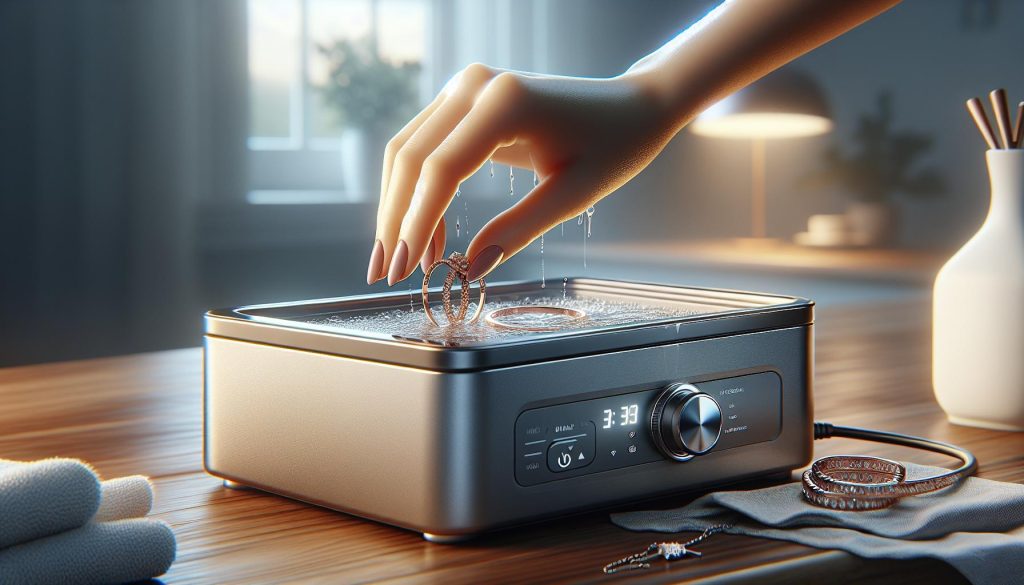
How to Use Ultrasonic Jewellery Cleaner: Professional Results

Unlock the secret to professional results with an ultrasonic jewellery cleaner! Discover simple steps to revive your gems and metals effortlessly.

What Liquid Do You Put in a Jewellery Cleaner: Safe Solutions
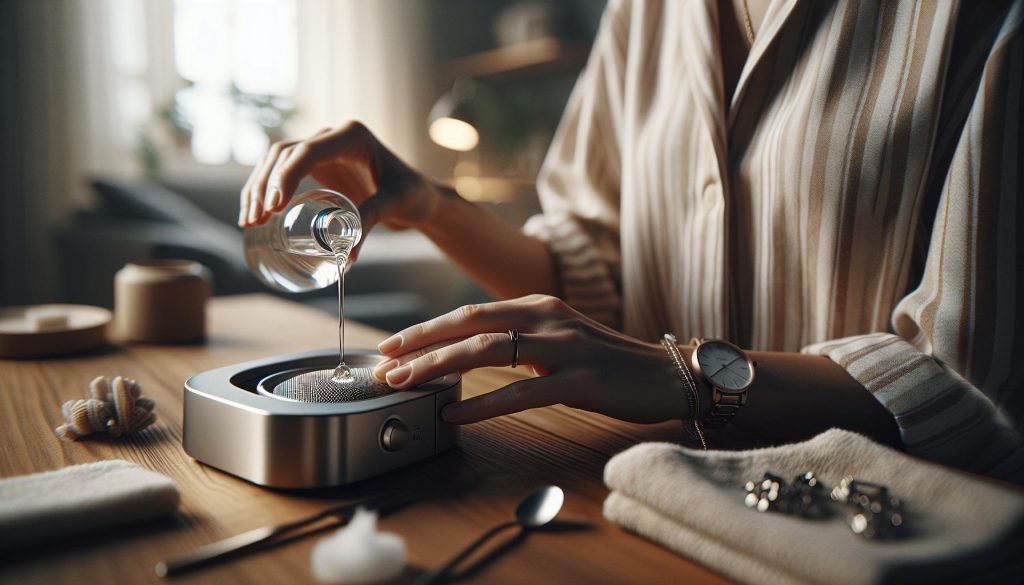
What Liquid Do You Put in a Jewellery Cleaner: Safe Solutions

Discover safe solutions for your jewellery cleaner! Learn what liquid to use for sparkling results and protect your precious gems. Click to unlock expert tips!

Is Acrylic Washable? Everything You Must Know Before Buying

Is Acrylic Washable? Everything You Must Know Before Buying

Is acrylic washable? Discover essential insights before buying! Learn how to care for your acrylic pieces and enjoy worry-free creativity. Don’t miss out!

  • Homepage
  • Blog
  • About Us
  • FAQ
  • Contact
  • Privacy Policy
  • Homepage
  • Blog
  • About Us
  • FAQ
  • Contact
  • Privacy Policy

© 2025 MissJ.eu Jewelry Magazine. All rights reserved.

Follow Us

Facebook X-twitter Instagram
AI Editorial Policy