Skip to content
  • Home
  • Authentication
    • Hypoallergenic Metals
    • Real vs Fake Testing
    • Surgical & MRI Guidelines
    • Tarnish Prevention
  • Business
  • DIY
    • Beaded & Shell Designs
    • Handmade Jewellery Tutorials
    • Polymer Clay Earrings
    • Precious Metal Crafting
  • Hallmarks
  • Jewelerry Care
    • Gold Jewellery Cleaning
    • Silver & Plated Cleaning
    • Sterilizing Jewellery
    • Tarnish Removal
    • Ultrasonic Cleaning
  • Jewellery Types
    • Alloy Jewellery
    • Brass and Coppper Jewellery
    • Fashion Jewellery
    • Gold & Platinum Jewellery
    • Silver Jewellery
    • Vermeil Jewellery
  • Storage
  • Styling
    • Fashion Pairings
    • Metal & Skin Matching
  • Value
    • Appraisal & Insurance
    • Resale Value
    • Secondhand Market
    • Trade-In & Selling
    • Where to Buy Jewellery
  • About Us
  • Home
  • Authentication
    • Hypoallergenic Metals
    • Real vs Fake Testing
    • Surgical & MRI Guidelines
    • Tarnish Prevention
  • Business
  • DIY
    • Beaded & Shell Designs
    • Handmade Jewellery Tutorials
    • Polymer Clay Earrings
    • Precious Metal Crafting
  • Hallmarks
  • Jewelerry Care
    • Gold Jewellery Cleaning
    • Silver & Plated Cleaning
    • Sterilizing Jewellery
    • Tarnish Removal
    • Ultrasonic Cleaning
  • Jewellery Types
    • Alloy Jewellery
    • Brass and Coppper Jewellery
    • Fashion Jewellery
    • Gold & Platinum Jewellery
    • Silver Jewellery
    • Vermeil Jewellery
  • Storage
  • Styling
    • Fashion Pairings
    • Metal & Skin Matching
  • Value
    • Appraisal & Insurance
    • Resale Value
    • Secondhand Market
    • Trade-In & Selling
    • Where to Buy Jewellery
  • About Us
Contact

Category: Tarnish Prevention

synthesizes electrochemical oxidation mechanics, barrier coating chemistry, atmospheric gas filtration, and moisture mitigation protocols to permanently safeguard silver, copper, brass, and karat gold from dulling tarnish.

Foundational Pillars
Principles & Standards
Topic Directory
Frequently Asked Questions

Foundational Guides (Start Here)

Oxidation Chemistry

Why Does Silver Jewellery Tarnish: Science Behind the Problem

Examining trace atmospheric hydrogen sulfide (H2S), moisture catalysts, and silver sulfide (Ag2S) lattice formation.

Read Full Guide →

Waterproof Truth

Can You Shower With Stainless Steel Jewellery? Shocking Truth

Evaluating 316L chromium oxide passivation films, tap water chlorine exposure, and waterproof jewelry longevity.

Read Full Guide →

Long-Term Protection

How to Keep Jewellery From Tarnishing: Long-Term Care

Anti-tarnish papers, microcrystalline wax sealants, rhodium barriers, and humidity-controlled storage regimens.

Read Full Guide →

Electrochemical Passivation: Atmospheric Sulfur, Relative Humidity & Protective Barriers

Tarnish on jewelry is an electrochemical surface corrosion phenomenon rather than simple atmospheric rusting. Silver and base copper atoms undergo spontaneous oxidation when exposed to airborne sulfurous pollutants—most notably hydrogen sulfide (H2S), sulfur dioxide (SO2), and carbonyl sulfide (OCS). These gases react with surface metal ions to precipitate an insoluble, light-scattering crystalline film: silver sulfide (Ag2S) on silver and copper oxide / copper carbonate (patina) on brass and bronze.

Preventing tarnish relies upon either sacrificial absorption or protective passivation barriers. Storing metals inside sealed enclosures containing copper-doped scavengers (Intercept Technology) traps airborne sulfur before it can strike jewelry. For wearable protection, manufacturers apply microscopic barrier layers: electrolytic rhodium plating provides an inert 0.5-micron shield, while electro-ceramic e-coating (nanotech silica-acrylic hybrid) seals the metal pores completely, rendering the piece virtually immune to perspiration, tap water, and ambient humidity.

Metal / AlloyTarnish SusceptibilityPrimary Chemical CatalystBest Prevention Strategy
925 Sterling SilverHigh (Turns yellow, then black)Airborne hydrogen sulfide + moistureAnti-tarnish cloth, silica gel, rhodium plating
Solid 14k/18k Yellow GoldExtremely Low (Noble metal)Alloyed copper/silver reacting to chlorineKeep away from bleach, hot tubs & pools
316L Stainless SteelZero (Completely impervious)Harsh acids / concentrated bleach onlyWash with warm water; zero maintenance needed
Brass & Costume CopperVery High (Rapid green/brown tarnish)Skin sweat acidity (lactic acid) + airJeweler polymer lacquer or microcrystalline wax

Topic Directory & Methodologies

Metal Tarnish Resistance Guides

  • Which Jewellery Metals Resist Tarnishing: Low-Maintenance Options
  • Does Gold Jewellery Tarnish? Precious Metal Truth
  • Does Copper Jewellery Tarnish: Prevention Tips That Actually Work
  • Why Platinum Jewelry Demands Less Maintenance: Luxury Advantage

Care, Cleaning & Storage Ecosystem

  • Tarnish Removal Restoration Hub
  • Jewellery Storage & Display Hub
  • Silver & Plated Cleaning Hub
  • Authentication & Safety Parent Hub

Frequently Asked Questions

What is the single best way to keep silver from tarnishing?

Store your clean silver pieces in individual airtight ziplock bags with an anti-tarnish strip and a silica gel packet. The ziplock blocks sulfur-laden airflow, the silica gel eliminates moisture catalysts, and the anti-tarnish strip absorbs any stray sulfur molecules.

Does wearing jewelry frequently help prevent tarnish?

Yes, for sterling silver! The natural friction of wearing your silver jewelry against your skin and clothing continuously buffs away microscopic tarnish crystals before they can bond into dark visible silver sulfide. Just remember to wipe pieces with a microfiber cloth after taking them off.

Can chalk in a jewelry box really stop tarnish?

Yes. A simple stick of plain white blackboard chalk is composed of calcium carbonate, which acts as a natural humidity sponge. Placing a piece of chalk inside your jewelry box helps keep the interior microclimate dry, significantly slowing down the oxidation reaction that causes tarnish.

Editorial Standards & Material Governance

Authored and curated by the Jewelry Care & Material Craftsmanship Desk at MissJ.eu. All recommendations, metallurgical benchmarks, and cleaning protocols are derived from established jewelry industry benchmarks, standard metal assay criteria, and professional studio lapidary practices.

Advisory Notice: Material properties and gemstone sensitivities vary by alloy grade, plating thickness, and vintage age. Always conduct a spot test on an inconspicuous section before applying chemical solvents or ultrasonic treatments to heirloom jewelry.

Why Does Silver Jewellery Tarnish: Science Behind the Problem

Why Does Silver Jewellery Tarnish: Science Behind the Problem

Discover why silver jewellery tarnishes and learn effective tips to prevent damage. Find out the science behind tarnishing and protect your treasures today!

Can You Shower With Stainless Steel Jewellery? Shocking Truth

Can You Shower With Stainless Steel Jewellery? Shocking Truth

Curious if you can shower with stainless steel jewellery? Discover the shocking truth and learn how to keep your pieces shining! Don’t risk your style-click now!

Is Stainless Steel Jewellery Waterproof? Water Resistance
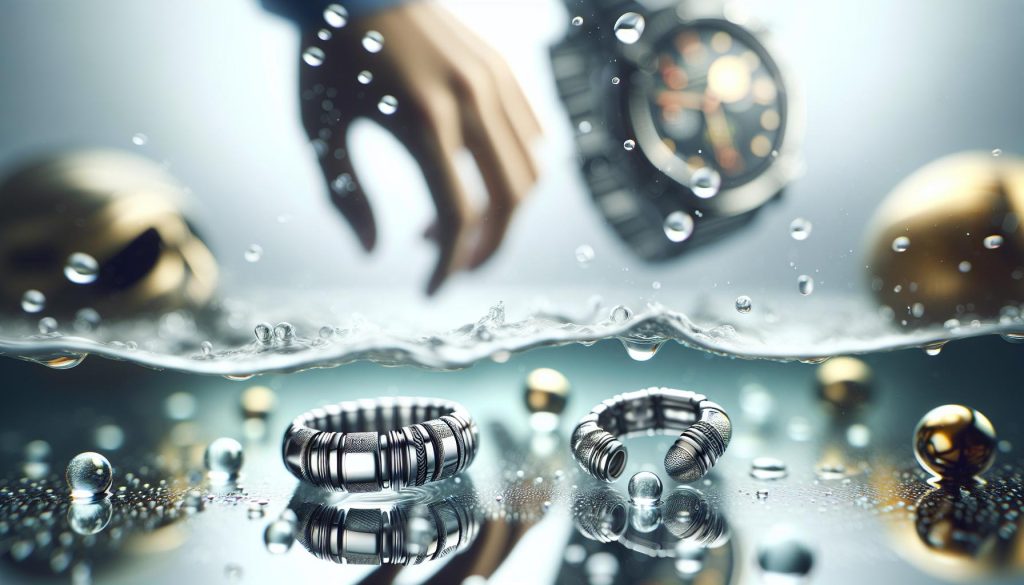
Is Stainless Steel Jewellery Waterproof? Water Resistance

Discover if stainless steel jewellery is truly waterproof! Learn the water resistance secrets that keep your accessories shining bright. Don’t miss out!

Does Copper Jewellery Tarnish: Prevention Tips That Actually Work

Does Copper Jewellery Tarnish: Prevention Tips That Actually Work

Discover how to prevent tarnish on copper jewellery with effective tips! Learn essential care techniques to keep your pieces shining bright. Don’t miss out!

Does Acrylic Paint Go Bad? Essential Guide for Jewelry Artists
Does Acrylic Paint Go Bad? Essential Guide for Jewelry Artists

Does acrylic paint go bad? Discover essential tips for jewelry artists to maintain vibrant colors and extend the life of your materials. Start creating!

Why Platinum Jewelry Demands Less Maintenance: Luxury Advantage
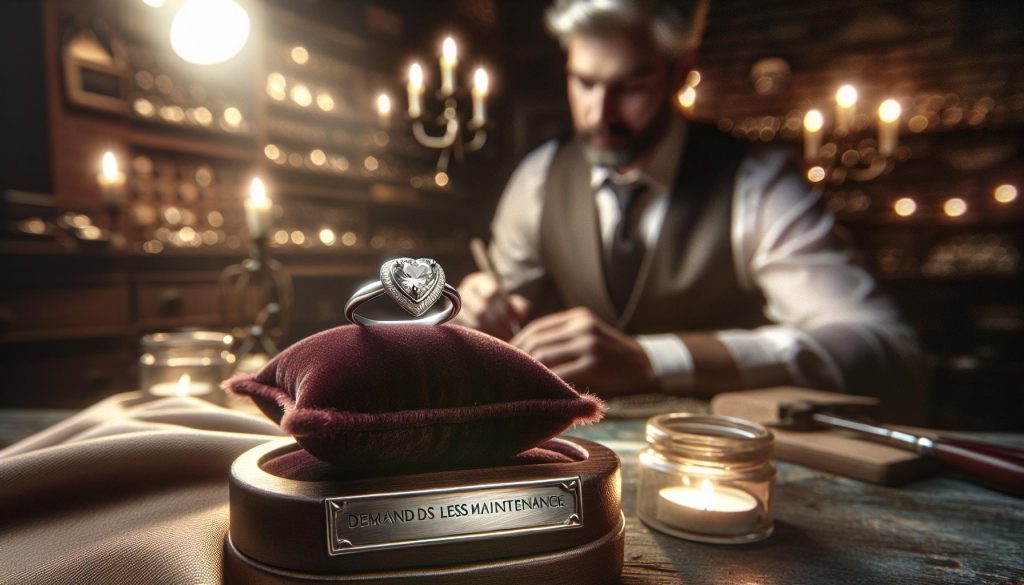
Why Platinum Jewelry Demands Less Maintenance: Luxury Advantage

Discover why platinum jewelry demands less maintenance and offers lasting luxury. Learn essential care tips to keep your pieces stunning and timeless!

Will Acrylic Paint Stay On Fabric: Textile Jewelry Durability

Will Acrylic Paint Stay On Fabric: Textile Jewelry Durability

Discover if acrylic paint will stay on fabric for your textile jewelry! Learn essential tips for durability and make your creations last. Get started now!

Does Gold Jewellery Tarnish? Precious Metal Truth
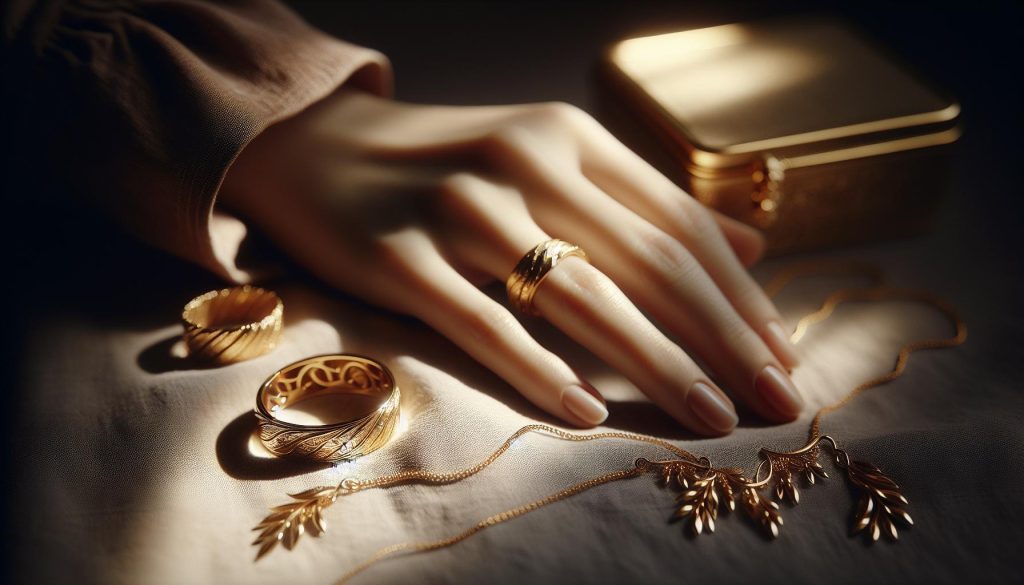
Does Gold Jewellery Tarnish? Precious Metal Truth

Discover the truth: Does gold jewellery tarnish? Uncover essential care tips and expert advice to keep your precious metals shining. Click to learn more!

How to Keep Jewellery From Tarnishing: Long-Term Care

How to Keep Jewellery From Tarnishing: Long-Term Care

Discover how to keep jewellery from tarnishing with expert tips! Learn effective long-term care strategies to preserve shine and beauty. Don’t miss out!

Which Jewellery Metals Resist Tarnishing: Low-Maintenance Options
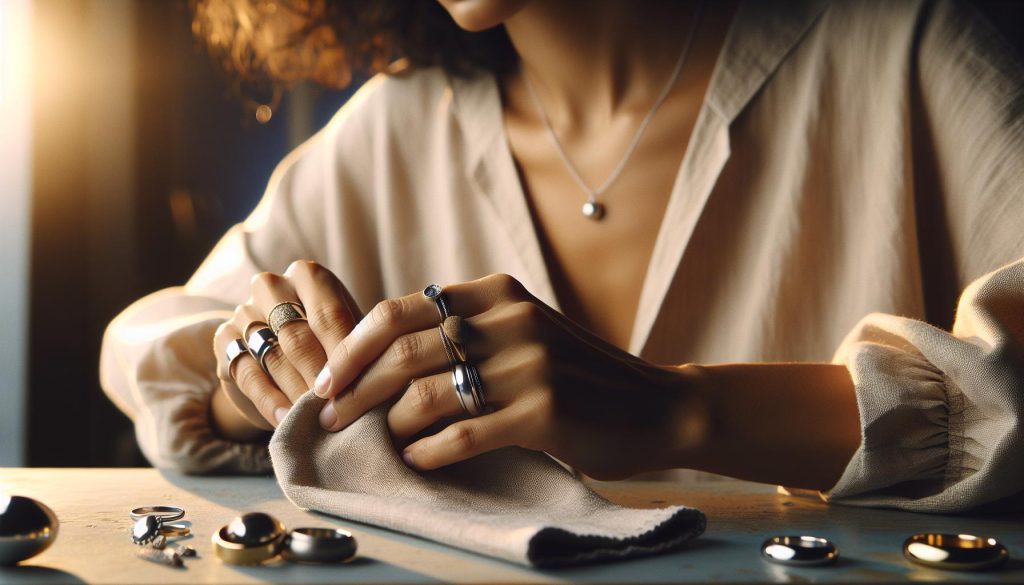
Which Jewellery Metals Resist Tarnishing: Low-Maintenance Options

Discover low-maintenance jewellery metals that resist tarnishing! Learn which options keep your pieces shining bright with minimal care. Click to find out more!

Next →
  • Homepage
  • Blog
  • About Us
  • FAQ
  • Contact
  • Privacy Policy
  • Homepage
  • Blog
  • About Us
  • FAQ
  • Contact
  • Privacy Policy

© 2025 MissJ.eu Jewelry Magazine. All rights reserved.

Follow Us

Facebook X-twitter Instagram
AI Editorial Policy