Did you know that stainless steel jewelry is not only stylish but also highly durable? As more people embrace the beauty and versatility of stainless steel pieces, a common question arises: can you shower with them? Understanding how exposure to water affects your jewelry is essential for maintaining its shine and integrity. While many find the idea of wearing their favorite pieces in the shower tempting, this decision can impact the longevity of your accessories. In this article, we’ll delve into the ins and outs of showering with stainless steel jewelry, offering insights and practical tips to help you make informed choices. Whether you’re a jewelry novice or a seasoned collector, you’ll discover crucial information that could change the way you care for your beloved pieces. So, let’s explore the surprising truth about stainless steel jewelry and showering!
Can You Shower With Stainless Steel Jewellery? Understanding the Basics
Most enthusiasts are surprised to learn that stainless steel jewelry can indeed withstand showering, making it a favored choice for those who lead active lifestyles. Stainless steel is known for its durability and resistance to rust and tarnishing, making it a practical option for daily wear, including in wet environments. However, not all water exposure is equal, and understanding the nuances can help maintain the longevity and appearance of your jewelry.
While you can typically shower with stainless steel pieces, there are factors to consider. Factors such as water temperature, exposure to harsh soap or shampoo, and the presence of chlorine or saltwater can affect the material over time. Generally, gentle soap and lukewarm water are safe for stainless steel, but prolonged exposure to very hot water and humidity can lead to micro-abrasions or dullness.
To ensure your stainless steel jewelry remains pristine, it’s advisable to rinse it with fresh water after exposure to soaps or chlorinated water, and dry it thoroughly with a soft cloth. This simple practice can go a long way in preventing the gradual buildup of residues that might compromise its shine. Remember, while stainless steel is resistant, it’s not entirely impervious to damage; regular care and maintenance can significantly extend the life of your pieces.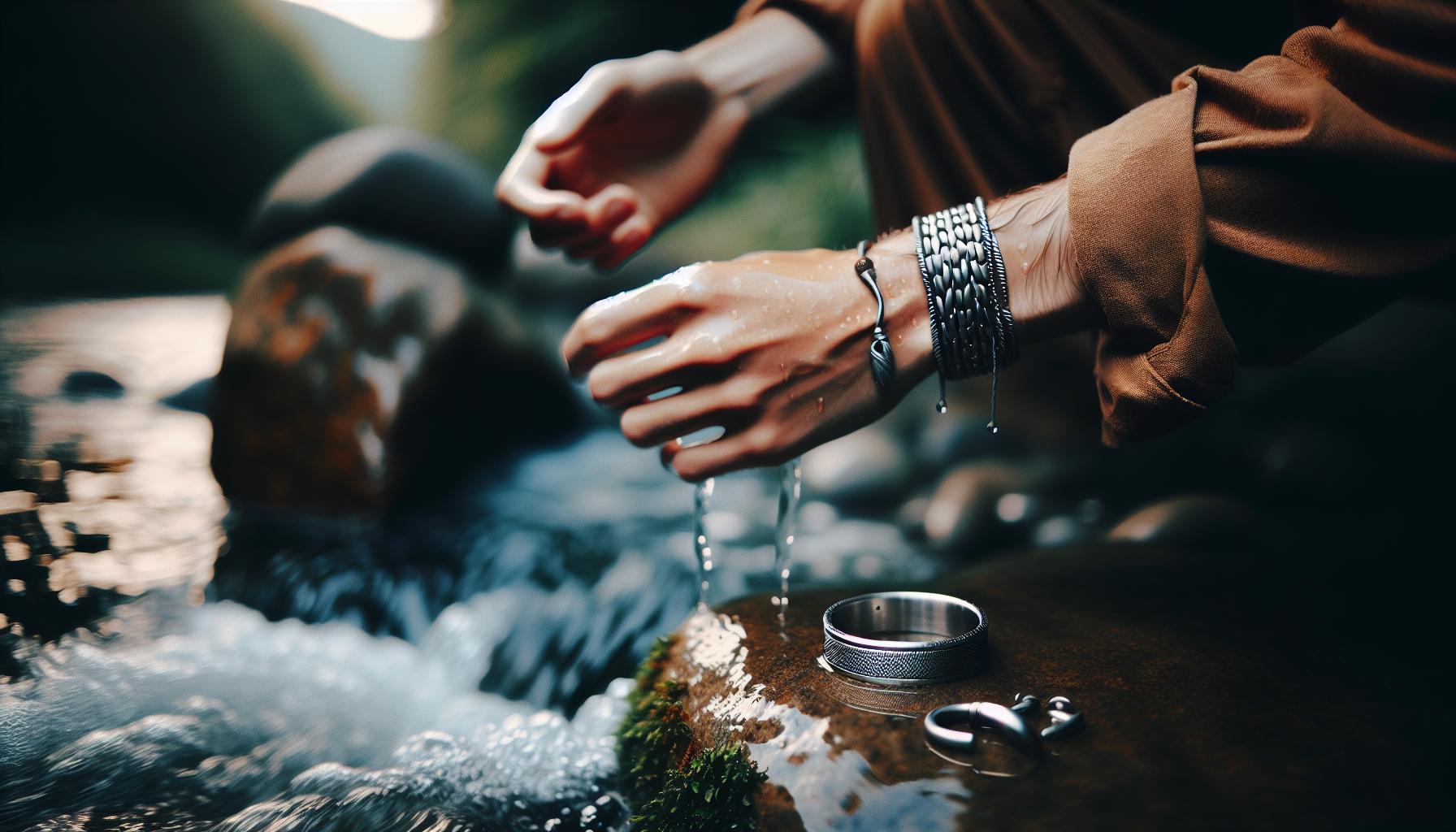
Pros and Cons of Wearing Stainless Steel in Water
Wearing stainless steel jewelry while showering can be a delightful blend of fashion and functionality, but like any choice, it carries both advantages and disadvantages. One of the most compelling benefits is its remarkable resilience. Stainless steel is highly resistant to rust and tarnishing, making it an ideal choice for everyday wear, especially in environments where exposure to moisture is a given. This durability means you don’t have to worry excessively about your jewelry losing its luster after encountering water, which is a significant advantage over more delicate materials.
However, there are also some downsides worth considering. While stainless steel itself is robust, exposure to certain chemicals found in soaps, shampoos, and other shower products can lead to dullness over time. Moreover, if you frequently shower with your jewelry on, hot water can accelerate the wear-and-tear process, potentially leading to micro-abrasions that detract from its shine. Additionally, prolonged exposure to chlorinated or saltwater-common in swimming pools and beaches-can be more harmful than a quick rinse in fresh water.
Pros of Wearing Stainless Steel in Water
- High Durability: Stainless steel is tough and can withstand moisture without significant damage.
- Resistant to Rust and Tarnish: This material generally maintains its shine and integrity over time.
- Low Maintenance: Unlike gold or silver, stainless steel requires minimal care.
Cons of Wearing Stainless Steel in Water
- Potential for Dullness: Continuous exposure to soap and hot water may reduce its lustrous appearance.
- Sensitivity to Chemicals: Certain chemicals in personal care products can lead to unwanted reactions.
- Mileage Matters: The longer you wear it in challenging conditions, the more likely it is to show signs of wear.
Understanding these pros and cons can help you make informed decisions regarding your stainless steel jewelry, ensuring it remains a cherished part of your style even in wet conditions. With the right adjustments and care, stainless steel can be both a practical and fashionable choice for your everyday jewelry needs.
How Does Water Affect Stainless Steel Jewellery?
Water can be both a friend and a foe to stainless steel jewelry, significantly influencing its appearance and longevity. While stainless steel is celebrated for its impressive resistance to rust and tarnish, the interaction with water-especially when combined with everyday cleaning products-can lead to unforeseen challenges. This metal is engineered to withstand exposure to moisture, yet it is not immune to the effects of soap and hot water, which can compromise its shine over time.
When stainless steel jewelry encounters water, its high durability means it typically emerges unscathed from occasional showers or splashes. But frequent exposure, especially to hot water, can result in micro-abrasions on the surface, gradually dulling its finish. Bath products such as shampoos, conditioners, and soaps often contain chemicals that may adhere to the jewelry, resulting in a film that detracts from its luster. Furthermore, prolonged contact with chlorinated water, such as in swimming pools, can be more damaging than you might expect, leading to discoloration or dullness more pronounced than with natural water.
To maintain the sparkling allure of stainless steel jewelry after exposure to water, it’s essential to incorporate a few best practices into your routine. Regular cleaning with mild soap and warm water can help remove any residue from personal care products. Ensure to rinse your jewelry thoroughly to eliminate all soap traces, and pat it dry with a soft cloth to prevent water spots. By understanding how water affects your stainless steel pieces, you can make informed decisions about wearing them in wet environments and ensure they remain a cherished part of your collection.
Best Practices for Showering with Stainless Steel Pieces
Showering with stainless steel jewelry can seem like a convenient practice, but there are ways to enjoy your pieces without compromising their beauty and longevity. With just a few mindful habits, you can keep your jewelry looking bright and minimize wear from water exposure.
First, before stepping into the shower, consider the frequency of your use-if you’re showering daily, it’s wise to limit your jewelry exposure. While stainless steel is resistant to rust and tarnish, the frequent encounter with soaps, shampoos, and other products can leave residues that might dull the shine over time. Consider removing your pieces before showering. However, if you decide to keep them on, try rinsing them under warm water while showering to help wash away any product buildup.
After your shower, it’s important to dry your jewelry promptly. Use a soft, lint-free cloth to gently pat the pieces dry. This will help prevent water spots or any residual film from forming on the surface. Additionally, establish a cleaning routine: every few weeks, give your stainless steel jewelry a thorough clean with mild soap and warm water, followed by a good rinse and drying. This simple maintenance will go a long way in extending the life of your stainless steel jewelry, ensuring it remains a vibrant part of your collection.
Lastly, be aware of the materials in your personal care products. Opting for mild, pH-balanced shampoos and soaps can lessen any adverse effects on your jewelry. Avoid products with harsh chemicals or abrasives, and always rinse off your jewelry if it comes into contact with chlorine or saltwater during other activities. By integrating these practices into your shower routine, you can confidently enjoy your stainless steel jewelry without fear of damage.
Common Myths About Stainless Steel and Water Exposure
Many believe that wearing stainless steel jewelry in the shower is detrimental, but several common myths can lead to unnecessary caution regarding this durable material. Understanding these myths can help you confidently wear your favorite stainless steel pieces without fear of damage.
One prevalent myth is that stainless steel will rust or tarnish easily when exposed to water. In truth, stainless steel is renowned for its resistance to rust and corrosion due to the chromium content in its alloy. This quality allows it to withstand moisture much better than other metals, making it a popular choice for everyday wear, including showering. However, while water alone is not harmful, exposure to harsh chemicals found in soaps and shampoos can dull the shine of your jewelry over time.
Another misconception is that showering with stainless steel jewelry will cause skin irritation or allergies. For most individuals, stainless steel is hypoallergenic, particularly when made from high-quality materials like surgical steel. However, those with sensitivity should be mindful of the alloy’s composition. Some cheaper stainless steel variants may contain nickel, which can cause reactions in susceptible individuals.
Many also fear that slipping into the shower with stainless steel rings or bracelets will result in irreparable damage. While consistent exposure to extreme conditions or chemicals can wear down the finish over time, the occasional shower will not ruin your jewelry. To mitigate any potential buildup of soap scum or product residue, simply rinse your jewelry with warm water after washing. Proper care practices can ensure your stainless steel jewelry shines brightly and remains in excellent condition for years to come.
In summary, stainless steel jewelry is designed for resilience and can safely accompany you in the shower. By understanding these myths and exploring practical care techniques, you can enjoy the beauty and durability of your stainless steel pieces without unnecessary concern.
How to Clean Stainless Steel Jewellery After Showering
It’s a common assumption that jewelry requires meticulous care, especially after exposure to water. Stainless steel jewelry, renowned for its durability and resistance to tarnishing, can indeed benefit from a quick cleaning ritual after a shower. This simple maintenance not only keeps your pieces looking their best but also extends their lifespan, ensuring that your favorite accessories shine brilliantly for years to come.
After enjoying a refreshing shower, take a moment to rinse your stainless steel jewelry under warm water. This step helps remove any soap residue, shampoo, or conditioner that might have accumulated during your bathing routine. It’s important to avoid harsh chemicals during this process since they can dull the jewelry’s finish. For a more thorough clean, mix warm water with a few drops of mild dish soap in a small container. Let your jewelry soak for 1-2 minutes, then gently scrub it with a soft bristle toothbrush or a microfiber cloth to eliminate any stubborn spots or residue.
Once you’ve finished cleaning, be sure to rinse your jewelry thoroughly under warm running water to remove any soap. Pat it dry with a soft cloth, avoiding paper towels which can scratch the surface. For extra shine, you can finish with a jewelry-safe polish; just ensure it is non-toxic and suitable for stainless steel. This small ritual, combined with regular care practices, will keep your stainless steel jewelry looking polished and new, allowing you to enjoy your stylish pieces without worry.
Identifying High-Quality Stainless Steel vs. Imitations
When it comes to purchasing stainless steel jewelry, distinguishing between high-quality pieces and less expensive imitations can significantly affect your overall satisfaction. Not all stainless steel is created equal; the grade and composition can influence durability, appearance, and how well it holds up to exposure to water. High-quality stainless steel, particularly 304 or 316L grades, are known for their corrosion resistance, strength, and lack of tarnishing, making them suitable for daily wear-even during showers or swims.
To help you make an informed choice, consider the following aspects:
- The Grade of Stainless Steel: Look for jewelry marked as 304 or 316L stainless steel. These grades are less likely to rust or corrode over time and are often used in high-quality jewelry due to their superior resistance to the elements.
- Magnet Test: A simple magnet test can help identify the quality of stainless steel. High-quality stainless steel is generally non-magnetic, whereas lower quality or imitation metals may be attracted to magnets.
- Finish and Polish: Observe the finish of the jewelry. High-quality pieces will have a smooth, even surface that reflects light beautifully. Poorly made pieces may have uneven spots, rough edges, or can appear dull.
- Price Point: While price alone isn’t a definitive measure of quality, significantly low prices can be a red flag. Quality stainless steel jewelry represents a worthwhile investment due to its longevity and durability.
When shopping for stainless steel jewelry, always purchase from reputable retailers or brands known for their craftsmanship. This not only ensures you receive authentic pieces but also supports businesses that prioritize quality in their products. By taking these steps, you can confidently enjoy your stainless steel jewelry, knowing it can withstand the test of time, whether you wear it in the shower or in everyday life.
Preventing Damage: Care Tips for Your Stainless Steel Jewellery
Taking care of your stainless steel jewelry is essential to keep it looking its best, especially if you wear it daily or during activities like showering. While stainless steel is known for its durability, certain practices can help extend its lifespan and maintain its shine. Proper care not only enhances its aesthetic appeal but also safeguards your investment.
First and foremost, it’s advisable to regularly clean your stainless steel pieces. Use a soft cloth and warm water mixed with a few drops of mild soap to gently wipe down the jewelry after exposure to water, soap, or lotions. This method effectively removes traces of soap and body oils that could dull the finish over time. Be cautious to avoid harsh chemicals or abrasive materials, such as scouring pads or steel wool, which can scratch and damage the surface. Instead, consider using a soft-bristled toothbrush to get into intricate details and crevices, ensuring a comprehensive clean without causing harm.
When you’re showering, although high-quality stainless steel jewelry is generally water-resistant, it’s beneficial to limit exposure to products like shampoo, conditioner, and body wash. These products can leave residues that may dull the luster of your pieces. After showering, always rinse your jewelry under lukewarm water to remove any lingering soap or residue, then gently dry it with a microfiber cloth to prevent water spots.
Storing your stainless steel jewelry properly is equally important. Store your pieces separately in a soft pouch or a jewelry box lined with fabric to prevent scratching. You may also consider using anti-tarnish strips in your storage area to absorb moisture and reduce the risk of tarnishing, even though reputable stainless steel generally resists tarnishing better than other metals.
By following these simple care tips, you can ensure that your stainless steel jewelry remains a stunning addition to your collection, standing up to daily wear and maintaining its allure for years to come.
Expert Recommendations for Long-lasting Stainless Steel
Investing in stainless steel jewelry can be a fantastic choice due to its durability and resistance to tarnishing. However, to ensure that your pieces maintain their shine and structural integrity over time, adhering to expert recommendations for care and maintenance is key. Whether you’re an avid collector or new to jewelry ownership, following these practical guidelines will empower you to keep your stainless steel jewelry in stunning condition.
One of the most effective practices is to develop a regular cleaning routine. After exposure to water, sweat, or personal care products such as lotions and perfumes, gently wash your stainless steel items with warm, soapy water. Use a soft cloth or sponge, and avoid abrasive materials that could scratch the surface. For intricate designs or hard-to-reach areas, a soft-bristled toothbrush can effectively dislodge any trapped dirt without damaging the metal. Ensure that you rinse thoroughly to remove all soap residue, as lingering products can dull the shine of your jewelry.
It’s equally important to pay attention to how you store your jewelry. Keep stainless steel pieces in a soft pouch or a lined jewelry box to minimize scratching. If possible, store each item separately to prevent friction. Additionally, include anti-tarnish strips in your storage solution to absorb moisture and reduce tarnishing, even if quality stainless steel is typically more resistant than other metals.
Lastly, be mindful of when to wear your jewelry. While stainless steel is water-resistant, it’s wise to remove your pieces before using harsh cleaning agents or engaging in strenuous activities, such as swimming in chlorinated pools. This simple precaution can significantly extend the life of your jewelry, ensuring it remains a beautiful part of your collection for years to come. By integrating these expert recommendations into your routine, you’ll enjoy the allure and longevity of your stainless steel jewelry effortlessly.
Styling Stainless Steel Jewellery for Daily Wear
Investing in stainless steel jewelry is not only about its aesthetic appeal; it also offers incredible versatility in daily styling, making it a go-to choice for many fashion enthusiasts. Stainless steel has a sleek appearance that can effortlessly complement a variety of outfits, from casual wear to formal attire. Its durability means it can withstand the rigors of everyday life, allowing you to wear it confidently without constantly worrying about damage.
When styling stainless steel jewelry for daily wear, consider creating layered looks. For example, wearing a delicate stainless steel chain necklace alongside a chunkier pendant can create a beautiful contrast. This layering technique allows you to express your personal style while maintaining an elegant, put-together appearance. Additionally, incorporating stainless steel bracelets with varying textures can add an element of interest to your wrist. Mixing polished and matte finishes can elevate your look even further.
Color Pairing and Accessories
Think about the colors you typically wear. Stainless steel pairs wonderfully with both cool and warm tones. For a chic monochromatic look, combine it with black or grey outfits. To create a striking contrast, wear stainless steel with pastel colors or jewel tones like emerald or royal blue. Don’t shy away from pairing your jewelry with other materials, either; a stainless steel piece can harmonize beautifully with leather, beads, or even gemstones.
Practical Considerations
While styling, keep practicality in mind. For those who lead active lifestyles or spend a lot of time in environments where jewelry could be exposed to moisture-like showering-opt for simpler pieces that are easier to clean and maintain. If you’re someone who enjoys mixing metals, feel free to blend stainless steel with gold or silver-plated items for a dynamic look. Always prioritize comfort and functionality to ensure that your jewelry enhances your day, rather than hinders it.
With stainless steel jewelry, you can confidently express your style while knowing that you’re making a smart investment in pieces that will stand the test of time.
When to Remove Your Jewellery: Practical Guidelines
When it comes to stainless steel jewelry, knowing when to remove your pieces can significantly extend their lifespan and maintain their aesthetic appeal. One of the most important times to consider removing your jewelry is during activities that expose it to harsh conditions or substances. For instance, while showering, the combination of water, soap, and shampoos can lead to buildup that dulls the shine of stainless steel. Similarly, exposure to chlorine in swimming pools or saltwater can cause wear over time. Although stainless steel is more resilient than other metals, taking this precaution can help preserve its luster.
In addition to water-related activities, you should also consider removing your jewelry during intense physical activities, such as exercising or engaging in sports. The sweat produced can contribute to tarnishing and can bond with soaps and lotions, leading to potential discoloration or damage. Moreover, if you work with chemicals or in environments with abrasive materials, taking off your jewelry can prevent scratches and chemical reactions that might compromise its integrity.
To ensure you maintain your jewelry’s pristine condition, consider these practical guidelines for removal:
- Showering: Always remove your jewelry before showering to prevent buildup from soaps and other products.
- Swimming: Avoid wearing stainless steel jewelry in pools or oceans to protect against chlorine and saltwater.
- Exercise: Take off your pieces prior to workouts to avoid sweat-related tarnishing.
- Household Cleaning: Chemicals in cleaning supplies can harm your jewelry, so it’s wise to remove them beforehand.
Ultimately, being mindful about the conditions in which you wear your stainless steel jewelry can help maintain its beauty and durability for years to come. Remember that prevention is key; by removing your pieces during potentially damaging activities, you’ll ensure they remain stunning and functional over time.
Alternative Jewellery Materials for Water Activities
For those who enjoy water activities but are hesitant about wearing stainless steel jewelry, exploring alternative materials can open up a world of options. While stainless steel is resilient and does resist tarnishing better than many metals, it’s not entirely impervious to the effects of soap, chlorine, or saltwater. So, if you seek pieces that can withstand rigorous water exposure without compromising aesthetic or structural integrity, consider the following alternatives:
Silicone Jewelry
Silicone jewelry has risen in popularity due to its flexibility and durability. It’s waterproof, lightweight, and comes in various colors, appealing to all ages. Ideal for swimming, snorkeling, or just enjoying a day at the beach, silicone pieces can be quite fashionable while being virtually damage-proof in water.
Plastic and Resin
Plastic or resin jewelry is also a great option for water activities. These materials can withstand moisture without losing color or shape, making them perfect for pool parties or summer outings. Additionally, resin can be molded into various designs, providing a unique flair to your beachwear.
Natural Materials
Certain natural materials like wood or coral can be a stunning choice for water activities, offering a bohemian vibe. However, it’s essential to treat these pieces with care. While wood can be water-resistant when sealed properly, prolonged exposure can warp the material, so it’s best to wear them for shorter periods during water activities.
Metal Alternatives
If you’re still inclined toward metals, consider titanium or aluminum. Both are lightweight and resistant to rust and corrosion, making them suitable for water exposure. Titanium is known for its strength and hypoallergenic properties, which makes it an excellent choice for everyday wear.
In summary, choosing the right materials for jewelry during water activities can enhance both your style and your comfort. Whether you opt for colorful silicone, versatile resin, or durable metals like titanium, you can enjoy the water fully without worrying about your jewelry’s longevity. Embrace these materials to maintain your sparkling look while diving into the waves!
Q&A
Q: Can I wear stainless steel jewellery while swimming?
A: Yes, you can wear stainless steel jewellery while swimming. It is generally water-resistant and does not tarnish easily. However, it’s best to rinse it after exposure to chlorinated or saltwater to maintain its shine and longevity. Refer to the section on care tips for more details.
Q: How does stainless steel jewellery hold up against sweat?
A: Stainless steel jewellery is highly resistant to sweat and corrosion. Unlike other metals, it does not rust or tarnish easily, making it suitable for daily wear, including workouts. For optimal maintenance, periodically clean your jewellery to keep it looking new.
Q: Is stainless steel jewellery safe for sensitive skin?
A: Yes, high-quality stainless steel is hypoallergenic and safe for sensitive skin. It contains minimal nickel, which reduces the risk of allergic reactions. You can learn more in the section about identifying high-quality stainless steel versus imitations.
Q: What should I do if my stainless steel jewellery looks dull?
A: If your stainless steel jewellery appears dull, clean it with a soft cloth and mild soap solution. Avoid harsh chemicals. Regular maintenance, as discussed in the cleaning section of the article, will keep it looking polished and shiny.
Q: Can exposure to water change the color of stainless steel jewellery?
A: No, stainless steel jewellery should not change color due to water exposure if it is of high quality. However, prolonged contact with saltwater or chlorine can affect its appearance; rinsing with fresh water can help mitigate this.
Q: How can I tell if my stainless steel jewellery is genuine?
A: To determine if your stainless steel jewellery is genuine, check for a stamp indicating the grade (such as 316L is common for high-quality stainless steel). Also, inspect for signs of rust or tarnish, which indicate poor quality. More insights are available in the section on identifying high-quality pieces.
Q: Should I remove stainless steel jewellery during showers?
A: While stainless steel can withstand showering, it’s advisable to remove it to prevent buildup from soap and shampoo. This practice can help maintain its shine and avoid any potential dulling over time. Check the best practices section for comprehensive care advice.
Q: What alternative jewellery materials are better for water activities?
A: For water activities, consider silicone or rubber jewellery, as they are specifically designed to withstand water exposure without damage. The article provides more alternatives suitable for different activities, ensuring you make the best choice for your lifestyle.
The Way Forward
Now that you know the truth about showering with stainless steel jewellery, you can confidently decide what’s best for your pieces. While stainless steel is durable, taking a few extra precautions can help preserve its shine and longevity. If you have lingering questions about jewellery care or want to learn more about maintaining your metal pieces, check out our guides on cleaning and storing jewellery.
Speaking of valuable resources, don’t miss our engaging articles on styling tips and DIY jewellery projects that will inspire you to elevate your collection. If you found this information useful, consider signing up for our newsletter for the latest insights and tips delivered straight to your inbox.
Join the conversation by leaving a comment below-your experiences and questions could help others, too! Whether you’re here for care advice or looking to start your own jewellery shop, we’re thrilled to support your journey. Remember, when it comes to jewellery, knowledge is your best accessory!
Get our latest guides, news, and insights highlighted in your Google Search & AI Overviews.