Skip to content
  • Home
  • Authentication
    • Hypoallergenic Metals
    • Real vs Fake Testing
    • Surgical & MRI Guidelines
    • Tarnish Prevention
  • Business
  • DIY
    • Beaded & Shell Designs
    • Handmade Jewellery Tutorials
    • Polymer Clay Earrings
    • Precious Metal Crafting
  • Hallmarks
  • Jewelerry Care
    • Gold Jewellery Cleaning
    • Silver & Plated Cleaning
    • Sterilizing Jewellery
    • Tarnish Removal
    • Ultrasonic Cleaning
  • Jewellery Types
    • Alloy Jewellery
    • Brass and Coppper Jewellery
    • Fashion Jewellery
    • Gold & Platinum Jewellery
    • Silver Jewellery
    • Vermeil Jewellery
  • Storage
  • Styling
    • Fashion Pairings
    • Metal & Skin Matching
  • Value
    • Appraisal & Insurance
    • Resale Value
    • Secondhand Market
    • Trade-In & Selling
    • Where to Buy Jewellery
  • About Us
  • Home
  • Authentication
    • Hypoallergenic Metals
    • Real vs Fake Testing
    • Surgical & MRI Guidelines
    • Tarnish Prevention
  • Business
  • DIY
    • Beaded & Shell Designs
    • Handmade Jewellery Tutorials
    • Polymer Clay Earrings
    • Precious Metal Crafting
  • Hallmarks
  • Jewelerry Care
    • Gold Jewellery Cleaning
    • Silver & Plated Cleaning
    • Sterilizing Jewellery
    • Tarnish Removal
    • Ultrasonic Cleaning
  • Jewellery Types
    • Alloy Jewellery
    • Brass and Coppper Jewellery
    • Fashion Jewellery
    • Gold & Platinum Jewellery
    • Silver Jewellery
    • Vermeil Jewellery
  • Storage
  • Styling
    • Fashion Pairings
    • Metal & Skin Matching
  • Value
    • Appraisal & Insurance
    • Resale Value
    • Secondhand Market
    • Trade-In & Selling
    • Where to Buy Jewellery
  • About Us
Contact

Category: Polymer Clay Earrings

synthesizes conditioning protocols, temperature-controlled oven polymerization, surface patterning, and post-cure finishing for artisan polymer clay earrings and wearable miniature sculptures.

Foundational Pillars
Principles & Standards
Topic Directory
Frequently Asked Questions

Foundational Guides (Start Here)

Studio Creation Guide

How to Make Polymer Clay Earrings: Creative DIY Guide
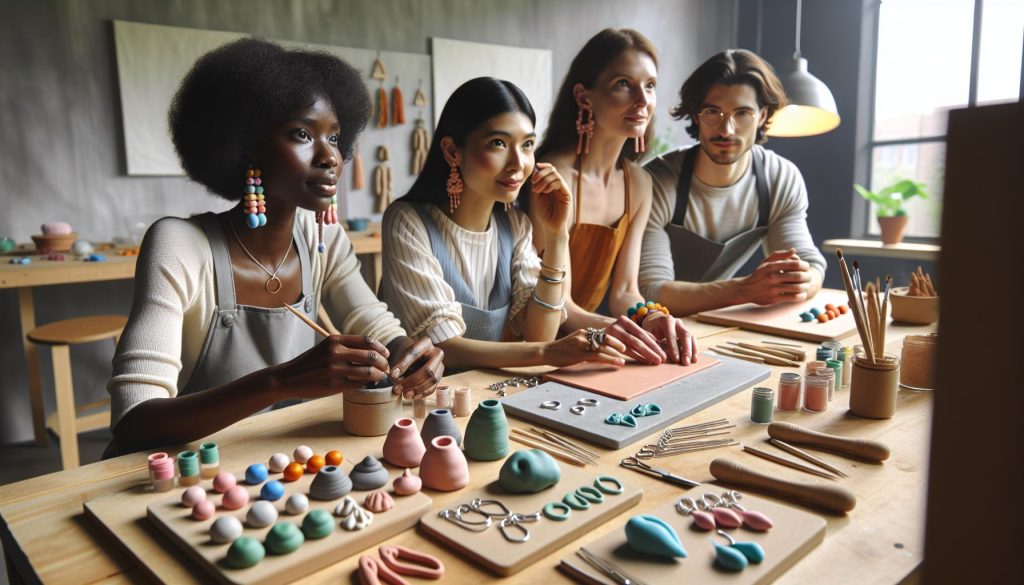
Comprehensive walkthrough: color mixing, slab design, geometric cutters, bake scheduling, and post-bake assembly.

Read Full Guide →

Beginner Technique

How to Make Clay Earrings: Easy Tutorial for Unique Designs

Fundamental techniques for conditioning clay, marbling colors, embedding earring posts, and drilling clean jump ring holes.

Read Full Guide →

Hardware Assembly

Head Pins in Jewelry Making: Types, Gauges & How-To Guide

Connecting cured polymer clay components to jump rings, head pins, and hypoallergenic surgical steel earring findings.

Read Full Guide →

Polymer Science: Conditioning Plasticizers, Exact Curing Thermometry & Flexibility

Polymer clay is not geological earth clay; it is a synthetic formulation of polyvinyl chloride (PVC) resin particles suspended in liquid plasticizer oils with added pigments and fillers. In its raw unconditioned state, the PVC chains are unbonded. Conditioning—passing clay repeatedly through an acrylic roller or pasta machine—aligns the plasticizers, warms the compound, and expels trapped air micro-bubbles that would otherwise expand into blister blemishes during baking.

Curing is a strict polymerization reaction, not a drying process. Most brands (Sculpey Premo, Fimo, Cernit) require precise oven temperatures between 130°C and 135°C (266°F – 275°F) maintained for 30 to 45 minutes per quarter-inch thickness. Under-baking leaves the plasticizers unlinked, resulting in brittle earrings that snap easily when dropped. Over-baking scorches pigments and degrades PVC into hydrogen chloride fumes. Using an independent oven thermometer placed directly next to the curing tile is mandatory for repeatable structural flexibility.

Clay Brand / SeriesCuring TemperaturePost-Bake FlexibilityIdeal Application
Sculpey Premo / Soufflé135°C (275°F) for 30-45 minExceptional; bends without snappingLightweight statement earrings, intricate slabs
Fimo Professional110°C (230°F) for 30 minVery High; firm detail retentionMicro-sculpting, sharp cane patterns, bezels
Cernit Number One120-130°C (250-266°F) for 30 minVery High; porcelain-like translucencySmooth luminous pastels, gemstone imitations
Sculpey III (Standard)135°C (275°F) for 15 minLow; brittle if rolled thinDecorative figurines; NOT recommended for thin earrings

Topic Directory & Methodologies

Related Crafting & Finishing Tutorials

  • How Long Does it Take for Acrylic Paint to Dry: Expert Tips
  • How to Blend Acrylic Paint: Smooth Transition Techniques
  • Is Acrylic Paint Safe for Skin: Body Art Facts & Warnings
  • What Earrings Are Best for Sensitive Ears: Hypoallergenic Guide

Jewellery Crafting & Style Hierarchy

  • DIY Jewellery Parent Hub
  • Handmade Jewellery Tutorials Hub
  • Beaded & Shell Designs Hub
  • Hypoallergenic Metals & Earring Safety Hub

Frequently Asked Questions

Why are my polymer clay earrings brittle and snapping easily?

Brittle polymer clay earrings are almost always the result of under-baking. If the oven temperature is too low or the baking time too short, the PVC particles do not fully fuse into a solid plastic matrix. Properly cured premium clay (like Premo or Fimo) should be slightly flexible and bend without snapping.

How do I prevent bubbles and fingerprints on clay earrings?

To remove fingerprints, smooth the raw clay gently with an acetone-dipped Q-tip or rub lightly with cornstarch before baking. To avoid air bubbles, fold conditioned clay in the same direction when passing it through a pasta machine, and prick any visible blisters with a needle before cutting your shapes.

How do you attach earring posts securely to polymer clay?

The most durable method is embedding: cut a tiny sliver of clay over the flat pad of the earring post on the back of the earring and re-bake for 15 minutes, or use a two-part jeweler’s epoxy after sanding the back of the post and clay with 150-grit sandpaper for mechanical grip. Avoid plain superglue, which breaks down when stressed.

Editorial Standards & Material Governance

Authored and curated by the Jewelry Care & Material Craftsmanship Desk at MissJ.eu. All recommendations, metallurgical benchmarks, and cleaning protocols are derived from established jewelry industry benchmarks, standard metal assay criteria, and professional studio lapidary practices.

Advisory Notice: Material properties and gemstone sensitivities vary by alloy grade, plating thickness, and vintage age. Always conduct a spot test on an inconspicuous section before applying chemical solvents or ultrasonic treatments to heirloom jewelry.

How to Make Polymer Clay Earrings: Creative DIY Guide

How to Make Polymer Clay Earrings: Creative DIY Guide

Unlock your creativity with our guide on how to make polymer clay earrings! Discover easy tutorials, tips, and stunning designs to start your DIY journey today!

How to Make Clay Earrings: Easy Tutorial for Unique Designs
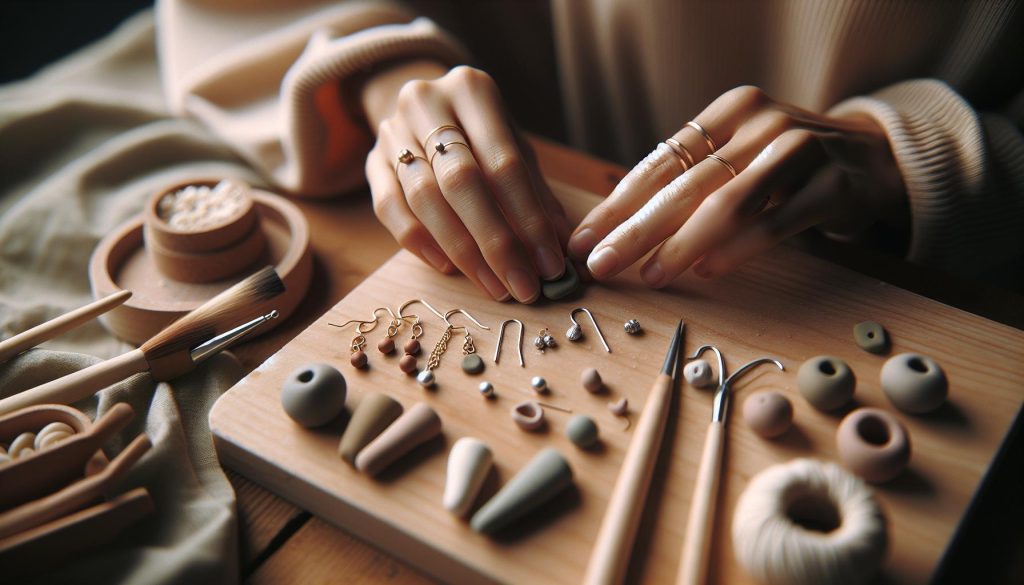
How to Make Clay Earrings: Easy Tutorial for Unique Designs

Unlock your creativity with our easy tutorial on how to make clay earrings! Discover unique designs that will elevate your style-start crafting today!

  • Homepage
  • Blog
  • About Us
  • FAQ
  • Contact
  • Privacy Policy
  • Homepage
  • Blog
  • About Us
  • FAQ
  • Contact
  • Privacy Policy

© 2025 MissJ.eu Jewelry Magazine. All rights reserved.

Follow Us

Facebook X-twitter Instagram
AI Editorial Policy