Skip to content
  • Home
  • Authentication
    • Hypoallergenic Metals
    • Real vs Fake Testing
    • Surgical & MRI Guidelines
    • Tarnish Prevention
  • Business
  • DIY
    • Beaded & Shell Designs
    • Handmade Jewellery Tutorials
    • Polymer Clay Earrings
    • Precious Metal Crafting
  • Hallmarks
  • Jewelerry Care
    • Gold Jewellery Cleaning
    • Silver & Plated Cleaning
    • Sterilizing Jewellery
    • Tarnish Removal
    • Ultrasonic Cleaning
  • Jewellery Types
    • Alloy Jewellery
    • Brass and Coppper Jewellery
    • Fashion Jewellery
    • Gold & Platinum Jewellery
    • Silver Jewellery
    • Vermeil Jewellery
  • Storage
  • Styling
    • Fashion Pairings
    • Metal & Skin Matching
  • Value
    • Appraisal & Insurance
    • Resale Value
    • Secondhand Market
    • Trade-In & Selling
    • Where to Buy Jewellery
  • About Us
  • Home
  • Authentication
    • Hypoallergenic Metals
    • Real vs Fake Testing
    • Surgical & MRI Guidelines
    • Tarnish Prevention
  • Business
  • DIY
    • Beaded & Shell Designs
    • Handmade Jewellery Tutorials
    • Polymer Clay Earrings
    • Precious Metal Crafting
  • Hallmarks
  • Jewelerry Care
    • Gold Jewellery Cleaning
    • Silver & Plated Cleaning
    • Sterilizing Jewellery
    • Tarnish Removal
    • Ultrasonic Cleaning
  • Jewellery Types
    • Alloy Jewellery
    • Brass and Coppper Jewellery
    • Fashion Jewellery
    • Gold & Platinum Jewellery
    • Silver Jewellery
    • Vermeil Jewellery
  • Storage
  • Styling
    • Fashion Pairings
    • Metal & Skin Matching
  • Value
    • Appraisal & Insurance
    • Resale Value
    • Secondhand Market
    • Trade-In & Selling
    • Where to Buy Jewellery
  • About Us
Contact

Category: Hypoallergenic Metals

investigates biocompatible metallurgy, contact dermatitis immunopathology, and alloy safety standards, identifying non-reactive metals and protective barrier protocols for sensitive skin and body piercings.

Foundational Pillars
Principles & Standards
Topic Directory
Frequently Asked Questions

Foundational Guides (Start Here)

Ear Sensitivity

What Earrings Are Best for Sensitive Ears: Hypoallergenic Guide

Evaluating implant-grade titanium (ASTM F136), pure niobium, platinum, and nickel-free 14k gold for irritated piercings.

Read Full Guide →

Dermatology Science

What Does It Mean When Earrings Turn Your Skin Green?

Distinguishing harmless copper oxidation staining from immunological Type IV cell-mediated nickel contact allergies.

Read Full Guide →

Steel Biocompatibility

Why Stainless Steel Jewellery Is Hypoallergenic: Safe Choice

How chromium oxide passivation films trap microscopic nickel atoms in 316L surgical steel, preventing cutaneous release.

Read Full Guide →

Biocompatible Metallurgy: The Science of Contact Dermatitis & Nickel Sensitivity

Allergic contact dermatitis (ACD) from jewelry affects up to 18% of the global population, with nickel (Ni, atomic number 28) representing the primary allergen. Nickel sensitivity is a T-cell mediated delayed-type hypersensitivity reaction (Gell and Coombs Type IV). When sweat containing chloride ions comes into contact with low-grade jewelry alloys, it leaches free nickel ions (Ni2+) that penetrate the epidermal stratum corneum, binding to skin proteins and triggering localized pruritus, erythema, and weeping eczema.

True hypoallergenic safety requires materials that release fewer than 0.28 micrograms of nickel per square centimeter per week, conforming to the stringent European Union Nickel Directive (REACH Regulation EC 1907/2006). Medical-grade materials such as unalloyed commercial titanium (Grade 1-4), anodized Ti-6Al-4V ELI (ASTM F136), pure elemental niobium, and 950 platinum are completely bio-inert, forming stable native oxide films that prevent metal ion migration under physiological conditions.

Metal / MaterialBiocompatibility TierNickel Release RateSafe for Fresh Piercings?
Implant-Grade Titanium (F136)Tier 1: Maximum Biocompatible0.00 ug/cm2/week (Zero Nickel)Yes – Medical gold standard
Pure Elemental NiobiumTier 1: Maximum Biocompatible0.00 ug/cm2/week (Elemental)Yes – 100% bio-inert
950 PlatinumTier 1: Maximum Biocompatible0.00 ug/cm2/week (Noble)Yes – Excellent biocompatibility
316L Surgical Stainless SteelTier 2: High (Passivated Film)<0.05 ug/cm2/week (Bound Ni)Only for fully healed piercings
Standard Costume Brass / NickelTier 4: High Allergy Risk>0.50 ug/cm2/week (High)STRICTLY PROHIBITED

Topic Directory & Methodologies

Safety Protocols & Material Science

  • What Are Hypoallergenic Earrings? Your Complete Safety Guide
  • What Is the Most Hypoallergenic Metal for Earrings? Revealed
  • Is Acrylic Paint Harmful: Jewelry Crafting Safety Secrets
  • Is Acrylic Toxic: Safe Jewelry Making Practices Revealed

Parent Authentication & Medical Guidelines

  • Authentication & Safety Parent Hub
  • Surgical & MRI Guidelines Hub
  • Sterilizing Jewellery Protocols Hub
  • Tarnish Prevention Hub

Frequently Asked Questions

What is the absolute safest metal for someone with extreme metal allergies?

Implant-grade titanium (specifically ASTM F136 or ISO 5832-3) and pure niobium are the safest metals available. They are 100% nickel-free, bio-inert, non-reactive with human body fluids, and used in surgical joint replacements and cardiovascular implants.

Can I wear sterling silver if I have sensitive ears?

Most people with mild nickel allergies can wear solid 925 sterling silver without issues. However, because sterling silver contains 7.5% copper (and occasionally trace amounts of nickel in low-cost imported silver), individuals with severe cutaneous sensitivities or fresh piercings should opt for titanium or platinum.

What can I do if a favorite pair of earrings causes ear irritation?

You can paint the earring posts and backs with a specialized medical-grade jewelry barrier coating or clear hypoallergenic resin. Alternatively, slide a hollow silicone piercing sleeve over the post to prevent the metal from making direct contact with the ear fistula.

Editorial Standards & Material Governance

Authored and curated by the Jewelry Care & Material Craftsmanship Desk at MissJ.eu. All recommendations, metallurgical benchmarks, and cleaning protocols are derived from established jewelry industry benchmarks, standard metal assay criteria, and professional studio lapidary practices.

Advisory Notice: Material properties and gemstone sensitivities vary by alloy grade, plating thickness, and vintage age. Always conduct a spot test on an inconspicuous section before applying chemical solvents or ultrasonic treatments to heirloom jewelry.

What Does It Mean When Earrings Turn Your Skin Green?

What Does It Mean When Earrings Turn Your Skin Green?

Discover what it means when earrings turn your skin green! Learn the causes, solutions, and expert tips to keep your jewelry shining and your skin happy.

Is Acrylic Paint Harmful: Jewelry Crafting Safety Secrets

Is Acrylic Paint Harmful: Jewelry Crafting Safety Secrets

Unlock the truth: Is acrylic paint harmful for jewelry crafting? Discover essential safety secrets to protect your craft and health. Don’t miss out!

What Are Hypoallergenic Earrings? Your Complete Safety Guide
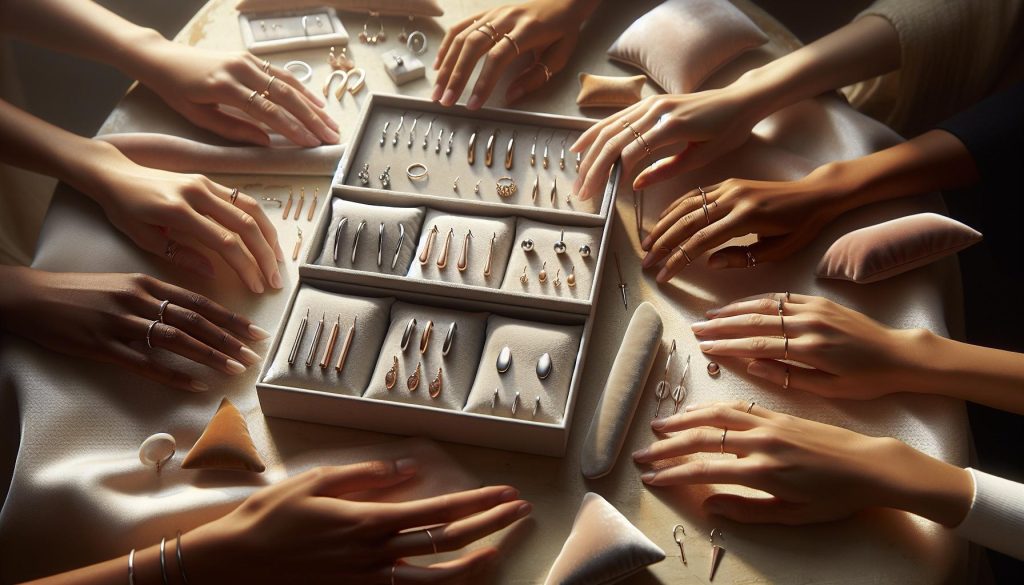
What Are Hypoallergenic Earrings? Your Complete Safety Guide

Discover what hypoallergenic earrings are and learn how to choose safe, stylish options! Protect your ears from irritation with our complete safety guide today!

What Is the Most Hypoallergenic Metal for Earrings? Revealed

What Is the Most Hypoallergenic Metal for Earrings? Revealed

Discover the most hypoallergenic metal for earrings and say goodbye to irritation! Find out which metals are safe and stylish-your ears will thank you!

Is Acrylic Latex Paint Water Based: Jewelry Safety Guide

Is Acrylic Latex Paint Water Based: Jewelry Safety Guide

Discover if acrylic latex paint is water-based and its safe use in jewelry! Learn essential tips for caring for your precious pieces today!

Is Acrylic Paint Safe for Skin: Body Art Facts & Warnings

Is acrylic paint safe for skin? Discover essential body art facts and crucial warnings before you create your stunning designs. Learn more now!

Is Acrylic Paint Poisonous? Jewelry Safety Tips Every Crafter Needs

Is Acrylic Paint Poisonous? Jewelry Safety Tips Every Crafter Needs

Is acrylic paint poisonous? Discover essential jewelry safety tips every crafter needs to protect their creations. Don’t miss out-learn how to craft safely today!

Is Acrylic Toxic: Safe Jewelry Making Practices Revealed

Is Acrylic Toxic: Safe Jewelry Making Practices Revealed

Unlock safe jewelry making with our guide! Is acrylic toxic? Discover expert tips, material insights, and essential practices to create beautiful pieces confidently.

Can You Use Acrylic Paint for Face Painting? Safe Alternatives

Can You Use Acrylic Paint for Face Painting? Safe Alternatives

Discover why acrylic paint isn’t safe for face painting! Learn about safer alternatives and get tips to ensure fun and safe creative experiences.

What Earrings Are Best for Sensitive Ears: Hypoallergenic Guide

What Earrings Are Best for Sensitive Ears: Hypoallergenic Guide

Discover the best earrings for sensitive ears in our hypoallergenic guide! Learn what materials to choose and avoid to keep your lobes happy and stylish.

Next →
  • Homepage
  • Blog
  • About Us
  • FAQ
  • Contact
  • Privacy Policy
  • Homepage
  • Blog
  • About Us
  • FAQ
  • Contact
  • Privacy Policy

© 2025 MissJ.eu Jewelry Magazine. All rights reserved.

Follow Us

Facebook X-twitter Instagram
AI Editorial Policy