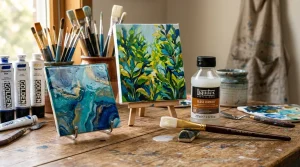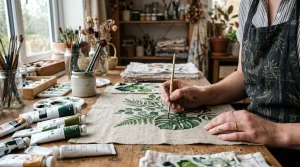
As crafters, we love to explore our creativity, but it’s crucial to consider the safety of the materials we use-especially when it comes to acrylic paint. Many enthusiastic jewelry makers might not realize the potential hazards associated with acrylics, including questions about their toxicity. Understanding whether acrylic paint is poisonous can be a game-changer in ensuring not just quality creations but also safe crafting practices.
In this guide, we will delve into the safety concerns surrounding acrylic paint and provide essential tips for crafting jewelry with confidence. Whether you’re a seasoned expert or just starting your jewelry-making journey, being informed about the materials you work with empowers your creative process while prioritizing your health. Let’s explore how to navigate the world of acrylics safely, turning your passion into beautiful, worry-free creations.
Is Acrylic Paint Safe for Jewelry Making?
While the allure of vibrant colors and versatility makes acrylic paint a popular choice for jewelry making, it’s essential to consider its safety and compatibility with your materials. Acrylic paint, primarily made from polymers and water, is generally non-toxic when dry. However, there are significant factors to keep in mind to ensure safe usage in your jewelry crafting projects.
In its liquid form, acrylic paint contains various ingredients that might pose health concerns, such as additives or pigments that could irritate the skin or respiratory system. Crafters with sensitivities or allergies might experience adverse reactions, especially during application. To minimize risks, it’s wise to use acrylic paint in a well-ventilated area and wear gloves for skin protection. When applied correctly and allowed to cure properly, most acrylics become safe for everyday wear, but their durability can vary based on the surface and exposure to moisture.
For those considering alternatives, non-toxic paint options such as water-based or eco-friendly acrylics can provide peace of mind while still allowing for creativity. Additionally, sealing finished pieces with a clear protective coat can enhance durability and reduce possible contact with the acrylic paint itself, making your creations safer for wear.
Ultimately, while acrylic paint can be used safely in jewelry making, evaluating the specific product’s ingredients, practicing good safety measures, and considering protective coatings can ensure your pieces are both beautiful and safe for everyday use. Protect your creative passion by informing yourself and prioritizing safety in your crafting journey!
Understanding Acrylic Paint Ingredients

Acrylic paint has become a favorite for many jewelry makers due to its vibrant colors, versatility, and ease of application. However, understanding its components is crucial for anyone looking to safely incorporate acrylics into their crafting. At the core of acrylic paint are polymers, which are synthetic resins that provide adhesive properties and a durable finish. This means that once the paint dries, it forms a flexible and water-resistant layer that can withstand the wear and tear associated with everyday jewelry use.
Beyond the polymers, acrylic paint contains various pigments that create its vivid hues. These pigments can be derived from both natural and synthetic sources, which is a key consideration for crafters. While many pigments are considered non-toxic, some may contain additives or fillers that can be harmful if inhaled or ingested, especially during prolonged exposure when paint is being applied. For this reason, it is important to check product labels for any warnings regarding harmful substances, particularly if you have known sensitivities.
In addition to these base ingredients, acrylic paints may include thickeners, surfactants, and preservatives that enhance usability and longevity. These additives ensure that the paint maintains its consistency and shelf life, but they can sometimes introduce allergens. A good practice is to select brands that specifically advertise themselves as non-toxic and safe for crafts, especially those aimed at children, which often use safer formulations.
To ensure safety when using acrylic paints for jewelry making, consider the following tips:
- Always work in a well-ventilated area to minimize inhalation of fumes.
- Wear protective gloves and a mask during application to prevent skin and respiratory irritations.
- Conduct a patch test if you have sensitive skin, applying a small amount of the paint to see if there’s any reaction before proceeding with larger projects.
By being informed about the ingredients in acrylic paint and taking the proper safety precautions, you can confidently create beautiful jewelry pieces without compromising your health.
Health Risks of Acrylic Paint Exposure

Acrylic paint, while beloved for its vibrant colors and versatility, can present health risks that crafters need to be aware of. Exposure can occur through inhalation of fumes or skin contact, potentially leading to respiratory irritation, allergic reactions, or skin sensitivities. Some individuals might experience headaches, dizziness, or other symptoms when working in poorly ventilated areas or when applying the paint for extended periods. It’s crucial to recognize that not all acrylic paints are created equal; many contain additives, including thickeners and preservatives, which may exacerbate health issues, particularly in sensitive individuals.
To minimize risks, consider implementing some practical strategies in your crafting routine. Always ensure adequate ventilation; working in an open space or near fans can significantly reduce the concentration of fumes. Additionally, using protective gear like gloves and masks can create a barrier against skin contact and inhalation of particles. If you’re new to a particular brand of acrylic paint, conducting a patch test on your skin can help determine if you have an adverse reaction before committing to larger projects.
Furthermore, looking for acrylic paints labeled as non-toxic and free from harmful chemicals can make a substantial difference in safety. Many reputable brands now offer formulations specifically designed for crafters, including those who may be working with children. By prioritizing safety, you can enjoy the process of creating stunning jewelry pieces without compromising your health. Remember, your well-being is as important as your creative expression!
Jewelry Safety Best Practices for Crafters
Creating beautiful jewelry can be a rewarding experience, but safety should always be a priority, especially when using materials like acrylic paint. Many crafters may not realize that while acrylic paints are generally safe, improper use or exposure could lead to health risks. To ensure that you’re crafting safely and effectively, here are some best practices to follow.
First and foremost, always use non-toxic acrylic paints specifically labeled for crafting. These products typically meet safety standards that mitigate harmful exposures. When working with acrylics, it’s essential to maintain good ventilation. Open windows or use a fan to circulate air, which helps minimize fume accumulation. Additionally, consider wearing protective gear such as gloves and a mask to shield your skin and respiratory system from potential irritants.
Next, take the time to organize your workspace. Keep paints, brushes, and tools in designated areas to prevent accidental spills and ensure that sharp objects are safely stored. It’s also a good practice to keep your workspace clean. Regularly dispose of any leftover paint solids and clean your tools right after use to avoid contamination or mixing harmful substances.
Finally, educate yourself about the materials you’re using. Familiarize yourself with the composition of your supplies-knowing what to avoid can enhance your safety. For instance, understanding how to safely handle and dispose of paints and solvents can prevent mishaps. By adopting these best practices, you can create stunning jewelry while ensuring both your health and safety, allowing your creative spirit to flourish.
Alternatives to Acrylic Paint for Jewelry

When considering alternatives to acrylic paint for your jewelry projects, it’s essential to focus on materials that not only enhance your creative vision but also prioritize safety and health. Many crafters have successfully turned to options that provide unique finishes and colors without the potential hazards associated with some paint products. Exploring these alternatives can expand your artistic toolkit while ensuring you create in a safe environment.
One popular option is resin, which can be used both as a coloring agent and as a base for jewelry making. Resin allows for vibrant colors and can encapsulate objects or add texture to your pieces. When using resin, opt for a non-toxic variety and work in a well-ventilated area, as even the safest resins can release fumes during the curing process. Another great choice is water-based inks or dyes, which tend to be safer than traditional paints. These inks can be used on a variety of surfaces and provide vivid colors, great for enhancing the intricate designs of your jewelry while being more environmentally friendly.
Explore the use of markers specifically designed for art applications, such as alcohol-based or metallic markers. These can offer precision in detailing and come in a wide array of colors and finishes without the need for brushes or palettes. For those who enjoy a vintage aesthetic, enamel paints can provide a lovely glossy finish and are available in non-toxic formulas that are safe for crafting. Just make sure they are cured properly and follow the manufacturer’s instructions for safety.
Beyond paints and dyes, consider natural materials such as colored clay or air-dry clay. These materials are often less toxic and can be shaped and painted with safe, non-toxic finishes after they’ve been formed. Using natural substances allows for creativity that promotes a healthy crafting environment. As you explore these alternatives, you not only prioritize safety but also enhance your ability to experiment with different mediums, leading to truly unique jewelry creations.
Safe Handling and Disposal of Acrylic Paint
When working with acrylic paint, particularly in jewelry making, it’s essential to approach handling and disposal with care to ensure a safe crafting experience. Acrylic paint is water-based and generally non-toxic when dry, but it can still pose risks during use. Therefore, proper handling techniques can help minimize potential exposure and environmental impact, allowing you to focus on your creativity.
To start, always wear protective gear such as gloves and a mask when painting. This is especially important if you are working in a poorly ventilated area, as inhaling paint particles can cause respiratory discomfort or trigger allergies. Utilize a dedicated workspace where surfaces can be easily cleaned, and keep these supplies out of reach of children and pets. When disposing of acrylic paint, it’s crucial to avoid pouring it down the drain or throwing it in the regular trash. Instead, allow leftover paint to dry out completely in a well-ventilated space and then dispose of it with regular household waste. For large quantities or leftover paint, check for local disposal programs or hazardous waste facilities that handle such materials appropriately.
If you spill acrylic paint on your clothes or surfaces, act quickly by rinsing with cold water before it sets. For fabric, you may also need to use a gentle soap to lift the stain. For tools and brushes, rinse them in water immediately after use to prevent paint from hardening, followed by cleaning with soap or specialized brush cleaners. Storing acrylic paints properly is equally important. Keep them in tightly sealed containers to prevent drying out and always label them to avoid confusion, especially if you have multiple colors.
In conclusion, handling and disposing of acrylic paint correctly not only protects your health but also contributes to a more eco-conscious crafting practice. By integrating these safe practices into your routine, you can enjoy the vibrant world of jewelry creation with confidence and peace of mind.
How to Choose Non-Toxic Craft Supplies

When selecting craft supplies for jewelry making, safety should be at the forefront of your considerations. Many crafters may not realize that certain materials can contain harmful chemicals or toxins, making it vital to choose non-toxic alternatives. Here are some practical tips to help you make informed decisions:
- Research Ingredients: Always check the labels or safety data sheets when purchasing materials. Look for paints, adhesives, and sealants that explicitly state they are non-toxic or labeled as child-safe. Understanding what goes into your supplies can help you avoid harmful substances.
- Opt for Water-Based Products: Whenever possible, choose water-based paints and adhesives. These products typically contain fewer volatile organic compounds (VOCs), which can be harmful when inhaled. Brands that emphasize eco-friendly and sustainable ingredients are excellent options.
- Seek Certifications: Look for recognized certifications like ASTM D-4236, which indicates that products have been reviewed for safety in terms of art materials. Additionally, checking for certifications from eco-friendly organizations can further ensure the safety of your supplies.
- Consider Brand Reputation: Research different brands and read reviews from other crafters. Brands known for their commitment to safety and quality often provide better transparency about their materials.
By making conscious choices about your craft supplies, you not only safeguard your health but also contribute to a healthier crafting environment. Whether you are a seasoned jewelry maker or just starting out, investing time in selecting non-toxic supplies can enhance both your creative experience and the safety of your projects.
Emergency First Aid for Paint Exposure
Exposure to acrylic paint, while generally considered safe, can still pose health risks if not handled properly. It’s essential for every crafter to be prepared for potential accidents and to know what to do in case of paint exposure. Whether it’s a spill on your skin, an unintended splash in your eyes, or inhalation of fumes, having a plan in place can be crucial for your well-being.
In the event that acrylic paint comes into contact with your skin, promptly wash the affected area with warm, soapy water. This can help remove any paint residues and minimize irritation. If redness or irritation persists, apply a soothing lotion or aloe vera gel. For paint splashes in the eyes, rinse immediately with clean, running water for at least 15 minutes. Avoid rubbing your eyes, as this can exacerbate irritation. If symptoms include persistent pain, redness, or blurred vision, seek medical attention as soon as possible.
Inhalation of acrylic paint fumes can also occur, particularly in poorly ventilated spaces. If you start to feel dizzy, nauseous, or experience difficulty breathing, move to fresh air right away. Deep breathing in a safe environment can help alleviate symptoms. If these symptoms do not improve quickly, contact a healthcare professional for advice. Always keep the contact information of your local poison control center handy and use it if you believe the exposure is severe or if ingestion has occurred.
Being proactive about safety by using non-toxic and low-VOC products can further reduce risks in your crafting space. However, accidents can happen, so equip yourself with knowledge of first aid responses to ensure a swift, effective reaction. Remember that your safety and health are paramount, allowing you to create and enjoy your jewelry-making adventures with peace of mind.
Storage Tips for Acrylic Paint and Jewelry Materials
Proper storage of acrylic paint and jewelry materials is crucial for both safety and longevity, ensuring your crafting experience remains enjoyable and worry-free. When it comes to acrylic paint, keeping it in a cool, dry place away from direct sunlight is key, as exposure to heat and light can degrade the paint’s quality and effectiveness. Utilizing airtight containers can also extend the life of opened paint, preventing it from drying out. Consider labeling your paint containers with the date and color for easy organization, making it simpler to find the right shade when inspiration strikes.
For jewelry materials, such as beads, wires, and tools, implementing a systematic storage solution can significantly enhance your crafting workflow. Organize smaller items in compartmentalized boxes or clear ziplock bags, which not only keeps them visible but also minimizes the risk of losing small parts. For larger tools or paintbrushes, dedicated storage racks or containers can help keep your workspace tidy. Additionally, avoid mixing your paint supplies and jewelry materials – this reduces the chances of accidental spills that can damage your jewelry components or contaminate your paint.
When it comes to safety, always ensure that paint containers are securely closed when not in use, and keep them out of reach of children and pets. Utilizing designated shelving or storage bins can also prevent accidental exposure or spills. For more hazardous materials, such as solvents used for acrylic paint cleanup, consider using a locked cabinet for secure storage.
Lastly, don’t forget the importance of regular checks on your materials. Periodically inspect your paints and supplies for signs of spoilage or degradation, and dispose of any expired materials responsibly. By organizing your workspace and ensuring safe storage practices, you can enjoy your crafting activities with peace of mind, knowing that your materials are both safe and accessible.
Crafting with Kids: Safe Practices for Home Projects
Engaging in crafting projects with kids not only fosters creativity but also teaches them valuable skills. However, safety must always come first, especially when using materials like acrylic paint. To make your crafting sessions both fun and safe, it’s essential to follow specific practices that minimize risks while maximizing enjoyment.
Start by setting up a designated crafting area that is child-friendly. Ensure the space is well-ventilated, especially when using paints. Open windows or use a fan to circulate air, which can help dissipate any potential fumes from the acrylics. Lay down old newspapers or plastic sheets to protect surfaces from spills and splatters-this makes cleanup easier and less stressful. Always encourage kids to wear smocks or old clothes to protect their garments from any paint accidents.
Supplies should be organized and within reach, but be sure to segregate the potentially hazardous items. Use clearly labeled containers for paints, brushes, and any other materials, emphasizing that kids should not access anything labeled for adult use without supervision. Explain the importance of using materials as instructed; for instance, ensure that they understand not to ingest paint or get it onto their skin if they have allergies. Use this opportunity to teach them about choosing non-toxic craft supplies, as there are many brands available that prioritize safety.
Lastly, consider having a first-aid kit on hand specifically for crafting-related incidents. Accidental spills happen, and knowing how to promptly address them is key. Home projects with children can be both enjoyable and educational when approached with thoughtfulness and care. By instilling safe crafting practices, you not only protect their health but also nurture a lifelong love for creative projects.
Eco-Friendly Options for Jewelry Crafters
Crafting jewelry is not just an art; it’s an opportunity to express your creativity while considering the environmental impact of your materials. Eco-friendly practices are becoming increasingly important for crafters looking to minimize their carbon footprint and create beautiful pieces without harming the planet. Fortunately, there are numerous alternatives to traditional acrylic paints that can help you craft stunning jewelry sustainably.
One excellent alternative to acrylic paints is water-based paints. These paints are free from many harmful solvents and are less toxic, making them safer for both the environment and your health. Additionally, natural dyes made from plants, berries, and even spices can offer vibrant colors while being completely biodegradable. Whether you’re dyeing fabric components or painting wooden beads, natural dyes provide a unique and organic touch to your jewelry creations.
Another sustainable option is to utilize upcycled materials. Instead of purchasing new components, consider repurposing old jewelry, discarded fabrics, or even packaging materials. These items can be transformed into unique pieces of art and offer a personal story that resonates with wearers. For instance, old glass bottles can be turned into beautiful pendants, and broken ceramics can become eye-catching earrings.
Lastly, when selecting adhesives and finishers for your jewelry, opt for eco-friendly options. Many brands now offer sustainable glues and varnishes that are free from harmful chemicals. Look for certifications such as “non-toxic” or “water-based” on labels to ensure you’re making environmentally conscious choices. By adopting these eco-friendly practices, you not only enhance the story behind your creations but also contribute positively to the world around you, making your crafting process as rewarding as the finished piece.
Tips for Creating a Healthy Crafting Environment
Creating a safe and healthy crafting environment is essential, especially when working with materials like acrylic paint that can release harmful fumes. Whether you’re a seasoned crafter or just starting out, taking proactive steps to ensure your workspace is conducive to health will help you focus on your artistic creations without worrying about exposure risks.
Start by ensuring that your crafting area is well-ventilated. Open windows or doors to allow fresh air to circulate, or consider using an air purifier equipped with a HEPA filter to trap airborne pollutants. If possible, designate a specific area for painting to minimize the spread of fumes to other living spaces. When using acrylic paints, opt for water-based varieties that are generally less toxic, and keep all paints and solvents away from your face and body to avoid accidental inhalation or contact.
Additionally, investing in quality personal protective equipment (PPE) can make a significant difference. Wearing a mask can shield you from inhaling dust or fumes, while gloves protect your skin from accidental splashes. Remember to use disposable or washable aprons to keep your clothes clean and further reduce the risk of skin contact. It’s also wise to set up a cleaning station nearby-stock it with biodegradable soaps and solvents to ensure any spills are cleaned promptly and safely.
Lastly, consider implementing organizational practices to keep hazardous materials separated from your crafting supplies. Designate labeled bins for paints, solvents, and other chemicals, ensuring they’re stored out of reach of children and pets. Regularly check the expiration dates on your supplies, disposing of anything that has gone bad responsibly. Cultivating a tidy, dedicated crafting space not only enhances your creative experience but also reinforces safety, allowing you to explore your artistic passions with peace of mind.
Frequently asked questions
Q: Is acrylic paint harmful to use for jewelry making?
A: Acrylic paint is generally considered safe for jewelry making as it is non-toxic when dry. However, during application, it’s important to work in a well-ventilated area and avoid direct contact with the skin to prevent irritation. Always check the label for any specific warnings.
Q: Can using acrylic paint on jewelry cause skin reactions?
A: While acrylic paint is typically non-toxic, it can cause skin irritation in sensitive individuals. To minimize risk, wear gloves while painting and perform a patch test on a small area of skin before full application. For more details, refer to the section on Jewelry Safety Best Practices.
Q: How can I safely clean acrylic paint off jewelry?
A: To safely clean acrylic paint from jewelry, use warm soapy water and a soft cloth. For tougher spots, try rubbing alcohol or an isopropyl alcohol solution. Make sure to rinse and dry the jewelry thoroughly after cleaning to avoid damage.
Q: What are some non-toxic alternatives to acrylic paint for jewelry?
A: Non-toxic alternatives to acrylic paint include water-based paints, natural dyes, and alcohol-based inks. These options can provide vibrant colors without harmful chemicals. Explore the section on Alternatives to Acrylic Paint for a comprehensive list of options.
Q: Is inhaling acrylic paint fumes dangerous?
A: While dry acrylic paint is safe, inhaling fumes during application can be harmful. To avoid health risks, ensure adequate ventilation, use a mask if necessary, and take breaks. For further information, refer to the section on Safe Handling and Disposal of Acrylic Paint.
Q: How do I know if a craft supply is safe for jewelry?
A: Check the product label for non-toxic certifications and safety standards. Research the manufacturer’s website for ingredient lists and any potential hazards. For a detailed approach, consult the section on How to Choose Non-Toxic Craft Supplies.
Q: Can children use acrylic paint for jewelry projects safely?
A: Yes, children can use acrylic paint for jewelry projects, but adult supervision is essential. Ensure that they wear protective gear like gloves and work in a well-ventilated area. Refer to Crafting with Kids: Safe Practices for Home Projects for more tips.
Q: What should I do if I accidentally ingest acrylic paint?
A: If acrylic paint is ingested, contact a poison control center or seek medical attention immediately. For safety measures, consult the Emergency First Aid for Paint Exposure section for actionable advice on responding to accidental ingestion.
Feel free to explore these questions further to enhance your crafting experience!
In Conclusion
As we conclude our exploration of whether acrylic paint is poisonous and the essential jewelry safety tips every crafter should know, it’s crucial to take these insights to heart for your health and creativity. Prioritizing safety allows you to enjoy your crafting without worry. Have more questions? Check out our comprehensive guides on jewelry care and DIY tips to elevate your crafting experience!
Don’t miss the opportunity to subscribe to our newsletter for the latest updates, or explore our resources on starter kits, material overviews, and expert cleaning techniques. Your next masterpiece awaits, so dive deeper into the world of crafting with confidence! Share your thoughts or experiences in the comments below-your insights inspire our community!
Get our latest guides, news, and insights highlighted in your Google Search & AI Overviews.