Skip to content
  • Home
  • Authentication
    • Hypoallergenic Metals
    • Real vs Fake Testing
    • Surgical & MRI Guidelines
    • Tarnish Prevention
  • Business
  • DIY
    • Beaded & Shell Designs
    • Handmade Jewellery Tutorials
    • Polymer Clay Earrings
    • Precious Metal Crafting
  • Hallmarks
  • Jewelerry Care
    • Gold Jewellery Cleaning
    • Silver & Plated Cleaning
    • Sterilizing Jewellery
    • Tarnish Removal
    • Ultrasonic Cleaning
  • Jewellery Types
    • Alloy Jewellery
    • Brass and Coppper Jewellery
    • Fashion Jewellery
    • Gold & Platinum Jewellery
    • Silver Jewellery
    • Vermeil Jewellery
  • Storage
  • Styling
    • Fashion Pairings
    • Metal & Skin Matching
  • Value
    • Appraisal & Insurance
    • Resale Value
    • Secondhand Market
    • Trade-In & Selling
    • Where to Buy Jewellery
  • About Us
  • Home
  • Authentication
    • Hypoallergenic Metals
    • Real vs Fake Testing
    • Surgical & MRI Guidelines
    • Tarnish Prevention
  • Business
  • DIY
    • Beaded & Shell Designs
    • Handmade Jewellery Tutorials
    • Polymer Clay Earrings
    • Precious Metal Crafting
  • Hallmarks
  • Jewelerry Care
    • Gold Jewellery Cleaning
    • Silver & Plated Cleaning
    • Sterilizing Jewellery
    • Tarnish Removal
    • Ultrasonic Cleaning
  • Jewellery Types
    • Alloy Jewellery
    • Brass and Coppper Jewellery
    • Fashion Jewellery
    • Gold & Platinum Jewellery
    • Silver Jewellery
    • Vermeil Jewellery
  • Storage
  • Styling
    • Fashion Pairings
    • Metal & Skin Matching
  • Value
    • Appraisal & Insurance
    • Resale Value
    • Secondhand Market
    • Trade-In & Selling
    • Where to Buy Jewellery
  • About Us
Contact

Category: Sterilizing Jewellery

defines the microbial decontamination and hygienic sterilization protocols designed to eliminate pathogenic bacteria, viruses, and fungi from body jewelry, earring posts, and newly healed piercings without inducing skin allergies or corroding metal finishes.

Foundational Pillars
Principles & Standards
Topic Directory
Frequently Asked Questions

Foundational Guides (Start Here)

Clinical Sanitization

How to Sterilize Jewellery: Safe Cleaning for Sensitive Skin

Medical-grade sanitization procedures formulated to prevent contact dermatitis and bacterial skin reactions.

Read Full Guide →

Earring Safety

How to Disinfect Earrings: Medical-Grade Cleaning Methods

Isopropyl alcohol (70%) protocols, antibacterial cleansing, and post-sanitization drying for daily earrings.

Read Full Guide →

Body Modification

How to Sterilize Body Jewellery at Home: Safe Methods

Autoclave alternatives, boiling water limitations, and antiseptic preparations for body piercing jewelry.

Read Full Guide →

Microbial Decontamination Standards: Disinfection vs Sterilization in Body Jewellery

In health and sanitation science, there is a strict clinical distinction between sanitizing, disinfecting, and sterilizing. Sanitizing reduces bacterial counts to safe levels; disinfecting kills pathogenic microorganisms on inanimate surfaces; while true sterilization destroys 100% of all microbial life, including resilient bacterial spores. For intact, fully-healed earlobes, high-level disinfection with 70% isopropyl alcohol or chlorhexidine is standard. For unhealed piercings or new body modifications, only medical-grade autoclave steam sterilization guarantees total pathogen eradication.

Choosing the appropriate disinfectant is critical to avoiding chemical toxicity and metal corrosion. While 70% isopropyl alcohol is an effective bactericide for solid implant-grade titanium, surgical steel (316LVM), and solid karat gold, prolonged alcohol soaking can dry out organic gemstones, dissolve jewelry adhesives, and degrade silicone or acrylic components. Furthermore, harsh oxidizers like chlorine bleach or hydrogen peroxide pit metal surfaces, producing microscopic crevices that harbor biofilm and exacerbate nickel sensitivity.

Sanitization MethodMicrobial EfficacyMaterial Compatibility & Safety Notes
70% Isopropyl Alcohol WipeHigh-level disinfectant (bactericidal, virucidal)Ideal for solid metals (titanium, gold, steel); avoid on acrylics, pearls, and glue
Autoclave Steam Sterilization100% Medical-grade sterilization (kills spores)Requires specialized pressure equipment; safe for all non-porous autoclave-grade metals
Boiling Water Immersion (20 min)High-level thermal disinfection (not sterile)Safe for unaccented solid metals; will crack thermal-sensitive gems or melt adhesives
Saline Soak (0.9% USP)Wound cleansing & debridement onlySafe for active healing piercings; cleanses tissue without disturbing cellular healing

Topic Directory & Methodologies

Infection Diagnostics & Piercing Care

  • How Do I Know If My Earring Is Infected? Warning Signs Guide
  • What to Do When Earring Is Infected: Immediate Treatment Steps
  • How to Know If Your Earring Is Infected: Red Flag Symptoms

Healing Timelines & Piercing Management

  • When Can You Change Earrings After Piercing: Safe Timeline
  • How Long to Keep Earring Holes Closed for Complete Healing
  • How to Sanitize Earrings: Professional Cleaning Techniques

Frequently Asked Questions

Can you use hand sanitizer to clean earrings?

No. Hand sanitizers contain moisturizing gels, fragrances, and thickening polymers that leave sticky chemical films on earring posts. These residues trap dirt and breed bacteria against the piercing hole. Use pure 70% isopropyl alcohol or saline instead.

Why is 70% rubbing alcohol better than 91% for sterilizing jewelry?

70% isopropyl alcohol contains 30% purified water, which slows evaporation and allows the alcohol to penetrate microbial cell walls effectively. 91% or 99% alcohol evaporates too rapidly and coagulates outer proteins before destroying the microorganism within.

Can you boil earrings to sterilize them?

Boiling plain surgical steel, titanium, or solid gold earrings in water for 15 to 20 minutes provides high-level thermal disinfection. However, never boil earrings containing gemstones, pearls, or glue, as high heat can crack stones or melt bonding agents.

Editorial Standards & Material Governance

Authored and curated by the Jewelry Care & Material Craftsmanship Desk at MissJ.eu. All recommendations, metallurgical benchmarks, and cleaning protocols are derived from established jewelry industry benchmarks, standard metal assay criteria, and professional studio lapidary practices.

Advisory Notice: Material properties and gemstone sensitivities vary by alloy grade, plating thickness, and vintage age. Always conduct a spot test on an inconspicuous section before applying chemical solvents or ultrasonic treatments to heirloom jewelry.

How Do I Know If My Earring Is Infected? Warning Signs Guide
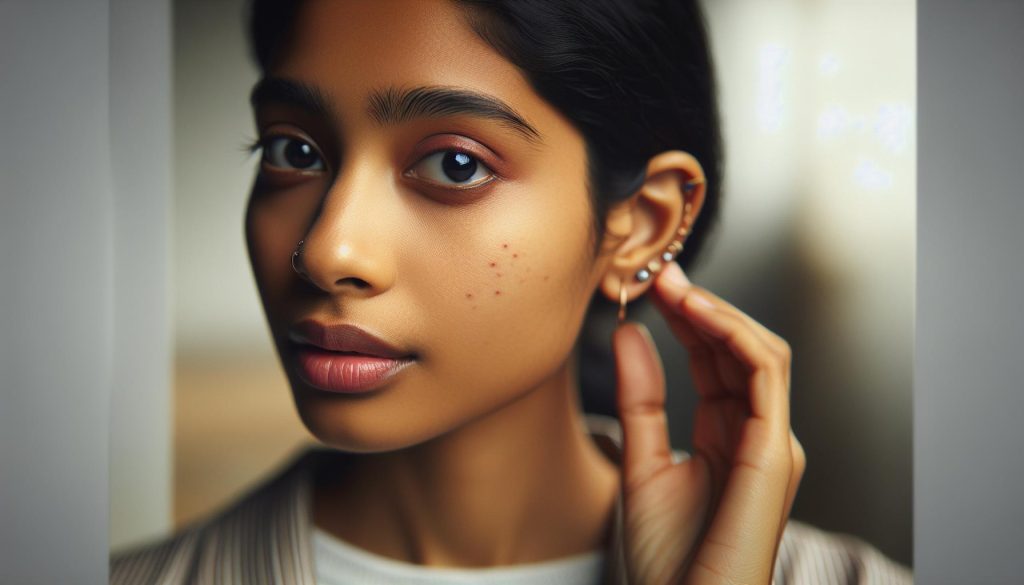
How Do I Know If My Earring Is Infected? Warning Signs Guide

Is your earring infected? Discover the critical warning signs and how to treat your ear piercing quickly. Don’t ignore the symptoms-learn the facts now!

How to Disinfect Earrings: Medical-Grade Cleaning Methods
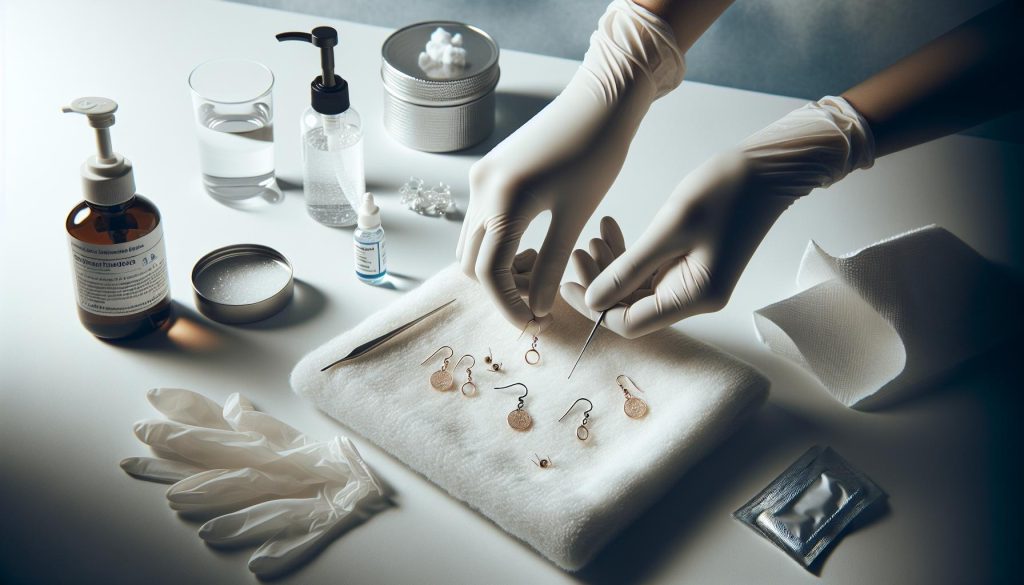
How to Disinfect Earrings: Medical-Grade Cleaning Methods

Discover how to disinfect earrings with medical-grade cleaning methods. Learn safe techniques for sparkling hygiene that protect your ears and jewelry!

When Can You Change Earrings After Piercing: Safe Timeline

When Can You Change Earrings After Piercing: Safe Timeline

Wondering when you can change earrings after piercing? Discover the safe timeline, expert tips, and essential care advice to keep your new jewelry stunning!

How to Disinfect Jewellery: Safe Sanitizing Secrets

How to Disinfect Jewellery: Safe Sanitizing Secrets

Discover safe sanitizing secrets to disinfect jewellery and keep it sparkling! Learn effective, DIY methods for cleaning metals & gems today. Don’t miss out!

When Can You Change Your Earrings: Safe Timing for New Holes

When Can You Change Your Earrings: Safe Timing for New Holes

Discover when you can safely change your earrings! Learn the best timing for new holes and ensure your jewelry journey is worry-free. Click to find out more!

How Long to Keep Earring Holes Closed for Complete Healing
How Long to Keep Earring Holes Closed for Complete Healing

Discover how long to keep earring holes closed for complete healing. Learn essential tips to ensure safe, effective recovery for your precious piercings!

How to Sterilize Body Jewellery at Home: Safe Methods
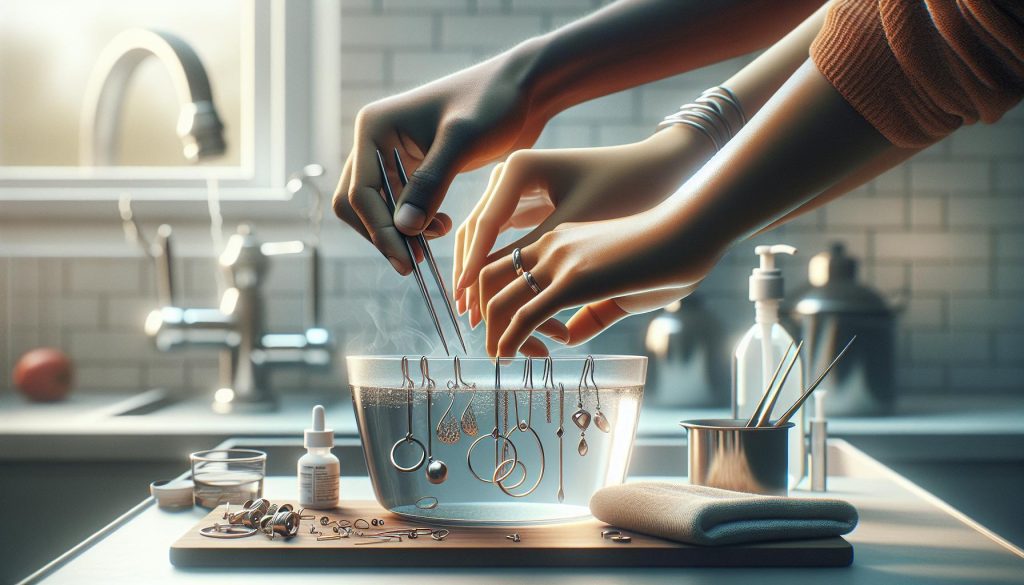
How to Sterilize Body Jewellery at Home: Safe Methods

Learn how to sterilize body jewellery at home safely! Discover proven methods that protect your gems and ensure hygiene-click for expert tips now!

How to Sanitize Earrings: Professional Cleaning Techniques

How to Sanitize Earrings: Professional Cleaning Techniques

Discover professional cleaning techniques to sanitize earrings effectively! Learn how to eliminate bacteria and keep your jewelry sparkling. Click to find out more!

What to Do When Earring Is Infected: Immediate Treatment Steps
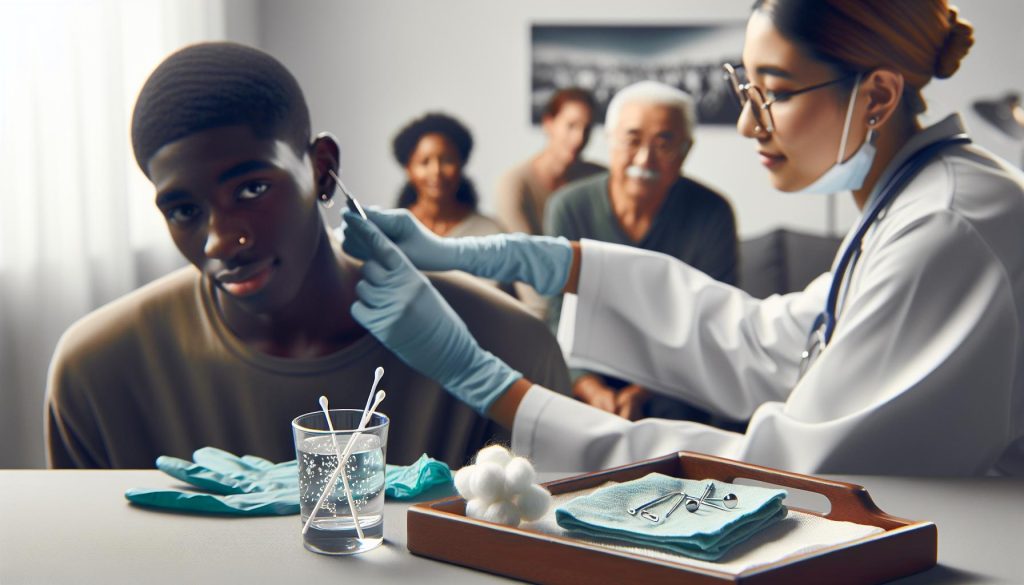
What to Do When Earring Is Infected: Immediate Treatment Steps

Discover immediate treatment steps for an infected earring! Learn how to relieve pain and prevent complications. Don’t let infection linger-act now!

How to Sterilize Earrings: Medical-Grade Safety Methods

Discover medical-grade safety methods to sterilize earrings effectively. Learn essential tips for safe cleaning and prevent infections. Get the ultimate guide now!

Next →
  • Homepage
  • Blog
  • About Us
  • FAQ
  • Contact
  • Privacy Policy
  • Homepage
  • Blog
  • About Us
  • FAQ
  • Contact
  • Privacy Policy

© 2025 MissJ.eu Jewelry Magazine. All rights reserved.

Follow Us

Facebook X-twitter Instagram
AI Editorial Policy