Did you know that bacteria and fungi can easily thrive on your favorite pair of earrings? Whether you’re a jewelry enthusiast or someone who simply loves wearing stylish accessories, it’s crucial to ensure that your earrings are not only beautiful but also hygienic. Properly disinfecting earrings is essential for preventing infections and maintaining ear health, especially if you have sensitive skin or wear earrings regularly. In this guide, we’ll explore effective medical-grade cleaning methods that will empower you to keep your jewelry safe and sparkling. Say goodbye to worries about germs and hello to fresh, clean earrings that you can wear with confidence. Let’s dive into the essential steps to elevate your jewelry care game!
How to Choose the Best Disinfectant for Earrings
Choosing the right disinfectant for your earrings is crucial in ensuring both their longevity and your ear health. Not all disinfectants are suitable for jewelry, especially when considering various materials and potential skin sensitivities. It’s essential to opt for products that are effective against germs while being safe for items that come into contact with your skin. Medical-grade solutions, such as isopropyl alcohol (at least 70%) or hydrogen peroxide, are excellent choices for disinfecting earrings, as they can effectively eliminate bacteria and viruses without damaging most metals or gemstones.
When selecting a disinfectant, consider the material of your earrings. For instance, gold and silver typically withstand alcohol or hydrogen peroxide well, while porous materials like pearls or certain stones may require a gentler solution. If you are dealing with sensitive skin or if your earrings are particularly intricate, consider using a gentle antiseptic solution or even a mild soap diluted in water for an effective clean. Always ensure to rinse thoroughly with water afterward to remove any residues that may cause irritation.
Another aspect to consider is the application method. A spray disinfectant can easily reach nooks and crannies, ensuring a thorough cleaning, while wipes may offer convenience for quick sanitation. Regardless of your choice, always test a small, inconspicuous area first to ensure there is no adverse reaction to the disinfectant on your earrings. Implementing these practices not only keeps your earrings shining but also promotes a healthy jewelry-wearing experience.
Essential Materials Needed for Disinfecting Earrings
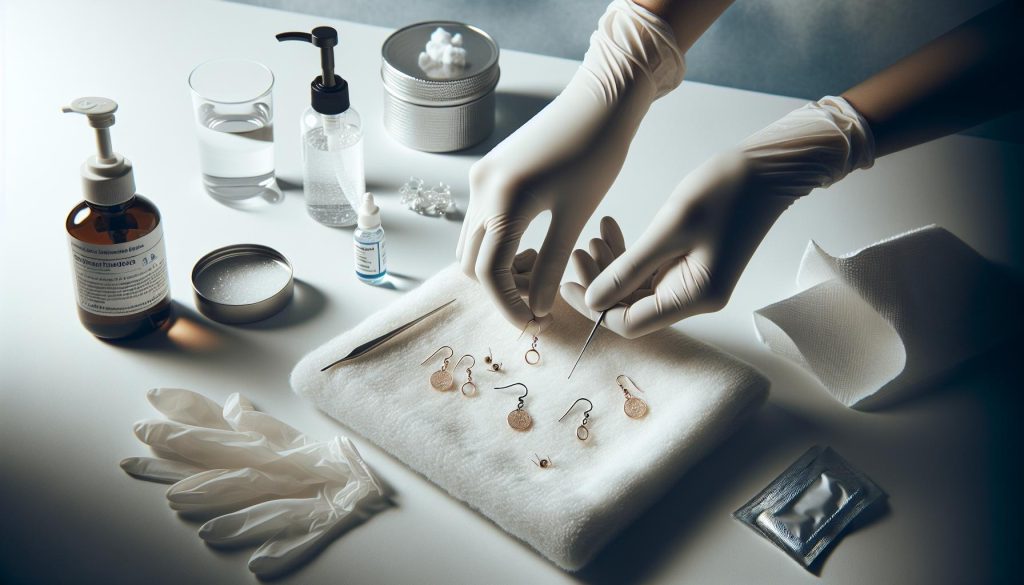
To maintain the beauty and hygiene of your earrings, having the right tools and materials on hand is essential. Disinfecting earrings not only helps to keep them sparkling but also protects your ears from potential infections. With the right supplies, you can efficiently clean and disinfect your jewelry, ensuring a safe wearing experience.
A few common items are indispensable for this task:
- Medical-Grade Disinfectants: Isopropyl alcohol (70% or higher) and hydrogen peroxide are top choices for disinfecting earrings. They effectively eliminate germs while being gentle on various metals.
- Soft Cloths: Use lint-free or microfiber cloths to gently clean the surface of your earrings without scratching them.
- Small Brushes: An old toothbrush or a soft-bristled brush can reach intricate designs and settings to remove dirt and buildup.
- Small Bowls: For soaking earrings, small containers are useful. Ensure they are clean and designated for your earring care to prevent contamination.
- Water for Rinsing: Always have clean water ready for rinsing after using any cleaner, to ensure no residues remain that could irritate your skin.
- Gloves: If you have sensitive skin or are dealing with particularly gritty earrings, wearing disposable gloves can protect your hands during cleaning.
These materials set the stage for effective earring maintenance. When combined strategically, they not only clean but also help to prevent future tarnishing and discomfort when wearing your favorite pieces. By regularly using these essentials, you empower yourself to keep your earrings looking their best while supporting proper hygiene practices.
Step-by-Step Guide to Medical-Grade Cleaning Methods

To keep your earrings pristine and avoid any potential infections, employing medical-grade cleaning methods is essential. These techniques not only clean but also ensure that your earrings remain safe for wear even after prolonged use. By utilizing effective cleaning solutions, you can eliminate germs and maintain the luster of your favorite accessories.
Start by preparing your workspace by gathering all essential materials. Ensure you have well-ventilated areas, and wear gloves to protect your skin. First, choose a suitable medical-grade disinfectant. Isopropyl alcohol (70% or higher) and hydrogen peroxide are excellent choices. Using a soft cloth, apply your chosen disinfectant sparingly to avoid corrosion.
Step-by-Step Cleaning Process
- Initial Rinse: Gently rinse your earrings under lukewarm water to remove any surface dust or debris. This step helps the disinfectant work more effectively on the cleaned surface.
- Disinfecting Application: Soak a lint-free cloth or a soft brush in your disinfectant. Carefully wipe down the earrings, paying attention to crevices and settings where dirt can accumulate. For intricate designs, use a soft-bristled brush to reach into tiny spaces.
- Soaking (if needed): For an additional level of cleanliness, consider soaking your earrings in a small bowl filled with diluted disinfectant (one part solution to one part water) for about 10-15 minutes. This method ensures thorough disinfection without harsh abrasion.
- Final Rinse: After all disinfecting steps are complete, rinse your earrings under clean running water. This helps to remove any disinfectant residues which, if left to dry, might irritate sensitive skin.
- Drying: Pat the earrings gently with a clean, dry cloth and allow them to air dry completely before storing or wearing them.
By following these medical-grade cleaning methods, you can ensure your earrings not only look great but are also chemically safe for your ears. Regularly maintaining your jewelry with these practices fosters longevity and hygiene, allowing you to wear your favorite pieces confidently!
DIY Disinfecting Solutions: Safe Recipes for Home Use

For those who love their earrings but also want to ensure they stay clean and safe, creating your own DIY disinfecting solutions can be both effective and simple. With a few common household ingredients, you can whip up safe recipes that help you maintain your jewelry without the harsh chemicals found in some commercial products. One of the benefits of using DIY solutions is the ability to control the ingredients, ensuring they are suitable for the specific materials of your earrings.
One effective DIY disinfectant blends water with isopropyl alcohol. Combine one part isopropyl alcohol (at least 70%) with one part distilled water in a spray bottle. This solution not only disinfects but also evaporates quickly, minimizing any potential damage to sensitive earring materials. Simply spray the solution onto a soft cloth and gently wipe your earrings, paying extra attention to areas that often accumulate dirt and bacteria.
Another versatile option is a vinegar-based disinfectant. Mix equal parts white vinegar and water in a bowl. This natural solution is particularly effective for metal earrings, particularly in preventing tarnishing. Soak your earrings in the mixture for about 5-10 minutes, then use a soft brush to clean hard-to-reach nooks. Rinse them thoroughly under lukewarm water afterward to remove any vinegar residue, which can leave an odor if not rinsed properly.
For those looking for a more specific solution targeting germs and bacteria, consider creating a tea tree oil disinfectant. Combine one cup of distilled water with a few drops of tea tree oil-a known natural disinfectant. The antimicrobial properties of tea tree oil make it an excellent addition to your cleaning routine, particularly for earrings worn after exercise or during events that may expose them to grime. Just like the previous methods, soak your earrings for 10-15 minutes, rinsing them well afterward.
Utilizing these DIY solutions not only ensures that your earrings remain free from germs and dirt but also empowers you to take charge of their care. Regular maintenance and a bit of vigilance go a long way in keeping your favorite pieces looking beautiful and fresh!
Cleaning Different Earring Materials: A Comprehensive Overview
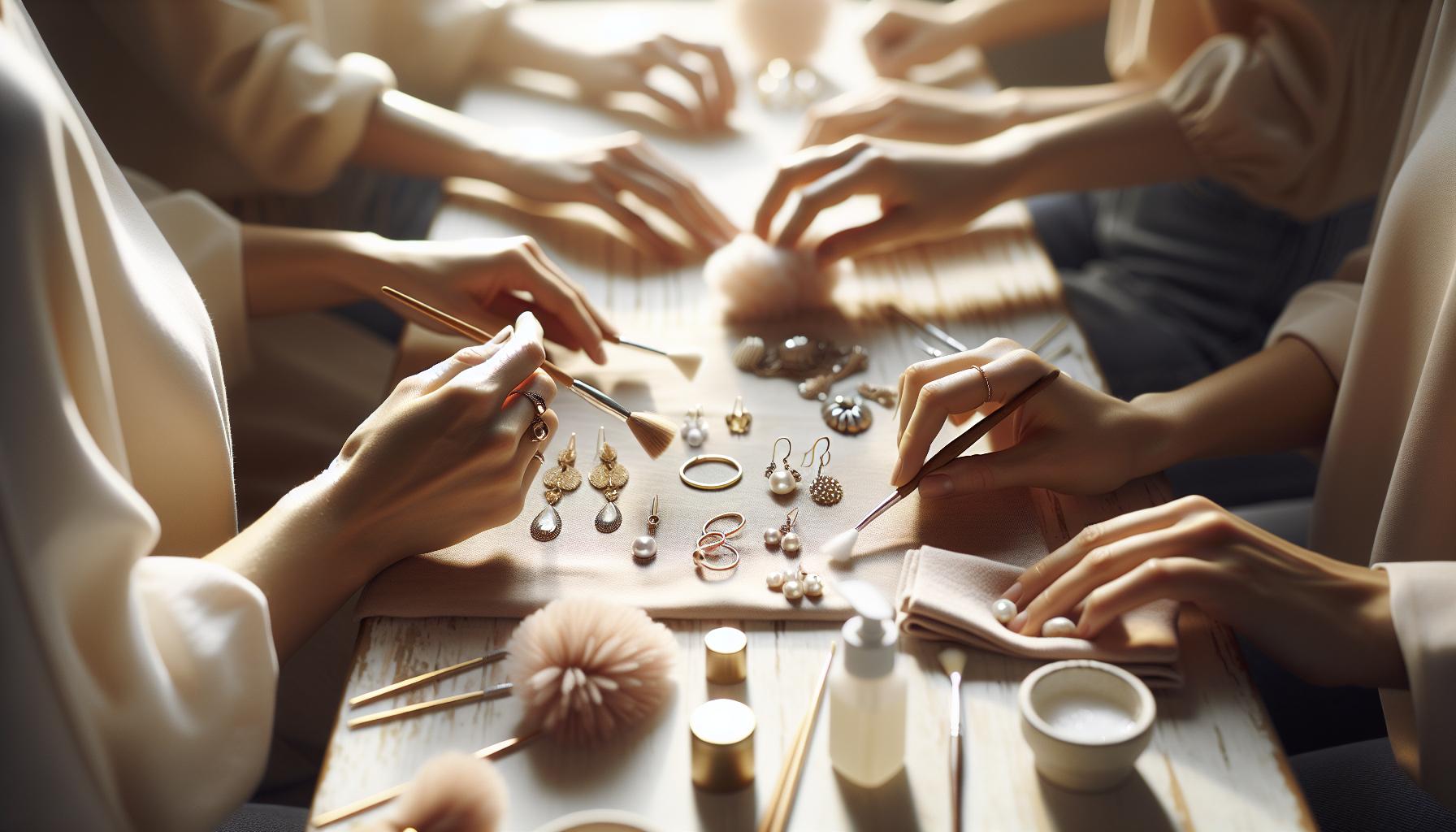
Understanding how to properly clean and disinfect earrings is crucial not only for their longevity but also for your health. Different materials respond uniquely to various cleaning methods, so it’s essential to tailor your approach. Here’s a comprehensive overview to help you maintain your jewelry collection while keeping it sparkling clean.
Metal Earrings
Metal earrings, such as those made from sterling silver, gold, or platinum, require specific care to avoid tarnishing and scratching. For a quick cleaning, use a solution of warm water mixed with mild dish soap. Soak the earrings for a few minutes and then gently scrub them with a soft toothbrush. To disinfect, you can follow up with a 70% isopropyl alcohol solution; just dip a cotton ball in it and carefully wipe the surface. Always ensure to dry your earrings thoroughly to prevent moisture from causing tarnish.
Gemstone and Pearl Earrings
Gemstones and pearls are more delicate than metals and require extra caution. For most gemstones, a gentle soap and water mixture is safe. Avoid harsh chemicals. You can wipe them with a damp cloth to remove surface dirt. For disinfecting, use a very diluted solution of alcohol, applying it lightly to avoid saturation. Pearls should not be submerged in water; instead, wipe them gently with a slightly damp cloth and consider using a specialized pearl cleaner.
Plastic and Acrylic Earrings
Plastic or acrylic earrings can be cleaned easily without fear of damage. A simple rinse under warm water followed by a gentle scrub with a soft cloth can remove dirt and oils. For disinfecting, you can use a diluted vinegar solution. Mix equal parts of white vinegar and water, soak the earrings for a few minutes, and rinse well. This method helps to keep them free from bacteria while maintaining their vibrant colors.
Wood and Natural Material Earrings
Earrings made from wood or natural materials necessitate a gentle touch. Use a dry cloth to dust off any dirt. For cleaning, a slightly damp cloth can be used, but ensure you don’t soak them in water. Disinfection can be tricky as water damage can warp the material; instead, using an essential oil mixture (like tea tree oil diluted in water) is effective. Lightly spritz the mixture onto a cloth and wipe the surface to remove germs without soaking the wood.
By understanding the specific needs of your earring materials, you can effectively keep them safe and hygienic. Regular cleaning not only enhances the aesthetic appeal of your jewelry but also prolongs its life, ensuring you can enjoy them for years to come. Remember, when in doubt, consult a professional jeweler for advice tailored to your specific pieces!
Importance of Regular Earring Maintenance and Hygiene
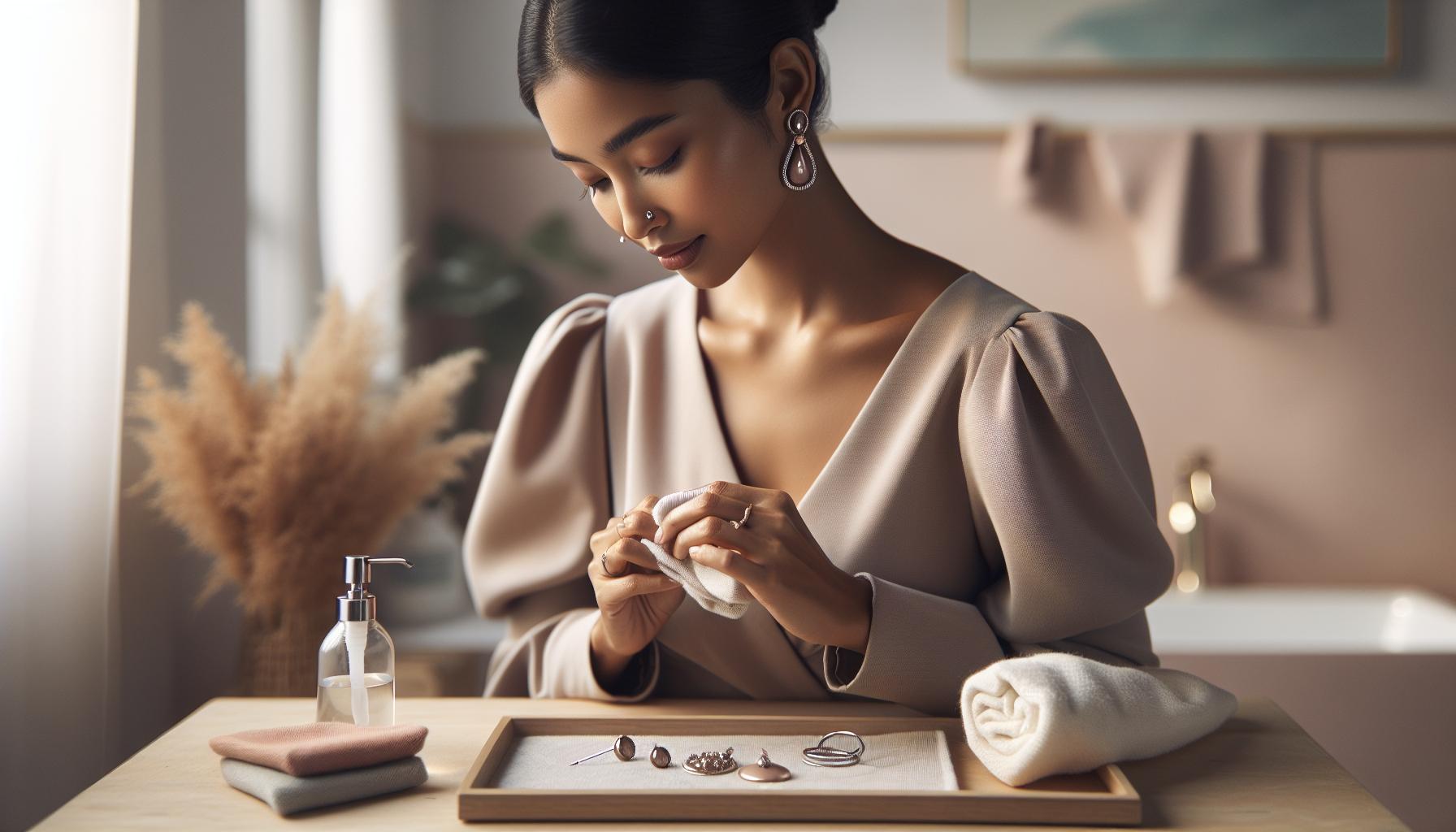
Regular maintenance of your earrings is not just a cosmetic concern; it’s a crucial aspect of hygiene that directly impacts your health. Earrings, often placed in close contact with your skin and personal care products, can accumulate dirt, oils, and bacteria over time. This build-up can lead to skin irritations or infections, especially if you have sensitive skin or recently pierced ears. By prioritizing earring hygiene, you ensure not only the longevity of your favorite accessories but also safeguard your ears from potential complications.
Incorporating a routine cleaning protocol can be quite simple and greatly beneficial. After every few uses, consider gently wiping your earrings with a soft cloth to remove surface dirt and oil. For deeper cleaning, more systematic methods such as soaking in a mild soap solution can be employed. Additionally, a medical-grade disinfectant can be used, especially for metal earrings, to eliminate any pathogens that could cause irritation or infection. This step can be particularly useful after wearing your earrings in settings where they might encounter environmental contaminants, like swimming pools, gyms, or outdoor events.
Regular maintenance and disinfection can also enhance the appearance of your jewelry. You may notice that properly cleaned pieces retain their shine and vibrancy, making them look as good as new. The time spent on maintenance pays off when your earrings remain visually appealing and comfortable to wear. Furthermore, being proactive about cleaning helps to prevent the formation of tarnish on metal and keeps gemstones and delicate materials in pristine condition, allowing you to enjoy their beauty for years.
Lastly, establishing a mindful routine around earring care fosters a deeper appreciation for your jewelry collection. This practice can transform your approach from simply caring for items to viewing them as cherished artifacts that deserve your attention. As you implement these care routines, investing in quality cleaning supplies and occasionally seeking professional cleaning for complex pieces can ensure that your earrings not only look great but are also a safe accessory you can trust.
Common Mistakes to Avoid When Disinfecting Earrings
Disinfecting your earrings is crucial not only for maintaining their appearance but also for your health. However, it’s easy to make mistakes that could undermine your efforts. One common pitfall is using the wrong cleaning solutions. Many people assume that household cleaners are appropriate, but certain chemicals can harm delicate materials or cause tarnishing. Always opt for a medical-grade disinfectant specifically designed for jewelry, ensuring it’s safe for the materials of your earrings.
Another frequent error lies in the cleaning technique itself. Some may rush the process or fail to read the instructions on the disinfectant product, leading to ineffective cleaning. It’s essential to follow recommended soaking times and application methods to ensure that pathogens are properly neutralized. Additionally, failing to rinse earrings thoroughly after cleaning can leave behind residues that may irritate your skin. Always rinse them under clean water and dry them properly with a soft cloth.
Taking care with how you store cleaned earrings is also vital. Many people neglect this aspect, tossing their earrings into a drawer or jewelry box without proper organization. This can lead to scratches, tangling, or further exposure to dirt. Instead, store earrings in a dedicated case or compartmentalized organizer to keep them safe and clean between uses.
Lastly, it’s easy to overlook frequency. Some individuals might clean their earrings infrequently, waiting until they notice dirt or irritations. Regular maintenance is key to preventing buildup and ensuring your ears remain healthy. Set a schedule for cleaning based on how often you wear your earrings, and appreciate the difference that consistent care can make.
Signs Your Earrings Need Disinfection or Replacement
Noticing when your earrings need disinfection or even replacement is essential for maintaining healthy ears and ensuring your jewelry stays in top condition. It’s easy to overlook the signs that your earrings are putting you at risk for infections or causing irritation. A few key indicators can help guide your decision-making process, allowing you to be proactive rather than reactive.
One primary sign that your earrings need disinfection is if you notice any buildup of dirt, oil, or grime on the surface. This accumulation can trap bacteria and lead to irritation or infection, particularly if worn on sensitive earlobes. Additionally, if you experience any itching, redness, or swelling around the piercing, it’s crucial to act quickly. These symptoms often signify that your earrings have become contaminated-disinfect them immediately to avoid worsening the situation.
Another essential factor to watch for is the materials of your earrings. Hypoallergenic metals like sterling silver or surgical stainless steel are generally safe, but even these can corrode or tarnish over time. If your earrings show signs of discoloration or physical damage, such as scratches or loose components, it’s a good idea to disinfect them. In some cases, excessive wear and tear may warrant replacement altogether, especially if they no longer fit comfortably or securely in your ears.
In addition to visible signs, consider your wearing habits. If you frequently wear your earrings without proper cleaning or have been exposed to damp or dirty conditions, it’s wise to disinfect them often. Establishing a routine, such as cleaning your earrings weekly or bi-weekly, can help you avoid potential hygiene issues. Ultimately, being attentive to these signs not only protects your ear health but also prolongs the life of your beloved jewelry.
Storage Solutions to Keep Earrings Clean and Safe
Keeping your earrings in pristine condition is essential not only for your health but also for their longevity. Proper storage can greatly reduce the risk of contamination and damage, ensuring that your favorite pieces remain clean and safe for every wear. Jewelry boxes, soft pouches, and specialized organizers can help create an environment that protects your earrings from dirt, moisture, and scratches. Here are some valuable storage strategies to keep your earrings well-maintained.
Choose the Right Storage Material
Select storage options made from breathable and non-abrasive materials. Soft cotton or velvet pouches can protect the surface of your earrings while allowing them to “breathe,” which is especially important for materials prone to tarnishing, such as silver. Consider using a jewelry box with separate compartments to prevent earrings from getting tangled, which can lead to scratches.
Utilize Anti-Tarnish Solutions
Incorporating anti-tarnish strips or pouches in your storage can extend the life of your jewelry. These innovative solutions are designed to absorb moisture and humidity, which can cause tarnish and corrosion. For particularly valuable or vintage earrings, consider investing in a UV-blocking storage case to help maintain their appearance over time.
Organized and Accessible Display
For ease of access, especially for earrings you wear frequently, consider using a display stand or a pegboard. These creative setups not only make it easier to select the right pair but also serve as beautiful decor. Remember, however, to keep such displays out of direct sunlight and areas prone to dust accumulation.
Regular Cleaning Routine
While storage is crucial, maintaining a regular cleaning routine is equally important. Before placing your earrings in storage after wearing them, gently wipe them down with a soft cloth to remove oils and dirt. This simple step will prevent buildup and the risk of infection when you wear them next.
By adopting these smart storage solutions, you can significantly enhance the care of your earrings, keeping them clean, safe, and ready to shine whenever you choose to wear them.
Healing and Recovery: Caring for Pierced Ears After Cleaning
Caring for your pierced ears after cleaning is crucial to ensure a smooth recovery and prevent infections. When you clean your earrings using medical-grade methods, you remove not only visible dirt but also invisible microorganisms that could lead to complications. However, the cleaning process itself can sometimes cause temporary irritation or sensitivity, particularly if the cleaning solutions are potent. Understanding the best practices for healing can help maintain the beauty of your earrings while ensuring your ears remain healthy and comfortable.
First, it’s essential to give your ears time to breathe post-cleaning. After disinfecting your earrings, avoid wearing them for at least a few hours to let any potential irritation settle down. Gently pat the area around your piercings with a clean, soft cloth to dry them completely. Moist environments can foster the growth of bacteria, so it’s vital to keep the area dry. You might consider applying a gentle antiseptic solution, such as saline or a mild alcohol-free disinfectant, around the site to further reduce infection risk.
Monitor for Signs of Infection
Pay close attention to how your ears respond after cleaning. Signs that your piercings may need extra care include increased redness, swelling, or discharge. If you notice any of these symptoms, it’s best to refrain from wearing earrings until the issue resolves. In such cases, consult with a healthcare professional for tailored advice on managing the situation. Regularly inspecting and cleaning your earrings with effective methods will go a long way toward promoting healing and longevity.
Additional tips include ensuring that your earrings are made from hypoallergenic materials, especially if your ears are particularly sensitive. Opt for surgical stainless steel or titanium to minimize irritation. Lastly, keep your earrings stored in a clean, dry space, away from dust and moisture, until you’re ready to wear them again. By prioritizing your ear care and making informed decisions about cleaning, you can enjoy your favorite jewelry pieces while keeping your piercings healthy and healing effectively.
Expert Tips for Disinfecting Vintage and Antique Earrings
Vintage and antique earrings hold not just beauty but also a rich history, making them treasured pieces in any jewelry collection. However, these delicate items often require special handling to ensure their longevity and hygiene. When it comes to disinfecting such earrings, understanding the materials and techniques suited for each piece is crucial. Using harsh chemicals can not only damage the vintage finishes but may also alter the integrity of the gems or stones embedded within.
To begin with, always identify the material of your vintage earrings. Common materials include gold, silver, and enamel, which may require different cleaning approaches. For example, while gold is relatively resistant to tarnishing, silver can oxidize and develop a patina over time. For 925 sterling silver pieces, a gentle solution of mild soap and water can clean away grime. Utilize a soft toothbrush to gently scrub intricate designs; however, avoid vigorous scrubbing to prevent scratching. If the earrings feature gemstones, ensure they are not porous (like opals) before applying any liquid solutions.
Medical-Grade Disinfectants
Using medical-grade disinfectants can provide a thorough clean without the risk of damaging your earrings. Alcohol wipes or solutions with at least 70% isopropyl alcohol can be effective in disinfecting metals and less porous stones. Simply dampen a cloth with the solution and softly wipe the surface, paying extra attention to any crevices. Be cautious with softer materials and ensure you do not soak the earrings. For antique pieces, always conduct a spot test on a concealed area to check for any adverse reactions before proceeding.
Storage Solutions
Effective storage is another key element in maintaining the condition of vintage earrings. After cleaning, store them in a dry, cool place, preferably in anti-tarnish pouches or wrapped in soft cloth to prevent scratches. Avoid plastic bags as they can trap moisture, leading to tarnishing. To further protect your vintage treasures, consider a dedicated jewelry box with compartments to keep them organized and safe from dust and other contaminants.
Incorporating these expert tips into your earring care routine will not only enhance the hygiene of your vintage earrings but also preserve their beauty for years to come. Always remember to handle these precious pieces with care, treating them as the unique artifacts they are.
The Role of Professional Cleaning in Earring Care
Investing in professional cleaning services for your earrings can be a game-changer in maintaining their beauty and longevity. A key advantage of relying on experts is their access to specialized tools and cleaning solutions designed to tackle even the most stubborn contaminants without jeopardizing the integrity of your jewelry. While at-home cleaning can be effective, certain complexities-especially with intricate vintage designs or delicate materials-often benefit from professional attention. Esteemed jewelers are well-versed in the nuances of each material, ensuring that your earrings are handled with the utmost care.
Benefits of Professional Cleaning
Professional jewelers employ medical-grade cleaning methods that are particularly suited for disinfecting earrings. These methods include ultrasonic cleaning, which uses high-frequency sound waves to gently remove dirt and grime from all crevices without scratching the surface. This process not only cleans but also disinfects-essential for maintaining hygiene and preventing infections, particularly if you have newly pierced ears. Additionally, professionals can assess the condition of your earrings, identify any damage, and recommend repairs or restoration, ultimately prolonging their life.
Frequency of Professional Cleaning
It’s advisable to seek professional cleaning every six months to a year, depending on how often you wear your earrings. Regular cleanings are especially beneficial for individuals who wear earrings daily or those with sensitive skin who may encounter irritation from accumulated debris. An expert cleaning session not only removes dirt but also revives the shine and luster of your earrings, making them look as good as new.
Building Trust with a Jeweler
Finding a trustworthy jeweler is crucial for ensuring your earring collection receives the best care. Look for jewelers who specialize in jewelry restoration and have positive customer reviews regarding their cleaning processes. Many jewelers offer consultations to discuss your specific needs, so don’t hesitate to ask about their techniques and products used during cleaning. This transparency can build confidence in their services and ensure you feel secure in leaving your treasured pieces in their hands.
Incorporating professional cleaning into your earring care routine not only enhances their aesthetic appeal but also fortifies their structural integrity, guaranteeing that you cherish these pieces for years to come. Opting for professional assistance when cleaning your earrings is an investment in both beauty and hygiene, enabling you to wear your favorite items with pride and confidence.
Frequently Asked Questions
Q: How often should I disinfect my earrings?
A: You should disinfect your earrings at least once a month, especially if you wear them frequently. Regular disinfecting prevents the accumulation of bacteria and maintains good hygiene. For more detailed cleaning intervals, refer to the section on “Importance of Regular Earring Maintenance and Hygiene” in the article.
Q: What is the best way to disinfect earrings made of metal?
A: To disinfect metal earrings, use a solution of 70% isopropyl alcohol. Soak a soft cloth in the solution and wipe down the earrings thoroughly. Ensure you dry them completely to prevent moisture damage. For materials guidance, check the section on “Cleaning Different Earring Materials.”
Q: Can I use household cleaners to disinfect my earrings?
A: It’s not recommended to use standard household cleaners, as they may contain harsh chemicals that can damage earrings. Opt for medical-grade disinfectants or DIY solutions outlined in “DIY Disinfecting Solutions: Safe Recipes for Home Use.”
Q: Why is it important to clean earrings before wearing them?
A: Cleaning earrings before wearing them is crucial to prevent infections, especially if they are newly purchased or have been stored. Disinfecting removes dirt, oils, and bacteria, ensuring they are safe for your ears. For detailed cleaning methods, see the “Step-by-Step Guide to Medical-Grade Cleaning Methods.”
Q: What signs indicate that my earrings need disinfecting?
A: Signs include visible dirt, discoloration, or an unpleasant smell. If you notice irritation or discomfort in your ears after wearing them, it’s time to disinfect your earrings. Refer to the section on “Signs Your Earrings Need Disinfection or Replacement” for more guidance.
Q: Are there specific techniques for disinfecting earrings with gemstones?
A: Yes, for gemstone earrings, avoid soaking them in harsh chemicals. Instead, gently wipe them with a soft cloth dipped in a mild soap solution. Rinse with clean water and dry thoroughly. For more on caring for different materials, see “Cleaning Different Earring Materials: A Comprehensive Overview.”
Q: Should I disinfect earrings after swimming or exercising?
A: Yes, you should disinfect earrings after swimming or exercising, as sweat and chlorine can introduce bacteria. It’s essential to maintain hygiene, especially if you wear earrings frequently in these environments. Check the importance of regular maintenance for further information.
Q: What special care is needed for vintage earrings during disinfection?
A: Vintage earrings require extra caution; avoid soaking and opt for gentle cleaning methods using a soft, damp cloth. Use a suitable, non-abrasive disinfectant. For expert tips, refer to “Expert Tips for Disinfecting Vintage and Antique Earrings.”
Key Takeaways
Now that you know how to disinfect earrings using medical-grade methods, you can ensure your jewelry remains hygienic and safe to wear. Remember, maintaining clean earrings not only enhances their longevity but also keeps your ears healthy. If you have lingering questions, check out our guides on cleaning metals and gems and DIY jewelry care for more tips and techniques.
Don’t wait-take action today and give your earrings the care they deserve! For ongoing insights, consider signing up for our newsletter or exploring our article on styling tips for your jewelry collection. Your journey to confident jewelry care starts now. We’d love to hear your thoughts, so feel free to share experiences or ask for advice in the comments below!
Get our latest guides, news, and insights highlighted in your Google Search & AI Overviews.