Skip to content
  • Home
  • Authentication
    • Hypoallergenic Metals
    • Real vs Fake Testing
    • Surgical & MRI Guidelines
    • Tarnish Prevention
  • Business
  • DIY
    • Beaded & Shell Designs
    • Handmade Jewellery Tutorials
    • Polymer Clay Earrings
    • Precious Metal Crafting
  • Hallmarks
  • Jewelerry Care
    • Gold Jewellery Cleaning
    • Silver & Plated Cleaning
    • Sterilizing Jewellery
    • Tarnish Removal
    • Ultrasonic Cleaning
  • Jewellery Types
    • Alloy Jewellery
    • Brass and Coppper Jewellery
    • Fashion Jewellery
    • Gold & Platinum Jewellery
    • Silver Jewellery
    • Vermeil Jewellery
  • Storage
  • Styling
    • Fashion Pairings
    • Metal & Skin Matching
  • Value
    • Appraisal & Insurance
    • Resale Value
    • Secondhand Market
    • Trade-In & Selling
    • Where to Buy Jewellery
  • About Us
  • Home
  • Authentication
    • Hypoallergenic Metals
    • Real vs Fake Testing
    • Surgical & MRI Guidelines
    • Tarnish Prevention
  • Business
  • DIY
    • Beaded & Shell Designs
    • Handmade Jewellery Tutorials
    • Polymer Clay Earrings
    • Precious Metal Crafting
  • Hallmarks
  • Jewelerry Care
    • Gold Jewellery Cleaning
    • Silver & Plated Cleaning
    • Sterilizing Jewellery
    • Tarnish Removal
    • Ultrasonic Cleaning
  • Jewellery Types
    • Alloy Jewellery
    • Brass and Coppper Jewellery
    • Fashion Jewellery
    • Gold & Platinum Jewellery
    • Silver Jewellery
    • Vermeil Jewellery
  • Storage
  • Styling
    • Fashion Pairings
    • Metal & Skin Matching
  • Value
    • Appraisal & Insurance
    • Resale Value
    • Secondhand Market
    • Trade-In & Selling
    • Where to Buy Jewellery
  • About Us
Contact

Category: Surgical & MRI Guidelines

synthesizes clinical biophysics, surgical diathermy protocols, magnetic field displacement hazards, and radiofrequency induction heating risks regarding body jewelry during surgical procedures, CT imaging, and MRI diagnostics.

Foundational Pillars
Principles & Standards
Topic Directory
Frequently Asked Questions

Foundational Guides (Start Here)

Surgical Protocols

What Should You Remove Jewellery Before Surgery: Safety First

Electrocautery circuit grounding, electrical arcing risks, tissue edema ischemia, and hospital safety protocols.

Read Full Guide →

MRI Physics

Can You Wear Jewellery in an MRI Scan: Safety First Guide

Missile effect projectile hazards, RF antenna induction burns, and magnetic susceptibility artifacts on diagnostic scans.

Read Full Guide →

Radiation Imaging

Do You Have to Take Jewellery Off for CT Scan? Medical Rules

Beam hardening artifacts, metal starburst scatter on computed tomography, and when non-metallic retainers are required.

Read Full Guide →

Clinical Physics: Electrosurgical Arcing, Induction Burns & Magnetic Hazards

The medical mandate to remove all personal jewelry prior to surgical procedures stems from the widespread use of electrosurgical units (monopolar diathermy / electrocautery). Monopolar cautery passes high-frequency electrical currents (300 kHz to 3 MHz) through the patient’s body to cut tissue and coagulate bleeding blood vessels. If metal jewelry is present, it acts as an unintended electrical conductor with high contact resistance, causing the electrical current to divert and exit through the jewelry site, resulting in catastrophic full-thickness third-degree skin burns.

In Magnetic Resonance Imaging (MRI), powerful static magnetic fields (1.5 Tesla to 3.0 Tesla) transform ferromagnetic metals (iron, nickel, low-grade steel) into dangerous airborne projectile missiles. Even non-ferromagnetic precious metals (gold, silver, titanium) pose severe radiofrequency (RF) induction risks: rapidly pulsing RF magnetic gradients induce eddy currents in closed metal loops (such as hoop earrings or circular rings), heating the metal rapidly to over 60°C within seconds. Patients with unremovable piercings must switch to bio-inert PTFE or silicone retainers.

Medical ProcedurePrimary Physical RiskCan Metal Remain?Recommended Safe Alternative
Monopolar ElectrosurgeryElectrical exit arcing & 3rd-degree burnsSTRICTLY NO (Severe burn risk)Medical-grade silicone or PTFE retainer
MRI Diagnostic Scan (1.5-3T)RF induction heating & missile projectileSTRICTLY NO (Heating/Image scatter)Glass, Bioplast, or silicone retainer
CT / X-Ray ExaminationMetal streak / starburst image obscurationOnly if outside scanned anatomical zoneRemove or use non-opaque plastic retainer
Childbirth / Labor DeliverySudden edema / swelling causing ischemiaNo rings allowed on fingers/toesRemove all rings in 3rd trimester

Topic Directory & Methodologies

Medical Diagnostic Protocols

  • Can You Wear Jewellery in a CT Scan: Safety Rules You Must Know
  • How to Put in Flat Back Earrings Without Pain or Struggle
  • Sterilizing Jewellery Protocols Hub
  • Hypoallergenic Metals & Biocompatibility Hub

Parent Safety & Care Architecture

  • Authentication & Safety Parent Hub
  • Tarnish Prevention Hub
  • Jewellery Care & Sterilization Hub
  • Hallmarks & Purity Verification Hub

Frequently Asked Questions

Why do doctors make you take earrings and rings off before surgery?

During surgery, surgeons use electrosurgical electrocautery to stop bleeding. If metal is left on the body, the electric current can jump to the metal and cause severe third-degree burns. Additionally, patient tissues swell during anesthesia and IV fluid administration; tight rings can cut off blood circulation, causing permanent tissue ischemia.

What should I do if a fresh body piercing cannot be removed before an MRI?

Visit a professional piercer 24 to 48 hours before your appointment to have the metal jewelry swapped for a flexible, medical-grade Bioplast, PTFE, or borosilicate glass retainer. These materials contain zero conductive metal and will not cause burns or image distortion in the MRI scanner.

Can titanium body jewelry be worn in an MRI machine?

While implant-grade titanium is non-magnetic and will not become a projectile, hospital radiology safety policies universally prohibit all metal jewelry because pulsing radiofrequency fields can still induce thermal heating in closed loops, and metal creates severe diagnostic blind spots (artifacts) on the scan.

Editorial Standards & Material Governance

Authored and curated by the Jewelry Care & Material Craftsmanship Desk at MissJ.eu. All recommendations, metallurgical benchmarks, and cleaning protocols are derived from established jewelry industry benchmarks, standard metal assay criteria, and professional studio lapidary practices.

Advisory Notice: Material properties and gemstone sensitivities vary by alloy grade, plating thickness, and vintage age. Always conduct a spot test on an inconspicuous section before applying chemical solvents or ultrasonic treatments to heirloom jewelry.

What Should You Remove Jewellery Before Surgery: Safety First

What Should You Remove Jewellery Before Surgery: Safety First

Remove jewellery before surgery for your safety! Discover essential tips on why it matters and how to prepare effectively for a smooth experience.

Do You Have to Take Jewellery Off for CT Scan? Medical Rules
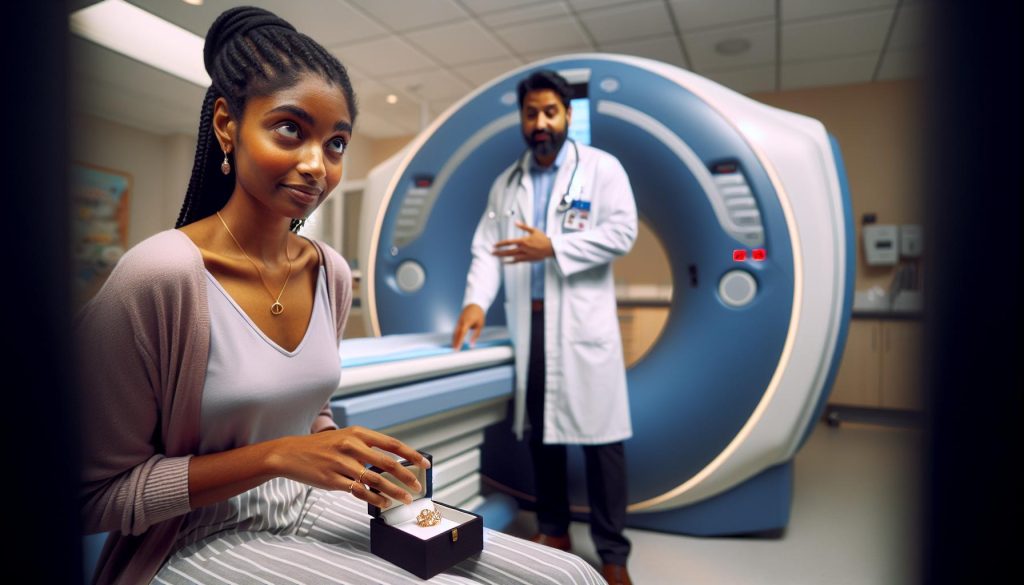
Do You Have to Take Jewellery Off for CT Scan? Medical Rules

Wondering, “Do you have to take jewellery off for a CT scan?” Discover essential medical rules that might surprise you! Learn how to prepare effectively.

Can You Wear Jewellery in an MRI Scan: Safety First Guide

Can You Wear Jewellery in an MRI Scan: Safety First Guide

Wondering, “Can you wear jewellery in an MRI scan?” Discover essential safety tips to keep you informed and stress-free during your MRI visit. Don’t miss out!

Can You Wear Jewellery in a CT Scan: Safety Rules You Must Know
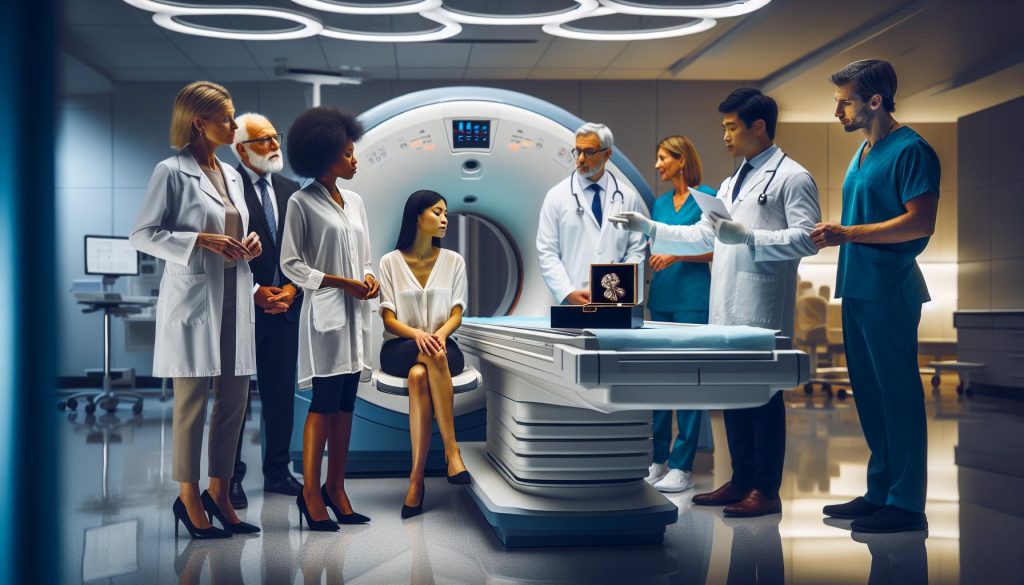
Can You Wear Jewellery in a CT Scan: Safety Rules You Must Know

Discover essential safety rules for wearing jewellery in a CT scan! Learn what to avoid to ensure a smooth scanning experience and protect your valuables.

  • Homepage
  • Blog
  • About Us
  • FAQ
  • Contact
  • Privacy Policy
  • Homepage
  • Blog
  • About Us
  • FAQ
  • Contact
  • Privacy Policy

© 2025 MissJ.eu Jewelry Magazine. All rights reserved.

Follow Us

Facebook X-twitter Instagram
AI Editorial Policy