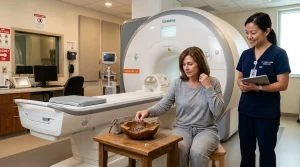
When preparing for an MRI scan, many people are uncertain about whether they can wear their favorite jewellery. Did you know that certain metal objects can interfere with MRI machines, leading to safety concerns and affecting the quality of the images produced? Understanding these guidelines is essential for anyone facing an MRI, as it not only protects your health but also ensures the accuracy of your scan results. In this guide, we will explore the reasons behind these safety precautions, the types of jewellery that might pose risks, and practical tips to help you prepare for a smooth MRI experience. Read on to uncover the critical dos and don’ts that every patient should know before stepping into the MRI room.
Can You Wear Jewellery During MRI Scans? Common Concerns
MRI scans are critical tools for diagnosing and evaluating medical conditions, yet many patients harbor concerns regarding the safety of wearing jewellery during these procedures. The strong magnetic fields used in MRI technology can interact with metallic objects, which raises valid questions about the risks of wearing jewellery. Understanding these concerns is essential for anyone scheduled for an MRI.
MRI machines generate powerful magnetic fields, which can lead to ferromagnetic materials being attracted to the magnet with potentially dangerous consequences. Even non-ferrous materials may produce artifacts in the images, leading to unclear or misleading results. Hence, it’s crucial to approach the matter of jewellery with caution. Common materials used in jewellery, such as gold, silver, platinum, and titanium, may have different safety profiles in the context of MRI, affecting what one can safely wear during the scan.
For many patients, the thought of removing their favourite pieces of jewellery can be unnerving. However, most medical facilities will require patients to remove any metallic items, including jewellery, before entering the MRI room. Not only does this promote safety by preventing unexpected interactions with the MRI machine, but it also ensures the most accurate imaging results. Individuals should always alert their healthcare providers about any implantable devices or metal fragments that may pose additional risks.
Ultimately, the key takeaway is to prioritize safety while navigating the intricacies of jewellery and MRI scans. Consulting with medical staff before the procedure can alleviate fears and ensure a smooth and effective imaging experience.
Understanding MRI Technology and Magnetic Fields
MRI technology is a fascinating and complex field that utilizes impressive physics principles to see inside the human body without invasive procedures. At the heart of MRI scanning is the powerful magnetic field it generates-often thousands of times stronger than that of the Earth. This magnetic field interacts with the hydrogen atoms in our bodies, producing signals that a computer then converts into detailed images. Understanding these magnetic fields is essential, especially when considering the implications of wearing jewellery during an MRI scan.
When you enter an MRI room, you’re stepping into an environment where metallic objects can pose risks. Most jewellery contains metals that can be either ferromagnetic, which are attracted to magnets (such as iron), or non-ferromagnetic (such as gold or titanium). Even non-magnetic jewellery can interfere with the imaging process, creating artefacts that obscure the clarity of the results. This is why medical professionals typically advise removing all metallic items, including earrings, necklaces, and bracelets, before undergoing an MRI. Not only does this enhance image quality, but it also ensures patient safety, as unexpected movements of ferromagnetic items can lead to injuries.
It’s important to note that while the magnetic fields are safe for most people, individuals with certain metallic implants, such as pacemakers or other surgical devices, should take extra precautions. Consult with your healthcare provider about any concerns you may have regarding specific jewellery or implants. This collaboration ensures that your MRI experience is both safe and effective, leading to the best possible diagnostic outcomes.
In summary, the interplay between your jewellery and MRI technology is critical to both safety and image accuracy. By removing metallic items and being aware of the materials in your accessories, you contribute to a smoother scanning process, allowing the sophisticated MRI technology to do its job effectively. Remember, when in doubt about what to wear, consult with your medical team to clarify any concerns and prepare adequately for your procedure.
Jewellery Materials and Their MRI Safety Levels
Wearing jewellery during an MRI scan may seem harmless at first glance, but the materials your accessories are made from can have significant effects on both safety and image quality. Understanding the types of metals used in jewellery and their interaction with the powerful magnetic fields generated during an MRI is crucial for a smooth scanning process.
Many common jewellery materials can be categorized into two main types: magnetic and non-magnetic. Ferromagnetic metals, such as iron and nickel, are strongly attracted to magnets and pose serious risks in an MRI environment. These materials can be pulled toward the MRI machine, potentially causing injury or even operational disruptions. On the other hand, non-ferromagnetic metals like gold, silver, titanium, and platinum generally do not pose a significant risk due to their weak magnetic properties. However, it’s essential to note that even non-magnetic items may still produce artefacts in the images, affecting diagnostic accuracy.
In addition to traditional metals, many contemporary jewellery pieces contain other materials, such as plastics or ceramics, which can be safe to wear during an MRI. Nonetheless, it’s always best practice to err on the side of caution. Assessing the specific materials used in your jewellery can help you make informed decisions. Reviewing your pieces with an eye for any ferromagnetic components or mixed materials is wise before heading into the scan.
To ensure the highest level of safety and image clarity, consider the following guidelines about jewellery materials in relation to MRI:
- Always remove: Items made from ferromagnetic materials, including some costume jewellery.
- Evaluate non-ferromagnetic jewellery: While generally safer, removing these items can enhance image quality.
- Consult with your provider: If uncertain about a specific piece, your medical staff can assist in evaluating its safety for the MRI.
By being informed about the materials used in your jewellery, you empower yourself to make choices that prioritize both safety and the effectiveness of your MRI procedure. When in doubt, following the principle of removing all jewellery can lead to a more efficient experience and clearer diagnostic results.
Potential Risks of Wearing Jewellery in MRIs
Wearing jewellery during an MRI scan can create unforeseen complications, blending safety concerns with the integrity of the imaging process. The strong magnetic fields generated by MRI machines can exert tremendous forces on ferromagnetic metals-like iron and nickel-potentially causing these items to move suddenly. Such movements can not only result in personal injury but also disrupt the MRI machine’s operation, leading to delays or the need for rescheduling the procedure. For patients already experiencing health issues, this added risk accentuates the importance of being vigilant about what they bring into the imaging room.
Non-ferromagnetic jewellery, while generally considered safer, is not without its concerns. Materials such as gold, silver, and titanium typically do not pose the same level of risk, but they can still produce artefacts on the MR images. These artefacts can cause distortions, making it challenging for radiologists to accurately diagnose the conditions being examined. Therefore, even when wearing non-magnetic jewellery, the possibility of reduced image clarity underscores the need for removal when feasible.
Additional Considerations
It’s not just metal jewellery that can pose risks. Items that may seem harmless-like necklaces or bracelets with magnetic clasps, or decorative pieces containing ferromagnetic components-should also be approached with caution. With the increasing complexity of modern jewellery designs, it’s essential to evaluate each piece carefully. Furthermore, the presence of other materials, such as plastics or ceramics, although generally safe, may not guarantee the absence of complications during an MRI.
To minimize risks, patients should take proactive steps around their MRI appointments. This includes discussing any jewellery with the medical team beforehand and ensuring that time is allocated to remove items prior to the procedure. Remember, prioritizing safety not only protects the patient but also helps maintain the efficacy of the diagnostic imaging process.
Essential Guidelines for Jewellery Removal Before MRI
Before undergoing an MRI scan, it’s crucial to prioritize your safety and that of the imaging equipment by removing all jewellery. This step isn’t just about compliance with protocol; it’s about ensuring clarity in your medical images and preventing any potential hazards. MRI machines operate using strong magnetic fields that can interact unpredictably with various materials, which makes the elimination of jewellery a necessary precaution.
To effectively prepare for your MRI appointment, follow these essential guidelines for jewellery removal:
- Communicate with Your Medical Team: Before your appointment, inform your healthcare provider about any jewellery you regularly wear. They can provide specific instructions or advice tailored to your situation.
- Plan Ahead: Allocating extra time before your MRI to remove jewellery can help avoid last-minute stress. Even if you think your items are safe, it’s best to err on the side of caution.
- Beware of Hidden Components: Many pieces of modern jewellery may contain ferromagnetic elements or attachments that aren’t immediately apparent. Check for clasps, chains, or decorative elements that could interfere with the MRI.
- Consider Alternatives: If you wear jewellery for personal reasons, such as wedding bands or religious symbols, discuss with your healthcare provider whether these items can remain on, or if alternatives are advisable.
Following these guidelines helps ensure that your MRI scan is as effective and safe as possible. Being proactive about jewellery removal not only prevents medical misunderstanding caused by artefacts on imaging but also enhances the overall efficiency of your appointment, allowing clinicians to focus on what really matters-your health.
What to Do If You Forgot to Remove Jewellery
It’s easy to become preoccupied with the details of an MRI scan, and sometimes, despite your best intentions, you might forget to remove your jewellery. If this happens, don’t panic. First, communicate directly with the MRI technician or healthcare provider as soon as you realize the oversight. They are trained to handle such situations and can assess the risk based on the specific items you are wearing.
In many cases, the technician may ask you to remove the jewellery before starting the scan. If the jewellery is made from non-ferromagnetic materials, such as certain types of titanium or gold, it’s possible that you might still proceed with the scan, though this is not guaranteed. Safety is the priority, so they might have you wait until the jewellery is removed to avoid any potential interference with the images.
Moreover, it’s crucial to understand that certain items-like large metal earrings, necklaces, or bracelets-are more likely to cause issues. If you forgot to remove these types, the technician will likely need to intervene. To avoid further delay or complications, be prepared to explain what types of jewellery you were wearing. This can help them make a quick judgment about whether it’s safe to proceed or if it’s essential to remove the items first.
In situations where you forget to remove jewellery, your best course of action is proactive communication and readiness to comply with the technician’s directions. Remember, the goal is to ensure the safety of both the patient and the integrity of the diagnostic images. By addressing any oversights promptly, you can help keep your MRI process on track, ensuring that your healthcare needs are met efficiently.
Alternatives to Jewellery for MRI Procedures
Wearing jewellery during an MRI can pose significant safety risks, primarily due to the powerful magnetic fields used in the procedure. Luckily, there are several stylish and practical alternatives to consider that can keep you adorned while ensuring a smoother MRI experience. Opting for non-metal accessories is a good way to sidestep potential issues without compromising on style.
Consider cloth or fabric accessories, such as silk scarves, headbands, or bracelets made from woven materials. These can add a touch of elegance and color, allowing you to express your personal style without the risk associated with metal. Additionally, plastic or rubber jewelry can be a great alternative. Many designers now offer trendy pieces made from these materials, which are both fashionable and MRI-friendly.
For those who enjoy the allure of gemstone craftsmanship, consider non-metal gemstone jewelry that uses string or wire made from materials like nylon. This way, you can still incorporate bright colors and unique designs without introducing metal into the equation. Furthermore, when planning for your MRI, think about temporary tattoos or body art-they can not only serve as a fun way to decorate your skin but also ensure there’s no jewellery to worry about.
In summary, while traditional jewellery pieces may need to be left at home for your MRI, there are countless beautiful alternatives that can maintain your sense of style. Embrace creativity with non-metal options and go into your MRI confident that you’ve prioritized your health without sacrificing fashion.
Best Practices for MRI-safety Awareness
Ensuring a safe and smooth MRI experience involves more than just understanding the procedure; it also requires awareness of what you can wear and how to prepare properly. One inescapable fact is that MRI machines use extremely powerful magnets, and even small metallic items can interfere with the imaging process or pose safety risks. Therefore, being mindful of what accessories you bring is essential.
To enhance your MRI safety awareness, always double-check your outfit before arrival. When preparing for an MRI, consider the following best practices:
- Leave jewelry at home: This includes all types of metal accessories-rings, earrings, bracelets, and necklaces.
- Opt for non-metal clothing: Ensure that your clothing is devoid of any metallic fasteners or embellishments that could trigger issues during the scan.
- Communicate openly with your MRI technician: Share concerns or inquire about any specific guidelines for your procedure. They are your best resource for understanding what is necessary for safety.
- Plan for alternatives: As mentioned earlier, consider stylish non-metal accessories, and opt for clothing made from cotton or other non-metallic materials.
Furthermore, remember that preparation doesn’t just stop at what you wear. It extends to understanding the process itself. Familiarize yourself with the MRI environment to reduce anxiety-a calm mind helps ensure a trouble-free experience. Bringing a book or listening to music on a personal device (without metal components) can also make the waiting and scanning process more pleasant.
Taking these proactive measures allows you to prioritize safety while still expressing your style. By adopting these best practices for MRI safety awareness, you empower yourself with the knowledge to navigate the process confidently, ensuring your health comes first without compromising your personal flair.
Top Types of Jewellery to Avoid During MRI
Wearing jewellery during an MRI scan can lead to serious issues due to the powerful magnetic fields generated by the machine. In particular, certain types of metal can not only interfere with the imaging process but could also pose safety hazards. Thus, it’s crucial to identify which jewellery items should be avoided to ensure a smooth and safe experience.
When preparing for your MRI, consider leaving behind the following:
- Rings: Particularly those made of metals like gold, silver, or platinum. Besides interference with images, rings could potentially cause injury if the magnet pulls on them.
- Earrings: Hoop earrings, studs, and other metallic varieties can obstruct the scanning area, especially for head and neck scans.
- Bracelets and Watches: These can lead to not only image distortion but also mechanical interference, with the potential for injury if the band is metal.
- Necklaces: Chains made from metal could swing or be pulled by the magnet, especially during the positioning stage, risking harm or compromising results.
- Body Piercings: All types of body jewellery, including those made from titanium or surgical steel, should be removed if possible. While some materials are less susceptible, it’s better to err on the side of caution.
Understanding the specific materials in your jewellery can also help you make better choices. For instance, items made from non-magnetic metals like certain grades of titanium or certain plastics may be okay, but it is always advisable to confirm with your healthcare provider beforehand. Being proactive about removing all types of jewellery not only enhances your safety but also ensures high-quality images that are critical for accurate diagnosis.
Remember, while you may love your accessories, prioritizing safety and clarity during an MRI is essential. Plan ahead and leave jewelry at home to facilitate a more comfortable and successful imaging experience.
How to Prepare for an MRI With Jewellery Considerations
Preparing for an MRI can feel daunting, especially when it comes to jewellery considerations. Did you know that the powerful magnetic fields used during an MRI can affect certain types of jewellery? This makes it essential to plan ahead and carefully assess what accessories to wear or bring on the day of your scan.
Before heading to your appointment, it’s wise to conduct a thorough check of your jewellery collection. Begin by considering your outfit carefully. Opt for clothing that doesn’t require any metallic accessories. If you normally wear rings, earrings, or necklaces, prioritize leaving them at home. Consider using alternatives like fabric or silicone bands for watches, or choose non-magnetic clips for your hair if you typically rely on metallic ones. This simple strategy minimizes the chance of forgetting to remove something critical at the facility.
Another practical tip is to create a checklist of items to remove. Include rings, earrings, bracelets, necklaces, and body piercings that may contain metal. Make a habit of reviewing this list the night before your MRI, ensuring you have ample time to assess and prepare. You might even want to use this as an opportunity to clean and store your jewellery properly, giving your accessories a little care before they’re safely tucked away.
If you happen to forget to remove jewellery before your MRI, notify the MRI technician as soon as you realize. They may have specific protocols to ensure your safety and may ask you to remove it before proceeding. To avoid last-minute panic, always aim for early arrival at your appointment that will give you ample time to address any jewellery concerns without rush.
By preparing thoughtfully and treating your jewellery with care, you not only ensure a safe MRI experience but also give your beloved pieces the attention they deserve, setting the stage for a smooth and successful procedure.
Expert Advice on Jewellery and Medical Imaging
It’s surprising to learn that something as innocuous as jewellery can pose risks during an MRI scan. Given the strength of the magnetic fields used in this medical imaging technology, understanding how to navigate jewellery-related concerns becomes vital for patients. The first crucial advice is simple: when in doubt, take it off. The ethereal elegance of your favourite pieces can wait until after the procedure.
When preparing for your MRI, consider the types of materials commonly used in jewellery. While precious metals like gold and platinum are generally safe due to their non-ferrous nature, many pieces may contain components made from iron or steel, which can react with the MRI machine. Additionally, some fashion jewellery can incorporate magnetic materials, which should be tightly avoided. Always check for any clasps, stones, or detailing that might contain metals. If you’re unsure of a piece’s composition, it’s best to err on the side of caution and leave it behind.
Another essential point is to think ahead about the most practical alternatives to jewellery. For instance, if you’re used to wearing watches with metal bands, consider switching to a fabric or silicone strap, which poses no risk during the scan. This not only ensures safety but also reduces the hassle of needing to remember to remove items last minute.
Finally, if you find yourself in a panic on the day of your appointment, don’t hesitate to ask the MRI technician for guidance. They are trained to handle these situations and can help you determine what can stay and what must go. Prioritizing safety and clear communication makes the MRI experience much smoother, ensuring that your health is the primary focus.
Resources for MRI Safety and Jewellery Guidelines
Understanding how to safely navigate jewellery considerations before an MRI scan is essential for a smooth and stress-free process. With the powerful magnetic fields used in MRI technology, being informed on what to wear-or more importantly, what not to wear-can significantly impact both your safety and the quality of the scan results. Make sure to equip yourself with knowledge about potential risks and guidelines so you can enjoy the aesthetic beauty of your jewellery worry-free after your examination.
To ensure that you’re fully prepared for your MRI appointment, consider these essential resources and guidelines:
Key Resources for MRI Safety
- Hospital and Imaging Center Protocols: Always consult with the facility where you will have your MRI. They usually have a checklist or detailed guidelines outlining what personal items are permissible during scanning.
- Manufacturer Instructions: Check the documentation provided with your jewellery. Some brands explicitly indicate whether their products contain materials that could be problematic for MRI scans.
- Healthcare Provider Communication: It’s essential to have open communication with your doctor or the MRI technician about any concerns you have regarding jewellery. They can provide specific recommendations based on your situation.
Practical Tips for Jewellery Care and MRI Preparation
In preparation for your MRI, take the time to give attention to your jewellery collection. Here are some tips to ensure you have all bases covered:
- Review Your Collection: Before your appointment, go through your jewellery box and separate pieces that contain ferrous metals or magnetic components. This simple step can save you from a complicated last-minute removal.
- Document Your Pieces: If you have high-value items or inherited pieces, consider taking photos or noting down their materials and settings. This helps ensure you won’t forget any precious items at home.
- Set Up a Reminder: Create a small reminder for the day of your MRI to check for jewellery before leaving home. This can help reduce pre-appointment anxiety.
Ultimately, being knowledgeable about the impact of your jewellery on MRI scans not only enhances safety but can also elevate your confidence. Understanding which materials are acceptable and ensuring you follow best practices for jewellery care and removal can make a significant difference in your overall experience. Be proactive, stay informed, and embrace a stylish, stress-free MRI visit!
Frequently Asked Questions
Q: Can I wear a metal watch during an MRI scan?
A: No, you should not wear a metal watch during an MRI scan. The magnetic field can interfere with the function of the watch and may pose safety risks. It’s best to remove any metallic accessories before your appointment. For more insights, check the section on potential risks in the article.
Q: What should I do if I accidentally wear jewelry during my MRI?
A: If you forget to remove your jewelry before an MRI, inform the technician immediately. They will assess whether you can safely continue the scan or need to remove the jewelry. Always prioritize safety by following pre-scan guidelines outlined in the article.
Q: Are there any MRI-safe jewelry options?
A: Yes, some materials like plastic or silicone are considered MRI-safe. Look for jewelry labeled as non-metallic. Check the article for detailed discussions on jewelry materials and their safety levels during MRI scans.
Q: What types of earrings are safe to wear in an MRI?
A: Generally, it’s advisable to avoid all earrings during an MRI. However, non-metallic earrings made from safe materials like plastic may be acceptable. Refer to the section on jewelry materials in the article for a comprehensive overview.
Q: How long does the MRI scan take if I have no jewelry?
A: An MRI scan typically takes 15 to 90 minutes, depending on the body part being examined. Ensuring you have no jewelry can help streamline the procedure. For more preparation tips, see the guidelines outlined in the article.
Q: Why can’t I wear jewelry in an MRI?
A: Jewelry can interfere with the magnetic field used in MRI scans, potentially causing image distortion and safety concerns. Always remove jewelry to ensure accurate results and your safety, as mentioned in the article’s section on essential guidelines.
Q: Can hairpins affect the MRI process?
A: Yes, hairpins, especially metal ones, can affect the MRI process by causing artifacts in the images or even posing safety risks. It’s crucial to remove all metallic accessories before the scan. Review the article for a complete list of items to avoid.
Q: Do I need to inform my doctor about my piercings before an MRI?
A: Yes, you should inform your doctor about any piercings before an MRI. They can provide specific advice regarding their suitability during the procedure. This consideration is part of the best practices for MRI safety in the article.
Wrapping Up
As you prepare for your MRI scan, remember that prioritizing safety is key. Leaving your jewelry at home ensures a smooth and hassle-free experience, allowing you to focus on your health. To enhance your understanding further, check out our guides on jewelry care and gem cleaning techniques for valuable tips on maintaining your precious items when not in use. If you’re interested in creating your own unique pieces, explore our DIY jewelry tutorials for some hands-on fun.
Don’t let lingering questions hold you back! Join our community by subscribing to our newsletter for the latest insights, tips, and trends in the world of jewelry. Your journey to informed decisions about your jewelry starts now-take action today, and feel empowered for your next MRI and beyond! Share your thoughts or experiences in the comments below; we love hearing from you!
Medical Attachments, Wearable Devices & Religious Jewellery During Medical Scans
While standard consumer jewelry (earrings, necklaces, rings) represents the most common item removed prior to diagnostic imaging, modern patients frequently present with specialized medical attachments, continuous health monitors, body modifications, and religious accessories. Understanding how clinical radiology suites handle these attachments ensures patient safety without interrupting essential healthcare routines.
| Attachment Category | Common Examples | MRI / CT Safety Classification | Protocol & Management |
|---|---|---|---|
| Continuous Glucose Monitors (CGM) & Insulin Pods | Dexcom G6/G7, Freestyle Libre 2/3, Omnipod | MR-Unsafe (Strict Removal Required) | Remove sensor prior to entering scan room; schedule scan on sensor replacement day; replace with fresh sensor post-exam |
| Transdermal Medication Patches | Nicotine, Fentanyl, Clonidine, Scopolamine patches | High Burn Risk (if foil-backed) | Inspect backing; aluminum-backed patches cause severe thermal skin burns in MRI; replace after scan under nurse supervision |
| Religious Jewellery & Scapulars | Crucifix necklaces, Saint Christopher medals, Sikh Kara, cloth scapulars | Metal Removal Required; Fabric Permitted | Pure fabric cords/scapulars containing zero metal threads are safe; metal medals must be placed in hospital locker |
| Orthodontic & Dental Attachments | Permanent retainers, brackets, Invisalign attachments | MR-Conditional (Image Artifact Risk) | Firmly bonded non-ferrous dental wires are safe from deflection, but cause local facial scan distortions (susceptibility artifacts) |
Navigating Religious & Cultural Attachments with Compassion
Radiology departments respect cultural, spiritual, and religious practices. If you wear spiritual attachments (such as a Sikh Kara iron bangle, sacred Hindu protective threads, or Christian scapulars):
- Inform your MRI technologist during pre-screening.
- If an iron Kara cannot be physically removed without cutting, technologists use specialized ferromagnetic detectors and thermal insulating wrap protocols, or consult the radiologist for alternative imaging (CT or Ultrasound).
- Non-metallic cotton prayer ropes and fabric scapulars can remain on the patient provided they contain no woven metallic threads.
Frequently Asked Questions: Medical Attachments
Can I wear hearing aids or fitness trackers during a scan?
No. Hearing aids, Apple Watches, Fitbits, and smart rings contain sensitive microchips, lithium batteries, and Bluetooth antennas that will be permanently destroyed by magnetic resonance and radiofrequency fields.
Are permanent titanium joint replacements or surgical clips safe?
Yes. Modern surgical titanium implants, titanium aneurysm clips, and orthopedic screws are non-ferromagnetic and firmly anchored into bone tissue. Always provide your surgical implant card to the radiology team so model numbers can be cross-referenced against the universal MRI Safety Database.
Search Query FAQ: Is wearing atathments a sin (attachments in medical imaging)? No, wearing medical attachments or assistive devices is not a sin or spiritual transgression in any major religious tradition; however, for MRI safety, all metallic attachments must be safely removed or insulated during scanning to prevent RF burns.
Get our latest guides, news, and insights highlighted in your Google Search & AI Overviews.