Did you know that acrylic, often recognized for its transparent beauty and remarkable durability, can be cut at home to suit your creative desires? Whether you’re crafting custom picture frames, designing practical light-weight shelves, or simply looking for a DIY project, mastering the art of cutting acrylic opens up a world of possibilities. Many enthusiasts find themselves hesitant when it comes to working with this versatile material due to fears of damaging it or achieving unprofessional results. However, with the right tools and techniques, you can achieve clean, professional cuts that enhance your projects and showcase your craftsmanship. In this guide, we will walk you through the essential steps needed to cut acrylic glass like a pro, empowering you to approach your projects with confidence and creativity. Let’s dive in and unlock your potential!
How Acrylic Glass Differs from Regular Glass
Acrylic glass, often referred to as acrylic or polymethyl methacrylate (PMMA), possesses several characteristics that set it apart from regular glass, making it an appealing alternative for various applications. One of the most striking differences is its weight; acrylic is significantly lighter than glass, which translates to easier handling and installation. This lightweight nature also reduces the risk of injury in case of breakage, as acrylic is less likely to shatter into sharp pieces compared to glass.
Furthermore, acrylic provides superior impact resistance. It is about ten times more impact-resistant than glass, making it an excellent choice for environments where durability is critical, such as in safety shields, sneeze guards, and even some types of glazing. Moreover, acrylic’s clarity is comparable to that of glass, with a light transmittance of approximately 92%, ensuring outstanding visibility for displays and signage.
When it comes to versatility, acrylic can be shaped and molded into various forms that would be challenging to achieve with glass. Acrylic can be easily drilled, cut, and even heated for bending, making it an ideal material for DIY projects. However, it is crucial to note that while acrylic has many advantages, it is also more prone to scratching than glass, which requires proper care and maintenance to preserve its appearance over time.
In summary, acrylic offers a combination of lightweight, impact resistance, clarity, and versatility that differentiates it from traditional glass. These properties not only enhance its usability in various projects but also provide practical advantages for both personal and professional applications. Whether you’re crafting a decorative piece or setting up barriers in your home or workplace, understanding these differences can guide you in choosing the right material for your needs.
Essential Tools for Cutting Acrylic Glass at Home
To achieve professional results when cutting acrylic glass at home, you’ll need the right tools to ensure precision, safety, and ease of use. Acrylic is a versatile material that can be easily shaped and cut, but using inadequate tools can lead to uneven edges or even damage to the material. Whether you’re a DIY enthusiast or a complete beginner, having the proper equipment at your disposal will set you up for success.
Essential Cutting Tools
Here’s a list of tools that can make the process of cutting acrylic both straightforward and effective:
- Utility Knife: A sharp utility knife is ideal for scoring thin sheets of acrylic. When pressed along the line, the acrylic can be snapped cleanly using controlled pressure.
- Acrylic Cutter: Specifically designed for acrylic and similar materials, this tool features a blade that makes it easy to score the surface before breaking it. It’s particularly useful for small projects.
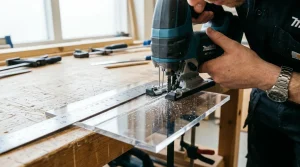
- Jigsaw: For thicker sheets or more intricate cuts, a jigsaw with a fine-toothed blade can do the job well. Make sure to set it to a slow speed to prevent melting the acrylic as you cut.
- Circular Saw: For large-scale cuts, a circular saw fitted with a blade designed for plastics can provide a smooth finish. It’s best for professional-level projects.
- Drill: If your project involves creating holes, a handheld drill with the correct bit for plastic will help you achieve precise results without cracking.
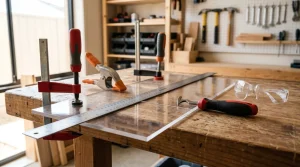
- Clamp or Vise: Keeping the acrylic steady while you cut is crucial. Use clamps to secure the material to your work surface and prevent it from moving.
Additional Supplies
In addition to cutting tools, having a few supportive supplies on hand can enhance your crafting experience:
- Masking Tape: Applying masking tape along your cut line can prevent chipping and scratching during the cutting process.
- Ruler and Straight Edge: To ensure accurate cuts, use a ruler or straight edge for measuring and marking your cut lines.
- Sanding Block or File: After cutting, you may need to smooth out rough edges, so having a sanding block or file handy is beneficial.
With the right tools and preparation, cutting acrylic glass at home can be a rewarding and creative endeavor, allowing you to produce anything from decorative projects to practical applications with a professional finish.
Step-by-Step Guide to Cutting Acrylic Glass
To achieve professional results when cutting acrylic glass, following a systematic approach can make all the difference. Unlike traditional glass, acrylic is a thermoplastic that’s easier to work with, making it perfect for various DIY projects. By using the right techniques and tools, you can create precise cuts while minimizing the risk of damage to the material.
Start by preparing your work area. Ensure you have a clean, well-lit space and all your essential tools within reach. This includes your acrylic sheet, cutting tools (like a utility knife or jigsaw), a ruler, and masking tape. First, measure and mark your cutting line on the acrylic sheet with a ruler and a fine-tipped marker. To prevent chipping, apply a strip of masking tape along the cut line; this can help stabilize the acrylic during cutting.
When you’re ready to cut, use a straight edge as a guide and score along the marked line with your utility knife or acrylic cutter. Apply firm, even pressure to create a deep score line. For thinner sheets, you can then snap the acrylic along this line with your hands. For thicker sheets, use a jigsaw or circular saw, setting the speed low to avoid melting the edges. Remember to secure the acrylic with clamps to keep it steady as you work.
After cutting, inspect the edges for any roughness. You may want to smooth them out using a sanding block or file to achieve a clean finish. Taking your time at each step will not only enhance your technique but also ensure that your finished project meets your expectations. By following these steps, you’ll be well on your way to mastering acrylic cutting and creating beautiful pieces for any project.
Techniques for Achieving Smooth Edges After Cutting
Achieving smooth edges after cutting acrylic glass is essential to not only enhance the aesthetic appeal of your project but also to ensure safe handling. Unlike traditional glass, which can shatter or chip at the edges, acrylic requires specific techniques to finish the edges properly. The goal is to eliminate any roughness or splintering that may have occurred during the cutting process, allowing your pieces to shine with clarity and professionalism.
One effective method for smoothing edges is to use a fine-toothed sanding block or file. Begin with a coarse grit to remove any significant imperfections, then progress to a finer grit for a polished finish. To maintain even pressure, sand in a consistent motion along the edge, and avoid heavy-handedness, which can lead to uneven surfaces. Once you achieve a satisfactory smoothness, you can further refine the edges using an automotive polishing compound or a flame polishing technique for a glossy look. Flame polishing involves carefully running an open flame along the edge to melt and polish it, requiring caution to avoid overheating and warping the acrylic.
Another technique involves the use of a router with a specialized acrylic bit. This method not only smooths the edges but also allows for intricate designs, offering versatility for more creative projects. When using a router, ensure the piece is securely clamped down, and move the router slowly along the edge for consistent results.
Finally, consider applying a clear acrylic adhesive or sealant along the edges after smoothing for added protection and a polished look. This step enhances the durability of your finished piece and can prevent future chipping or damage. With these strategies, you can transform the cut edges of your acrylic glass into perfect, refined lines that elevate your DIY projects and showcase your craftsmanship.
Safety Tips for Working with Acrylic Glass
Working with acrylic glass can be an exciting and rewarding endeavor, whether you’re creating stunning displays or unique projects. However, safety should always be a top priority to ensure that your crafting experience remains enjoyable and free from accidents. Beginning with the right safety gear is crucial. Always wear protective eyewear to shield your eyes from plastic shards and a dust mask to prevent inhalation of fine particles during cutting or sanding.
When cutting acrylic, it’s essential to work in a well-ventilated area. Acrylic can emit fumes that may be harmful if inhaled in large quantities. To enhance safety further, ensure your workspace is organized and free from distractions. Keep tools and materials within easy reach, reducing the likelihood of accidents due to searching for supplies. Additionally, always ensure that your cutting surface is stable and secure, as an unstable surface can lead to slips that might result in injury.
It’s wise to prepare for the potential for sharp edges. After cutting, acrylic can produce edges that are dangerously sharp. Make it a habit to handle freshly cut acrylic with care, using gloves if necessary, to prevent cuts. Once you finish cutting, remember to cover any sharp edges or corners with protective tape until you smooth them out completely. This precaution not only protects you but can also prevent damage to nearby surfaces.
Lastly, familiarize yourself with the tools you are using. Understanding each tool’s function and safety features can significantly reduce the risk of accidents. For example, when using power tools like routers or saws, ensure you follow all manufacturer guidelines and use appropriate accessories designed for acrylic. By following these safety tips, you’ll create a much safer environment, allowing your creativity to flourish without the worry of mishaps.
Common Mistakes to Avoid When Cutting Acrylic
Cutting acrylic can yield stunning results, but missteps can quickly turn a project into a frustrating experience. One of the most common errors is not choosing the right tool for the job. While it may be tempting to use whatever is readily available, using dull or inappropriate tools can lead to uneven edges or cracking, ruining your beautiful acrylic piece. Instead, opt for tools specifically designed for cutting acrylic, such as a circular saw with fine-toothed blades, or a laser cutter for precision work. This choice can dramatically improve the quality of your cuts.
Another frequent mistake is not properly securing the acrylic sheet before cutting. If the acrylic is not firmly clamped down, it can shift during the cutting process, leading to crooked cuts or even breaks. To prevent this, ensure that the acrylic is securely fastened to a stable surface, allowing for clean, straight cuts. Additionally, working in an organized space cannot be overstated. A cluttered work area can distract you and contribute to accidents. Ensure that your workspace is tidy and that all your tools are easily accessible before you begin your project.
Some also underestimate the importance of measuring accurately. Failing to measure twice and cut once can lead to wasted materials and time. Always take precise measurements and consider making a template if your design is complex. Lastly, many crafters overlook the need for post-cut finishing. Leaving rough edges can detract from the overall look of your project. After cutting, take the time to sand and polish the edges for a professional finish, which enhances both the appearance and safety of your acrylic piece.
In summary, being mindful of your tool selection, securing your material, measuring correctly, and finishing your edges can elevate your acrylic projects from amateur to professional. Avoiding these common pitfalls not only saves time and materials but also ensures that your final product is both beautiful and functional.
Creative Projects Using Cut Acrylic Glass
Using cut acrylic glass opens up a world of creative possibilities that can transform your space and make stunning statement pieces. Whether you’re a seasoned DIYer or just starting out, there are countless ways to utilize this versatile material. One popular project is creating personalized display cases for collectibles or jewelry. Acrylic’s transparency allows you to showcase your items while protecting them from dust and damage. You can easily design a custom case that fits your specific needs by measuring your items and cutting the acrylic to size, ensuring a perfect fit.
Another engaging idea is to craft wall art or unique home decor. By layering cut acrylic pieces in various colors, you can construct eye-catching installations that play with light and shadows. Consider using painted or mirrored acrylic for added visual interest. You might also explore creating acrylic signs for your home or office, which can be customized with names or inspirational quotes. These signs can be backlit for a modern touch, making them both functional and aesthetically pleasing.
Jewelry and Accessories
For the jewelry enthusiasts, cut acrylic can be a game changer. You can create bespoke earrings, pendants, or even bangles. The lightweight nature of acrylic makes it comfortable to wear, while its wide range of colors offers endless styling options. Consider experimenting with different shapes and textures- like geometric designs or sleek, minimalist pieces. You could also incorporate engraving to add a personal touch, making each piece truly unique.
Furniture and Functional Items
If you’re looking to make a bigger impact, consider furniture projects. Acrylic can be used to construct modern coffee tables, shelves, or even room dividers. Clear acrylic furniture pieces can make a small room feel larger, as they allow light to flow through while providing functional space. Using cut acrylic for functional items, such as trays or organizers, is also a great way to add both style and practicality to your home.
In summary, the potential for projects using cut acrylic glass is vast and varied. From home decor to personalized jewelry, the combination of creativity and craftsmanship allows you to produce stunning and functional pieces that reflect your personal style. Don’t hesitate to explore different applications; the results can be incredibly rewarding!
Care and Maintenance for Cut Acrylic Glass
Acrylic glass, known for its clarity and durability, can be a stunning addition to your home or creative projects, but proper care and maintenance are essential to keep it looking pristine. Unlike glass that can shatter, acrylic is more resilient but still requires attention to prevent scratches and maintain its aesthetic charm. Knowing how to care for your cut acrylic will not only extend its lifespan but also ensure that your projects shine for years to come.
To keep your acrylic in top condition, start by regularly dusting it with a soft microfiber cloth. This gentle approach prevents the accumulation of dirt and grime, which can dull its shine. For deeper cleaning, use a solution of warm water and mild soap. Avoid using ammonia-based cleaners or those that can scratch the surface; they can cloud the acrylic and diminish its optical clarity. Instead, opt for specialty acrylic cleaners available at craft or hardware stores, formulated specifically to maintain its gloss.
When storing or handling acrylic pieces, take care to keep them away from sharp objects and high temperatures. Acrylic can warp or become discolored if exposed to excessive heat, so store pieces in a cool, dry place. For larger installations, using protective coverings when transporting can help prevent undetected scratches or scuffs. You may also want to invest in a protective film or backing to apply to areas that are especially prone to scratches, ensuring your acrylic maintains its flawless appearance.
For those who have crafted detailed pieces such as jewelry or decorative objects, consider a dedicated cleaning routine that includes inspecting each item for any signs of wear. If you notice any minor scratches, specialized plastic polish can restore some of the original clarity. Apply it according to the manufacturer’s instructions, using a soft cloth to gently buff the area. This preventive maintenance can make a significant difference, enhancing the overall look of your acrylic creations while preserving the hard work you’ve put into them.
Troubleshooting: What to Do If a Cut Goes Wrong
When working with acrylic glass, even the most experienced DIY enthusiasts sometimes face challenges. A cut that goes awry can be disheartening, but it’s essential to approach the issue with patience and a clear plan. Fortunately, there are effective methods to rectify mistakes with acrylic, ensuring that your projects remain polished and professional.
If you accidentally make a cut that isn’t quite right-whether it’s too short, misaligned, or uneven-don’t panic. One of the first steps is to assess the damage. If the piece can still be salvaged, you can use techniques such as sanding or trimming to correct the error. For slightly jagged edges, a fine-grit sandpaper (around 220-400 grit) can smooth out imperfections. Sand the edge carefully, going in one direction to avoid creating additional scratches. Remember to wear a mask to prevent inhaling acrylic dust. If the cut is significantly off, you might need to consider cutting a new piece entirely but try to use the output creatively, as smaller pieces can often be repurposed.
Should you encounter a crack or a break during cutting, keep in mind that acrylic can sometimes be repaired. A high-quality acrylic adhesive will help bond pieces back together. Apply the adhesive carefully, ensuring that the broken edges are properly aligned. After applying, clamp the pieces together until the adhesive cures, usually for several hours. This method can restore the integrity of the piece, particularly in applications where aesthetics are critical.
Preventing future mistakes is as vital as fixing current ones. To ensure precise cuts, use a straight edge as a guide, and consider using a scoring tool designed for acrylic, which allows for cleaner cuts. If you’re cutting larger sheets, ensure you have adequate support beneath the acrylic to prevent flexing. Additionally, take your time during the process-rushing can lead to more significant errors.
In conclusion, while not every cut may go as planned, understanding how to troubleshoot and rectify issues is key to mastering acrylic crafting. With these tips and a touch of creativity, you can turn mistakes into opportunities, ensuring that your projects not only succeed but shine.
Finishing Techniques for a Professional Look
To achieve a polished, professional look when working with acrylic glass, you must pay attention to the finishing touches. A well-finished piece not only enhances the appearance but also ensures durability and clarity. The process begins immediately after cutting, as achieving smooth edges is crucial. Here are some effective techniques to consider:
Edge Smoothing Techniques
- Sanding: Start with coarse sandpaper, like 120-grit, to shape the edge and remove any rough spots, then gradually move to finer grits (220 to 600) for a smoother finish. Remember to sand in one direction to minimize scratching.
- Flame Polishing: Using a flame, like a torch or lighter, can create a slick, glass-like finish. Pass the flame quickly along the edges-too long will cause melting or burning, so practice this technique on scrap pieces first.
- Buffing: After sanding, use a buffing wheel with a plastic polish to restore shine. This final step gives your acrylic a brilliant transparency that rivals glass.
Applying Protective Coatings
To further enhance the professional appearance of your acrylic products, consider applying a protective coating. This can increase longevity and prevent scratches. A specialized acrylic surface treatment or a clear sealant can add an extra layer of protection while maintaining clarity.
Final Assembly and Presentation
When assembling your acrylic projects, make sure to clean the surfaces to remove any dust or fingerprints-microfiber cloths work best for this. Proper assembly, whether gluing or fitting pieces together, should be done with precision to maintain the integrity of the visual design.
By employing these finishing techniques, you elevate the quality of your acrylic projects and ensure that they are both visually stunning and durable, allowing your creativity to shine through in every piece.
Alternative Methods for Cutting Acrylic Glass
Cutting acrylic glass doesn’t just require the right tools; it also allows for creativity in your approach. While traditional methods like using a straightedge and a utility knife are effective, there are several alternative methods that can yield professional-looking results at home. Whether you’re working with thick sheets or delicate forms, exploring different techniques can help you find the best fit for your project.
One popular alternative is to utilize a jigsaw fitted with a fine-toothed blade. This method allows for more intricate cuts and curves that a utility knife might not offer. To achieve the best results, it’s important to adjust the speed of the jigsaw to a lower setting. This reduces the heat generated by the blade, which can cause melting and result in rough edges. If you need a faster method, consider using a circular saw designed for plastics, equipped with a special acrylic blade. Ensure that the sheet is secured firmly to prevent movement, which could lead to inaccuracies.
For some applications, laser cutting can be an exceptional choice, especially for highly detailed designs. Though it typically requires access to specialized equipment, the precision of a laser ensures clean cuts with minimal finishing required. If you’re tackling large commercial projects, local makerspaces or fabrication labs may offer time on professional-grade laser cutters at a reasonable price.
Lastly, while these methods can vastly improve your cutting capabilities, it’s essential to keep safety in mind. Always wear protective eyewear, as acrylic shards can become airborne and pose a hazard. By embracing a variety of techniques, you can refine your craftsmanship and create stunning acrylic pieces that stand out beautifully.
Comparing Acrylic Glass to Other Materials
Acrylic glass, known for its exceptional clarity and versatility, has carved out a significant niche in various applications ranging from artistic displays to protective barriers. When comparing acrylic to traditional glass, there are multiple factors to consider that highlight acrylic’s advantages. For instance, acrylic is approximately half the weight of regular glass, making it easier to handle and install, particularly in larger projects. Additionally, acrylic has superior shatter resistance, which means it can endure impacts that would typically break glass, making it an ideal choice for safety applications.
Another noteworthy distinction lies in the ease of fabrication. Acrylic can be cut, drilled, and shaped using standard woodworking tools, giving DIY enthusiasts and professionals alike the capability to create customized pieces without needing specialized glass-cutting equipment. In contrast, glass usually requires more complex procedures and specialized skills to modify. The ability to create intricate designs with acrylic using methods like laser cutting or CNC routing provides even greater creative freedom for projects.
While both materials offer transparency, acrylic stands out with its resistance to UV light, which helps prevent yellowing over time. This property is particularly beneficial for outdoor applications or environments with high sun exposure. However, one should also be mindful of the potential for scratching, which can be more pronounced in acrylic compared to traditional glass. This is where proper care and maintenance come into play to ensure longevity and visual appeal.
In summary, understanding how acrylic stacks up against glass can significantly influence your choices, especially when cutting and fabricating your pieces. Acrylic presents itself as a lightweight, durable, and flexible alternative, ideal for a wide range of applications from DIY projects to commercial uses, making it a material worthy of consideration for your next creative endeavor.
Faq
Q: What type of saw is best for cutting acrylic glass at home?
A: A fine-toothed saw, like a jigsaw or circular saw with a specialized blade for acrylic, is ideal for clean cuts. Ensure the blade’s teeth are finely spaced to avoid chipping the acrylic surface. For more guidance, check the Essential Tools for Cutting Acrylic Glass at Home section.
Q: Can you score acrylic glass instead of using a saw?
A: Yes, scoring is an effective technique for cutting acrylic. Use a sharp scoring knife to make a deep cut along the desired line, then snap it along the scored edge. This method is great for thinner sheets. For detailed techniques, see the Step-by-Step Guide to Cutting Acrylic Glass.
Q: How do you prevent acrylic from cracking during cutting?
A: To prevent cracking, always use sharp tools, reduce pressure while cutting, and ensure the acrylic is well-supported. Keeping the material cool, perhaps with a cooling spray, can also help. Refer to Safety Tips for Working with Acrylic Glass for more prevention methods.
Q: What is the best method to achieve a polished edge on cut acrylic?
A: The best method for polishing acrylic edges is using fine-grit sandpaper followed by a plastic polish or a finishing compound. Start with 600-grit sandpaper and progressively use finer grits. For a thorough approach, see Finishing Techniques for a Professional Look.
Q: Is it safe to use a regular glass cutter for acrylic?
A: No, a regular glass cutter is not suitable for acrylic as it can shatter the material. Always use tools specifically designed for acrylic cutting. You’ll find more insights in the Common Mistakes to Avoid When Cutting Acrylic section.
Q: When is the best time to cut acrylic glass for the best results?
A: It’s best to cut acrylic glass in moderate temperatures to reduce the risk of warping. Avoid cutting in extreme cold or heat, as this can affect the material’s integrity. For further insights, check Troubleshooting: What to Do If a Cut Goes Wrong.
Q: How can I fix slight imperfections after cutting acrylic?
A: Minor imperfections can be smoothed out using fine-grit sandpaper followed by a polishing compound. This method not only improves the appearance but also ensures edges are safe to handle. More tips are available in Techniques for Achieving Smooth Edges After Cutting.
Q: What safety gear should I wear when cutting acrylic glass?
A: Always wear safety goggles to protect your eyes from flying debris, and consider using gloves to protect your hands from sharp edges and hazards. Check out Safety Tips for Working with Acrylic Glass for more detailed safety precautions.
In Retrospect
Now that you’ve mastered the art of cutting acrylic glass at home, it’s time to unleash your creativity on your next project! Remember, with the right tools and techniques, you can achieve professional results that will wow your friends and family. If you have any questions or need further assistance, don’t hesitate to check out our comprehensive guides on DIY projects or our tips for proper acrylic care.
Don’t forget to explore our posts on jewelry styling and storage, as these topics can elevate your crafting experience even further. Join our community by subscribing to our newsletter for the latest insights and exclusive project ideas. Your journey in crafting starts here-share your creations with us in the comments below, and let’s keep the conversation going! Happy crafting!
Get our latest guides, news, and insights highlighted in your Google Search & AI Overviews.