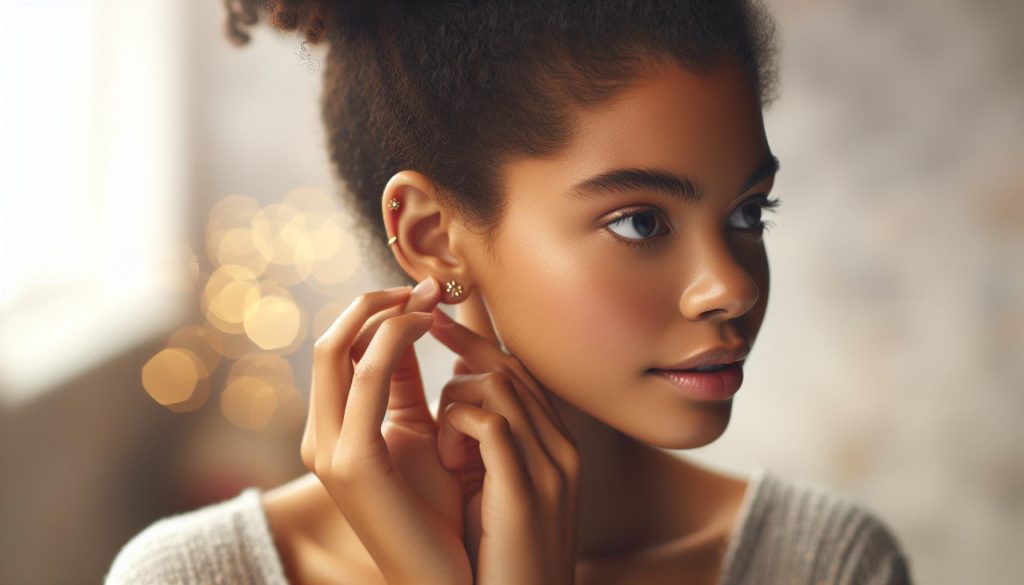
Changing your earrings, especially after getting new holes, involves more than just a fashion choice; it’s a crucial aspect of ear care. Many people are unaware of how long they should wait before switching out their post-piercing jewelry. Understanding the safe timing for this transition can help prevent infections, irritation, and other complications, allowing you to enjoy your new look without worry.
In this guide, we will explore the best practices for earring care post-piercing, including when to change your earrings and tips for selecting the right styles for newly pierced ears. Whether you’re a seasoned jewelry lover or new to the world of earrings, knowing how to protect your ear health while expressing your personal style is essential. Ready to dive into the details? Let’s ensure your ears remain happy and stylish!
When Is the Right Time to Change Earrings?
The decision to change your earrings for the first time after getting a new piercing is more nuanced than simply wanting to swap out styles. It’s crucial to ensure that your piercings have adequately healed to prevent infection and ensure comfort. Typically, the appropriate time frame for changing earrings depends on various factors, including the type of piercing and your body’s healing response. Generally, most earlobe piercings take about 6 to 8 weeks to heal, while cartilage piercings can take 3 to 12 months.
To know when you are ready to change your earrings, look for specific signs that indicate healing. Your piercings should feel comfortable without any significant pain, itching, or redness. If you can comfortably touch the area around your piercings without discomfort, it’s likely that they are ready for a change. If there is still swelling or any discharge, it’s best to wait a little longer. It’s also recommended to consult with a professional piercer if you are unsure about the healing status.
When you do change your earrings for the first time, opt for high-quality materials such as surgical stainless steel, gold, or titanium as these are less likely to cause allergic reactions or irritation. Avoid heavy or bulky earrings initially, as your freshly healed piercings may still be sensitive. By being mindful of these aspects, you can safely enjoy styling your earrings without compromising the health of your piercing.
Signs Your Piercing Is Healed and Ready
Determining whether your piercing is ready for a change can feel daunting, especially if you’re eager to express your style with different earrings. Recovery can vary, but there are key indicators that show your earlobes are healed and ready for a new accessory. Listening to your body and observing these signs will help ensure a smooth transition without risking infection or discomfort.
Firstly, the absence of discomfort is a clear sign. Your piercings should no longer be tender to the touch; you should be able to manipulate the earring without experiencing pain or sensitivity. If the area feels itchy or sensitive, it’s advisable to wait a bit longer. Additionally, any swelling should have diminished, and there shouldn’t be any redness around the piercing site. Healthy piercings typically appear normal: a flesh tone, no unusual discharge, and a flat appearance.
Another sign to look for is the presence of a scab or crust, which should have fallen away naturally. Newly healed piercings will often feel completely normal, similar to your unaffected skin. For extra peace of mind, gently twisting or moving a healing earring can help you gauge comfort; if it glides easily without resistance or pain, it’s likely a good time to explore new styles.
Lastly, trust your instincts and seek advice. If you have any lingering doubts, a professional piercer can offer insights specific to your situation, as they can gauge your healing better than anyone else. By taking these steps, you can confidently transition to new earrings while keeping your ears healthy and pampered.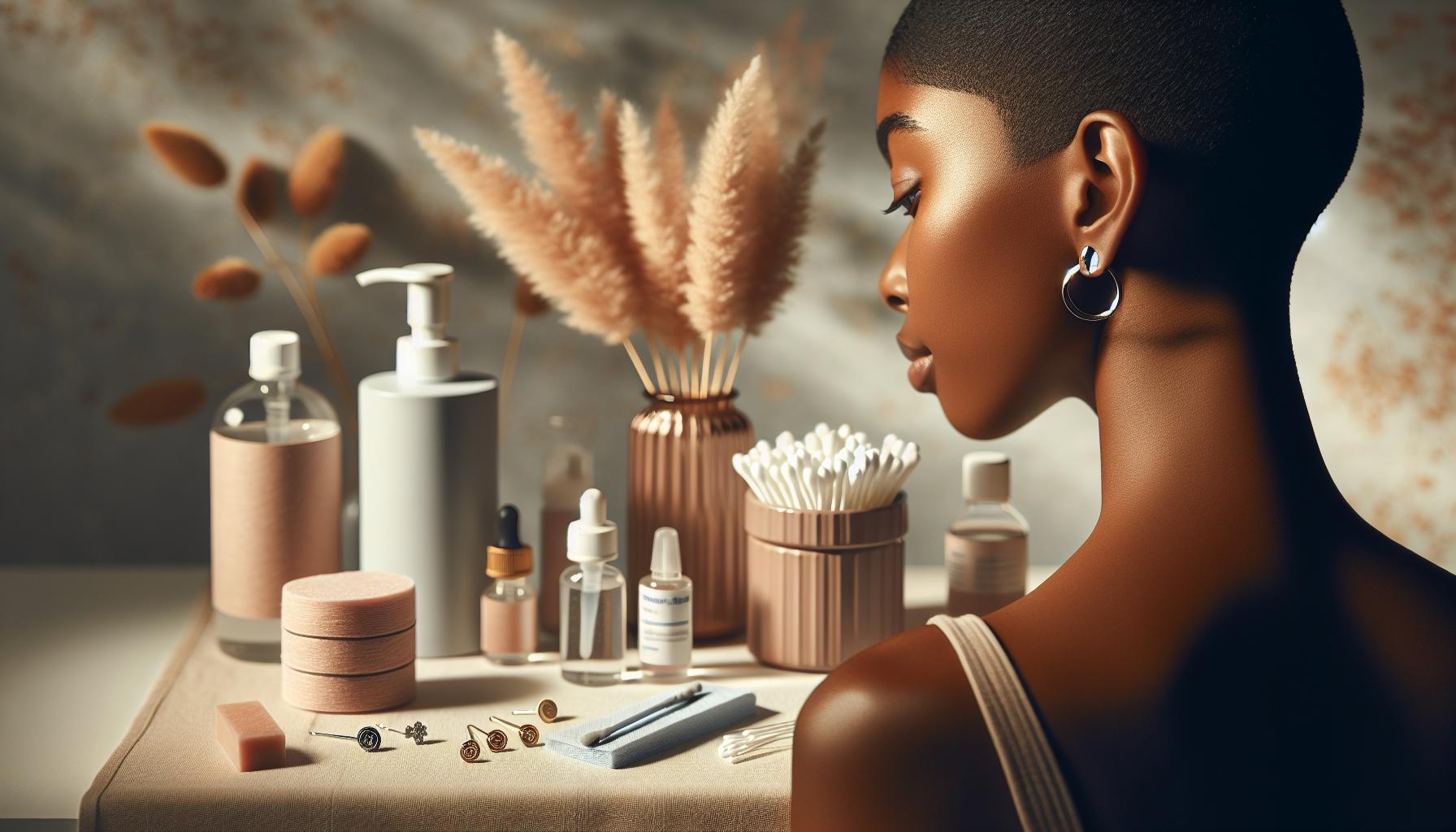
Common Mistakes When Changing Earrings
Changing earrings can be an exciting way to refresh your look, but it’s essential to avoid common pitfalls that can lead to complications or discomfort. One of the most frequent mistakes is not allowing adequate time for the earrings to heal properly before making a switch. Rushing to change earrings before the piercing is completely healed can cause irritation, infections, or even longer-lasting issues. Make sure you follow the healing timeline you’ve been given by your piercer.
Another misstep is neglecting to clean both the old and new earrings thoroughly. Bacteria can be transferred during the swapping process, especially if your hands or the earrings themselves aren’t clean. Always use a gentle cleaning solution, such as saline, and ensure your earrings are stored properly to avoid contamination.
Moreover, choosing the wrong materials for new earrings can also lead to an unpleasant experience. Many people mistakenly opt for fashion jewelry made from inferior metals that can irritate freshly pierced ears. When transitioning to new earrings, stick to hypoallergenic materials such as titanium, surgical stainless steel, or 14k gold. These materials are less likely to cause allergic reactions and are ideal for sensitive skin.
Finally, consider the style of the new earrings you are selecting. Heavy earrings or those with intricate designs can pull on the piercing and cause discomfort, especially in the early healing stages. Opt for lighter styles as you make the change to avoid additional strain on your new holes. By being mindful of these common mistakes, you can enjoy your earrings to the fullest while ensuring a healthy transition.
Understanding Pain and Discomfort in New Earrings
Experiencing pain and discomfort after getting new earrings is not uncommon, particularly for those with fresh piercings. Understanding this pain is crucial for a smooth transition and ensuring you enjoy your jewelry without complications. Initially, it’s important to recognize that some sensitivity and tenderness are normal as your body heals. However, distinguish between typical discomfort and something that could indicate an issue, such as infection or an allergic reaction.
If you experience minor pain, it may stem from normal healing processes. The pierced area might feel sore, swollen, or warm to the touch for a few days post-piercing. To minimize discomfort, ensure that the earrings you selected are lightweight and made from hypoallergenic materials. Opting for materials like titanium or surgical stainless steel can reduce irritation, as they are less likely to trigger allergic reactions. Avoid heavy or excessively ornate earrings during the initial healing stages, as they can place unnecessary strain on your newly pierced holes, potentially causing further pain.
Symptoms to Monitor
Be vigilant for signs that indicate more serious complications. If you notice the following symptoms, it may be time to consult a professional:
- Excessive Swelling: If swelling doesn’t subside within a few days or worsens, seek advice.
- Redness and Warmth: Persistent redness around the piercing site could suggest an infection.
- Pus or Discharge: Any discharge that is yellow or green, especially if accompanied by a foul smell, warrants immediate attention.
- Severe Pain: Intense pain that escalates rather than diminishes is cause for concern.
In summary, while some discomfort is expected when adjusting to new earrings, it’s essential to listen to your body and recognize the difference between normal healing and potential complications. Taking proper care of your piercings, using suitable materials, and monitoring for any adverse symptoms can ensure a pleasant and stylish experience with your jewelry.
Earring Materials: What’s Safe for Fresh Holes?
Choosing the right materials for earrings is crucial, especially right after getting a new piercing. Not all metals are equal, and certain materials can significantly impact healing. For fresh holes, the focus should be on hypoallergenic options that minimize the risk of irritation and allergic reactions. Materials like titanium and surgical stainless steel are often recommended because they are biocompatible and unlikely to cause adverse skin reactions. These metals are not only durable but also lightweight, making them ideal for initial wear when your ears are still sensitive.
In addition to titanium and surgical steel, 14K to 18K gold and platinum are also safe choices for new piercings. These materials are generally well-tolerated by the body, but it’s essential to ensure that they are not plated, as a lower-quality base metal might cause allergies. Avoid wearing earrings made from inexpensive metals, such as nickel and certain alloys, as they are common culprits for rashes and infections during the healing process.
When considering styles, opt for simple designs-studs or small hoops are great options. They reduce the risk of snagging and are less heavy on your piercings. As your ears heal and become accustomed to the new jewelry, you can gradually introduce more complex designs and heavier pieces. Always remember to monitor the condition of your piercings, as any signs of discomfort or irritation should prompt a review of the materials you are using.
Lastly, be aware of how earrings fit into your everyday life. If you’re active or frequently expose your ears to water, consider using non-porous materials that won’t trap bacteria or irritants. By prioritizing high-quality, safe materials during the healing phase, you’ll ensure a more comfortable experience as you move towards expressing your personal style with jewelry.
How to Properly Clean Your Earrings
When it comes to earrings, maintaining cleanliness is essential for both aesthetics and health. Whether you’re sporting delicate studs or dramatic hoops, properly cleaning your earrings can help prevent infections, especially after getting a new piercing. A regular cleaning routine not only enhances the appearance of your jewelry but also keeps your newly pierced ears safe from irritation or reactions due to dirt and bacteria.
To begin, you should create a simple cleaning solution using warm water and mild soap. Submerge your earrings for a few minutes, then gently scrub them with a soft toothbrush or cloth to remove any buildup of dirt or oils. Rinse them thoroughly under running water to ensure that all soap residue is eliminated. For added disinfection, consider using a solution of 70% isopropyl alcohol. Soak a cotton ball or pad with the alcohol and gently wipe your earrings, particularly any elements that touch your skin, such as the posts or clasps.
Cleaning Specific Materials
Different earring materials may require specific care to avoid damage. Here’s a quick reference guide:
- Gold and Silver: Use mild soap and water, and avoid harsh chemicals.
- Gemstone Earrings: Check with a jeweler; some stones are more sensitive.
- Pearls: Wipe with a damp cloth after each wear, and avoid submerging them in water.
- Surgical Steel or Titanium: These materials are durable and can be cleaned with soap and water or alcohol without worry.
After cleaning, it’s crucial to dry your earrings thoroughly using a soft, lint-free cloth to prevent moisture from lingering, which can cause tarnishing or irritation. For earrings worn in new piercings, be particularly gentle, ensuring that your technique minimizes any force on the ear. Keeping your earrings clean not only extends their life but also sets a foundation for healthy healing and beautiful styling as you explore your favorite pieces. As a general rule, aim to clean your earrings every week to maintain their integrity and your ear health.
Caring for Newly Pierced Ears: Tips and Tricks
When you get new ear piercings, the excitement of adding beautiful earrings to your collection can lead to impatience. It’s tempting to rush the process, but caring for your newly pierced ears properly is crucial for ensuring a smooth healing process and preventing complications. Keeping your new piercings clean and well-maintained, along with understanding the signs of healing, will help you enjoy your earrings without worry.
First and foremost, cleanliness is key. After receiving your piercings, you should establish a daily cleaning routine. Use a saline solution or a mixture of mild soap and warm water to clean around the piercings, ensuring that you eliminate any bacteria that could lead to infection. Apply the solution with a cotton ball or swab, and be gentle to avoid aggravating the area. Avoid touching your earrings or piercing sites with dirty hands; hand hygiene is a simple but effective way to prevent irritation and infection.
While it’s essential to keep your new piercings clean, it’s equally important to avoid unnecessary stress on them. Try not to sleep on your side for the first few weeks, and be mindful of any activities where your ears could be bumped or snagged. Choosing the right earrings is also crucial; opt for lightweight studs or hoops made from hypoallergenic materials, such as surgical stainless steel or titanium, to minimize the risk of allergic reactions. Generally, it’s advisable to keep the initial earrings in place for at least six to eight weeks before considering a change. However, always check with your piercer for personalized advice based on how your healing is progressing.
In summary, caring for your newly pierced ears involves a commitment to cleanliness, gentle handling, and choosing the right earrings during the healing period. By following these tips, you’ll pave the way for a beautiful earring experience while ensuring your skin remains healthy and irritation-free.
When to Seek Professional Help with Ear Piercings
If you’ve recently had your ears pierced, the thrill of wearing new earrings can sometimes cloud the critical aspects of healing and maintenance. Yet, knowing when to seek professional help is paramount for ensuring the longevity of your piercings and your overall ear health. Pay attention to your body; if you notice any persistent symptoms that concern you, it may be time for a professional assessment.
Signs that warrant a visit to the piercer or healthcare professional include:
- Persistent Pain: If the pain lasts longer than expected or intensifies instead of improving, it might indicate infection or improper healing.
- Swelling and Redness: Mild swelling is normal, but if it grows, becomes painful, or is accompanied by fever, consult a professional.
- Discharge: Clear fluid is typical, but yellow or green pus, especially with an unpleasant odor, suggests an infection.
- Allergic Reactions: If you experience itching, rash, or other allergic symptoms, you may need to switch to hypoallergenic earrings or assess the materials used.
- Piercing Closure: Occasionally, piercings can close up quickly; if you find your holes are closing or feel uncomfortable when changing earrings, professional guidance is beneficial.
Remember, your health comes first, and it’s better to be safe than sorry. If you’re uncertain about any changes you’re experiencing, do not hesitate to reach out. Seeking help early can prevent complications that might require more intensive treatment later. Beyond physical concerns, if you’re second-guessing your choice for earring style, a knowledgeable piercer can offer advice on safe materials and beautiful options that suit your unique tastes. Your ears deserve the best care to enjoy the jewelry you love without worry.
DIY vs. Professional Piercing: What to Choose?
When contemplating how to adorn your ears, the choice between DIY and professional piercing can have lasting effects on your piercing’s health and aesthetics. Many have been lured by the promise of at-home convenience, imagining a quick, painless procedure viewed as an empowering act of self-expression. However, it’s essential to weigh the risks and benefits. Professional piercers are trained not only to expertly place piercings at the appropriate angles but also to recognize the nuances of healing-delivering a service backed by experience and safety protocols.
To begin with, professional piercers utilize sterile equipment and techniques that minimize the chances of infection and complications. They also consider factors such as ear anatomy and proper aftercare, which can significantly enhance healing time and overall comfort. Most importantly, they can ensure that the jewelry used is high-quality and suitable for fresh piercings, reducing the risk of allergic reactions or irritation that many DIY attempts often overlook. For example, an experienced piercer will suggest earrings made of hypoallergenic materials, which can be crucial in the early days following a piercing.
In contrast, choosing a DIY method often comes with a cavalcade of risks. Many individuals may not have access to sterile tools or the know-how to handle potential complications. Common pitfalls include improper placement, leading to asymmetrical piercings, or inadequate aftercare that could jeopardize healing. For instance, if a piercing gun is used at home-an increasingly popular, albeit harmful choice-it can cause trauma to the ear while pushing the earring through. This can lead to prolonged pain or a higher likelihood of keloids.
Ultimately, while the allure of DIY piercing may call to some, the benefits of professional expertise provide peace of mind and enhance the experience of wearing beautiful new earrings. Opting for a professional not only assures that your piercing is done safely but also fosters a relationship with an expert who can guide you through the entire journey-from choosing the right jewelry to advice on when it’s safe to change earrings. Remember, your ears are not just accessories; they are a canvas for your expression-treat them with the care they deserve.
How Long to Wait Between Changing Earrings
The anticipation of changing your earrings can be exciting, but timing is crucial for promoting healing and preventing complications. Generally, it is recommended to wait at least six to eight weeks before switching out initial earrings after a new piercing. This timeframe allows your body to heal properly and reduces the risk of infection or irritation that can occur if you change them too early. However, everyone’s healing process can vary based on factors such as individual skin sensitivities and the location of the piercing.
To determine whether you’re ready to switch earrings, pay attention to signs that indicate healing. If you notice consistent support, lack of redness, and no discomfort during cleaning, you may be in a safe position to make a change. It’s essential to opt for earrings that will not irritate your sensitive skin. Choosing hypoallergenic materials, such as surgical stainless steel, titanium, or solid gold, can significantly reduce the risk of allergic reactions as you transition to new styles.
When you finally decide to change earrings, do so with care. Gently twist the old earrings out rather than yanking them, and be sure to clean both your new earrings and your earlobes before inserting the fresh pair. This step ensures you minimize bacteria and keep your piercing healthy. After the initial change, you can typically explore new earring styles every few weeks; just remember to always monitor your ears for any signs of irritation or infection, adjusting your frequency based on how well your body is responding. By following these guidelines, you can confidently embrace new earrings while keeping your piercings safe and beautiful.
Styling Your Earrings: Ideas for Every Occasion
Earrings have a remarkable ability to transform your look, making them an essential accessory for any occasion. Whether you’re dressing up for a formal event or heading out for a casual day with friends, the right pair of earrings can elevate your style and express your personality. Here’s how to choose and style earrings for various settings, ensuring you make a dazzling impression.
Everyday Casual
For daily wear, consider simple studs or small hoops. These styles are versatile and comfortable, allowing you to move through your day with ease. Opt for materials like sterling silver or gold-filled options, which add a touch of elegance without overwhelming your outfit. If you want to inject a bit of personality, explore studs with unique shapes or colorful stones that still maintain a casual feel.
Office Ready
In a professional setting, it’s best to choose earrings that complement your attire while remaining understated. Classic pearl earrings or minimalist geometric designs make for great choices. These styles convey professionalism while still allowing you to showcase your taste. Consider a pair of small drop earrings to add a dash of sophistication without being too bold.
Special Occasions
When attending weddings, parties, or other celebrations, you can go all out with statement earrings. Chandelier earrings, elaborate dangles, or bold hoops adorned with gemstones can create eye-catching looks. Pair them with an updo to keep the focus on your earrings and ensure they don’t compete with your outfit. Remember to balance statement earrings with simpler attire to avoid overwhelming your look.
Evening Glam
For romantic evenings or night-outs, the world is your oyster! This is your chance to experiment with bigger, bolder designs. Think about long, shimmering earrings that catch the light with movement. Styles embellished with crystals or sequins can add an element of glamour and draw attention to your face. Just make sure they align with the overall vibe of your ensemble-whether casual or formal.
Choosing the right earrings for each occasion is about balancing personal style with context. Don’t forget to consider your outfit, hairdo, and makeup to create a cohesive look that showcases your confidence and creativity. Remember, the joy of earrings is not just in their beauty but in how they can enhance your self-expression.
Frequently Asked Questions
Q: How soon can you change earrings after getting a new piercing?
A: Generally, you should wait at least 6-8 weeks before changing out new earrings. This allows enough time for the piercing to heal properly, reducing the risk of infection or irritation. Always consult with your piercer for personalized advice based on your healing process.
Q: What are the signs that your earring holes are ready for new earrings?
A: Signs include minimal pain, no redness, and the absence of discharge. If your piercings feel comfortable and healed without any irritation, they’re likely ready for new earrings. Always confirm with a professional when in doubt.
Q: Can you change earrings too soon after a piercing?
A: Yes, changing earrings too soon can lead to complications like infection, irritation, and scarring. It’s essential to follow the recommended healing time to ensure a safe and successful healing process.
Q: What type of earrings should I wear after getting pierced?
A: Choose hypoallergenic materials like surgical stainless steel, titanium, or 14k gold to minimize irritation. Avoid heavy, dangling designs until your piercing fully heals to prevent unnecessary strain on your new holes.
Q: How can I tell if my piercing is infected?
A: Look for symptoms such as increased pain, swelling, redness, warmth, or discharge, especially if it’s pus-like or foul-smelling. If you suspect an infection, consult a healthcare professional for the best course of action.
Q: What should I do if my newly pierced ears are swollen?
A: Minor swelling is normal, but if it becomes severe or painful, try applying a cold compress to reduce inflammation. Keep the area clean and avoid changing earrings until swelling subsides. Consult a professional if symptoms worsen.
Q: Is it safe to wear earrings while sleeping after a new piercing?
A: It’s advisable to avoid sleeping in earrings during the first few weeks. This can prevent pressure on the new holes, reducing the risk of irritation or displacement. Consider using a travel pillow to protect your ears while you heal.
Q: How can I maintain my earrings to keep them safe for freshly pierced ears?
A: Clean your earrings regularly with a mild soap solution or a specialized jewelry cleaner, and ensure your hands are clean before touching them. Proper maintenance reduces the risk of complications during the healing process.
For more in-depth guidance on ear piercing care, refer to the section on “Caring for Newly Pierced Ears: Tips and Tricks” in our main article.
The Way Forward
Now that you understand when it’s safe to change your earrings, you can confidently make your next move without the worry of irritation or infection. Always remember that patience is key during the healing process, and investing in quality earrings can enhance your overall experience. If you’re interested in maintaining the shine and longevity of your earrings, check out our guides on jewelry care and cleaning metals and gems.
Don’t forget to explore our collection of stunning earrings to find your next favorite pair! Sign up for our newsletter to get exclusive tips and updates, and feel free to share your thoughts or experiences in the comments below. For further insights, dive into our DIY tutorials or discover how to start your own jewelry shop. Your journey into the world of jewelry begins now-embrace it!
Get our latest guides, news, and insights highlighted in your Google Search & AI Overviews.