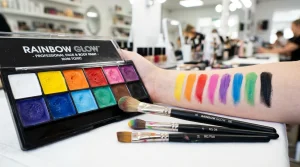
When it comes to body art, the safety of materials used is paramount. Acrylic paint, known for its vibrant colors and versatility, is often a tempting choice for creative skin designs. However, many might not realize that while it dries quickly and is easy to clean up, acrylic paint can contain chemicals that may irritate or harm the skin. This article delves into the facts and warnings surrounding the use of acrylic paint for body art, addressing essential concerns such as potential allergic reactions, skin sensitivity, and appropriate usage tips. Whether you’re a seasoned body artist or just exploring temporary tattoos for fun, understanding the risks associated with acrylic paint is crucial for ensuring a safe and enjoyable experience. Join us as we uncover what you need to know before letting your creativity flow onto your skin.
Is Acrylic Paint Safe for Skin? Key Considerations

The ever-increasing popularity of body art has drawn many to explore diverse materials and methods. Among these, acrylic paint stands out, not only for its vibrant colors but also due to its affordability and accessibility. However, a key concern looms: is this versatile medium safe for skin application? Understanding the nuances of using acrylic paint for body art is crucial for anyone considering it.
Acrylic paint is primarily composed of pigments suspended in a polymer emulsion, along with other chemicals that enhance its properties. While many acrylic paints are labeled non-toxic, this designation does not guarantee safety for skin use. The skin is more sensitive than other surfaces, making it possible for some components in acrylic paint to cause allergic reactions or irritation. Additionally, the paint is not designed for human use; it doesn’t have the same bio-compatibility as cosmetic-grade products specifically formulated for skin application.
For a safe body art experience, it’s paramount to prioritize your skin’s health. Here are key considerations to keep in mind:
- Patch Test: Always perform a patch test on a small area of skin to check for any adverse reactions before committing to larger designs.
- Selection of Products: Opt for brands that explicitly state their products are safe for skin. Some companies offer acrylic paints specifically formulated for body art.
- Application Technique: Using tools designed for body application, such as makeup brushes or sponges, can help minimize the amount of paint applied directly onto the skin, reducing the risk of irritation.
In conclusion, while the allure of using acrylic paint for body art is strong, safety should always come first. If you choose to use acrylic paint, do so with caution, and consider alternatives designed specifically for body art when possible. Embrace creativity, but always prioritize your skin’s health!
Understanding the Composition of Acrylic Paint
Acrylic paint is a staple in the art world, valued for its vibrant colors, quick drying times, and versatility. However, understanding its composition is crucial for anyone considering using it for body art. This paint is made from pigments suspended in a polymer emulsion, which allows for easy application and cleanup. The base of acrylic paint consists of water, making it relatively easy to work with, but this same feature can lead to potential issues when applied to skin.
While many acrylic paints claim to be non-toxic, this label only indicates that the paint is safe for typical artistic use on surfaces like canvas or paper, not for body application. The complex mix often includes additives such as surfactants, stabilizers, and preservatives that can exacerbate skin irritation or allergic reactions. Unlike cosmetic-grade products, acrylic paints lack the rigorous testing and formulation standards designed for safe human use. Therefore, even if the ingredients list appears benign, some users may experience adverse reactions due to unique sensitivities.
When considering a product for body art, recognizing the terms used on product labels is essential. Terms like “non-toxic” and “safe for children” do not imply safety for all skin types. If experimenting with acrylic paint, it’s crucial to opt for brands known for producing acrylics specifically formulated for skin application, as these often use different ingredient profiles more compatible with human skin-lessening the likelihood of irritation or allergic responses.
Ultimately, while acrylic paint can provide stunning and creative expressions on the skin, one must be vigilant in understanding what comprises this medium. Choosing wisely and staying informed about potential risks prepares artists for a safer body art experience.
Common Uses of Acrylic Paint in Body Art
Acrylic paint, renowned for its vibrant colors and quick drying time, finds its way into various forms of body art ranging from intricate designs at festivals to playful face paintings for children. Artists and enthusiasts alike appreciate its versatility, allowing for a rare blend of creativity and expression. While its application may bring stunning visual results, understanding the contexts in which it is used on the skin is critical to ensuring safety and effectiveness.
One popular use of acrylic paint in body art is for temporary designs at events like carnivals, fairs, or music festivals. Artists often create elaborate body paintings that act as bold statements or extensions of personal style. Face painting, particularly for children, utilizes acrylics to create whimsical characters and designs, enhancing the festive experience. Many opt for this medium due to its vivid hues and ease of use, adding a layer of excitement and adventure to celebrations.
In addition, acrylic paints are increasingly being used in theatrical productions where durable, bold visuals are needed to complement costumes and makeup. The quick-drying properties of these paints allow actors to transition rapidly between characters, while their ability to adhere to various surfaces, including skin, creates stunning visual effects that enhance storytelling. Additionally, some body artists have begun to utilize acrylics for body mod experiments, pairing them with UV light or glow-in-the-dark versions to create striking visuals under different lighting conditions.
Despite these creative applications, it is essential to recognize the safety implications inherent in using acrylic paints on skin. While many artists achieve their desired looks, the paint may not always be skin-friendly. It’s advisable for anyone considering the use of acrylics for body art to conduct patch tests and explore skin-safe alternatives specifically designed for body painting. This practice not only helps in avoiding adverse reactions but also facilitates a more enjoyable creative experience that prioritizes health alongside artistry.
In summary, acrylic paint offers a broad range of uses in body art, from face painting to theatrical applications, making it an attractive choice for many artists. However, understanding its safety concerns and exploring the appropriate formulations can dramatically enhance the enjoyment and effectiveness of body art practices.
Health Risks of Using Acrylic Paint on Skin

Using acrylic paint on skin can produce vibrant, eye-catching designs, but it also carries significant health risks that artists and enthusiasts must consider. Acrylic paints are not specifically formulated for skin application, which means they can contain chemicals and additives that may lead to skin irritation or allergic reactions. Some common ingredients in acrylic paints, such as pigments and preservatives, can cause issues like redness, rashes, or more severe dermatitis in susceptible individuals.
One of the major concerns is that acrylic paint is not breathable, which can trap moisture against the skin. This can exacerbate conditions such as acne or eczema and create an environment for bacteria to thrive. Additionally, prolonged contact with acrylic paint can increase the likelihood of irritation, especially for those with sensitive skin. Therefore, if you’re considering using acrylic paint for body art, conducting a patch test on a small area of skin is advisable. Such tests help identify any potential reactions before applying the paint more broadly.
Moreover, the removal of acrylic paint from the skin can also pose risks. Traditional acrylic paint removers often contain harsh solvents that can further irritate the skin. Instead, using gentle soap and warm water or specific skin-safe removers is recommended to minimize harm. It’s crucial to approach the process thoughtfully, ensuring that the skin is properly cleaned and not damaged during removal.
As an alternative, several body-safe paints are specifically designed for skin use. These products are formulated to be non-toxic and are often tested for safety and hypoallergenic properties, making them a more suitable choice for body art. When it comes to body art, prioritizing your health and safety not only protects your skin but also enhances your artistic experience. Always choose paints wisely, and keep the well-being of yourself and others in mind while creating.
Best Practices for Safe Body Art Applications
Using acrylic paint for body art can result in stunning visual expressions, yet safety must always come first. To ensure a pleasurable and healthy experience, a few best practices can make all the difference in protecting skin and enhancing artistry.
First and foremost, always conduct a patch test. Before applying any acrylic paint, use a small dab on a less visible area of your skin and wait 24 hours. This simple step can help you gauge any potential reactions, giving your skin time to show if irritation or allergies occur. Additionally, consider the environment: choose a well-ventilated space to apply your art. Fresh air can help diminish any fumes from the paint and reduce risks, particularly for those with respiratory concerns.
Another essential practice is to use high-quality, artist-grade acrylic paints. While cheaper options may be tempting, they can contain harmful additives. Look for products labeled as non-toxic and check if they comply with safety standards. A brush with soft bristles is also recommended for applying the paint gently, which minimizes the risk of skin abrasion. When creating intricate designs, maintain a steady hand and avoid pushing down too hard, which can irritate the skin.
After completing your body art, know how to properly set and protect it. Avoid covering the painted skin with tight clothing to reduce irritation and allow it to breathe. If you plan to wear the paint longer, seal it with a skin-safe sealant designed for body art; this enhances longevity while safeguarding the skin underneath.
Finally, be mindful of removal processes. Gently wash the painted area with mild soap and warm water. Avoid harsh solvents that can cause further irritation or damage. For stubborn paint, consider using oil-based products specifically designed for skin to assist with safe removal.
By adhering to these best practices, you can enjoy vibrant body art while prioritizing skin health. Remember, your artistic expression should celebrate not only creativity but also the care of the canvas that is your skin.
Alternatives to Acrylic Paint for Skin Art

For those exploring creative avenues for body art, there are a wealth of alternatives to acrylic paint that prioritize skin safety and artistry. While acrylics can deliver vibrant colors and durability, they often contain chemicals unsuitable for direct skin contact. Instead, consider these safer options that can help you achieve stunning results while safeguarding your skin.
Natural pigments are an excellent first choice for body art. Made from plant-based materials like beetroot, turmeric, and charcoal, these pigments offer a range of colors and are generally hypoallergenic. They can be easily mixed with carriers such as aloe vera gel or coconut oil to create body-safe paint. Another popular option is body-safe henna, which has been used for centuries for temporary body decoration. Henna is a natural dye derived from the leaves of the henna plant and provides beautiful, intricate designs that can last several days.
For a more playful and accessible alternative, look into face and body paints specifically formulated for skin use. These paints are typically non-toxic, wash off easily, and come in a variety of shades. Brands often offer ample options that adhere to safety standards and cater to sensitive skin, making them suitable for children and adults alike. Furthermore, water-based paints are particularly easy to remove; a simple rinse with soap and water is usually sufficient.
When considering temporary body art, stencils and tape can also enhance your creativity. They allow for precise designs without the need for paint. You can use body-safe adhesive tape to create patterns and then fill them in with skin-friendly products such as glitters or mineral-based shadows. These methods can yield intricate designs while minimizing the risk of irritation and allergic reactions.
Choosing alternatives to acrylic paint not only promotes safer practices but also opens up new avenues for creativity. Whether you’re looking for natural options, specially formulated paints, or innovative techniques, there’s a whole palette of choices available to express your artistry without compromising skin health.
How to Remove Acrylic Paint Safely from Skin

To successfully remove acrylic paint from skin without causing irritation or damage, it’s essential to approach the task with care and the right techniques. Acrylic paint is water-based, which means it can be washed off relatively easily if you act promptly. Here’s a practical guide to help you tackle this challenge effectively.
Start by rinsing the affected area with warm water as soon as possible. This will help to loosen the paint and make the removal process smoother. Next, apply a mild soap or body wash directly onto the paint. Gently rub the area using your fingers or a soft cloth to avoid skin irritation. If the paint does not come off easily, try the following methods:
- Baby Oil or Olive Oil: These common household items can work wonders for breaking down acrylic paint. Apply a small amount to a cotton ball or cloth and gently rub the area. The oil helps dissolve the paint, making it easier to wash away.
- Commercial Paint Removers: Look for skin-safe paint removers that are specifically designed for removing acrylics. Always check the ingredient list for potential allergens and do a patch test first, especially for sensitive skin.
- Alcohol or Hand Sanitizer: Rubbing alcohol is effective in breaking down acrylic paint but can be harsh on the skin. If you choose this option, dilute it with water or follow up with a moisturizing lotion afterward to prevent dryness.
After applying any of these methods, rinse the area thoroughly with warm water and soap to ensure all residue is removed. It’s prudent to follow up with a gentle moisturizer to soothe the skin and restore hydration after the removal process, especially if you’ve used oil or alcohol.
For very stubborn spots, repeat the process but maintain a gentle touch to avoid harsh scrubbing that could irritate the skin. Always remember that preventative measures, such as wearing old clothing or using barriers like petroleum jelly on sensitive areas, can help minimize paint exposure during your body art sessions.
Regulatory Guidelines and Safety Standards
While acrylic paint is a popular choice among artists and DIY enthusiasts, its safety in body art applications is an ongoing conversation, influenced significantly by existing . The U.S. Consumer Product Safety Commission (CPSC) establishes safety rules for consumer products, including art materials, to ensure they do not pose significant health risks. However, acrylics used in fine art do not inherently meet the stringent requirements set for cosmetics and body-safe materials.
In many countries, products intended for body art must be marked as skin-safe and adhere to specific regulations. The FDA, for example, does not approve cosmetic products before they enter the market, placing the responsibility on manufacturers to ensure safety. This means that many acrylic paints, which may contain chemical additives, pigments, and other components, can lead to skin irritation or allergic reactions. Users should examine ingredient lists and opt for non-toxic, professional-grade paints specifically designed for body art.
To further safeguard health, artists and users are encouraged to refer to Material Safety Data Sheets (MSDS) and to follow guidelines set forth by organizations like ASTM International. These resources can provide critical insights into the chemical compositions of paints, potential hazards, and safe usage practices. When seeking alternatives for body art purposes, look for water-based paints labeled as dermatologically tested and hypoallergenic.
Ultimately, while creativity prospers through experimentation, understanding and adhering to safety regulations can significantly reduce the risk of adverse effects. Users must remain vigilant and prioritize their skin health when exploring body art possibilities.
Expert Opinions on Acrylic Paint and Skin Safety
While acrylic paint is widely used in various artistic mediums, its application on the skin warrants careful consideration from experts in dermatology and body art. A growing body of professional opinion stresses the importance of understanding the chemical composition of acrylic paints before using them in body art. Most acrylic paints contain pigments, binders, and various additives that are safe for canvas but may not be safe for skin. Notably, substances like heavy metals and solvents often found in traditional paints can lead to irritation or allergic reactions when applied to sensitive skin.
Moreover, professionals recommend looking for specific labels indicating that paints are non-toxic and suitable for skin application. Experts like dermatologists point out that while some acrylic formulations claim to be non-toxic, their use is still discouraged in body art due to potential long-term effects and skin damage. Many body artists opt for paints that are manufactured specifically for skin-typically labeled as body paint or face paint-which adhere to stricter safety regulations to minimize those risks.
When considering the use of any product on the skin, it’s essential to conduct patch tests, as the skin’s reaction can vary widely from person to person. Experts suggest applying a small amount of paint on a less visible area of the skin and waiting 24 hours to monitor for any adverse reactions. Such precautionary measures can save individuals from discomfort and possible medical attention later on.
For those passionate about body art, sourcing high-quality materials and adhering to established safety standards is vital. Engaging in discussions with professionals and experienced body artists can provide additional insights and tips for navigating the world of body art safely. Emphasizing education and precaution can ensure that creativity with body art remains enjoyable and safe.
User Experiences: Real Stories of Body Art with Acrylic Paint
While many artists enthusiastically experiment with different materials, a growing number of individuals have shared both positive and concerning experiences using acrylic paint for body art. One vivid account comes from a festival-goer who decided to use acrylic paint for a spontaneous body art design. Initially, the bright colors and the vibrancy of the paint were exhilarating, complementing her festival attire perfectly. However, after a few hours, she began to feel a tightening sensation on her skin. Upon removing the paint later that night, she discovered significant irritation and redness, leading her to consult a dermatologist afterward. This prompted her to advocate for using body-safe paints, emphasizing how important it is to consider the long-term implications of using products not explicitly formulated for skin.
In contrast, another artist shared an experience that was overall positive. They successfully applied acrylic paint mixed with a skin-safe medium for a special event. They took all precautions, conducting patch tests on several body areas beforehand. Thanks to the careful preparation, they experienced no adverse reactions throughout the day. This artist highlighted the enjoyment of using acrylic paint’s versatility and texture after ensuring the right mixture for skin application. Their story showcases that, with adequate knowledge and safety measures, acrylic paint can be used safely in body art, but it must be approached with caution.
It’s essential to consider these contrasting experiences as each individual’s skin can react differently. Those who reported success often shared valuable tips, such as diluting acrylic paint with a safe medium and ensuring thorough removal at the end of the day. Additionally, they advised fellow artists to always check the ingredient list for potential allergens. These real-world stories underscore the universal truth among body artists: while creativity can drive us to explore unconventional materials, understanding the risks and safety practices is crucial in making informed choices for body art.
Tips for DIY Body Art: What You Need to Know
While the allure of vibrant colors can be tempting for body art enthusiasts, using acrylic paint on the skin comes with its own set of challenges and considerations. If you’re contemplating a DIY body art project, it’s crucial to approach it with knowledge and preparation to ensure a safe and enjoyable experience.
Start by conducting a patch test with the acrylic paint you intend to use. Apply a small amount to a less visible area of your skin and wait 24 hours to see if any irritation or allergic reaction occurs. This step is essential, as everyone’s skin reacts differently to various materials. In addition, consider mixing the acrylic paint with a skin-safe medium or using products specifically designed for body art, which may minimize skin irritation.
When applying the paint, ensure that your skin is clean and free of oils or lotions, as this can help the paint adhere better and reduce the risk of irritation. Use a high-quality brush or sponge to apply the paint evenly, and avoid areas with broken skin or sensitive spots. If you plan to wear the body paint for an extended period, be mindful of your body temperature and sweat, as these factors can cause the paint to crack or smudge.
Regardless of the precautions taken, remember that acrylic paint is not meant to be permanent and should be removed thoroughly at the end of the day. Use gentle soap and warm water to wash it off, and consider applying a soothing lotion afterward to help calm the skin. Finally, always keep an eye on any signs of irritation after removal and consult a dermatologist if any unexpected reactions arise.
By following these guidelines, you can elevate your DIY body art experience while keeping your skin health and safety as a top priority. Embrace your creativity, but do so with the knowledge that safety should never take a backseat in your artistic endeavors.
Frequently asked questions
Q: Can acrylic paint cause allergic reactions when used on skin?
A: Yes, acrylic paint can potentially cause allergic reactions, especially for those with sensitive skin. Ingredients like pigments and additives may trigger skin irritation or rashes. Always conduct a patch test before use and consult a dermatologist if you experience any adverse reactions.
Q: What to do if acrylic paint gets on your skin?
A: If acrylic paint gets on your skin, act quickly. Use warm, soapy water to wash the area gently. If the paint has dried, use baby oil or a special paint remover safe for skin. For best results, refer to the “How to Remove Acrylic Paint Safely from Skin” section of our article.
Q: Is it safe to use acrylic paint for temporary tattoos?
A: Using acrylic paint for temporary tattoos is not recommended due to potential skin irritation and difficulty in removal. Instead, consider body-safe paints specifically designed for skin, providing both safety and ease of use. Check our “Alternatives to Acrylic Paint for Skin Art” section for safer options.
Q: How long does acrylic paint stay on the skin?
A: Acrylic paint can last from a few hours to several days on the skin, depending on factors like skin type, exposure to water, and friction. However, it should be removed promptly to avoid skin irritation. For more details, see the “Best Practices for Safe Body Art Applications” in our article.
Q: What are the symptoms of skin irritation caused by acrylic paint?
A: Symptoms of skin irritation from acrylic paint may include redness, itching, burning sensations, or rashes. If any of these symptoms occur, wash the area immediately and consult a healthcare provider. Refer to our “Health Risks of Using Acrylic Paint on Skin” section for more information.
Q: Are there specific regulations regarding the use of acrylic paint on skin?
A: Yes, many regions have regulations regarding cosmetics and body art that may include restrictions on certain materials. It’s essential to check local guidelines before using any paint on the skin. Our article’s “Regulatory Guidelines and Safety Standards” section provides further insights.
Q: What alternatives to acrylic paint are safe for body art?
A: Safe alternatives to acrylic paint for body art include water-based body paints, henna, or temporary tattoo inks specifically formulated for skin. These options are designed to minimize the risk of irritation. Explore our article for a thorough comparison in the “Alternatives to Acrylic Paint for Skin Art” section.
Q: How to tell if body paint is safe for use?
A: To determine if body paint is safe for use, check for FDA compliance, read labels for skin-friendly ingredients, and look for certifications or recommendations from dermatologists. Our article discusses expert opinions in the “Expert Opinions on Acrylic Paint and Skin Safety” section, which can aid in your selection process.
The Conclusion
In summary, understanding the safety of acrylic paint for body art is crucial for your creative endeavors. While some acrylic paints are non-toxic, always prioritize your skin’s health by opting for products specifically labeled safe for skin use. If you’re eager to dive deeper into body art techniques or explore safer alternatives like natural dyes, check out our expansive guides on DIY Body Art Ideas and Choosing Safe Craft Materials.
Don’t let uncertainty hold you back-experiment with confidence and creativity! Subscribe to our newsletter for the latest tips and tutorials, and join our community by sharing your thoughts or experiences in the comments below. Ready to elevate your craft? Explore our range of recommended products and start your artistic journey today!
Get our latest guides, news, and insights highlighted in your Google Search & AI Overviews.