✨ This article was AI edited. Editorial responsibility: MissJ.eu.
Produced with AI. This article was artificially generated. Editorial responsibility: MissJ.eu.
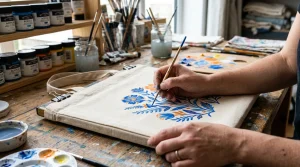
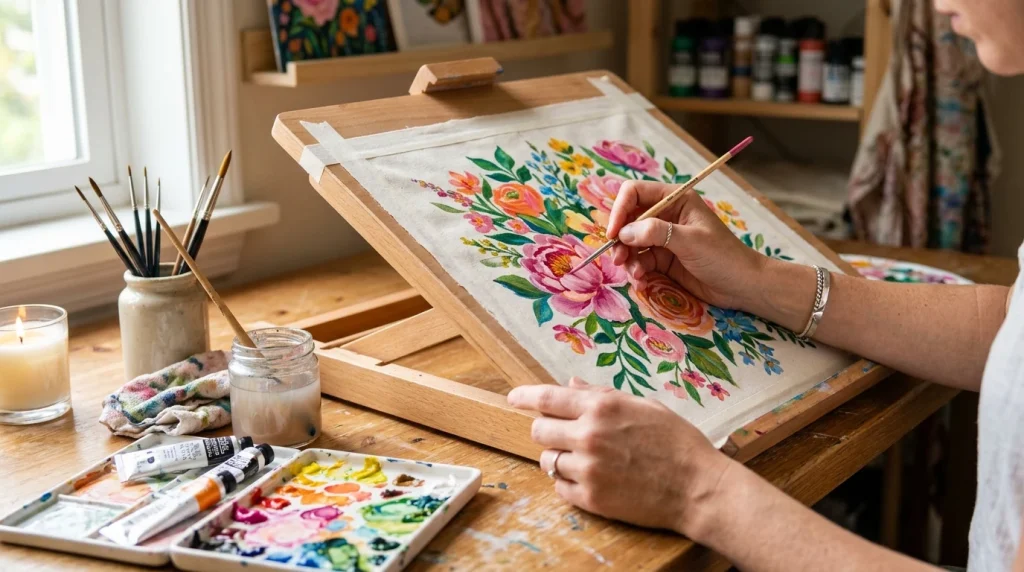
From hand-painted vintage denim jackets and custom graphic t-shirts to personalized canvas sneakers, creating wearable art is one of the most rewarding creative outlets. If you are wondering whether acrylic color can be used on clothes without buying expensive specialized textile dyes, the answer is an emphatic yes. With proper fiber selection, paint dilution control, and thermal heat setting, standard acrylic colors bond permanently to fabrics and withstand dozens of laundry cycles.
In this in-depth guide, we provide a complete technical blueprint for applying acrylic colors to various textiles, avoiding stiffness, setting colors with household tools, and maintaining brilliant vibrancy wash after wash.
The Science of Acrylic Color Adhesion on Natural vs Synthetic Fibers
Acrylic color consists of micro-pigments suspended in an acrylic polymer binder. The chemical nature of the textile determines how effectively this binder locks onto the fibers:
| Fabric Category | Fiber Structure & Porosity | Acrylic Adhesion & Washability | Preparation Protocol |
|---|---|---|---|
| Heavy Cotton & Canvas | Porous, twisted natural cellulose threads | ★★★★★ Permanent cross-linking; maximum durability | Pre-wash hot without softeners; iron flat |
| Denim Jeans & Jackets | Tight twill weave with high surface area | ★★★★★ Ideal surface; flexible, durable wear | Scrub surface lightly to remove factory coatings |
| Cotton T-Shirt Jersey | Stretchy knitted cotton loops | ★★★★☆ Very good; requires thin diluted layers | Stretch slightly over cardboard when painting |
| Polyester / Nylon Synthetics | Smooth, non-porous extruded plastic strands | ★★☆☆☆ Prone to peeling if flexed | Requires dedicated textile medium or fabric primer |
Essential Rules for Painting Clothes with Acrylic Color
1. Pre-Washing is Non-Negotiable
New clothes are treated with chemical sizing starches and silicone softeners that repel liquids. Painting over sizing causes the acrylic to bond to the chemical film rather than the cotton fibers, causing the paint to rinse off in the first wash. Always wash new garments in hot water with standard detergent and dry without dryer sheets.
2. The 80/20 Dilution Principle
Heavy body acrylic straight from the tube creates a thick, rubbery patch on clothing that feels stiff and cracks with body movement. Thin your acrylic colors with approximately 15% to 20% clean water (or fabric medium) to achieve a smooth, flowing consistency that soaks directly into the fabric weave.
3. The Undercoat Technique on Dark Clothes
Acrylic colors are semi-translucent. If you paint bright yellow, red, or pastel colors directly onto black or dark blue denim, the dark fabric will mute your colors. Always paint a thin base coat of opaque titanium white first, let it dry for 1 hour, and then layer your vibrant colors on top.
Step-by-Step Heat Setting Instructions
Heat setting is the critical chemical process that thermal-welds the acrylic polymer resin to the garment:
- Allow the painted garment to dry completely for a minimum of 24 to 48 hours.
- Place the garment on an ironing board.
- Lay a clean piece of parchment paper or a thin cotton pressing cloth directly over the painted design.
- Set your iron to medium-high heat (cotton setting, strictly NO STEAM).
- Move the iron continuously with firm pressure across the design for 3 to 5 minutes, ensuring every square inch receives thorough heat.
- Turn the garment inside out and iron the reverse side for another 2 minutes.
Washing & Garment Longevity Tips
- Wait at least 7 days after heat setting before putting the garment in the washing machine.
- Always wash inside out in cold water on a delicate/gentle cycle.
- Use mild liquid detergent; avoid bleach, fabric softeners, or harsh stain removers.
- Hang dry or flat dry; avoid high-heat tumble dryers to prevent heat degradation.
Frequently Asked Questions
Will acrylic color wash out of my clothes?
No. When applied to clean natural fibers and properly heat-set with an iron for 3 to 5 minutes, acrylic color becomes 100% waterproof and permanent. It will not wash out in regular laundry.
Can I use hair dryer instead of iron to heat set acrylic paint?
A hair dryer can accelerate surface drying, but it does not reach the consistent 300°F (150°C) dry contact temperature required to properly cross-link the acrylic polymer to the textile fibers. A household dry iron is strongly recommended.
Can I paint shoes or sneakers with acrylic color?
Yes. Canvas sneakers (like Converse or Vans) take acrylic paint exceptionally well. For leather or vinyl sneakers, deglaze the factory finish with rubbing alcohol or acetone first, apply acrylic in thin coats, and finish with an acrylic sneaker sealer.
Fabric Painting Techniques & Creative Methodologies
Depending on the aesthetic goal of your fashion DIY project, different application techniques yield distinctive visual effects:
| Technique Style | Application Tools | Recommended Dilution | Visual Effect |
|---|---|---|---|
| Graphic / Opaque Block Painting | Flat synthetic shader brushes & painter’s tape | 85% paint / 15% water (2 coats) | Crisp, solid screen-print appearance |
| Watercolor Fabric Wash | Soft mop brush on pre-dampened cotton | 75% water / 25% paint with fabric medium | Dreamy, blended pastel gradients with zero stiffness |
| Stencil & Sponge Stamping | High-density foam dabber / cosmetic sponge | Undiluted heavy-body paint dabbed dry | Textured vintage distressed print look |
How to Fix Stiff Fabric After Painting
If you accidentally applied the acrylic color too thickly and the garment feels slightly rigid:
- Complete the thermal heat-setting process with parchment paper and iron.
- Allow the garment to cool completely.
- Gently bend, twist, and crumple the painted section with your hands for 2 minutes to micro-break the rigid polymer planes without flaking pigment.
- Wash inside-out in cold water with liquid fabric conditioner and air-dry flat. The garment will become significantly softer and more pliable.
Get our latest guides, news, and insights highlighted in your Google Search & AI Overviews.