✨ This article was AI edited. Editorial responsibility: MissJ.eu.
Produced with AI. This article was artificially generated. Editorial responsibility: MissJ.eu.
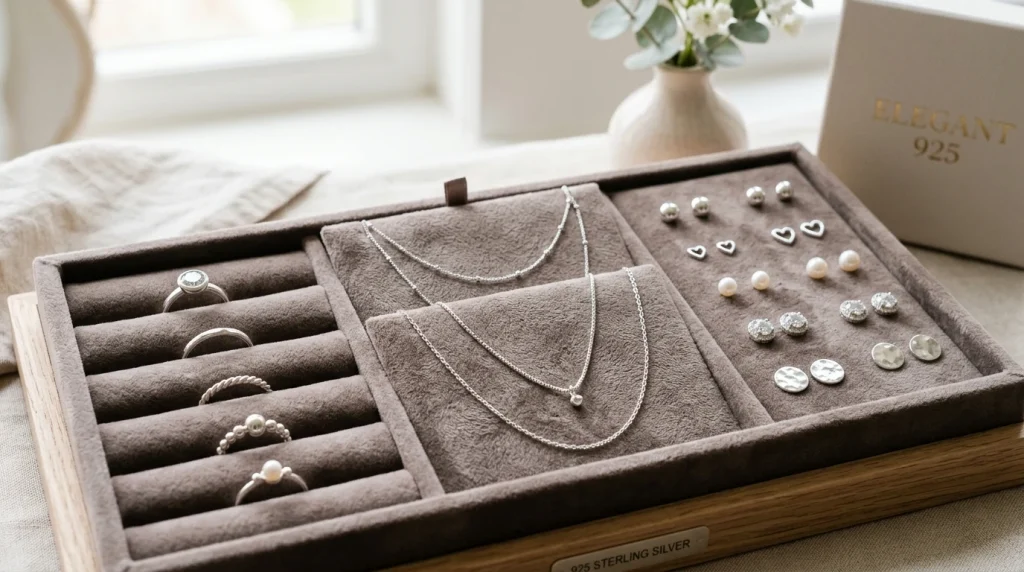
Silver has captivated human civilization for millennia with its brilliant reflective luster, hypoallergenic versatility, and approachable price point. For modern consumers seeking stylish, luxurious accessories on a budget, finding high-quality affordable silver jewellery under $500 (or equivalent local currencies like INR 500 or €50) requires understanding hallmarks, silver alloy chemistry, plating standards, and how to differentiate genuine 925 sterling silver from cheap silver-plated base metals.
In this comprehensive guide, we provide a complete buyer’s breakdown of silver jewelry grades, essential hallmarks, stone setting security, anti-tarnish care, and smart shopping strategies to ensure you get genuine heirloom value without overpaying.
Understanding Silver Grades & Alloys
Pure silver (99.9% fine silver) is inherently too soft and ductile for daily jewelry wear; rings and prongs made from pure silver bend and deform easily under slight pressure. To impart structural strength, silver is alloyed with hardening metals (typically copper):
| Silver Type | Purity Composition | Durability & Use | Key Hallmarks |
|---|---|---|---|
| Sterling Silver | 92.5% Pure Silver + 7.5% Copper / Alloy | High strength; industry standard for rings, chains, earrings | 925, STERLING, SS |
| Fine Silver | 99.9% Pure Silver | Very soft, tarnish-resistant; used in fine pendants and PMC clay | 999, FS |
| Argentium Silver | 93.5%–96% Silver + Germanium | Highly tarnish-resistant, harder than standard 925 | Argentium, Winged Unicorn mark |
| Silver Plated (Flash Plated) | Micro-thin silver layer (<0.5 microns) over brass/zinc | Low durability; plating wears off quickly exposing green base metal | SP, EPNS, or No Mark |
Essential Hallmarks: How to Verify Genuine Silver
Authentic silver jewelry is stamped with official hallmark stamps that declare its precious metal content. When shopping for budget-friendly silver pieces, always inspect the clasp, inner ring band, or earring post using a magnifying loupe:
- 925 Stamp: Indicates that at least 925 parts per thousand (92.5%) of the piece consists of genuine silver.
- Maker’s Mark (Sponsor Mark): The registered trademark initials of the jeweler or manufacturing house.
- Assay Office Symbol: In the UK and Europe, official assay marks (like the London leopard head or Birmingham anchor) prove third-party laboratory verification.
Differentiating Solid Silver from Silver Plating
When shopping in budget categories, many fashion jewelry brands sell “silver tone” or “silver plated” items that look identical to solid silver initially. Here are three reliable tests:
1. The Rare Earth Magnet Test
Silver is diamagnetic, meaning it does not stick to magnets. Place a strong neodymium magnet against the jewelry piece. If it clings firmly, the core metal is iron, nickel, or steel coated in silver paint. (Note: spring clasps contain a tiny internal steel spring, which is normal).
2. The Thermal Ice Test
Silver has the highest thermal conductivity of any known metal. Place a small ice cube directly onto the silver item. On genuine sterling silver, the ice will begin melting immediately as if placed on a hot skillet, rapidly transferring cold throughout the metal.
3. The Smell & Skin Reaction Test
Genuine sterling silver has no metallic brassy odor. If the jewelry smells like copper pennies or turns your skin green within hours of wearing, it is a base metal alloy with thin plating.
Smart Strategies for Buying High-Value Silver on a Budget
- Choose Solid Chains: Opt for classic Box, Figaro, or Cable chains in solid 925 sterling rather than hollow chains, which kink easily.
- Look for Rhodium Plating: Many premium affordable silver pieces feature a micro-layer of electroplated rhodium, which prevents tarnishing and gives silver a white gold mirror finish.
- Gemstone Value: Pair sterling silver with natural semi-precious stones (such as amethyst, moonstone, garnet, or lab-created moissanite) for heirloom beauty at accessible prices.
- Check Clasp Mechanics: Always test lobster clasps, spring rings, and box catches. A sturdy clasp ensures you never lose an affordable piece.
Care, Cleaning & Tarnish Prevention Routine
Proper maintenance prevents silver from turning black and ensures decades of brilliant shine:
- Wear Regularly: Natural skin oils actually protect sterling silver from atmospheric oxidation.
- Avoid Chemicals: Put your silver jewelry on after applying lotions, hairsprays, and perfumes.
- Gentle Cleaning: Soak pieces in warm water with mild dish soap, scrub gently with a soft baby toothbrush, and polish with a specialized two-ply silver cloth.
- Airtight Storage: Store pieces individually in sealed anti-tarnish bags with silica gel desiccant packs.
Frequently Asked Questions
Why does sterling silver tarnish over time?
Silver reacts with airborne sulfur compounds (hydrogen sulfide) to form a microscopic surface layer of silver sulfide, visible as a dark or yellowish tarnish. It is a natural chemical reaction, not a defect, and is easily removed with a silver polishing cloth.
Can I wear 925 silver in the shower or swimming pool?
Clean fresh water in a shower is generally harmless if dried thoroughly, but avoid wearing silver in swimming pools, hot tubs, or ocean water. Chlorine and sulfur rapidly accelerate severe black tarnishing and chemical pitting.
How should I store my silver jewelry to prevent discoloration?
Store individual pieces in airtight ziplock bags or anti-tarnish lined jewelry boxes with silica gel desiccant packs to minimize exposure to humidity and atmospheric sulfur.
Is sterling silver hypoallergenic for sensitive ears?
Standard 925 sterling silver is hypoallergenic for the vast majority of people because it is nickel-free (alloyed with pure copper). If you have severe copper sensitivity, look for rhodium-plated sterling silver or platinum-plated silver.
Get our latest guides, news, and insights highlighted in your Google Search & AI Overviews.