✨ This article was AI edited. Editorial responsibility: MissJ.eu.
Produced with AI. This article was artificially generated. Editorial responsibility: MissJ.eu.
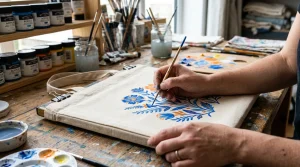
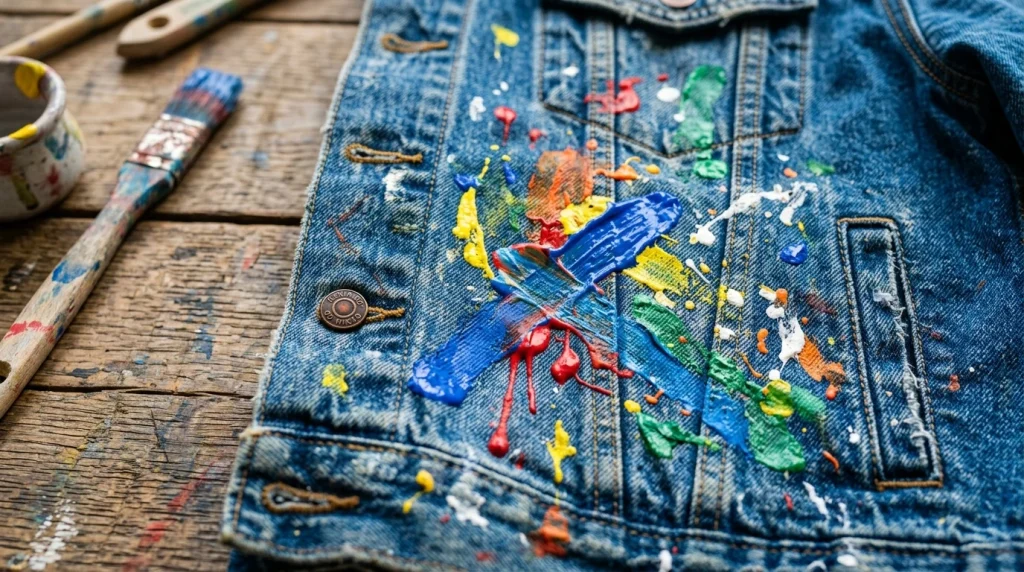
Personalizing clothing with custom acrylic artwork has evolved from a niche craft hobby into a mainstream streetwear movement. Whether you want to hand-paint a vintage denim jacket with graphic murals, design unique floral canvas sneakers, or create bespoke graphic tees, mastering acrylic paint on clothes allows you to turn everyday wardrobe pieces into wearable fine art.
However, painting on textiles requires different rules than painting on paper or stretched canvas. Without proper surface prep, paint thinning ratios, and thermal setting, acrylic paint can crack, peel, or turn fabric into an uncomfortably stiff plastic board. In this complete guide, we cover textile selection, dilution chemistry, transfer techniques, heat setting, and long-term laundry maintenance.
Why Acrylic Paint Adheres Permanently to Garments
Acrylic paint is a water-based polymer emulsion containing high-density color pigments. When brushed onto natural fabric fibers:
- The liquid emulsion penetrates the microscopic pores between the twisted cotton or linen yarns.
- As water evaporates, the synthetic polymer particles coalesce, interlocking into an insoluble flexible plastic film.
- When heat-set with an iron, the polymer melts slightly and bonds permanently into the fiber core, making it 100% waterproof and machine-wash resistant.
Comprehensive Textile Selection Guide
| Garment Type | Fabric Composition | Adhesion & Longevity | Best Design Aesthetics |
|---|---|---|---|
| Denim Jackets & Jeans | 100% Cotton Twill Heavyweight | ★★★★★ Permanent, lifetime wear | Back-panel murals, typography, distressed abstract art |
| Canvas Tote Bags & Shoes | 100% Heavy Cotton Duck Canvas | ★★★★★ Maximum durability & zero cracking | Botanical illustrations, geometric prints, pop art |
| Cotton T-Shirts & Hoodies | Single Jersey Knitted Cotton | ★★★★☆ Very high (Must thin paint 20%) | Pocket illustrations, chest graphics, vintage band logos |
| Athletic Wear & Leggings | Spandex / Polyester / Lycra Blends | ★★☆☆☆ Prone to micro-cracking when stretched | Requires specialized 1:1 fabric medium to maintain extreme elasticity |
Mastering the 80/20 Dilution Formula
Heavy body acrylic straight from the paint tube creates a rigid plastic patch that feels like cardboard and cracks upon bending. To achieve soft, wearable results without buying expensive commercial fabric medium:
- Place your acrylic paint on a palette.
- Add clean distilled water (or textile medium) until the paint reaches an 80% paint to 20% water ratio.
- The consistency should resemble heavy cream or liquid yogurt.
- Caution: Never dilute past 25% water, as excessive water breaks the acrylic polymer emulsion binders, causing pigment washout in the laundry.
Step-by-Step Custom Painting Tutorial
- Pre-Wash Garment: Wash the clothing item in hot water with detergent to remove factory starches and sizing chemicals. Iron flat.
- Insert Barrier Board: Slide a piece of rigid cardboard wrapped in wax paper inside the shirt or jacket to prevent bleed-through.
- Transfer Design: Sketch your artwork using white tailor’s chalk for dark fabrics or water-soluble disappearing fabric pens for light fabrics.
- Paint in Thin Layers: Apply your base colors in thin, even coats. For dark denim, apply a thin white undercoat first to make top colors pop.
- Full Air Cure (24–48 Hours): Let the garment dry completely at room temperature so polymer cross-linking begins.
- Thermal Heat Setting: Cover the painted artwork with non-stick parchment paper and press with a dry household iron (medium-high cotton heat, no steam) for 3 to 5 minutes across all painted sections.
Laundry & Garment Care Protocol
- Wait at least 7 full days after heat setting before laundering for the first time.
- Turn garments inside out before placing them in the machine.
- Wash in cold water on a gentle or delicate cycle with mild detergent.
- Hang dry on a hanger; avoid high-heat commercial tumble dryers.
Frequently Asked Questions
Will acrylic paint wash off clothes in the rain?
No. Once acrylic paint has fully dried and been heat-set with an iron, it is completely waterproof and unaffected by rain, sweat, or moisture.
Can I paint leather shoes or jackets with acrylics?
Yes. Acrylic paint adheres wonderfully to leather, provided you clean the factory wax finish off with rubbing alcohol first and finish with an acrylic leather finisher/sealer.
Is it safe to wear painted clothes directly against skin?
Standard AP-certified non-toxic acrylic paints are completely safe and inert once cured. They release no fumes and do not irritate skin.
Artistic Techniques for Custom Painted Clothing
Transforming plain garments into runway-worthy wearable art involves diverse application methodologies:
| Artistic Technique | Recommended Paint Viscosity | Required Tools | Ideal Garment Placement |
|---|---|---|---|
| Splatter / Action Painting | 60% paint / 40% water (fluid stream) | Stiff bristle brush or toothbrush tapped against finger | Denim jacket back, jean legs, sweatshirt chest |
| Precision Stenciling | Undiluted heavy body acrylic | Mylar adhesive stencil & dense foam dabber | Tote bags, t-shirt pocket graphics, cuffs |
| Dry-Brushing Distressed Texture | Undiluted craft acrylic on dry brush | Flat hog bristle brush wiped on paper towel | Vintage denim seams, jacket collars, distressing |
How to Seal & Protect Acrylic Art on Daily Wear Garments
- Thermal Polymerization: Always execute the full 3 to 5 minute dry-iron thermal cure at 300°F (150°C) with parchment paper protection.
- Topcoat Sealing (Optional): For high-wear accessories like canvas sneakers and denim backpacks, a light coat of clear acrylic fabric sealer enhances scuff and water resistance.
- Washing Discipline: Wash inside-out in cold water; never use chlorine bleach or industrial tumble dryers.
Get our latest guides, news, and insights highlighted in your Google Search & AI Overviews.