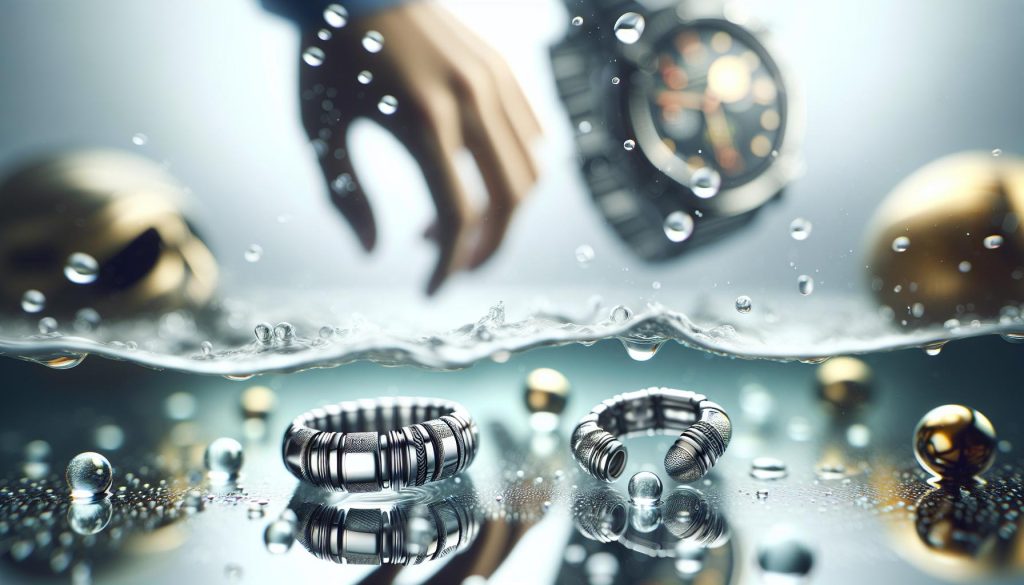
Stainless steel jewellery has gained popularity for its durability and remarkable resistance to tarnishing, but how does it hold up against water? Understanding whether stainless steel jewellery is waterproof or simply water-resistant is crucial for maintaining its beauty and longevity. Many wearers often face concerns about their accessories when exposed to moisture, whether from daily activities or special occasions. This exploration will delve into the properties of stainless steel, highlighting its resilience and discussing proper care to help you confidently wear your favourite pieces without fear. So, let’s uncover the truth about stainless steel jewellery and its relationship with water-an essential read for anyone eager to preserve the shimmer and shine of their accessories!
Is Stainless Steel Jewellery Truly Waterproof?
Stainless steel jewelry often piques the interest of both casual wearers and avid collectors alike due to its attractive appearance and perceived durability. However, the question of whether it is truly waterproof can be somewhat misleading. In simple terms, stainless steel itself is highly resistant to rust and corrosion, thanks to its chromium content, which forms a protective layer on the metal. This feature gives hope to those worried about their jewelry in various environments, but it’s essential to understand the nuances of water exposure and treatment of stainless steel.
While stainless steel can withstand exposure to moisture better than many other materials, claiming it is “waterproof” is an overstatement. Prolonged exposure to water, particularly saltwater or chlorinated water, can lead to tarnishing and may compromise the integrity of any plating or coatings applied to the jewelry. It’s wise to avoid wearing stainless steel pieces in situations like swimming pools, hot tubs, or saltwater activities to maintain their luster and prevent any potential damage.
To protect your cherished stainless steel jewelry, consider implementing a few best practices. First, clean your pieces regularly with mild soap and water, and dry them thoroughly afterward. This simple maintenance routine can help remove residues that may accumulate over time. Additionally, storing your jewelry in a dry, cool place away from direct sunlight can significantly extend its lifespan and maintain its shiny finish. Understanding these essential care practices allows you to enjoy your jewelry without compromising its integrity, ensuring that it remains a staple in your collection for years to come.
Understanding Water Resistance in Materials
Understanding how materials handle moisture is crucial for jewelry lovers, especially when selecting pieces that can withstand daily wear and exposure to the elements. While many assume that all metals are created equal when it comes to durability against water, the truth is that water resistance varies significantly across different materials. Stainless steel is often celebrated for its robust properties, but it’s essential to unpack what “water resistance” truly means in the context of jewelry.
When we refer to stainless steel and its attributes, we must appreciate its composition. Stainless steel is an alloy, typically made up of iron, chromium, and often nickel, which together create a metal that is resistant to rust and corrosion. This protective chromium layer plays a pivotal role in guarding against moisture damage. However, while stainless steel can resist tarnishing and oxidation better than other metals, it is not immune to the effects of prolonged water exposure. For instance, repeated contact with saltwater or chlorinated water can diminish its shine and lead to surface blemishes over time, highlighting the importance of understanding the limitations of even the most durable materials.
For anyone looking to enhance their jewelry collection with pieces that can withstand some water activity, there are specific considerations to keep in mind. Always opt for stainless steel pieces that are labeled as hypoallergenic and water-resistant, as these generally feature superior finishing techniques. Additionally, maintaining proper care through routine cleaning and storage can significantly enhance the longevity of your stainless steel jewelry. Regularly rinsing items that have been exposed to saltwater or chlorinated environments will help to remove any harmful residues that can accumulate, thereby preserving their luster and durability.
Ultimately, while stainless steel offers remarkable resilience, recognizing the nuances of water resistance is key to preserving your favorite pieces. By understanding how to maintain your jewelry and the best practices for care, you empower yourself to enjoy the beauty and durability of stainless steel while ensuring that your collection remains in excellent condition for years to come.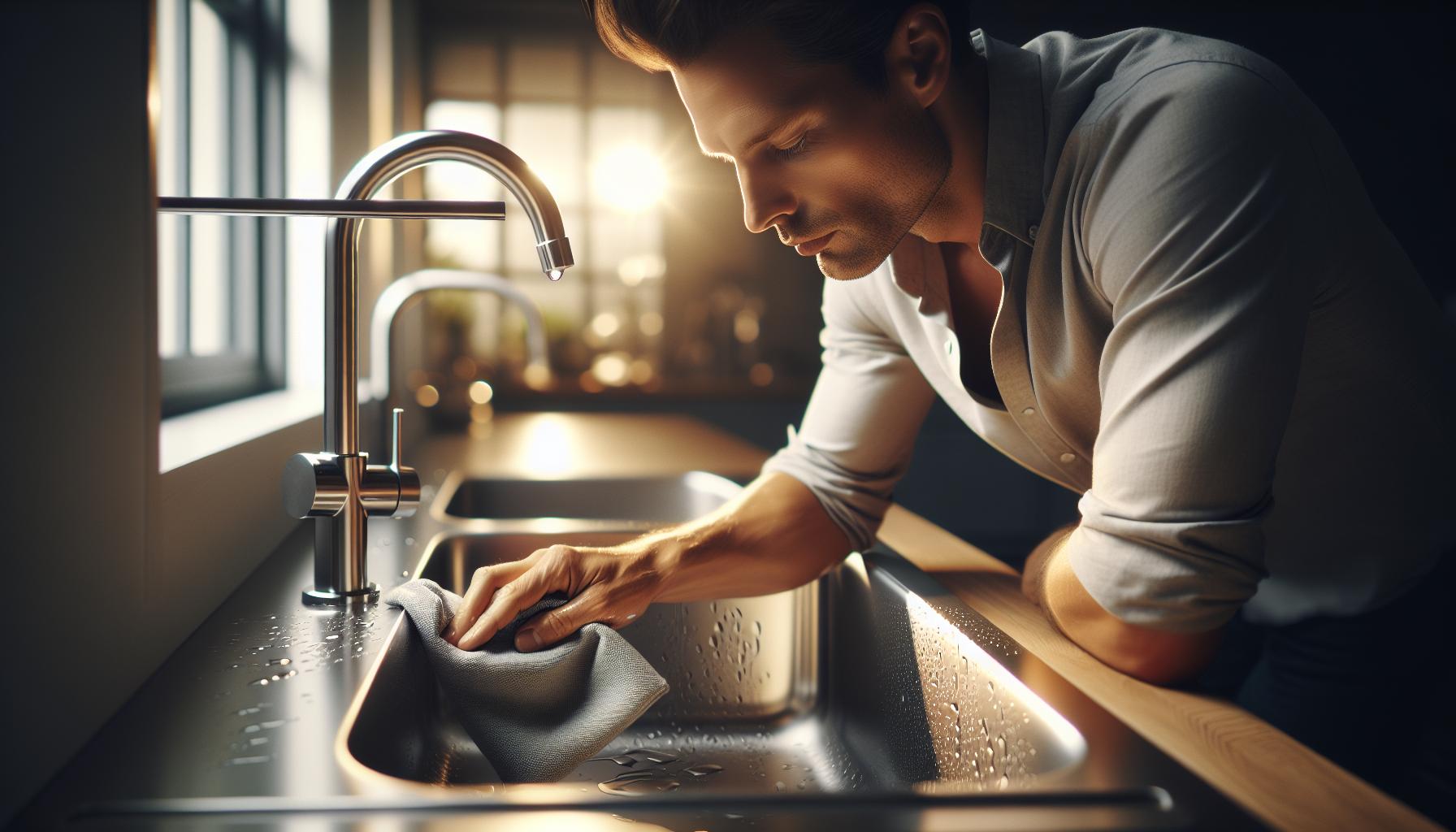
Common Misconceptions About Stainless Steel
Although stainless steel is often hailed for its durability and resistance to tarnish, there are several myths that cloud understanding of its properties, especially regarding water resistance. One prevalent misconception is that stainless steel jewelry is completely waterproof. While it can withstand some degree of exposure to moisture due to its chromium coating, which protects against rust and corrosion, it is important to note that prolonged exposure to water-particularly saltwater or chlorinated water-can still affect its appearance and integrity.
Another common misunderstanding is that all stainless steel jewelry is the same. In reality, the quality of stainless steel can vary significantly, influenced by factors such as the grade of the alloy used and the finishing techniques applied. Higher-grade stainless steel, such as 316L, is generally more resistant to water damage than lower grades. Jewelry made with these superior materials is often labeled as hypoallergenic and water-resistant, providing better protection against the elements.
Many people also believe that stainless steel jewelry requires minimal care. While it is low-maintenance compared to other metals, proper care is still essential to maintain its shine and prevent any deterioration. Regular cleaning, especially after exposure to sweat, cosmetics, or environmental pollutants, can help to extend the life of the jewelry. This includes rinsing off any residues and drying it thoroughly before storage.
In summary, understanding the realities behind stainless steel’s water resistance is crucial for making informed choices. While it is a sturdy option for everyday wear and offers some resistance to moisture, it is not invincible. By recognizing these misconceptions, jewelry lovers can take better care of their stainless steel pieces, ensuring they remain beautiful for years to come.
How to Care for Your Stainless Steel Jewelry
Maintaining the beauty and longevity of stainless steel jewelry is essential for anyone who wants to enjoy its perks without the worry of early wear. While stainless steel is celebrated for its resilience against tarnish and corrosion, good care can significantly enhance its appearance and durability, especially when exposed to water and other elements. With just a few simple practices, you can ensure your jewelry remains a sparkling part of your collection for years to come.
To start with, always remember to remove your stainless steel jewelry before engaging in any activities that involve water, such as swimming, showering, or washing dishes. While it may be water-resistant, prolonged exposure to chlorinated water or saltwater can lead to discoloration and damage over time. Additionally, it’s wise to avoid wearing your jewelry while exercising or performing household chores, as sweat and cleaning agents can also negatively impact its finish.
When it comes to cleaning your stainless steel pieces, a gentle approach goes a long way. Use a soft cloth or a microfiber towel to wipe down your jewelry after each wear, particularly if it has been exposed to sweat or cosmetics. For a more thorough clean, you can create a simple solution of warm water and mild soap. Soak your jewelry for a few minutes, then gently scrub with a soft brush, like a toothbrush, to remove any buildup. Rinse it with clean water and dry it thoroughly to prevent water spots.
Storage also plays a crucial role in maintaining stainless steel’s integrity. Keep your jewelry in a cool, dry place, ideally in a fabric-lined jewelry box or pouch, to avoid scratches and minimize exposure to air and moisture. If your pieces have intricate designs or embellishments, consider separating them in individual pouches to prevent tangling and damage.
Taking these steps will ensure that your stainless steel jewelry remains not just beautiful, but also resilient against the elements. By adopting these easy-to-follow care routines, you empower yourself to enjoy your pieces while preserving their shine and character, turning your jewelry into lasting treasures.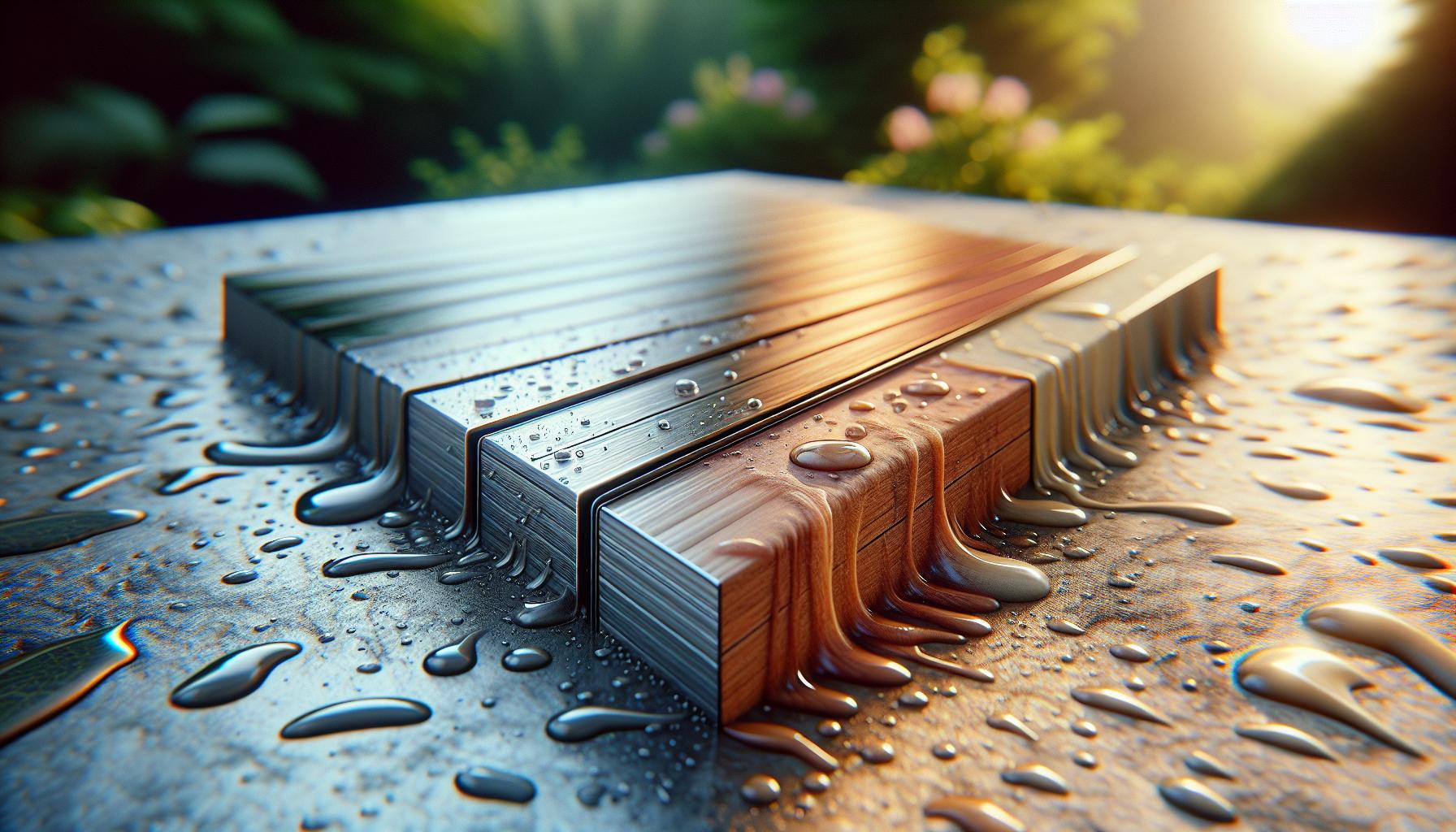
Impact of Water Exposure on Different Finishes
Water exposure can greatly affect the appearance and longevity of stainless steel jewelry, depending on the type of finish applied to the piece. While stainless steel is inherently resistant to rust and moisture, various finishes can alter its vulnerability and performance when faced with water. For instance, polished stainless steel presents a sleek and shiny surface that is visually appealing; however, this reflective finish may show water spots more readily than a matte finish. Similarly, brushed stainless steel, known for its textured appearance, can hide water marks well but may still tarnish if neglected.
Understanding the specific finish of your stainless steel jewelry is crucial in determining its water-handling capabilities. For example, jewelry with coatings such as PVD (Physical Vapor Deposition) or gold plating often requires extra care in water exposure as these finishes are more susceptible to wear and may start to peel or discolor when exposed to moisture. On the other hand, solid stainless steel with a durable finish will typically withstand occasional exposure to water without significant damage, though it’s wise to limit contact with chlorinated or saltwater to maintain its luster.
Regular maintenance can mitigate the adverse effects of water on different finishes. After exposure to moisture, gently drying your pieces with a soft cloth can prevent water spots or tarnishing. Additionally, storing your jewelry in a dry, cool place and using anti-tarnish pouches can enhance durability, preserving the finish’s quality over time. By understanding the impact of water on various finishes, you can make informed choices about when and how to wear your stainless steel jewelry, ensuring it remains as stunning as the day you bought it.
Factors Affecting the Longevity of Waterproof Jewelry
The durability and longevity of waterproof jewelry, especially when it comes to stainless steel, hinge on several key factors that every jewelry enthusiast should understand. Beyond the innate properties of stainless steel itself, aspects like finishes, environmental exposures, and care routines play crucial roles in maintaining the lustrous appeal of your favorite pieces.
One primary factor is the finish of the jewelry. As mentioned previously, polished stainless steel, while visually striking, may attract water spots, which could mar its sheen. Conversely, brushed finishes tend to camouflage minor imperfections better but may show signs of wear over time if not properly cared for. Additionally, jewelry that features coatings, such as gold plating or PVD treatments, often demands more cautious handling around water, as these layers can degrade more easily upon prolonged exposure to moisture.
Another vital element is environmental exposure. Regular contact with harsh conditions, such as saltwater or chlorinated water, can accelerate wear on any jewelry finish. Being conscious of where and how you wear your pieces is essential. For instance, if you enjoy swimming or frequent trips to the beach, consider opting for jewelry specifically designed for such environments – many brands today offer stainless steel options engineered to withstand such elements effectively.
Care routines also significantly influence the longevity of stainless steel jewelry. After exposure to water, gently drying pieces with a soft cloth helps mitigate water spots and potential tarnishing. Storing your jewelry in a dry, cool place coupled with anti-tarnish pouches can further enhance its lifespan, preserving its original beauty. A consistent maintenance schedule that includes cleaning and inspection can avert minor issues before they evolve into significant damage.
To encapsulate, the longevity of waterproof jewelry is not just about the material itself; it’s a holistic approach that incorporates understanding finishes, managing environmental exposure, and establishing robust care practices. By recognizing these factors, you’re empowered to make more informed choices about your stainless steel jewelry, ensuring it remains a cherished part of your collection for years to come.
Cleaning and Maintenance Tips for Stainless Steel
Keeping your stainless steel jewelry clean and well-maintained is essential for preserving its beauty and longevity, especially when considering its exposure to water. While stainless steel is known for its durability and resistance to corrosion, it can still accumulate dirt and grime over time. Regular cleaning not only enhances its shine but also helps prevent tarnishing and the buildup of water spots.
To care for your stainless steel pieces, follow these straightforward steps:
- Gentle Washing: Use warm water mixed with a mild soap to gently wash your jewelry. Avoid abrasive cleansers that can scratch the surface.
- Soft Cloth Drying: After cleaning, dry the jewelry immediately with a soft, lint-free cloth. This helps eliminate water spots and keeps it looking polished.
- Storage Solutions: Store your stainless steel jewelry in a dry, cool place, away from direct sunlight. Consider using anti-tarnish pouches or soft pouches to protect pieces from scratching each other.
- Routine Inspections: Regularly check for any signs of damage or wear. Catching issues early can prevent more significant problems down the line.
When exploring different finishes, it’s essential to know that polished stainless steel may require more frequent cleaning due to its tendency to show water spots and fingerprints. Conversely, brushed finishes can hide minor imperfections better but still benefit from regular maintenance to keep them looking their best.
In addition to cleaning after water exposure, avoid wearing your stainless steel jewelry while swimming in chlorinated pools or saltwater areas, as these conditions can wear down the surface faster. Adopting these simple yet effective cleaning and maintenance habits not only extends the life of your jewelry but also ensures it remains a cherished part of your collection, exuding shine and elegance for years to come.
Comparing Stainless Steel to Other Jewelry Materials
When it comes to choosing jewelry materials, understanding the properties of stainless steel compared to other common options can greatly influence your buying decisions and care practices. Unlike precious metals such as gold and silver, stainless steel offers remarkable durability and resistance to tarnishing, making it a popular choice for everyday wear. However, it is essential to recognize that while stainless steel is generally water-resistant, not all pieces are created equal, and the water resistance largely depends on the finish and any additional coatings applied.
- Stainless Steel vs. Gold: Gold jewelry, while beautiful, is prone to scratching and tarnishing over time, especially if it’s not solid gold but only gold-plated. In contrast, high-quality stainless steel can withstand the rigors of daily life without losing its luster, making it a more practical option for active individuals.
- Stainless Steel vs. Sterling Silver: Sterling silver, while elegant, requires frequent polishing and care to prevent tarnishing. Stainless steel does not tarnish and requires less maintenance, making it an attractive alternative for those looking for low-maintenance options.
- Stainless Steel vs. Costume Jewelry: While costume jewelry often features lightweight materials coated with thin layers of metallic finish, these pieces can easily fade or wear away when exposed to water. Stainless steel, on the other hand, is solid and can withstand exposure to moisture, making it much more durable and long-lasting.
Ultimately, when considering the right material for your jewelry collection, stainless steel stands out for its combination of resilience, affordability, and low maintenance. However, it’s crucial to be aware of the specific water resistance properties and care needs of each piece, seeing that plated or treated options might not stand up as well to water exposure as solid stainless steel items. By understanding these differences, you can make informed decisions about what to wear and how to care for your jewelry, ensuring it continues to shine beautifully through all of life’s adventures.
DIY Tips for Protecting Jewelry from Water Damage
Stainless steel jewelry is a fantastic choice for its durability and resilience, but even the most robust materials need protection to maintain their luster. By taking a few simple precautions, you can prevent water damage and keep your jewelry looking brand new. One of the most effective ways to shield your pieces is to establish a routine of removing them before engaging in water-related activities, such as swimming, bathing, or washing dishes. This small habit can significantly extend the life of your jewelry.
You might also consider using a protective coating as an extra layer of defense. Specialized sprays designed for jewelry can create a water-resistant barrier on your stainless steel pieces, enhancing their natural abilities. Just ensure all surfaces are clean and dry before application for maximum effectiveness. Additionally, storing your jewelry in a dry environment can make a big difference. Using a soft-lined jewelry box or a silica gel packet can absorb excess humidity, helping to prevent tarnish and corrosion over time.
Another practical tip is to regularly inspect your stainless steel jewelry for signs of wear or damage. Look for any changes in finish, such as dullness or discoloration. Catching these issues early allows you to take immediate action, such as cleaning or re-coating, to prevent further deterioration. For routine cleaning, simply use a mild soap solution and a soft cloth, as abrasive materials can cause scratches, compromising the protective layer of your jewelry.
Lastly, when choosing stainless steel jewelry for activities that might involve exposure to water, opt for pieces with a brushed or matte finish rather than highly polished ones, as they tend to hide scratches better and are often more resistant to wear. By implementing these DIY strategies, you can confidently enjoy your jewelry while safeguarding it against the elements.
Signs of Damage: What to Look For
When it comes to stainless steel jewelry, recognizing the signs of damage can be crucial to prolonging its lifespan and maintaining its appearance. Even though stainless steel is celebrated for its resilience and resistance to tarnishing, it’s not indestructible. Regularly inspecting your jewelry, especially after exposure to water or strenuous activities, can help you catch potential issues early on.
Begin by looking for dullness or a lack of shine. Over time, the high polish of stainless steel can become diminished, especially if subjected to harsh chemicals or constant friction. If you notice this change, it may be time for a thorough cleaning or polishing. Additionally, be alert for discoloration, which could indicate corrosion or that the protective coating has worn away. While stainless steel is much less prone to rust than other metals, any changes in color should be addressed quickly to prevent further damage.
Another aspect to check is the jewelry’s structure. Pay attention to clasps, chains, and soldered points for any signs of wear, such as looseness or broken links. These structural vulnerabilities can lead to loss, which is frustrating and often irreversible.
Lastly, consider the finish of your stainless steel piece. If you see scratches, particularly on highly polished items, it’s important to remember that while brushed or matte finishes tend to hide wear better, they are not immune. Regular cleaning can often remove surface dirt and oils, but deeper scratches may require professional help for repair or restoration.
Regular maintenance through careful cleaning and storage will not only enhance the longevity of your pieces but will also keep your jewelry looking stunning. If you stay vigilant for these signs of damage, your stainless steel jewelry can remain a beautiful and lasting addition to your collection.
Choosing the Right Jewelry for Water Activities
Choosing jewelry for water activities can enhance your enjoyment while ensuring durability. Stainless steel is often favored for its resistance to corrosion unlike other metals; however, not all stainless steel jewelry pieces are strictly water-friendly. When selecting jewelry for water-rich experiences-be it swimming, snorkeling, or simply a day at the beach-consider these essential tips.
First, opt for pieces that are marked as water-resistant or waterproof. Jewelry crafted from high-grade stainless steel, such as 316L (also known as marine grade stainless steel), is best suited for water activities due to its enhanced resistance to rust and tarnishing. Look for items sold specifically for aquatic activities, as these are often designed with durability in mind. It’s also wise to avoid jewelry with delicate stones or finishings, as exposure to water can weaken these elements over time.
Durability Features to Consider
When choosing jewelry for water activities, pay attention to the following characteristics:
- Sealed Settings: Look for gemstones that are set in ways that minimize exposure to water, such as bezel settings. This reduces the risk of water getting trapped underneath, which can cause damage.
- Solid Links and Chains: Ensure that chains and clasps are robust to withstand the rigors of water play. Weak or hollow components are more prone to failure.
- Finishing: Highly polished finishes may show scratches more quickly in sandy or rocky environments. Brushed or matte finishes might be more forgiving during rigorous activities.
Ultimately, the best approach combines practicality with personal style. You don’t have to sacrifice elegance for durability. Many jewelry brands offer stylish designs using resilient materials specifically crafted for water-related wear. Matching your jewelry to the activity will help you maintain both aesthetics and functionality, keeping your pieces beautiful despite frequent water exposure. Always remember to clean your stainless steel jewelry after exposure to saltwater or chlorinated water to remove residues that might lead to long-term damage.
Expert Insights: Best Practices for Jewelry Care
Caring for your jewelry doesn’t just keep it looking beautiful; it also extends its lifespan and preserves its value. While stainless steel is renowned for its robustness and corrosion resistance, particularly when it comes to water exposure, taking a few thoughtful steps can ensure your pieces remain in top condition. Proper care not only enhances the longevity of your jewelry but also allows you to enjoy it without worry, even in more challenging environments.
First and foremost, always perform a quick rinse after exposure to saltwater, chlorinated water, or even sweat. In addition to rinsing, gently dry your jewelry with a soft cloth to prevent any residual moisture from causing tarnish or dullness. Consider storing stainless steel pieces in a soft pouch or lined jewelry box when not in use, as this can shield them from scratches and the damaging effects of dust and humidity. Avoid mixing different types of metals in storage, which can lead to scratches or reactions that may dull their finish.
For regular maintenance, consider using a mild soap solution or a dedicated jewelry cleaner specifically designed for stainless steel. After cleaning, be sure to thoroughly rinse and dry your jewelry to remove any cleaning residue. Remember also to inspect clasps and settings regularly; a small problem can often be resolved before it leads to significant damage. Lastly, if you are passionate about hands-on care, simple DIY polishing solutions, such as a mixture of baking soda and water, can help maintain that glossy finish. By observing these best practices, your stainless steel jewelry will not only endure water exposure but continue to shine brilliantly for years to come.
Q&A
Q: Is stainless steel jewelry completely waterproof?
A: Stainless steel jewelry is highly water-resistant but not entirely waterproof. While it can withstand exposure to water without rusting, prolonged contact with water may still lead to tarnishing or damage to any decorative elements. To maintain optimal condition, it’s best to limit exposure and clean regularly.
Q: How can I protect my stainless steel jewelry from water damage?
A: To protect your stainless steel jewelry from water damage, avoid wearing it while swimming or showering. When not in use, store it in a dry place, preferably in a jewelry box or wrapped in a soft cloth. Regularly clean it with a mild soap solution and a soft cloth to remove moisture and dirt.
Q: What should I do if my stainless steel jewelry tarnishes?
A: If your stainless steel jewelry tarnishes, gently clean it using a mixture of baking soda and water or a mild soap solution. Use a soft cloth to buff the surface. If tarnishing persists, consider using a commercial stainless steel cleaner to restore its shine.
Q: Can I wear stainless steel jewelry while exercising?
A: Yes, you can wear stainless steel jewelry while exercising. It is durable and resistant to sweat; however, excessive exposure to salt or chlorinated water can lead to tarnishing. Wipe it clean after workouts to remove sweat and moisture for best results.
Q: How do I differentiate waterproof stainless steel jewelry from other types?
A: Waterproof stainless steel jewelry is typically made from higher-grade materials and often has a protective coating. Look for product descriptions that specify water resistance and check the manufacturer’s guidelines. Regular stainless steel may lack specialized water-resisting features.
Q: What types of finishes affect the water resistance of stainless steel jewelry?
A: The finish on stainless steel jewelry can significantly affect its water resistance. Polished finishes tend to repel water better than matte ones, which may trap moisture. Additionally, protective coatings or plating can enhance water resistance, making it crucial to consider the finish type when purchasing.
Q: Is it safe to wear stainless steel jewelry in the shower?
A: While it is generally safe to wear stainless steel jewelry in the shower due to its corrosion resistance, repeated exposure to soaps and shampoos can dull its shine over time. To prolong its appearance, it’s advisable to remove jewelry before showering.
Q: Does exposure to seawater damage stainless steel jewelry?
A: Yes, exposure to seawater can damage stainless steel jewelry. The salt can lead to corrosion and tarnishing. It’s best to remove jewelry before swimming in the ocean and rinse it with fresh water afterward to minimize any potential effects.
These FAQs provide clear, actionable advice and insights into the water resistance of stainless steel jewelry, helping readers understand how to care for it effectively. For more information on jewelry care, refer to our sections on maintenance and cleaning.
Closing Remarks
As we’ve explored, stainless steel jewellery offers an impressive level of water resistance, making it a fantastic choice for everyday wear. While it’s not completely waterproof, its resistance to tarnishing and corrosion means you can confidently wear your pieces in most situations. For optimal longevity, consider checking out our guides on jewellery cleaning and care to keep your items looking their best.
Don’t stop here! Dive into our articles on DIY jewellery care tips and the best practices for storing your pieces. If you have any lingering questions or experiences to share, drop a comment below-we love hearing from you! Ready to elevate your jewellery collection? Sign up for our newsletter for exclusive insights and promotions, ensuring you never miss out on the latest trends. Your style journey continues here-let’s explore more together!
Get our latest guides, news, and insights highlighted in your Google Search & AI Overviews.