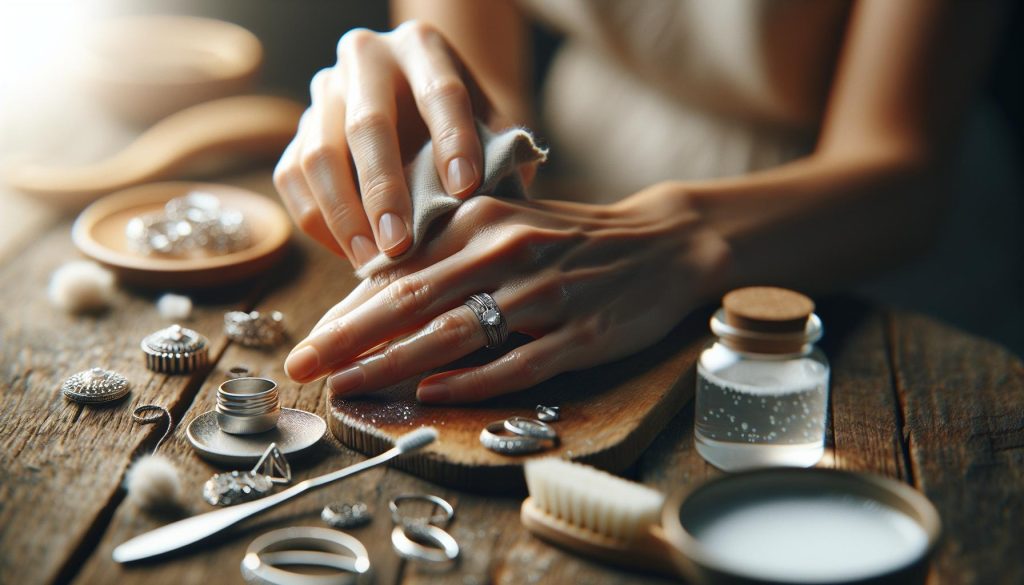
Jewellery is not just an accessory; it’s a reflection of your personal style and cherished memories. Did you know that simple home cleaning methods can restore your favourite pieces to their original brilliance? Understanding how to care for your jewellery is essential not only for maintaining its aesthetic appeal but also for preserving its value over time. From everyday wear to treasured heirlooms, keeping your jewellery clean can enhance its shine and ensure it lasts for generations. In this guide, we’ll explore easy and effective tricks for cleaning different types of jewellery at home. Say goodbye to dullness and hello to gleaming gems and metals that truly sparkle! Ready to learn how to bring your collection back to life? Let’s dive in!
How to Identify Different Jewellery Materials
To successfully clean and maintain your jewelry, one of the first steps is accurately identifying the materials your pieces are made from. This knowledge not only informs your cleaning methods but also helps you prevent damage. Different materials have distinct qualities, appearances, and reactions to cleaning agents. For example, gold, silver, and platinum require different care approaches, while gemstones and pearls come with their own specific needs.
Recognizing Common Jewelry Metals
- Gold: Look for markings such as 10K, 14K, or 18K, indicating purity. Real gold will not tarnish and has a warm, rich color.
- Silver: Sterling silver is often marked with .925. When exposed to air, silver will tarnish; this discoloration can be removed with appropriate cleaners.
- Platinum: This metal has a natural luster and is heavier than gold or silver. Authentic platinum should be marked with the word “platinum” or “pt” accompanied by a purity number.
Identifying Gemstones and Pearls
Each gemstone has unique characteristics that can help in identification. For instance, diamonds are hard and display brilliance, while sapphires are typically deep blue. To identify pearls, note their smooth, lustrous surface and often irregular shapes; genuine pearls feel slightly gritty when rubbed together.
Conducting Simple Tests
Sometimes, basic tests can reveal the material. A magnet test can help identify metals like stainless steel or ferrous metals, as they will stick to the magnet. For gemstones, a scratch test (using a glass surface) can differentiate between softer stones like quartz and harder ones like sapphire.
By familiarizing yourself with these identifying characteristics, you’ll be better equipped to care for and clean your jewelry correctly, ensuring its longevity and brilliance over time. Understanding your pieces will also aid in determining when it might be appropriate to seek professional cleaning services, especially for valuable or delicate items.
Essential Supplies for Home Jewellery Cleaning

To keep your jewelry looking brilliant and new, having the right supplies on hand is essential. Whether you’re dealing with delicate pieces or more robust items, the following essentials will help you effectively maintain your collection at home.
Begin with a soft, lint-free cloth, which is perfect for gently polishing gold, silver, and platinum without scratching the surface. Anti-tarnish cloths infused with special compounds can be especially helpful for silver pieces to prevent tarnish buildup. Additionally, having a small, soft-bristle toothbrush on hand can help reach intricate details and settings that require a more thorough cleaning without causing damage.
When it comes to cleaning solutions, consider a gentle jewelry cleaner that is safe for multiple types of metals and gemstones. Alternatively, you can create your own solution by mixing a few drops of dish soap with warm water. For tougher stains on gold and platinum, mixing baking soda with a little bit of water to form a paste can work wonders, although it’s crucial to test this on a small area first to prevent any potential damage.
Lastly, have a colander or sieve ready for rinsing your jewelry, as well as a soft towel for drying. Storing your cleaned pieces in a cool, dry place is equally important. Consider using a jewelry box with soft compartments or individual pouches to prevent scratching and tangling. With these supplies, you will be well-equipped to keep your jewelry shining bright and looking beautiful for years to come.
Step-by-Step Guide to Cleaning Silver Jewellery

To maintain the luster of silver jewelry and prevent it from tarnishing, regular cleaning is essential. With just a few materials and steps, you can restore your cherished silver pieces to their original shine right at home. Silver tends to tarnish due to exposure to air and moisture, but by implementing a simple cleaning routine, you can ensure your jewelry continues to sparkle.
Start by gathering your supplies. You’ll need a soft, lint-free cloth, mild dish soap, warm water, and a soft-bristle toothbrush. Begin by mixing a few drops of dish soap into a bowl of warm water. Dip the cloth in this soapy solution and wring it out, ensuring it’s damp but not soaking wet. Gently wipe down your silver jewelry to remove dirt and oils, paying careful attention to intricate designs where grime can accumulate. For tougher spots or areas where the grime does not lift easily, the soft-bristle toothbrush can be used carefully, ensuring not to scratch the surface.
Once you have cleaned the jewelry, rinse it thoroughly under lukewarm running water. Make sure to close the drain or use a sieve to catch any small pieces of jewelry that might slip away. After rinsing, dry the pieces with a soft towel, making sure to remove any moisture to prevent further tarnishing. You can follow up with a polish using an anti-tarnish cloth, which can help maintain the shine and add a layer of protection against tarnishing.
Lastly, store your cleaned silver jewelry in a cool, dry place, ideally in an anti-tarnish pouch or a jewelry box lined with soft fabric to avoid scratches. With this approach, maintaining the beauty of your silver pieces will become a quick and easy part of your jewelry care routine, ensuring they remain stunning and vibrant for many occasions to come.
Best Methods for Cleaning Gold and Platinum
Gold and platinum jewelry exudes elegance and sophistication, making it a favorite for many collectors and wearers. However, while these metals are more resistant to tarnishing than silver, they can still accumulate dirt, oils, and dullness over time. To restore their gleaming appearance, employing the right cleaning methods at home is key.
Start by gathering your cleaning supplies. You will need a soft, lint-free cloth, mild dish soap, warm water, and a soft-bristle brush, such as a toothbrush. Create a gentle cleaning solution by mixing a few drops of mild dish soap into a bowl of warm water. Dip the cloth into the solution, wring it out so it’s damp but not saturated, and gently wipe the jewelry to remove fingerprints and surface grime. Pay extra attention to any detailed areas or settings that may trap dirt.
For more stubborn spots, use the soft-bristle brush. Lightly scrub the jewelry, ensuring you don’t apply too much pressure to avoid scratching the surface. Rinse the pieces thoroughly under lukewarm water, again ensuring the drain is closed to prevent loss. After rinsing, dry the jewelry with a clean, soft towel, being careful to remove any remaining moisture that could affect the metal.
To enhance the shine, consider using a specialized polish cloth designed for gold and platinum. With consistent care using these methods, your jewelry will maintain its dazzling brilliance, ensuring it remains a standout accessory in your collection. Always store your cleaned pieces in a soft-lined box or pouch to prevent scratches and keep them looking pristine.
DIY Cleaning Solutions You Can Make at Home

Creating your own cleaning solutions for jewelry not only saves money but also gives you the satisfaction of knowing exactly what goes into the products you use on your precious pieces. Many common household ingredients can effectively clean and restore the shine to your jewelry without harsh chemicals. Here are a few easy DIY cleaning solutions that you can whip up in your kitchen.
1. Dish Soap and Water
This classic mixture is gentle yet effective for cleaning most jewelry types, especially gold, platinum, and diamond pieces. Simply mix a few drops of mild dish soap in a bowl of warm water. Use this solution with a soft-bristle toothbrush to gently scrub areas where dirt accumulates, such as underneath stones or intricate designs. Rinse thoroughly with lukewarm water and dry with a soft cloth to reveal sparkling jewelry.
2. Baking Soda Paste
Baking soda is an excellent natural abrasive that can help remove tarnish and grime. Create a paste using three parts baking soda to one part water. Apply this paste to your jewelry using a soft cloth or your fingers, then gently rub until the tarnish lifts. Rinse well and dry as mentioned above. Be cautious with porous stones and limit this method to metals like silver and gold.
3. Vinegar Solution
For a deeper clean, especially for silver items, use white vinegar. Soak your jewelry in a solution of 1/2 cup vinegar and 2 tablespoons baking soda for two to three hours. After soaking, scrub gently with a soft cloth before rinsing thoroughly and drying. This method is particularly effective for stubborn tarnish.
4. Lemon Juice and Olive Oil
This mixture is fantastic for cleaning gold. Combine 1/2 cup lemon juice with 1 tablespoon of olive oil. The acidity of the lemon juice helps to lift tarnish, while the olive oil acts as a conditioner for the metal. Apply this mixture to your gold jewelry, rub gently, and rinse thoroughly for a radiant shine.
By using these simple, homemade cleaning solutions, you can maintain the beauty of your jewelry collection. Experiment with these options to find which works best for your pieces while ensuring they shine brightly and look their best with minimal effort.
How to Safely Clean Gemstones and Pearls
To ensure your gemstones and pearls maintain their beauty and avoid damage, it’s crucial to adopt gentle cleaning methods tailored specifically to their unique properties. Unlike metals, which can handle more abrasive cleaning agents, gemstones and pearls require a careful touch to preserve their luster and integrity.
Start with a simple solution of warm water and mild dish soap. In a bowl, mix a few drops of the soap into warm water. Using a soft cloth or a microfiber towel, dip it into this solution and gently wipe the surface of the gemstones or pearls, focusing on areas that show signs of dirt or oil. For gemstones with intricate settings, a soft-bristled toothbrush can be used, but ensure it’s gentle enough to avoid scratching the surface. Rinse your jewelry thoroughly under lukewarm water to remove any soap residue and dry it with a soft cloth, being careful not to rub too hard.
When dealing with pearls, it’s particularly important to avoid soaking them for extended periods as they can absorb moisture, which may weaken the string. For a quick refresh, simply use a lightly damp cloth to wipe each pearl gently. To maintain their sheen, you may apply a little bit of olive oil on another soft cloth and lightly rub the pearls, ensuring that excess oil is removed afterward.
Remember to regularly check for any loose stones or wear on the clasps, as these can be early signs that your jewelry may need deeper cleaning or professional assessment. Taking these preventative measures not only keeps your jewelry sparkling but also extends its lifespan, making it a cherished part of your collection for years to come.
Restoring Shine: Tips for Dull and Tarnished Pieces
Reviving the luster of dull and tarnished jewelry can feel like a lost cause, but with the right techniques and a bit of patience, you can restore your favorite pieces to their former glory. Whether it’s silver that has turned a dull gray or gold that has lost its shine, there are simple solutions you can implement at home to breathe new life into your collection.
The first step in the restoration process is identifying the material of your jewelry. For silver, a mixture of baking soda and water can work wonders. Create a paste by combining three parts baking soda with one part water, then gently rub it onto the tarnished area using a soft cloth. Rinse the piece under lukewarm water and dry it thoroughly. For gold, a gentle soap solution works best. Simply mix a few drops of dish soap in warm water, soak your piece for a few minutes, then clean with a soft cloth before rinsing and drying.
Maintaining Shine with Household Products
In addition to baking soda and soap, your kitchen pantry holds a few more secrets for keeping your jewelry sparkling. Vinegar is an excellent choice for natural cleaning. Soak your silver jewelry in a solution of half vinegar and half water for about two to three hours, then rinse and dry. This method is not only effective but also eco-friendly. For those pesky tarnished spots on gold, a gentle toothpaste can be a quick fix; just apply a small amount and gently rub with a soft cloth before rinsing thoroughly.
Creative Techniques for Unique Metals
If you’re dealing with specific metals like stainless steel or platinum, don’t fret. A mixture of warm water and ammonia can be highly effective. Use a soft brush to scrub the pieces gently. Just remember to dilute the ammonia (one part ammonia to six parts water) for best results. For costume jewelry, be cautious with any abrasive methods as they might damage the finish. Wiping them down with a microfiber cloth after each wear can help prevent build-up and keep them shiny.
Always remember, prevention is key. Regularly cleaning your jewelry not only maintains its shine but also prevents long-term tarnishing. Establish a beauty routine for your pieces to keep them looking radiant and cherished!
Creative Ways to Store Your Cleaned Jewellery
Storing cleaned jewelry properly is crucial for maintaining its luster and preventing damage. Did you know that some common storage practices can significantly enhance the longevity of your precious pieces? By implementing thoughtful organization and protective measures, you can ensure your jewelry remains pristine and ready to wear.
One effective method is to use jewelry boxes with padded compartments. These boxes not only offer a stylish way to display your collection but also shield your pieces from dust, scratches, and tangling. Look for options with individual slots or cushions that can accommodate rings, earrings, and necklaces separately. It’s advisable to line these compartments with soft fabric, which helps prevent scratches on your jewelry surfaces.
For those with limited space, consider using clear plastic bags or anti-tarnish pouches. Items such as pearls and sterling silver are highly susceptible to tarnishing; therefore, keeping them in individual bags can reduce exposure to air and moisture. Adding a small silica gel packet can further absorb humidity, protecting your jewelry from potential damage.
For more valuable collections, a secure drawer or a safe is highly recommended. Keeping your expensive pieces tucked away not only provides peace of mind but also protects them from environmental elements. Additionally, consider labeling or categorizing the contents of your storage to quickly find what you need without rummaging through your collection.
Lastly, always remember to clean your jewelry before storing it. Traces of oils, perfumes, or lotions can lead to tarnishing or dullness. By taking a few extra moments to ensure your jewelry is spotless, you provide a solid foundation for its future shine. Implementing these creative storage techniques will not only keep your jewelry safe but also make it a joy to access and wear whenever you choose.
Preventative Care: Maintaining Your Jewellery’s Shine
Maintaining the shine of your jewelry is not just about cleaning; it involves a holistic approach that includes proper care, storage, and routine maintenance. One fascinating fact is that many everyday activities-like applying lotions, perfumes, or even washing your hands-can dull your jewelry’s sparkle. To combat this, consider adopting a few simple habits to keep your pieces looking as brilliant as the day you bought them.
One practical tip is to remove your jewelry before engaging in activities that might expose it to chemicals or moisture. This includes washing dishes, swimming, or exercising. When you do wear your pieces, try to put them on after you apply any beauty products, allowing these to dry completely. This simple precaution can significantly reduce the buildup of residue on your jewelry, which is a common cause of tarnish and dullness.
To further safeguard your jewelry’s shine, store it properly. As mentioned earlier, using a jewelry box with individual compartments can help prevent scratching and tangling. Adding anti-tarnish strips or pouches can also inhibit oxidation-a process that darkens metals over time. If traveling, instead of tossing your jewelry into a bag, use a dedicated travel case that keeps items separated and cushioned.
Regularly inspecting your jewelry can help you catch signs of wear before they become serious issues. Look out for loose stones, worn clasps, and tarnished metal, which can all detract from your jewelry’s shine. When necessary, consider professional cleaning to restore the luster of your valuable pieces. Establishing a routine where you clean and assess your jewelry every few months ensures that you can enjoy their beauty for years to come.
Lastly, adopt a keen eye for the materials your jewelry is made from. Different metals and stones may require specific care techniques. For example, pearls and opals are softer and should be cleaned gently, while gold and platinum can withstand more rigorous cleaning methods. Understanding the unique needs of your jewelry not only preserves its shine but also enhances your appreciation for each piece as part of your collection.
Signs Your Jewellery Needs Professional Cleaning
Recognizing when your jewelry requires professional cleaning can be a game-changer in maintaining its beauty and value. Over time, everyday wear can lead to a build-up of grime, tarnish, and scratches that simple home care may not address. It’s essential to stay vigilant and know when it’s time to seek expert assistance, ensuring your cherished items continue to sparkle as they should.
One of the most apparent signs is a noticeable loss of shine. If your once-radiant silver or gold piece looks dull, it may be suffering from tarnish or buildup that can’t be removed with regular cleaning methods. Additionally, if you notice discoloration, such as dark spots on otherwise shiny areas, this is often a clear indication that professional intervention is needed. The intricate settings of gemstones can also trap dirt; if even a soft brush fails to restore their luster, it’s time to consult a professional.
Another critical sign is structural wear. If clasps, hinges, or prongs appear worn or loose, a professional jeweler can not only clean your pieces but also assess their integrity and make necessary repairs. For pieces with intricate designs or delicate materials such as pearls, professional cleaning methods can be tailored to prevent damage that home cleaning solutions might incur, preserving the piece’s craftsmanship.
Lastly, if your jewelry has been exposed to harsh conditions-like swimming in chlorinated water or wearing it while exercising-consider having it professionally cleaned. Chemicals and sweat can lead to long-term damage that’s easily overlooked. Regular check-ups by a jeweler can help you catch issues early, ensuring that your pieces remain as breathtaking as the day you acquired them. Remember, keeping your jewelry in top condition is an investment in its beauty and longevity.
Transforming Your Jewellery: Simple Styling Tips
Jewelry isn’t just an accessory; it’s a powerful form of self-expression that can transform any outfit. Whether you’re dressing up for a special occasion or adding flair to your everyday wear, knowing how to style your pieces effectively can elevate your overall look. One simple trick is layering; you can mix delicate necklaces of varying lengths for a chic, bohemian vibe or stack bangles and bracelets to create a statement arm party. This not only adds visual interest but also allows you to showcase a diverse collection of treasured pieces.
Mixing Metals and Textures
Don’t shy away from mixing different metals such as gold, silver, and rose gold. This eclectic approach not only updates your style but also creates a unique aesthetic. Pair a chunky gold cuff with delicate silver rings for an unexpected contrast that draws the eye. Additionally, combining various textures-think smooth metals paired with matte finishes or leather accents-can enhance the depth of your jewelry ensemble, making it appear more sophisticated and thoughtfully curated.
Accessorizing with Confidence
When it comes to styling jewelry, confidence is key. Select pieces that resonate with your personal style and mood. For instance, if you’re going for a bold look, oversized earrings can serve as fantastic focal points. Alternatively, subtle studs or a simple pendant might better suit a more understated vibe. Pay attention to proportions-large statement pieces usually work better with simpler outfits, while intricate jewelry can complement elaborate attire.
Caring as You Style
Lastly, remember that how you care for your jewelry is just as crucial as how you style it. Regular cleaning and maintenance not only help preserve the shine of your pieces but also impact how they photograph and appear when worn. Consider adopting simple home cleaning methods to keep your jewelry sparkling, ensuring it always looks its best and complements your outfit beautifully. By thoughtfully combining these elements, you can transform not just your jewelry but your entire style statement.
Starting Your Own Jewellery Business: Care and Maintenance Insights
Starting a jewelry business can be both exciting and challenging, and understanding how to care for and maintain your creations is essential to building a trustworthy brand. Regular care and cleaning not only ensure your pieces look their best but also enhance their longevity, ultimately leading to higher customer satisfaction and repeat business. One key aspect of your business model should be the education of your customers about the upkeep of their jewelry, as it fosters a sense of value and connection with the pieces they purchase.
To keep jewelry shiny and appealing, consider providing your customers with simple yet effective tips for home cleaning. For example, offering guidelines like using a soft cloth to wipe pieces after wearing can help prevent tarnishing and dulling, especially for metals like silver and gold. You might also share that soaking pieces in warm, soapy water and gently scrubbing with a soft brush can effectively remove grime without damaging delicate designs. Beyond just cleaning, educating your clients about the materials in their jewelry-such as distinguishing between solid gold, gold plating, and sterling silver-will empower them to choose the right cleaning methods.
H3: Building a Strong Care Package
When starting your jewelry business, think about creating a care package that includes tools and materials customers can use at home. Offering items like:
- Microfiber cleaning cloths – Ideal for polishing surfaces without scratching.
- Jewelry boxes – To protect pieces from dust and scratches.
- Gentle cleaning solutions – Formulated for various materials, providing clear usage instructions.
- Care guides – Printed materials that offer thorough cleaning and care tips for different types of jewelry.
These care packages not only increase your product value but also position you as a brand that cares about its customers’ experiences beyond the purchase.
H3: Authenticating & Restorative Care
As part of your business strategy, consider the importance of authentication and restorative services. Customers often feel more confident buying valuable pieces when they know an establishment stands behind its items. Offering verification services for gemstones or precious metals can boost trust. Similarly, providing a restoration service for tarnished or damaged jewelry allows customers to maintain their cherished pieces, keeping them coming back for updates or repairs over time.
When you equip your customers with knowledge and tools for jewelry care, you create a loyal customer base that values your expertise and sees your brand as essential not just for purchasing but for ongoing maintenance and enjoyment of their jewelry. This approach lays a strong foundation for a successful and sustainable jewelry business.
Faq
Q: How often should I clean my jewellery at home?
A: You should aim to clean your jewellery every few months to maintain its shine. However, if you wear certain pieces frequently, such as rings and bracelets, consider cleaning them monthly. Regular care can prevent buildup and keep your items looking their best. Check the “Preventative Care” section for more tips.
Q: What household items can I use to clean jewellery?
A: Common household items include dish soap, baking soda, white vinegar, and mild toothpaste. These can be effective for gentle cleaning. Always ensure they are suitable for the specific materials of your jewellery to avoid damage. Refer to the “DIY Cleaning Solutions” section for detailed recipes.
Q: Can I use steam to clean my jewellery at home?
A: Yes, steam cleaning is effective for many types of jewellery, especially those with intricate designs. Use a steam cleaner designed for jewellery, aiming at each piece for short bursts. Avoid this method for delicate gemstones like opals or pearls, which may be damaged.
Q: What is the best way to restore shine to dull jewellery?
A: To restore shine, try a solution of warm water and dish soap, followed by a gentle rub with a soft cloth. For metal pieces, specific polishing cloths can reintroduce shine. Learn more in the “Restoring Shine” section of our article for expert tips.
Q: Is ultrasonic cleaning safe for all types of jewellery?
A: No, ultrasonic cleaning is not safe for all jewellery types. It’s effective for most metals but can damage delicate stones or porous materials. Always check your jewellery’s specific care instructions before using an ultrasonic cleaner.
Q: How can I tell if my jewellery is losing its shine?
A: Signs of dull jewellery include visible scratches, lack of luster, or a cloudy appearance. If you notice changes, it’s a good time to clean or restore its shine. Regular maintenance can help prevent this issue altogether.
Q: What should I avoid when cleaning my jewellery at home?
A: Avoid harsh chemicals, abrasive materials, and excessive scrubbing, as these can damage the finish or stones. Always check labels and choose gentle methods suitable for the specific materials of your jewellery.
Q: How can I safely dry my jewellery after cleaning?
A: To safely dry your jewellery, gently pat it with a soft, lint-free cloth. Ensure it’s completely dry before storing to prevent tarnishing. For more storage tips, check the “Creative Ways to Store Your Cleaned Jewellery” section.
In Retrospect
Now that you know how to clean your jewelry at home for a brilliant shine, it’s time to take action! Regular care not only enhances the beauty of your pieces but also extends their lifespan. Don’t forget to check out our detailed guides on jewelry care and styling tips to keep your collection looking its best. Have questions or unique cleaning experiences? Share them in the comments below-we love hearing from you!
For more in-depth knowledge, consider subscribing to our newsletter for expert advice, DIY tutorials, and exclusive insights into jewelry maintenance and styling. Remember, consistently caring for your treasures ensures they shine bright for years to come. Start your jewelry care journey today, and explore our resources to uncover more ways to cherish your collection!
Get our latest guides, news, and insights highlighted in your Google Search & AI Overviews.