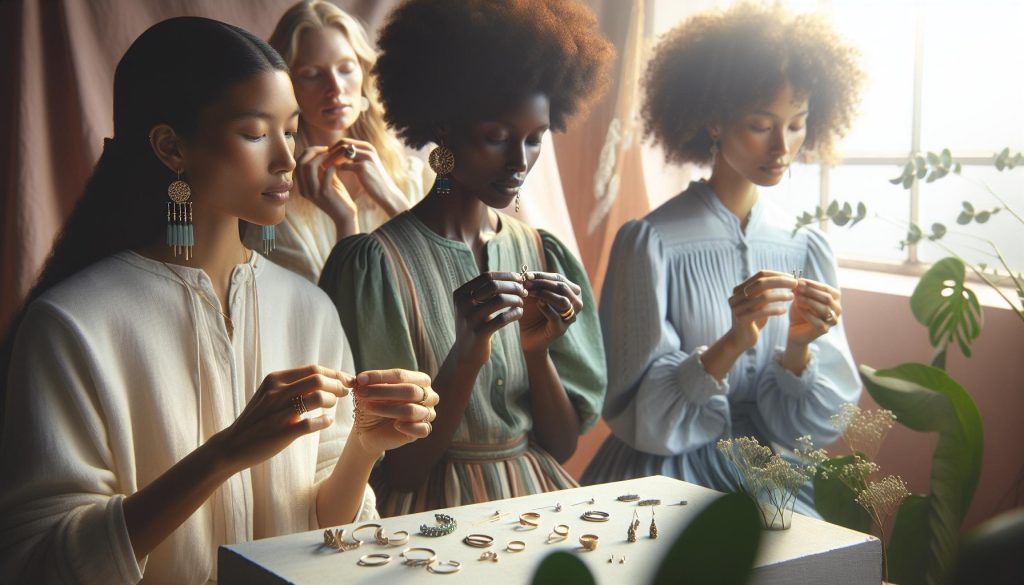
Taking off earrings can sometimes be trickier than putting them on, especially if they’re of different styles-studs, hoops, or dangle earrings-all requiring gentle handling to avoid discomfort or damage. Many people don’t realize the importance of using the right technique, which can help maintain the integrity of the earrings and the health of your earlobes. Whether you’re new to wearing jewelry or a seasoned enthusiast, understanding how to properly remove your earrings can elevate your overall experience. In this guide, we will share gentle, effective methods for every earring type, addressing common concerns and ensuring you can confidently care for your precious pieces. Your ears deserve the best, and mastering the art of earring removal is the first step toward maintaining a hassle-free jewelry routine!
Gentle Techniques for Removing Earrings Safely
Gently removing earrings is crucial to avoid discomfort or injury, especially if you wear them frequently or have sensitive ears. To begin, ensure that your hands are clean and dry, as oil and moisture could make the process slippery and difficult. If the earrings are threaded or feature a back that requires gentle pressure, take your time and avoid jerking movements. Instead, hold the earring firmly near the base and twist or gently pull while maintaining a steady hand. For stud earrings, using your thumb to stabilize the front while pulling the back out softly often provides the best results.
For hoop or dangling earrings, it’s beneficial to move a little slower. Grasp the earring by the hoop or the decorative part, then carefully remove it from the lobe without twisting or yanking on the skin. This method minimizes the risk of catching the earlobe and causing pain. Moreover, if you’re using earrings that clip on, applying slight pressure on both sides of the clasp can help relieve any tension and facilitate a smoother removal process.
Remember, if you feel resistance, don’t force the earring off. Instead, try gently wiggling or rotating it while keeping your grip firm but gentle. This can help dislodge any buildup that might be causing it to stick. If the adhesive or clasp doesn’t budge, pause for a moment to avoid stressing your ears and revisit the technique with a calm mindset. Taking these gentle measures not only promotes the health of your ears but also ensures your precious jewelry remains in excellent condition.
The Best Tools for Earring Removal
Using the right tools can make removing earrings a smooth and hassle-free experience. While many may think that earring removal requires little more than a steady hand, having the appropriate instruments can significantly enhance comfort and efficiency. Whether you’re dealing with studs, hoops, or clip-ons, consider incorporating these essential items into your earring removal routine.
- Soft Cloth or Tissue: Keeping a soft cloth or tissue handy can help you grip earrings more securely while preventing any potential slip that could lead to injury.
- Jewelry Tool Kit: If you wear earrings frequently, investing in a small jewelry tool kit that contains pliers and tweezers can be invaluable. These tools can assist with removing stubborn clips or ear wires without damaging the earrings or your earlobes.
- Lubricant: For stubborn earrings that don’t budge easily, a tiny drop of baby oil or a specialized jewelry lubricant can help ease the tension. This is particularly useful for earrings that have adhesive components or when dealing with irritation.
- Magnifying Glass: For those who may have difficulty seeing small details, especially with intricate designs or if you’re wearing reading glasses, a magnifying glass can make the process easier and safer.
By using these tools, you not only make the removal process more comfortable but also extend the lifespan of your jewelry. Each piece can last longer when handled correctly, and your ears will thank you for the gentle care. Always remember to take your time; patience is key when it comes to preserving both your earrings and your earlobes.
How to Remove Different Earring Types
Removing earrings can sometimes feel like an intricate dance, especially when faced with various styles and mechanisms. Understanding how to gently take off different types of earrings can make all the difference, preventing discomfort and potential damage both to your ears and your beloved jewelry. Let’s explore some methods suited to popular earring types.
Studs
For stud earrings, the removal process is straightforward. Make sure your hands are clean before starting. Grasp the back of the earring firmly but gently to avoid pinching your earlobe. If the backing feels tight, you might want to use a soft cloth to help with grip. Twist the backing slightly while pulling it away from the ear; this motion often allows it to release more easily without causing irritation.
Hoops
Hoop earrings can come in many sizes, but the method of removal remains largely the same. Hold the hoop firmly with one hand, and use your other hand to gently pull it away from your ear. Some hoops have a hinged closure; to remove these, gently tug the open side while pushing down the hinge mechanism. If you have larger hoops, you may need to rotate them slightly to fit through your earlobe.
Clip-Ons
For clip-on earrings, patience is key. Begin by gently squeezing the outer ends to loosen the grip on your earlobe. Once the tension is reduced, slowly pull the earring away from your ear, ensuring that the clip doesn’t accidentally pinch your skin. If the clip feels particularly tight, a small drop of lubricant can help ease the process significantly.
Dangling Earrings
Dangling or drop earrings are much like other styles but may require a bit more attention due to their length or weight. Hold the base where it meets your ear, and gently pull downward while steadying the dangling part. If they have intricate designs that could snag, take your time to ensure everything comes off smoothly.
By mastering these techniques, you’ll not only make your earring removal experience more pleasant, but you’ll also take better care of your jewelry. Always remember to remove your earrings in a well-lit area where you can see what you’re doing, minimizing risks of slips or tangles.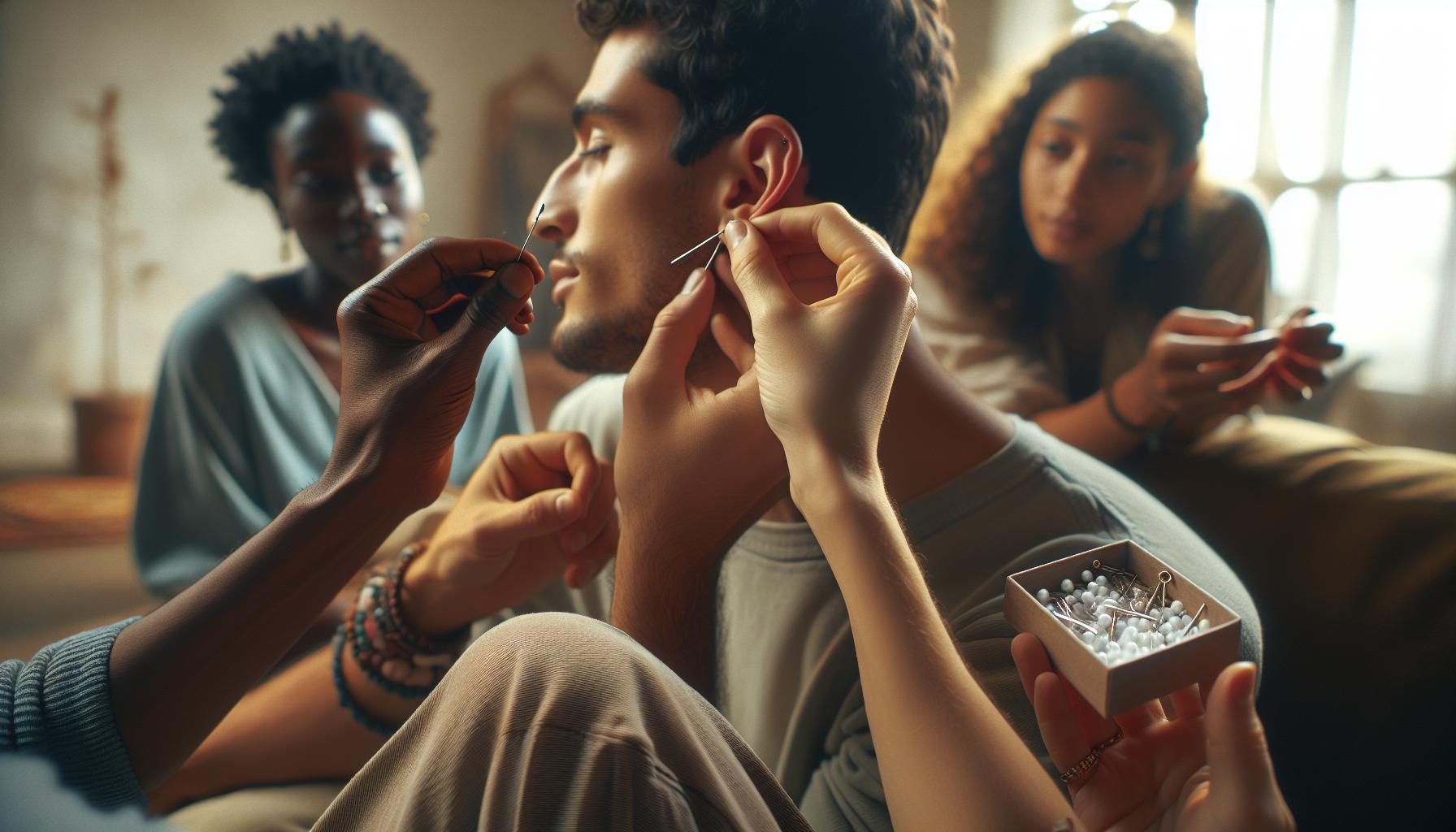
Dealing with Stuck Earrings: Step-by-Step Guide
Sometimes, earrings can become unexpectedly stuck, leading to frustration and even panic. Fear not! Dealing with stuck earrings can be straightforward if you follow a few careful steps. The key is to stay calm and approach the situation gently to avoid causing yourself any discomfort or damaging the earring.
Start by assessing the situation. If the backing of a stud earring is stuck, ensure that you’re in a well-lit area. Use a soft cloth to grip the backing if it feels slippery or tight, and try gently twisting while pulling away from your ear. For hoops or dangling earrings that may have caught or twisted, gently wiggle the earring while holding the base. This motion can help release any tension without forcing it.
If the earring remains stubbornly stuck, consider applying a small amount of lubricant, such as coconut oil or baby oil, around the area to help ease it out. A cotton swab can assist in applying this without making a mess. Always ensure the earring is held steadily as you apply the lubricant. For clip-on styles that may clamp too tightly, gently squeeze the ends to relieve pressure before slowly pulling the earring away from your ear.
Lastly, take your time and practice patience. Rushing the process can lead to unnecessary stress or injury. If these gentle techniques do not work and you feel pain or discomfort, it may be time to seek professional help, either from a jeweler or a medical professional. Keeping these tips in mind will empower you to confidently handle any sticking situation that may arise.
Preventing Pain and Discomfort While Removing Earrings
Removing earrings shouldn’t be a frustrating ordeal; rather, with the right techniques, it can be a gentle and comfortable process. To ensure that this everyday task is pain-free, preparation and mindfulness are key. Start by creating a calm environment-find a well-lit space where you can comfortably see what you’re doing. This simple step can significantly reduce strain during removal.
It’s beneficial to be conscious of the type of earrings you’re wearing. For example, if you have sensitive ears or are prone to irritation, consider choosing earrings with softer materials or hypoallergenic options. When it’s time to remove them, always use your fingers rather than tools to reduce the risk of slipping and causing injury. If you’re dealing with a stud earring, grasp the base firmly but gently to prevent unnecessary pressure on your earlobe.
Before you begin, consider applying a small amount of lotion or oil around your earlobe to lubricate the area. This can make the removal process smoother and help prevent any pulling or discomfort. When removing clip-on earrings, ease them off by gently squeezing the ends instead of pulling directly. This technique reduces pressure and enhances comfort, ensuring that the process is as painless as possible.
Finally, listen to your body’s signals. If you start feeling any discomfort or resistance during removal, pause and reassess. Rushing can lead to mistakes or injuries, so take your time. By adopting these practices, you can transform earring removal from a chore into a quick and gentle routine. Remember, self-care extends to every aspect of wearing jewelry, including how you handle it.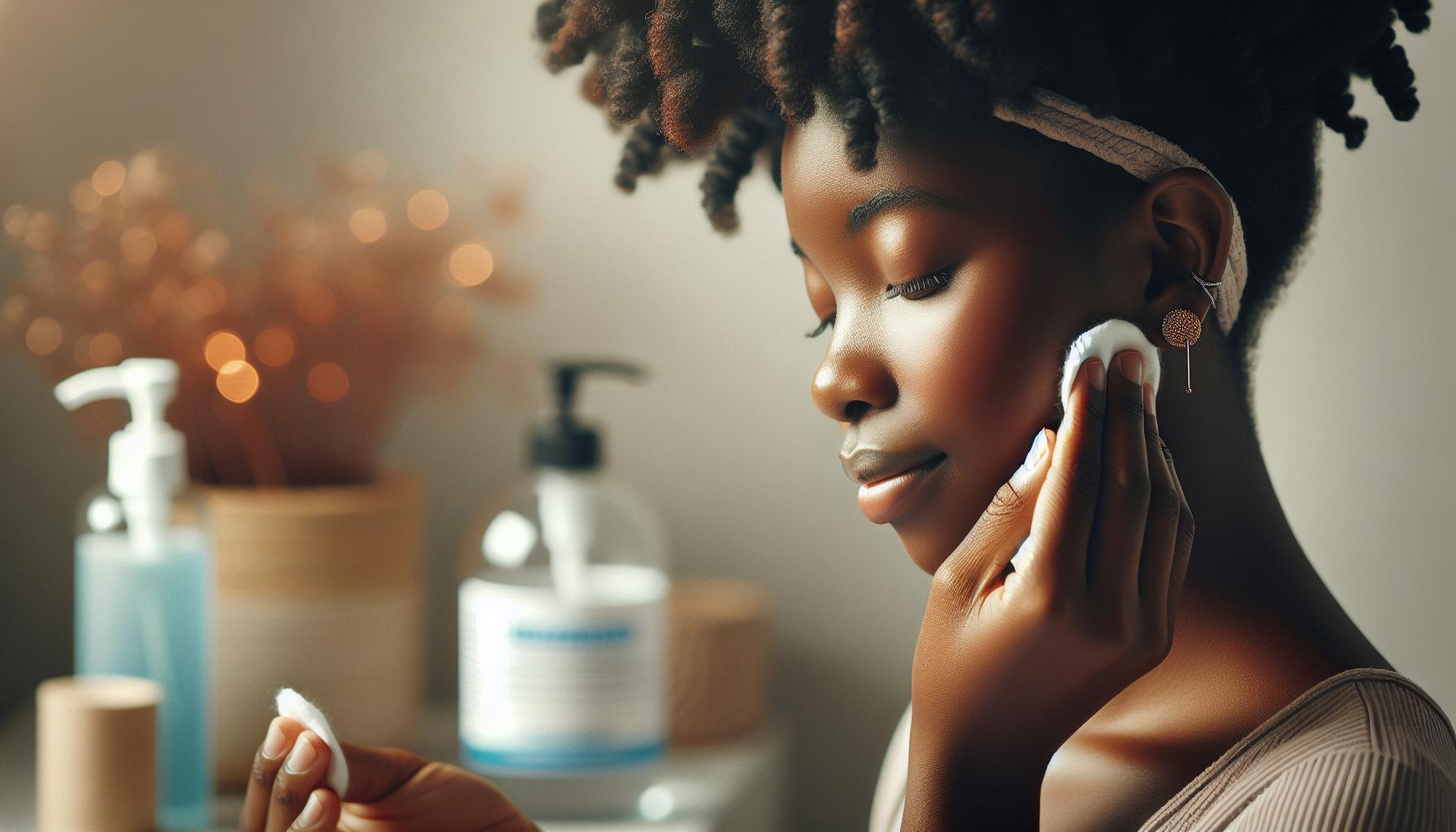
Ear Care Tips Post-Earring Removal
Taking off earrings can sometimes leave your ears feeling a little sensitive or irritated, but with the right care, you can ensure they recover comfortably. After removing your earrings, it’s essential to give your ears some attention to keep them healthy. Start by gently cleansing your earlobes with a mild soap and warm water to remove any buildup of dirt, oils, or products that can irritate the skin. Use a soft cloth or cotton pad to pat the area dry, avoiding vigorous rubbing that can cause further irritation.
Another effective way to soothe your ears is by applying a soothing cream or oil, such as vitamin E oil or aloe vera gel, which can help hydrate and calm the skin. These natural remedies not only provide moisture but also promote healing if there are any minor irritations or redness. If you notice any signs of infection-such as swelling, heat, or discharge-consider using an over-the-counter antiseptic cream or consulting a healthcare professional for further advice.
Maintenance and Protection
To protect your ears in the future, consider taking breaks between wearing your earrings. This simple practice allows your earlobes to recover and reduces the likelihood of irritation. When choosing earrings, opt for hypoallergenic materials, especially if you have sensitive skin. Materials like surgical stainless steel, titanium, or gold can minimize the risk of allergic reactions.
Finally, keep your earrings clean. Regularly clean your accessories with appropriate cleaning solutions based on their material. For instance, use a soft brush with mild soap for metal earrings, or a gentle jewelry cleaning solution for gemstones. This not only helps in maintaining the quality of your jewelry but also keeps your ears healthier, creating a win-win situation for both your earrings and your personal care routine.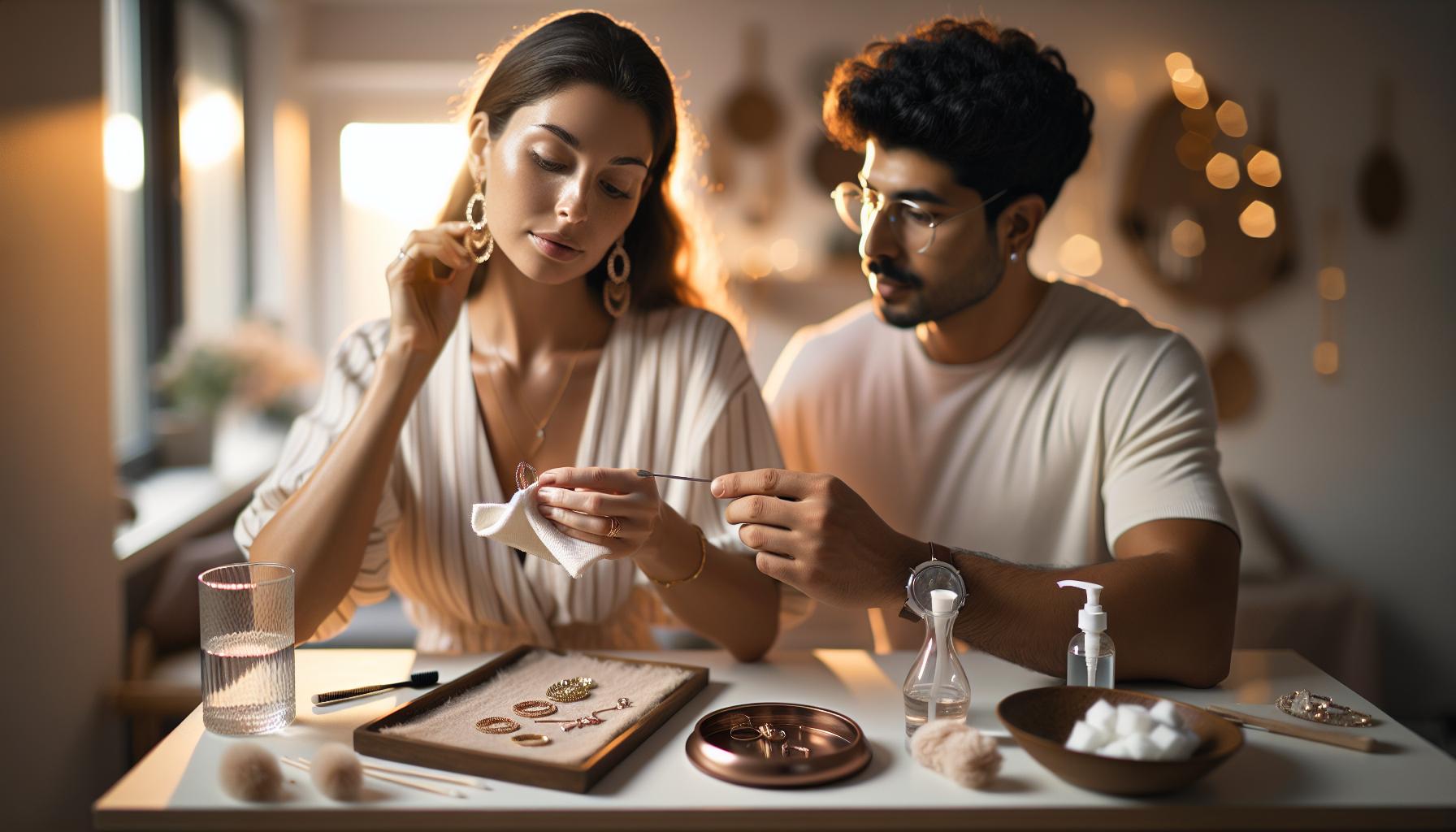
How to Clean Earrings Properly After Removal
Cleaning your earrings after removal is not only crucial for maintaining their shine and integrity but also for your ear health. Poorly maintained earrings can harbor bacteria, dirt, and oils that may irritate your skin or introduce infections. To ensure your precious accessories remain in top condition and are safe for your ears, follow these practical steps for proper cleaning.
Start by assessing the material of your earrings. Different metals and stones require specific care to avoid damage. For metal earrings, a gentle approach works best. Create a cleaning solution using lukewarm water mixed with a few drops of mild soap. Soak a soft cloth or a cotton ball in this solution and gently wipe the earrings to dislodge any dirt or buildup. Avoid using abrasive materials that could scratch the surface, especially on softer metals like brass or on delicate stones such as pearls or turquoise. After cleaning, rinse the earrings under running water to remove soap residue, and then pat them dry with a soft, dry cloth.
For earrings featuring gemstones, utilize a specialized jewelry cleaner if you want to provide a deeper clean. Ensure that the cleaner is safe for use with the specific types of stones set in your earrings. Apply a small amount of cleaner to a soft cloth and gently clean around the stones, ensuring that your movements are careful to avoid looseness or damage. For pieces with intricate designs where dirt may accumulate, a soft brush with fine bristles can be used to reach those tighter areas.
Don’t forget to periodically disinfect your earrings, especially if you wear them frequently or share them with others. A solution of equal parts water and rubbing alcohol can effectively disinfect metal components without causing harm. Simply soak a cotton pad in this solution and wipe the metallic parts. Allow the earrings to air dry completely before wearing them again. This not only ensures your earrings are clean but also reduces the risk of irritation or infection on your earlobes. By incorporating these cleaning practices into your routine, you can enjoy your favorite earrings while keeping them – and your ears – in pristine condition.
Stylish Alternatives: Earrings That Are Easy to Take Off
In the quest for stylish earrings, functionality often reigns supreme. Many jewelry enthusiasts are discovering that there are beautifully crafted alternatives that not only provide a fashion statement but also make the process of removal a breeze. When it comes to earrings that are easy to take off, magnetic and clip-on styles stand out as excellent choices, eliminating the hassle typically associated with traditional pierced earrings.
Magnetic Earrings
Magnetic earrings offer a pain-free solution for those who prefer not to commit to piercings or seek a break from them temporarily. Each set usually includes two halves: one that adorns the front of the earlobe and a magnetic backing that holds it securely in place. The result is a stylish accessory that pops on and off with ease, making them perfect for anyone looking for a quick jewelry change. Available in various designs from chic studs to elaborate hoops, these earrings can complement any outfit while giving you the freedom to switch looks effortlessly.
Clip-On Earrings
Another fantastic option is clip-on earrings, which have evolved tremendously from the limited designs of decades past. Modern clip-ons are crafted with comfort in mind, featuring padded clips or alligator clips that distribute pressure evenly across the earlobe. These earrings come in a multitude of styles, including trendy drops and classic hoops, allowing you to express your personal aesthetic without needing a piercing. What’s more, they’re a great choice for special occasions when you want to add some sparkle without the commitment.
Summary of Alternatives
Choosing earrings that provide both style and ease of removal can transform your jewelry experience. Here’s a quick overview of the best alternatives:
- Magnetic Earrings: Easy to wear, available in many designs, secure with magnets.
- Clip-On Earrings: Comfortable and stylish, suitable for all occasions, no piercings required.
By selecting these alternatives, you can enjoy the beauty of earrings without the discomfort or complications of traditional styles. Whether dressing up for an event or adding flair to your everyday look, these pieces allow for versatile and chic accessorizing that aligns with your lifestyle.
Common Mistakes When Removing Earrings
Removing earrings should be a careful and gentle process, yet many people fall into common traps that can lead to pain, damage to the earrings, or injury to the ears. One prevalent mistake is rushing the removal. In the hustle of daily routines, individuals might yank on the earrings hastily, leading to potential tearing of the earlobe, especially with designs that have tight backs or closures. Always take a moment to steady your hand and ensure you’re in a comfortable position before proceeding.
Another frequent error lies in neglecting proper techniques based on the earring type. For instance, some people may attempt to pull out a stud earring without first unscrewing the back, which can twist and cause discomfort. Similarly, when dealing with hoop or drop earrings, failing to hold the lobe and twisting can lead to unnecessary strain.
Not keeping the ears and earrings clean beforehand is also a common pitfall. Build-up of dirt or skin oils can create friction that makes earrings feel stuck. Regular cleaning and maintenance of both earrings and the earlobes help to minimize this issue.
Finally, forgetting to check for potential allergic reactions can lead to additional complications. If your earrings are made from materials that you’re sensitive to, this can result in discomfort or more severe reactions, making removal painful. Selecting hypoallergenic materials lays a foundation for a more comfortable wearing experience, thereby simplifying the removal process as well.
By being mindful of these frequently overlooked aspects, you can enhance your earring removal experience, ensuring it’s smooth, gentle, and free from unintended mishaps.
When to Seek Professional Help for Earring Removal
If you’ve ever struggled to remove an earring, you know that it can sometimes lead to worry and discomfort. While the majority of earring removal can be handled at home with proper techniques, there are specific situations where seeking professional help becomes essential. Recognizing when to turn to an expert can prevent unnecessary injuries or complications, especially if you’re dealing with an unusual or painful situation.
Several signs should prompt you to consult a professional for earring removal. If you notice that an earring has become embedded in your ear, possibly due to swelling or an allergic reaction, it’s crucial to refrain from pulling or twisting at it. Instead, visit a healthcare provider who can safely assist with the removal. Similarly, if you experience significant discomfort or if the area around the earring looks infected-redness, swelling, or discharge-these symptoms indicate a need for immediate medical attention.
Even seemingly minor problems can escalate. For example, if you have a sticky back or a broken clasp that prevents you from removing your earrings, attempting to fix it yourself can lead to damage to your earlobe. Professional piercers or medical staff have the right tools and training to help resolve these issues safely. Always listen to your body: if removing an earring feels wrong, it probably is.
In addition, if you’re considering changing the type of earrings you wear-especially if moving from heavier pieces to lighter alternatives-consulting with a professional can provide personalized advice. They can recommend hypoallergenic materials or styles that are easier to manage and more comfortable for your earlobes. Remember, taking care of your ears is just as important as taking care of your jewelry, and professional help is available to ensure both stay in optimal condition.
Storing Earrings to Prevent Damage and Tangling
Taking care of your earrings doesn’t stop once you’ve removed them; how you store them is just as crucial to preserving their beauty and functionality. Proper storage can mitigate the risk of tangling, tarnishing, and damage, ensuring your collection remains in pristine condition. By adopting a few thoughtful practices, you can keep your earrings looking fresh and ready to wear whenever you choose.
One of the most effective strategies is to use a dedicated jewelry organizer. Look for a box or case with compartments specifically designed for earrings, such as slot inserts or cushions. Hangable organizers can also be beneficial, offering hooks to keep your earrings separate and easily accessible. If you’re short on space, consider using small containers or even repurposing ice cube trays. By keeping each pair in its designated spot, you not only prevent tangling but also reduce the likelihood of losing one half of a favorite set.
Usage of anti-tarnish materials can also play a key role in maintaining your jewelry. Consider placing anti-tarnish strips in your storage boxes or pouches to help absorb moisture and prevent tarnishing, especially if your earrings are made from metals prone to oxidation, like silver. Additionally, regularly check your storage space for any signs of humidity or damage, as a clean and dry environment is optimal for preserving your jewelry.
Lastly, for those who form a habit of wearing certain earrings regularly, establishing a specific area near your vanity or dressing table can be both practical and charming. Use decorative dishes or small trays to organize them, making it easy to grab your favorite pair on the go. By surrounding your pieces with care and thoughtful storage solutions, you not only enhance their longevity but also add a touch of elegance to your space.
FAQ
Q: How can I safely remove earrings without causing pain?
A: To safely remove earrings, wiggle the earring gently while pulling it away from the ear. Use a mirror to ensure you have a good angle. Applying a small amount of lubricant, like oil, can help slide stubborn earrings out more easily. For more tips, see our section on preventing pain and discomfort.
Q: What should I do if my earrings are stuck?
A: If your earrings are stuck, try to twist them gently while applying a small amount of baby oil or olive oil around the earlobe to ease the grip. Avoid yanking to prevent injury. Refer to our step-by-step guide on dealing with stuck earrings for detailed instructions.
Q: Are there specific techniques for removing clip-on earrings?
A: Yes, for clip-on earrings, gently squeeze the sides of the clip while pulling it away from the ear. Ensure you open the clip slowly to avoid pinching your skin. For more on different earring types, check our article section dedicated to this.
Q: How do I properly clean my earrings after removal?
A: To clean earrings after removal, use a mild soap solution and a soft cloth. Rinse thoroughly and dry before storing. For specific cleaning methods, refer to our section on how to clean earrings properly after removal.
Q: When should I consider professional help for earring removal?
A: Seek professional help if your earrings are stuck due to swelling or infection, or if you’re unable to remove them after several gentle attempts. Our section on when to seek professional help offers more insights into signs to watch for.
Q: How can I prevent earrings from getting tangled in storage?
A: To prevent tangling, store earrings in a jewelry box with compartments or use an earring holder. Separating each pair helps maintain their shape and keeps them accessible. For more storage solutions, check out our tips on storing earrings to prevent damage.
Q: What tools are best for removing earrings safely?
A: Tools like silicone ear protectors or earring backs can help ease the removal process. Using a pair of smooth pliers can also assist with clip-on styles. Refer to our section on the best tools for earring removal for further recommendations.
Q: Are there earrings that are easier to take off than others?
A: Yes, stud earrings and lightweight hoop earrings generally offer easier removal compared to heavier dangly types. For more details, see our section on stylish alternatives that are easy to take off.
Concluding Remarks
Now that you know how to take off earrings gently, you’re equipped to care for your jewelry with confidence. Remember, whether it’s delicate studs or statement hoops, the right technique ensures both safety and longevity for your pieces. If you enjoyed this guide, explore our in-depth articles on jewelry care and styling tips to keep your collection in top shape.
Don’t miss out on our DIY tutorial on cleaning and maintaining different metals and gems, or our expert tips on starting your own jewelry shop! Join our newsletter for the latest insights and updates-your journey into the world of jewelry care is just beginning. Share your thoughts in the comments below, and feel free to browse our other resources for even more actionable advice. Your beautiful pieces deserve the best!
Get our latest guides, news, and insights highlighted in your Google Search & AI Overviews.