Did you know that the care of your earring holes is just as important as the earrings themselves? Clean and well-maintained piercing sites not only enhance your jewelry’s look but also safeguard against infections and irritation. Whether you’re a seasoned jewelry lover or new to piercings, understanding the best hygiene practices is essential for ensuring your ear health. Regular cleaning helps prevent buildup that can lead to discomfort and even health issues. In this guide, we’ll explore effective tips and techniques to keep your earring holes clean and healthy, empowering you to wear your favorite pieces with confidence. Dive in to discover how simple steps can make a significant difference in your earring-wearing experience!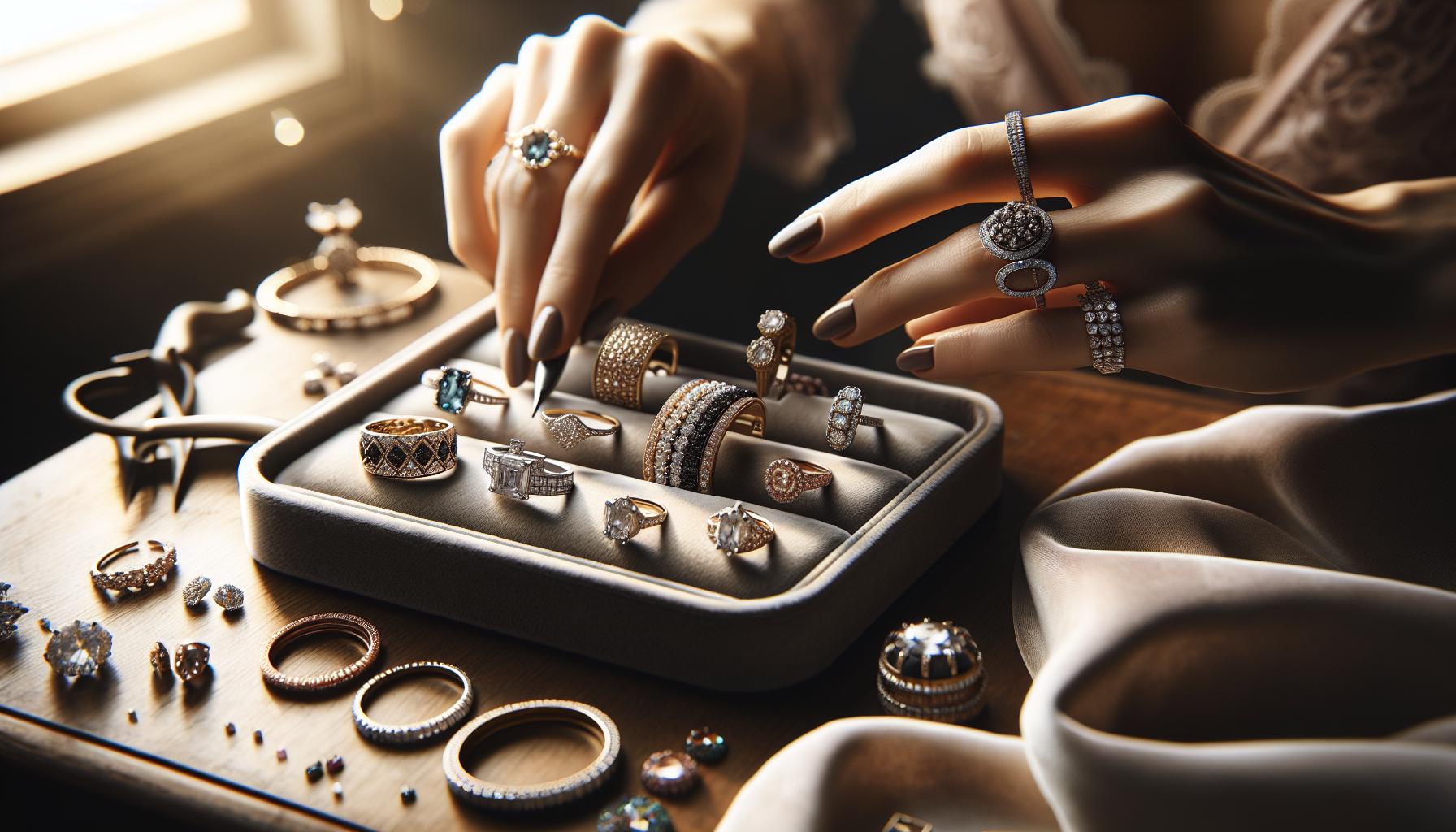
Understanding Earring Hole Hygiene: Why It Matters
Maintaining earring hole hygiene is crucial for ensuring the overall health of your piercings and preventing potential complications. Just as you would care for any other part of your body, your earlobes require regular cleaning and attention to keep them free from infection and irritation. Understanding the hygiene factors involved can help you avoid common issues like redness, swelling, or even more serious infections that can arise from neglect. Healthy piercings not only enhance your personal style but also contribute to your comfort and confidence while wearing earrings.
Regularly cleaning your earring holes is essential because they are susceptible to dirt, oils, and bacteria that can accumulate over time. This buildup can lead to various problems, such as foul odors or the formation of keloids-raised scars that can develop at the site of a piercing. Additionally, the choice of earring materials plays a significant role in your ear health. Hypoallergenic metals such as surgical steel, titanium, or gold can help minimize irritation and allergic reactions that some individuals may experience with other materials. By prioritizing earring hole hygiene, you can enjoy your favorite accessories without the worry of adverse effects.
To maintain this hygiene, develop a routine that includes cleaning your earlobes and the earrings themselves. This could involve using a gentle antiseptic solution or saline solution to cleanse the area. Pair these practices with daily checks for any signs of irritation or infection. Emphasizing these healthy habits not only promotes personal wellness but also empowers you to take control of your body care, ensuring that each time you adorn your ears with beautiful earrings, you’re doing so with peace of mind.
Essential Tools for Cleaning Earring Holes
To keep your earring holes clean and healthy, investing in the right tools can make all the difference. The right supplies not only streamline the cleaning process but also ensure that your ear hygiene doesn’t take a backseat amidst your busy lifestyle. Whether you’re a seasoned jewelry enthusiast or a newcomer to the world of piercings, having the essential tools on hand can help you maintain the health of your ears effectively.
First and foremost, you’ll want to acquire a quality cleaning solution. A saline solution is often recommended for post-piercing care and can be used regularly to cleanse your earring holes. Alternatively, rubbing alcohol or hydrogen peroxide can be effective, though they may cause dryness and irritation if overused. It’s crucial to opt for gentle antiseptics specifically designed for body piercings to avoid damaging sensitive skin.
In addition to a cleansing solution, cotton swabs and pads are indispensable tools. These allow for precise application of the cleaning solution to the pierced area without pushing debris further into the hole. A small bowl or container for your solution can also come in handy, maintaining cleanliness and organization during your cleaning routine. Another useful item is a pair of disposable gloves; these can prevent the transfer of bacteria from your hands to the earring holes, providing an extra layer of protection.
Lastly, consider keeping a microfiber cloth for drying your earrings after cleaning. This will help remove any residual moisture that might linger, as damp conditions can promote bacteria growth. When it comes to choosing earrings, always opt for materials that are hypoallergenic, such as surgical steel, titanium, or gold, to further minimize irritation and maintain ear health.
In summary, your toolkit for maintaining earring hole hygiene should include a gentle cleaning solution, cotton swabs or pads, disposable gloves, and a microfiber cloth. By regularly utilizing these essential tools, you can keep your piercings clean and flourishing, ensuring you enjoy wearing your favorite earrings confidently and comfortably.
Step-by-Step Guide to Clean Earring Holes
To maintain healthy earring holes, it’s essential to follow a careful cleaning routine that prevents infection and irritation. This step-by-step guide will empower you with the knowledge to clean your earring holes effectively and promote overall ear hygiene.
Begin by gathering your cleaning supplies. You will need a gentle saline solution (or a cleaning solution specifically designed for piercings), cotton swabs or pads, disposable gloves, and a microfiber cloth. Once you have everything ready, ensure your hands are clean and put on the disposable gloves to further reduce the risk of transferring bacteria to your ear.
Next, soak one end of a cotton swab or pad in the saline solution. Gently wipe around the earring hole, being careful not to jab or irritate the area. If you notice any crust or discharge, allow the solution to sit for a moment to soften it before carefully removing it with the swab. Pay attention to both the front and back of the earlobe to clear any build-up.
After cleaning, use the microfiber cloth to gently dry the area. It’s crucial to ensure that the earring hole is dry, as bacteria thrive in damp environments. If you’re planning to wear earrings immediately after cleaning, also wipe down the earrings with the microfiber cloth before reinserting them to keep everything hygienic.
Finally, after cleaning, refrain from wearing heavy or irritating earrings for at least 24 hours to allow your earring holes to recover fully. Consistent attention to this routine will safeguard your earring holes health, enabling you to enjoy your favorite pieces of jewelry without worry.
Common Earring Hole Issues and Solutions
Many people enjoy wearing earrings, but sometimes they can lead to unexpected issues. Understanding the common problems that may arise with earring holes allows you to address them quickly and maintain healthy piercings. Whether you’re a jewelry enthusiast or just starting your collection, being aware of these challenges can empower you to take better care of your ears.
One prevalent issue is earring hole irritation. This can stem from various sources, including wearing heavy earrings, using hypoallergenic materials, or even not cleaning the earrings regularly. To resolve irritation, consider the following solutions:
- Switch to lighter earrings: Opt for earrings made of materials known for being gentle on sensitive skin, such as titanium or surgical steel.
- Give your ears a break: Take time off from wearing earrings altogether. A few days without any jewelry can allow inflammation to settle down.
- Use soothing creams: Over-the-counter creams or oils containing aloe vera or tea tree oil can help reduce redness and discomfort.
Another common concern is infections, characterized by redness, swelling, or discharge from the earring hole. If you notice any signs of infection, it’s crucial to act quickly. Here are some actionable steps to take:
Immediate Steps for Infection Prevention
- Keep the area clean: Follow the cleaning routine discussed previously, using a saline solution to gently cleanse the area twice a day.
- Avoid touching your ears: Unwashed hands can introduce bacteria that may exacerbate the infection.
- Consult a professional: If symptoms persist for more than a couple of days or worsen, it’s best to see a healthcare provider for potential treatment options.
Lastly, keloids, which are raised scars that develop at the site of a piercing, can be both a cosmetic concern and a source of discomfort. If you are prone to keloids, you might want to consider these methods:
Dealing with Keloids
- Consult a dermatologist: Specialized treatments like silicone gel sheets or steroid injections can effectively reduce the size of keloids.
- Choose piercings wisely: Consider laser surgery or non-piercing methods (like clip-on earrings) if you’re at high risk for keloids.
By being aware of these common issues and their solutions, you can maintain healthier earring holes and enjoy your jewelry collection with confidence. Keep your ears clean, choose your accessories wisely, and don’t hesitate to seek professional advice when needed. Happy styling!
Signs of Infection in Pierced Ears
Recognizing the early signs of infection in your pierced ears is essential for maintaining earring hygiene and preventing complications. Piercing infections can occur when bacteria enter the freshly pierced holes, and understanding how to identify these symptoms can help you act swiftly. Common indicators include redness, swelling, warmth around the earring hole, and the presence of pus or other discharge. If you notice any of these symptoms, it’s crucial to respond immediately to minimize potential health risks.
Another notable sign of infection is increased pain or tenderness in the area surrounding the piercing. An abnormal level of discomfort often accompanies other symptoms like fever or feeling unwell, signaling a more serious condition that might require professional intervention. In some cases, you may also experience a foul odor emanating from the earring hole, which is a clear indication that something is wrong.
If you suspect an infection, it’s recommended to take prompt action, such as cleaning the area with a saline solution and avoiding the temptation to remove the earrings, which can trap bacteria. For persistent symptoms that do not improve within a few days, contacting a healthcare professional is essential. Taking these steps not only aids in your recovery but also ensures that you can return to enjoying your favorite earrings without future issues.
Being proactive about your ear hygiene and equipped with the knowledge of infection symptoms empowers you to care for your piercings confidently, ensuring a healthy and stylish earring experience.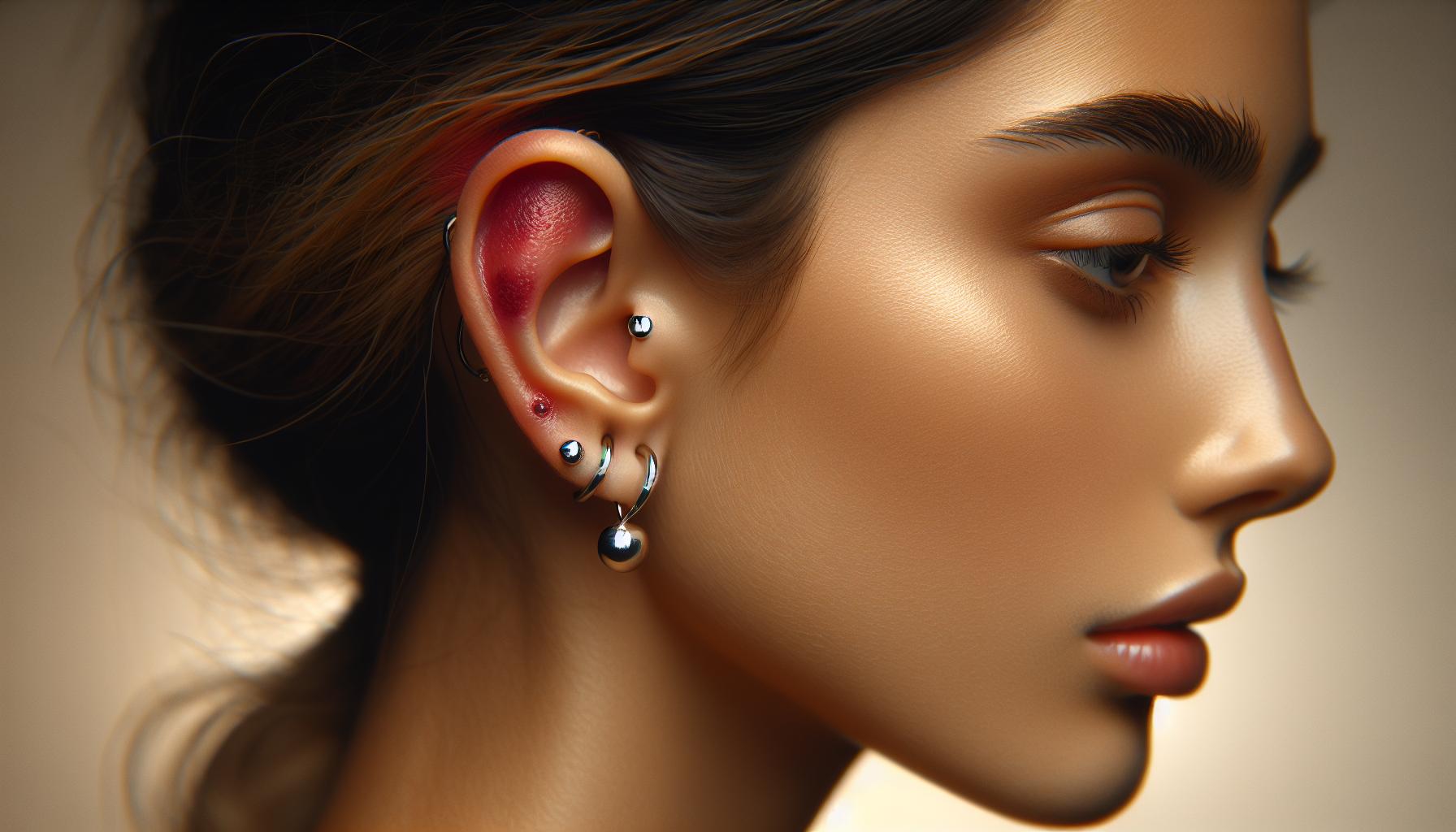
Daily Care Tips for Healthy Piercings
Maintaining the health of your pierced ears is essential for enjoying your favorite earring styles without worry. A daily routine focused on earring hygiene not only helps prevent infections but also ensures that your ears remain comfortable and irritation-free. By incorporating simple habits into your day-to-day life, you can keep your piercings looking beautiful and feeling great.
To start, it’s important to cleanse your earring holes regularly. Use a gentle saline solution or a mix of distilled water and sea salt to wash the area around each earring. This simple practice helps to remove any buildup of dirt or oils that may accumulate throughout the day. Remember to avoid harsh chemicals or alcohol-based products, as these can irritate the skin and potentially lead to inflammation.
Another key aspect of daily care is to ensure that you are using high-quality earrings. Opt for materials that are hypoallergenic, such as surgical stainless steel, titanium, or gold. These materials are less likely to cause allergic reactions and will help maintain the integrity of your piercings. Additionally, make it a habit to rotate your earrings periodically to promote airflow and prevent any irritation that might arise from prolonged contact with the same jewelry.
Finally, don’t forget about moisture control. If you often apply hair products, lotions, or perfumes, try to keep these away from your earlobes. Moisture and product buildup can lead to discomfort, so wiping your ears with a clean, dry cloth after applying any beauty products can be a great preventive measure. By following these daily care tips, you can keep your earring holes healthy, ensuring that they stay in excellent condition for all your favorite styles.
Best Cleaning Solutions for Earring Holes
Keeping your earring holes clean is vital for preventing infections and promoting healthy piercings. The best cleaning solutions are gentle yet effective, ensuring that you maintain optimal hygiene without risking irritation or damage to your skin.
A popular choice for cleaning earring holes is a saline solution, which can easily be made at home. Simply mix 1/4 teaspoon of non-iodized sea salt in a cup of warm distilled or purified water. Soaking a clean cotton ball in this mixture allows you to gently cleanse the area around each earring. This solution helps to eliminate bacteria and debris without harming the delicate skin.
Alternatively, antiseptic solutions specifically formulated for piercings can be used. These products often contain chlorhexidine or witch hazel, which are effective against bacteria while being less irritating than alcohol-based solutions. Always follow the manufacturer’s instructions when using such products to ensure the best results.
It’s essential to avoid harsh cleaning agents like hydrogen peroxide or alcohol, which can dry out the skin and delay the healing process. After cleansing, pat the area dry with a clean tissue or cloth. Incorporating these safe and effective cleaning solutions into your routine will ensure that your piercing remains healthy and irritation-free, allowing you to enjoy your jewelry without worry.
Natural Remedies for Earring Hole Care
Natural remedies can provide gentle yet effective options for caring for your earring holes, promoting healing and comfort without harsh chemicals. For instance, tea tree oil is renowned for its natural antibacterial and anti-inflammatory properties. Diluting one or two drops of tea tree oil in a carrier oil, such as coconut or jojoba oil, can be beneficial. Apply the mixture around the earring hole with a clean cotton swab to help prevent infections and reduce irritation.
Another effective remedy is aloe vera gel, known for its soothing and healing qualities. This natural moisturizer can help keep the skin hydrated, reducing discomfort associated with dry or irritated piercings. Simply apply a small amount of pure aloe vera gel to the area, allowing it to absorb into the skin, promoting a healthy healing process.
Additionally, incorporating witch hazel can aid in the cleaning and caring of earring holes. This natural astringent is not only effective for cleaning but also calms inflammation. Soak a cotton ball in witch hazel and gently cleanse around the piercing. This solution helps to remove excess oil and bacteria, keeping the area fresh and clean without causing irritation.
Finally, consider the benefits of a simple saltwater rinse. Though mentioned in traditional cleaning methods, it can also serve as a natural remedy. Mix a small pinch of non-iodized sea salt in a cup of warm distilled water, soak a cotton ball, and apply it to your earring hole for a few minutes. This gentle rinse assists in keeping the area clean and can help with any minor irritations.
By utilizing these natural remedies, you can nurture your earring holes and ensure they remain healthy, allowing you to enjoy your favorite jewelry pieces confidently.
How to Prevent Earring Hole Irritation
To keep your earring holes healthy and irritation-free, it’s essential to adopt some preventative measures that shield your skin from common irritants and allergens. Earring hole irritation often stems from factors such as poor hygiene, inappropriate jewelry materials, and even environmental conditions. By taking proactive steps, you can enjoy wearing your favorite earrings without discomfort.
Start by choosing earrings made from non-irritating materials, such as surgical stainless steel, titanium, or gold. These metals are less likely to cause allergic reactions compared to items made from nickel or cheap metals. If you’re sensitive, opt for huggie-style earrings that sit close to your ears and minimize exposure to irritants or harsh elements. Furthermore, it’s advisable to limit wearing heavy earrings, as they can pull on the piercing and contribute to irritation.
Maintaining a regular cleaning routine is also crucial. Gently cleanse your earring holes daily with a saline solution or a mild antibacterial soap to remove any buildup of dirt, oil, and bacteria. Be sure to dry the area thoroughly afterward, as moisture can encourage irritation or infection. Additionally, consider removing your earrings before activities such as swimming or exercising, where sweat and exposure to chemicals can exacerbate irritation.
Lastly, keeping your earring holes free from excess moisture is key. If you’ve just washed your hair or are applying products like sprays or creams, try to shield your earrings. Consider using Silicone or plastic backings for additional protection and comfort. These simple adjustments can significantly ward off irritation and promote a comfortable experience while wearing your jewelry. By implementing these strategies, you’ll be able to maintain the health of your earring holes effectively, ensuring that your accessories continue to shine bright.
Choosing the Right Earrings for Healthy Piercings
When it comes to adorning your ears, choosing the right earrings is pivotal not just for aesthetics but for ensuring the health of your piercings. Opting for high-quality materials can significantly reduce the likelihood of allergic reactions and irritation, making your jewelry-wearing experience enjoyable. Consider materials like surgical stainless steel, titanium, or solid gold as they offer hypoallergenic properties and durability. These metals are particularly beneficial for individuals with sensitive skin or those who have recently pierced ears, as they minimize the risk of developing adverse reactions.
Understanding Earring Styles
The style of the earrings you choose can also impact your piercing health. For instance, huggie-style earrings are an excellent option for those concerned about irritation, as they sit flush against the ear and reduce exposure to irritants. Additionally, lightweight options, such as small studs or delicate hoops, can minimize pulling on the piercing, which is critical, especially during the healing process. Heavy earrings can exacerbate discomfort and lead to stretched piercings over time, so it’s wise to reserve them for special occasions rather than everyday wear.
Practical Tips for Earring Selection
Here are some practical tips to guide your earring selection:
- Check for nickel-free options: Many people have a nickel allergy, which can lead to redness and swelling at the piercing site.
- Choose earring backs carefully: Opt for backs that are secure yet comfortable. Silicone or plastic backings can often provide added comfort and reduce irritation.
- Consider the shape: Circular earrings like hoops can sometimes catch on clothing or hair, so consider this when making your selection to avoid accidental tugs.
- Clean your earrings regularly: Ensure that earrings are cleansed of any dirt or oil before use to promote healthy piercings.
By selecting earrings crafted from body-safe materials and thoughtful styles, you not only enhance your overall look but also align yourself with best practices for maintaining ear health. Prioritizing earring choice is a step towards ensuring that your piercings remain beautiful and irritation-free for years to come.
When to Seek Professional Help for Piercing Care
Recognizing when to seek professional help for your ear piercings is vital for maintaining your overall ear health. Many individuals may experience minor discomfort or redness, especially during the initial healing phase, but certain signs can indicate that you should consult a professional. If you notice persistent pain, swelling that doesn’t subside, or discharge that appears yellow or green, these may be symptoms of an infection. It’s important not to ignore these warning signs, as untreated infections can lead to more serious complications.
Moreover, if you find that your earring holes are consistently irritated or have developed keloids (scarring that forms raised lumps around the piercing site), a professional should assess the situation. Keloids can occur for various reasons, including piercing technique or sensitivity to materials, and a specialist can advise on suitable treatment options. Additionally, if you experience any allergic reactions that you suspect may be related to your earrings, such as itching or redness that persists despite changing your jewelry, don’t hesitate to seek advice from a piercer or dermatologist who specializes in skin reactions.
It’s also important to engage a professional if you are contemplating getting new piercings in areas with higher risks for complications, or if you’ve experienced any trauma to your piercings. An experienced piercer can offer essential guidance on aftercare, earring choices, and potential redesigns to prevent future issues. Having an expert evaluate your skin type, lifestyle, and earring material can help you make informed decisions that enhance both style and health.
In summary, it’s always better to err on the side of caution when it comes to your ear health. A quick consultation with a professional can provide peace of mind and ensure that your piercings heal properly while minimizing future risks. Prioritizing your body’s signals and seeking help when necessary is crucial for maintaining beautiful and healthy ear piercings.
Maintaining Earring Hygiene While Traveling
can be a challenge, but it’s essential for keeping your piercings healthy, especially in unfamiliar environments. Travel exposes your skin to different climates, sweat, and potential irritants that can lead to infections or irritation. Being proactive about your earring hygiene can help you enjoy your adventures without the worry of painful side effects from your piercings.
First, make sure to pack a travel hygiene kit specifically for your earrings. Include essentials like saline solution or wound wash, which can effectively clean your ear piercings without irritation. A small bottle of rubbing alcohol or hydrogen peroxide is also beneficial for disinfecting your earrings before re-inserting them. However, remember to use these sparingly, as frequent exposure can dry out your skin. In addition, bring disposable cotton swabs or sterile gauze for easy application. Since the risk of irritation increases with time, especially if you’re wearing the same earrings for long periods, consider having an extra set of hypoallergenic earrings made from materials like titanium or surgical steel to switch into if needed.
When traveling, pay attention to your environment. Avoid wearing earrings in settings where excessive moisture or dirt could easily accumulate, such as swimming pools or during physical activities. If you find yourself in a situation where your ears may become sweaty or dirty, take a moment to clean your earrings with a travel safe disinfectant. A quick wipe with an alcohol swab can go a long way in preventing infections.
Lastly, don’t overlook post-travel care. As soon as you return from your trip, make it a point to thoroughly clean your earrings and check your piercings for any signs of irritation or infection. This routine can help you catch any issues early, ensuring your ears remain healthy and free from complications as you continue to explore the world. By preparing ahead, you can maintain great earring hygiene on your travels and keep your piercings in pristine condition.
FAQ
Q: How often should I clean my earring holes?
A: You should clean your earring holes daily, especially in the early weeks after piercing. This helps prevent infection and irritation. Use a sterile saline solution or alcohol-free wipes to maintain hygiene.
Q: What is the best way to clean earrings themselves?
A: The best way to clean earrings is to soak them in a mixture of warm water and mild soap for 10-15 minutes, then gently scrub with a soft brush. Rinse thoroughly and dry with a lint-free cloth to avoid buildup.
Q: Can I use hydrogen peroxide to clean my earring holes?
A: Yes, hydrogen peroxide can be used to clean earring holes, but it may be too harsh for some skin types. Opt for a diluted solution, and consider using it occasionally rather than daily to avoid irritation.
Q: What are the signs that my earring holes need extra care?
A: If you notice redness, swelling, or unusual discharge around your earring holes, they may need extra care. Promptly clean the area and consider consulting a professional if symptoms persist.
Q: How can I prevent earring hole infections?
A: To prevent infections, always wash your hands before touching your earrings, avoid using dirty or non-hypoallergenic materials, and keep your earring holes clean and dry.
Q: Is it safe to leave earrings in all the time?
A: It is generally safe to leave earrings in, especially for newly pierced holes. However, it’s essential to clean them regularly and occasionally remove them to ensure proper hygiene.
Q: What is the best material for earrings to avoid irritation?
A: Hypoallergenic materials such as surgical steel, titanium, or gold are the best options to avoid irritation. Choose earrings made from these materials if you have sensitive skin or a history of allergic reactions.
Q: How should I care for earrings when traveling?
A: When traveling, keep earrings in a clean pouch to avoid damage. Clean them before the trip and upon return, and ensure to store them in a dry place to prevent moisture-related issues.
Concluding Remarks
Now that you’re equipped with essential tips for cleaning your earring holes and maintaining healthy piercings, don’t wait-implement these hygiene practices to ensure your earrings stay comfortable and stylish! If you found this guide helpful, explore our detailed articles on how to clean different types of jewelry for optimal care or discover DIY tutorials for creating stunning pieces that reflect your unique style.
Have more questions or want to share your own tips? Join the conversation in the comments below! For even more insights, consider signing up for our newsletter, where you’ll receive exclusive advice on jewelry maintenance and styling tips straight to your inbox. Remember, your ears deserve just as much care as the jewelry you wear, so take action today and keep them looking fabulous!
Get our latest guides, news, and insights highlighted in your Google Search & AI Overviews.