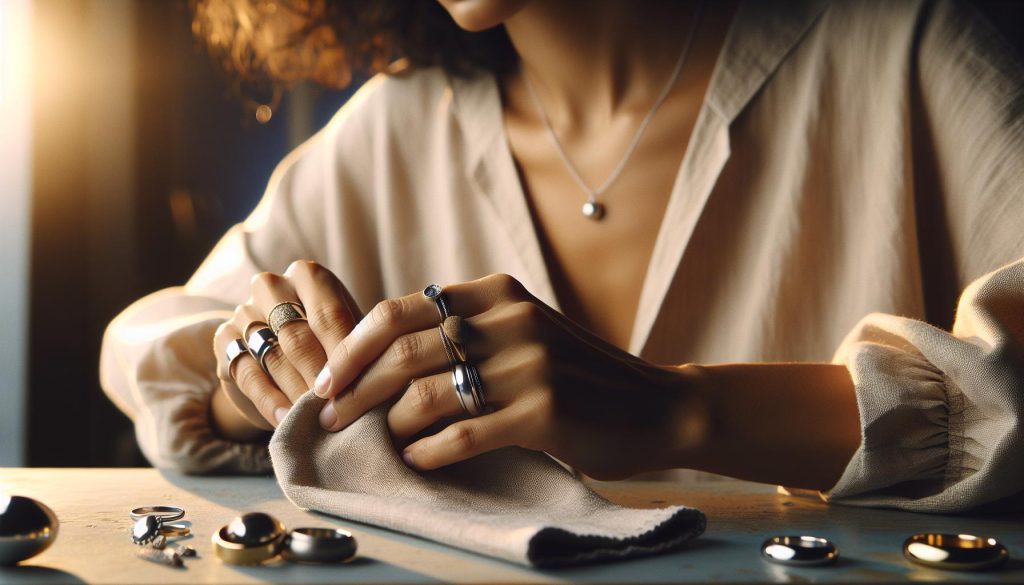
Jewellery can be a cherished investment, yet tarnishing often dims its beauty and lustre. Did you know that certain metals have the unique ability to resist tarnishing, offering a low-maintenance option for your collection? Understanding which jewellery metals stand the test of time not only eases your cleaning routine but also helps you make informed purchasing decisions. Whether you’re a seasoned collector or a budding enthusiast, knowing these options empowers you to choose pieces that will shine brighter for longer. Stay with us as we explore the best low-maintenance jewellery metals that can elevate your style without the constant upkeep.
Which Metals Are Most Tarnish-Resistant?
Certain metals are celebrated for their remarkable resistance to tarnishing, making them ideal choices for low-maintenance jewellery. For instance, platinum stands out as one of the most tarnish-resistant metals. Its dense nature and resistance to oxidation ensure that it retains its luster without much effort. Similarly, sterling silver, when properly alloyed, can be relatively resistant, especially if it undergoes special treatment such as rhodium plating, which gives it a protective coating that inhibits tarnish formation.
Another excellent option is gold, particularly in its higher karat forms. While 24-karat gold is virtually tarnish-proof, even 18-karat gold is significantly less prone to tarnishing compared to silver. Among alternative metals, titanium and stainless steel are becoming increasingly popular due to their incredible durability and low-maintenance nature. They maintain their shine without requiring frequent care, making them perfect for everyday wear.
For those looking to invest in tarnish-resistant jewellery, these metals not only offer practicality but also timeless elegance, ensuring that your pieces remain beautiful with minimal upkeep. When choosing jewellery, consider how each metal’s unique properties can fit into your style and lifestyle-this way, you can wear your pieces with confidence, knowing they’re built to last.
Understanding Tarnishing: Causes and Effects
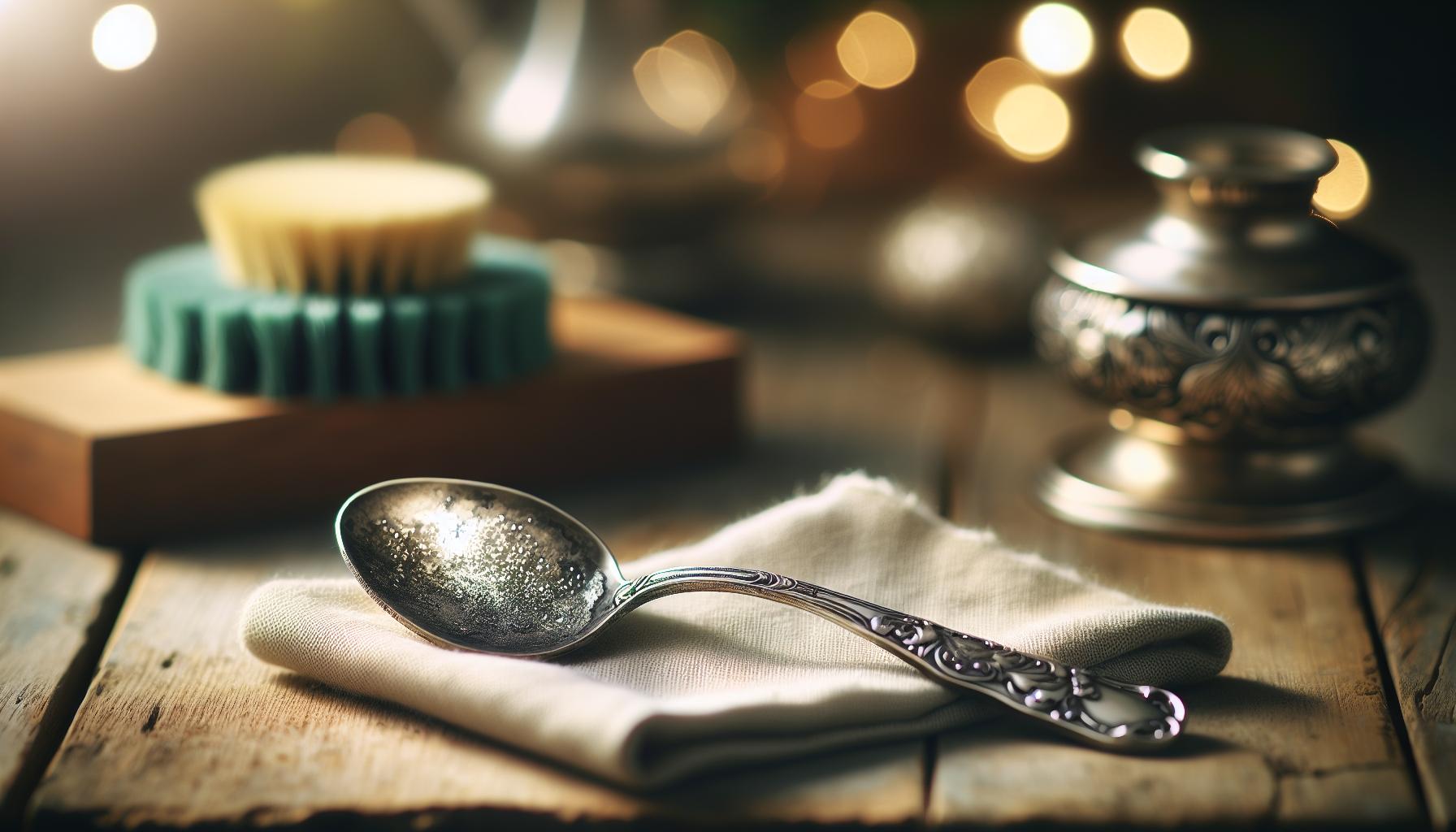
Tarnishing is a natural chemical process that occurs when certain metals react with environmental elements such as oxygen, moisture, and sulfur. This reaction often results in a dull or discolored surface, robbing the metal of its once brilliant luster. For example, sterling silver can tarnish over time, developing a gray or black patina if not properly cared for. The visual effects of tarnishing can be disappointing, especially when it happens to beloved jewelry pieces that carry sentimental value.
The good news is that understanding the underlying causes of tarnishing gives you the power to take proactive measures to protect your jewelry. Metals like gold, particularly in higher karat forms, are less prone to tarnishing due to their non-reactive nature. Thus, knowing which materials are more resistant can help you make informed choices about your jewelry collection. For instance, platinum and titanium are fantastic options for those seeking low-maintenance items because they exhibit remarkable durability and tarnish resistance.
Ultraviolet light, humidity, and exposure to chemicals can accelerate the tarnishing process, so being mindful of these factors can enhance the longevity of your jewelry. When you wear or store your pieces, consider keeping them in a dry, cool place and avoiding exposure to substances such as perfumes or lotions that might cause a chemical response. By taking these simple precautions, you can enjoy your jewelry’s beauty without the frequent worry of tarnishing.
Top Low-Maintenance Jewellery Metals
When it comes to selecting jewelry that stands the test of time-both in terms of aesthetics and maintenance-certain metals shine brightly as superb choices due to their resistance to tarnishing. For anyone looking to reduce the fuss of upkeep while enjoying stunning accessories, knowledge of low-maintenance options is invaluable.
Gold
Gold, especially in higher karat varieties like 18k and 22k, is renowned for its minimal tarnishing tendency. This non-reactive metal resists oxidation, ensuring that your jewelry retains its beautiful shine with little effort. While white gold can develop a slight patina over time due to its rhodium plating wearing off, the underlying gold remains unaffected.
Titanium
Titanium is another fantastic choice, particularly praised for its incredible strength and lightweight nature. This metal does not corrode or tarnish, making it perfect for active lifestyles. Moreover, its hypoallergenic properties make it an excellent option for sensitive skin, while its sleek, modern look adds a contemporary flair to any jewelry collection.
Platinum
Platinum, the king of precious metals, boasts remarkable resistance to tarnishing and scratching. Its density and durability mean that pieces maintain their luster over time, making it a popular choice for engagement rings and fine jewelry. The natural white hue of platinum also complements a variety of gemstones beautifully, adding to its appeal.
Palladium
Lastly, palladium, a member of the platinum group, shares many of the same properties as platinum but at a lighter weight and often lower price. It is exceptionally resistant to tarnishing and hypoallergenic, ensuring that it remains an attractive option for those who want luxury without the worry of deterioration.
By choosing these metals, you can enjoy the beauty of your jewelry with far less concern about maintenance. Whether it’s a sleek titanium band or an exquisite platinum necklace, each low-maintenance metal provides both durability and enduring style, empowering you to wear your pieces confidently both daily and for special occasions.
Comparative Analysis: Tarnish Resistance in Common Metals

When it comes to choosing jewelry that can withstand the test of time and maintain its allure, understanding the tarnish resistance of different metals is essential. While many metals can tarnish over time, some exhibit superior resistance, making them ideal for everyday wear and special occasions alike.
Gold is often the go-to metal for those seeking both beauty and durability. Higher karat gold, such as 18k or 22k, has a rich color and minimal oxidization, ensuring it retains its shine without frequent cleaning. Similarly, sterling silver, while popular, tends to tarnish more readily due to its copper content. To combat this, options like silver plating or rhodium plating can be considered, though these may require eventual reapplication to maintain their luster.
Assessing Tarnish Resistance in Popular Metals
In comparing the resistance of various metals, it’s crucial to recognize their unique attributes:
- Platinum: Known for its unmatched durability, platinum resists tarnishing, chipping, and scratching. This makes it an ideal choice for heirloom pieces that will last generations.
- Titanium: Not only does titanium offer incredible strength, but it is also highly resistant to corrosion and tarnishing. Its lightweight nature and hypoallergenic properties further enhance its desirability.
- Palladium: Similar to platinum but lighter and often more affordable, palladium stands out for its remarkable tarnish resistance and hypoallergenic characteristics, making it perfect for anyone with sensitive skin.
- Stainless Steel: This metal is well-regarded for its toughness and resistance to tarnish and rust. It’s an excellent choice for men’s jewelry and more rugged pieces, blending style with practicality.
- Copper and Brass: Frequently used in fashion jewelry, these metals develop a patina over time, which some may find aesthetically pleasing, but they require more maintenance to keep their original shine.
Understanding the characteristics of these metals enables jewelry enthusiasts to make informed choices that align with their lifestyle and maintenance preferences. For instance, those seeking low-maintenance options may gravitate towards titanium, palladium, or platinum, while collectors who enjoy patinas might explore copper or brass designs. This strategic selection not only preserves the beauty of your pieces but also enhances their longevity, allowing you to appreciate them fully for years to come.
Care Tips for Tarnish-Resistant Metals
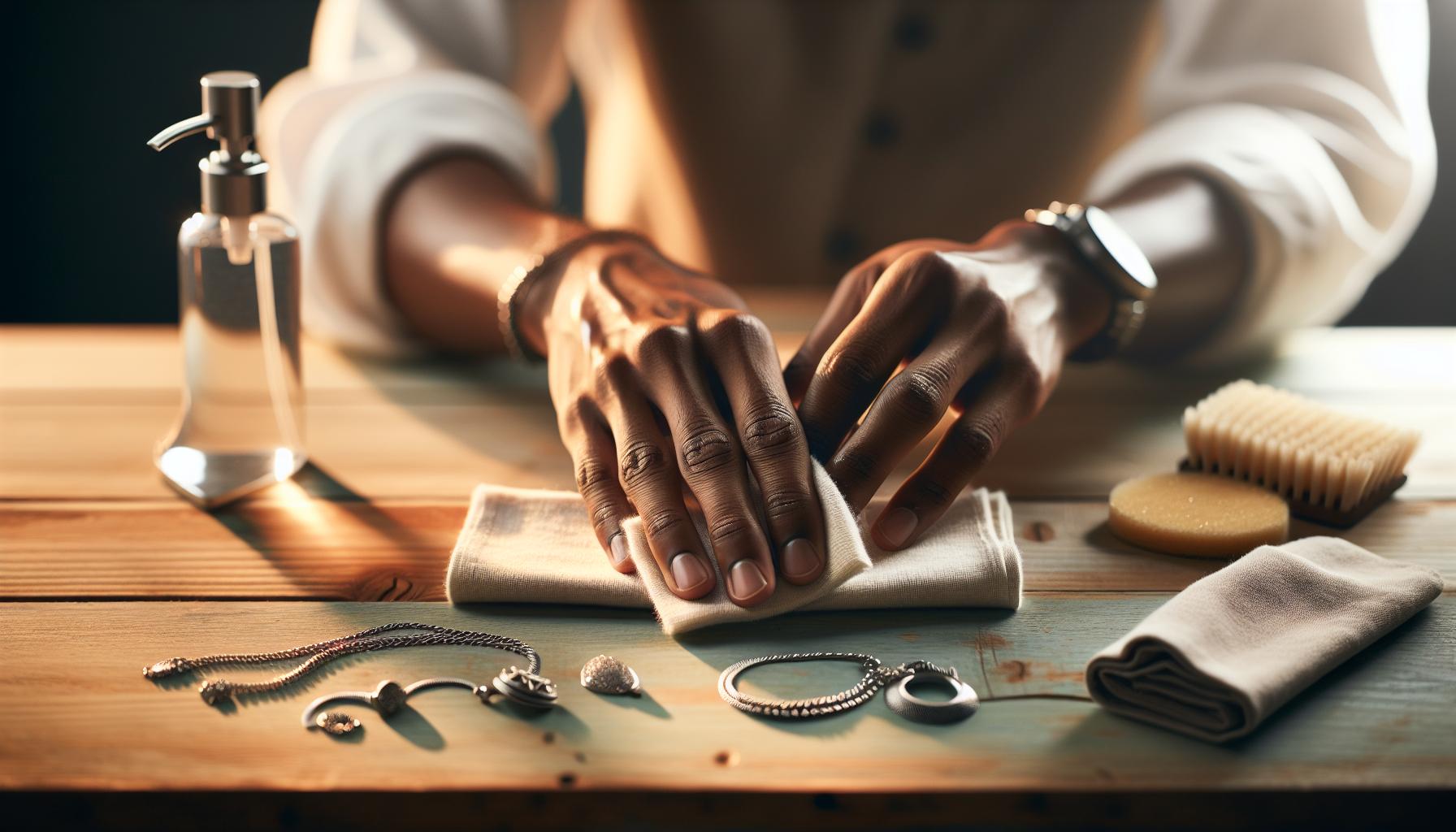
Tarnish-resistant metals are celebrated for their durability and low-maintenance requirements, yet even these robust materials benefit from a bit of care to ensure they shine for years to come. Regular maintenance can help prevent the buildup of dirt and oils, keeping your jewelry looking its best. While metals like platinum, titanium, and stainless steel resist tarnishing naturally, implementing a few straightforward care tips can safeguard their brilliance.
To start, consider using a soft, lint-free cloth to gently wipe your jewelry after each wear. This simple practice removes oils and moisture that can lead to dullness over time. For tougher spots or light tarnish, a mild soap solution is your friend. A mixture of warm water and a few drops of dish soap can be used; just soak the piece for a few minutes, then gently scrub it with a soft brush before rinsing and drying thoroughly.
Storage Matters
How you store your jewelry also plays a crucial role in maintaining its appearance. For instance, keep tarnish-resistant metals away from humidity; a dry, cool environment is ideal. Use anti-tarnish pouches or cloths that are specifically designed to minimize tarnish development, especially for those pieces made from sterling silver or copper, which are more susceptible to tarnishing despite their beauty.
When it comes to wearing your jewelry, remember that exposure to chemicals can diminish its luster. Products like perfumes, lotions, and cleaning agents can negatively impact the surface. It’s wise to put on your jewelry after applying these products and to remove them before engaging in strenuous activities or swimming.
By embedding these care tips into your routine, you can ensure that your tarnish-resistant jewelry remains as stunning as the day you acquired it, allowing you to enjoy your pieces without the constant worry of upkeep. Embrace the beauty of low-maintenance metals and give your collection the longevity it deserves!
DIY Cleaning Solutions for Your Jewellery
Jewelry cleaning doesn’t have to be a mystery fraught with confusion; in fact, some of the most effective cleaning solutions are tucked away in your kitchen. Regular cleaning can keep your tarnish-resistant metals sparkling without the need for expensive commercial products. By utilizing household items, you can ensure your jewelry remains stunning, enhancing its natural shine and allure.
One popular DIY method involves using a simple combination of baking soda and water. Create a paste by mixing three parts baking soda with one part water, then apply it to your jewelry using a soft cloth or a soft-bristled toothbrush. This gentle scrubbing action helps lift grime without scratching the surface. After cleaning, rinse with warm water and dry with a microfiber cloth to prevent water spots.
Another effective solution utilizes white vinegar and baking soda. Place your tarnished jewelry in a small bowl and cover it with vinegar. After a few minutes, sprinkle a tablespoon of baking soda over the jewelry. The chemical reaction will create bubbles that lift stains and tarnish away. Allow it to sit for a few moments, rinse thoroughly under warm water, and dry completely with a soft cloth.
When dealing with gemstones, be cautious about the cleaning agents you use. A mixture of warm water and a few drops of dish soap is usually safe. Soak the pieces for about 10-15 minutes, and use a soft brush to clean settings and nooks. Rinse well to remove soap residue, and dry gently.
For specific metal types like silver, a more specialized approach involves using toothpaste, which can be surprisingly effective. Apply a small amount to a damp cloth and gently rub the surface of the jewelry. Rinse under warm water and ensure no paste remains, as it can dull the shine if left on. Always remember to handle your pieces with care and test any cleaning solution on a discreet area first.
By regularly employing these DIY solutions, you’ll ensure your jewelry not only resists tarnish but can shine brilliantly, reflecting the love and care you put into maintaining your collection. Embrace these tips to enjoy your beautiful pieces for years to come!
How to Store Jewellery to Prevent Tarnishing
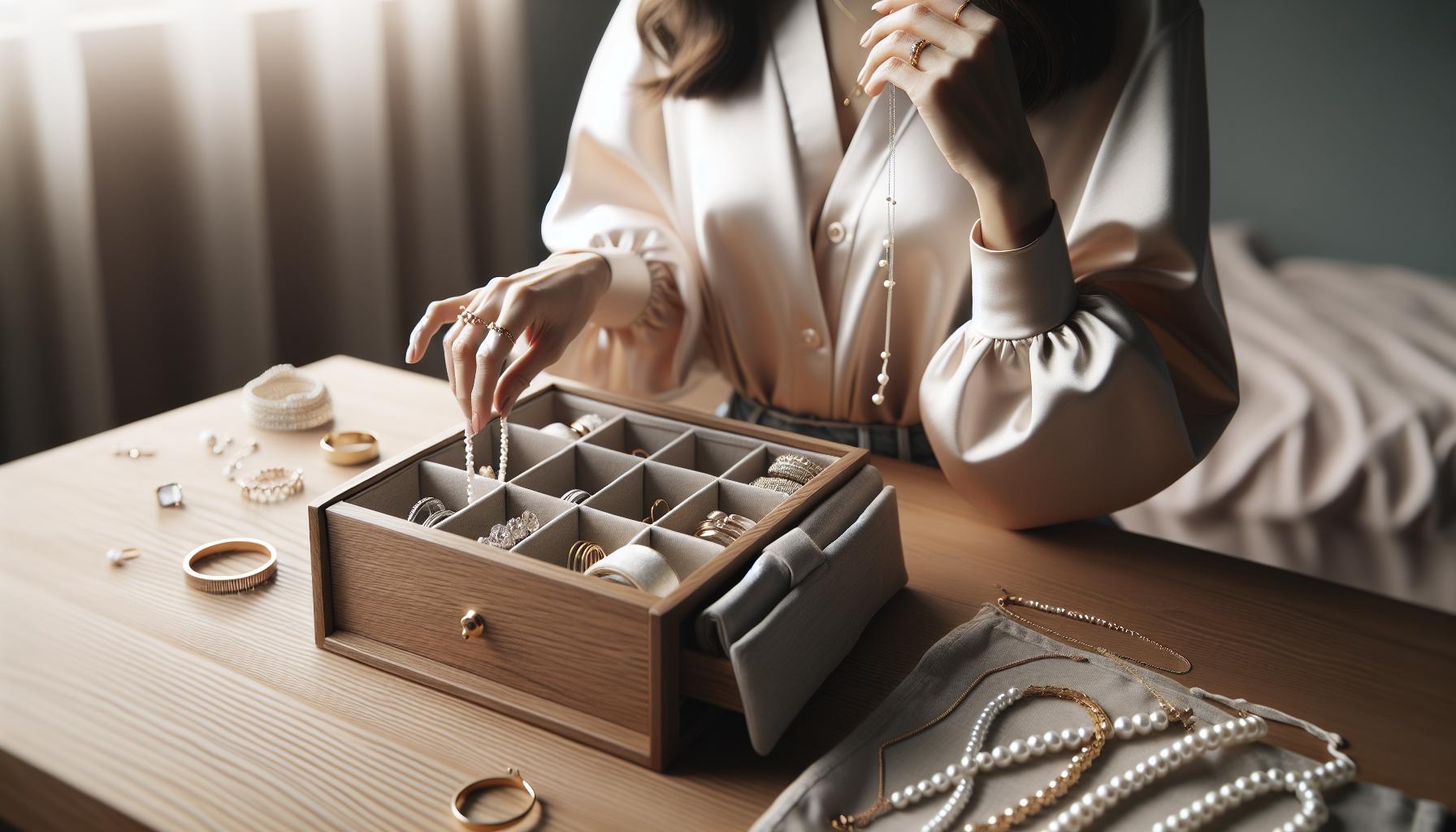
Preventing tarnish is crucial for maintaining the beauty and longevity of your jewelry, especially for those pieces crafted from lower-maintenance metals. One of the most effective strategies is creating the right storage environment that shields your treasures from elements that cause tarnishing.
To start, consider using air-tight containers or pouches lined with anti-tarnish fabric. These specialized materials help absorb moisture and prevent exposure to air, which can lead to oxidation. For more versatile storage options, investing in plastic zip-top bags lined with a cloth can be an effective and budget-friendly method. Just be sure to remove as much air as possible before sealing them, as reducing oxygen exposure can significantly mitigate tarnishing.
Aside from containment, it’s essential to separate different types of metals to avoid cross-tarnishing, which can occur when metals come into contact with one another. Utilize dividers or small jewelry boxes to keep your sterling silver, gold, and tarnish-resistant metals apart. Moreover, adding silica gel packets to your storage can further control humidity levels; just replace them periodically for optimal effectiveness.
When it comes to daily wear, consider secure hooks or storage trays for pieces you frequently use. Keeping these selections in a dry, cool place away from direct sunlight or humidity can extend their shine. Lastly, before storing your jewelry, always clean it gently to remove any oils, dust, or residues that may encourage tarnishing. By observing these practices consistently, you can ensure your jewelry remains as radiant as the day you acquired it.
Identifying Quality: Authenticating Jewellery Metals
To ensure that your jewelry collection sparkles not just in appearance but also in quality, understanding how to authenticate different metals is essential. Whether you’re shopping for new pieces or looking to verify existing items, knowing the signs of genuine materials can prevent costly mistakes and keep your collection tarnish-free.
When inspecting jewelry, look for stamps or hallmarks that indicate the metal’s purity and origin. Common markings include “925” for sterling silver, “750” for 18K gold, or “PT” for platinum. These markings provide assurance of quality, as reputable jewelers adhere to strict guidelines. However, it’s wise to remember that not all quality pieces are stamped, especially vintage or handmade items. In such cases, familiarity with the metal’s characteristics can guide your assessment.
Additionally, you can perform simple tests to gauge authenticity. For instance, conducting a magnet test can help differentiate metals: genuine gold, platinum, and silver are non-magnetic, while certain alloys might be attracted to magnets. Another method is examining the color and texture; higher quality metals tend to have a richer, deeper luster compared to their plated counterparts. If you suspect a piece is gold-plated, scratch or rub it on an inconspicuous area; genuine gold will retain its hue beneath thin coatings that typically reveal a different metal underneath.
Regularly educating oneself on the latest trends in metallurgy and jewelry design can also enhance your ability to identify quality pieces. For instance, many contemporary designers are embracing tarnish-resistant options, such as rhodium-plated silver or stainless steel, which not only suit modern aesthetics but also offer practicality in terms of maintenance. By equipping yourself with this knowledge, you empower your jewelry journey, ensuring each piece you buy is as magnificent as it is authentic.
Trends in Tarnish-Resistant Jewellery Designs
Jewelry enthusiasts today are increasingly drawn to pieces that combine beauty with practicality, leading to a significant rise in the popularity of tarnish-resistant designs. As more people seek low-maintenance options, designers are not just focusing on aesthetics but also considering the durability and longevity of their creations. Modern materials like stainless steel, titanium, and rhodium have emerged as front-runners in the trend toward tarnish-resistant jewelry, providing a sleek, polished finish that stands the test of time while reducing upkeep.
Innovative Materials
The market has seen a surge in the use of metals known for their tarnish resistance. For instance, titanium is celebrated for its exceptional strength and lightweight properties, making it an ideal choice for both contemporary and classic designs. Additionally, rhodium plating on silver pieces not only enhances their shine but also acts as a protective layer that minimizes tarnishing, allowing the wearer to enjoy beautiful jewelry without the frequent need for cleaning.
Environmental Considerations
Another trend shaping the future of tarnish-resistant jewelry is sustainability. Many jewelers are opting for eco-friendly practices by utilizing recycled metals and ethically-sourced materials. This shift towards responsible sourcing resonates with environmentally conscious consumers, allowing them to make stylish choices that reflect their values. Designs often incorporate natural gemstones or lab-created stones that complement the durability of the metals, promoting a holistic approach to jewelry creation.
Personalization and Customization
Customization is also at the forefront of modern jewelry trends. Consumers now seek pieces that reflect their individual style, and many artisans are responding by offering personalized designs using tarnish-resistant materials. From engraved stainless steel bracelets to custom rhodium-plated necklaces, the options are endless. This personalization not only enhances the emotional connection buyers have with their jewelry but also ensures they have pieces that can withstand daily wear without compromising on style.
As these trends continue to evolve, the market for tarnish-resistant jewelry is expanding, offering countless options for individuals looking to express their style without the hassle of regular maintenance. Whether opting for solid, innovative materials or engaging in sustainable practices, the future of jewelry design is bright and resilient.
Affordable Tarnish-Resistant Options for Every Budget
Looking for jewelry that won’t dull or tarnish can feel overwhelming, especially when keeping an eye on your budget. Fortunately, there are plenty of affordable options that don’t sacrifice style for durability. When considering tarnish-resistant metals, you’ll find a variety of choices that cater to every financial commitment without compromising on quality or aesthetics.
One of the most accessible choices is stainless steel, which combines strength and elegance at a fraction of the cost of precious metals. Not only is it resistant to tarnishing and scratching, but it also offers a sleek finish that works well in both casual and formal designs. You can easily find stainless steel bracelets, necklaces, and rings that are versatile enough for daily wear or special occasions.
Another great option is copper, often combined with protective coatings to prevent tarnishing. While pure copper will oxidize over time, treated pieces can keep their shine. Copper jewelry is popular for its unique warmth and vibrant hues, making it an exciting addition to your collection without breaking the bank. Just be mindful to check if the pieces are coated for longevity.
For those seeking a hint of luxury on a budget, rhodium-plated silver can be your go-to choice. The plating provides an excellent protective layer that enhances both the durability and shine of the silver beneath. Products such as earrings and pendants adorned with rhodium plating can be found at various price points, making them an attractive choice for anyone looking to elevate their jewelry game.
Don’t overlook titanium, which, albeit slightly more expensive, is incredibly lightweight, hypoallergenic, and extremely resistant to scratches and tarnishing. Titanium is becoming increasingly popular for wedding bands and other fine jewelry due to its modern appeal and lasting nature.
When shopping for tarnish-resistant options, remember to consider labels and product descriptions carefully, as many manufacturers provide details about the metals used and any protective coatings applied. This awareness can help you make informed decisions while ensuring your jewelry remains beautiful and low-maintenance.
In summary, affordable tarnish-resistant jewelry is readily available, allowing you to enjoy stylish pieces without the constant worry of cleaning or upkeep. Whether you opt for stainless steel, copper, rhodium-plated silver, or titanium, you can find beautiful jewelry that fits both your aesthetic desires and your budget.
Expert Insights on Maintaining Your Jewellery Collection
Taking care of your jewelry collection is not just about aesthetics; it’s an investment in maintaining pieces that can hold significant sentimental or financial value. For jewelry made from tarnish-resistant metals like stainless steel, titanium, and rhodium-plated silver, the maintenance routine is often straightforward, yet a few important practices can enhance longevity and appearance.
Daily Care Tips
To keep your pieces looking their best, it’s crucial to establish a routine that protects them from elements that can cause wear and tarnish. Start by removing jewelry before engaging in activities that may expose it to chemicals, such as swimming in chlorinated pools or using household cleaning products. Additionally, consider applying skincare products and perfumes before putting on your jewelry; this helps minimize chemical exposure that can lead to tarnishing.
Cleaning Made Simple
Cleaning your tarnish-resistant jewelry regularly will not only maintain its luster but also help prevent the buildup of dirt and oils. A gentle wipe with a microfiber cloth after each wear can remove oils and grime. For deeper cleaning, create a simple solution using warm water and mild soap. Soak the pieces for a few minutes, gently scrub with a soft brush, and rinse thoroughly. Avoid harsh chemicals, as they can strip protective coatings, especially on plated pieces.
Smart Storage Solutions
Proper storage is critical in extending the life of your jewelry. Keep pieces separate to avoid scratching and tangling-a jewelry box with compartments or soft pouches works wonders. If your collection includes mixed metals or softer stones, consider using anti-tarnish strips or pouches that help eliminate moisture. A cool, dry place away from sunlight is ideal, as UV rays can affect the integrity of both the metal and any gemstones.
Ultimately, maintaining your jewelry collection is about adopting small habits that can yield significant results. By making informed choices and taking proactive steps, you can ensure that your tarnish-resistant jewelry not only remains beautiful but also retains its value over time. Whether you’re a collector or just beginning your journey, these simple yet effective practices empower you to care for your pieces confidently.
Frequently Asked Questions
Q: What are the best metals for jewelry that resist tarnishing?
A: The best metals for tarnish-resistant jewelry include stainless steel, titanium, and platinum. These metals are known for their durability and resistance to corrosion, making them ideal low-maintenance options. For more details, refer to the section on “Top Low-Maintenance Jewellery Metals.”
Q: How can I prevent my jewelry from tarnishing?
A: To prevent tarnishing, store jewelry in anti-tarnish pouches or boxes and keep it away from humidity. Regularly clean your pieces with a soft cloth and consider using tarnish inhibitors. For more care tips, consult the “Care Tips for Tarnish-Resistant Metals” section.
Q: Why do some metals tarnish while others do not?
A: Metals tarnish due to chemical reactions with air and moisture. Transition metals like copper and silver are more prone to tarnishing, while noble metals like platinum and gold are more resistant. Understanding these differences is covered in the “Understanding Tarnishing: Causes and Effects” section.
Q: Can I use DIY methods to clean tarnished jewelry?
A: Yes, DIY methods such as using a mixture of baking soda and water or white vinegar can effectively clean tarnished jewelry. Apply the solution gently with a soft cloth, but avoid harsh chemicals. Detailed cleaning techniques can be found in the “DIY Cleaning Solutions for Your Jewellery” section.
Q: What should I do if my jewelry starts to tarnish?
A: If your jewelry tarnishes, clean it immediately using suitable cleaning methods like those mentioned above. Regular maintenance and proper storage can help prevent future tarnishing. Check the “How to Store Jewellery to Prevent Tarnishing” section for more tips.
Q: Are there affordable tarnish-resistant jewelry options?
A: Yes, several affordable options include stainless steel and coated jewelry that looks good and resists tarnishing. Many retailers offer budget-conscious selections; explore the “Affordable Tarnish-Resistant Options for Every Budget” section for specific recommendations.
Q: How does the quality of the metal affect tarnishing?
A: Higher-quality metals typically resist tarnishing better due to purer compositions and fewer alloys. Investing in quality pieces can save you maintenance time and keep your jewelry looking newer for longer. Details on identifying quality are discussed in the “Identifying Quality: Authenticating Jewellery Metals” section.
Q: What trends are popular in tarnish-resistant jewelry right now?
A: Trending tarnish-resistant jewelry includes minimalist designs and pieces made from innovative materials like coated metals and ceramic. Stay updated with trends mentioned in the “Trends in Tarnish-Resistant Jewellery Designs” section for inspiration.
Wrapping Up
In summary, choosing the right jewelry metals that resist tarnishing can enhance your collection while minimizing maintenance. From durable stainless steel to rhodium-plated options, these low-maintenance choices give you peace of mind without sacrificing style. Don’t miss the chance to explore more about jewelry care and discover essential tips on keeping your pieces looking their best.
Ready to dive deeper? Check out our guide on DIY jewelry cleaning and styling tips, or learn about the best storage solutions to preserve your treasures. We invite you to subscribe to our newsletter for exclusive insights and offers tailored for jewelry enthusiasts like you! Remember, taking proactive steps today ensures your beloved pieces shine brightly for years to come. Share your thoughts or questions in the comments below-we’d love to hear from you!
Get our latest guides, news, and insights highlighted in your Google Search & AI Overviews.