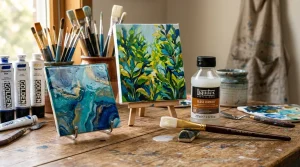
When considering acrylic for your next project, understanding its washability is crucial. Did you know that while acrylic is celebrated for its versatility and durability, it can also pose unique cleaning challenges? This matters because choosing the right materials ensures longevity, especially if you’re investing in items like clothing, accessories, or home decor. As you dive into this article, we’ll explore whether acrylic is indeed washable, the best care methods, and what to look for before making a purchase. By the end, you’ll be empowered to make informed decisions that align with your needs and lifestyle, keeping your acrylic items looking their best.
Is Acrylic Washable? Understanding Acrylic Properties
Acrylic is a popular material in many artistic and practical applications, but understanding its washability is crucial for maintaining its integrity and appearance. This versatile thermoplastic, known for its clarity and scratch resistance, can be either washable or non-washable depending on the formulation and application. Specifically, acrylic paints and sheets have different properties when it comes to washing, which often leads to confusion among users.
When acrylic is used as a paint, it is generally water-soluble when wet, allowing for easy cleanup with soap and water. However, once dried, acrylic paint becomes water-resistant but not entirely waterproof; prolonged exposure to water can lead to damage or degradation. Similarly, acrylic sheets, like those used in display cases or protective surfaces, can withstand water but may lose their sheen or become cloudy if not dried properly after washing. Therefore, it’s vital to understand the specific type of acrylic you’re using and follow appropriate care instructions.
Understanding the differences between washable and non-washable acrylics is also important. Washable acrylic paints are specially formulated for easy removal with water, making them ideal for children or casual projects. Non-washable options, on the other hand, may offer superior durability in artistic applications but require more diligent care to avoid damage. Ultimately, the washability of acrylics hinges on their chemical composition and the context in which they are applied, underscoring the need for careful selection based on your project requirements.
In summary, while acrylic materials can often be cleaned with water, the specifics of their washability depend on their type and use. Familiarizing yourself with these properties not only enhances your experience with acrylics but also ensures your projects stand the test of time.
Why Washability Matters for Acrylic Paints
The ability to wash acrylic paints significantly impacts both the ease of use and the longevity of artwork. A captivating aspect of acrylics is their unique water-soluble properties when wet, which allows artists to enjoy effortless clean-up and manipulation as they create. This inherent washability is crucial, particularly for beginners or those working on time-sensitive projects, as it fosters an environment where creativity can flow without the fear of permanent mistakes. Understanding why washability matters can help artists choose the right products and techniques, enhancing their overall experience with acrylics.
When using washable acrylic paints, artists can easily remove unwanted strokes or mistakes without risking damage to the canvas or the surrounding area. This flexibility empowers creators to explore bold techniques, blend colors, and experiment more freely. Washable acrylics are also ideal for children and educational settings, where the fear of making a mess can stifle creativity. Knowing that paint will wash away with soap and water simplifies the process, allowing for a stress-free artistic journey.
It’s essential to recognize that not all acrylics are created equal regarding washability. Some acrylic paints are designed for durability, maintaining their vibrancy and stability even after drying, but they may not be easily removable. Educational environments often benefit from washable varieties, while seasoned artists might gravitate toward professional-grade paints that offer enhanced adhesion and permanence. By carefully selecting the right type of acrylic and understanding its washability, artists can customize their approach for various projects, ensuring the final results align with their artistic vision.
In summary, the washability of acrylic paints greatly influences artistic expression and technique. By understanding its importance, artists can make informed choices that foster creative exploration while preserving the integrity of their artwork over time. When selecting acrylics, consider your artistic needs and the potential impact of washability on your projects, ultimately leading to more enjoyable and successful artistic experiences.
The Best Techniques for Cleaning Acrylic Surfaces
Acrylic surfaces can be both beautiful and functional, but they require proper care to maintain their clarity and appearance. One of the most appealing aspects of acrylic materials, especially in art, is their ease of cleaning, which is essential for keeping artwork vibrant and surfaces looking fresh. To effectively clean acrylic surfaces and artworks, follow these tried-and-true techniques:
- Soft Cloth Wipe Down: Start by using a soft, lint-free cloth to gently wipe the surface. This method is ideal for removing dust and fingerprints without scratching the acrylic. Microfiber cloths work especially well as they trap dust and grime effectively.
- Gentle Soap Solution: For more stubborn stains or smudges, create a cleaning solution with warm water and a few drops of mild dish soap. Dampen a cloth with this solution, wring it out, and wipe the surface, following up with a rinse using a separate damp cloth to remove soap residue.
- Vinegar Solution: If you face persistent marks, a solution of equal parts white vinegar and water can be used. This natural cleaner not only provides a streak-free shine but is also environmentally friendly. Apply the solution to the cloth instead of directly on the acrylic to avoid oversaturation.
- Rubbing Alcohol for Tough Spots: For tough stains that resist soap, rubbing alcohol can be effective. Dampen a cloth with rubbing alcohol and gently blot (do not rub) the stain until it lifts away. Always test this method on a small, inconspicuous area first to ensure it doesn’t affect the finish.
When cleaning artwork, it’s crucial to handle the acrylic paint delicately. Acrylics are water-soluble while wet, but once dried, they can become quite resilient. Always allow the acrylic to dry thoroughly before attempting to clean any brushes or surfaces to prevent smearing the artwork.
By using these careful techniques, not only will you preserve the beauty of your acrylic surfaces, but you’ll also enhance the longevity of your creations. Embracing these cleaning practices allows for a hassle-free way to enjoy and maintain your artwork, ensuring that your creative endeavors continue to shine brightly.
Common Misconceptions About Acrylic Washability
Many people mistakenly believe that all acrylic materials are not washable or require special handling. In reality, the washability of acrylic depends largely on its specific type and use. For instance, while acrylic paint is water-soluble before it dries, once set, it becomes quite resilient and can be easily cleaned with the right techniques. This distinction is crucial for artists who may be deterred by the assumption that acrylic art is difficult to maintain.
Another common misconception is that cleaning acrylic means using harsh chemicals. In fact, mild soap solutions, vinegar, and even rubbing alcohol can effectively clean acrylic surfaces without causing damage. Many worry that these gentler methods won’t be sufficient, but they often find that simple solutions yield excellent results, preserving both the finish and the brilliance of the acrylic. It’s always advisable to use a soft cloth, like microfiber, which can lift dirt without scratching the surface.
Additionally, some believe that acrylic can withstand any form of cleaning, which can lead to unintentional damage. Using abrasive materials or scrubbing too hard can scratch or dull acrylic surfaces. Understanding that acrylic care requires a gentle touch can help maintain its clarity and beauty longer. Remember, thorough rinsing after using any cleaning solution is key to preventing residue build-up, which can cloud the surface over time.
Ultimately, when investing in acrylic products, whether for artwork or functional uses, it’s essential to understand these misconceptions. By dispelling these myths, users can confidently clean and maintain their acrylic items, enjoying both their functionality and aesthetic appeal without unnecessary worry.
When to Avoid Washing Acrylic Materials
When it comes to maintaining acrylic materials, knowing when to avoid washing them can prevent costly and frustrating damage. Certain situations call for care, enabling you to preserve the integrity and appearance of your acrylic items, whether they are artworks, furniture, or decorative pieces.
For instance, avoid washing acrylic surfaces directly after they have been exposed to heat or sunlight. High temperatures can cause the material to expand; washing them with cold water can result in warping or cracking. Additionally, if you notice any surface imperfections, such as chips or scratches, refrain from washing them. Water can seep into these flaws and potentially worsen the damage or loosen the integrity of the structure.
Moreover, if you’re dealing with acrylic items that are painted or have delicate coatings, such as spray finishes or decorative decals, washing can strip these layers if you’re not careful. In such cases, the use of dry cleaning techniques or soft dusting is often advisable. Always check manufacturer guidelines for specific care instructions, as different treatments may require varying approaches to cleaning.
In environments where acrylic materials are subject to heavy wear, such as high-traffic areas, cleaning may need to be minimized. Overwashing can lead to a loss of luster and accelerate wear, diminishing the aesthetic appeal. Instead, establish a routine that incorporates gentle dusting and spot cleaning as necessary, which will keep your acrylic pieces looking pristine without the risk of harm. By employing these precautions, you can extend the lifespan of your acrylic materials while ensuring they remain visually appealing.
Acrylic Care Tips: Prolonging Lifespan and Appearance
Maintaining the beauty and durability of acrylic products requires just a bit of attention and care. One of the key aspects of preserving acrylic items-be it artworks, furniture, or decorative objects-is understanding the unique properties of acrylic and how they respond to cleaning and environmental conditions. Acrylic is known for its clarity and lightweight strength, making it a popular choice, but it can scratch easily and may not withstand harsh cleaning methods. Hence, adopting the right care techniques is vital for ensuring the longevity of your acrylic pieces.
A few practical steps can significantly enhance the lifespan of acrylic materials:
- Choose the Right Cleaning Tools: Always opt for soft, lint-free cloths or microfiber pads to clean acrylic surfaces. Avoid paper towels and rough materials that can scratch the acrylic.
- Use Mild Cleaning Solutions: When cleaning, use a solution made from a few drops of mild dish soap mixed with warm water. Alternatively, specialized acrylic cleaners are available and can help maintain clarity without damage.
- Avoid Heat and Harsh Chemicals: Keep acrylic away from high temperatures and avoid cleaning products containing ammonia or alcohol, as these can degrade the material over time.
- Regular Maintenance: Establish a routine of gently dusting acrylic surfaces with a soft cloth. This simple habit can prevent the build-up of dirt and grime, which may require more intensive cleaning efforts later.
In doing so, you not only maintain the original appearance of your acrylic items but also enhance their performance in various settings-be it in exhibitions as art displays or around the house as functional décor. By following these straightforward tips, you can enjoy your acrylic pieces for years, ensuring they remain as vibrant and striking as the day you acquired them.
Comparing Washable vs. Non-Washable Acrylics
Acrylic materials come in different formulations, resulting in a distinction between washable and non-washable varieties. This differentiation is essential, especially for artists and consumers who want to maintain the integrity and appearance of their acrylic products. Washable acrylics are designed to withstand repeated cleaning without damage, making them ideal for artworks, furniture, and signage. They typically feature a protective coating that enhances their resistance to water and mild detergents. On the other hand, non-washable acrylics may suffer from discoloration or surface deterioration upon exposure to moisture or harsh cleaners, rendering them less suitable for high-contact applications.
When selecting acrylic products, understanding the environment they will be used in is crucial. For example, washable acrylic paints are specifically formulated to endure cleaning processes, making them perfect for high-traffic artworks or surfaces exposed to oils and dirt. These types often contain additives that enhance their flexibility and adhesion, allowing them to maintain their vibrancy even after cleaning. In contrast, non-washable acrylics might be sufficient for decorative items that seldom require washing but could lead to frustrating maintenance issues due to their vulnerability to environmental factors.
Understanding the labels and product descriptions when purchasing acrylics can significantly impact your long-term satisfaction. Generally, manufacturers will indicate whether their products are washable, often accompanied by care instructions to ensure proper maintenance. For applications like crafts, household items, or display signage, opting for washable acrylic products can save time and effort in upkeep, preserving the aesthetic appeal while ensuring durability over time. Therefore, it is advisable to weigh the pros and cons of each type and match them to your specific needs before making a purchase.
How Acrylic Paint Reacts to Water in Different Contexts
Acrylic paint exhibits fascinating interactions with water, significantly influenced by its formulation and the context in which it’s used. One of the defining features of acrylic paints is their water-soluble nature when wet, allowing for easy application and blending. However, once dried, acrylic forms a waterproof film, a property that varies drastically between washable and non-washable formulations. In artistic practices, understanding these properties is essential for achieving desired effects and ensuring the longevity of the artwork.
In scenarios where acrylic paint is applied to non-porous surfaces, such as glass or metal, the water resistance becomes a pivotal factor. These contexts often allow artists to use water for manipulation techniques without compromising the paint’s integrity. On the other hand, when acrylic is used on absorbent surfaces like canvas or paper, water can alter the paint’s texture until it dries completely. If water is applied during this stage, it may cause unwanted blending or lifting of the base layers, especially in non-washable variants which lack a protective coating.
For artists concerned about the effects of water on their work, especially in mixed media projects, it is crucial to layer carefully and consider how moisture might interact with existing paints. Techniques like glazing can benefit from water, provided it is employed judiciously. Moreover, knowing when to avoid excessive washing or scrubbing is essential, particularly for pieces meant for display in high-humidity areas, where even the best washable acrylics might succumb to damage.
Ultimately, recognizing how acrylic paint reacts to water-both during the application process and after it has dried-empowers artists to make informed choices. This knowledge not only aids in maximizing the durability and appearance of acrylic artworks but also ensures that the right products are chosen for specific applications, ensuring satisfaction in both the short and long term.
Troubleshooting Blemishes: Fixing Accidental Wash Damage
Accidental wash damage can be one of the most frustrating setbacks for artists working with acrylics, particularly when water interacts unexpectedly with a painted surface. While acrylics are celebrated for their resilience, misunderstandings about their washability can lead to undesirable blemishes that disrupt a piece’s integrity. Fortunately, there are straightforward strategies to recover from such mishaps and restore your artwork to its intended glory.
To tackle the aftermath of accidental washing, begin by assessing the situation. If the paint has begun to lift or dissolve, stop applying water immediately. Instead, use a soft cloth to gently dab and absorb any excess moisture without rubbing, which can exacerbate the damage. Next, if the wash damage is localized, consider reapplying the acrylic paint in the affected area. This approach allows you to touch up the blemish while maintaining the overall look of your artwork. For larger areas, lightly blending the new paint into the existing layers can help create a seamless transition.
Repairing Flaws in Finished Pieces
If a completed piece shows signs of discoloration or fading due to inadvertent washing, you might be able to enhance its appearance through a clear acrylic varnish. Applying a thin layer helps protect the paint underneath and can minimize the visibility of flaws. Before proceeding, ensure the paint is fully dried and cured to avoid any further damage. When choosing a varnish, opt for a removable one; this way, if you need to make further adjustments in the future, you won’t have to compromise the underlying artwork.
Remember that prevention is crucial; the best way to avoid wash damage is through careful handling and awareness of environmental conditions. Always allow acrylic paint to cure fully before it comes into contact with water, and utilize protective coatings when appropriate. Maintaining a breathable, controlled environment allows your artwork to flourish and minimizes potential mishaps.
In the unfortunate event that your acrylic work suffers from wash damage, understanding these repair techniques can empower you to restore and care for your art effectively. Taking the time to execute these methods not only repairs your work but also enhances your skill set for future artistic endeavors.
Top Recommended Products for Cleaning Acrylic
To keep acrylic surfaces clean and beautiful, selecting the right cleaning products is crucial. Acrylic, while durable and resistant to shattering, can scratch easily and may discolor if exposed to harsh cleaners. Here are some that will help maintain its clarity and integrity.
Start with a gentle acrylic cleaner, such as Novus Plastic Clean & Shine. This product is specifically formulated for acrylic and other plastics, effectively removing dirt and grime without damaging the surface. Simply spray it on and buff it with a soft, non-abrasive cloth to achieve a streak-free shine.
Another excellent option is Plexus Plastic Cleaner, which not only cleans but also protects acrylic surfaces by forming a barrier against dust and smudges. Its unique formula helps to fill in micro-scratches, further enhancing the appearance of your acrylic pieces. Just use a microfiber cloth to apply it evenly for the best results.
For those looking for an eco-friendly solution, consider a mixture of warm water and a few drops of mild dish soap. This homemade cleaner is effective for light cleaning tasks and won’t harm your acrylic surface. Always ensure to rinse thoroughly and dry the surface gently to avoid leaving soap residue.
Lastly, avoid products containing ammonia, ethyl alcohol, or any abrasive materials, as they can cause serious damage to acrylic. As a best practice, always test any new cleaning product on a small, inconspicuous area before applying it to the entire surface. By using the right cleaning products and techniques, you can keep your acrylic pieces looking pristine and extend their lifespan.
- Novus Plastic Clean & Shine: Ideal for regular cleaning and shine.
- Plexus Plastic Cleaner: Cleans and protects while filling in scratches.
- Homemade solution: Warm water with a few drops of mild dish soap for light cleaning.
Practical Applications of Washable Acrylics in Art
Acrylics are increasingly becoming a favorite medium for artists due to their vibrant colors, versatility, and ease of use. Understanding their washability opens up exciting avenues for creative expression and practical implementation in various art forms. One fascinating aspect of washable acrylics is their adaptability; they can be used on various surfaces like canvas, wood, and even fabric. This broad applicability allows artists to experiment without the constant worry of damaging their work or the materials they use.
When it comes to practical applications, washable acrylics are particularly beneficial for artists who engage in mixed media projects. For instance, artists can layer acrylic paint with other materials like pastels or charcoal without worrying about heavy residues that are difficult to erase. This flexibility fosters a dynamic creative environment where mistakes can be easily corrected and new ideas explored. Moreover, the ease of cleaning up spills and materials makes acrylic paint more inviting for beginners, allowing them to focus on their creativity rather than the cleanup process.
Artistic Projects Utilizing Washable Acrylics
Acrylic paints are incredibly popular for several types of artistic projects, including:
- Canvas Painting: Artists can create stunning landscapes, portraits, and abstract pieces, knowing they can easily clean the brushes and palette.
- Craft Projects: From decorative items to DIY gifts, acrylics can be used to add bright finishes to various materials.
- Textile Art: Special fabric acrylics allow for creations on clothing or bags, making it easy to achieve vibrant designs that can withstand washing.
Additionally, many professional artists emphasize the importance of using quality acrylics that are labeled as washable. These high-quality products not only provide vivid colors but also good flow and coverage. They withstand time on both canvas and wash, ensuring that artworks retain their original beauty even after repeated cleanings. As with any artistic medium, the right tools and materials can significantly influence the final product, so investing in washable acrylics becomes a vital part of an artist’s supply list.
By mastering the use of washable acrylics, artists not only enhance their work but also cultivate a mindset that embraces experimentation and creativity. With simple cleaning techniques and care, the possibilities for vibrant and lasting art are virtually endless.
Final Considerations: Investing in Washable Acrylic Products
Investing in washable acrylic products can significantly elevate your artistic endeavors, ensuring that your creativity unfolds without the stress of permanent stains or tricky clean-up. These paints and materials not only offer a range of colors and finishes but also allow artists, whether beginners or seasoned professionals, to explore their talents with confidence. The ease of cleaning brushes and palettes means you can focus purely on your art rather than tedious maintenance, encouraging spontaneous creativity.
When selecting washable acrylics, look for products specifically labeled as such. These paints are engineered to withstand cleaning while maintaining color integrity and finish. Quality matters; opting for reputable brands can make a noticeable difference in both the vibrancy of your artwork and its durability over time. For instance, professional-grade acrylics often provide superior coverage, which reduces the amount of paint needed and enhances the final look of your project. Furthermore, consider the surface on which you’ll be working. Washable acrylics are highly adaptable, giving you the versatility to use them on canvas, wood, fabric, and more.
Additionally, understanding how to properly care for your materials can extend their lifespan. Wash them promptly after use and store them correctly to prevent any drying or clumping. Consider integrating clear storage solutions that let you quickly see what products you have on hand-this organization can streamline your creative process and make it easier to dive into projects spontaneously.
For practical applications, washable acrylics are invaluable, especially in mixed media or craft projects. They allow for layering without the worry of long-term errors or difficult clean-up tasks. By investing in these products, you’re not only ensuring your artwork looks great but also nurturing a critical aspect of your artistic growth: the freedom to experiment without fear. Ultimately, investing in washable acrylics is an investment in your creative journey, allowing your ideas to flourish while keeping the workshop environment enjoyable and stress-free.
Frequently Asked Questions
Q: Can I wash acrylic fabric?
A: Yes, acrylic fabric is washable, but it requires special care to avoid damage. Use cold water and a gentle detergent. Avoid bleach and high temperatures in the dryer, as they can cause the fibers to shrink or become misshapen.
Q: How do you clean acrylic glass without scratching?
A: To clean acrylic glass, use a soft, lint-free cloth and a mild soap solution or an acrylic-safe cleaner. Avoid abrasive materials and cleaners containing ammonia, as these can scratch the surface. Refer to the section on “The Best Techniques for Cleaning Acrylic Surfaces” in your article for more tips.
Q: Is acrylic paint washable after it dries?
A: Acrylic paint is not washable once it has dried, as it becomes water-resistant. To avoid issues, clean tools and surfaces promptly with water before the paint dries. You can find more information in the section about “How Acrylic Paint Reacts to Water in Different Contexts.”
Q: What happens if acrylic gets wet?
A: Most acrylic materials can withstand water, but prolonged exposure can lead to warping or damage, especially in non-washable variants. For more details, see “When to Avoid Washing Acrylic Materials” in your article.
Q: Can I use regular cleaning products on acrylic surfaces?
A: No, you should avoid regular cleaning products that contain ammonia or solvents, as they can damage acrylic surfaces. Instead, use products specifically designed for acrylic care. Check the “Top Recommended Products for Cleaning Acrylic” section for suggestions.
Q: How can I prevent scratches on my acrylic items?
A: To prevent scratches, handle acrylic items gently and store them in a padded or safe location. When cleaning, always use a soft cloth and avoid abrasive cleaners. See “Acrylic Care Tips: Prolonging Lifespan and Appearance” for more preventive methods.
Q: Are there any acrylics that cannot be washed?
A: Yes, certain types of acrylic, especially those not designed for water exposure, may be non-washable. Look for care instructions from manufacturers. The section on “Comparing Washable vs. Non-Washable Acrylics” in your article provides additional insights.
Q: How do I fix damage on washable acrylic surfaces?
A: Minor scratches on washable acrylic can often be buffed out with a plastic polishing compound. For larger blemishes, consider using a specialized acrylic repair kit. The article’s section on “Troubleshooting Blemishes: Fixing Accidental Wash Damage” offers more detailed instructions.
Final Thoughts
As you dive deeper into the world of acrylic, understanding its washable nature is just the beginning! Armed with the knowledge from “Is Acrylic Washable? Everything You Must Know Before Buying,” you can confidently choose the right products for your needs. Whether you’re looking for versatile materials for DIY projects, jewelry, or home decor, knowing how to care for your acrylic pieces is key to their longevity.
Ready to explore more? Check out our guides on effective jewelry care, tips for cleaning metals and gems, and DIY tutorials that will inspire your next project. Don’t forget to subscribe to our newsletter for the latest insights and exclusive content tailored for jewelry enthusiasts like you! Share your thoughts and experiences in the comments below, and let’s keep the conversation going. Your journey with acrylic just got more exciting-let’s continue to create and style with confidence!
Get our latest guides, news, and insights highlighted in your Google Search & AI Overviews.