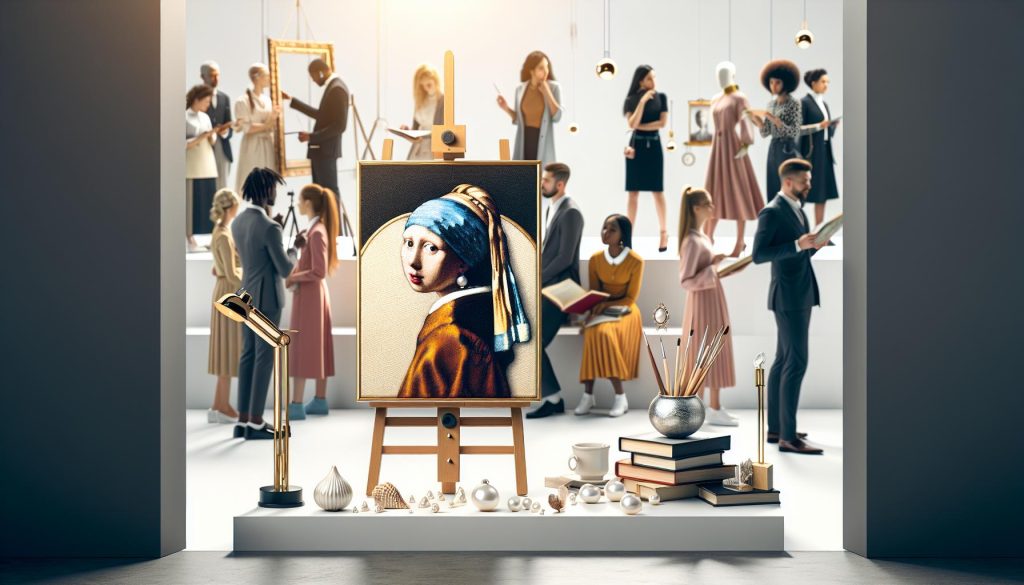
The enchanting “Girl with a Pearl Earring,” painted by Johannes Vermeer in the 17th century, continues to captivate audiences with its mysterious aura and stunning beauty. Often referred to as the ‘Mona Lisa of the North,’ this exquisite artwork raises questions about identity and emotion, drawing viewers into a world of intrigue. Understanding the history and artistry behind this masterpiece not only deepens our appreciation for Vermeer’s technique but also enhances our connection to the art world. Whether you’re an art enthusiast eager to learn more about influential artists or a casual observer contemplating the meaning behind this iconic image, exploring the themes and context of this painting will inspire your own artistic journey. Join us as we unravel the fascinating story behind “Who Painted the Girl with the Pearl Earring?” and discover the remarkable legacy of one of history’s greatest artists.
Who Painted the Girl with the Pearl Earring?
Johannes Vermeer, a master of light and color, is the renowned artist who painted “Girl with a Pearl Earring,” often referred to as the “Mona Lisa of the North.” This captivating oil painting, created around 1665, is a hallmark of the Dutch Golden Age and exemplifies Vermeer’s meticulous attention to detail and innovative use of light. Vermeer, who lived in Delft, Netherlands, produced a relatively small body of work-approximately 36 paintings-yet his compositions have had a lasting impact on art history, largely due to their striking realism and emotional depth.
The “Girl with a Pearl Earring” stands out not just for its exquisite depiction of the young girl wearing a turban and a large pearl earring, but also for the enigmatic expression that seems to draw viewers into her world. Vermeer’s ability to capture the subtleties of human expression is profound, and this painting invites endless interpretation and debate regarding the girl’s identity and story. An intriguing aspect of Vermeer’s technique includes the use of layered glazes, which enhances the luminosity of the pearl earring and the texture of the girl’s skin, making the image remarkably lifelike.
Vermeer’s legacy is further accentuated by the cultural fascination surrounding this artwork, which has appeared in countless exhibitions and inspired modern interpretations in various media, from films to novels. As you explore the rich narrative woven through “Girl with a Pearl Earring,” you’ll uncover not just the talents of its creator but also the broader artistic innovations of the 17th century that shaped Dutch painting and influenced artists for generations.
The Life and Times of Johannes Vermeer
Johannes Vermeer, born in 1632 in Delft, is celebrated as one of the most significant artists of the Dutch Golden Age. His life and career were shaped by the rich cultural and economic landscape of the Netherlands during the 17th century, a time when art flourished and the middle class emerged as a substantial patron of the arts. Vermeer, who was part of a large family and lived a relatively private life, was not only a painter but also worked as an art dealer, providing him with financial stability and exposure to the works of other artists.
Despite being responsible for only about 36 paintings, Vermeer’s meticulous approach to composition and his mastery of light and color set him apart from his contemporaries. His works often feature domestic interiors and intimate moments, reflecting the daily lives of ordinary people, which resonated deeply with the viewers of his time. The influence of the burgeoning bourgeoisie can be observed in the themes of his paintings, which celebrate quiet moments of domestic life, rather than grand historical or religious scenes common in the works of previous eras.
Vermeer’s artistic technique was characterized by an innovative use of light and a refined color palette. He often employed a method called “camera obscura” to create accurate perspectives and a sense of depth in his work. This technique allowed him to capture the subtle interplay of light and shadow, making his subjects almost glow with a lifelike quality. In paintings like “Girl with a Pearl Earring,” Vermeer achieved a remarkable realism that invites viewers to engage with the depicted scene on a personal level.
As Vermeer navigated through the complexities of life as an artist and a businessman, he faced challenges, including financial difficulties and a lack of recognition during his lifetime. It was not until centuries later that his works gained widespread acclaim, cementing his status as a master of portraiture and genre painting. Today, Vermeer is revered not only for his artistic contributions but also for the intimate glimpse he provides into the life and culture of 17th-century Holland through his enchanting visual narratives.
Understanding the Painting’s Iconography
The painting’s captivating allure lies not just in its aesthetically pleasing composition but also in the rich layers of meaning and symbolism embedded within it. At first glance, “Girl with a Pearl Earring” appears to depict a young woman in an exotic dress and wearing an extravagant earring. However, the image invites deeper contemplation about identity, presence, and the transient nature of beauty. The pearl, a focal point of the painting, often symbolizes purity and innocence but can also suggest wisdom and wealth, especially in the context of 17th-century Dutch society.
One of the most striking elements is the girl’s enigmatic expression, which seems to dance between allure and introspection, drawing viewers into a silent dialogue. This air of mystery encourages diverse interpretations, leading some art historians to consider this figure as a symbol of the feminine ideal during Vermeer’s time. Her direct gaze challenges viewers, prompting them to reflect on their perceptions and the nature of their engagement with the artwork. Such engagement marks a significant aspect of Vermeer’s artistry-his ability to create a bridge between the viewer’s world and the intimate realm of his subjects.
The combination of color and light in this piece serves as a powerful visual language. The dark background accentuates the figure and her attire, while the illumination highlights the curves of her face, enhancing the lifelike quality that Vermeer is known for. The golden hue on her face and the play of light on her pearl earring create a dynamic interplay that suggests warmth and realism. This thoughtful approach not only emphasizes the beauty of the subject but also invites contemplation on the fleeting nature of youth and beauty itself.
In , it’s essential to consider the broader context of 17th-century Dutch art, which was heavily influenced by the burgeoning bourgeoisie. The focus on domesticity, individuality, and the natural world in art reflected the values and aspirations of a rising middle class. Vermeer’s work, particularly this iconic piece, encapsulates these themes, representing both the physical beauty of the subject and the deeper societal currents of his time. The girl’s attire, the earring, and her position within the frame collectively evoke a sense of story-a narrative that continues to resonate and inspire centuries later, paralleling the exploration of identity and expression in today’s society.
Exploring the Techniques Used by Vermeer
The meticulous techniques employed by Johannes Vermeer in his iconic painting, “Girl with a Pearl Earring,” set him apart as a master of the Dutch Golden Age. Vermeer’s approach to creating this piece is a fascinating blend of artistry and scientific understanding, particularly evident in his use of color, light, and composition that many contemporary artists seek to emulate today.
One of Vermeer’s most defining techniques is his chiaroscuro, the striking contrast between light and dark that enhances the three-dimensionality of his subjects. In “Girl with a Pearl Earring,” the girl’s face is bathed in soft light, which not only accentuates her features but also imbues the painting with an ethereal quality. This careful manipulation of light enhances the depth of the subject’s expression, allowing her enigmatic gaze to resonate more profoundly with the viewer. The recessed dark backdrop serves to frame the girl and draws attention to the brilliant highlights on her earring and the smoothness of her skin.
Vermeer was also known for his innovative use of color, often employing glazing techniques that involve layering translucent paint to achieve luminosity. In the case of the pearl earring, this method allows the light to refract in a way that feels almost tangible, lending the earring its signature gleam. This approach not only showcases the decorative quality of the jewelry but also suggests themes of wealth and status during the 17th century.
Additionally, Vermeer meticulously composed his pieces, employing a single-source light that creates a cohesive and unified feeling throughout the work. This technique is particularly effective in creating a sense of intimacy and immediacy, as if the viewer is witnessing a fleeting moment in time. The simple yet assertive pose of the girl, with her head turned slightly over her shoulder, invites the viewer into her world while simultaneously maintaining a touch of mystery.
As Vermeer’s techniques evolved, they set a new benchmark in the arts that influenced generations. His ability to combine technical precision with emotional depth allows “Girl with a Pearl Earring” not only to be an exemplary piece of art but also a conversation starter about the role of light, color, and composition in conveying deeper meanings in portraiture. For those interested in expanding their own artistic practices, studying Vermeer’s methods offers invaluable insights into creating intimate and compelling works of art.
The Mystery of the Girl with the Pearl Earring
The identity of the girl depicted in “Girl with a Pearl Earring” has captivated art enthusiasts and historians alike for centuries, sparking endless speculation and intrigue. Known simply as the “Mona Lisa of the North,” this painting evokes curiosity not only with its stunning artistry but also with the enigmatic expression of the young woman. Was she a model, a relative, or perhaps a figment of Vermeer’s imagination? The lack of definitive details surrounding her identity fuels the painting’s mystery, inviting viewers to engage with it on a deeply personal level.
Scholars propose various theories regarding the girl’s identity, with many suggesting she could be a servant or neighbor from Vermeer’s household. Others posit that the girl is a composite of features from multiple individuals, transformed into an idealized version by Vermeer’s masterful hand. This ambiguity allows viewers from all walks of life to project their interpretations and personal connections onto the artwork, making it timeless and universally relatable.
The painting’s strikingly simple yet bold composition further accentuates this mystery. The direct gaze of the girl, paired with her exotic attire and the luminous pearl earring, creates an intimate dialogue between the subject and the observer. This engagement is powerfully enhanced by the painting’s use of light, which not only highlights her facial features but also enhances the jewel’s luster-a detail that invites admiration and speculation about its significance. What does the pearl represent? Is it a symbol of purity and innocence, or does it suggest opulence and status? The answers remain just as elusive as the identity of the sitter.
The ongoing allure of “Girl with a Pearl Earring” also lies in its ability to transcend time and cultural boundaries. As contemporary artists and critics revisit Vermeer’s work, the painting continues to challenge perceptions of femininity, beauty, and identity in art. This exploration keeps the conversation alive, as new interpretations shed light on the complexities of the human experience encapsulated within this world-renowned masterpiece.
Historical Context: Art in the 17th Century
The 17th century was a transformative period for art, particularly in the Netherlands, where the rise of capitalism created a burgeoning middle class with a growing appetite for visual culture. In this vibrant environment, artists like Johannes Vermeer thrived, producing works that reflected the complexities and nuances of domestic life. This era, often referred to as the Dutch Golden Age, saw a departure from religious subjects to a focus on everyday scenes, portraits, and still lifes, emphasizing accessibility and the beauty of the ordinary.
During this time, the use of light and texture became essential elements of art, a shift largely influenced by the scientific explorations of optics and color theory. Vermeer, in particular, expertly manipulated natural light in his paintings, creating luminous depth and subtle gradations that brought his subjects to life. This revolutionary technique not only enhanced the visual appeal of his work but also conveyed interior emotions and connections, evidenced in creations like the renowned “Girl with a Pearl Earring.”
Furthermore, the cultural context of the 17th century allowed for an increased appreciation of domestic interiors, particularly in the burgeoning urban centers of Amsterdam and Delft. Paintings like Vermeer’s captured more than mere likeness; they invited viewers into intimate moments filled with psychological complexity. This interplay between art and daily life resonated deeply with collectors who sought to populate their homes with representations of the tranquility and beauty of their own experiences.
The 17th century was rife with innovation not just in technique but also in subject matter, influencing not only contemporary artists but also shaping the course of Western art history. Vermeer’s impact can be seen in modern interpretations of intimacy, representation, and the use of light, solidifying his legacy as a master of the genre and a pivotal figure in the evolution of visual art. This period’s artistic advancements and shifting societal norms laid the groundwork for future explorations in realism and portrayal, marking a definitive evolution in how art interacted with everyday life.
Influence of Girl with the Pearl Earring on Modern Art
The enigmatic beauty of the “Girl with a Pearl Earring” has transcended centuries, impacting modern art and culture in profound ways. This iconic painting by Johannes Vermeer has inspired a resurgence in appreciation for the subtlety and emotional depth found in portraiture, encouraging contemporary artists to explore themes of intimacy, identity, and the quiet moments of domestic life. Its influence resonates not only in visual arts but also in literature, film, and fashion, making Vermeer’s work a touchstone for creativity and innovation.
One notable aspect of this painting’s legacy is the revitalization of soft realism in modern art. Contemporary artists often draw on Vermeer’s masterful use of light and color, aiming to evoke emotional responses akin to those inspired by “Girl with a Pearl Earring.” The painting’s ability to capture a fleeting moment, inviting viewers into a personal space, has provided a model for artists seeking to create relatable, immersive experiences. This approach resonates in numerous modern genres, from hyperrealism to intimate photography, where the essence of the soul is portrayed with sincerity and depth.
In addition, the painting has significantly crossed into popular culture, becoming a symbol of art’s accessibility and relevance. Films like “Girl with a Pearl Earring,” which dramatize both the life of Vermeer and the painting’s creation, have rekindled interest not only in Vermeer’s works but also in the artistry of the 17th century. This intersection of art and media illustrates how “Girl with a Pearl Earring” serves as a bridge connecting historical art to contemporary experiences, prompting dialogue about artistry and representation in today’s context.
The painting’s influence extends into the realm of jewelry as well, encapsulating the delicate beauty and elegance of pearl accessories. Fashion designers frequently reference its aesthetics in their collections, emphasizing classic beauty infused with a modern twist. Thus, the reverberations of Vermeer’s masterpiece continue to inspire both artists and artisans, reflecting the timeless allure of his work while inviting fresh interpretations that speak to today’s audience.
Comparing Vermeer’s Works: Themes and Styles
The subtle intricacies of Johannes Vermeer’s artistry deserve a closer examination, particularly when considering the themes and styles that define his oeuvre. Among the 34 known paintings attributed to him, each work showcases a distinctive approach that merges light, color, and narrative. One of the most striking features of Vermeer’s style is his masterful handling of light, which not only illuminates his subjects but also invokes emotion and atmosphere. In “Girl with a Pearl Earring,” the soft interplay of light on the girl’s face highlights her expression and depth, a technique Vermeer employs consistently across his body of work.
Recurring Themes in Vermeer’s Art
Vermeer often explored domestic life and intimate moments, creating an engaging dialogue between the viewer and the depicted scene. His works commonly feature women engaged in everyday activities, emphasizing their individuality and storytelling potential. Pieces such as “The Milkmaid” and “The Art of Painting” invite viewers to invest in the nuances of domesticity, underscoring themes of labor, creativity, and the beauty of routine. The psychological depth in Vermeer’s paintings encourages a personal connection, compelling viewers to consider the narratives behind each figure.
Stylistic Innovations
Stylistically, Vermeer’s use of color is notable-his palette often comprises vibrant blues and warm yellows, which not only define the visual quality of his work but also enhance the narrative tone. He meticulously layered paint to achieve the soft, natural textures evident in fabrics and skin tones. This technique elevates ordinary subjects to a level of sophistication, drawing the viewer into a contemplative space. Moreover, Vermeer’s use of perspective and composition creates a sense of intimacy; the viewer feels as if they’ve stumbled upon a private moment.
In comparing “Girl with a Pearl Earring” with other works, one can see how Vermeer transforms simple scenes into profound narratives through his unique lens, effectively inviting audiences to engage with complex emotional landscapes. This technique of storytelling through visual means not only solidifies Vermeer’s legacy as a master of the Dutch Golden Age but also continues to influence artists today, encouraging them to strive for a similar emotional depth in their own paintings.
The Role of Light in Vermeer’s Artistry
The breathtaking manipulation of light in Vermeer’s paintings is nothing short of extraordinary, serving as a defining characteristic of his artistic brilliance. In “Girl with a Pearl Earring,” the gentle glow cast upon the girl’s face not only enhances her ethereal beauty but also creates an emotional atmosphere, drawing viewers into her world. Vermeer expertly utilized natural light to create depth, dimension, and a sense of intimacy, transforming simple subjects into profound statements about the human experience. The strategic play of light and shadow in his works elevates them beyond mere images, inviting viewers to engage with the emotional undertones embedded in each scene.
Vermeer’s fascination with light extended beyond mere observation; it shaped his entire approach to painting. His technique involved layering transparent glazes to achieve luminosity, allowing light to penetrate and reflect off the canvas, much like the way it interacts with real-world objects. This meticulous layering creates a sense of radiance around his figures, particularly in the depiction of skin tones and fabric textures. The interplay between light and color not only enhances the visual appeal but also adds a layer of complexity, as different lighting conditions can evoke varying moods. For artists and art enthusiasts alike, understanding these techniques can inspire a deeper appreciation for how light influences not just Vermeer’s work, but the art of painting as a whole.
Additionally, Vermeer’s composition harmonizes perfectly with his use of light. He often placed his subjects near windows or other light sources, allowing for a naturalistic quality that feels both spontaneous and deliberate. This choice not only highlights the subjects but also gives viewers a glimpse into the serene domestic spaces of 17th-century life. Observing how Vermeer handles light can inform aspiring artists about the importance of light in their compositions, suggesting that the right use of illumination can transform a mundane scene into a captivating narrative.
In essence, is a testament to his genius. It serves not just as a tool for creating visual beauty, but as a vital component of storytelling and emotional expression in art. For those looking to deepen their understanding of oil painting or portraiture, studying Vermeer’s techniques offers invaluable lessons in crafting nuanced narratives through the smart application of light.
Notable Exhibitions of the Girl with the Pearl Earring
The “Girl with a Pearl Earring” has not only captivated the hearts of art lovers but has also been a centerpiece in many prominent exhibitions around the world. This iconic painting by Johannes Vermeer has traveled extensively, allowing audiences across different cultures and time periods to engage with its beauty and complexity. Notable exhibitions have often highlighted not just the painting itself but also Vermeer’s unique artistry, his methods, and his influence on subsequent generations of artists.
One of the most significant exhibitions dedicated to this masterpiece was held at the Mauritshuis Museum in The Hague, Netherlands. The museum, which houses the painting, organized a special celebration in 2014 to mark its 350th anniversary. The exhibit featured extensive research into Vermeer’s technique and displayed works from other artists influenced by him, creating a dialogue between the old and the new. Visitors were able to immerse themselves in an atmosphere of art history, exploring how the painting fits into the broader narrative of 17th-century Dutch art.
Beyond The Hague, the painting made a memorable appearance in New York City during a traveling exhibition titled “Vermeer, Rembrandt, and Hals: Dutch Paintings from the Mauritshuis.” This event not only brought together some of the finest works of Dutch masters but allowed “Girl with a Pearl Earring” to shine alongside renowned pieces from illustrious artists. Such exhibitions underscore the painting’s cultural significance and its role as a touchstone for discussions on beauty, artistry, and the varying contexts of art.
Exhibition Highlights
- Mauritshuis, The Hague – Celebrated the painting’s 350th anniversary in 2014.
- The Frick Collection, New York – Featured in “Vermeer, Rembrandt, and Hals,” showcasing Dutch masterpieces.
- National Gallery of Art, Washington D.C. – Included in various thematic exhibitions focusing on light and color in art.
These exhibitions serve a profound purpose: they educate the public about Vermeer’s techniques and the historical context of his work while sparking new conversations about the role of art in society. Each showcase brings together scholars, artists, and curious viewers, making the experience not just about viewing art but engaging with it on multiple levels, ensuring that the legacy of “Girl with a Pearl Earring” continues to inspire future generations.
Cultural Impact and Legacy of the Artwork
The profound cultural impact and legacy of this iconic painting extend far beyond its canvas, making it a vital piece in not just Dutch art history, but in global artistic expression. “Girl with a Pearl Earring,” often simply referred to as the “Mona Lisa of the North,” has inspired literature, film, and modern fashion, serving as a bridge between the 17th century and contemporary culture. Its allure lies in its mysterious subject, flawless technique, and Vermeer’s masterful manipulation of light, all contributing to a legacy that resonates with art enthusiasts and casual viewers alike.
From novels to feature films, the narrative surrounding the girl in the painting has been explored in various creative formats. Tracy Chevalier’s historical novel, “Girl with a Pearl Earring,” published in 1999, sheds light on the imagined life of the model and the context in which Vermeer worked. This literary exploration was subsequently adapted into a film, further cementing the painting’s fascination in popular culture. The artwork also serves as a symbol of beauty and intrigue, drawing scholarly discussion on identity and representation-an aspect that continues to engage academics and artists today.
To appreciate the legacy further, one cannot overlook its influence on modern art and design. The imagery of the girl adorned with her pearl earring has permeated fashion and jewelry, becoming an archetype that inspires contemporary designers and artisans. Brands often reference the painting in advertising campaigns and product designs, showcasing how its elegance and sophistication resonate with modern aesthetics. The painting’s ability to evoke a dialogue about art, femininity, and cultural heritage ensures that it remains relevant, continuing to inspire new generations of artists and collectors.
As we delve into the cultural narrative shaped by the “Girl with a Pearl Earring,” it becomes evident that Vermeer’s piece is not just a fleeting moment captured in time, but a foundational work that continues to inspire, provoke discussion, and foster appreciation for art across varying societies and eras. Through exhibitions and educational outreach, the painting encourages a deeper understanding of visual art’s power to connect, convey emotion, and challenge perceptions, ensuring that its legacy is not just preserved, but celebrated continually.
Discovering the Art of Portraiture in Dutch Painting
The mastery of portraiture in Dutch painting reached remarkable heights during the 17th century, a period often referred to as the Dutch Golden Age. Among the artisans of this vibrant era, Johannes Vermeer stands out, particularly with his iconic work, Girl with a Pearl Earring. This painting encapsulates the essence of Dutch portraiture, characterized by intimate glimpses into the lives, emotions, and identities of ordinary people. As Vermeer approached portraiture, he transcended mere representation, inviting viewers into a dialogue with the subject.
Portraits during this time were not just about the people painted; they revealed much about societal norms, class distinctions, and individual identity. Artists often portrayed their subjects with meticulous attention to detail and a unique understanding of light that brought life to their images. Vermeer’s use of light, for instance, enhanced the textures of fabrics and the subtle expressions on subjects’ faces, fostering a connection with the viewer. The technique he utilized, known as chiaroscuro, allowed for dramatic contrasts between light and darkness, emphasizing the subject’s features and creating depth in the image.
Moreover, the significance of accessories in Dutch portraiture cannot be overlooked. The pearl earring worn by the girl in Vermeer’s painting symbolizes wealth and status while simultaneously serving as a focal point that draws the viewer’s eye. This interplay between jewelry and identity is a testament to how personal adornments in Dutch art reflect broader themes of beauty and societal roles. The careful depiction of clothing, jewelry, and objects in the background often provided clues to the viewer about the subject’s life and their standing within the community.
The impact of Dutch portraiture extends beyond its era; it has influenced countless artists and movements that followed. The emphasis on realism, emotional connection, and the meticulous detailing of fabric and light paved the way for future artistic exploration. Today, the appreciation for Dutch portraiture, especially the works of Vermeer, invites new audiences to discover the rich narratives woven into each painted face, underscoring the enduring power of art to reflect and shape human experience.
Frequently asked questions
Q: Who is the subject of “Girl with a Pearl Earring”?
A: The identity of the girl in “Girl with a Pearl Earring” is not definitively known, but she is often believed to be a model from Vermeer’s household or a local girl. Some theories suggest she may be a maid or even a relative of the artist. Discover more about her potential identity in the article.
Q: When was “Girl with a Pearl Earring” painted?
A: “Girl with a Pearl Earring” was created around 1665, during the Dutch Golden Age. This period significantly influenced Vermeer’s unique style and subject choices. For a deeper understanding of this era, see the section on Historical Context in the article.
Q: What techniques did Vermeer use in “Girl with a Pearl Earring”?
A: Vermeer employed techniques such as chiaroscuro, which contrasts light and shadow, and a distinctive use of color that enhances depth. His meticulous layering of paint adds vividness to the painting. Explore more about Vermeer’s techniques in the dedicated section of the article.
Q: Why is “Girl with a Pearl Earring” considered a masterpiece?
A: “Girl with a Pearl Earring” is regarded as a masterpiece due to Vermeer’s exceptional ability to capture light, texture, and emotion within a simple yet compelling composition. The painting’s ambiguity and the subject’s direct gaze also contribute to its allure. Learn about its cultural impact in the article.
Q: What is the significance of the pearl earring in the painting?
A: The pearl earring symbolizes beauty and wealth, adding a touch of intrigue to the painting. It serves as the focal point that draws attention to the model’s face, reflecting light in a striking manner. For insights on the painting’s iconography, refer to the article.
Q: Has “Girl with a Pearl Earring” been featured in films or literature?
A: Yes, “Girl with a Pearl Earring” inspired the 2003 film of the same name, which explores a fictional narrative behind the painting. The film deepens the public’s appreciation of Vermeer’s artistry and the painting’s story. Discover notable exhibitions in the article for more context.
Q: How did “Girl with a Pearl Earring” influence modern art?
A: “Girl with a Pearl Earring” has influenced modern art by inspiring countless artists with its enigmatic representation and innovative use of light. Its legacy persists in contemporary artworks that echo Vermeer’s themes. Check the article’s section on its influence for detailed examples.
Q: Where is “Girl with a Pearl Earring” currently located?
A: “Girl with a Pearl Earring” is currently housed in the Mauritshuis museum in The Hague, Netherlands. It remains one of the most celebrated attractions for visitors, allowing an intimate view of Vermeer’s technique. For insights into its cultural legacy, see the article.
Insights and Conclusions
Thank you for diving into the captivating world of “Who Painted the Girl with the Pearl Earring? Art History Facts.” Remember, understanding the story behind this masterpiece enriches your appreciation of art and its timeless beauty. If you’re intrigued by more art history gems, check out our pieces on other iconic paintings and the artists who created them. Don’t miss our tips on how to care for your own art collection and insights into starting your journey as an art collector.
Ready to deepen your knowledge? Sign up for our newsletter for more engaging content and exclusive insights. We’d love to hear your thoughts-leave a comment below or share this with fellow art enthusiasts. Every click and share fuels our passion to bring more art history and care tips straight to you. Let’s keep exploring the extraordinary together!
Get our latest guides, news, and insights highlighted in your Google Search & AI Overviews.