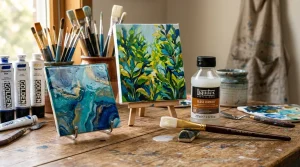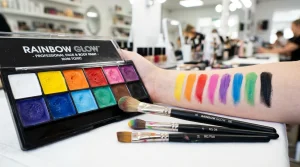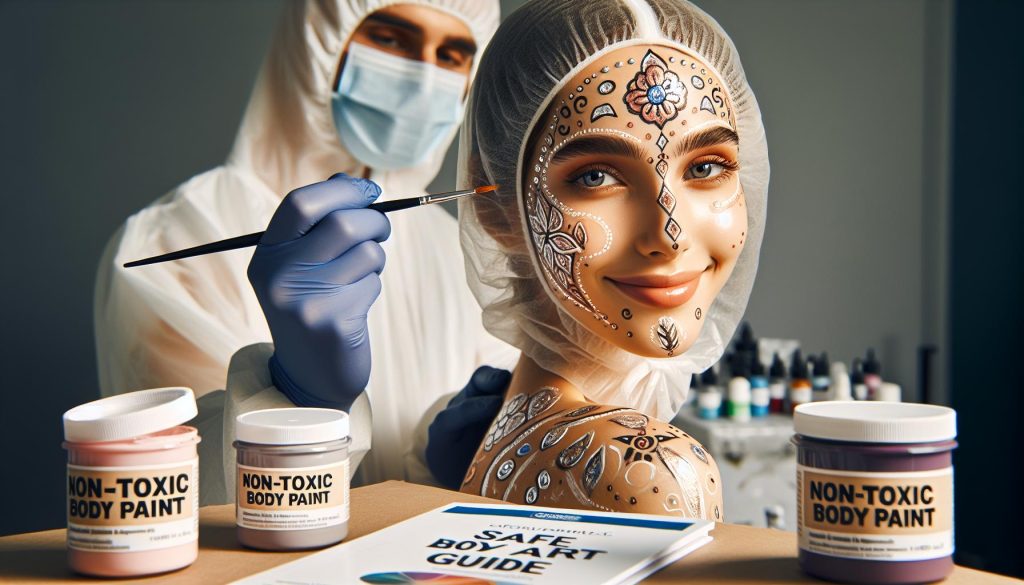
Acrylic paint is a versatile medium widely used in art, but when it comes to applying it to your skin, safety becomes paramount. Many people enjoy body art and face painting, yet concerns often arise about the types of materials that are safe for skin application. This guide explores whether acrylic paint can be used on the face, addressing potential risks and offering safer alternatives. Understanding these factors is essential for anyone looking to create striking designs while ensuring skin safety. Join us as we delve into the important considerations, tips, and best practices for enjoying body art without compromising your health. Whether you’re a budding artist or planning a festive event, this guide will equip you with the knowledge needed for safe and creative expression on your skin.
Can You Use Acrylic Paint on Skin Safely?
Using acrylic paint on skin might initially seem like a creative choice for body art, but it comes with significant health risks that cannot be ignored. Acrylic paints are formulated for use on surfaces like canvas and wood and contain pigments and chemical additives that can lead to skin irritation or allergic reactions. Despite their vibrant colors, they are not designed for human skin and can potentially cause harmful effects, especially if applied over large areas or left on for extended periods.
If you’re considering body art, it’s crucial to understand that while some people use acrylic paints for face and body designs, it’s essential to opt for artist-grade brands that are labeled as non-toxic. However, the safest approach is to use products specifically designed for skin application, like body paints or face paints that comply with safety regulations. These products are formulated to be skin-friendly and reduce the likelihood of adverse reactions, making them a much better alternative for creative expression on the skin.
Before applying any product, conducting a patch test is always advisable. Apply a small amount of the paint to a less sensitive area of the skin and wait 24 hours to check for any adverse reactions, such as rashes or irritation. Taking such precautions can help ensure a safer experience while exploring your artistic side.
Understanding the Risks of Acrylic Paint on Skin
Using acrylic paint as a medium for body art can be an enticing prospect, especially for its vibrant colors and accessibility. However, the reality behind the allure is a precarious landscape of health risks that deserve careful consideration. Acrylic paints, while versatile for traditional art forms, are crafted with a variety of chemicals, including pigments, binders, and additives that can provoke allergic reactions or irritations when applied to skin. These substances are designed for durability on surfaces like canvases or wood, not for the sensitive textures of human dermis.
When contemplating the use of acrylic paint on skin, it’s essential to acknowledge that such actions could lead to adverse skin reactions, particularly in individuals with sensitive skin or allergies. Symptoms might range from mild irritation and redness to more severe reactions such as blistering or systemic allergic responses. Due to their water resistance, acrylics can also become difficult to remove once dried, increasing the potential for prolonged exposure to these harmful substances. This risk is especially pertinent when large areas of skin are painted or when the paint is left on for extended periods.
To minimize risks, consider these essential steps:
- Select non-toxic artist-grade acrylics: If acrylic paints are to be used, opt for high-quality, non-toxic brands specifically marked for safety, though this is still not the recommended choice.
- Conduct a patch test: Testing a small area of skin before larger applications is crucial. Wait 24 hours to ensure no adverse reactions occur.
- Limit coverage: Avoid applying paint to sensitive areas or using it on broken or irritated skin.
Engaging in body art with acrylic paint is fraught with risks that suggest the need for more skin-friendly alternatives. The key is to prioritize products specifically designed for skin application-like body and face paints-which adhere to stringent safety regulations and are formulated with skin health in mind. Keeping informed about these risks empowers artists and enthusiasts to explore creative facial art safely while maintaining their health and well-being.
Choosing the Right Acrylic Paint for Body Art
To create vibrant and imaginative body art, choosing the right type of acrylic paint can make all the difference. While acrylic paints promise rich colors and versatility, they are generally not designed for use on skin, and many formulations can actually pose risks to your health. Understanding how to select appropriate acrylic options is crucial for anyone interested in exploring body art safely.
When contemplating acrylic for skin application, it’s essential to prioritize non-toxic artist-grade products. Look for paints explicitly labeled as non-toxic and safe for skin use; ensure they’re free from harmful chemicals like phthalates and heavy metals. Brands that produce body-safe acrylic paint often provide detailed ingredient lists to help consumers make informed choices. You should also pay attention to whether the paint is water-based or oil-based, as water-based options are usually easier to remove and less likely to irritate the skin.
Performing a patch test before applying larger designs is another vital step in the selection process. By applying a small amount of paint to a less visible skin area and waiting 24 hours, you can check for any adverse reactions. This precaution helps ensure that the chosen paint won’t result in rashes or allergic responses during your body art applications.
Ultimately, while acrylic paints can be enticing due to their availability and affordability, opting for specialized face and body paints might be a better alternative. These products are specifically formulated for skin contact, ensuring safety without compromising creativity. By making an informed choice, you empower yourself to engage in body art practices that celebrate artistry while prioritizing skin health.
Essential Techniques for Applying Acrylic Paint
When diving into the world of body art, mastering the application techniques of acrylic paint can significantly enhance your artistic expression. Whether you’re experimenting with fun designs for a party or creating a statement piece for an event, knowing how to effectively apply acrylic paint to skin can help you achieve vibrant and lasting results.
To begin, prepping the skin is essential. Start with a clean and dry surface; wash the area with mild soap and water, then gently exfoliate to remove dead skin cells. This ensures better adhesion of the paint and longevity of your artwork. Next, consider applying a primer or barrier cream specifically designed for face and body paint. This is particularly important if you’re using products that are not explicitly designed for skin; it helps to create a protective layer, reducing the risk of irritation.
Choosing the right tools is equally crucial. Use a variety of brushes and sponges to achieve different effects. Firm, flat brushes work well for bold lines and solid color fills, while soft, round brushes can create intricate details. Sponges are excellent for covering larger areas and achieving a soft blend of colors. When applying paint, consider using a light tapping motion with a sponge or brush to avoid streaks and ensure an even coverage.
Don’t forget about layering! Acrylic paint is often highly pigmented, which allows you to build depth and richness in your designs. Start with a base color and allow it to dry completely before adding additional layers or details. For highlights or finishing touches, opaque or metallic colors can add a stunning visual impact.
Finally, sealing your artwork is a wise choice to help protect it from smudging or washing off. Look for a body-safe sealing spray or light coating that won’t harm your skin. Regular care and attention to these application techniques will enable you to create beautiful and lasting body art while keeping skin safety in mind.
How to Safely Remove Acrylic Paint from Skin
To effectively and safely remove acrylic paint from the skin, it’s essential to act quickly after application. Acrylic paints, while vibrant and durable on surfaces, can be stubborn when it comes to removal from skin. Here are some effective strategies to help you clean up without causing irritation.
First, start with warm soapy water. Use a mild soap or body wash to lather up your hands and gently scrub the area where the paint has been applied. Warm water helps to loosen the paint, making it easier to remove. Be sure to keep your scrubbing gentle to avoid irritating your skin. If the paint is particularly stubborn, a soft washcloth can offer extra abrasion without being too harsh.
Use of Oil-Based Products
If soapy water doesn’t do the trick, you might consider oil-based products such as baby oil, olive oil, or coconut oil. Apply a small amount to a cotton ball or soft cloth, and gently rub it on the painted skin. Oils can break down the acrylic paint more effectively than soap alone. After the paint starts to loosen, wash the area again with soap and water to remove any oily residue.
Commercial Products
For those persistent areas, commercial paint removers that are specifically designed for skin can be used. Look for products labeled as safe for body use, ensuring they are dermatologically tested. Follow the instructions on the packaging carefully to avoid any potential skin reactions.
Final Steps
Once the paint is removed, rinse your skin thoroughly and apply a moisturizing lotion or cream. This helps to replenish any moisture that might have been stripped away during the cleaning process. Remember to always patch test any product you plan to use on your skin, especially after applying paint.
With these methods, you can efficiently remove acrylic paint while keeping your skin healthy and irritation-free. Whether for an event, a costume, or creative expression, knowing how to remove paint safely is just as vital as applying it.
Alternatives to Acrylic Paint for Face Art
When it comes to face art, the need for vibrant color and skin safety is paramount. While acrylic paint may deliver stunning visuals, there are many other options crafted specifically for use on skin that can prove to be safer and more suitable for face painting. Understanding these alternatives can enhance your creative endeavors while ensuring skin health.
One of the best choices for face art is face paint. This specially formulated product is designed for easy application and removal and is generally non-toxic and hypoallergenic. Brands like Snazaroo and Wolfe FX offer a wide range of colors that can match any creative vision. These paints not only adhere well to the skin but also wash off easily with warm, soapy water, making clean-up a breeze.
Another excellent option is body-safe makeup, which includes products like water-based makeup and cosmetic-grade pigments. These products are often designed for application on sensitive skin, including the face. They offer vibrant colors and can be blended easily, allowing for creative designs. Consider using products such as cream blush, liquid eyeliner, or even eyeshadow as accents in your face art.
Beyond traditional paint, consider the artistry of temporary tattoos. These stickers can provide intricate designs without the mess associated with paints and are safe for all skin types. They are perfect for events where you want to avoid the hassle of application and removal, as they typically stay intact until you choose to remove them.
For those interested in a DIY approach, natural pigments made from ingredients like beet juice, turmeric, or activated charcoal can be fun alternatives. These materials not only offer a natural palette but also reduce the risk of skin irritation. However, when using homemade face paints, it is crucial to conduct a patch test to ensure that no allergic reactions occur.
In summary, while acrylic paint may seem appealing for its vibrancy, options designed specifically for face art provide the safety and ease necessary for skin applications. From face paints to cosmetic-grade products and even DIY solutions, you can explore many avenues to create stunning and safe body art.
Tips for Long-lasting and Vibrant Face Paint
Creating face art that is not only visually stunning but also long-lasting can transform any occasion into a vibrant celebration. A few careful preparations and techniques can ensure that your face paint remains vivid and intact throughout the event. Here are some essential tips to help achieve that perfect look.
Start with a clean, dry canvas. Before applying any paint, cleanse the skin to remove oils and dirt. This helps the paint adhere better and last longer. A light application of a primer designed for skin (or a simple moisturizer) can also create a smoother base that helps the paint to stick and reduces cracking.
Next, when choosing your pigments, opt for high-quality facial products specifically designed for body art. These formulations are made to be more durable and comfortable on the skin than regular paints, significantly improving wear time and vibrancy. Look for paints labeled as water-based or hypoallergenic, as these are typically better for sensitive skin types and still offer bold hues.
For enhanced longevity, consider setting your paint with a translucent powder after application. This step is often overlooked but can drastically improve resilience against sweat and movement. A light dusting of powder can seal the pigments, preventing them from smudging and making your design last even through dancing and outdoor activities.
Additionally, use layers to your advantage. Instead of trying to achieve full opacity in one coat, apply multiple thin layers of paint, allowing each coat to dry before adding the next. This not only builds a more vibrant color but also enhances durability, as thick blobs of paint are more likely to crack or wear off.
Finally, remember the significance of touch-ups. Carry a small kit with your primary colors and a brush for quick fixes throughout the day. This way, you can maintain the vibrancy of your artwork with ease, ensuring that your face paint looks fantastic from start to finish.
Incorporating these practices is a great way to ensure that your face paint remains stunning and durable, allowing you to enjoy your event without worrying about your look fading or smudging. With the right approach, your face art can truly shine!
Exploring the Health Effects of Acrylic Paint on Skin
Using acrylic paint for body art raises important health considerations that every artist and enthusiast should keep in mind. While acrylic paints are widely used in various art forms due to their vibrant colors and ease of application, the skin’s sensitivity necessitates a cautious approach. There are potential risks associated with skin application, and understanding these effects can help in making informed decisions about their use.
Acrylic paints are primarily designed for use on surfaces like canvas, wood, and paper, not skin. Although some people may use them for face painting or body art in a pinch, they can contain chemicals that might irritate the skin or cause allergic reactions. Ingredients such as additives, solvents, and pigments can lead to issues like rashes, redness, or other dermatological reactions, especially for sensitive individuals or children. It’s crucial to perform a patch test on a small area of skin prior to full application to check for any adverse reactions.
If you decide to proceed with acrylics, consider the potential long-term effects. Prolonged exposure can lead to dryness, irritation, or even more severe allergic responses. Additionally, if the paint gets into the eyes or mouth, it can cause further complications. Hence, it is essential to use products labeled as non-toxic and to opt for brands that are specifically marked as safe for skin contact, if available. Always have a plan in place for immediate removal should any irritation occur.
In sum, while acrylic paint can produce beautiful designs when used on skin, it carries several health risks that should not be overlooked. Prioritizing safety involves choosing the right products, performing patch tests, and being prepared for safe removal if necessary. For those seeking creative expression through body art, exploring specialized products designed for skin application might be a more suitable and safer alternative.
Legal Considerations for Body Art with Acrylics
Using acrylic paint on skin poses not only health risks but also legal considerations that should be taken into account. As many artists and enthusiasts dive into the world of body art, awareness of regulations and safety standards governing such practices is essential to avoid potential legal woes.
As regulations vary widely by location, individuals engaging in body painting with acrylics must familiarize themselves with local laws. Many regions require artists to adhere to specific health and safety codes. For instance, if you are planning to paint at events or festivals, you may need to procure permits, especially if you are offering your services to the public. Failure to comply with such regulations can result in fines or other legal penalties.
Additionally, liability issues should be a primary concern. If an individual experiences an adverse reaction to acrylic paint-whether a rash, allergic reaction, or more severe health issue-it could lead to liability claims against the artist. To mitigate this risk, consider requiring clients to sign a waiver or acknowledgment form that outlines potential risks associated with using acrylic paint on the skin. This proactive measure serves to inform clients and protect you legally.
Importantly, using products that are specifically formulated and labeled for skin application is not only safer but can also help insulate you from legal troubles. Many face and body paints on the market comply with regulatory standards for skin safety, making them a preferable choice over traditional acrylics. In summary, understanding the legal landscape surrounding body art with acrylics is crucial for both safety and compliance. Prioritizing proper protocols not only creates a safer environment but fosters a more professional relationship with clients.
Cleaning and Caring for Skin After Face Painting
After enjoying a vibrant face painting session, caring for your skin afterward is crucial to maintain its health and prevent irritation. Acrylic paint can be stubborn, but with the right techniques, you can effectively clean your skin and nourish it afterward. Always approach the removal process gently to avoid causing any unnecessary stress to your skin.
To begin with, a gentle makeup remover or an oil-based cleanser is ideal for breaking down acrylic paint. Apply the remover on a cotton pad and softly dab it on the painted areas. This method allows the remover to break through the paint without harsh scrubbing, which can irritate the skin. If you don’t have these products on hand, olive oil or coconut oil can serve as effective alternatives; simply apply them to the paint and let them sit for a few minutes before wiping away.
Once the paint is removed, it’s vital to cleanse your skin thoroughly with mild soap and warm water to rid the area of any residue from the remover. Pat your skin dry with a clean towel, rather than rubbing it, to prevent irritation. Follow up with a soothing moisturizer to rehydrate and calm your skin, as acrylic paints can be drying. Look for moisturizers that contain calming ingredients like aloe vera or chamomile to help soothe any potential redness or discomfort.
Finally, pay attention to how your skin reacts after face painting. If you notice any signs of irritation, such as redness or itching, applying a fragrance-free hydrocortisone cream can offer relief. Always remember to perform a patch test with any new product you plan to use on your face in the future to safeguard against allergic reactions. By adopting these simple yet effective cleaning and care routines, you can enjoy creative body art while keeping your skin healthy and happy.
Trends in Acrylic Face Art: Inspiration and Ideas
Face art using acrylic paints has surged in popularity, showcasing creativity and self-expression in ways that captivate audiences. As trends evolve rapidly, staying informed on popular ideas can inspire your next body art project. From intricate designs to striking color combinations, acrylic face art offers endless possibilities.
One of the most exciting trends is the incorporation of geometric patterns and abstract art into face painting. Artists are moving away from traditional representations and exploring shapes, lines, and color fields that create a modern aesthetic. This style not only looks striking but also allows for a more playful and experimental approach. Consider using metallic and neon colors to enhance vibrancy and make your designs pop under the right lighting.
Another trend that has gained traction is nature-inspired art, bringing elements like flowers, vines, and animal prints to life on the face. Floral designs, especially, resonate well, as they evoke feelings of freshness and whimsy. Artists often use multiple shades to create depth and dimension, making the artwork more dynamic. Incorporating textures, such as mimicking the appearance of feathers or fur, adds another layer of intrigue.
Additionally, the rise of theme-based face painting-such as seasonal or cultural themes-has opened up opportunities for creative expression. People often embrace artwork that reflects holidays, festivities, or even popular movies and characters. For instance, Halloween brings out intricate pumpkin designs or spooky creatures, while other celebrations may highlight traditional motifs. Collaborating aesthetic elements like glitter, rhinestones, or gemstone placements can elevate these themes further, adding a touch of glamour.
Lastly, engaging in collaborative and interactive face art, where multiple artists work on a single canvas (the human face), is becoming increasingly popular at festivals and events. This trend encourages creativity through teamwork and offers spectators a living masterpiece. It invites viewers to participate in the creative process, making face art a captivating experience.
By staying attuned to these trends, you can enhance your face painting skills while expressing your unique style. Whether experimenting with bold designs or opting for elegant themes, acrylic face art serves as a vivid canvas to showcase your creativity.
Resources for Safe Body Art Practices
While the allure of face art using acrylic paints can be tempting, ensuring safety should be your top priority. Understanding the best practices can make all the difference in your body art experience. A vital resource include guidelines from dermatology associations, which often publish articles on safe skin practices related to body art. For instance, always look for paints specifically formulated for skin to minimize the risk of allergic reactions.
Choosing Non-toxic Products
To ensure a safe application, opt for acrylic paints labeled “non-toxic.” Brands that specifically cater to body art usually carry formulations that are safer for skin contact. Some alternatives like face paints and body glitter are designed with skin safety in mind and can often be found at craft stores or online. When you’re purchasing, read labels thoroughly and look for certifications from organizations like ASTM and EN71, which signify compliance with safety standards.
Preparation and Patch Testing
Before diving into larger artworks, conduct a patch test on a small area of skin, such as the wrist or behind the ear. Apply a bit of the paint and wait for 24 hours to check for any adverse reactions like redness or itching. This is a simple yet crucial step that could prevent discomfort during your creative project. Additionally, keeping the skin clean and moisturized helps create a better canvas and can further reduce the risk of irritation.
Aftercare Practices
Post-application care is as important as the application process. Keep the painted area clean and avoid scrubbing it harshly during removal. For safe removal, use a gentle soap or a makeup remover designed for sensitive skin instead of harsh cleansers, which can irritate. Be mindful to hydrate the skin after removal using a fragrance-free moisturizer, ensuring it remains nourished and unbroken.
By utilizing reputable resources and adhering to these safety practices, you can enjoy the creative expression of body art while prioritizing your skin’s well-being. Keep these tips in mind, and let your creativity shine with confidence!
Frequently Asked Questions
Q: Is it safe to use acrylic paint on the face for body art?
A: No, acrylic paint is not safe for use on the face. While some might use it for temporary designs, it can cause skin irritations and allergic reactions. Always opt for products designed specifically for skin, such as body paints or face paints, which are non-toxic and hypoallergenic.
Q: What are the health risks of using acrylic paint on skin?
A: The health risks include skin irritations, allergic reactions, and potential toxicity from inhaling fumes. Acrylics are not formulated for skin contact, and prolonged use can lead to rashes or infections. It’s crucial to choose body-safe alternatives for face painting.
Q: How can I safely remove acrylic paint from skin?
A: To safely remove acrylic paint from your skin, use a combination of warm water, soap, and baby oil or coconut oil. Gently rub the area until the paint loosens, then rinse thoroughly. Be careful to avoid scrubbing too hard to prevent skin damage.
Q: What are the best alternatives to acrylic paint for face painting?
A: The best alternatives include specially formulated face paints, body paints, and cosmetic-grade makeup. These products are designed for skin use, ensuring safety and easier removal. Look for brands that are non-toxic and suitable for sensitive skin.
Q: Can acrylic paint cause allergic reactions when used on the skin?
A: Yes, acrylic paint can cause allergic reactions. Ingredients in acrylics may irritate the skin, leading to redness, itching, and swelling. Always conduct a patch test on a small area before applying any product more broadly.
Q: How long does acrylic paint last on the skin?
A: Acrylic paint can last several hours on the skin, but it’s not durable for long-term wear. It can crack and peel over time, especially when exposed to moisture. For long-lasting designs, use body-safe paints that are specifically designed for skin.
Q: What should I do if I experience irritation from acrylic paint?
A: If you experience irritation from acrylic paint, immediately wash the area with mild soap and water. If irritation persists or worsens, seek medical advice. Over-the-counter hydrocortisone cream may help relieve minor irritation, but consult a doctor for severe reactions.
Q: Are there any legal considerations for using acrylics in body art?
A: Yes, there are legal considerations for using acrylics for body art, especially in professional settings. Because acrylics are not regulated for skin use, artists can face liability issues. Always check local regulations and opt for approved skin-safe products to avoid legal complications.
Future Outlook
Now that you’re equipped with the knowledge about using acrylic paint safely on your face, it’s time to unleash your creativity while keeping your skin healthy. Remember, always conduct a patch test and choose high-quality, skin-safe products to ensure a fun and safe body art experience. If you’re looking for more tips on DIY body art or alternative face paints, be sure to check out our guide on “Best Practices for Safe Face Painting” and explore our article on “Essential Tools for Creative Body Art.”
Don’t hesitate to share your thoughts or experiences in the comments below, and consider signing up for our newsletter for more expert tips delivered right to your inbox. Your next creative adventure starts here-explore our site to discover more about safe application techniques and exciting DIY projects! Let’s keep the artistic conversation going, and remember, your best art starts with informed choices!
Get our latest guides, news, and insights highlighted in your Google Search & AI Overviews.