Keeping your jewelry sparkling and pristine is essential, not just for aesthetics but also for preserving its value over time. However, the question often arises: what liquid should you use in a jewelry cleaner? With countless products on the market, choosing a safe and effective solution can be overwhelming. The right cleaning solution can enhance the lifespan of your beloved pieces while ensuring they shine like new. Whether you’re a seasoned collector or just starting out, understanding how to properly care for your jewelry is crucial. Join us as we explore safe and effective options for cleaning your treasures, ensuring they remain a source of joy and beauty in your collection.
What Makes a Jewellery Cleaner Effective?
Effective jewelry cleaners are formulated with specific ingredients that enhance the cleaning process while ensuring safety for a variety of materials. A key factor in the effectiveness of a cleaner is its ability to break down oils, dirt, and tarnish without causing damage to the jewelry itself. Cleaners that include surfactants are particularly beneficial; they lower the surface tension of water, allowing it to penetrate and lift away impurities more efficiently. Additionally, pH-balanced formulations help maintain the integrity of sensitive materials, providing a gentle yet effective cleaning action.
When selecting or crafting a jewelry cleaner, it’s important to consider the type of jewelry being cleaned. For example, jewelry containing gemstones can require different care than metals alone. Solutions that include citric acid or baking soda can be effective for cleaning gold and silver, but the same may not apply for delicate stones such as opals or pearls. Thus, understanding the material composition of your jewelry allows you to choose or make a cleaner that effectively addresses specific cleaning needs while preserving the beauty and longevity of each piece.
Ultimately, a successful jewelry cleaner harmonizes powerful cleaning agents with gentle protective qualities. Whether opting for a commercial solution or a DIY alternative, it is crucial to ensure that the cleaners used are free from harsh chemicals that can strip finishes or damage delicate settings. Regularly assessing the state of your cleaning solutions and maintaining a clear understanding of your jewelry’s material composition ensures your collection stays as radiant as it deserves to be.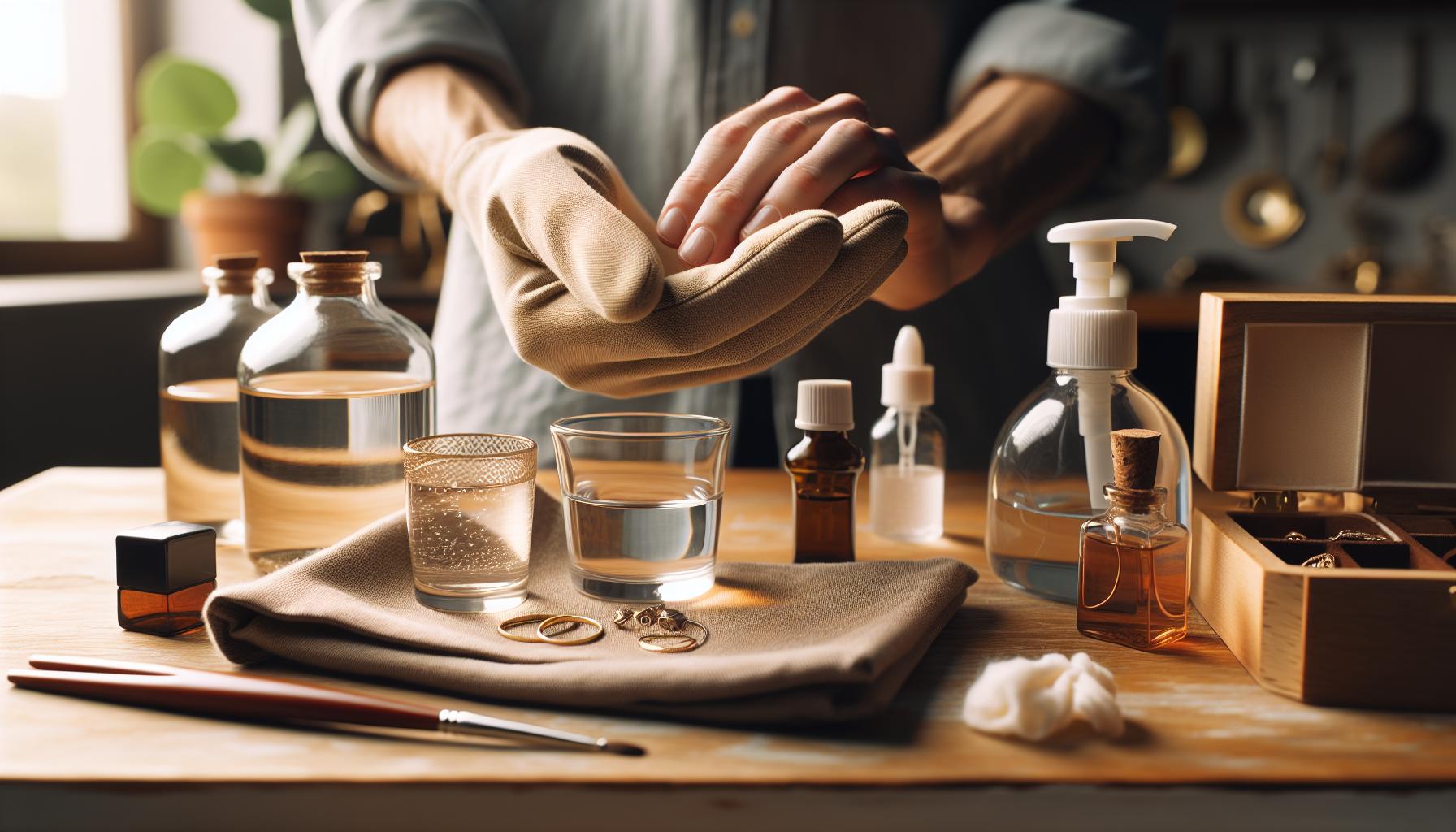
Essential Liquids for Safe Jewellery Cleaning
To maintain your jewelry’s sparkle and shine, choosing the right liquids for cleaning is crucial. While many commercial cleaners boast powerful cleansing capabilities, selecting gentle yet effective options ensures the longevity and integrity of your beloved pieces. Fortunately, several liquids stand out as safe solutions for jewelry cleaning, providing not just cleanliness but also peace of mind.
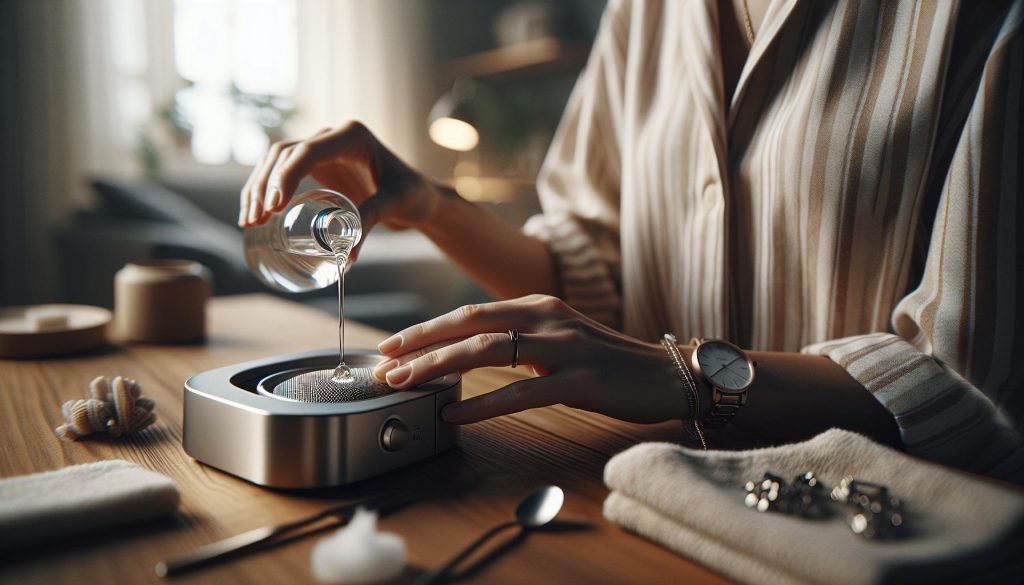
The backbone of any effective jewelry cleaner often includes water, which acts as a solvent. However, when paired with the right additives, it can become even more potent. Here are some essential liquids you can incorporate into your jewelry cleaning routine:
- Distilled Water: Unlike tap water, distilled water is free from minerals that can cause tarnishing or spotting. It’s a great base for diluting other cleaning agents.
- Isopropyl Alcohol: Effective against oils and dirt, isopropyl alcohol can be used to clean metal settings. Just be cautious with porous stones, as alcohol can harm them.
- Vinegar: This common household item is mildly acidic and can help in cutting through tarnish, especially on silver. Mix it with water for a safe dilution.
- Baking Soda Paste: Combining baking soda with a small amount of water creates a paste that can gently buff away tarnish, making it ideal for gold and silver.
- Citrus Juice: The natural acidity found in lemon or lime juice can help in breaking down grime, yet it should be used carefully on sensitive gemstones.
Always consider the specific materials of your jewelry when selecting a cleaning liquid. For instance, while vinegar can effectively clean metal, it can cause damage to certain gemstones, so using water as a diluent is always a safe practice. By harnessing these safe liquids, you can create an effective cleaning routine that preserves the beauty and extends the life of your jewelry collection.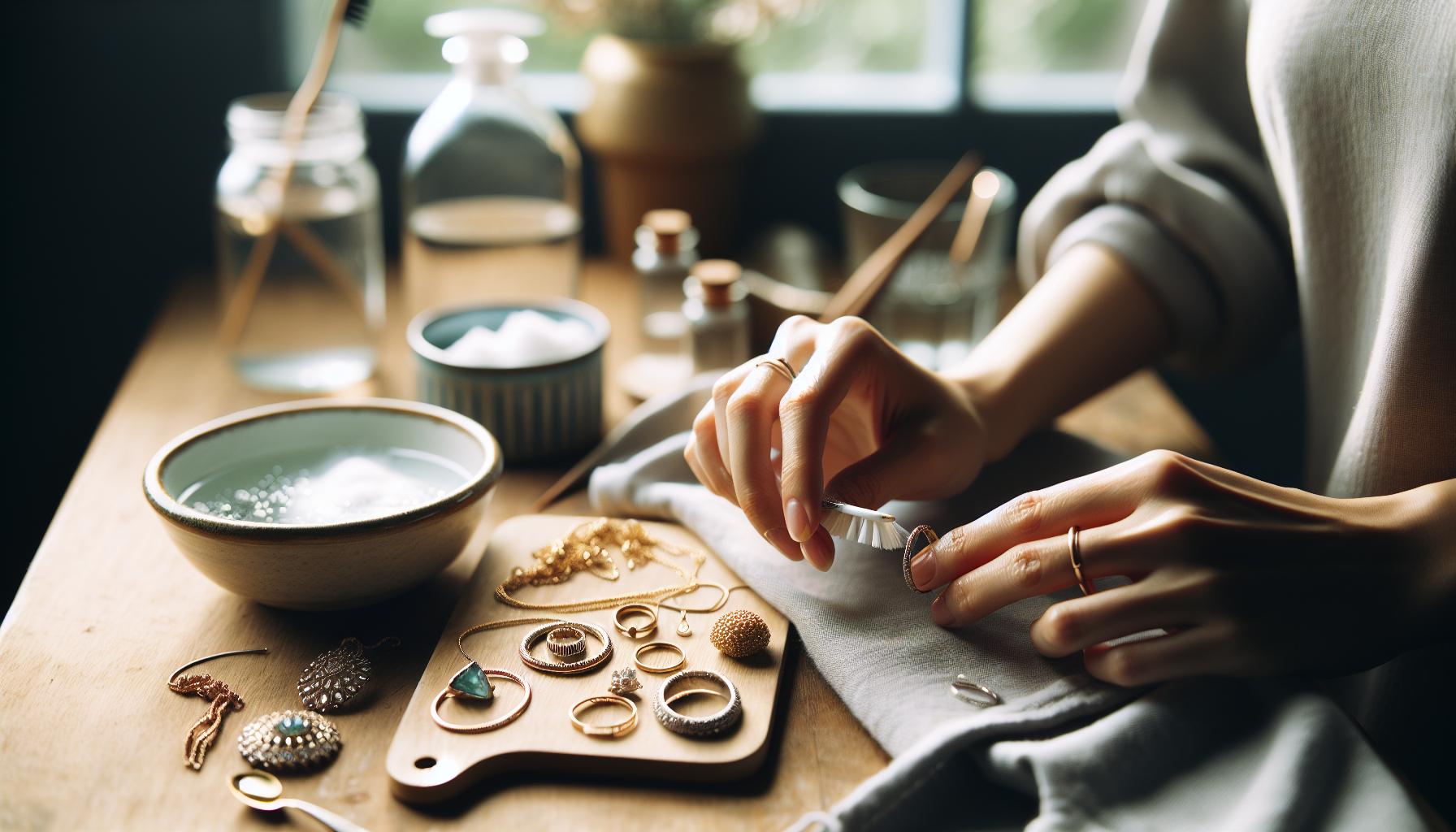
DIY Jewellery Cleaning Solutions You Can Create
Creating your own jewelry cleaning solutions at home can not only save you money but also ensure that you use safe ingredients that won’t harm your precious pieces. With just a few common household items, you can whip up effective cleaners for your gold, silver, and even certain gemstones. Here are some simple DIY solutions to keep your jewelry looking as radiant as the day you acquired it.
Baking Soda and Water Paste
One of the most popular and versatile cleaning solutions is a baking soda paste. Mix three parts baking soda with one part water to create a thick paste. Apply this gently to your jewelry with a soft cloth or a toothbrush, focusing on any tarnished areas. Rinse thoroughly under lukewarm water and dry with a microfiber cloth for a brilliant shine.
Vinegar and Water Solution
For those stubborn tarnish spots, a vinegar solution can be particularly effective. Combine equal parts distilled white vinegar and water in a bowl. Soak your silver jewelry for 2-3 hours, then gently scrub with a soft brush before rinsing with water and drying. This mixture is excellent for restoring silver’s luster but should be used with caution on items containing porous stones, as vinegar can damage them.
Soap and Warm Water
For regular maintenance, a simple soap solution may be all you need. Mix a few drops of mild dish soap or liquid hand soap in a bowl of warm distilled water. Use a soft bristle toothbrush to scrub your jewelry gently, paying special attention to any crevices that may trap dirt. After a thorough rinse and drying, your pieces will look refreshed and dewy.
Citrus Juice and Baking Soda
If you’re looking for something a bit more refreshing, consider mixing lemon juice with baking soda for a sparkling effect. The natural acidity of lemon helps break down grime. Create a paste with this mixture and apply it to tarnished jewelry, leaving it on for a few minutes before rinsing off. Just remember, this solution should be avoided on more delicate stones, as citrus can be too harsh.
By harnessing these everyday items, you can develop a jewelry cleaning routine that is both safe and effective, ensuring your collection continues to shine bright. Always remember to test any cleaner on a small, inconspicuous area first to avoid unintended damage, and enjoy the process of caring for your treasured items!
Understanding Different Jewellery Materials
When it comes to jewelry care, understanding the various materials and their unique cleaning requirements is essential for maintaining their beauty and longevity. Not all metals and gems are created equal, and using the wrong cleaning solutions can lead to damage that diminishes their appeal. Here’s a deep dive into the most common jewelry materials and what you need to know about keeping them safe and sparkling.
Metals
Jewelry is primarily made from metals that each have distinct properties and cleaning needs:
- Gold: Available in various karats, gold does not tarnish but can accumulate dirt and oils. A mild soap solution works well for regular cleaning, while commercial jewelry cleaners can be used occasionally for a deeper clean.
- Silver: Prone to tarnishing, silver requires more attention. Cleaning solutions with anti-tarnish properties, such as a vinegar-water mixture, can effectively restore its shine. However, avoid using vinegar on silver items that contain porous stones.
- Palladium and Platinum: These durable metals are highly resistant to tarnishing. A gentle cleaner or a soak in warm soapy water typically suffices, but ensure to rinse thoroughly.
- Bronze and Copper: These metals can develop a patina over time. While some may prefer this vintage look, a simple cleaning solution of lemon juice and salt can restore their shine if desired.
Gemstones
Gemstones add elegance to jewelry, but they require careful handling:
- Diamonds: Generally robust, diamonds can be cleaned with a mild soap solution or commercial cleaners. Use a soft brush to scrub gently to reach the crevices where dirt often collects.
- Emeralds: Sensitive to harsh chemicals, emeralds should be cleaned with warm, soapy water and dried with a soft cloth. Avoid ultrasonic cleaners that can damage stones.
- Opals: Given their porous nature, opals should only be wiped with a damp cloth. Steer clear of soaking methods and oil-based cleaners.
- Costume Jewelry: Made from various synthetic materials, these pieces may require a different approach. Use a very soft, dry cloth to wipe off dirt as much as possible and avoid soaking.
Understanding these materials not only helps in selecting the right cleaning solutions but also enhances the overall care you provide to your jewelry. By tailoring your cleaning routine to the specific needs of each piece, you can ensure they remain sparkling and cherished for years to come. Remember, when in doubt, testing a cleaning solution on a small, inconspicuous area is always wise before applying it to the entire piece.
How to Compare Store-Bought Cleaning Solutions
When selecting a store-bought jewelry cleaner, it’s crucial to understand not only its intended use but also the specific requirements of the materials you’re cleaning. Many solutions claim to be effective, but they may not be suitable for every type of jewelry, especially when dealing with more delicate pieces. This is why a thorough comparison of ingredients, intended jewelry types, and user reviews can guide you towards making an informed decision that protects your precious items.
Start by examining the label for key ingredients. Look for solutions containing gentle detergents or biodegradable components that are often safer for casual use compared to harsher chemicals. Avoid products that primarily feature ammonia, as it can damage certain gemstones and metal finishes. Additionally, consider whether the cleaner is designed for specific materials, such as silver, gold, or costume jewelry. Many brands will offer specialized formulas, which may be worth the investment to ensure that your jewelry receives the tailored care it needs.
Another valuable comparison point is convenience. Some store-bought cleaners come in spray bottles, while others may be in solution form requiring a soaking method. The ease of use is essential, particularly for busy individuals who might prefer a quick spray-and-wipe solution for routine maintenance. Also, check if the product includes a brush or cloth for application, as having the right tools adds to the effectiveness of your cleaning process.
Lastly, don’t overlook customer reviews and ratings. Real-world feedback can highlight efficacy, ease of use, and potential drawbacks that may not be obvious from the product description alone. By taking the time to compare various store-bought cleaning solutions, you can choose one that not only meets your cleaning needs but also safeguards your jewelry’s beauty while extending its lifespan.
Top Ingredients to Avoid in Cleaner Solutions
Certain ingredients in jewelry cleaning solutions can do more harm than good, putting your precious pieces at risk. Understanding which substances to avoid can preserve the integrity of your jewelry and keep it looking pristine. Here are some common ingredients you should steer clear of when selecting a cleaner.
- Ammonia: Often found in glass cleaners, ammonia can tarnish and damage gold, silver, and certain gemstones, such as pearls and opals. It is best to keep this alkaline household product away from your delicate items.
- Bleach: A strong disinfectant, bleach can cause discoloration and weakening of the metal bonds in jewelry. While it may clean other surfaces effectively, its corrosive nature makes it unsuitable for jewelry maintenance.
- Acetone: Commonly known as nail polish remover, acetone can strip away finishes and even cause loose stones to dislodge from their settings. Its harshness makes it a misunderstood cleaner that is best avoided.
- Strong detergents: Many household detergents contain surfactants that are too aggressive for most jewelry materials. Use only gentle detergents or specially formulated jewelry cleaners to ensure safety.
- Alcohol-based solvents: Though they may seem effective for cleaning, alcohols can dull finishes and may not be safe for porous gemstones. Instead, opt for alcohol-free products to maintain clarity and shine.
By avoiding these harmful ingredients, you protect your jewelry from potential damage and maintain its beauty. Always read labels carefully and choose formulations designed specifically for jewelry cleaning, ensuring your pieces are treated with the gentle care they deserve.
Step-by-Step Guide to Cleaning Your Jewellery
To keep your jewelry looking radiant and minimize the wear caused by everyday use, a systematic cleaning approach is essential. The right cleaning routine not only maintains the sparkling appearance of your jewelry but also enhances its durability, ensuring it remains a cherished part of your collection for years to come. Here’s a practical guide to effectively clean your jewelry while preserving its beauty and integrity.
Begin by selecting a safe cleaning liquid tailored to your jewelry’s material. For soft metals like gold and silver and gemstones that are not porous, a simple mixture of warm water and dish soap can work wonders. Combine a few drops of mild dish soap with a bowl of warm water. For particularly dirty pieces, consider adding a small amount of a gentle jewelry cleaner specifically designed for your type of jewelry. Always avoid harsh chemicals that can damage delicate pieces.
Once your cleaning solution is ready, carefully place your jewelry in the solution and allow it to soak for 10 to 15 minutes. This step helps loosen dirt and debris, making the subsequent cleaning much easier. Be sure to handle more fragile pieces, such as those with opals or pearls, with extra care during this process, as soaking can sometimes lead to issues with porous gemstones.
After soaking, use a soft toothbrush or a lint-free cloth to gently scrub the jewelry, concentrating on crevices where dirt tends to accumulate. If you encounter stubborn spots, dipping the brush in the soapy water can enhance effectiveness. Rinse each piece under lukewarm running water to remove any soap residue. It’s wise to use a strainer or to place a cloth in the basin to catch any small stones that may accidentally slip off.
Finally, after rinsing, dry your jewelry with a soft microfiber cloth to avoid scratches and maintain its shine. As you pat it dry, take a moment to inspect each piece for any damage or loose settings. If everything looks in order, you’re set to store your jewelry safely until its next wear. Remember, consistent cleaning not only enhances the appearance but also prolongs the life of your precious items.
By following these straightforward steps, you empower yourself to maintain your jewelry effectively, keeping it looking as stunning as the day it entered your collection.
Tips for Maintaining Your Jewellery After Cleaning
After cleaning your jewelry, maintaining its brilliance and integrity requires a thoughtful approach. Jewelry is not just an accessory but a cherished investment that deserves proper care. To keep your pieces looking stunning, consider implementing some ongoing maintenance tips that will enhance their longevity and visual appeal.
First and foremost, regularly inspect your jewelry for signs of wear or damage. Check for loose stones, frayed chains, or any scratches that could develop over time. Addressing any issues promptly can prevent more significant problems down the line. Additionally, be mindful of when and how you wear your jewelry. Remove pieces before engaging in activities that could expose them to harsh conditions, such as swimming, exercising, or applying lotions and perfumes. These substances can dull finishes and promote tarnishing.
Proper Storage Solutions
The way you store your jewelry can significantly impact its condition. Use designated jewelry boxes or soft pouches to keep pieces separated and avoid scratches. For chains and necklaces, consider using a hanging organizer to prevent tangling. Store items in a cool, dry place, away from direct sunlight, which can cause fading in certain gemstones and metals.
Regular Cleaning Schedule
Establishing a regular cleaning schedule adds a layer of protection against daily wear. Depending on how often you wear your jewelry, aim to clean pieces every few weeks or monthly. For items worn daily, using a mild cleaning solution-like the warm water and dish soap mixture mentioned earlier-can be effective for quick touch-ups.
By nurturing your jewelry collection with these easy maintenance strategies, you not only preserve their shine and beauty but also deepen your connection to these tokens of style and sentiment. The result is a sparkling collection that stands the test of time, ready to dazzle whenever you wear it.
When to Seek Professional Cleaning Services
When it comes to caring for your jewelry, knowing can make all the difference in ensuring the longevity and beauty of your cherished pieces. While regular at-home cleaning may suffice for everyday wear, certain situations warrant the expertise and tools that only a professional can provide. For example, if you own intricate pieces with delicate settings or multiple gemstones, a jeweler’s trained eye can prevent damage that you might inadvertently cause with DIY methods.
Additionally, if you notice significant tarnishing, discoloration, or accumulation of dirt that at-home solutions can’t rectify, it’s a good indicator that it’s time for a professional cleaning. Jewelers utilize specialized equipment and effective, safe solvents that are designed to treat specific issues without harming your jewelry. Moreover, when dealing with antique or vintage pieces, professional cleaning is crucial as these items often require specialized care to maintain their value and integrity.
If you’ve recently purchased high-value jewelry or inherited family heirlooms, establishing a relationship with a trusted jeweler for periodic professional cleanings can enhance both the aesthetic and monetary value of your items. A professional cleaning not only restores shine but can also reveal hidden problems like loose stones or weakened clasps, allowing for timely repairs before an expensive mishap occurs.
In summary, while routine maintenance and cleaning at home are essential, recognizing the limits of your cleaning abilities and knowing when to hand over your jewelry to professionals is vital for preserving its beauty and functionality over the long term. After all, your jewelry deserves nothing less than expert care to keep it dazzling for years to come.
Proper Storage Techniques for Cleaned Jewellery
When you take the time to clean your jewelry, you’re not just restoring its shine; you’re also showing respect for the memories and moments associated with each piece. However, the journey doesn’t end with a good wash. Proper storage plays a crucial role in maintaining the brilliance of your jewelry and preventing damage between cleanings. With the right techniques, you can ensure that your treasured items remain in optimal condition, ready to wear whenever the moment calls for elegance.
One effective way to store your cleaned jewelry is by utilizing individual pouches or soft-lined boxes. Soft pouches are particularly beneficial for preventing scratches and bumps, especially for delicate pieces or those adorned with softer gemstones. Additionally, consider using compartments within a jewelry box to keep items separated. This prevents pieces from tangling with each other, which is particularly important for delicate chains and earrings.
Environment Matters
The environment in which you store your jewelry can significantly impact its longevity. Keep your jewelry in a cool, dry place, away from direct sunlight and moisture. Excessive heat and humidity can cause tarnishing in metals and dull the luster of stones. A desiccant bag can be beneficial to absorb moisture in the storage area, while anti-tarnish strips can protect silver and other susceptible metals.
Finally, always make it a habit to check your jewelry periodically. Regular inspections can catch any issues early, such as loose stones or signs of tarnish, enabling you to address them before they become more significant problems. By adopting these storage techniques, you will not only enhance the lifespan and beauty of your jewelry but also ensure that it remains a joy to wear for many years to come.
Best Practices for Regular Jewellery Upkeep
Regular upkeep of your jewelry is essential for maintaining its beauty and extending its lifespan. A little care can go a long way in preserving the shine and integrity of your precious pieces. One effective practice is to develop a routine cleaning schedule based on how often you wear your jewelry. For daily wear items, such as rings and bracelets, consider cleaning them weekly to remove dirt and oils that accumulate over time. Less frequently worn pieces can be cleaned monthly or quarterly.
Implementing safe cleaning solutions is crucial in ensuring that your jewelry remains unharmed. A simple and effective way to create a gentle cleaning solution at home is by mixing warm water with a few drops of mild dish soap. This solution is safe for most jewelry materials and can effectively lift grime without causing damage. Be sure to soak the jewelry for a few minutes, then gently scrub with a soft brush to reach intricate details, followed by rinsing under lukewarm water and patting dry with a soft cloth.
Routine Checks
Engaging in periodic inspections is just as important as cleaning. Make it a habit to closely examine your jewelry for any signs of wear or damage, such as loose stones, bent prongs, or tarnishing. Addressing these issues early can prevent more extensive repairs later. Moreover, when you put your jewelry away, wipe each piece with a soft cloth to remove any oils or residues from your skin. This simple action can significantly minimize tarnish and buildup over time.
Lastly, remember to store your cleaned jewelry properly. Use anti-tarnish pouches or cloths, and keep items separated in a soft-lined jewelry box or drawer. By securing your jewelry away from harsh environmental factors-such as humidity and sunlight-you can keep it in pristine condition. Following these best practices will not only keep your jewelry looking magnificent but will also allow you to enjoy your treasured items for years to come.
Frequently asked questions
Q: What is the safest liquid to use for cleaning jewelry?
A: The safest liquids for cleaning jewelry include warm water mixed with a few drops of mild dish soap or a solution of vinegar and baking soda. These solutions effectively clean without damaging most materials. For specific cleaning methods, see the section on “DIY Jewellery Cleaning Solutions You Can Create.”
Q: How often should I clean my jewelry with cleaner solutions?
A: It’s advisable to clean your jewelry every 1-2 months, depending on how often you wear it. More frequent cleaning may be required for items exposed to lotions or perfumes. Refer to our “Best Practices for Regular Jewellery Upkeep” for more guidelines.
Q: Can I use rubbing alcohol to clean my jewelry?
A: Rubbing alcohol can be used for cleaning certain types of jewelry, especially metals. However, avoid using it on porous stones, as it may damage them. For detailed insights, explore “Understanding Different Jewellery Materials” in the article.
Q: What household ingredients can I use to make jewelry cleaner?
A: Common household ingredients for jewelry cleaners include baking soda, vinegar, mild soap, and club soda. Mixing these with warm water creates effective cleaning solutions. Check our section on “DIY Jewellery Cleaning Solutions You Can Create” for specific recipes.
Q: Is it safe to use toothpaste to clean jewelry?
A: While toothpaste can remove tarnish and scratches, it’s abrasive and can damage some jewelry finishes. It’s best to use gentler cleaning solutions for delicate pieces. For safe cleaning alternatives, see “Top Ingredients to Avoid in Cleaner Solutions.”
Q: How can I remove tarnish from silver jewelry safely?
A: You can safely remove tarnish from silver jewelry by soaking it in a mixture of warm water and baking soda, or using a dedicated silver cleaner. For detailed instructions, refer to our “Step-by-Step Guide to Cleaning Your Jewellery.”
Q: What should I avoid when cleaning gemstone jewelry?
A: Avoid using harsh chemicals, ultrasonic cleaners, and abrasive materials when cleaning gemstone jewelry. These can damage the stones or their settings. Learn more about safe cleaning methods in “Understanding Different Jewellery Materials.”
Q: Should I rinse my jewelry after cleaning it with liquid solutions?
A: Yes, always rinse your jewelry thoroughly with clean water after using any cleaning solution to remove residues. Pat dry with a soft cloth to prevent water spots. For tips on drying and maintaining your jewelry, see “Tips for Maintaining Your Jewellery After Cleaning.”
Future Outlook
Now that you know the best liquids to use in your jewelry cleaner, it’s time to put that knowledge to work and give your favorite pieces a revitalizing shine. Remember, keeping your jewelry clean doesn’t just enhance its beauty; it also protects your investment. If you have any lingering questions or need more tips, check out our comprehensive guides on cleaning metals and gems or our DIY tutorials to extend the life of your treasured items.
Don’t miss out! Subscribe to our newsletter for exclusive tips and the latest trends in jewelry care. And if you’re looking to explore stylish options for your next piece, visit our shopping section for inspiration. Dive deeper into the world of jewelry with us, and let us help you maintain and style your collection with confidence. Share your experiences in the comments below, as we love hearing from fellow jewelry enthusiasts!
Get our latest guides, news, and insights highlighted in your Google Search & AI Overviews.