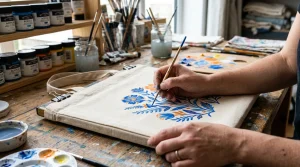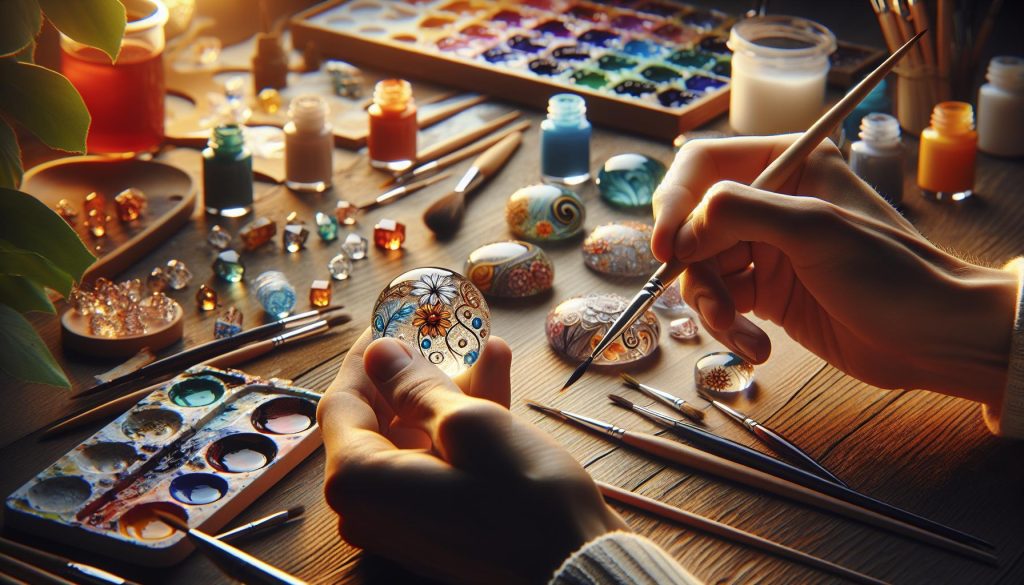
Painting glass with acrylics is not just an art form; it’s a vibrant way to express your creativity through stunning cabochons that transform any jewelry collection. Many people shy away from glass painting due to fears about adhesion or durability, but with the right techniques, you can achieve beautiful, lasting designs that truly stand out. Whether you’re looking to personalize your accessories or create unique gifts, this guide will walk you through essential tips, from prepping your surfaces to ensuring your artwork remains intact over time. Get ready to unleash your artistic potential and add a colorful twist to your jewelry creations!
Choosing the Right Acrylic Paint for Glass Art
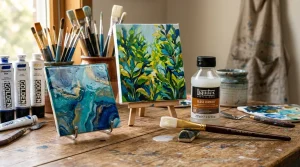
Choosing the right acrylic paint for your glass art can significantly impact the final result of your creations, particularly when crafting beautiful cabochons. Not all acrylic paints are formulated the same, and using the right type can enhance adherence, vibrancy, and durability on glass surfaces. When selecting your paint, look for options specifically labeled for glass or multi-surface use, as these tend to contain additives that improve bonding and flexibility on smooth surfaces.
Key Factors to Consider:
- Color Fastness: Choose paints that are designed to retain their color over time, especially if your cabochons will be exposed to sunlight.
- Finish: Acrylic paints come in various finishes, such as matte, gloss, and satin. Gloss finishes often provide a more vibrant appearance but may require additional sealing to protect against scratches.
- Transparency: Depending on your design, you may prefer transparent, semi-transparent, or opaque paint. Layering with transparent colors can create a beautiful depth on your cabochons.
- Non-Toxic and Dishwasher Safe: If you plan to use your glass art in functional ways, like dishware, ensure the paint is non-toxic and preferably dishwasher safe to maintain your work over time.
- Brand Reputation: Opt for reputable brands that have positive reviews among artists who specialize in glass painting. This can help you avoid frustrating experiences with poor-quality products.
Many artists also experiment with mixing paints to create custom shades and effects, which can give your cabochons a unique touch. Remember to test your colors on a small piece of glass before starting your actual project; this allows you to see how the paint behaves when it dries, ensuring the desired outcome. By carefully selecting the right acrylic paint, you can elevate your glass art, bringing vibrant creativity to life in each cabochon you create.
Essential Tools for Painting Glass Cabochons
To embark on the creative journey of painting glass cabochons, having the right tools at your disposal is crucial. The joy of transforming ordinary glass into stunning pieces of art begins with selecting equipment that not only enhances your artistic capabilities but also makes the process enjoyable. Here’s a curated list of essential tools that will empower you to create beautifully painted cabochons with acrylic paint.
Start with the basics-a good set of paintbrushes specifically designed for fine details. Look for brushes with tapered tips, which allow for precision when applying paint to intricate designs. Additionally, a variety of brush sizes will enable you to experiment with different techniques, whether you’re laying down broad strokes or filling in tiny spaces.
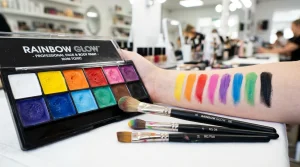
Another vital tool is a palette for mixing colors. A smooth, non-absorbent surface makes it easy to blend different shades and achieve the desired hues for your cabochons. A disposable palette or a ceramic plate can work well, but make sure to clean it promptly after use to avoid contamination of colors.
Don’t forget about your cleaning supplies; water and paper towels or a soft cloth are essential for keeping your brushes in good condition and for cleaning any spills. If you’re applying multiple layers of paint, having a small container of water handy allows you to rinse brushes, ensuring that you don’t muddy your colors during the process.
Finally, consider investing in a sealant or varnish specifically formulated for acrylic paint. This will help protect your artwork once finished, ensuring longevity and vibrancy. There are various options available, including spray and brush-on types, so you can choose what fits your project best.
With these essential tools at your fingertips, you’ll be well-equipped to create cabochons that reflect your unique artistic vision. As you practice and experiment, you’ll discover what works best for you, allowing your creativity to flourish. Happy painting!
Preparing Your Glass Surface for Stunning Results
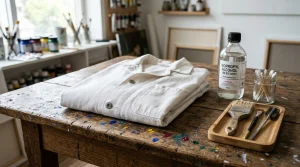
Before diving into your creative project, preparing the glass surface is a crucial step that will set the stage for stunning results. A well-prepped surface not only promotes better adhesion of the acrylic paint but also enhances the vibrancy and longevity of your artwork. To start, cleanliness is key. It’s essential to remove any dust, grease, or residues that may hinder the paint from adhering properly. Use warm soapy water along with a soft cloth to scrub the glass thoroughly. For stubborn spots, rubbing alcohol can work wonders; simply apply some to a lint-free cloth and wipe down the surface.
After cleaning, consider applying a primer specifically designed for glass. While acrylic paint can adhere to glass, using a primer can significantly increase its staying power. Choose a suitable primer that promotes adhesion and smoothens out imperfections on the glass surface. Once you’ve primed the glass, allow it to dry completely to ensure the best results when you start painting.
Next, think carefully about the type of glass you are working with. Different glass surfaces, such as smooth versus frosted or textured glass, can affect the painting outcome. For example, frosted glass may require more paint to achieve the desired opacity, while smooth glass can showcase intricate designs beautifully. Testing on a small, inconspicuous area first can help gauge how the paint will react and allow adjustments before committing to your main design.
Lastly, keep your workspace organized and well-lit. Having a clear view of your glass cabochons will help you see details and prevent errors, ultimately guiding you toward creating a more polished and professional piece. By investing time in preparing your glass properly, you’ll ensure that your artistic vision is successfully translated onto the canvas of glass, resulting in captivating cabochons that you’ll be proud to showcase.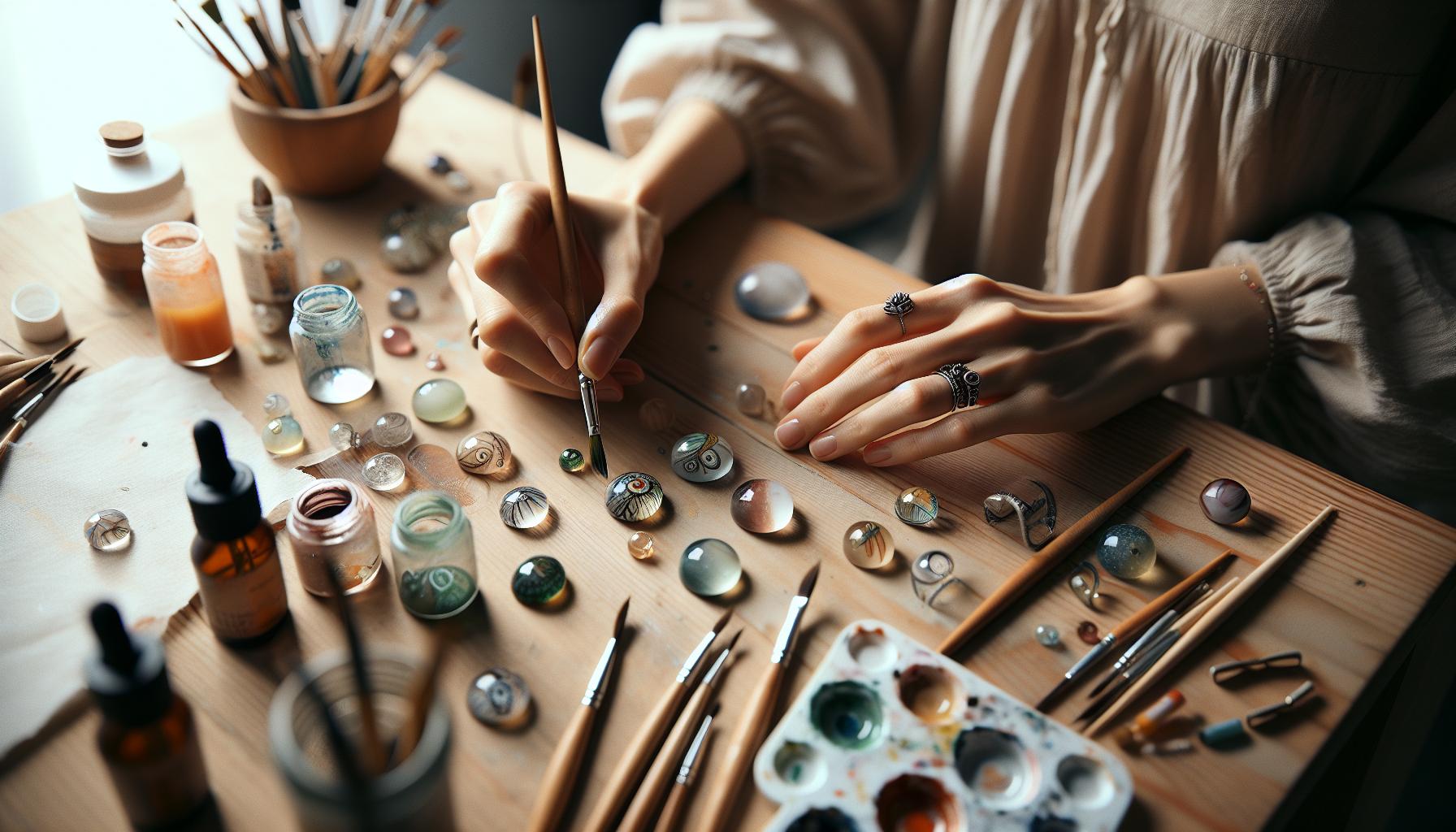
Step-by-Step Guide to Painting Glass Cabochons
Transforming plain glass cabochons into stunning works of art is a rewarding endeavor for any jewelry enthusiast. The process of painting these glass pieces with acrylic paint not only allows for creative expression but also elevates any piece of jewelry with beautiful and personalized designs. Here’s a comprehensive guide to help you master the art of painting glass cabochons step-by-step.
Begin by gathering your materials. You’ll need acrylic paints in various colors, brushes in different sizes, a palette for mixing colors, and, of course, your glass cabochons. To ensure a smooth painting experience, have water and paper towels handy for cleaning your brushes between color applications. It’s also wise to use a small flat brush for base layers and finer detail brushes for intricate designs.
Once your materials are ready, start with a clean and dry cabochon. Using a soft cloth, ensure the surface is free of dust or oils. If you haven’t applied primer already, consider doing so at this stage. It not only helps the paint adhere better but can also enhance vibrancy. After allowing the primer to dry completely, decide on the colors and patterns you wish to apply.
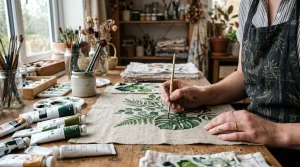
When you’re ready to paint, begin with a base layer. Dipping your brush into the acrylic paint, apply a thin layer, allowing it to dry before adding additional coats. Layering is crucial-two or three light coats create a more vivid appearance than a single thick layer. Once the base is set, unleash your creativity! Add details, designs, or even splashes of color with your smaller brushes, experimenting with techniques like stippling or sweeping strokes to achieve various textures.
After completing your design, let the cabochon dry thoroughly. This step is essential as it ensures your artwork is durable and less prone to smudging. To finish, consider sealing your artwork with a clear acrylic sealer or glaze to protect your painted cabochons and enhance their sheen, making them a perfect addition to your jewelry collection or as gifts for friends.
By following these steps, you will not only craft exquisite cabochons but also deepen your connection with the art of jewelry making, paving the way for you to explore even more sophisticated techniques and designs in your future projects.
Creative Techniques for Unique Cabochon Designs
Transforming a simple cabochon into a unique piece of art is not just about the paint; it’s about the techniques you use to create depth, texture, and emotion within your design. As you embark on your painting journey, consider some innovative approaches that can elevate your glass cabochons to extraordinary levels.
Experimenting with Layering Techniques
One of the most effective ways to create a stunning cabochon is through layering. By applying numerous thin layers of acrylic paint, you can achieve a rich depth that adds dimension to your artwork. Start with a solid base color, allowing it to dry completely before adding additional layers in contrasting or complementary shades. This technique not only enhances vibrancy but also allows for merging colors for a gradient effect. For example, transitioning from a deep blue to a soft aqua can simulate the calm of the ocean, inviting viewers to gaze closer.
Mixed Media Approaches
Incorporating mixed media can lead to truly one-of-a-kind creations. You might consider adding small embellishments, such as beads, glitter, or decoupage elements, to your painted cabochons. For instance, painting a floral design and then adhering dried flowers over it can create a stunning three-dimensional effect. Another idea is to use fine gold or silver leaf to accentuate certain areas of your design, adding a touch of elegance and sparkle.
Stippling and Sgraffito Techniques
Exploring different application methods can also yield interesting results. The stippling technique involves using the tip of your brush to create small dots of color, which can bring texture and a playful aspect to your design. On the other hand, sgraffito-a method where layers of paint are scratched away to reveal the underlying color-can create intricate patterns and effects. By carefully carving into the wet paint with a sharp tool or even a toothpick, you can form beautiful, delicate designs that catch the light differently depending on the angle.
By embracing these creative techniques, you not only add uniqueness to your glass cabochons but also inject your personality into each piece. Whether you opt for layered techniques, mixed media, or innovative brushwork, the key is to enjoy the process and let your creativity guide you. Each cabochon you create will not only be a reflection of your artistic skills but also a representation of your personal style, ready to captivate anyone who lays eyes on it.
Tips for Achieving Vibrant Color with Acrylic Paint
To create striking glass cabochons that truly stand out, achieving vibrant color with your acrylic paints is essential. The key lies not just in selecting the right shades, but also in understanding how to manipulate the paint for maximum effect. Begin with high-quality acrylic paints specifically formulated for glass surfaces, as these are designed to provide better adhesion and color vibrancy. Brands like DecoArt and Arteza offer great options that are renowned for their brightness and smooth application [1[1].
To ensure your paintings pop, start with a clean and prepared glass surface. This can be as simple as washing the piece with soap and water, rinsing thoroughly, and letting it dry completely. A clean surface allows the paint to adhere better and reduces the chances of dull spots in your finished piece. For even bolder color, consider using a white or light-colored base coat; this layer acts as a canvas that enhances the vibrancy of your subsequent colors. Just remember to let each layer dry fully before applying the next to build up the intensity without muddying the hues.
For added depth and richness, experiment with layering your colors. Apply thin layers of different shades, allowing each to dry before adding the next. This technique not only creates a vivid visual effect but also gives your cabochons a unique flair with varying degrees of transparency. Utilizing a stippling technique can also enhance vibrancy; by dabbing your brush rather than sweeping it, you introduce a textural element that reflects light beautifully, making the colors appear even more dynamic.
Lastly, don’t overlook the importance of sealing your finished cabochons to protect your vibrant artwork. Choosing a clear acrylic sealer can enhance the vibrancy, adding a glossy finish that intensifies colors and protects against fading. With the right techniques and a bit of creativity, your glass cabochons can become mesmerizing pieces of art that will catch the eye and warm the hearts of all who see them.
How to Seal and Protect Your Painted Glass
To safeguard your beautifully painted glass cabochons and maintain their vibrant colors, proper sealing and protection are crucial. A high-quality sealer can serve as a protective barrier against environmental factors such as moisture, UV rays, and everyday wear, ensuring your creations remain stunning over time. Selecting the appropriate sealant is the first step; opting for clear acrylic sealers or varnishes is recommended as they offer excellent clarity and durability while enhancing the glossiness of your designs.
When sealing your painted glass, follow these essential steps for the best results:
- Choose the Right Sealer: Look for a spray or liquid acrylic sealer that is specifically designed for use on glass. Products like Mod Podge or acrylic spray sealers are great options due to their ease of application and effectiveness.
- Prepare Your Workspace: Ensure you are working in a well-ventilated area and on a clean, flat surface. Lay down a drop cloth or newspaper to protect your surroundings.
- Application Method: If using a spray sealer, hold the can approximately 6-12 inches away from the glass surface and apply an even coat. For liquid sealers, use a clean brush to apply a thin layer, avoiding excessive amounts that could drip or pool.
- Drying Time: Allow the first coat to dry completely before applying a second layer. This not only enhances protection but also increases the longevity of the finish.
After sealing, it’s equally important to handle your cabochons with care. Store them in a soft, dry place away from direct sunlight to prevent fading. You might consider using a padded jewelry box or even individual pouches to protect each piece from scratches and potential breakage. Regular maintenance, such as gently wiping the surface with a microfiber cloth, can also help preserve the brilliance of your designs.
Incorporating these strategies into your routine will not only protect your painted glass cabochons but will also enhance their aesthetic appeal. By ensuring they are well-sealed and caring for them properly, you’ll enjoy the beauty of your creations for many years to come.
Troubleshooting Common Painting Issues
Painting glass cabochons can be a rewarding artistic endeavor, but it’s not without its challenges. As you work with acrylic paint, you may encounter some common issues that can hinder your results. Addressing these problems promptly can ensure that your creations turn out beautifully.
One common issue is paint peeling or chipping after drying. This often occurs when the glass surface isn’t adequately prepared. To minimize this, ensure that your glass is thoroughly cleaned with rubbing alcohol to remove any grease or residue. After cleaning, allow the glass to dry completely. Consider lightly sanding the surface to create a better grip for the paint, which can help enhance adhesion.
Another frequent concern is uneven or splotchy paint application. This can be frustrating, especially if you’re aiming for a smooth, vibrant finish. To avoid this, use a quality brush and apply thin, even layers of paint. It’s better to do multiple light coats rather than one heavy application, which can lead to drips or an uneven texture. If you notice splotches as the paint dries, gently smooth them out while the paint is still wet with a clean brush or sponge.
If you’re experiencing issues with color vibrancy, it might be due to either dilution or the type of acrylic paint used. Some cheaper brands may not provide the rich pigmentation needed for glass, so opting for higher quality, opaque acrylics designed for glass can make a significant difference. Additionally, avoid mixing too much of the paint with water, as this can lead to a washed-out effect. Instead, use a medium specifically made for acrylics or glass to alter the consistency without sacrificing color.
Lastly, the hiding of brush strokes or unwanted textures can be a concern for many artisans. To combat this, always use a soft brush and apply the paint in one direction. For a more polished finish, consider using a sponge to dab the paint onto the surface. This technique can help blend the colors and create a smoother appearance.
By keeping these troubleshooting tips in mind, you’ll be better equipped to tackle the common issues that arise while painting glass with acrylics. Embrace the learning process, as each project will not only enhance your skills but also contribute to your creative growth. Happy painting!
Innovative Ideas for Displaying Your Cabochons
Displaying your beautifully painted glass cabochons can enhance their visual appeal and transform them into captivating focal points in your home or as part of your jewelry collection. One innovative approach is to create a customized display that not only showcases your art but also complements the unique characteristics of each piece. Consider using shadow boxes to display cabochons as miniature works of art. This allows for creative layering with different backgrounds-such as fabric, paper, or natural elements like dried flowers-that enhance the colors and themes of your cabochons.
Another option is to incorporate your cabochons into functional art pieces. You can create unique coasters by gluing cabochons onto a wooden or ceramic base, or craft decorative wall art by arranging several cabochons patterned across a canvas. Additionally, using simple stands or easels can elevate the cabochons to eye level, drawing attention to their intricate details and colors. For a more contemporary touch, consider using clear acrylic risers or pedestals, which give the illusion that the cabochons are floating and create a modern gallery effect.
If you want to take your display ideas a step further, think about integrating lighting. Small LED lights can be strategically placed behind or underneath your cabochons, illuminating them and highlighting their designs. This technique not only enhances visibility but also introduces a dynamic element to your artwork, perfect for evening gatherings or as a soothing night light.
Lastly, combining different display types can tell a story. Mix a framed collection of cabochons with a textile board displaying jewelry pieces made from them. This not only showcases the versatility of your creations but invites viewers to appreciate the craftsmanship and creativity behind each piece. With so many ways to display your painted glass cabochons, you can turn your passion into an artful statement that brings joy and inspiration to both yourself and your guests.
Exploring Different Styles: From Classic to Modern
Captivating glass cabochons offer a unique canvas for expression, allowing artists to channel their creativity into diverse styles that resonate with personal taste and contemporary trends. Whether you are drawn to the timeless elegance of classic designs or the bold statements of modern aesthetics, understanding the various styles can elevate your glass art creations and appeal to a wider audience.
In classical styles, delicate florals and soft pastels often take center stage. Artists might opt for intricate details like vintage motifs or romantic hues that remind one of heirloom pieces. To achieve this, consider using techniques such as layering translucent colors to create depth. For example, a soft blush pink with slight accents of gold leaf can mimic the lush appearance of antique glass jewelry. Additionally, incorporating soft textures through sponging or stippling can enhance the whimsy and charm typical of classic styles.
On the other end of the spectrum, modern styles embrace minimalism and bold color palettes. Clean lines, geometric shapes, and vibrant hues like electric blue or neon green can make a striking impact. This approach often involves the use of stark contrasts and simple patterns, making each piece a conversation starter. Techniques such as ombre effects or splatter painting can yield dynamic results that resonate with contemporary tastes. Innovations like adding resin finishes or incorporating metallics can further enhance the modern appeal, giving cabochons a sleek, high-gloss look that reflects the current design landscape.
Regardless of the style you choose, the key to successfully exploring different artistic expressions lies in experimentation. Crafting a collection that balances both classic and modern elements not only showcases your versatility as an artist but also caters to varying preferences among potential customers. By intertwining these styles, you can create captivating pieces that stand out in the market, inviting viewers to appreciate the craftsmanship and inspiration behind each cabochon. This blend can also offer a fresh narrative, transforming time-honored techniques into a vibrant contemporary dialogue, ultimately expanding your artistic repertoire and business potential.
Care and Maintenance for Painted Glass Jewelry
Taking care of your painted glass jewelry is essential not only for preserving its beauty but also for ensuring its longevity. Acrylic paint, while vibrant and versatile, requires special attention to maintain the stunning designs you’ve created on your cabochons. Proper care can enhance the aesthetic appeal and durability of your pieces, allowing you to enjoy them for years to come.
To keep your painted glass jewelry looking its best, start with gentle cleaning. Avoid harsh chemicals that can damage the paint. Instead, use a mild soap solution with warm water and a soft cloth or sponge. Gently wipe the surface to remove dirt or oils, then rinse with clean water and air dry. This simple technique can help prevent dirt build-up while preserving the integrity of the paint. For deeper cleaning or to remove stubborn spots, a soft-bristle toothbrush can be used, ensuring you are gentle enough not to chip the paint.
Storage is another critical factor in maintaining the quality of your painted glass pieces. Store your jewelry in a soft pouch or on a designated jewelry stand to avoid scratches. Keeping your cabochons away from direct sunlight can prevent the colors from fading over time, ensuring your creations remain as vibrant as the day they were completed. If you plan to store your pieces for an extended period, consider wrapping them in acid-free tissue to protect against dust and damage.
In addition to cleaning and storage, it’s essential to handle your painted glass jewelry with care. Avoid exposing your pieces to extreme temperatures or moisture, as this can weaken the bond of the paint. When wearing your jewelry, be mindful of where you are, particularly in environments like pools or spas where chlorine can be damaging. By following these steps, you can ensure that your painted cabochons remain beautiful and intact, helping your artistic expressions shine brightly for many occasions to come.
Selling Your Hand-Painted Glass Creations Online
Creating stunning hand-painted glass cabochons is not just a fulfilling artistic endeavor; it can also evolve into a successful online business. As the demand for unique, handcrafted jewelry rises, showcasing your creations online can significantly broaden your audience and increase your sales potential. Understanding the nuances of e-commerce and effectively marketing your work are crucial steps to transform your artistic passion into a thriving venture.
To begin, select the right platform for selling your jewelry. Websites like Etsy, Shopify, and even Instagram have become popular choices for artisans. Each platform has its unique features and audience, so it’s essential to research which aligns best with your brand and art style. Consider the following when choosing a platform:
- Etsy: Great for handmade and vintage items; however, competition is high.
- Shopify: Ideal for a branded storefront; offers extensive customization.
- Instagram: Perfect for visual marketing; engage directly with your audience through posts and stories.
Invest time in creating high-quality product photography that highlights the vibrant colors and fine details of your cabochons. Use natural lighting and neutral backgrounds to avoid distractions. Clear, well-lit images can significantly impact a buyer’s decision. Include multiple angles and contexts of your pieces-showing them worn as jewelry can help potential customers envision them in real life.
Next, tell the story behind your art. Customers today seek connections with the creators behind their purchases. Share your inspiration, the techniques you use, and the care that goes into each piece. Utilize social media to build your brand presence. Use platforms like Pinterest and TikTok for crafting tutorials or showcasing your process, which not only engages potential buyers but also cultivates a community around your work.
Finally, manage customer interactions professionally and efficiently. Clear communication, prompt shipping, and excellent customer service will encourage repeat business and positive reviews. Consider offering customization options or limited editions to create a sense of exclusivity that resonates with your buyers. Incorporate clear policies regarding returns, exchanges, and shipping to provide transparency and build trust with your clientele.
By strategically setting the stage for your online business, you not only maximize your potential sales but also create a rewarding experience for customers who cherish unique, handcrafted jewelry. With dedication and creativity, your hand-painted glass creations can shine brightly on the digital marketplace.
FAQ
Q: What type of acrylic paint is best for painting glass cabochons?
A: The best acrylic paint for glass cabochons is one specifically formulated for glass or multi-surface use. Look for paints labeled as “glass paints” which provide excellent adhesion and durability. Brands like FolkArt and DecoArt offer options that enable vibrant colors and long-lasting results.
Q: How can I ensure my acrylic paint adheres well to glass?
A: To ensure acrylic paint adheres well to glass, start by thoroughly cleaning the glass surface with soap and water, then wipe it down with rubbing alcohol. Additionally, using a primer designed for glass before painting can greatly improve adhesion and longevity.
Q: Can I use regular acrylic paint to paint glass?
A: Yes, you can use regular acrylic paint on glass, but it may not adhere as well as specialized glass paint. To improve adhesion, consider adding a medium specifically for acrylics or applying a clear acrylic sealer after your paint has dried.
Q: What techniques can I use for unique designs on glass cabochons?
A: To create unique designs on glass cabochons, experiment with techniques like sponging for texture, marbling with different colors, or using stencils to achieve clean patterns. Layering colors can also enhance dimension and visual interest.
Q: How do I cure painted glass cabochons for durability?
A: Cure painted glass cabochons by placing them in an oven at a low temperature (about 300°F or 150°C) for 30 minutes. This process allows the paint to bond with the glass, enhancing durability. Always follow the paint manufacturer’s instructions for best results.
Q: What are some creative ways to display my painted glass cabochons?
A: Creative ways to display painted glass cabochons include using decorative stands, turning them into pendants or earrings, or incorporating them into shadow boxes with themed decorations. Clear glass domes can also create an elegant display while protecting the artwork.
Q: What can I do if my acrylic paint is peeling off the glass?
A: If your acrylic paint is peeling off the glass, it may be due to insufficient surface preparation. Clean the glass thoroughly before painting, and if peeling occurs, gently sand the area and repaint with a suitable primer and paint for better adhesion.
Q: How should I care for painted glass cabochons after they’re complete?
A: To care for painted glass cabochons, avoid abrasive cleaners and use a soft, damp cloth for cleaning. Store them in a cool, dry place away from direct sunlight to maintain color vibrancy. If necessary, apply a clear coat to protect the paint.
These questions and answers provide valuable information related to painting glass with acrylic paint and enhance the user’s understanding while optimizing for search visibility and engagement.
The Way Forward
Congratulations on discovering the art of painting glass with acrylics! Now that you’re equipped with the techniques to create stunning cabochons, why not take your crafting journey even further? Explore our detailed guide on jewellery care and learn how to protect and maintain your beautiful creations. If you’re curious about the best materials for your next project, check out our material overview for expert insights and practical tips.
Ready to dive deeper? Sign up for our newsletter to receive exclusive DIY tutorials straight to your inbox. Don’t hesitate to share your own cabochon creations in the comments below, and tell us about your experiences! Whether you’re looking to improve your skills or start a jewellery shop, we’re here to support you every step of the way. Your next masterpiece awaits-keep creating and exploring the endless possibilities!
Get our latest guides, news, and insights highlighted in your Google Search & AI Overviews.