When it comes to creating stunning acrylic paint jewelry, sealing your artwork is crucial for longevity and vibrancy. Did you know that without proper sealing, your beautiful designs can fade or chip, diminishing their charm? Many crafters worry about how to protect their creations, and mastering this technique not only enhances durability but also allows you to showcase your artistic flair without compromise. In this guide, we’ll explore effective methods to seal acrylic paint on your jewelry projects, ensuring that your pieces stay as breathtaking as the day you made them. Whether you’re a seasoned artist or a DIY enthusiast, these tips will empower you to create jewelry that lasts forever, inviting you to wear your masterpieces with pride or gift them to loved ones. Read on to unlock the secrets to preserving the beauty of your unique designs!
How Acrylic Paint Works on Jewelry
Acrylic paint is a versatile medium that can transform jewelry pieces into unique works of art. When applied to jewelry, acrylic paint adheres well to various surfaces such as metal, wood, and resin, allowing for vibrant colors and intricate designs. The fast-drying nature of acrylic paint means that crafters can quickly layer colors and create depth without lengthy drying times. This quality makes it an ideal choice for both amateur and professional jewelers seeking to personalize their creations.
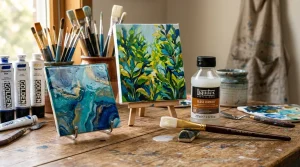
The properties of acrylic paint lend themselves well to various techniques, including pouring, dipping, and using paint skins. These methods allow for experimentation, encouraging creativity in design. For instance, an acrylic pour can produce stunning, marbled effects that are particularly appealing on pendants or earrings. Additionally, once the paint dries, it forms a durable layer that resists fading, making it suitable for jewelry that will see daily wear.
However, the application of acrylic paint alone isn’t enough to ensure longevity; sealing is crucial. Sealing protects the paint from scratches, moisture, and UV rays, which can degrade its finish over time. A well-sealed piece will maintain its original vibrancy and aesthetic appeal much longer, allowing the creativity and effort invested in its design to shine through for years to come.
Overall, using acrylic paint on jewelry opens a realm of creative possibilities, enabling artisans to infuse their pieces with personal flair while ensuring durability through effective sealing methods. Whether you’re crafting a statement necklace or a delicate pair of earrings, understanding how acrylic paint works with various materials will enhance your jewelry-making journey.
Benefits of Sealing Acrylic Paint
Sealing acrylic paint on jewelry is not just an optional step; it is essential for ensuring the longevity and visual appeal of your creations. When you invest time and creativity into crafting unique pieces, you want them to stand the test of time, and sealing plays a crucial role in achieving that. By applying a protective layer, you effectively safeguard the vibrant colors and intricate designs from everyday wear and environmental elements.
One of the main benefits of sealing is its ability to create a barrier against moisture and humidity. Jewelry is often exposed to sweat and water, whether from washing hands or unexpected rain. Without sealing, acrylic paint can bubble, peel, or wash away, ruining your hard work. Additionally, many sealants offer UV protection, which is vital for preventing fading caused by sunlight exposure. Over time, the colors of unsealed acrylic paint can become dull, but a quality seal will keep your pieces looking fresh and vibrant.
Another advantage is that sealing can enhance the overall finish of your jewelry. It provides a glossy or matte look, depending on the sealant you choose, allowing you to customize the aesthetic of your pieces further. For instance, a high-gloss sealant can add a polished appearance that catches the light beautifully, while a matte finish may give a more understated elegance. This choice not only protects but can also elevate the artistic expression of your jewelry.
Furthermore, sealing simplifies maintenance. Sealed jewelry is generally easier to clean and tends to repel dirt and debris better than unsealed pieces. This ease of care is especially important for collectors and creators who want their items to remain in impeccable condition without extensive upkeep. Embracing the sealing process empowers you to create stunning, resilient jewelry that can be enjoyed for years to come while preserving the heartfelt creativity behind each design.
Step-by-Step Guide to Sealing Techniques
To ensure that your acrylic-painted jewelry retains its vibrant colors and intricate designs, proper sealing techniques are essential. Sealing not only protects your artistry but also enhances its visual appeal. Here’s a straightforward guide to help you effectively seal your acrylic paint on jewelry, making your creations last longer.
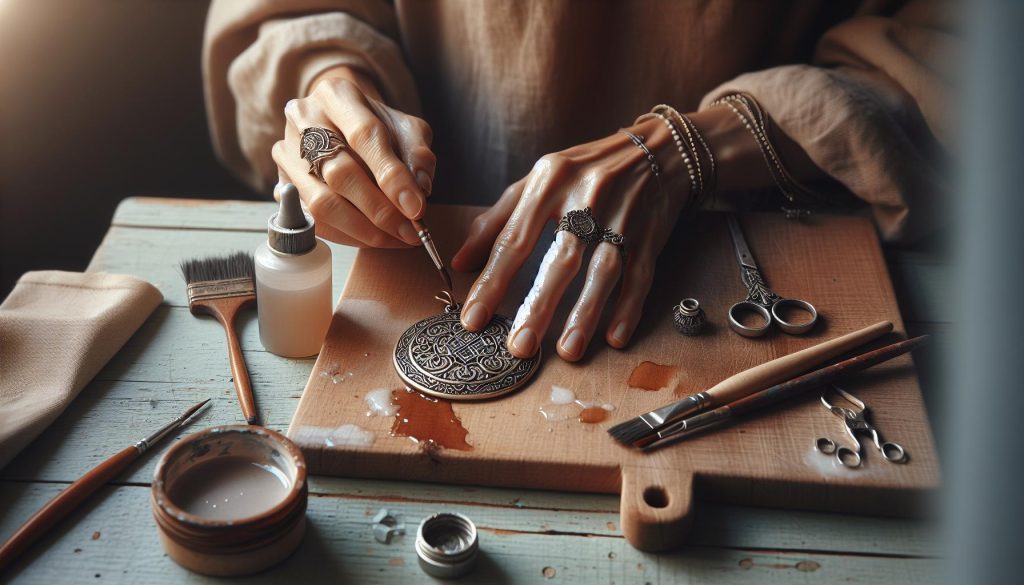
Start by gathering your materials. You will need a clean, dry workspace, the sealed jewelry pieces, a suitable sealant (like acrylic spray sealant, epoxy resin, or paint sealant), and tools such as brushes or spray nozzles for application. Each type of sealant has its advantages and may perform differently, so choose one that fits your project’s specific needs.
Application Process
- Preparation: Ensure that the acrylic paint is completely dry before sealing. This can take several hours depending on the thickness and type of paint used. Once dry, lightly sand the surface of the painted area if needed, to create a better grip for the sealant.
- Testing: It’s wise to test your chosen sealant on a small, inconspicuous area or a scrap piece to see how it interacts with the paint. This preliminary test will help you avoid any unwanted reactions.
- Application:
– For spray sealants: Hold the spray can about 6-12 inches away from the surface. Apply the sealant in light, even coats to avoid drips. Start by spraying around the edges and gradually work towards the center.
– For brush-on sealants: Use a soft, clean brush and apply a thin layer evenly across the surface. Brush in one direction to minimize streaks and maintain a smooth finish.
- Drying: Follow the manufacturer’s recommended drying time, which may vary based on the type of sealant used. Ensure the sealed pieces are placed in a dust-free environment to avoid any debris settling on the surface.
- Final Coats: Depending on the desired finish and the level of protection you want, apply multiple thin coats, allowing adequate drying time between each layer. This method builds a stronger protective layer without adding an unwanted thick appearance to your jewelry.
Tips for Durability
- Always seal on a day with low humidity to prevent moisture problems that can affect the sealant.
- If using resin, remember to mix the components thoroughly to avoid cloudy spots. Pour the resin slowly to reduce air bubbles and ensure a smooth finish.
Sealing your acrylic paint effectively not only protects your vibrant finishes but also improves the longevity of your jewelry. With patience and the right techniques, you’ll create beautiful pieces that can be cherished for years. Whether you are a beginner or a seasoned jewelry maker, mastering the sealing process will elevate the quality and durability of your creations.
Best Sealants for Jewelry Projects
Choosing the right sealant for your acrylic-painted jewelry can make all the difference in preserving your artwork’s vibrancy and lifespan. With so many options available, understanding the strengths and applications of various sealants is crucial for achieving a long-lasting finish that not only protects but enhances your pieces.
One of the most popular options is acrylic spray sealant, known for its convenience and even application. These sealants come in various finishes, including matte, gloss, and satin, allowing you to customize the look of your jewelry. Simply hold the can at a distance of 6-12 inches from the surface and apply in light, even coats. This method minimizes drips and ensures an even layer of protection. For intricate designs or areas that require careful handling, consider a brush-on acrylic sealant. This option allows for more precision, especially on smaller items or detailed pieces. Use a soft brush to apply a thin layer, ensuring you brush in one direction to avoid streaks.
For those seeking maximum durability, epoxy resin can provide a glass-like finish that truly enhances the colors of your acrylic paint. While the application process is slightly more involved-requiring mixing two components-resin offers exceptional protection against moisture and abrasion. It’s perfect for jewelry that may be exposed to the elements or frequent wear. However, be cautious; the curing process must be adhered to strictly to avoid cloudy results.
In addition to sprays and resin, water-based polyurethane is another excellent choice, particularly for outdoor jewelry or pieces that will see a lot of use. This type of sealant is waterproof and provides a strong protective layer without yellowing over time. Many artists also swear by mod podge, a versatile medium that doubles as an adhesive and sealer. It comes in various finishes and is particularly useful for mixed media projects that incorporate paper or fabric alongside acrylic paint.
When selecting the best sealant, consider the specific needs of your jewelry design-whether it’s the humidity levels of your crafting space, the nature of the intended wear (casual vs. formal), or the desired aesthetic finish. Whichever sealant you choose, remember to perform a test application on a small, inconspicuous area first, ensuring compatibility and a smooth application process.
Creative Applications of Sealed Acrylic Paint

Sealed acrylic paint opens a world of creative possibilities that can elevate your jewelry projects from ordinary to extraordinary. By enhancing color vibrancy and providing protection from wear and tear, sealed acrylic paint allows artisans to explore innovative designs without fear of fading or chipping. Whether you are crafting intricate pendants or bold statement earrings, understanding how to creatively utilize sealed acrylic paint can transform your ideas into stunning wearable art.
One exciting application is incorporating sealed acrylic paint into mixed media designs. This approach lets you blend materials such as metal, wood, or fabric with painted elements, fostering unique textures and visual interest. For example, you might paint wooden beads with bright acrylics, seal them, and then string them together with metal components for a striking contrast. Additionally, consider creating layered effects by applying multiple colors in different sections, sealing each layer before adding the next. This technique can result in a captivating depth that draws the eye and showcases your artistic vision.
Another deeply engaging possibility lies in the realm of customization. Utilizing sealed acrylic paint grants you the freedom to personalize jewelry pieces for gifts or special occasions. For instance, you could design a charm bracelet where each charm is painted to represent a meaningful memory or theme, sealed for durability. This not only creates a deeply personal gift but also allows the recipient to enjoy vibrant colors without the worry of daily wear compromising the design.
Finally, don’t overlook the potential of sealed acrylic paint for creating themed collections. By selecting a palette of complementary colors and sealing various jewelry pieces, you can establish a cohesive look that tells a story. For example, designing a series of items inspired by nature could involve using earthy tones and botanical patterns across necklaces, rings, and earrings, all with a durable, sealed finish. This approach not only appeals to buyers but also enhances the appeal of your brand as a cohesive artistic entity.
Embrace the transformative power of sealed acrylic paint to push the boundaries of your jewelry creations-letting your imagination soar while ensuring your pieces remain as vibrant as the day you made them.
Common Mistakes to Avoid When Sealing

When working with acrylic paint on jewelry, ensuring a strong and lasting seal is crucial to the longevity and appearance of your creations. However, several common pitfalls can undermine your efforts, leading to disappointing finishes and shortened lifespan of your pieces. By understanding these mistakes, you’ll be better equipped to achieve the vibrant, durable jewelry you envision.
One frequent mistake is neglecting to thoroughly prepare the surface before sealing. If the acrylic paint isn’t completely dry or if contaminants like dust or grease are present, the sealant may not adhere properly. This can lead to peeling or chipping over time. Always take the time to clean your jewelry pieces and ensure they are dry, allowing for optimal bonding with sealants. Additionally, applying a sealant too soon can disrupt the paint layer beneath, resulting in smudging or fading. Patience is key!
Another misstep occurs when using inappropriate sealants. Not all sealants are created equal, and some may not be suitable for jewelry that experiences regular wear. For example, using a water-based sealant on jewelry that may come into contact with water can result in deterioration. Always choose a sealant specifically designed for use with acrylic paint and suitable for the types of materials you are sealing. Test on a small, inconspicuous area if you’re unsure, ensuring compatibility and desired results.
Lastly, many artisans forget to consider environmental factors in the curing process. Rapid temperature changes, high humidity, and exposure to direct sunlight can undermine the sealing process, leading to uneven finishes or accidental damage. Aim to seal your jewelry in a controlled environment, avoiding drafts where possible. Once sealed, allow ample time for the sealant to cure fully, as instructed by the manufacturer’s guidelines. Following these precautions not only enhances the visual appeal of your jewelry but also maximizes its durability.
By being mindful of these common mistakes, you can improve your sealing techniques and enjoy beautifully finished jewelry pieces that maintain their integrity and vibrancy over time. This attention to detail will elevate your work and impress those who admire and wear your creations.
Tips for Enhancing Durability of Paint

To ensure that your acrylic paint jewelry stands the test of time and resists wear and tear, it’s essential to implement effective strategies that enhance the durability of your painted pieces. One of the simplest yet most effective methods is to choose the right acrylic paint from the start. High-quality, artist-grade acrylics typically contain better pigments and binders, leading to enhanced adhesion and longevity. Additionally, consider using paints formulated specifically for use on various surfaces, including metals and plastics, which often yield superior results.
Another crucial aspect is the application process. Applying thin, even coats of paint allows for better drying and adhesion, making the application as important as the quality of the paint itself. After each layer is dry, lightly sanding the surface can create a better bond with subsequent layers. Remember to clean the surfaces well before application to remove any oils or dust that could compromise the bond between the paint and the jewelry material.
Using a proper sealant is vital in preserving the integrity of your painted jewelry. A sealant not only protects against scratches but also adds a layer of waterproofing, which is especially important for items exposed to moisture. For enhanced durability, a resin finish can be a game-changer, as it provides a hard, glossy layer that can withstand scuffs and environmental factors much better than traditional sealants. When applying sealants, always follow the manufacturer’s instructions for optimal curing times and application techniques.
Lastly, storing your acrylic paint jewelry properly can greatly extend its life. Keep pieces away from direct sunlight and extreme temperatures, as these can lead to fading or damage over time. Consider a padded jewelry box or a lined drawer for storage to protect your creations from knocks and scratches. With these strategies in place, your painted jewelry can retain its beauty and durability, allowing you to enjoy or sell your stunning pieces for years to come.
How to Maintain Sealed Jewelry Over Time
To keep your sealed acrylic paint jewelry looking vibrant and new over time, consistent maintenance and care are essential. One of the biggest advantages of sealed jewelry is its increased durability, but neglecting it can still lead to wear and damage. Understanding how to maintain these pieces will ensure that your creative efforts shine through for years to come.
First and foremost, regular cleaning is vital. Use a soft, lint-free cloth to gently wipe your jewelry after each wear, removing any oils or dirt that accumulate. Avoid harsh chemicals or abrasive materials, as these can damage the sealant and the paint underneath. Instead, if deeper cleaning is needed, a mild soap solution can be used-just ensure to rinse thoroughly and dry completely to prevent moisture from degrading the seal.
Proper Storage is another key factor in maintaining the integrity of your sealed jewelry. Store pieces in a cool, dry location, away from direct sunlight which can cause fading. Consider using separate compartments in a padded jewelry box or anti-tarnish pouches to keep your items safe from scratches and tarnishing. Keeping jewelry pieces separated also helps avoid unintentional rubbing against each other, which could compromise their surfaces.
It’s also important to periodically inspect your jewelry for signs of wear or damage, such as cracks in the sealant or discoloration of the paint. Should you notice any issues, it may be helpful to reapply a sealant layer to maintain protection and revive the piece’s appearance. This simple act can extend the life of the jewelry significantly, particularly if done every few months, depending on wear frequency.
Finally, when it comes to wearing your acrylic paint jewelry, avoid exposing it to harsh conditions. Take off your pieces when swimming, showering, or exercising to minimize exposure to moisture and sweat. Following these fundamental maintenance practices will not only preserve the beauty of your acrylic painted creations but will also keep them a cherished part of your accessory collection.
Innovative Ideas for Using Sealed Jewelry
When it comes to unleashing creativity with sealed acrylic paint jewelry, the possibilities are truly endless. This medium not only allows artists to create vibrant, unique pieces but also provides a layer of protection that makes their creations durable for everyday wear. Engaging with sealed jewelry opens doors to innovative uses that transcend traditional accessory design. Whether you’re an experienced jewelry maker or just starting out, here are some exciting ideas to explore.
- Statement Pieces: Use sealed acrylic paint to create bold, oversized pendants or brooches that serve as the focal point of any outfit. Experiment with layering different colors and textures to enhance their visual impact.
- Custom Gift Items: Craft personalized jewelry as unique gifts for special occasions. You can incorporate loved ones’ favorite colors or symbols and seal them for a long-lasting keepsake.
- Themed Collections: Consider designing a series of jewelry pieces that reflect a specific theme or season. From holiday-themed ornaments to nature-inspired designs, creating collections allows for cohesive styling and promotional opportunities if you sell your work.
- Functional Art: Think beyond traditional jewelry items and consider using sealed acrylic paint techniques on functional pieces like keychains or bag charms. These items not only serve a purpose but also showcase your artistic flair.
In addition to these ideas, utilizing mixed media can elevate your sealed acrylic jewelry. Combine the paint with other materials such as metal, resin, or wood to create multi-dimensional pieces that stand out. For instance, embedding small charms or using paint on wooden bases adds depth and interest.
Hosting Workshops and Classes
Another innovative application is to use your skills in hosting workshops or classes. Share your understanding of sealing techniques and the creative potential of acrylic paint with beginners. This not only builds your community but also promotes your jewelry-making brand. Providing an inclusive space for learning helps inspire others while also positioning you as an expert in the field.
By integrating these creative strategies into your jewelry projects, you’ll not only showcase your individual style but also engage a wider audience, turning your passion into a form of wearable art that resonates with others.
Acrylic Paint vs. Other Mediums in Jewelry
When exploring the world of jewelry-making, the choice of medium can significantly impact the final product’s aesthetics, durability, and overall appeal. Acrylic paint stands out for its vibrant hues and versatility, but it’s important to consider how it compares to other materials often used in jewelry creation. For those looking to expand their crafting repertoire, understanding these differences can enhance both creativity and technique.
Acrylic paint is favored for its bright colors, ease of use, and fast drying times. It bonds well to a variety of surfaces, making it an excellent choice for different jewelry mediums such as metal, wood, and resin. In contrast, traditional mediums like enamel or glass can be challenging due to their complex application processes and requirement for high-temperature firing. Additionally, while enamel offers a glossy, durable finish, it can also be more prone to breaking or chipping if not handled carefully.
For an eco-friendly alternative, consider using natural dyes or inks derived from plant materials. While these can give a unique, earthy quality to jewelry pieces, they may lack the vibrancy and longevity of sealed acrylic paint. That said, using watercolors or inks can yield stunning results when paired with appropriate sealants, creating a biodesigned aesthetic that appeals to environmentally-conscious creators.
When comparing costs, acrylic paint typically offers an affordable entry point for beginners. It is widely available and can be easily integrated into existing projects without the need for specialized tools or equipment. Conversely, specialized materials like resin may require additional investment in safety gear and molds but can elevate the finished product’s intricacy and depth when mastered.
Embracing the strengths of each medium opens up a spectrum of creative possibilities. By experimenting with acrylic alongside other materials, artisans can produce truly unique pieces that resonate with personal style while ensuring durability through proper sealing techniques. Whether it’s adding the brilliance of acrylic pour techniques or the sophistication of metal embellishments, combining multiple mediums can result in jewelry that tells a compelling story and captivates the viewer’s attention.
Troubleshooting Sealing Issues with Acrylic Paint
When sealing acrylic paint on jewelry, encountering issues like bubbling, cloudiness, or uneven finishes can be frustrating. Understanding these common sealing problems and how to address them is crucial for achieving a durable and visually appealing piece. Often, issues arise during the application of sealants or from environmental factors, but with a few adjustments, you can ensure a flawless finish.
One prevalent issue is bubbling under the sealant. This can occur if the acrylic paint was not completely dried before applying the sealant. To prevent this, always allow ample drying time for the paint, typically 24 hours, especially in humid conditions. If bubbles do appear, lightly sanding the area once completely dry and reappling a thin layer of sealant can smooth over imperfections. Additionally, ensure that you’re using the correct sealant for your paint type and substrate, as incompatible materials can lead to unexpected reactions.
Another common problem is cloudiness or a milky appearance after sealing. This often happens if too much sealant is applied at once or if the area wasn’t well-ventilated during the drying process. To mitigate this, apply your sealant in thin, even coats and allow each layer to dry thoroughly before adding the next. A good practice is to spray a light mist over the surface, ensuring even coverage, and maintaining a distance recommended by the sealant’s manufacturer. If cloudiness occurs, you might need to strip the sealant and start over, so patience is key.
Finally, be mindful of temperature and humidity during the sealing process. Extreme conditions can affect the drying and curing of sealants. A controlled environment where temperatures remain consistent and humidity is moderate will greatly enhance your chances of achieving a fine finish. Experimenting with different products and application techniques can help you determine what yields the best results for your unique projects.
By understanding these troubleshooting tips and applying them, you can enhance both the beauty and durability of your sealed acrylic paint jewelry, allowing your creativity to shine without the worry of common sealing pitfalls.
Q&A
Q: How can I make my acrylic paint jewelry waterproof after sealing?
A: To make your acrylic paint jewelry waterproof, use a clear waterproof sealant specifically designed for crafts. Apply multiple thin coats for optimal protection and allow adequate drying time between layers. This process ensures that your jewelry can withstand moisture without damaging the paint.
Q: What is the best way to store acrylic-painted jewelry?
A: Store acrylic-painted jewelry in a cool, dry place to prevent damage. Use soft pouches or a jewelry box with compartments to avoid scratches. Avoid exposure to direct sunlight and humidity, which can wear down the sealant over time.
Q: How long does it take for sealants to dry on acrylic-painted jewelry?
A: Sealants typically take 24-48 hours to fully cure, depending on the product used and environmental factors. Always check the manufacturer’s instructions for specific drying times to ensure your jewelry is adequately sealed before handling.
Q: Can I use acrylic paint on metal jewelry?
A: Yes, acrylic paint can be used on metal jewelry. It’s essential to clean the metal surface thoroughly before painting and to apply a suitable primer if needed. Sealing the paint after it dries will enhance durability and protect the finish.
Q: Will acrylic paint chip off easily without sealing?
A: Yes, acrylic paint can chip and wear off without a sealant. Sealing your painted jewelry protects the paint from abrasion, moisture, and UV light, ensuring that your designs last longer and maintain their vibrancy.
Q: How can I fix chipped paint on sealed acrylic jewelry?
A: To fix chipped paint on sealed acrylic jewelry, gently sand the area to remove any loose paint. Apply the same acrylic color to fill in the chip, allow it to dry completely, and then reseal with your chosen sealant for a seamless finish.
Q: Is it safe to wear acrylic-painted jewelry every day?
A: While acrylic-painted jewelry can be worn daily, it’s important to seal it properly for durability. Avoid exposing it to harsh chemicals or excessive moisture, and clean it gently to prolong its lifespan.
Q: What should I avoid when sealing acrylic paint on jewelry?
A: When sealing acrylic paint on jewelry, avoid using oil-based sealants, which may react with acrylics. Additionally, steer clear of excessive moisture during application and ensure proper ventilation. Follow all application instructions to achieve the best results.
Wrapping Up
Now that you know how to effectively seal acrylic paint on your jewelry projects, your pieces will not only look stunning but also last for years to come. Remember, sealing isn’t just a final step; it’s essential for preserving the beauty and integrity of your artwork. Don’t forget to explore our guides on jewelry care and DIY tutorials to enhance your crafting skills even further.
We encourage you to put these sealing techniques into action today-your creations deserve it! Should you have any questions or need more tips, feel free to comment below. And if you enjoyed this content, consider signing up for our newsletter for all things jewelry, from cleaning metals to styling advice. Your journey into the vibrant world of jewelry crafting is just beginning; let’s keep it going!
Get our latest guides, news, and insights highlighted in your Google Search & AI Overviews.