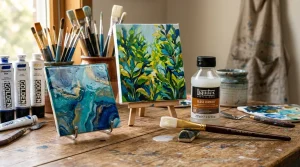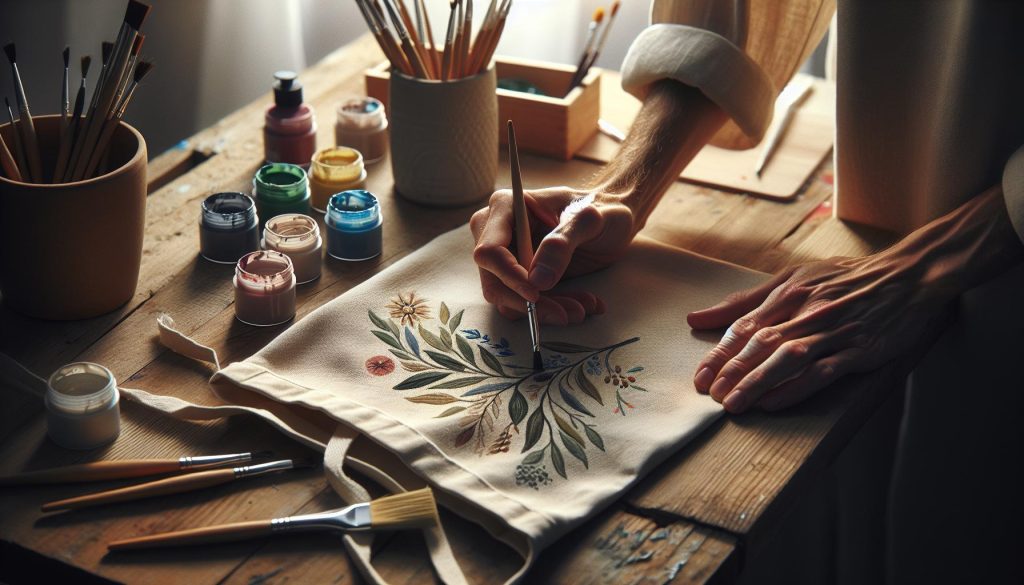
Did you know that acrylic paint can be a game changer for fabric crafts? Whether you’re looking to rejuvenate an old jacket, personalize a tote bag, or embark on a vibrant DIY project, understanding how to use acrylic paint on fabric opens up a world of creativity. With the right techniques, you can achieve stunning results that are both durable and eye-catching. However, many crafters worry about paint durability, washability, and proper application methods. This guide aims to demystify the process, providing you with essential best practices for using acrylic paint on various fabrics. By the end, you’ll be equipped to create beautiful fabrics that express your unique style while ensuring longevity in your creations. Let’s dive into the exciting possibilities of incorporating acrylic paint into your fabric projects!
Can You Use Acrylic Paint on Any Fabric?
Using acrylic paint on fabric can open up a world of creative possibilities, but it’s essential to understand that not all fabrics are equally suited for this medium. Acrylic paint is versatile and can adhere to a variety of textiles; however, the effectiveness and durability of the result can vary depending on the type of fabric. Generally, fabrics like cotton, canvas, and denim work well, as they absorb the paint nicely and allow for vibrant color application. On the other hand, synthetic materials such as polyester may resist the paint, leading to uneven results unless properly prepared.
Before diving into your project, it’s crucial to consider the fabric’s weight and texture. Heavier fabrics provide a more substantial surface for paint, which can enhance the final appearance. Additionally, some fabrics, like silk or satin, may require special preparations or a fabric medium mixed with the paint to ensure proper adhesion and flexibility. Always test a small swatch first to see how the paint interacts with your chosen fabric; this step is vital for gauging the outcome without committing to a full project.
Another factor to keep in mind is the paint’s finish and the intended use of the painted item. For example, if you’re painting fabric that will undergo heavy wear, consider using a fabric medium to enhance the durability and flexibility of the paint. In summary, while acrylic paint can be used on many types of fabric, success is determined by understanding the fabric’s properties and preparing it appropriately for the best results.
Understanding the Best Fabrics for Acrylic Paint
Acrylic paint opens a vibrant world of creative opportunities, but understanding which fabrics best accommodate this medium is essential for achieving stunning results. The ideal fabrics for acrylic painting are those that provide good absorption and adhesion without sacrificing their texture or durability. Cotton is a top choice because its natural fibers easily soak up paint, creating bright, long-lasting colors. Canvas, often used in art projects, delivers a sturdy surface that holds the paint well, making it perfect for everything from tote bags to home decor. Denim also excels, allowing for a great blend of flexibility and firmness, enabling artists to create detailed patterns or bold impressions.
On the flip side, fabrics like polyester can pose challenges since their synthetic nature typically repels paint unless prepared correctly. To paint on polyester, consider using a fabric medium mixed with your acrylic paint, enhancing adhesion and preventing cracking. Silk and satin require additional care; using a specific fabric medium is essential for these delicate fabrics to maintain their luxurious feel while still allowing for color application. Always conduct a swatch test prior to starting a significant project to gauge how well the paint interacts with your chosen material.
In summary, while a range of fabrics can be painted with acrylics, the key is their material properties. Focus on natural fibers for the best absorption and vibrancy, and apply proper techniques when working with synthetics or delicate textiles. Embracing these fabric nuances not only enhances your creative process but ensures your painted projects stand the test of time.
Preparing Fabric for Optimal Acrylic Paint Adherence
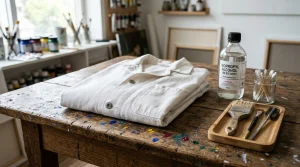
To achieve the best results when painting on fabric with acrylics, the preparation process is crucial. Properly preparing your fabric not only enhances paint adherence but also ensures the longevity and vibrancy of your artwork. Start by thoroughly washing your fabric to remove any manufacturing residues such as sizing, oils, or finishes that could interfere with paint adhesion. This step is especially important for cotton and other natural fibers; a gentle detergent should suffice, followed by a complete rinse and air drying to avoid any remaining chemical traces.
Once clean, ironing the fabric is advisable. This step eliminates wrinkles that may disrupt your painting process and creates a smooth, even surface for application. If you’re working with synthetic fabrics, consider lightly scuffing the surface with fine sandpaper; this creates micro-abrasions that help acrylic paint grip better. Additionally, if the fabric is particularly slippery or if you’re unsure about its absorbency, apply a layer of fabric medium mixed with water. This mixture primes the surface and promotes better paint adherence.
For those wishing to work on complex designs or intricate patterns, it’s beneficial to tape your fabric down or use a fabric stabilizer to prevent shifting during the painting process. Utilizing a suitable underlayer, such as an acrylic gesso specifically designed for fabric, can also provide a solid foundation that enhances color vibrancy while preventing the paint from bleeding. As a final tip, always conduct a swatch test on a small, inconspicuous area to ensure that the fabric responds well to acrylic paint, allowing for adjustments before committing to your main piece. This careful preparation sets the stage for stunning and durable fabric art.
Essential Tools for Painting on Fabric
To unleash your creativity and ensure a successful fabric painting experience, having the right tools at your disposal can make all the difference. Whether you’re an experienced artist or a beginner, using appropriate materials will enhance your workflow and the final results of your work.
A good starting point is to use high-quality acrylic paint specifically formulated for fabric. These paints often have additives that improve flexibility and durability, preventing the colors from cracking or fading. Brushes are crucial as well; consider a variety of brush types and sizes, such as flat, round, and liner brushes, to achieve different effects and cover varying areas. For larger surfaces, foam brushes or sponges can create smooth applications and texture.
In addition to paint and brushes, having a palette is essential for mixing colors. Look for palettes made of plastic or glass, which are easy to clean and won’t absorb paint. Furthermore, water containers will be necessary for rinsing brushes and thinning paint for better application. A selection of stencils or masking tape can also be beneficial, allowing for more intricate designs and clean edges.
Don’t forget about the importance of a stable work environment. Fabric stabilizers or boards can help prevent shifting during painting, especially for detailed projects. Lastly, a heat source like an iron or heat press is important for setting and curing your artwork once completed. Preparing your tools and workspace carefully sets you on the right path to creating beautiful, lasting fabric art.
Step-by-Step Guide to Applying Acrylic Paint
To transform your fabric projects with vibrant colors and unique designs, applying acrylic paint can be both enjoyable and rewarding. The key to achieving a successful outcome lies in the following step-by-step process.
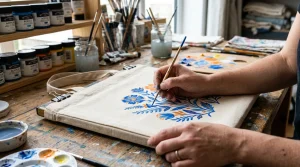
First, gather your materials. You’ll need high-quality acrylic paint, various brushes (flat, round, and small detail brushes), a palette for mixing colors, water for cleaning brushes, and fabric stabilizers if needed. Once you’re prepared, choose the design you want to create. Sketch it lightly on the fabric with a pencil, which can help guide your painting while being easy to erase if necessary.
Next, if you are working with a stretchable fabric, it’s wise to use fabric stabilizers or boards to keep the material taut and prevent any wrinkles during painting. This helps in achieving a clean finish. Begin painting by applying a base coat, if desired. Use a flat brush to cover larger areas smoothly. Allow the first layer to dry before adding more detail to avoid smudging your work.
As you add layers and details, remember to clean your brushes regularly in water to prevent color mixing and maintain the integrity of your design. For intricate patterns, stencils can be a great asset. After completing your artwork, allow the paint to dry completely, which may take a few hours depending on the paint thickness and fabric type.
Finally, to set and seal the acrylic paint, use a heat source such as an iron set to a low temperature, being careful not to scorch the fabric. Place a cloth between the iron and your painted design to protect it. Ironing helps to not only fix the paint but also makes it more resistant to washing. By following these steps, you can create beautifully painted fabrics that express your artistic vision.
Techniques to Enhance Your Fabric Painting
To elevate your fabric painting experience, integrating various techniques can make a significant difference in both the process and the outcome. One method to enhance your work is by layering colors. Start with a base layer and allow it to dry completely before adding translucent washes or bold colors on top. This technique not only creates depth but also allows your underlying designs to show through, adding complexity to the final piece.
Utilizing texturing tools can also introduce new dimensions to your fabric art. Items like sponges, scrapers, and even household objects can be used to create imprints and textures on your paint. Try dabbing a sponge in a contrasting color for a stippled effect, or use a comb to drag through wet paint for unique lines and ridges. Experimenting with texturing tools can lead to unexpected and captivating results.
Additionally, don’t shy away from incorporating mixed media. Combine your acrylic paint with other materials such as fabric markers, beads, or appliqués to create a multidimensional piece. This approach not only diversifies your artistic techniques but also lends a modern touch to traditional fabric art. Ensure that any additional materials are compatible with acrylic paint to avoid deterioration over time.
Lastly, mastering the blending technique can transform your fabric painting. Use a wet brush to gently blend two colors together on the fabric before they dry, creating smooth transitions and gradients. This technique is particularly effective for achieving realistic effects, such as in flower petals or sunset skies, adding a professional flair to your projects. Each of these methods contributes to a richer, more engaging fabric art experience, allowing your creativity to shine through.
How to Set and Seal Acrylic Paint on Fabric
To ensure that your vibrant designs made with acrylic paint stand the test of time on fabric, proper setting and sealing techniques are essential. When acrylic paint dries, it forms a flexible film that can withstand moderate washings, but without the right sealing methods, it may fade or wash out over time, especially when exposed to water or heavy friction. Here’s how to effectively set and seal your acrylic painted fabrics for lasting results.
Start by allowing your acrylic paint to dry completely-typically a few hours, depending on the thickness of your application and the ambient humidity. Once dry, you have a couple of options for setting the paint. The most common method involves heat-setting. This can be achieved with an iron: place a clean cloth or parchment paper over the painted area, and use an iron set to a low to medium heat (without steam) for about 3-5 minutes. Make sure to keep the iron moving to prevent scorching the fabric. This process not only locks in the paint but also increases its washability.
For additional protection, applying a fabric medium or textile sealer can enhance the durability of your artwork. Fabric mediums are mixed with your acrylic paint prior to application; they improve the flexibility and adhesion of the paint on fabric. Once painted and heat-set, a clear fabric sealer can further seal the deal. Spray or brush on a clear coat, making sure to use a product specifically designed for fabric; this will create a barrier that protects your paint from fading, staining, and peeling. Always follow the manufacturer’s instructions regarding application and drying times.
Lastly, when it comes to caring for your acrylic painted fabrics, washing them with care is key. Always turn the fabric inside out and use cold water, avoiding harsh detergents. Hand washing is the gentlest method, but if machine washing, opt for a delicate cycle. By following these simple yet effective steps, you’ll be able to enjoy your beautiful fabric creations for years to come, preserving the vibrant colors and intricate details of your artistic expressions.
Maintaining and Caring for Acrylic Painted Fabrics
Maintaining acrylic-painted fabrics requires a thoughtful approach to ensure your artistic creations remain vibrant and intact through time. One of the most important aspects is laundry care. Always turn your fabric inside out before washing to minimize friction on the painted surface. Use cold water and a mild detergent to protect the colors. For the gentlest cleaning, consider hand washing; if you prefer a machine wash, select a delicate cycle and avoid harsh chemicals that could damage your paint.
Storing your painted fabrics is another crucial consideration. When folding or storing items like apparel or decorative cushions, avoid creasing the painted areas, as this can lead to cracking or peeling. If possible, store painted fabrics flat and in breathable storage bags to prevent dust accumulation while allowing for air circulation.
To refresh your painted fabrics, consider spot cleaning minor stains with a damp cloth and a gentle soap. For more significant stains, perform a patch test on an inconspicuous area to ensure the cleaning method does not affect the paint. If your artwork begins to show signs of wear, touch up any faded areas with additional acrylic paint, following the same techniques used initially for application.
Long-term care involves keeping your acrylic-painted fabrics out of direct sunlight whenever possible. Prolonged exposure to sunlight can cause colors to fade over time, diminishing the vibrancy of your designs. By implementing these simple yet effective maintenance practices, you can enjoy your unique fabric creations, ensuring they remain as striking and beautiful as the day you painted them.
Troubleshooting Common Issues with Acrylic Paint on Fabric
When working with acrylic paint on fabric, it’s not uncommon to encounter a few challenges. Whether you’re a seasoned artist or a beginner, having a solutions toolkit at your disposal can make all the difference. One common issue is the paint drying too quickly, which can cause it to become thick or difficult to spread. To combat this, try adding a fabric medium to your acrylic paint. This not only extends the drying time but also enhances flexibility, allowing the paint to move with the fabric without cracking.
Another frequent problem is paint bleeding or soaking through layers of fabric, which can ruin the crisp lines of your design. To prevent this, always use a good primer or gesso specifically formulated for fabrics before painting. Priming creates a barrier that keeps the paint on the surface and minimizes bleeding. Additionally, consider using multiple thin layers rather than a single thick one, as this allows for better control and a smoother finish.
Sometimes, after the paint has dried, you might notice unintended texture or clumping. This can happen if paint is applied too thickly or if the brush is too dry. A practical remedy is to lightly sand the painted surface with fine grit sandpaper for a smoother appearance. If clumping persists, gently scraping or carefully reapplying a thin layer can help even out the surface.
Lastly, maintaining vibrant colors post-application is crucial. If you find that your colors dulled after washing, it may be due to insufficient heat setting after painting. To properly set your acrylic paint, use an iron on a low setting (without steam) for about 3-5 minutes. Be sure to place a cloth between the iron and the painted surface to protect the artwork. This step seals the paint, ensuring your designs stay bright and beautiful through many washes.
By anticipating these common issues and employing effective strategies, you can enjoy a smooth and fulfilling fabric painting experience.
Creative Ideas for Using Acrylic Paint on Fabric
Acrylic paint opens up a world of creativity, especially when applied to fabric. Its versatility allows for endless possibilities, whether you’re looking to refresh old garments, create home decor, or even craft personalized gifts. One exciting way to use acrylic paint on fabric is by designing custom clothing. Consider transforming a plain t-shirt or canvas tote bag into a statement piece. You can use stencils or freehand designs, ranging from simple patterns to intricate illustrations. To add depth, experiment with layering colors and textures, using techniques like sponging or stippling to create unique effects.
Another innovative idea involves creating decorative home textiles. Think about designing vibrant pillowcases, table runners, or curtains. These elements can enhance your living space and express your personal style. When painting fabrics intended for home decor, it’s beneficial to choose darker shades or contrasting colors that complement your existing color scheme. Adding a touch of metallic acrylic paint can elevate your designs, giving them a stylish sheen that catches the light beautifully.
Don’t forget about the festive occasions! Use acrylic paint to create unique seasonal decorations. Imagine hand-painting holiday-themed designs onto fabric banners, ornaments, or even tablecloths. These custom pieces can be cherished for years to come as family heirlooms. You might also consider making personalized gifts, such as custom aprons for the chef in your life or hand-painted tote bags for friends. Each project can be tailored to individual tastes, enhancing both the artistic process and the final gift.
To ensure lasting quality, remember to heat set your painted fabrics properly. This not only helps maintain the vibrancy of your colors but also ensures that your artwork withstands washing and regular use. By exploring these creative avenues, you’ll find that acrylic painting on fabric is not just a craft but a joyful expression of your artistic journey.
Comparing Acrylic Paint to Other Fabric Paints
When considering the use of acrylic paint on fabric, it’s essential to understand how it stacks up against other types of fabric paints. Acrylic paint is known for its versatility and vibrancy, but it may not always be the best choice depending on your specific project needs. Each paint type offers unique benefits and drawbacks that can impact your results, durability, and overall satisfaction.
Acrylic Paint dries quickly and is widely available in a myriad of colors. It can adhere well to various fabric types, making it a popular choice for DIY projects. However, it can become stiff on fabric, leading to a less flexible finish especially on wearables. This stiffness may not be ideal for garments that require some stretch or drape. Additionally, while acrylic paints can wash well after being heat-set, they are generally less washable than specialized fabric paints.
In contrast, fabric paint, often made with a more flexible formula, is designed specifically for textiles. It typically allows for a softer, more pliable finish, ensuring that your work retains the fabric’s natural feel. Fabric paints are also usually more durable against washing and wear, often containing additives that improve adhesion to fibers. However, they may come in a more limited color palette compared to acrylics, and they generally take longer to dry.
Another option is textile medium, which can be mixed with acrylic paint to enhance its fabric compatibility. By adding a textile medium, the acrylic paint maintains its pigment vibrancy while improving flexibility and washability. This can be a fantastic compromise, allowing artists to enjoy the benefits of acrylic paint while ensuring it performs well on fabric.
- Acrylic Paint: Quick-drying, highly pigmented, but can become stiff.
- Fabric Paint: Softer finish, more durable for washing, but may have fewer color options.
- Textile Medium: Mix with acrylics for flexibility and improved washability.
By weighing these options, you can make an informed decision on which type of paint to use for your fabric projects. Whether you choose to work with acrylic paint, specialized fabric paint, or a combination of both, knowing the strengths and weaknesses of each will help you achieve the desired outcome for your artistic endeavors.
Safety Considerations When Using Acrylic Paint on Fabric
When engaging in fabric painting with acrylics, consider the safety aspects to protect not just your artwork, but also your health. Acrylic paints are water-based, which makes them less hazardous than solvent-based paints; however, they can still pose risks if not handled properly. Always work in a well-ventilated area to minimize inhalation of fumes, as even water-based products can release potentially irritating particles during the drying process. Keeping windows open or using a fan can help facilitate air circulation, ensuring a safer environment while you paint.
It’s also prudent to wear protective gear, such as gloves and an apron, to prevent skin contact and to protect your clothing from accidental spills. Acrylic paint can be difficult to remove from fabrics and may irritate sensitive skin. If you do get paint on your skin, wash it off immediately with soap and water. For those with allergies or sensitivities, consider conducting a patch test on the fabric or another surface before diving into a larger project to ensure there are no adverse reactions.
Moreover, while acrylic paints are generally considered non-toxic, it’s still essential to read product labels for any specific warnings or recommendations regarding use, especially if you are painting items that may be used by children or pets. Making an informed choice about the materials ensures that your creative endeavors remain safe and enjoyable.
Lastly, always clean your brushes and tools with water promptly after use. Dried acrylic paint can be harder to clean and could potentially lead to clogging drainage systems. Avoid rinsing paint down the sink; instead, collect excess paint with paper towels and dispose of them in accordance with local regulations. By adopting these safety considerations, you can enjoy the creative process of fabric painting while maintaining a responsible and healthy workspace.
Faq
Q: Can I use acrylic paint on all types of fabric?
A: While acrylic paint can be used on many types of fabric, it works best on natural fibers like cotton and linen. Synthetic fabrics may not hold the paint as well, so testing on a small area first is essential. Refer to the “Understanding the Best Fabrics for Acrylic Paint” section for more details.
Q: How can I ensure my acrylic paint adheres well to fabric?
A: To ensure good adhesion, pre-wash and dry the fabric to remove any sizing or finishes. Use a fabric medium mixed with your acrylic paint to enhance adherence and flexibility. Check the “Preparing Fabric for Optimal Acrylic Paint Adherence” section for further tips.
Q: What techniques can I use for detailed painting on fabric?
A: For detailed work, use fine-tipped brushes or fabric-safe markers. Techniques like stenciling or stamping can also provide precision. Refer to the “Techniques to Enhance Your Fabric Painting” section for more creative ideas.
Q: What is the best way to set acrylic paint on fabric?
A: After painting, let the fabric dry completely, then heat-set it with an iron on a low setting. Always place a cloth between the iron and the painted surface. For full instructions, see the “How to Set and Seal Acrylic Paint on Fabric” section.
Q: Can I wash fabric painted with acrylic paint?
A: Yes, but it’s important to first set the paint properly. Wash the item in cold water and air dry to protect the design. Refer to the “Maintaining and Caring for Acrylic Painted Fabrics” section for specific care guidelines.
Q: Why does acrylic paint feel stiff on fabric?
A: Acrylic paint can feel stiff due to its polymer structure. Mixing it with a fabric medium can improve flexibility and softness after drying. Check the article for tips on choosing the right medium to avoid stiffness.
Q: Can I use any acrylic paint brand for fabric painting?
A: Not all acrylic paints are suitable for fabric. Look for paints labeled as “fabric acrylic” or those specifically designed for textiles. The “Comparing Acrylic Paint to Other Fabric Paints” section provides more insights.
Q: How can I fix mistakes made while painting on fabric?
A: Mistakes can often be corrected by gently scraping or rubbing off the paint before it dries. For dried paint, try using a fabric-safe solvent. Refer to the “Troubleshooting Common Issues with Acrylic Paint on Fabric” section for additional solutions.
The Conclusion
Now that you know how to effectively use acrylic paint on fabric, it’s time to unleash your creativity! Remember, the right preparation and techniques can lead to stunning results that stand the test of time. To dive deeper into your crafting journey, check out our guides on fabric care and how to create custom designs with various painting techniques.
Don’t forget to subscribe to our newsletter for exclusive tips and inspiration tailored to your creative pursuits! Got questions or experiences to share? We invite you to drop a comment below-let’s keep the conversation going. Whether you’re looking to enhance your DIY projects or explore new methods, there’s always something more to discover. Happy crafting, and may your art bring joy to your fabric creations!
Expert Guide & Insights:
When exploring , consumers, collectors, and fashion enthusiasts frequently encounter conflicting advice regarding material composition, wearability, authenticity verification, and long-term maintenance. In this specialized guide section, we provide an expert breakdown of key considerations, care recommendations, and practical solutions.
| Key Consideration | Primary Mechanism / Feature | Recommended Action | Value / Durability Impact |
|---|---|---|---|
| Material Integrity & Alloys | Purity standards (925 silver, 14k/18k gold, titanium, acrylic polymers) | Check official hallmark stamps and certificates before purchase | ★★★★★ High durability & heirloom retention |
| Daily Wear & Environmental Factors | Exposure to moisture, sulfur, sweat, perfume, and abrasive friction | Remove accessories before swimming, heavy workouts, or applying cosmetics | ★★★★☆ Prevents tarnish, chipping, and fading |
| Long-Term Storage & Cleaning | Atmospheric oxidation and chemical exposure over time | Store in airtight zip pouches with silica desiccant; polish with soft cloth | ★★★★★ Restores original mirror luster |
Frequently Asked Questions:
What should I know about ?
Detailed examination reveals that addressing depends on proper handling, choosing hypoallergenic materials, and adhering to routine cleaning protocols.
How can I preserve the quality and appearance of my pieces?
Always store items individually to prevent scratch contact, avoid harsh chemical detergents or chlorine pools, and use specialized polishing cloths designed for precious metals and acrylics.
Get our latest guides, news, and insights highlighted in your Google Search & AI Overviews.