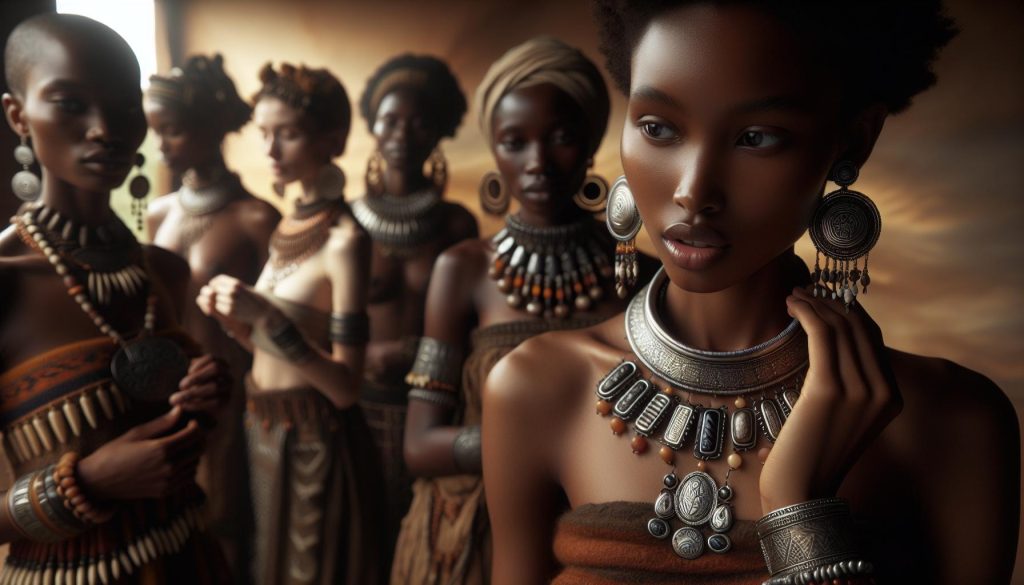
Tribal jewelry, rich in history and cultural significance, connects us to ancient traditions while offering modern aesthetics that resonate with contemporary fashion. Did you know that for many indigenous tribes, jewelry wasn’t just a decorative piece but a vital expression of identity, status, and community? As you explore the world of tribal jewelry, you’ll discover unique designs crafted by skilled artisans that reflect their heritage and craftsmanship. This blend of ancient inspiration and modern flair allows you to not only adorn yourself beautifully but also carry a story that transcends time. Whether you are a seasoned collector or a curious beginner, understanding tribal jewelry will deepen your appreciation for these stunning pieces while guiding you in styling and caring for them. Join us as we delve into a captivating journey through the ancient designs and their lasting allure in today’s fashion landscape.
What Is Tribal Jewellery? An Overview
Tribal jewellery serves as a vibrant homage to the rich history and diverse cultures from which it originates. This form of adornment not only enhances personal style but also embodies significant cultural narratives and traditions. Featuring intricate designs often inspired by nature and ancestral themes, tribal jewellery is renowned for its bold aesthetics and meaningful symbolism. Each piece often tells a story, reflecting the identity and values of the community it represents.
Historically, tribal jewellery was not merely decorative; it held profound significance within various cultures. Such pieces were commonly used in rituals, worn during important ceremonies, or signified social status. For instance, tribal cultures believed that certain motifs and materials could convey protection, luck, or blessings to the wearer, underscoring the importance of spirituality intertwined with fashion. Consequently, the appreciation for tribal jewellery today extends beyond aesthetics; it encourages a greater understanding of different cultures and promotes respect for their traditions.
Incorporating tribal jewellery into contemporary fashion allows individuals to express their unique style while honoring ancient designs. Modern interpretations often blend traditional elements with contemporary trends, making these pieces versatile for various occasions. Whether it’s a bold statement necklace or delicately crafted earrings, the right piece can elevate any outfit while celebrating the artistry and heritage behind it. Understanding these nuances can empower wearers to connect authentically with the pieces they choose, promoting a more informed and thoughtful approach to their jewellery collection.
The Historical Significance of Tribal Jewellery

Throughout history, tribal jewellery has represented much more than simple adornment; it has been a vital expression of identity, culture, and status. Crafted with intention and significance, these pieces serve as markers of social standing and bear witness to pivotal events in the lives of their wearers. In many cultures, tribal jewellery would signify rites of passage, marital status, or clan affiliation, making these items powerful symbols within their respective communities.
The materials and designs found in tribal jewellery often reflect the natural surroundings and cultural narratives of the peoples who create them. For instance, beads made from shell, wood, or bone not only represent local resources but also convey spiritual meanings. Designs featuring specific animal motifs or symbols are thought to provide protection, embody good fortune, or connect the wearer to ancestral spirits. This blend of material and symbolism illustrates how tribal jewellery weaves together the tangible and intangible, creating a rich tapestry of cultural heritage.
Moreover, tribal jewellery has historically played a crucial role in rituals and ceremonies, serving as a conduit between the physical and spiritual realms. From intricate headdresses used in dances to the bold necklaces worn during rites of passage, each piece is steeped in tradition and cultural significance. The process of fabrication itself can be ceremonial-handcrafted by skilled artisans who pass down techniques through generations, ensuring that the artistry of tribal jewellery remains a living tradition.
As we appreciate these ancient designs today, it is essential to recognize their historical context and the stories they carry. By wearing tribal jewellery, individuals do not just adorn themselves; they become part of a continuum that honors and respects the cultural narratives of communities worldwide. Engaging with these pieces invites a deeper understanding of the histories they embody and fosters appreciation for the diversity of human expression through art.
Exploring Popular Tribal Jewellery Styles
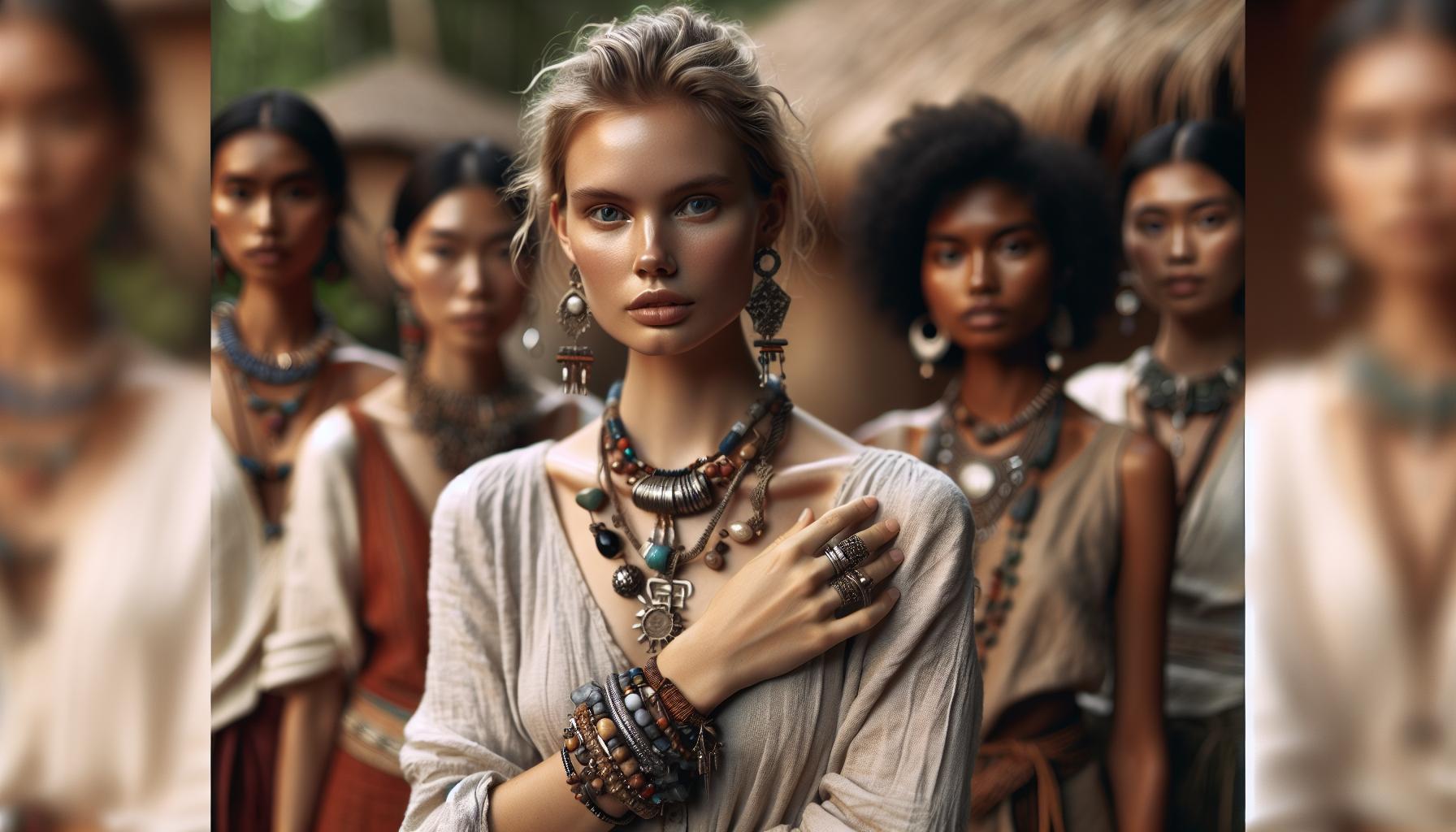
A fascinating aspect of tribal jewellery is its diversity, rooted in the distinct cultures and histories of various communities around the world. Each region brings forth unique styles that reflect not only aesthetic preferences but also deep cultural significance. From bold statement pieces to intricate, delicate designs, the variety is as rich as the stories behind them. For anyone seeking to connect with their heritage or simply explore beautiful adornments, understanding these popular tribal jewellery styles can be incredibly rewarding.
Navajo Jewellery
Among the most celebrated tribal jewellery styles is Navajo jewellery, renowned for its intricate silverwork and gemstone inlays. Traditional pieces often include concho belts, squash blossom necklaces, and turquoise-studded earrings. The turquoise, considered the “sacred stone,” not only enhances the beauty of the jewellery but also holds spiritual significance, believed to provide protection and strength. Navajo artists skillfully combine silver and stones, creating pieces that are both functional and reflective of their ancestral heritage.
African Beaded Necklaces
African tribal jewellery, particularly beaded necklaces, showcases an extraordinary palette of colors and patterns. Each bead carries meaning, often indicating the wearer’s social status, tribe, or life events such as marriage or maturity. For example, the Maasai people of Kenya and Tanzania use vibrant beads in intricate patterns that tell stories of their lineage and values. These necklaces are often layered, which adds a dynamic and festive element, making them perfect for celebration or performance.
Maori Taonga
In New Zealand, Maori taonga (treasures) hold profound cultural significance. Carved from jade, bone, and wood, these pieces often take the form of pendants and earrings, featuring intricate motifs that represent ancestors, nature, and spirituality. The koru, a spiral shape that symbolizes new life and growth, is commonly found in Maori designs and serves as a reminder of the connection between the earth and sky. Wearing Maori jewellery is a way to honor their identity and heritage.
Contemporary Tribal Styles
Modern interpretations of tribal jewellery blend traditional motifs with contemporary fashion sensibilities. Designers are creating pieces that pay homage to their roots while appealing to broader audiences. The use of sustainable materials and updated techniques allows for fresh expressions of age-old designs. From minimalist pieces inspired by tribal patterns to bold statement jewellery that speaks to social issues, contemporary tribal styles offer a way for wearers to express individuality while respecting cultural legacies.
As you explore the rich landscape of tribal jewellery, remember that each piece carries a story-connecting the wearer not only to the artistry but also to the profound histories and traditions from which they originate. Incorporating these styles into your collection is not just about aesthetics; it is about honoring the cultural narratives that shape our world today.
Materials Used in Tribal Jewellery Designs
Rich in history and culture, tribal jewellery is crafted from a variety of materials that reflect the unique identities and traditions of different communities worldwide. Each material used is not just a choice for aesthetics but carries deep significance, often tied to identity, social status, and spiritual beliefs. Whether it’s the warmth of wood, the shine of metals, or the vibrancy of beads, the materials in tribal jewellery play a pivotal role in its allure and meaning.
Natural Materials
Many tribal jewellery pieces are made from natural materials readily available in the environment. For instance, bone, wood, ivory, and shells have been traditional choices among various tribes. These components not only provide an earthy aesthetic but also connect wearers to the natural world, expressing their relationship with the environment. For example, Maori taonga often incorporates bone and jade, reflecting their respect for nature and ancestry, with each carving telling a story about their heritage.
Metals and Stones
Metals such as silver, brass, and copper are also commonly used in tribal craftsmanship. The Navajo are particularly known for their beautiful silverwork, which often features intricate gemstone inlays. Turquoise, a quintessential stone in their jewellery, is not only valued for its color but also its perceived protective properties. Similarly, African tribal jewellery frequently employs brass and copper, which serve as both functional and decorative elements, reflecting the artistic traditions of various tribes across the continent.
Beads and Other Components
Beading is a prominent technique found in tribal jewellery, with vibrant colors and patterns telling stories of lineage and status. The Maasai people of Kenya and Tanzania, for instance, create stunning beaded necklaces that indicate social standing and significant life events. Each bead carries specific meanings and is often combined in complex, intricate patterns that celebrate the wearer’s identity. Contemporary artisans also utilize synthetic beads to enhance sustainability and innovation in designs while paying homage to traditional practices.
Understanding the materials used in tribal jewellery is essential for appreciation and care. Various materials require different cleaning and maintenance techniques, so knowing how to protect your pieces ensures they last and continue to tell their stories. Additionally, for those interested in creating their own pieces, familiarizing oneself with these materials can open up new avenues for expression and connection to cultural heritage.
Craftsmanship: The Art Behind Tribal Jewellery
The intricate craftsmanship behind tribal jewellery is a fascinating blend of art, culture, and personal expression, deeply rooted in the traditions of indigenous artisans. Each piece is often handcrafted, with artisans using techniques passed down through generations, resulting in unique expressions of identity and heritage. The meticulous care taken in crafting these items ensures that they are not just accessories but also artifacts that carry stories and cultural significance.
Techniques and Skills
Artisans employ various techniques in creating tribal jewellery, often using hand tools and traditional methods that highlight their skills and creativity. Common techniques include:
- Forging: Shaping metal through hammering provides unique textures and designs, significant in many tribal styles.
- Beading: This time-consuming process involves threading beads to create intricate patterns, often signifying social status or life events.
- Carving: Many tribal pieces feature designs carved directly into materials like bone or wood, each detailing the artisan’s connection to their culture.
These practices not only reflect artistry but also a deep respect for the materials used, which are often sourced from the artisan’s local environment. This connection to nature imbues each piece with meaningful intent, celebrating the resources that sustain their communities.
Modern Reinterpretations
In today’s global market, there is a growing appreciation for the craftsmanship behind tribal jewellery. Contemporary artisans skillfully blend traditional techniques with modern design aesthetics, producing pieces that appeal to a wider audience. This fusion often involves the use of sustainable materials and innovative processes, aligning with current values around environmental consciousness.
Artisans also adapt their creations to meet the evolving tastes of modern consumers while maintaining the cultural significance of their work. These adaptations make tribal jewellery not only a statement of style but also a celebration of heritage, ensuring that these traditional designs continue to resonate with new generations.
Understanding the craftsmanship behind tribal jewellery is essential for both collectors and creators. By appreciating the techniques and intentions behind each piece, one gains a deeper connection to the rich cultural narratives they embody. Whether you are looking to start your own jewellery line or simply wish to invest in meaningful pieces, recognizing the artistry involved will enhance your appreciation and care for these unique works of art.
Modern Interpretations of Tribal Patterns
The evolution of tribal jewellery in contemporary design reflects a fascinating dialogue between traditional artistry and modern sensibilities. As artisans blend ancient techniques with current trends, the result is a stunning array of pieces that are not only visually striking but also imbued with rich cultural narratives. Today’s jewellery enthusiasts are increasingly captivated by the symbolism and storytelling inherent in tribal designs, finding ways to incorporate these meaningful pieces into their modern wardrobes.
One of the most exciting aspects of modern tribal jewellery is its embrace of sustainable practices. Many contemporary artisans prioritize eco-friendly materials and ethical sourcing, ensuring that their work resonates with a growing consumer demand for responsible fashion. Common materials include reclaimed metals, responsibly sourced stones, and biodegradable elements that celebrate both the earth and traditional craftsmanship. This commitment to sustainability not only honors the artisans’ cultural heritage but also speaks to a collective desire for authenticity in purchasing decisions.
Furthermore, modern interpretations often involve a deliberate fusion of styles. Artisans today experiment through vibrant colors, unconventional shapes, and mixed materials, creating eye-catching designs that appeal to diverse tastes. For instance, a beadwork necklace might feature traditional motifs juxtaposed against sleek, minimalist designs, or a classic pendant might be reimagined with asymmetrical elements and contemporary finishes. This fusion transcends boundaries, introducing tribal aesthetics to a wider market while preserving their fundamental cultural significance.
In styling these tribal pieces, versatility is key. Many modern designs lend themselves to layering, allowing wearers to mix and match with contemporary pieces for a personalized touch. Whether it’s pairing a striking tribal cuff with a sleek modern outfit or integrating earrings with historical patterns into everyday looks, the possibilities are as vast as the cultures they represent. Embracing this blend of modern and ancient not only highlights individual style but also pays homage to the rich heritage of tribal jewellery. Ultimately, as both collectors and casual wearers engage with these modern iterations, they become part of an ongoing narrative that celebrates artistry, culture, and personal expression through jewellery.
How to Style Tribal Jewellery for Every Occasion
Embracing the rich storytelling and cultural significance of tribal jewellery can enhance your style for any occasion, making it not just an accessory but a statement of identity and artistry. Whether you’re dressing for a casual gathering or an elegant event, understanding how to effectively incorporate tribal designs into your wardrobe opens up a world of creative possibilities.
To make tribal jewellery shine without overwhelming your look, consider the context of your outfit. For casual settings, such as brunch with friends, opt for layered necklaces featuring intricate beads or pendants that highlight the craftsmanship while complementing a simple t-shirt and jeans. Elevate the look with stacked rings that mesh with your personal style, adding a hint of bohemian flair that feels effortlessly chic.
As you transition to more formal occasions, the boldness of tribal pieces becomes an opportunity for elegance. A statement tribal necklace can transform a classic little black dress into something striking. Pair it with understated earrings to maintain balance; this approach allows the necklace to be the focal point. Additionally, when selecting bracelets or cuffs, consider opting for a boldly crafted piece that resonates with the attire’s color palette, ensuring visual harmony while asserting your unique style.
For festive events or cultural celebrations, layered bracelets and bold earrings can provide just the right touch of liveliness. Here, mixing traditional motifs with modern attire can create visually dynamic arrangements that celebrate both heritage and contemporary fashion. Integrating tribal prints into your clothing choices, such as a patterned top, can further enhance the aesthetic without distracting from the jewellery.
Remember, the key to styling tribal jewellery lies in its ability to complement rather than compete with your attire. By choosing complementary outfits and allowing your tribal pieces to shine as the centrepieces of your ensemble, you embody a modern interpretation of ancient artistry. This harmonious blend calls attention to the stories each piece tells, effectively capturing the spirit of tradition and personal expression.
Caring for Tribal Jewellery: Tips and Techniques
To ensure that your tribal jewellery maintains its stunning appearance and cultural integrity, proper care is essential. Unlike contemporary pieces, tribal jewellery often features intricate designs and natural materials that may require a gentler touch. A few simple steps can extend the life of these beautiful accessories while preserving their unique character.
Cleaning Techniques
Start by gently cleaning your jewellery after each wear. Use a soft polishing cloth to wipe down the pieces, as this will help remove any oils or dirt that may accumulate over time. For a deeper cleanse, you can opt for solutions made from:
- Warm water and mild dishwashing liquid: This combination works well for many metals and helps to eliminate grime without harsh chemicals.
- Baking soda and vinegar: This natural solution can help breakdown stubborn stains. Dampen the necklace and sprinkle a small amount of baking soda before applying vinegar to create a fizzing reaction that lifts dirt.
- Lemon and olive oil: This mixture not only cleans but can also add a subtle shine, particularly to tarnished metal.
Make sure to rinse thoroughly and dry your jewellery completely before storing it. Leaving the pieces damp can lead to tarnishing or damage, particularly if they are made of softer metals.
Storage Solutions
How you store your jewellery can have a profound impact on its longevity. Here are best practices to follow:
- Avoid moist environments: Store pieces in a cool, dry place to prevent rust and degradation, particularly for metals that are more susceptible.
- Use anti-tarnish pouches: Consider placing your jewellery in these pouches or boxes lined with anti-tarnish fabric to protect against oxidation.
- Separate storage: Store each piece individually to avoid scratches and tangles. Using small compartmentalized containers can help maintain organization.
Long-Term Care
When it comes to the long-term care of tribal jewellery, being proactive is key. Ensure you remove your jewellery before engaging in activities that may expose it to harsh conditions, like swimming, exercise, or sessions in hot tubs. This not only protects the pieces from physical damage but also from exposure to chemicals that can tarnish or degrade materials.
By following these tips and techniques, you’ll not only maintain the beauty of your tribal jewellery, but you’ll also show respect for the craftsmanship and cultural stories they represent. Careful attention to these details enhances your ownership experience, allowing you to wear your jewellery proudly for years to come.
DIY Tribal Jewellery: Creating Your Own Pieces
Creating your own tribal jewellery can be an enriching experience that connects you with ancient artistry while allowing for personal expression. Whether you’re a seasoned crafter or a curious beginner, diving into DIY tribal jewellery opens up a world of creativity, enabling you to blend traditional designs with your unique styles. This hands-on approach not only results in one-of-a-kind pieces but also fosters a deeper appreciation for the craftsmanship and cultural heritage embedded in tribal designs.
To start your creation journey, begin by gathering materials that resonate with the tribal aesthetic. Natural elements such as wood, clay, and semi-precious stones work beautifully. For example, using terracotta or mouldit clay allows for intricate designs that can mimic traditional tribal patterns. Not only do these materials provide authenticity, but they also embody the essence of tribal artistry, which often features earthy tones and organic shapes. You can find a variety of do-it-yourself tutorials online that guide you through the process of making pieces like tribal earrings or necklaces. For instance, a detailed DIY tutorial on creating tribal earrings can provide step-by-step guidance from selecting materials to finishing touches that evoke a genuine tribal feel [[2]](https://www.youtube.com/watch?v=WctvgN2VmJY).
Incorporating various techniques is key to capturing the essence of tribal styles. Pay attention to elements like beading, weaving, or even painting designs on your pieces. Experiment with layering to create depth and dimension, mixing materials to enhance the visual interest of your designs. Additionally, consider personalizing your jewellery with symbols that reflect your own story or values-this brings an extra layer of meaning to your creations and allows you to engage with the craft on a more personal level.
Finally, the act of making tribal jewellery isn’t just about creating; it’s a celebration of cultural expression. As you work on your pieces, take the time to learn about the stories and traditions behind the designs you choose to replicate or reinvent. This background knowledge not only enriches your crafting experience but also honors the cultural significance of tribal jewellery. Whether you wear your creations or gift them, you are sharing a piece of art that is filled with history, significance, and personal expression.
The Cultural Importance of Tribal Jewellery
Tribal jewellery holds profound cultural significance, serving as a vibrant testament to the rich heritage and identities of various communities around the world. These pieces are not merely decorative adornments but are imbued with meanings that convey social status, identity, and spiritual beliefs. For many indigenous peoples, wearing tribal jewellery is a way to honor traditions and showcase personal and collective histories. Each piece often tells a story, representing cultural symbols, motifs, and traditional craftsmanship honed over generations.
Cultural Connection and Identity
The connection between tribal jewellery and cultural identity is paramount. Many individuals choose to wear these pieces to express their heritage and celebrate the stories of their ancestors. For instance, in Native American cultures, jewellery often signifies one’s clan or tribal affiliation, with specific designs and materials representing different groups. This deep-rooted tradition not only fosters a sense of belonging but also serves as a medium for cultural continuity. The act of wearing tribal jewellery can be seen as a declaration of pride in one’s heritage and a commitment to preserving that cultural legacy.
Symbolism and Meaning
Each element in tribal jewellery-from the materials used to the colors chosen-carries its unique significance. For example, specific colors might depict various emotions or life phases, while certain patterns can symbolize protection or prosperity. Understanding these meanings enriches the experience of wearing or gifting tribal jewellery, transforming it into a cherished item filled with personal and cultural narratives. As you engage with tribal designs, consider the stories entwined within them; this awareness can deepen your appreciation for the artistry and the cultures they represent.
Contemporary Relevance
In today’s world, the popularity of tribal jewellery has surged, often merging traditional elements with modern aesthetics. Designers, both indigenous and non-indigenous, are finding innovative ways to reinterpret these age-old designs, making them accessible to a broader audience. This blending of old and new invites questions about cultural appropriation and authenticity, prompting consumers to reflect on the origins of the jewellery they wear. By choosing to purchase and wear authentic tribal pieces, individuals can support artisans and help keep traditional practices alive, bridging the past and present in a meaningful way.
By understanding and respecting , we engage in a larger conversation about identity, heritage, and artistry. As you explore various tribal designs, whether through personal collection or crafting your pieces, remember that each item is a representation of history, culture, and the ongoing narrative of the communities that create them.
Where to Buy Authentic Tribal Jewellery
Finding authentic tribal jewellery can be an enriching experience, not just for its aesthetic appeal but also for its deep-rooted cultural significance. When looking to purchase genuine pieces, it’s essential to know where to find them to ensure you support artisans and their traditions. Authentic tribal jewellery is often crafted by Indigenous artisans who infuse their heritage and cultural narratives into each piece, making it a treasure worth owning.
One of the best places to start your search is through specialized online retailers that focus on authentic tribal jewellery. For instance, websites like Palms Trading offer a wide selection of handmade items from Native American artisans, ensuring that customers receive jewellery directly rooted in tribal traditions. These products often come with detailed descriptions about their origins, which can enhance the experience of ownership and gifting.
Local craft fairs and artisan markets are also excellent venues to discover authentic tribal jewellery. Many Indigenous artists attend these events to showcase their work, allowing you to buy directly from the source. This not only supports the creators but also gives you the opportunity to learn about the significance of the items. Look for fairs that prioritize Indigenous participation or events focusing on cultural education.
Tips for Ensuring Authenticity
When purchasing tribal jewellery, consider the following tips to ensure authenticity:
- Research the Seller: Look for retailers who provide background information about the artisans and their cultural practices.
- Certification: Some pieces may come with certificates of authenticity, particularly those that are culturally significant or handcrafted.
- Materials Used: Familiarize yourself with traditional materials and techniques that define specific tribal jewellery styles.
These steps can help safeguard your investment and ensure that you are truly supporting the artisans and their craft. Whether you are a seasoned collector or a newcomer, understanding allows you to make informed purchasing decisions while celebrating the rich cultural heritages each piece represents.
Understanding the Value of Tribal Designs
The allure of tribal jewellery extends beyond its intricate designs and vibrant colors; it is interwoven with histories, traditions, and identities that span generations. requires delving into how these pieces serve as embodiments of cultural stories and expressions of individual and communal identities. Every item tells a tale, reflecting not only the aesthetic sensibilities of its creators but also their spiritual beliefs, social hierarchies, and historical narratives.
When purchasing tribal jewellery, it is essential to recognize the craftsmanship involved. Authentic pieces typically utilize age-old techniques passed down through generations, such as intricate beadwork, metalwork, and weaving, often reflecting the specific tribal aesthetics and values. This level of artistry means that each piece carries inherent worth, derived from the skill and time invested in its creation. Moreover, by acquiring these designs, buyers participate in preserving these traditions, providing vital financial support to Indigenous artisans and their communities.
Another aspect of the jewellery’s value is its symbolism. Many designs are laden with meanings that connect wearers to significant cultural stories or beliefs. For instance, certain symbols may represent elements of nature, life cycles, or even protection against negativity. Learning about these symbols can deepen the appreciation for the jewellery, allowing the wearer not only to showcase a beautiful piece but also to celebrate its deeper connections to heritage and identity.
Lastly, as tribal jewellery makes its way into the modern fashion landscape, it opens opportunities for fusion styles, inviting reinterpretations that maintain respect for the original aesthetics. This adaptability ensures that ancient designs continue to resonate with contemporary audiences, but it’s crucial to approach these modern adaptations thoughtfully. By supporting ethical practices, consumers can appreciate both the traditional and modern aspects, finding pieces that not only adorn but also narrate a journey through time and culture.
In sum, the value of tribal designs encompasses not just their physical beauty but also their ability to bridge past and present, honor tradition while fostering expression, and connect wearers to a broader cultural tapestry. By engaging with tribal jewellery mindfully, you support not only the artisans who craft these pieces but also the rich narratives they encapsulate, making each piece a cherished part of your collection.
Frequently asked questions
Q: What is the origin of tribal jewellery?
A: Tribal jewellery originates from various indigenous cultures around the world, often reflecting local traditions, beliefs, and social structures. Each piece tells a unique story and embodies the cultural identity of its makers, utilizing materials and symbols significant to their heritage.
Q: How can you identify authentic tribal jewellery?
A: To identify authentic tribal jewellery, look for craftsmanship that reflects traditional techniques, usage of local materials, and specific cultural motifs. Research the artisan or brand’s background and seek certifications wherever possible to ensure you’re purchasing genuine pieces, as discussed in the “Where to Buy Authentic Tribal Jewellery” section of our article.
Q: What materials are commonly used in tribal jewellery?
A: Tribal jewellery often incorporates materials such as bone, wood, metal, gemstones, and shells. These materials are chosen not only for their availability but also for their significance in the culture they represent. For more detailed information, refer to the “Materials Used in Tribal Jewellery Designs” section of our article.
Q: Why is tribal jewellery considered valuable?
A: Tribal jewellery is considered valuable due to its cultural significance, the skill involved in its creation, and its uniqueness. Each piece often holds a deep connection to traditions, making it not just an accessory but a representation of identity and heritage.
Q: Can tribal jewellery be worn casually?
A: Yes, tribal jewellery can be styled for casual wear. Its bold designs and intricate patterns pair well with various outfits. For tips on how to incorporate these pieces into your daily wardrobe, check out the “How to Style Tribal Jewellery for Every Occasion” section in our article.
Q: What should you do to care for tribal jewellery?
A: To care for tribal jewellery, keep it clean and store it properly to prevent damage. Avoid exposing it to harsh chemicals and moisture. Regularly inspect for any wear or tear and follow the tips outlined in the “Caring for Tribal Jewellery: Tips and Techniques” section for detailed guidance.
Q: How has tribal jewellery evolved over time?
A: Tribal jewellery has evolved by incorporating modern designs and materials while still honoring traditional craftsmanship. Artisans now blend ancient patterns with contemporary styles, creating pieces that appeal to wider audiences, as explored in the “Modern Interpretations of Tribal Patterns” section of our article.
Q: Where can I learn to make my own tribal jewellery?
A: You can learn to make your own tribal jewellery through local workshops, online tutorials, or DIY kits. The “DIY Tribal Jewellery: Creating Your Own Pieces” section of our article provides valuable resources and techniques to get you started on crafting your unique designs.
Key Takeaways
Thank you for exploring the fascinating world of tribal jewellery, where ancient designs meet modern appeal. We hope you’re inspired to incorporate these meaningful pieces into your collection. If you want to learn more about caring for your tribal jewellery, check out our guides on jewellery care and cleaning tips. Interested in creating your own unique pieces? Don’t miss our DIY tutorials that will empower you to express your personal style.
Remember, every piece of tribal jewellery tells a story-why not start your journey today? Explore our curated collection or subscribe to our newsletter for the latest trends and expert insights. Your next favourite piece is just a click away! Share your thoughts or questions in the comments below; we love hearing from you! Dive deeper into the beauty of jewellery and keep your passion shining bright!
Get our latest guides, news, and insights highlighted in your Google Search & AI Overviews.