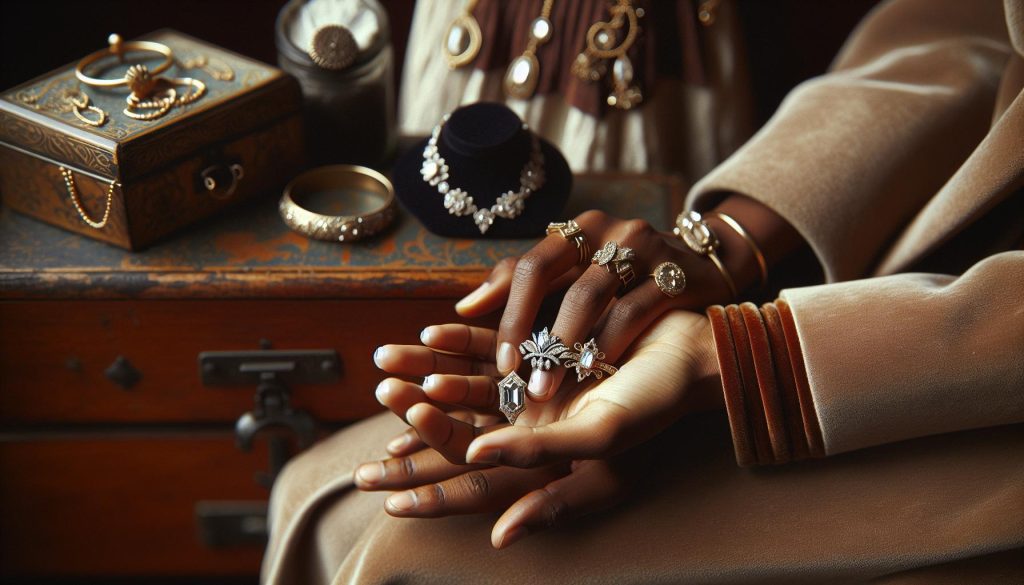
Did you know that paste jewellery, often overshadowed by its more expensive counterparts, holds a timeless allure that speaks to elegance and creativity? This vintage treasure, made from glass and metal, offers a glamorous alternative for those who seek beauty without breaking the bank. Whether you’re a seasoned collector or just beginning your jewellery journey, understanding paste jewellery is essential for embracing its charm and versatility.
This article uncovers the secrets behind paste jewellery, from its fascinating history to practical tips on styling and caring for these stunning pieces. You’ll discover how to seamlessly integrate vintage glamour into your wardrobe while also learning the ins and outs of authenticity and maintenance. So, if you’re ready to elevate your jewellery game and appreciate the artistry behind these exquisite creations, read on to explore the captivating world of paste jewellery!
What Makes Paste Jewellery Unique?
Paste jewellery stands out for its captivating blend of artistry and affordability, making it a cherished choice among those who appreciate vintage glamour. Unlike conventional gemstones, paste refers to a type of glass that is crafted to mimic the brilliance of precious stones, resulting in beautiful and eye-catching pieces that can sparkle just as brightly as their more expensive counterparts. This unique characteristic allows collectors and enthusiasts to enjoy exquisite looks without the hefty price tag often associated with authentic gems.
One of the most remarkable features of paste jewellery is its craftsmanship. Artisans often hand-cut and polished each piece to achieve the desired luster, a quality that adds a personal touch to every item. This craft has been honed since the 18th century when paste became popularized by designers such as George Frampton, who sought to create jewellery that emulated the grand styles of the aristocracy while remaining accessible to the wider public. As a result, paste jewellery often showcases an opulent aesthetic reminiscent of history’s most illustrious eras, making it a favorite among vintage collectors.
In addition to its beauty, the versatility of paste jewellery enables it to be styled in numerous ways for various occasions. A glittering paste brooch can be the perfect accent for a formal outfit, while a pair of paste earrings can elevate your casual wear. Moreover, this adaptability encourages creativity in styling, allowing wearers to mix and match pieces in innovative ways. Whether you are dressing for a glamorous event or looking for everyday elegance, paste jewellery provides endless possibilities.
Maintaining the allure of paste jewellery is relatively straightforward. Gentle cleaning with a soft cloth and lukewarm soapy water helps preserve its shine without damaging the intricate details. Storing pieces in a soft pouch or jewellery box away from direct sunlight and humidity will protect them from potential scratches and discoloration. By understanding the unique nature and history of paste jewellery, you can appreciate how these timeless pieces allow you to express your style while enjoying the charm of vintage glamour.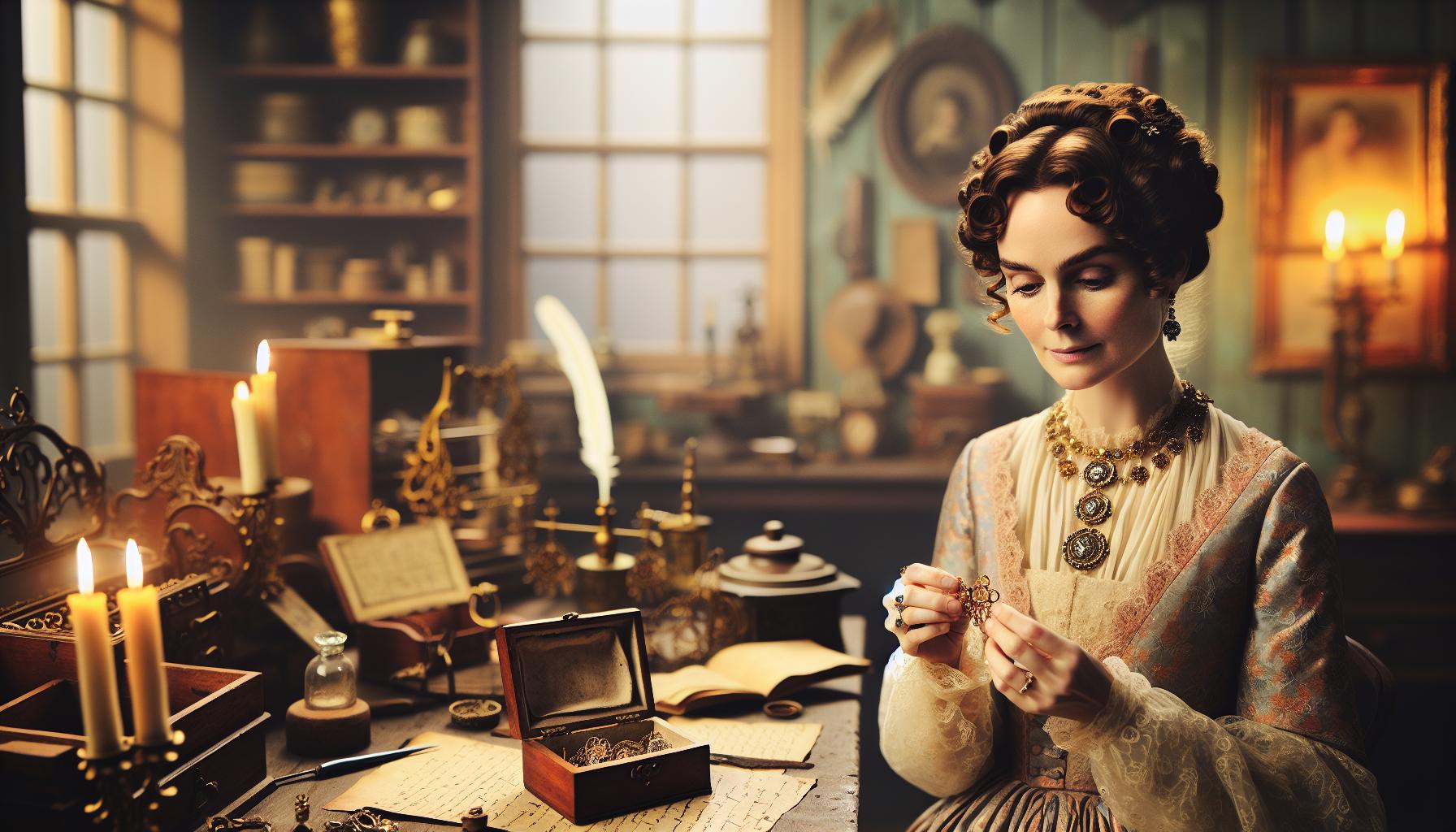
The History Behind Paste Jewellery
The allure of paste jewellery is steeped in a captivating history that mirrors societal changes and artistic innovations from the 18th century onwards. Originally developed in response to the demand for imitation stones, paste gained popularity as an accessible alternative to precious gems, appealing to the aristocracy and commoners alike. Interestingly, its rise was fueled by the desire to replicate the dazzling opulence of gemstones without the extravagantly high costs associated with them.
Paste, crafted from a type of glass known for its ability to mimic the brilliance of real stones, began its journey in the creative workshops of European artisans. During the reign of Louis XIV, the fashion for extravagant adornments thrived, giving way to the artistry of paste jewellery. Designers like Georgian jeweller James de Sainct Germain and later, the renowned Charles Frederick Worth, utilized paste stones to add a democratic flair to haute couture, enabling a broader range of individuals to partake in the glamour and luxury historically reserved for the elite.
Evolution Through the Ages
As the decades passed, paste jewellery evolved in style and technique, reflecting the trends of its time. The Victorian era saw the use of paste pieces alongside fine jewellery, seamlessly integrating them into everyday fashion. This period was characterized by intricate designs featuring floral motifs and elaborate settings that showcased the beauty of paste through meticulous craftsmanship. The rise of Art Deco in the 1920s shifted focus to geometric shapes and bold colors, further enhancing the versatility of paste jewellery and solidifying its place in fashion history.
Despite the fine craftsmanship involved, paste jewellery was often undervalued throughout the 19th and early 20th centuries, incorrectly labeled as mere costume pieces rather than appreciating their artistic merit. However, collectors today are reclaiming these stunning creations, acknowledging their imaginative designs and the skill required to produce them. With their captivating shine and artistic heritage, vintage paste jewellery pieces are now celebrated not just for their aesthetic but also as symbols of innovation and history.
In exploring the history of paste jewellery, one uncovers the transformative power of design and desire-pieces that were born of necessity have transcended their humble beginnings to become cherished heirlooms and collectible treasures. For both novice collectors and seasoned enthusiasts, familiarizing oneself with the origins and evolution of paste jewellery enhances appreciation for its timeless charm, ensuring that these splendid creations continue to shine in the present day.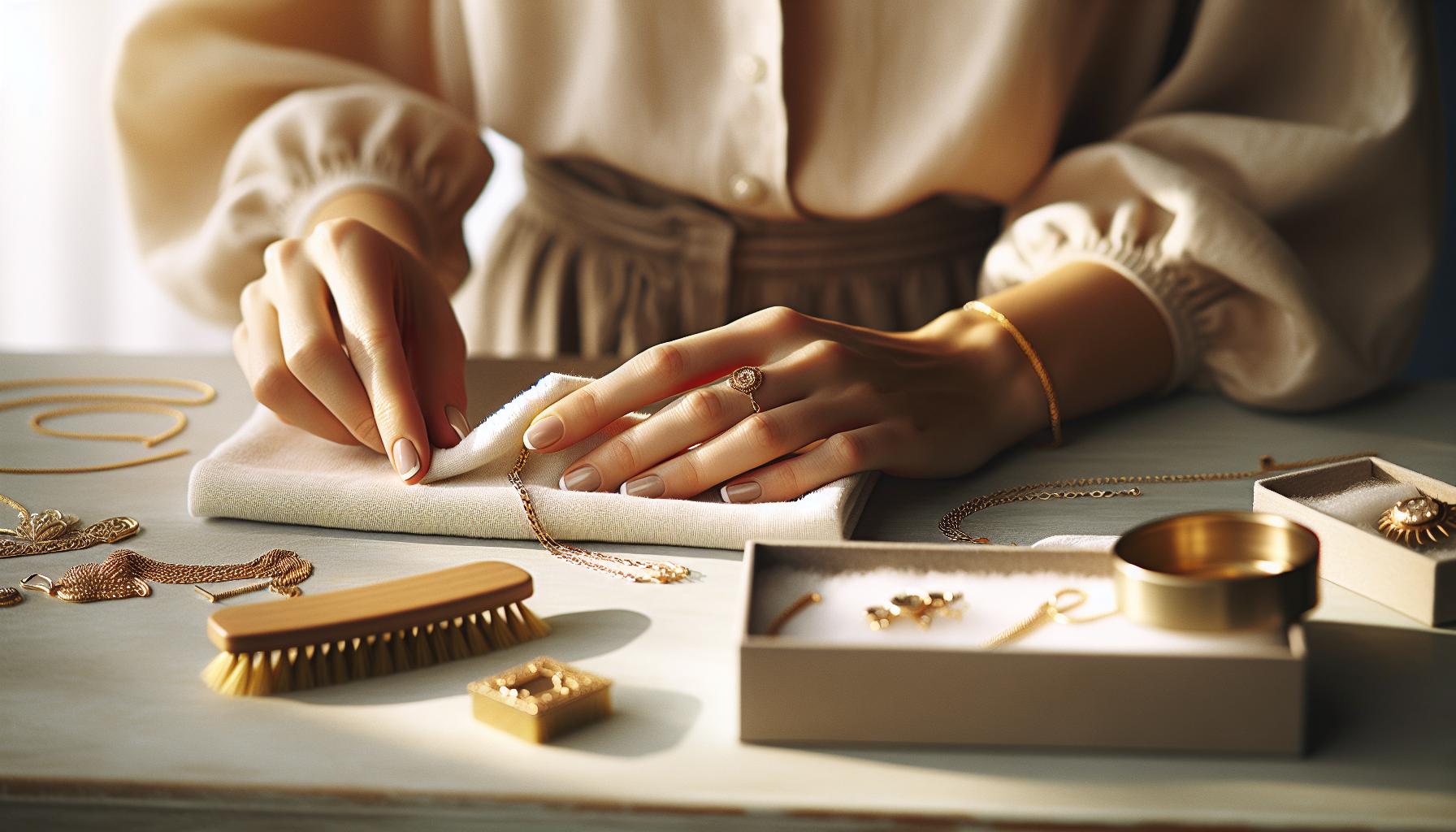
Understanding the Materials Used in Paste Jewellery
Paste jewellery is not just about beauty; it’s about understanding the materials that create its striking brilliance. At its core, paste is crafted from a specially formulated glass that artists have perfected over centuries to replicate the sparkle and depth of precious gemstones. The careful composition of materials results in a product that is both aesthetically pleasing and remarkably versatile, making it a favorite among jewelers and collectors alike.
The main ingredient in paste jewellery is called *potash glass*, which is produced through a precise melting process that combines sand, potash, and lead oxide. This combination enhances the glass’s refractive quality, enabling it to mimic the brilliance of topaz, diamond, and other valued gems. What sets paste apart is not only its lustrous appearance but also its ability to be cut and faceted in similar ways as real gemstones, which provides an authentic look at a fraction of the cost. When you examine paste jewellery closely, you’ll notice that many pieces have facets that reflect light dazzlingly, similar to high-quality stones.
What Makes Paste Glass Shine?
While the base glass contributes to the shine of paste jewellery, the true artistry lies in the finishing techniques employed by jewelers. Here are some crucial aspects that enhance its beauty:
- Faceting: Skilled artisans meticulously cut and polish each piece to achieve a variety of shapes and sizes. The process can involve multiple stages of grinding and polishing, making the paste spark as brilliantly as a diamond.
- Colourants: Different metal oxides are added during the glass-making process to create vivid colors, allowing for captivating designs reminiscent of natural gemstones.
- Settings: Paste stones are often set in metals like silver or gold, which not only enhances their visual appeal but also reflects the craftsmanship of the designer.
Understanding these materials is key for anyone looking to appreciate or collect paste jewellery. When inspecting a piece, you can look for quality indicators such as clean cuts, plane surfaces, and vibrant color saturation, all of which point to a high level of craftsmanship.
For those interested in preserving their paste jewels, remember that frequent exposure to harsh chemicals and extreme temperatures can damage the glass. To maintain their brilliance, store your pieces in a cool, dry place, and clean them gently with a soft microfiber cloth to avoid scratching. Being mindful of the materials and care routines will ensure that your cherished paste jewellery continues to shine brightly through the years, embodying the allure and timelessness of vintage glamour.
How to Identify Authentic Paste Jewellery
Identifying authentic paste jewellery can sometimes feel daunting, especially for those new to the vintage jewellery scene. However, with a discerning eye and a bit of knowledge, anyone can become adept at spotting the real deal amidst modern imitations or lesser-quality pieces. Genuine paste jewellery is renowned for its brilliance and craftsmanship, making it a treasured addition to any collection.
To begin your journey into authentication, it’s essential to examine the piece closely. One of the first things to notice is the quality of the faceting. Authentic paste stones will exhibit cut facets that are sharp and polished, allowing light to reflect off them beautifully, mimicking natural gemstones. In contrast, lower-quality imitations often have dull or uneven surfaces, lacking that brilliant sparkle.
Another key identifier is the setting. High-quality paste jewellery frequently features intricate and thoughtful designs in their mountings, often crafted from silver or gold. Authentic pieces will show signs of stable craftsmanship, with secure settings that hold the stones firmly in place. Look for hallmarks or maker’s marks that can provide additional evidence regarding the authenticity and value of the piece.
- Color Consistency: Authentic paste stones are made using specific glass formulations, resulting in consistent color saturation. If you notice uneven coloring within the same stone or different stones in a piece, this is a red flag.
- Weight: Genuine paste is denser than many imitation gemstones. Weighing the piece can help; authentic paste jewellery will feel substantial compared to counterfeit stones which may feel lighter and less durable.
- Age: Vintage paste jewellery, particularly from well-known designers, often carries distinctive styles and characteristics from its era. Researching these styles can give clues to a piece’s authenticity.
Lastly, seeking guidance from reputable appraisers or established dealers specialized in vintage jewellery can significantly enhance your confidence in evaluating potential purchases. Being informed and observant, you’ll find that recognizing authentic paste jewellery becomes an empowering skill, enriching your collecting experience and connection to the timeless allure of these stunning pieces.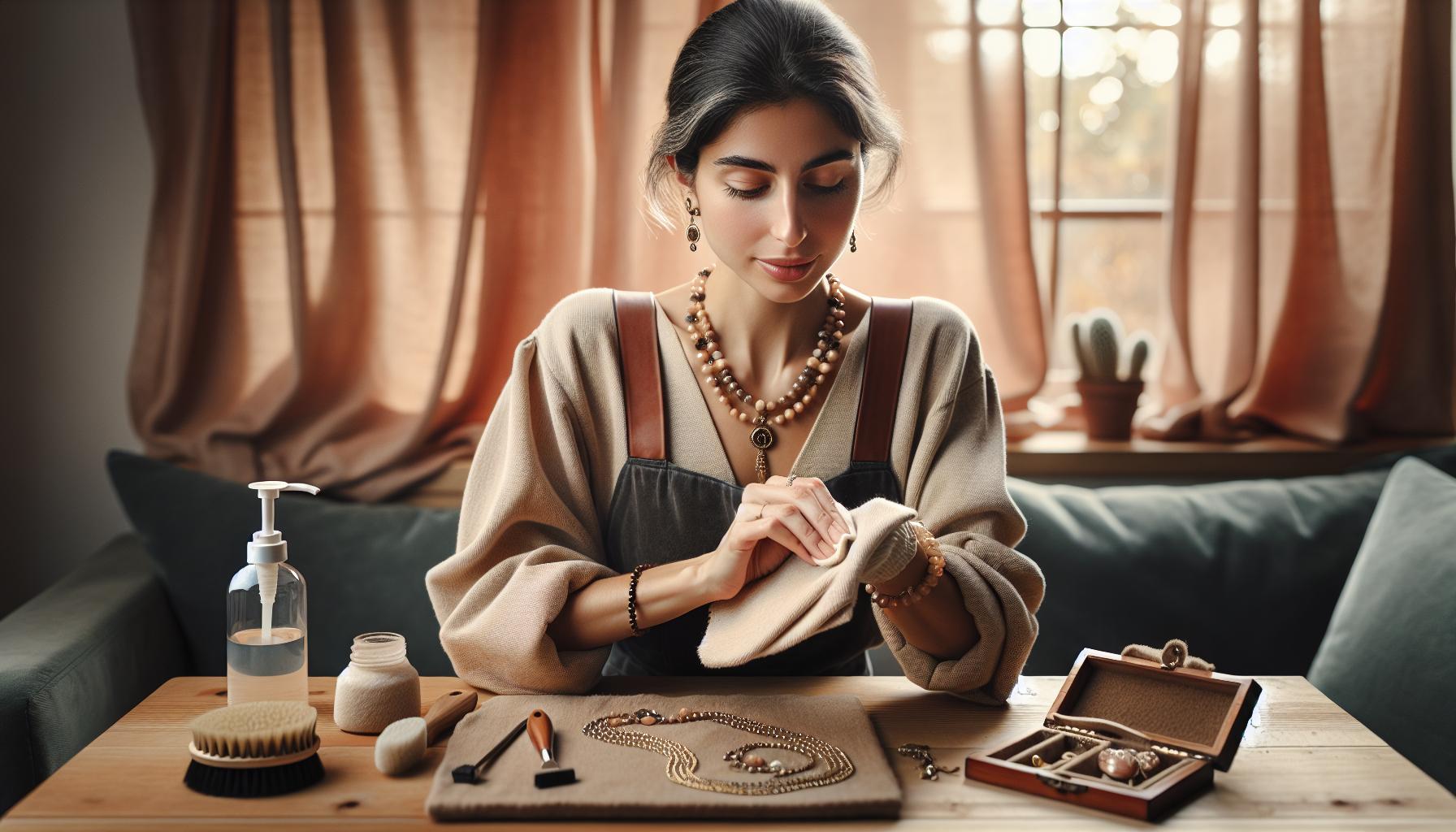
Caring for Your Paste Jewellery Collection
is essential to preserving its beauty and ensuring it can be enjoyed for many years to come. Paste jewellery, often crafted with exquisite attention to detail, reflects a vintage charm that deserves the utmost care. By following a few simple yet effective guidelines, you can maintain the brilliance and longevity of your cherished pieces.
Proper storage is a fundamental step in caring for paste jewellery. Always keep your pieces in a cool, dry place, ideally in a soft pouch or lined jewellery box to prevent scratches. Avoid storing items together to reduce the risk of tangling or chipping. For valuable items, consider using anti-tarnish strips or bags to further shield them from environmental factors that may lead to tarnishing or discoloration.
Cleaning Your Paste Jewellery
Cleaning is another critical component of jewellery care. While paste stones can withstand some wear, they should be cleaned with caution. Use a soft, lint-free cloth to gently wipe down your pieces after each wear to remove oils and residues. For a deeper clean, create a gentle solution of warm water and mild dish soap. Dip a soft brush into the solution and lightly scrub your jewellery, ensuring not to soak it completely. Rinse with a damp cloth and lay it flat to air dry. Avoid abrasive cleaners or tools, as these can damage both the stone and the setting.
Inspections and Maintenance
Regular inspections can also help keep your collection in excellent condition. Check for any loose stones or worn settings; catching these issues early can save you from more costly repairs down the line. If you notice any signs of wear, consult a professional jeweller who specializes in vintage pieces. They can provide expert repairs and cleaning, restoring your jewellery to its former glory.
Staying informed about the materials used in your paste jewellery can also enhance your ability to care for it. Understanding the difference between various metals and glass types will help you choose appropriate cleaners and maintenance strategies. For instance, while sterling silver may require polishing, gold settings might need less frequent attention.
By incorporating these care practices into your routine, you can enjoy your paste jewellery collection to the fullest while preserving its vintage allure and brilliance.
Styling Tips for Wearing Paste Jewellery
The allure of paste jewellery lies in its ability to mimic the sparkle and glamour of precious stones while exuding a vintage charm that is truly timeless. Wearing paste jewellery allows you to make a bold fashion statement without sacrificing elegance. Whether you are heading to a formal event or simply want to elevate your everyday outfits, there are several styling tips you can employ to showcase your paste jewellery beautifully.
To get started, consider the occasion. For formal gatherings, layering strands of paste pearl necklaces or donning an ornate paste brooch can add a sophisticated touch to your ensemble. When styling for a casual day out, a single statement piece, such as a dazzling paste gemstone ring or chandelier earrings, can serve as a stunning focal point. Mixing and matching your paste items can also create a balanced yet eclectic look; try pairing a vintage paste bracelet with dainty earrings to bring a sense of uniqueness to your outfit.
Mixing Textures and Styles
Combining paste jewellery with other materials can enhance the overall aesthetic while playing up its vintage allure. For example, wearing a delicate paste necklace with a crisp white shirt and denim jacket can juxtapose the old-world charm with contemporary casual wear. In addition, mixing different metals-such as gold and silver-within your accessories can add depth and interest to your look. Aim for balance; if your paste jewellery is elaborate or oversized, consider complementing it with simpler clothing silhouettes to ensure your accessories take center stage.
Color Coordination
The colour of the paste stones can also guide your styling choices. When wearing pieces with vibrant hues, it can be advantageous to wear neutral or solid colours to allow the jewellery’s colour to pop. Alternatively, if your paste jewellery features more subdued tones, consider incorporating complementary shades from your wardrobe. A classic little black dress paired with pastel paste earrings offers a refined touch, while a bold colour-block outfit can be perfectly offset by clear or dark-coloured paste pieces, creating a cohesive and eye-catching ensemble.
Incorporating paste jewellery into your daily style not only enhances your wardrobe but also allows you to celebrate the vintage glamour that defines these pieces. With thoughtful styling, you can wear your paste jewellery confidently, showcasing its beauty and history while making it a part of your unique fashion narrative.
DIY Projects: Creating Your Own Paste Jewellery
Creating your own paste jewellery is an exciting way to explore your creativity while embracing the vintage charm that defines this unique accessory. Unlike traditional fine jewellery, paste pieces are often more accessible and can be tailored to your personal style. The process begins with selecting materials that mimic the timeless elegance of historical paste jewellery, allowing you to craft stunning designs that reflect your individuality.
To get started, gather the following essential supplies:
- Glass or acrylic stones: Choose clear, colored, or paste-like finishes that replicate the sparkle of gemstones.
- Jewellery wire: A flexible but sturdy wire is ideal for stringing your pieces together.
- Findings: Hooks, clasps, and ear wires to finish your jewellery pieces.
- Tools: Jewelry pliers, wire cutters, and a flat surface for assembling your designs.
Once you have your materials ready, consider the type of project that excites you the most. Here are a few ideas:
Charming Paste Necklaces
Create a stunning statement necklace by selecting a variety of beautiful glass stones. Arrange them in a pattern that appeals to you, alternating between sizes and colors. Secure the stones using jewellery wire or string and finish with a clasp. Don’t hesitate to add layers of different lengths for an eye-catching effect that showcases depth and dimension.
Alluring Earrings
For earrings, you can craft simple dangles by attaching smaller stones to hooks or creating intricate cluster designs. Combine shapes or sizes for a playful or sophisticated look. Remember to consider the weight of your designs; using lighter materials can help avoid discomfort when wearing larger earrings.
Elegant Bracelets
Bracelets are an excellent way to experiment with variety. Use flexible wire to create a stretch bracelet, alternating beads with paste stones, or delve into more complex chain designs. Incorporating connectors or charms can enhance the vintage character of your piece, further mimicking the elegance of traditional paste jewellery.
Once your creations are complete, remember that caring for your handmade jewellery is essential. Store your pieces away from direct sunlight and humidity to keep the stones’ luster intact. Additionally, gently clean them using a soft cloth to maintain their shine, avoiding harsh chemicals that could damage the materials.
Embracing DIY paste jewellery not only adds a personal touch to your collection but also substitutes a unique story behind each piece. Whether worn alone or mixed with vintage items, your handmade creations will surely turn heads and spark conversations, making your venture into the world of jewellery-making a gratifying and stylish affair.
Famous Vintage Paste Jewellery Designers
The allure of vintage paste jewellery is not just found in its dazzling appearance; it’s deeply embedded in the artistry and innovation of the designers who crafted these enchanting pieces. Among the notable figures in the history of paste jewellery, a few stand out for their masterful approach to design and their ability to elevate glass and faux gems into objects of desire.
One such luminary is Georg Jensen, the Danish silversmith and designer often celebrated for his silver work but also renowned for his stunning paste jewellery designs. Active in the early 20th century, Jensen incorporated paste stones in a way that complemented his sleek, modernist aesthetic. His pieces showcase not only craftsmanship but also a keen understanding of the interplay between light and stone, making them timeless treasures that remain highly sought after by collectors today.
Another influential designer is Karl Lagerfeld, although primarily known for his haute couture fashion, he created a line of jewellery in the 1980s that featured elaborate paste designs. His pieces often channeled vintage glamour with a contemporary twist, revitalizing the appeal of paste through intricate detailing and vibrant colors. Lagerfeld’s work exemplifies how paste jewellery can transcend eras, proving that it remains a versatile choice for both collectors and fashion enthusiasts alike.
Important Vintage Paste Designers
- Georg Jensen: Known for modernist designs that incorporate stunning paste elements.
- Karl Lagerfeld: Merged contemporary fashion with vintage paste elegance in the 1980s.
- René Lalique: While famous for his glass art, he also explored paste in exquisite jewellery designs.
- Juliette de Bouvray: Renowned for her whimsical and opulent paste creations in the 20th century.
Each of these designers has left an indelible mark on the world of paste jewellery, promoting its charm and extendability as pieces that can transition from grand events to everyday wear. Collectors should remain vigilant in sourcing vintage paste items from these creators, as authentic pieces often tell a story of artistic intention paired with technical mastery. When seeking to add vintage paste jewellery to your collection, understanding the names and styles associated with these pioneers not only enhances appreciation but also aids in identifying genuine pieces amidst reproductions.
As you navigate the intricacies of collecting and wearing vintage paste jewellery, take a moment to delve into the legacy these designers have created. Each piece is not just an accessory; it’s a tangible link to a bygone era, embodying the glamour and creativity that defined their time. Embrace the stories behind these designs to enrich your own jewellery journey-after all, wearing paste is not just about sparkle; it’s about celebrating artistry and the enduring allure of vintage elegance.
Collecting Vintage Paste Jewellery: A Beginner’s Guide
Collecting vintage paste jewellery can be a delightful adventure, full of unexpected treasures and unique stories. While paste jewellery is famous for its stunning beauty and workmanship, many collectors often wonder where to start and how to make informed decisions when adding to their collections. Whether you’re a seasoned collector or just beginning your journey, understanding the essentials will help you navigate this glamorous world with confidence.
First and foremost, it’s important to familiarize yourself with the key attributes of paste jewellery. This type of jewellery often features glass stones that mimic the appearance of precious gems. It was commonly produced from the 18th century onward, with artisanal craftsmanship at its heart. The enduring appeal of paste jewellery lies not only in its aesthetics but also in its accessibility compared to genuine gemstones. Before diving into shopping, take some time to learn about different eras of paste jewellery, such as Georgian, Victorian, and Art Deco, as this will help you recognize specific styles and identify pieces that resonate with you.
Where to Find Authentic Pieces
Sourcing vintage paste jewellery can often feel daunting, but knowing where to look is half the battle. Start by exploring:
- Antique Shops: Browse local antique shops and flea markets, which often feature a varied selection of vintage jewellery.
- Online Auctions: Websites like eBay, Etsy, and specialized auction houses can have hidden gems. Always examine the seller’s reputation before purchasing.
- Jewellery Shows: Attend vintage and antique jewellery shows, where you can connect with experts and find rare pieces.
- Estate Sales: Keep an eye out for estate sales in your area; they often have remarkable collections of vintage jewellery from various periods.
Recognizing Authenticity
Being able to spot genuine paste jewellery is crucial for any burgeoning collector. Here are some tips to help you distinguish quality pieces:
- Look for Craftsmanship: Authentic paste jewellery typically showcases high-quality craftsmanship. Examine the details, such as settings and closures.
- Check for Hallmarks: Some pieces may bear hallmarks or stamps that indicate the maker or materials used. Research these marks to understand their provenance.
- Study the Glass: Genuine paste stones often have a unique sparkle and clarity. Compare them with ordinary glass to discern quality.
- Ask an Expert: If you’re unsure, consider consulting with a professional appraiser or jeweller who specializes in vintage jewellery.
As you start your collection, remember to document your pieces. Keeping a record of what you own, including photographs and notes about their history can enhance your appreciation and increase each item’s significance over time. Engaging with online communities and forums where collectors share tips, insights, and stories can also enrich your experience and serve as a great resource.
Ultimately, embracing the journey of collecting vintage paste jewellery means celebrating the artistry, history, and glamour behind each piece. These items not only enhance your personal style but also create a rich narrative that connects the past with the present. Enjoy each moment as you curate a collection that truly reflects your unique taste and passion for this captivating art form.
The Value and Market Trends of Paste Jewellery
The fascination surrounding paste jewellery has seen a resurgence, with collectors and fashion enthusiasts alike drawn to its vintage glamour and unique history. As the demand grows, understanding the value and market trends of these beautiful pieces is essential for anyone interested in creating or expanding their collection. Unlike traditional fine jewellery, which can carry a hefty price tag, paste jewellery offers an affordable yet equally captivating alternative, allowing collectors to enjoy stunning designs without breaking the bank.
One significant factor influencing the value of paste jewellery is its historical origin. Pieces from distinct eras-such as Georgian or Art Deco-often hold greater value due to their craftsmanship and the rarity of well-preserved examples. Collectors should investigate market trends, as certain styles may become more desirable over time. For instance, recent years have seen a keen interest in Victorian paste pieces, particularly those that exhibit intricate detailing and authentic vintage charm. Staying informed about auction results and sales trends can provide invaluable insight into which styles are currently sought after.
It’s also worth noting that the condition of paste jewellery greatly impacts its market value. Well-maintained pieces can fetch a higher price, so collectors should prioritize proper care and preservation. Look for pieces with minimal wear, intact settings, and original glass stones. A detailed history or provenance can further enhance value, as it connects the piece to its past and authenticates its origin. Documenting these stories not only enriches the collection but can significantly influence resale potential.
Market Resources for Collectors
To stay ahead in the world of paste jewellery, consider these resources:
- Online Marketplaces: Platforms like eBay and Etsy offer insight into market prices based on current listings.
- Antique Appraisers: Professionals can provide assessments and insights into pieces you are interested in or already own.
- Social Media Groups: Engage with communities on platforms like Facebook and Instagram, where collectors share trends and potential leads on valuable pieces.
As the landscape continues to change, with some paste jewellery pieces becoming coveted collectibles, it is an exciting time to participate in this thriving market. Whether you’re a beginner collector or an established aficionado, understanding the nuances of value and trends enables you to make informed decisions, ensuring that your collection reflects both your personal taste and the artistry of these timeless treasures.
Maintaining Vintage Glamour: Preservation Tips
Vintage paste jewellery, celebrated for its shimmering beauty and intricate designs, demands thoughtful upkeep to ensure it retains its enchanting allure over the years. Just like fine gemstones, paste pieces can be susceptible to scratches, tarnishing, and environmental elements that may diminish their charm. By adopting a few essential preservation habits, collectors can maintain the vintage glamour of their beloved pieces, enabling them to shine through the ages.
To start, proper storage is crucial for preserving the integrity of paste jewellery. Always store your pieces in a soft-lined jewellery box or pouches made of natural materials like cotton or silk to prevent scratching. Avoid plastic containers, as they can trap moisture and lead to tarnishing. When organizing your collection, consider using dividers or separate compartments to keep each piece from rubbing against another, which can cause wear over time.
Next, regular cleaning is essential, but it must be done with care. To clean your paste jewellery, use a soft, damp cloth to gently wipe away any dirt or oils that may accumulate during wear. Avoid using chemical cleaners or ultrasonic cleaners, as such products can damage the delicate glass stones or settings. Instead, a mild soapy solution with lukewarm water can be effective for more thorough cleaning. Always rinse gently and dry immediately with a soft cloth to prevent lingering moisture.
In addition to cleaning and storage, environmental factors play a significant role in the preservation of paste jewellery. Keep your pieces away from direct sunlight and humid conditions, as excessive light exposure and moisture can lead to fading or deterioration of the materials. It’s also wise to remove your jewellery before engaging in activities like cooking or exercising to prevent accidental damage.
Lastly, making repairs when necessary is vital in maintaining the integrity of your paste pieces. If a stone becomes loose or a setting shows signs of wear, seek professional help from a jeweller experienced in vintage pieces rather than attempting repairs at home. This not only ensures the piece is restored correctly but helps maintain its value.
By implementing these practical preservation tips, you can safeguard the enchanting legacy of your vintage paste jewellery. With a little care and attention, these timeless treasures can continue to dazzle for generations to come, exemplifying the intersection of artistry and history that makes them so special.
The Future of Paste Jewellery: Trends and Innovations
The world of paste jewellery is not just a realm of nostalgia; it is evolving rapidly, merging traditional craftsmanship with contemporary ideas. As collectors and enthusiasts look for more sustainable and affordable options, paste jewellery is making a resurgence, introducing fresh designs and innovations that cater to modern sensibilities. This emerging popularity reflects a broader trend within the jewellery industry towards embracing vintage aesthetics while emphasizing eco-friendliness and ethical practices.
One of the most exciting trends within paste jewellery is the integration of recycled materials. Many artisans are increasingly utilizing sustainable sources for their designs, minimizing environmental footprints while preserving the enchanting allure of vintage style. By implementing *upcycled elements* and sourcing ethical glass options, designers create stunning pieces that appeal to both collectors and environmentally conscious consumers. This approach not only enhances the aesthetic value but also tells a story of transformation and creativity, making each piece unique.
In addition to sustainability, technology is also playing a role in the future of paste jewellery. 3D printing is enabling designers to push the boundaries of traditional craftsmanship. With this technique, intricate patterns and shapes that were once labor-intensive can now be produced with precision and efficiency. This innovation allows for more experimental designs, helping modern jewellers to replicate vintage styles with a fresh twist, while still honoring the essence of past techniques.
Personalization and Customization
Beyond sustainable practices and technology, there is a growing trend towards personalization in paste jewellery. As consumers increasingly seek pieces that reflect their individuality, designers are responding with customizable options. Whether it’s choosing specific colours or adjusting the arrangement of stones, consumers can collaborate with artisans to create bespoke pieces that resonate personally. This shift towards personalized jewellery not only enriches the buying experience but also aligns with a collective desire for unique, meaningful pieces that stand apart in a world of mass production.
In conclusion, the future of paste jewellery is bright and multifaceted. With sustainability, technological advances, and a push for personalization, these vintage-inspired pieces are poised to enchant a new generation of collectors and fashion enthusiasts. As trends continue to evolve, one thing remains certain: paste jewellery’s ability to combine history with innovation ensures its place in the hearts of many.
FAQ
Q: What is the difference between paste jewellery and real gemstones?
A: Paste jewellery is made from glass materials that mimic the appearance of gemstones, offering a vintage glamour look at a more affordable price. Unlike real gemstones, paste can be easily identified by its glass composition and distinct facets, making it a popular choice for costume jewellery. For a deeper understanding, check out “Understanding the Materials Used in Paste Jewellery” in our article.
Q: How can I tell if my paste jewellery is antique or a modern reproduction?
A: To identify if your paste jewellery is antique, examine the craftsmanship, settings, and any markings. Antique paste often features intricate designs and high-quality glass. For tips on authenticating paste jewellery, refer to our section on “How to Identify Authentic Paste Jewellery.”
Q: Where can I buy genuine vintage paste jewellery?
A: Genuine vintage paste jewellery can be found at antique shops, estate sales, and online marketplaces like Etsy or eBay. Look for reputable sellers and check for authenticity guarantees. For collecting tips, see “Collecting Vintage Paste Jewellery: A Beginner’s Guide” in our main article.
Q: Why is paste jewellery significant in vintage fashion?
A: Paste jewellery is significant in vintage fashion for its ability to emulate luxurious styles at accessible prices, often featured in high-society settings. It reflects the glamour of past eras. Explore its historical importance further in “The History Behind Paste Jewellery.”
Q: Can I repair broken paste jewellery myself?
A: Yes, minor repairs on broken paste jewellery, like reattaching stones or fixing settings, can be done at home using jewellery glue or pliers. However, for significant damage, consider professional repair services. For DIY tips, check our “DIY Projects: Creating Your Own Paste Jewellery.”
Q: What are the main styles of vintage paste jewellery?
A: Vintage paste jewellery comes in various styles, including Art Deco, Victorian, and Edwardian designs. Each era showcases unique patterns and settings, reflecting the trends of their time. To learn more, refer to our section on “Famous Vintage Paste Jewellery Designers.”
Q: How should I store my paste jewellery to avoid damage?
A: Store paste jewellery in a cool, dry place, ideally in a soft cloth bag or a dedicated jewellery box to prevent scratches and tangling. Avoid exposure to direct sunlight and chemicals. For storage tips, refer to “Caring for Your Paste Jewellery Collection.”
Q: Are there any modern trends in paste jewellery design?
A: Yes, modern trends in paste jewellery design include mixed-media pieces and contemporary interpretations of vintage styles. These designs integrate innovative materials while preserving the classic charm of paste jewellery. For more insights on future trends, check out “The Future of Paste Jewellery: Trends and Innovations.”
—
Feel free to dive deeper into each aspect of paste jewellery through our comprehensive article sections, ensuring you care for, create, and style your jewellery with confidence.
Final Thoughts
As you explore the enchanting world of paste jewellery and its vintage glamour secrets, remember the beauty lies in how you style and care for these stunning pieces. To further enhance your collection, dive into our expert guides on jewellery care and cleaning metals and gems, ensuring every piece shines like new. Don’t miss our DIY tutorials and styling advice that empower you to embrace your inner designer.
For more insights, check out our resources on starting your own jewellery shop or mastering authentication methods-valuable tools for collectors and aspiring jewellers alike. Join our community by signing up for our newsletter to receive exclusive tips and updates. Share your thoughts or questions in the comments below; we love hearing from you! Keep the glamour alive and continue your journey with us-there’s always more to discover!
Get our latest guides, news, and insights highlighted in your Google Search & AI Overviews.