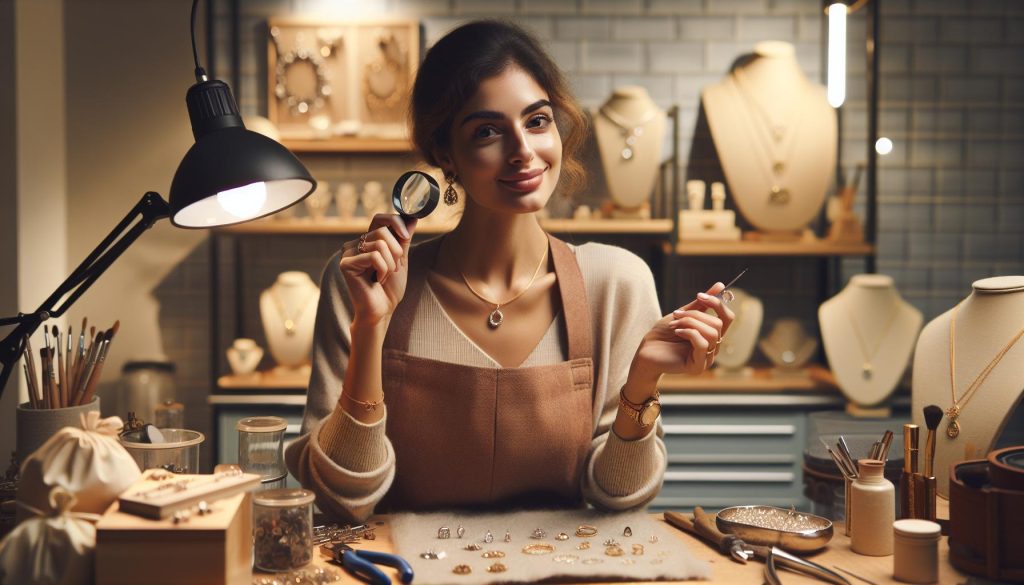
Did you know that nearly 75% of people wear jewelry every day, yet many don’t know how to care for or style it? Whether you’re a budding enthusiast or looking to deepen your understanding, “A Jewellery: Ultimate Beginner’s Guide to Everything” is your go-to resource for all things jewelry. This guide covers the essentials of jewelry care, from cleaning techniques and materials to DIY tutorials and styling tips, empowering you to care for your pieces and express your unique style confidently. As you dive into the world of sparkling gems and precious metals, you’ll discover not only how to maintain your jewelry but also how to enhance your personal style and even explore the possibilities of starting your own jewelry business. Get ready to unlock the secrets of jewelry and turn your passion into expertise!
Understanding Different Types of Jewellery Materials
When it comes to jewelry, the materials used play a crucial role in determining the piece’s aesthetic, durability, and value. Understanding these different types of materials not only enhances your appreciation for jewelry but also informs your purchasing decisions. From precious metals to organic elements, each material carries unique characteristics worth exploring.
Precious Metals
The backbone of fine jewelry often consists of precious metals like gold, silver, and platinum. These metals are favored for their intrinsic beauty and resistance to tarnish. For example, gold comes in various karats, indicating its purity, with 24K being the purest form. Silver, while beautiful, requires regular maintenance to prevent tarnishing, and is often alloyed with metals like copper to enhance its strength. Platinum, the rarest of the three, is known for its durability and hypoallergenic properties, making it ideal for fine rings and luxury pieces.
Base Metals
Base metals, such as brass and copper, are often used in fashion jewelry. These materials are more affordable and can be plated with precious metals to give a polished look. However, they may not withstand wear as well as higher-end materials and can tarnish over time. If you choose to wear fashion jewelry, consider pieces made with higher-quality base metals to enjoy a longer-lasting appearance.
Gemstones
The choice of gemstones can dramatically alter the appearance and value of a piece. Diamonds, renowned for their brilliance and hardness, are the most sought-after gemstones, especially for engagement rings. Other popular choices include sapphires, emeralds, and rubies, each possessing distinct colors and properties. When selecting jewelry with gemstones, consider their cut, clarity, color, and carat weight, as these factors greatly influence both beauty and cost.
Organic Materials
Finally, organic materials like pearls, coral, and wood provide a natural allure that sets them apart in the jewelry world. Pearls, for instance, are timeless and versatile, often used in classic designs. Coral and wood offer unique textures and colors, providing a rustic charm, especially in bohemian styles. When selecting jewelry with organic materials, be mindful of their origin and sourcing practices, as sustainability is an important factor today.
Incorporating a variety of materials not only creates visual interest but also reflects your personal style. As you delve deeper into the world of jewelry, becoming familiar with these materials will enhance your ability to choose pieces that not only look good but also stand the test of time.
Essential Jewellery Care and Cleaning Techniques
Taking care of your jewelry is essential for maintaining its beauty and durability over time. Jewelry can be a significant investment, both financially and emotionally, and ensuring it stays in pristine condition is a worthwhile endeavor. Regular maintenance not only enhances the appearance of your pieces but also extends their lifespan. Below are some effective care and cleaning techniques you can incorporate into your routine.
Cleaning Techniques
To keep your jewelry looking its best, different materials require specific cleaning methods:
- Gold and Platinum: These metals are relatively easy to clean. Use a soft cloth to wipe away dirt and oils. For a deeper clean, create a solution of warm water and mild dish soap, gently scrubbing with a soft brush.
- Silver: Silver tarnishes over time, so clean it regularly. Use a silver polishing cloth or a paste made from baking soda and water. Apply the paste with a soft cloth, then rinse and dry thoroughly.
- Gemstones: Always check the specific care instructions for each stone. For most gemstones, warm, soapy water is safe. Avoid harsh chemicals which may damage certain stones like opals or turquoise.
- Pearls: Pearls are delicate and should be wiped with a soft cloth after wearing to remove any sweat or makeup. For deeper cleaning, a damp cloth can be used, but avoid soaking them.
Proper Storage
How you store your jewelry is just as important as how you clean it. To prevent scratches and tangling:
- Store jewelry in a soft-lined box or individual pouches, especially for pieces with stones that can scratch.
- Use dividers or separate compartments in your jewelry box to keep pieces organized and easily accessible.
- Consider using anti-tarnish strips or silica gel packets to maintain freshness in storage.
Remember, the goal is to make caring for your jewelry a seamless part of your routine, ensuring each piece remains as stunning as the day you acquired it. By integrating these cleaning and storage techniques into your lifestyle, you can enjoy your collection for many years to come.
Beginner’s Guide to DIY Jewellery Projects

Crafting your own jewelry can be an incredibly rewarding experience, allowing for personal expression and creativity. Whether you’re making a gift for a loved one or a piece to adorn yourself, DIY jewelry projects can be both fun and fulfilling. Starting out doesn’t have to be intimidating; with the right mindset and materials, you can create beautiful pieces that reflect your unique style.
One of the best ways to begin DIY jewelry making is to select a simple project. Consider starting with beaded bracelets or necklaces, as they require minimal tools and are easy to customize. You’ll need some basic supplies such as beads, elastic cord, and scissors. Choose beads that resonate with you-whether they be colorful, vintage, or even symbolic-and simply thread them onto the cord, securing each end with knots. This beginner project allows you to practice your skills while creating something truly personal.
As you grow more comfortable, exploring metalworking or wire wrapping can open up a whole new world of possibilities. Obtain necessary tools like pliers, wire cutters, and metal sheets or wire. Simple techniques like making a wrapped-loop or creating pendants can elevate your projects significantly. Tutorials online can help you learn step by step, ensuring you gain the skills needed for more intricate designs. Remember, it’s perfectly fine to make mistakes-each misstep is part of the learning process!
Lastly, don’t overlook the importance of inspiration. Check social media platforms like Pinterest or Instagram for trending DIY jewelry styles, or consider joining local craft groups or classes. Engaging with other enthusiasts can provide motivation and introduce you to new techniques and materials you may not have considered. Embrace the journey of creating-every piece you make contributes to your evolving artistic identity.
How to Choose the Right Gemstones
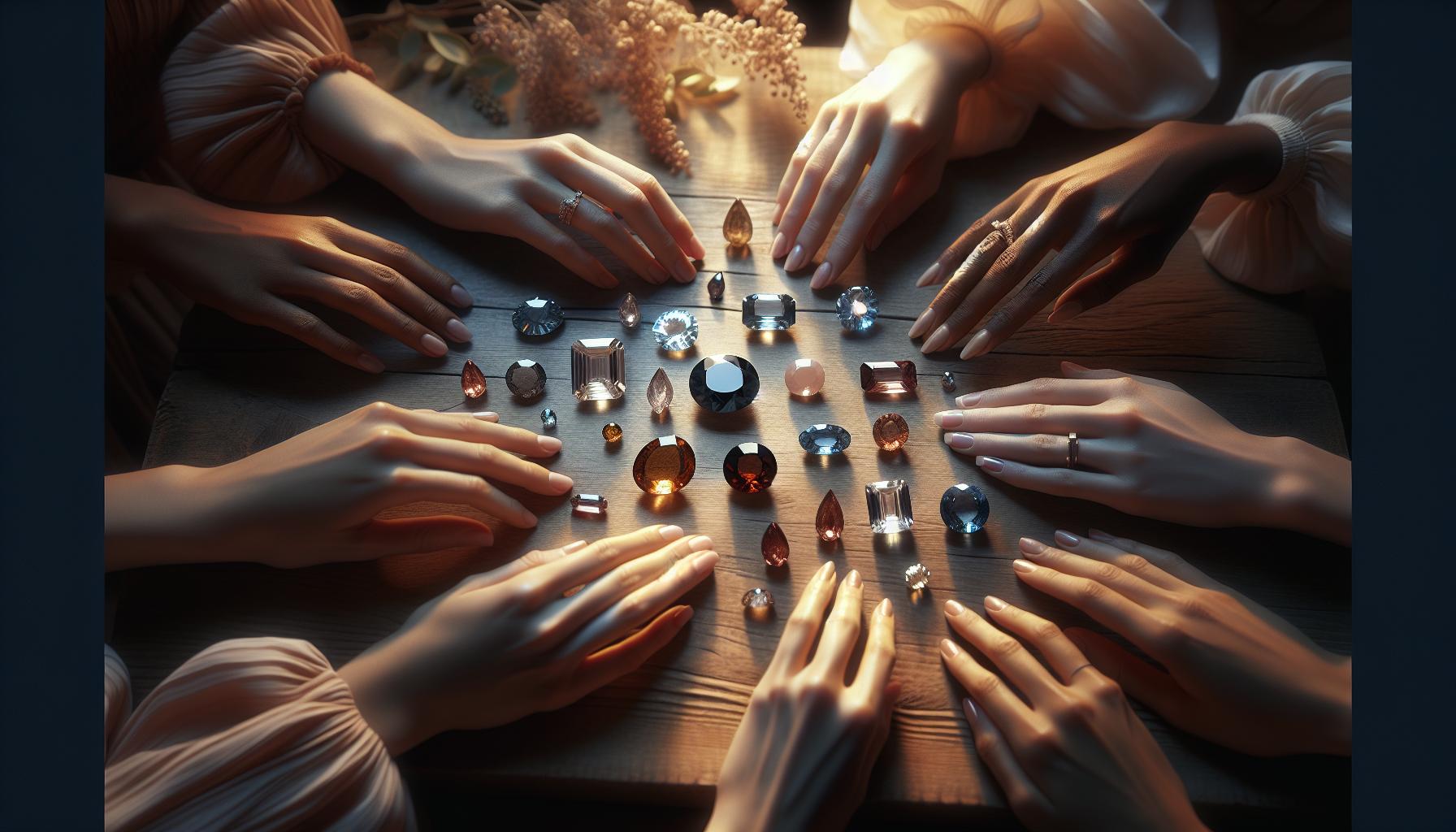
Choosing the right gemstones for your jewelry can be a delightful yet daunting task, especially with the vast array of options available. Each gemstone has its unique qualities and symbolism, making selection more than just a matter of aesthetics. To get started, consider the three key factors: durability, color, and meaning. Understanding these elements will help you make an informed choice that resonates with your personal style.
When it comes to durability, gemstones are classified based on their hardness on the Mohs scale. For everyday wear items like rings or bracelets, opt for harder stones such as diamonds (10), sapphires (9), or rubies (9). Softer stones like opals (5-6) or pearls (2.5-4.5) are better suited for pieces that won’t see constant wear. Here’s a handy breakdown of popular gemstones along with their hardness ratings:
| Gemstone | Hardness (Mohs Scale) | Symbolism |
|---|---|---|
| Diamond | 10 | Strength, Eternity |
| Sapphire | 9 | Wisdom, Royalty |
| Emerald | 7.5-8 | Growth, Harmony |
| Ruby | 9 | Passion, Love |
| Amethyst | 7 | Calm, Balance |
| Pearl | 2.5-4.5 | Purity, Innocence |
Next, the color plays a significant role in your selection process. Choose a color that not only appeals to your eye but also fits the occasion. For example, vibrant colors like turquoise and garnet can brighten up a casual outfit, whereas classic shades like black onyx or white diamonds offer timeless elegance. Don’t forget to consider the metal you’ll be using, as some gemstones pair better with certain metals, enhancing their overall appeal.
Lastly, consider the symbolism behind each gemstone. Many people choose stones based on their meanings-perhaps you want a gemstone associated with love, like ruby, or one that symbolizes protection, like black tourmaline. Researching these meanings can add a personal touch to your jewelry, creating a piece that holds special significance.
By focusing on these aspects-durability, color preference, and gemstone symbolism-you can confidently choose pieces that not only look good but also align with your personal values and lifestyle. Happy gemstone hunting!
Storing Your Jewellery for Longevity and Care
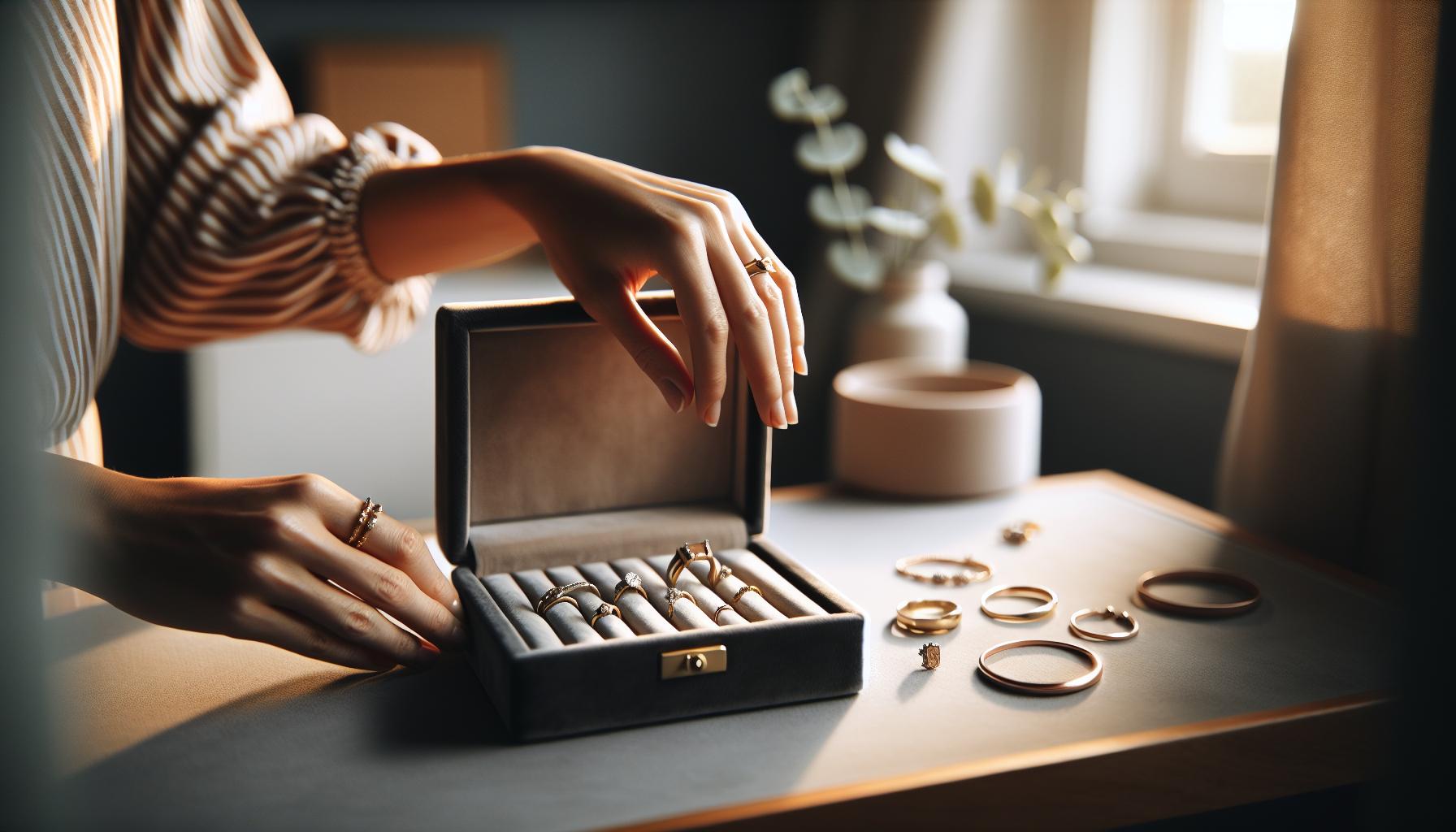
Proper storage of your jewelry is essential for maintaining its beauty and longevity, and yet it’s often an overlooked aspect of jewelry care. The way you store your pieces can significantly affect their condition, preventing damage such as scratching, tarnishing, and entanglement. With the right practices, your jewelry can remain in prime condition, ready for any occasion.
To ensure your jewelry stays in top shape, consider the following tips for effective storage:
- Keep it dry: Humidity can be detrimental to jewelry, especially pieces that contain natural materials like pearls or leather. Store your jewelry in a dry environment, ideally in a room with good air circulation.
- Use soft pouches or wraps: Each piece of jewelry should have its own space to avoid scratching and tangling. Use soft fabric pouches, such as flannel or silk, to wrap individual pieces. This is especially important for delicate items or those with gemstones that could be easily scratched.
- Utilize a jewelry box: A dedicated jewelry box with compartments can keep your pieces organized and protected from dust and damage. Look for boxes with a lining that prevents scratching and has separate sections for different types of jewelry.
- Store earrings together: Use a specific part of your jewelry box or a dedicated earring holder to keep pairs together. This prevents loss and helps you easily find matching pieces.
- Avoid bathroom storage: While it may seem convenient, storing jewelry in the bathroom is often a bad idea due to fluctuating humidity and temperature. Opt for a different space, such as a bedroom or closet, where conditions are more stable.
- Consider climate control: If you have valuable or antique pieces, consider climate control options like a safe or a dehumidifier to ensure optimal storage conditions.
For those with valuable collections, consider using a combination of pouches and compartments in your storage solutions, adapting to the variety of materials and types in your collection. The key is to think ahead about how each piece interacts with the others to prevent any potential damage from occurring. Taking the time to follow these storage tips not only preserves the appearance of your jewelry but also enhances its sentimental and monetary value. By establishing a dedicated and organized system, your collection will be ready to dazzle whenever you choose to wear it.
Styling Tips for Every Occasion
The right piece of jewelry can elevate an outfit from ordinary to extraordinary, acting as a key accent that complements your style while showcasing your personality. Whether you’re dressing for a casual brunch or a formal gala, understanding how to style your jewelry effectively is essential. Here are some tips to ensure your jewelry enhances your overall look for any occasion.
Casual Outfits
For everyday wear, simplicity often reigns supreme. Layered necklaces can add a chic touch to a plain t-shirt, while studs or simple hoop earrings keep the focus on the outfit without overwhelming it. Consider bracelets that stack well; mixing metals is now fashionable, so don’t hesitate to combine silver and gold. To finish your look, a statement ring can add flair without feeling overdone.
Work Attire
When choosing jewelry for the workplace, aim for elegance and professionalism. Opt for minimalist pieces that convey sophistication. A classic pair of pearl earrings or a single pendant necklace can polish off a tailored suit. Avoid overly flashy or large pieces that could distract from your work. Instead, choose one or two focal items to maintain a balanced appearance, such as a delicate watch paired with matching rings.
Formal Events
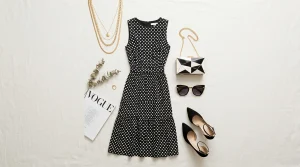
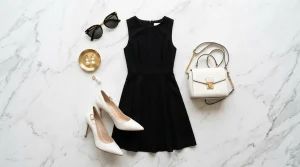
For formal occasions, let your jewelry shine as the centerpiece of your outfit. If you’re wearing a simple gown, feel free to go bold with statement earrings or a layered necklace. Drape a sparkling bracelet over an elegant clutch for added sparkle. However, if your attire features intricate embellishments, choose simpler pieces to avoid clashing. An elegant pair of drop earrings or a refined choker can highlight your neckline effectively.
Everyday Versatility
Investing in versatile pieces can be a game-changer. Items like convertible earrings that can be dressed up or down, or necklaces with adjustable lengths, allow for creativity. Mixing and matching with different outfits makes the most of your collection. Additionally, consider the scales and proportions of your jewelry-larger pieces suit broader frames, while delicate items flatter smaller silhouettes.
Incorporating these styling tips enables you to express yourself through jewelry and ensures you feel confident, whatever the occasion. Remember, the best accessory is one that resonates with your style and personality, enhancing not just your outfit but your overall vibe.
Starting Your Own Jewellery Business: Key Insights
Starting a jewelry business can be both an exciting and daunting endeavor, especially in a market filled with talent and creativity. To carve out your niche, it’s crucial to harness your unique aesthetic and story. Many successful jewelry brands began with a simple concept combined with an underlying passion for design, craftsmanship, or personal expression. It’s essential to identify what makes your designs distinct, whether it’s the materials you choose, the methods you employ, or the themes that inspire your collections.
Market Research
Conducting thorough market research is a foundational step. This phase will help you understand consumer preferences, trends, and the competitive landscape. Dive into online platforms, analyze best-selling items from established brands, and utilize social media analytics to gauge what resonates with your target audience. Engage with potential customers through surveys or focus groups to glean insights that could guide your designs and marketing strategies.
Building Your Brand
Your brand identity is more than just a logo; it encompasses the values, stories, and emotions you want your customers to associate with your jewelry. Focus on creating a cohesive branding strategy that reflects your vision and appeals to your audience. This includes developing a memorable brand name, designing attractive packaging, and crafting an engaging online presence, such as a user-friendly website and vibrant social media profiles. Emphasizing storytelling in your marketing can create deeper connections with your customers, fostering loyalty and repeat business.
Production and Quality Control
Once you’ve established your concept and brand, attend to the production process. Whether you choose to make the jewelry yourself or partner with artisans, maintaining high-quality standards is paramount. Consider using materials that align with your brand ethos, such as ethically sourced gems or sustainable metals. Create prototypes, gather feedback, and refine your designs to ensure they meet consumer expectations. Implement a systematic quality control process to maintain consistency across your collections.
Sales Channels
Identifying appropriate sales channels is crucial for reaching your audience effectively. You may opt for an online store, utilize social media shops, or participate in local craft fairs and markets. Additionally, consider collaborating with boutiques to expand your reach. Optimize your website for e-commerce by ensuring user-friendly navigation and secure payment options. Invest in digital marketing strategies, such as targeted ads, influencer partnerships, and engaging content to increase visibility and attract customers.
Starting your own jewelry business is an exciting journey that requires passion, creativity, and strategic planning. By focusing on what makes your jewelry unique and engaging shoulder-to-shoulder with your audience, you can create a brand that not only stands out but also resonates with and enchants customers.
Authenticating Vintage and Antique Jewellery
When it comes to vintage and antique jewelry, authenticity can significantly affect both value and desirability. Understanding the nuances of unearthing genuine pieces versus clever reproductions can transform a hobbyist into a knowledgeable collector. Recognizing characteristics such as craftsmanship, patina, and makers’ marks can help you appreciate these timeless treasures and ensure that your investments are both authentic and valuable.
To authenticate vintage jewelry, start by examining the materials used. Genuine pieces often feature high-quality metals like gold, silver, or platinum, which can be identified through testing. Vintage jewelry might display characteristics such as trompe-l’œil designs or unique filigree work that modern pieces often lack. Check for any identifying marks on the clasp or inside the band, which are usually indicative of the maker or the metal content. Marks like “14K” or “925” can verify authenticity when associated with known brands or periods.
Another critical aspect is understanding the era during which the jewelry was created. The design styles reflect the influence of different periods; for example, Art Deco pieces typically feature geometric patterns and bold colors, while Victorian jewelry is often ornate and romantic. Familiarizing yourself with these styles can help you identify the age and potential backstory of the piece. Additionally, investing in a jeweler’s loupe can allow you to scrutinize the details more closely and spot signs of age, such as tiny wear marks or a natural patina that develops over many years.
Authenticating vintage and antique jewelry requires a blend of research, careful observation, and sometimes, expert advice. If you’re ever in doubt, collaborating with a certified appraiser or gemologist can provide valuable insights and assurance. This expertise can be especially beneficial when navigating high-value items or collections, giving you the confidence to make informed decisions that celebrate the rich history and beauty of vintage jewelry.
The History and Evolution of Jewellery Design
The saga of jewelry design spans thousands of years, weaving together stories of culture, history, and personal expression. Did you know that the earliest known pieces, made from shells and bones, date back over 25,000 years? As humanity evolved, so too did its artistic expressions, transforming simple adornments into intricate works of art that reflect social status, beliefs, and individual style. The history of jewelry design isn’t just about aesthetics but rather a fascinating narrative of human creativity and technological progress.
Throughout history, jewelry has mirrored societal changes. During the ancient Egyptian era, gold was favored for its divine connotation and was believed to represent immortality. The Egyptians perfected the art of enameling and used colorful gemstones, laying the groundwork for future cultures. The Greeks and Romans embraced realism, introducing pieces that celebrated individuality and life. They crafted intricate cameos and intaglios, showcasing expert engraving techniques that told stories long before written language became widespread.
The Middle Ages saw a shift towards religious symbols, with jewelry often adorned with crosses and holy relics, as Christianity rose to prominence. By the Renaissance period, jewelry became a reflection of wealth and power. Wealthy patrons commissioned pieces embedded with precious stones, showcasing their status and taste. The artistry of the period led to new techniques like gem setting and the use of enamel, adding intricate layers of beauty to designs.
The Industrial Revolution marked another turning point, democratizing jewelry production. New technologies allowed for mass production, making jewelry more accessible. This era birthed new styles, such as Art Nouveau, emphasizing organic forms and natural motifs. As the 20th century approached, designers began to break away from traditional forms, embracing modernism with bold shapes and innovative materials. Today, the blend of traditional craftsmanship with modern design reflects a diverse landscape where personal stories are expressed through unique, handcrafted jewelry items.
The evolution of jewelry design is a testament to humanity’s enduring relationship with adornment. By understanding its rich history, you can appreciate the depths of meaning and craftsmanship behind each piece, enhancing your connection to the jewelry you choose to wear or create. Whether you are a collector or a beginner, embracing this history can inspire your own expressions in jewelry-making or selection.
Trendy Jewellery Styles You Need to Know
Jewelry isn’t just about individuality; it’s also a dynamic expression of current trends that evolve with time, culture, and technology. Understanding what’s in vogue can empower you to make informed choices, whether you’re building your collection or simply accessorizing for a special event. One of the most exciting aspects of today’s jewelry landscape is the blend of styles and materials, often leading to pieces that are both timeless and contemporary.
Bold Statement Pieces
Bold, oversized jewelry is making waves this season. Think chunky necklaces, large hoops, and bangles that draw the eye and express personality. These statement pieces can elevate any simple outfit, allowing your jewelry to take center stage. Pairing a dramatic necklace with a casual t-shirt and jeans can create a chic, effortless look. Look for materials like resin or chunky metals, which not only stand out visually but also have a tactile appeal.
Layering and Stacking
Layering different pieces or stacking rings and bracelets remains an enduring trend. This style allows for personal creativity, as you can mix and match various textures and styles to curate a unique look that reflects your personality. For instance, layered necklaces of varying lengths can create a visually captivating effect, while stacking rings in different metals or with unique stones can add an eclectic touch. This approach is great for using pieces you already own, transforming everyday jewelry into something special.
Sustainable and Ethical Jewelry
As consumers become more environmentally conscious, sustainable and ethically sourced jewelry is gaining popularity. Brands that prioritize eco-friendly materials, such as recycled metals or lab-created gemstones, resonate with those who want their pieces to reflect their values. Investing in these types of jewelry not only supports a sustainable future but also often results in unique designs. Look for artisans who prioritize ethical craftsmanship, ensuring that your purchase contributes positively to the world around you.
By staying attuned to these trends, you can confidently choose jewelry that not only enhances your wardrobe but also resonates with your personal style. Whether you opt for bold statements, layered looks, or sustainable choices, remembering that the best accessory is one that makes you feel empowered will ensure that your selections are both stylish and meaningful.
Common Mistakes to Avoid When Wearing Jewellery
Wearing jewelry can be a delightful way to express your personal style and add flair to any outfit, but missteps can quickly turn a statement piece into a fashion faux pas. A common mistake is over-accessorizing, which can detract from the elegance of your look. It’s important to find a balance; for instance, you might choose to wear a bold necklace, but pairing it with oversized earrings can be too much. Instead, opt for sleek and simple earrings or go necklace-only for a more streamlined appearance.
Another frequent error is neglecting the occasion when selecting jewelry. Casual outings call for more relaxed pieces, while formal events warrant a touch of sophistication. For example, wearing delicate gold chains with minimalist designs could be perfect for brunch, whereas a stunning gemstone ring can elevate your evening attire. It’s crucial to consider not just the garment you’re wearing but also the overall vibe of the occasion.
Mixing Metals Thoughtlessly
While mixing metals can create an eclectic look, doing so without a clear vision can lead to a disarrayed appearance. Aim for coherence by choosing pieces that share a common finish-matte with matte or polished with polished-to maintain visual harmony. Another strategy is to create a dominant color palette; for instance, if you prefer gold, incorporating rose gold elements can add depth while keeping your look unified.
Ignoring the Scale and Proportions
Choosing jewelry that complements your body type is essential. Larger statement pieces look best on a taller frame, while petite individuals might find that smaller, more delicate items suit them better. Additionally, consider the proportions of your clothing. For example, wearing a chunky bracelet with a fitted sleeve may not showcase it effectively. Instead, choose clothing with wider sleeves or opt for rings and necklaces that won’t visually compete with other statement garments.
By avoiding these common pitfalls, you can wear your jewelry with confidence, enhancing your personal style while ensuring each piece shines just as it deserves. Being mindful of occasion, balance, metal mixing, and scale will lead to chic and eye-catching results that can complement any look.
Essential Tools Every Jewellery Maker Should Have
To embark on your jewellery-making journey, having the right tools at your disposal can make all the difference between frustration and creative expression. Whether you’re crafting a unique piece to wear or a thoughtful gift for someone special, these essential tools will empower you to turn your ideas into tangible creations with ease and precision.
Basic Hand Tools
At the core of any jewellery-making toolkit are a few indispensable hand tools. Here’s what you’ll need:
- Needlenose Pliers: Perfect for bending and shaping wire, that allows for precision in your designs.
- Cutter Pliers: Necessary for cutting wire, chains, and cord, ensuring clean and sharp ends for a professional finish.
- Round-Nose Pliers: Ideal for creating loops, which are crucial for connecting various components like clasps and links.
- Flat-Nose Pliers: Great for holding and gripping materials without damaging them, handy for securing beads or making adjustments.
Measuring and Marking Tools
Accuracy is key in jewellery making. Equipping yourself with measuring tools will ensure that your pieces fit perfectly:
- Ruler or Tape Measure: Essential for measuring lengths of wire and chains accurately.
- Beading Board: This specialized board helps layout your designs and keeps everything organized as you work.
Additional Essentials
Beyond the basics, consider investing in additional equipment tailored to your projects:
- Jewellery Glue: A strong adhesive is vital for securing stones or elements that can’t be soldered.
- Wire Mandrel: Useful for shaping wire into uniform sizes for consistent results.
- Buffing Wheel: For polishing finished pieces, achieving that brilliant shine that makes your creations stand out.
- Jewellery Saw: If venturing into metalwork, a saw is crucial for crafting intricate designs from metal sheets.
Having these tools on hand doesn’t just equip you to create; it fosters a sense of confidence and creativity that is essential for any jewellery maker. As you gather these tools and explore your creativity, remember that practice and patience are key. Each piece you make will not only enhance your skills but also deepen your connection to the beautiful world of jewellery.
Faq
Q: What are the best tips for cleaning different types of jewellery?
A: For cleaning jewellery, use a mild soap solution for gold and silver, a soft cloth for gemstones, and a specialized metal cleaner for plated items. Avoid harsh chemicals. For detailed procedures, refer to the “Essential Jewellery Care and Cleaning Techniques” section in our guide.
Q: How can I determine the quality of gemstones?
A: To evaluate gemstone quality, consider its cut, clarity, color, and carat weight-often referred to as the Four Cs. Reviewing certification from reputable gemological organizations can also provide assurance. Explore more in the “How to Choose the Right Gemstones” section.
Q: What should I look for when buying antique jewellery?
A: When purchasing antique jewellery, check for hallmarks, craftsmanship quality, and condition. Authenticity can be verified through appraisals and certifications. Learn more in the “Authenticating Vintage and Antique Jewellery” section of our guide.
Q: How do I style jewellery for different occasions?
A: For formal events, choose statement pieces like chandeliers or bold necklaces. Casual outings can be complemented with simple bracelets or stud earrings. Refer to our “Styling Tips for Every Occasion” for more tailored advice.
Q: What are the common mistakes beginners make with jewellery?
A: Beginners often overlook proper storage, neglect regular cleaning, or pair mismatched styles. Educating yourself on these aspects can enhance your jewellery experience. Check our “Common Mistakes to Avoid When Wearing Jewellery” section for more insight.
Q: When is it best to store jewellery to prevent damage?
A: Store jewellery in a cool, dry place and in separate compartments to avoid scratching and tangling. Consider using anti-tarnish bags for silver items. Discover more about care in our “Storing Your Jewellery for Longevity and Care” section.
Q: What tools do I need to start making my own jewellery?
A: Essential tools include pliers, wire cutters, bead boards, and a variety of adhesives. A dedicated workspace will enhance your DIY experience. For a complete list, check the “Essential Tools Every Jewellery Maker Should Have” section.
Q: How can I start my own jewellery business successfully?
A: To start a jewellery business, define your niche, create a solid business plan, source quality materials, and utilize online marketing strategies. For more key insights, refer to “Starting Your Own Jewellery Business: Key Insights.”
Future Outlook
Thank you for exploring “A Jewellery: Ultimate Beginner’s Guide to Everything.” You’ve now gained valuable insights into jewellery care, cleaning techniques, and styling tips that empower you to wear your pieces with confidence. Remember, every piece of jewellery tells a story-whether it’s a cherished memento or a DIY creation, each holds potential. As you embark on your jewellery journey, don’t forget to check out our guides on DIY jewellery tutorials and material overviews to expand your knowledge even further.
Ready to put your newfound skills into action? Consider signing up for our newsletter for exclusive tips and trends, or explore our curated selection of jewellery essentials to enhance your collection today! We invite you to share your thoughts and experiences in the comments below or visit our blog for deeper dives into topics that ignite your passion for jewellery. Discover the artistry that awaits and let your journey be a blend of education and inspiration.
Get our latest guides, news, and insights highlighted in your Google Search & AI Overviews.