Removing earrings may seem like a simple task, but improper techniques can lead to discomfort, damage, or even injury. Whether you wear them daily or save them for special occasions, knowing how to safely and effectively remove your earrings is crucial for their care and your comfort. In this guide, we’ll explore tried-and-true methods that ensure a hassle-free experience every time, helping you preserve both your ear health and the beauty of your jewelry. Read on to discover the best practices that make earring removal not only easy but also enjoyable, so you can focus on styling and showcasing your favorite pieces with confidence.
Safe Methods for Removing Earrings Without Pain
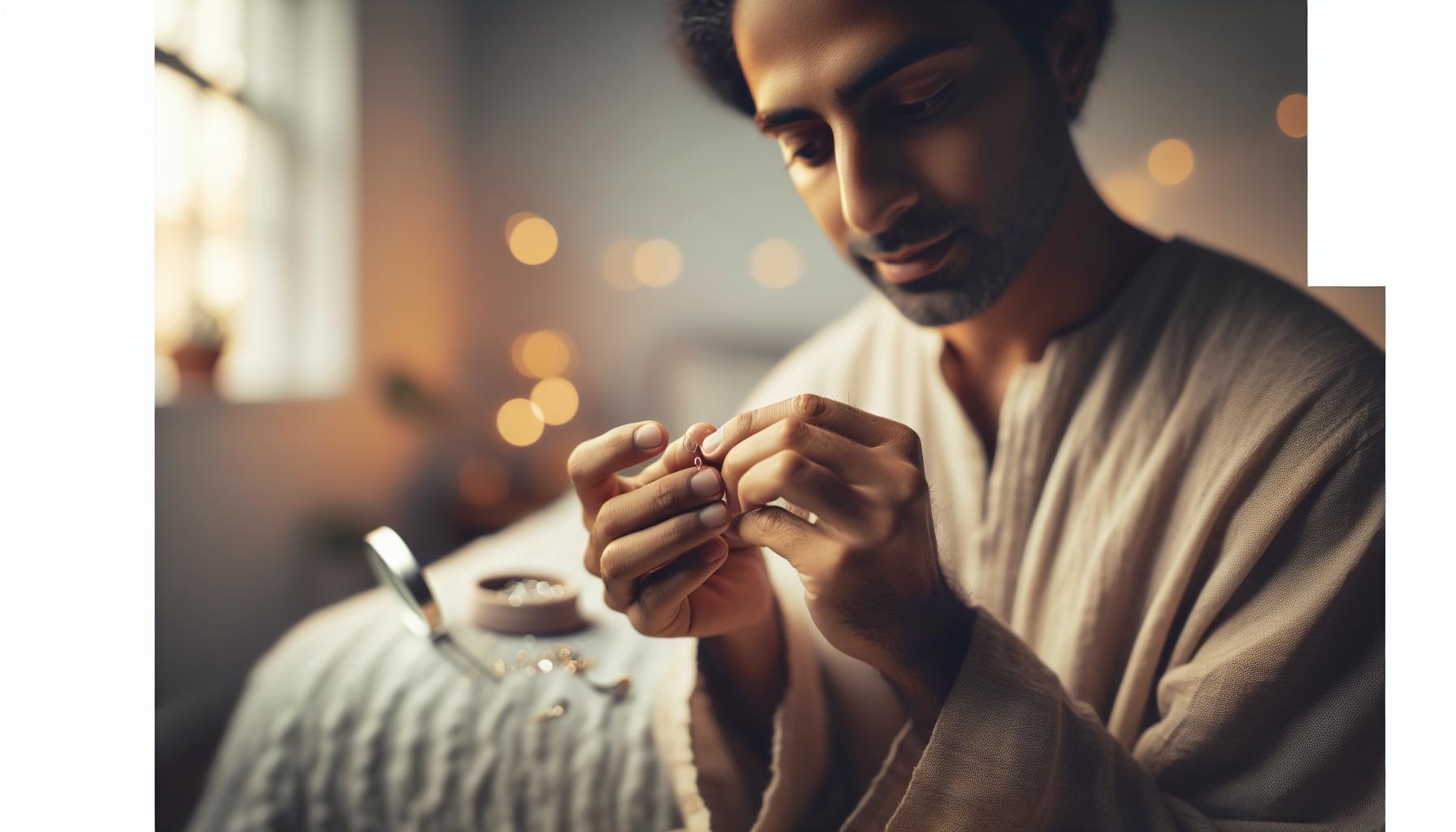
Removing earrings shouldn’t be a painful experience, yet many people encounter discomfort when doing so. Understanding the proper techniques can make all the difference. Start by ensuring your hands are clean and dry to prevent any potential infection or irritation. If you wear hoop or hook earrings, gently hold the earring at the base while supporting your earlobe with your other hand. This stabilizes the earring and minimizes stress on your ear. For stud earrings, hold the post near the base and pull straight out. Avoid twisting, as this can cause pain or damage.
To enhance comfort, consider using a lubricant like coconut oil or a specialized earring lubricant. Apply a small amount around the earring post and earlobe before attempting removal; this can ease friction and reduce the risk of tearing or irritation. If your earrings are still snug, gently wiggle them back and forth to help loosen them without forcing the removal.
Always be mindful of your body’s signals. If you feel any pain during the process, stop immediately and reassess. It’s important to recognize that patience is key; rushing can lead to tears or infections. By adopting these careful methods, you can ensure a painless and effortless earring removal process.
Common Mistakes When Taking Out Earrings

Many people overlook the importance of proper technique when removing earrings, leading to avoidable discomfort or even injury. One of the most common mistakes is rushing the process. Whether it’s trying to quickly take off earrings before leaving for an event or simply being impatient, haste can result in pulling too hard or twisting the earring, which can cause pain or damage to your earlobes.
Another frequent error is neglecting to ensure that your hands and the earring itself are clean and free from moisture. This can create a slippery situation, increasing the risk of dropping the earring or losing grip. Additionally, some individuals forget to assess how tight or loose the earrings are before attempting to remove them. Failing to notice if an earring is stuck can lead to panic and forceful attempts at removal, which could injure the lobe or break the earring.
Improper grip is also an issue; many people attempt to pull the earring out by the decorative part instead of holding it by the base or post. This not only fails to provide stability but can also lead to tearing the earlobe. Moreover, using tools like pliers or other rigid instruments for removal, under the assumption that they will make the process easier, can result in serious damage to both the earring and the ear.
Finally, neglecting to hydrate the earlobe area before removal is a harmful oversight. Whether it’s using a lubricant or just ensuring the area isn’t dry, this simple step can significantly reduce friction and the likelihood of discomfort. By avoiding these common pitfalls, you can make the earring removal process both safe and painless, allowing you to enjoy your jewelry without reservation.
Step-by-Step Guide to Remove Different Earring Types

When it comes to removing earrings safely, knowing the specific type you’re dealing with can make all the difference. The right technique minimizes discomfort and helps maintain the integrity of both your earrings and your ears. Here’s a straightforward guide to effectively removing various types of earrings, ensuring a smooth and pain-free experience.
Stud Earrings
To remove stud earrings, begin by stabilizing the earlobe. Use one hand to gently grasp the lobe while the other hand holds the earring post. Carefully twist the earring counterclockwise, which will help to relieve any pressure on the post. Once you’ve loosened it, gently pull the earring straight out. This method reduces the risk of tearing or damaging the earlobe. If the backing is tight or stuck, consider using a drop of oil to help ease it out without force.
Hoop Earrings
With hoop earrings, the process is similar. Grip the lobe and locate the clasp mechanism. Most hoop earrings have a hinge or a latch. Start by gently pulling down on the hoop while simultaneously pressing the latch or hinge to release it. Once it’s open, you can slide it out. Be cautious of the hoop’s thickness – if it’s snug, don’t force it; instead, turn it slightly to find a comfortable angle for removal.
Dangle Earrings
Dangle earrings often have additional weight and movement, which requires careful handling. Before removal, hold the upper part of the earring between your fingers. This will stabilize the earring and prevent any jerking motion that could hurt your lobe. Grasp the earring post or wire, gently twist it if necessary, and slowly pull it from your ear. For earrings with elaborate designs, check if they can be deconstructed or taken apart for easier removal.
Clip-On Earrings
For clip-on earrings, the technique involves slightly pressing the clip mechanism to release the pressure on your lobe. Pinch the sides of the clip and gently pull the earring away from your ear. If the clip feels tight, take your time and apply slight pressure until it releases. Avoid sudden movements which could cause discomfort.
By following these tailored steps for various earring types, you’ll ensure a smoother removal process, while keeping both your ears and your jewelry safe. Remember, patience is key!
How to Handle Stuck or Tight Earrings
Removing earrings that feel stuck or tight can be a frustrating experience, but it’s important to approach the situation with care to avoid causing injury to your ears or damaging your jewelry. Always remember that tension may arise from various factors including swelling, hair caught in the earring, or simply a snug fit. Gently handling the situation can help effectively free your earrings while keeping discomfort to a minimum.
Start by ensuring your hands are clean and dry to prevent any transfer of bacteria. If the earring is tight due to swelling, applying a few drops of a natural oil, such as olive or coconut oil, around the area where the earring meets your ear can act as a lubricant, making it easier to slide the earring out. As you apply the oil, be sure to maintain a gentle grip on the earring itself and the lobe to stabilize your ear while you work to remove it. Avoid any jerky movements, as patience is key.
If you encounter a stuck stud earring, consider gently twisting the backing while applying slight pressure to pull it away from your ear. This can often help to relieve any built-up pressure or tension. For hoop or dangle earrings, check if the clasp mechanism is functioning properly; a malfunction can also create the illusion of being stuck. If tugging does not yield results, using a pair of rubber gloves can enhance your grip, allowing you to pull the earring with more control.
In cases where earrings simply will not budge despite these measures, it’s crucial not to force the situation. Continually trying to remove them can lead to tearing or unnecessary pain. Instead, take a moment to relax and perhaps run a warm compress on your ear for a few minutes to alleviate any swelling before attempting removal again. If discomfort persists or the earring remains firmly in place, it may be best to consult a professional piercer or a medical expert to safely address the issue. Your ear health should always take precedence!
Caring for Your Ears After Earring Removal

After you’ve successfully removed your earrings, the care you give your ears is crucial for keeping them healthy and infection-free. Whether you’ve been wearing delicate studs or chunky hoops, it’s important not to overlook post-removal care. Your ears can be sensitive, and providing them with the right attention can help alleviate any discomfort and promote healing.
First, cleanse the area around your earlobes gently using a mild antiseptic or saline solution. This helps to eliminate any bacteria that may have accumulated during wear. If your ears feel irritated or tender, applying a soothing aloe vera gel or a natural oil like tea tree oil can serve as an effective remedy. These substances have anti-inflammatory properties that can aid healing while providing hydration.
It’s also wise to avoid reinsert earrings too soon, especially if you notice any redness or swelling. Giving your ears a break allows any potential irritation to subside and can prevent infections. During this downtime, maintain good ear hygiene-ensure that any new earrings are sterilized before wearing them again. Consider switching to hypoallergenic materials if you notice any allergic reactions in the past, as they can significantly reduce irritation and promote comfort.
Key Care Tips:
- Clean Regularly: Use a saline solution or gentle antiseptic to keep the area bacteria-free.
- Avoid Irritants: Steer clear of perfumes and hair sprays near your ears.
- Stay Mindful: If you experience prolonged redness, swelling, or soreness, consult a healthcare professional for advice.
By prioritizing ear care after earring removal, you can ensure that your lobes stay healthy and ready for your next beautiful piece of jewelry!
Tips for Preventing Earring Discomfort
Ensuring comfort while wearing earrings can make a significant difference in your overall experience, especially if you’re someone who loves to accessorize. One of the best ways to prevent discomfort is to choose the right materials for your earrings. Opting for hypoallergenic options such as gold, sterling silver, or surgical stainless steel can help avoid irritation, particularly for those with sensitive skin. Always check for quality; even a seemingly small detail like a sharp post on a stud earring can lead to painful piercings or skin issues.
Proper sizing is equally crucial; earrings that are too heavy or too tight can pull on your lobes, leading to soreness or even tearing. Lightweight options are ideal for all-day wear, while adjustable backs can provide a customized fit. Consider styles that distribute weight evenly, such as lightweight hoops or studs that rest comfortably against the earlobe rather than dangling or swaying.
When it comes to care, make it a habit to regularly clean your earrings, especially if you wear them frequently. A mild soap solution can help remove any dirt or accumulated product that may irritate your skin. Additionally, pay attention to how long you wear certain pairs. Giving your ears a break from heavy or elaborate earrings allows your skin to breathe and recover; alternating between lighter and heavier styles can also be beneficial.
Lastly, be mindful of environmental factors that can contribute to discomfort. Excessive moisture from sweat or humidity can create a breeding ground for bacteria, leading to infections or irritation. During hotter months, consider opting for earrings that do not trap moisture against your skin, such as open or lightweight designs. By following these tips, you can enjoy your cherished earrings without compromising on comfort.
When to Seek Professional Help for Earring Removal
If you find yourself wrestling with an earring that just won’t budge, or if discomfort escalates to pain, knowing when to call in a professional can save you from potential injury. Sometimes, earrings can become tightly lodged due to swelling, irritation, or even skin growth around the jewelry. It’s crucial to recognize these signals early on, as forcing an earring out can lead to tears, infections, or significant damage to your earlobe.
Indications That Professional Help is Necessary:
- Persistent Pain: If removal attempts lead to throbbing or sharp pain, it’s wise to consult a professional.
- Visible Injury: Any signs of tearing, bleeding, or infection around the piercing site should prompt immediate medical attention.
- Swelling and Redness: Unexplained swelling or redness that does not subside can indicate a complication that needs professional evaluation.
- Stuck or Infected Earrings: If earrings are stuck due to an infection or if encapsulating skin tissue is forming, don’t attempt self-removal.
In these situations, a healthcare provider or a licensed professional piercer can safely assess the problem and perform the removal without putting your earlobe at further risk. While it might feel frustrating to seek help, remember that protecting your ear health should always come first. Most professionals will have the necessary tools and experience to handle complications like these swiftly and effectively. Don’t hesitate to consult a professional as a proactive measure-your ears deserve the best care!
Understanding Materials: Which Earrings Are Easiest to Remove?
Choosing the right material for your earrings can make a significant difference in how easily they can be removed. Some earring materials have inherent qualities that not only affect comfort but also influence the ease of removal. For example, lightweight materials such as plastic or acrylic are typically easier to remove than heavier metals, as they don’t exert as much pressure on the ear, making them less likely to cause discomfort or irritation.
When it comes to metals, materials like hypoallergenic surgical steel and gold-filled or silver options are generally easier on the ear and often have smooth backs that slide out without much fuss. Additionally, earrings made from sterling silver or titanium tend to be more forgiving than those made from cheaper alternatives, as they are less likely to cause allergic reactions that can complicate removal. Nickel-based earrings, on the other hand, can lead to irritation, making them harder to take out comfortably.
Recommended Earring Materials for Ease of Removal
- Plastic or Acrylic: Lightweight and easy to manipulate.
- Surgical Steel: Hypoallergenic and smooth, reducing friction when removing.
- Gold-Filled or Sterling Silver: Gentle on the skin and less prone to causing irritation.
- Titanium: Non-reactive and durable, with a smooth texture.
Conversely, heavy or elaborate earrings that incorporate larger stones or intricate designs can create challenges during removal. Ensuring you have suitable safety measures in place, such as using a mirror or good lighting, can aid in the process. Always consider your individual comfort level and the specific earring design-if a piece seems too tight or complicated, it might be worth reevaluating its wear altogether. With the right knowledge about materials, you’ll be better equipped to enjoy your jewelry without the stress of uncomfortable or difficult removal.
DIY Techniques for Earring Removal at Home
When faced with the challenge of removing earrings at home, many people worry about causing discomfort or even injury. However, employing a few simple DIY techniques can make the process easier and safer. Begin by ensuring that you are in a well-lit area where you can clearly see your earrings. This may seem basic, but good lighting can prevent mishaps that lead to tugging or pulling on the ear. Additionally, using a mirror allows for better control and precision during removal.
For earrings that utilize backings, such as stud or butterfly earrings, gently press the earring post to release any tension before sliding it out. Consider using a small amount of water or a mild lubricant, like petroleum jelly, on the backing if it feels stuck. This can help ease friction and make the backing slide off more smoothly. For hoop and dangle earrings, hold the earring by its bottom part and apply slight pressure with your other hand to the area around the post or hook. Tilting the earring can also facilitate easier removal without causing discomfort.
If you encounter any resistance, don’t force the earring out, as this may lead to injury. Instead, take a moment to assess where the problem lies. Sometimes, jewelry can get tangled in hair or snagged on clothing, so gently repositioning the earring may help. If the earring feels especially tight, it might be helpful to enlist the aid of a friend or family member, ensuring that you maintain a steady hand while they assist with the pull.
Always remember to listen to your body. If you feel any sharp pain or discomfort while attempting to remove an earring, stop and reassess the situation. Sometimes the removal process can be easier when the ears are relaxed-try gently massaging the area around the earlobe to minimize discomfort before attempting to remove the earring again. By using these friendly and practical techniques, you can confidently maintain your earrings without the stress of painful removal.
Signs You Might Be Allergic to Your Earrings
Recognizing an allergy to earrings can be crucial for your comfort and ear health. Many people aren’t aware that allergic reactions can stem from the materials used in earring construction, particularly in inexpensive jewelry. If you start experiencing discomfort, it’s important to be vigilant about your symptoms. Common signs of an allergic reaction include redness, swelling, itching, or a rash at the site of the earring. Often, these reactions occur shortly after putting on the earrings and can lead to ongoing discomfort if not addressed.
In general, earrings can be made from various metals and materials, and knowing your body’s response to these can help you avoid future complications. For instance, nickel is one of the most common allergens found in jewelry. If you notice that your ears become itchy or inflamed after wearing certain earrings, they might contain nickel or other irritating substances. Switching to hypoallergenic options, like titanium, surgical stainless steel, or pure gold, can significantly reduce the likelihood of allergic reactions.
It’s also important to be mindful of the wearing duration; prolonged exposure to certain materials increases the risk of irritation, especially with jewelry that isn’t designed for long-term wear. If you are noticing these signs consistently, it may be a signal that it’s time to change your earrings or consult a professional for advice on hypoallergenic options. By staying attentive to your body’s signals, you can maintain both your style and comfort, ensuring that you enjoy wearing your earrings without the burden of allergic reactions.
Proper Earring Storage to Avoid Complications
Proper storage of earrings is essential not just for keeping them in pristine condition, but also for ensuring that removing them is a hassle-free experience whenever you choose to switch things up. Proper organization can help prevent tangling, damage, and the potential for losing individual pieces, which is particularly important when dealing with delicate materials or intricate designs.
To maintain the longevity and integrity of your earrings, consider implementing the following storage methods:
- Jewelry Boxes: Invest in a quality jewelry box with designated earring compartments. Look for boxes that have soft, lined interiors to safeguard against scratches and abrasions.
- Earring Cards: Use earring cards for stud types, as they keep pairs together and make it easy to find them. You can even create your own by cutting cards from sturdy paper.
- Wall-Mounted Organizers: If you love displaying your collection, wall-mounted earring holders are a great option. Many come in artistic designs and can double as decor.
- Travel Cases: For those on the go, a travel case with individual slots is paramount. This prevents earrings from tangling during transport and keeps them secure.
Additionally, take care to store earrings away from direct sunlight and humidity to help protect precious metals and gemstones from tarnishing and fading. When storing, consider keeping similar styles or materials together-this not only streamlines your selection process but also reduces the chances of wear caused by friction between different earrings.
By taking these simple yet effective steps in managing your earring collection, you can ensure that removing them becomes a pleasant ritual rather than a strenuous task, allowing you to preserve your style and comfort with ease.
Maintaining Ear Health: Post-Earring Care Tips
Caring for your ears after removing earrings is just as crucial as the removal process itself. Ignoring ear health can lead to discomfort, infections, and other complications. To ensure your earlobes remain healthy, follow these essential tips.
Firstly, if you’ve recently removed earrings, it’s a good idea to cleanse your earlobes with a gentle, alcohol-free solution. A saline solution or a diluted mixture of mild soap and water can help remove any accumulated dirt or oils that may cause irritation. Use a soft cloth or a clean cotton pad to gently wipe around the piercings without applying too much pressure. After cleaning, be sure to pat your ears dry with a soft towel to avoid any moisture buildup, which could lead to infections.
Another key aspect of post-earring care is moisturizing. Applying a non-comedogenic moisturizer, such as aloe vera gel or a fragrance-free lotion, can help soothe any redness or irritation. These products can also assist in maintaining skin elasticity around the earlobes, which is particularly beneficial if you frequently wear heavier earrings.
Lastly, keep an eye on your ears for any signs of persistent irritation, such as swelling, redness, or discharge. If you encounter any unusual symptoms, consider taking a break from wearing earrings altogether until your ears fully recover. Remember, your ear health should always take precedence-if concerns persist, don’t hesitate to consult a healthcare professional.
By implementing these straightforward yet effective strategies, you can not only enhance your ear health but also enjoy wearing your favorite earrings with comfort and confidence.
Q&A
Q: How do I remove earrings without pain?
A: To remove earrings without pain, gently hold the earring stud or back, and twist slightly as you pull it away from your ear. Make sure your hands are clean and, if necessary, use a bit of lotion or oil on your earlobe to ease friction. Refer to the section on safe methods for removing earrings without pain for more tips.
Q: What if my earrings are stuck?
A: If your earrings are stuck, do not force them out. Gently wiggle the earring while applying light pressure to break the seal. You can also use lubrication, like a drop of oil, to help ease the earring out. For detailed steps, check the “How to Handle Stuck or Tight Earrings” section.
Q: Can I remove earrings in the shower?
A: It’s best to avoid removing earrings in the shower, as moisture can make your skin slippery, increasing the chance of dropping the earring. Instead, take them out before bathing and store them safely. For more on caring for earrings, see our sections on proper storage and maintenance.
Q: How often should I remove earrings?
A: It’s ideal to remove earrings at least once a week to clean your ears and the earrings themselves, helping prevent infections and irritation. If you have sensitive skin or allergies, consider more frequent removal. For ear health tips, refer to our section on maintaining ear health.
Q: Are there special techniques for removing hoop earrings?
A: Yes, for hoop earrings, gently open the clasp or bend the hoop as needed to release it from your ear. Ensure that you’re supporting the earlobe while removing to avoid discomfort. More details can be found in our step-by-step guide to different earring types.
Q: How do I minimize irritation when removing earrings?
A: To minimize irritation, clean your earrings regularly and ensure your ears are dry before removing them. If you experience discomfort, consider using hypoallergenic earrings or those with smooth finishes. Check the tips for preventing earring discomfort for more advice.
Q: What should I do if I think I’m allergic to my earrings?
A: If you suspect an allergic reaction, discontinue wearing the earrings immediately and consult a healthcare professional. Switching to hypoallergenic materials can help prevent future reactions. Learn more about signs of allergic reactions to earrings in our dedicated section.
Q: When should I seek professional help for earring removal?
A: Seek professional help if you experience severe pain, swelling, or bleeding when removing earrings, or if they are deeply embedded. Professionals can safely remove stubborn earrings without risking injury. For more insights, see our section on when to seek professional help.
Final Thoughts
Thank you for exploring our guide on “How to Remove Earrings: Safe Techniques That Actually Work.” Remember, taking your time and following our safe methods can prevent discomfort and injuries. If you have lingering questions about caring for your earrings or other jewelry pieces, check out our posts on jewelry cleaning tips and DIY storage solutions to keep your collection in top shape.
Don’t miss out on our expert articles on starting your own jewelry shop or mastering authentication methods, perfect for both beginners and experienced collectors. We encourage you to subscribe to our newsletter for the latest updates and exclusive content! Your journey to becoming a confident jewelry lover starts here, so dive deeper into our resources and share your thoughts in the comments below. Happy accessorizing!
Get our latest guides, news, and insights highlighted in your Google Search & AI Overviews.