Tarnish on your favorite jewelry pieces can feel like a real buzzkill, right? That dull, discolored film not only distracts from their beauty but can also make you reluctant to wear them. Thankfully, there are effective methods to quickly restore the shine to your treasured items. In this article, we’ll explore practical fixes for removing tarnish from various types of jewelry, ensuring your pieces look their best without the need for costly professional cleaning. Whether you’re a seasoned collector or a casual wearer, learning how to maintain your jewelry not only keeps it sparkling but also prolongs its life. Dive into these easy-to-follow solutions and bring your accessories back to their original glory!
Understanding Jewellery Tarnish: Causes and Effects
Jewellery tarnish can be a beauty thief, dulling the shine of your favorite pieces and prompting concern about their longevity. Understanding what causes this process is crucial for any jewellery owner looking to maintain the brilliance of their collection. Tarnishing primarily occurs when metals react with sulfur, oxygen, or moisture in the environment. Factors such as body chemistry, the presence of certain environmental pollutants, or simply the passage of time can accelerate this reaction. For instance, silver tarnishes more quickly than gold due to its reactivity with hydrogen sulfide, a gas commonly found in urban environments.
The effects of tarnish extend beyond aesthetics; they can compromise the structural integrity of jewellery if left unaddressed. Metals like silver may corrode, leading to pitting or scratches that could permanently damage the piece. Additionally, tarnished jewellery can create an unpleasant wearing experience, particularly if the tarnish causes skin irritation or allergic reactions. It is essential for jewellery owners to not only recognize the signs of tarnish but also understand its underlying causes to implement effective prevention and cleaning strategies.
Adopting routine care and maintenance can empower you to enjoy your jewellery without the looming fear of tarnish. By understanding the nature of your pieces-such as the specific metals and gems involved-you can select the right cleaning and storage methods to ensure their lasting beauty. Furthermore, knowing when to seek professional help can keep your treasured items in pristine condition, ready to dazzle at any occasion.
Effective DIY Methods for Removing Tarnish
Jewellery tarnish can be a troubling sight, but removing it doesn’t have to be a daunting task. With a few easy DIY methods, you can restore your pieces to their original shine without relying on commercial products or professional cleaning services. Whether it’s your favorite silver necklace, a cherished set of earrings, or even costume jewellery, these approaches can help you tackle tarnish effectively and safely.
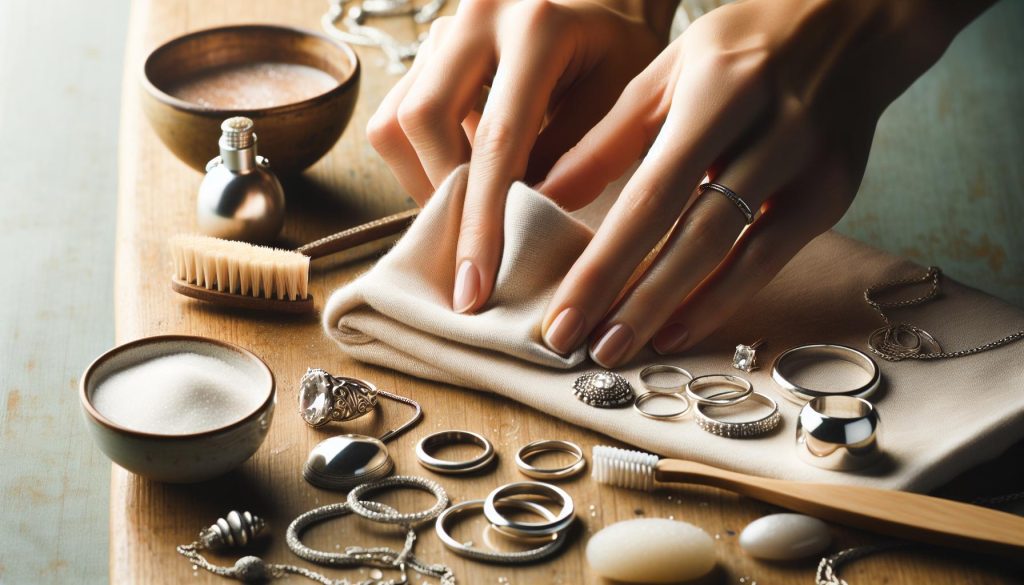
One of the simplest methods involves using common household items like baking soda and aluminum foil. Line a bowl with aluminum foil, shiny side up, and fill it with hot water and a few tablespoons of baking soda. Carefully place your tarnished jewellery in the solution, ensuring it comes into contact with the foil. The tarnish will transfer from your jewellery to the foil in a chemical reaction, leaving your jewels gleaming. Rinse the pieces in clean water and dry them thoroughly afterward to avoid moisture-related issues.
Another effective technique employs toothpaste. Choose a non-gel, non-whitening variety, and apply a small amount to a soft cloth or a soft-bristle toothbrush. Gently rub the tarnished areas in a circular motion, paying attention not to scratch delicate surfaces. Rinse the jewellery under cool running water and dry it thoroughly. Toothpaste acts as a mild abrasive, allowing it to polish away tarnish while providing a gentle clean.
For those seeking a natural remedy, vinegar can work wonders on tarnished metals. Soak your jewellery in a solution of one part vinegar to four parts water for about two to three hours. After soaking, use a soft cloth to gently polish each piece, followed by rinsing with water and drying carefully. This method is particularly effective for costume jewellery or items with a significant amount of exposure to moisture.
Lastly, consider using a simple microfiber cloth regularly to wipe down your jewellery after wearing it. This practice can significantly reduce tarnishing by removing dirt, oils, and moisture that contribute to tarnish over time. Incorporating these DIY methods into your routine can ensure that your jewellery maintains its brilliance and lasts for years to come.
Best Commercial Products to Restore Shine
To keep your jewellery gleaming and restore its shine, commercial products can be a reliable option that adds efficiency to your cleaning routine. These specially formulated solutions are designed to tackle tarnish effectively, saving you time and effort. Many brands offer a variety of items that cater to different types of metals and materials, ensuring your pieces look their best with minimal hassle.
Top Products to Consider
- Silver Polish Creams: Products like *Silver Polish Cream* can easily remove tarnish from silver items. Apply a small amount with a soft cloth, buff it into the metal, and rinse to reveal a brilliant finish.
- Jewellery Cleaning Solutions: Consider liquid cleaners such as *Hagerty Jewel Clean* or *Connoisseurs Fine Jewelry Cleaner*. These gentle formulas are safe for a variety of materials and often come with a cleaning basket for easy use.
- Ultrasonic Cleaners: For those with significant collections, an ultrasonic cleaner can be a game-changer. They use high-frequency sound waves to produce tiny bubbles that penetrate hard-to-reach areas of your jewellery, lifting dirt and tarnish effectively.
- Wipes and Cloths: Pre-treated wipes like *Town Talk Jewel Wipes* or polishing cloths are great for on-the-go cleaning. They are convenient for quick touch-ups, especially when you want to maintain shine after wearing your favourite pieces.
Using these products not only simplifies the cleaning process but also extends the life of your jewellery, preventing extensive tarnish buildup. Always check the manufacturer’s recommendations to ensure compatibility with the specific materials of your pieces. With the right tools at your disposal, restoring the shine of your cherished items can be effortless, allowing you to enjoy them for years to come.
Natural Remedies for Tarnish-Free Jewellery
Natural remedies can be an effective and eco-friendly solution for keeping your jewelry tarnish-free, promoting not just longevity of your precious pieces but also an appreciation for sustainable care practices. Household items often make for surprisingly effective cleaning agents, providing a gentle touch while ensuring your jewelry retains its luster without harsh chemicals.
One simple yet powerful method involves using a mixture of baking soda and water. Create a paste by combining three parts baking soda to one part water, then apply it to tarnished areas using a soft cloth or toothbrush. Gently scrub in circular motions and rinse with lukewarm water to reveal the shine. This remedy is particularly effective on silver and gold, removing tarnish without scratching the surface.
Another great natural option is the use of vinegar and baking soda. Combine one cup of vinegar with two tablespoons of baking soda in a bowl, and submerge your tarnished jewelry for a few hours. Rinse thoroughly and dry with a soft cloth. This method works wonders for removing stubborn tarnish and can leave your jewelry sparkling.
For those looking to prevent tarnish before it starts, consider using a solution of lemon juice and olive oil. Mix one part lemon juice with two parts olive oil, apply it to a soft cloth, and wipe your jewelry. The acidity of lemon juice helps counteract tarnish buildup, while olive oil provides a protective layer.
By incorporating these natural remedies into your jewelry care routine, you’ll not only keep your pieces looking beautiful but also cultivate a mindful approach to maintenance that aligns with sustainable living practices. Whether you’re a seasoned jewelry collector or new to wearing precious accessories, these eco-friendly techniques make caring for your jewelry both accessible and rewarding.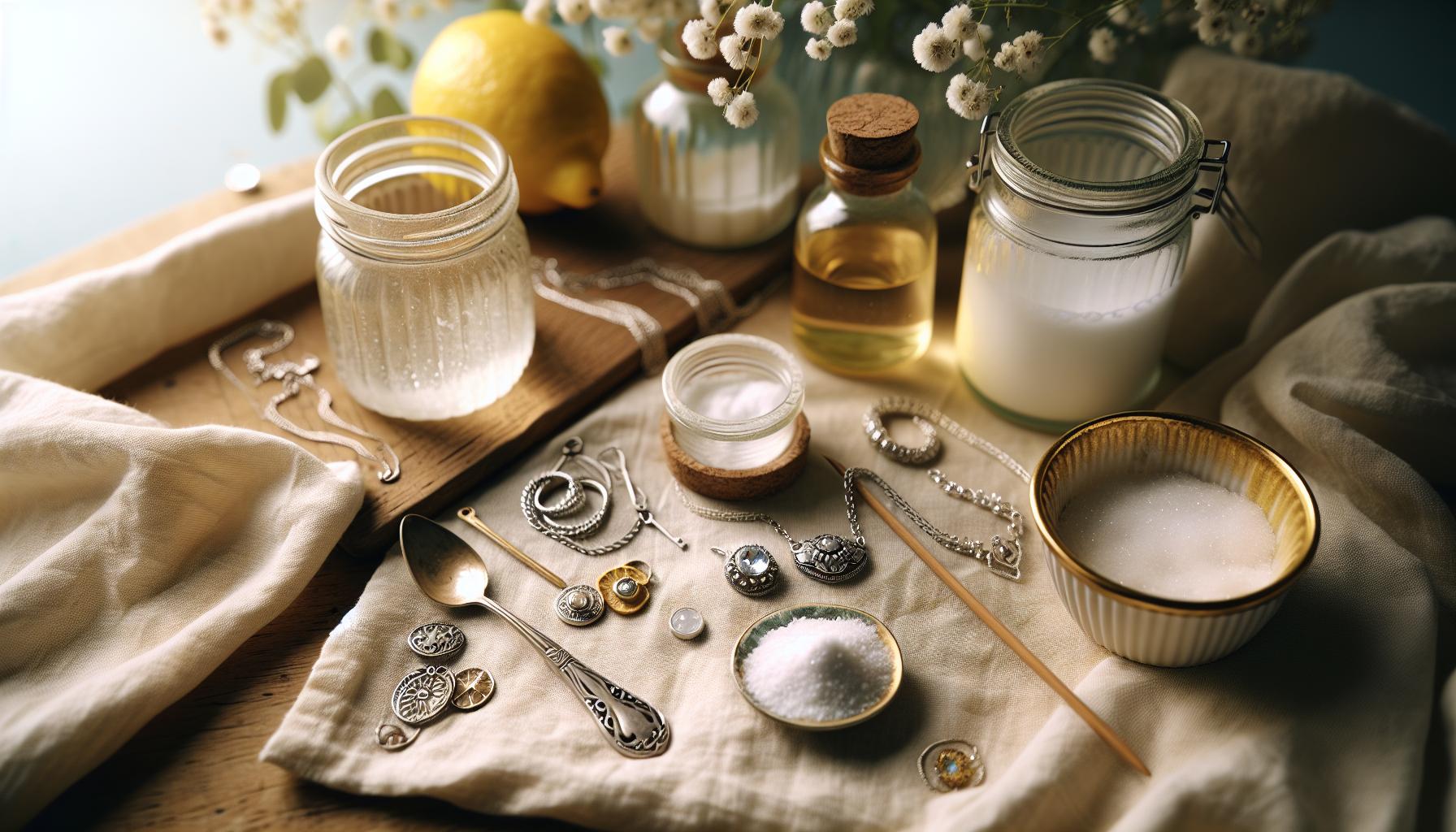
Routine Care: Preventing Tarnish in the First Place
To ensure your jewelry retains its brilliant luster and avoids tarnishing, establishing a routine care regimen is essential. One of the most effective strategies is to incorporate habits into your daily life that minimize exposure to elements that cause tarnish. Regularly clean your jewelry with a soft, lint-free cloth after wearing it; this simple act removes oils and dirt that can lead to tarnishing. Additionally, limit the use of lotions, perfumes, and hairsprays when wearing your jewelry, as these substances can accelerate tarnish.
Environmental Control
Environmental factors also play a significant role in the tarnishing of metals. High humidity and air pollution can contribute to the tarnishing process, especially for silver and copper jewelry. To combat this, store your jewelry in a cool, dry place, and consider using silica gel packets or anti-tarnish strips in your jewelry box. These small, effective tools absorb moisture and help keep your pieces looking pristine.
Proper Storage Techniques
When it comes to storing your jewelry, organization and protection are paramount. Keep individual pieces in soft pouches or lined boxes to prevent scratches and tangling. For items like chains or rings that are prone to intermingling, using dividers or separate compartments can help maintain their integrity. For silver jewelry specifically, it can be advantageous to wrap items in acid-free tissue paper, as this shields the surface from tarnish-causing elements.
Routine Professional Maintenance
Lastly, consider scheduling professional cleanings or inspections at least once a year, especially for fine jewelry or pieces featuring intricate settings. Jewelers can thoroughly clean and check for any signs of wear or potential damage that could lead to tarnishing. By practicing these proactive measures, you’ll not only prevent tarnish but also extend the life and beauty of your cherished jewelry collection.
Unique Techniques for Specific Materials
Jewelry made from different materials requires specific care techniques to prevent tarnish and maintain its beauty. Understanding how to clean and preserve these varied materials can elevate your jewelry collection and ensure it shines brightly for years to come.
When it comes to silver, one effective method is to use a baking soda paste. Mix three parts baking soda with one part water to form a thick paste. Apply this gently with a soft cloth, using circular motions to avoid scratching the surface. Rinse thoroughly with lukewarm water and dry with a microfiber cloth to prevent water spots. For gold-plated items, however, you should avoid abrasive cleaners. Instead, dip a soft cloth in a mixture of mild soap and water, gently wipe the jewelry, and rinse quickly. Pat dry immediately to lock in its shine and avoid tarnishing.
For copper or brass jewelry, a simple mixture of vinegar and salt can work wonders. Create a paste using equal parts vinegar, salt, and flour, and apply it to the tarnished areas. Let it sit for about 10 minutes before rinsing thoroughly with water. This method restores luster while being gentle on the metal. However, always ensure you dry the pieces completely after cleaning, as moisture can lead to further tarnishing.
Lastly, gemstones require special attention, especially softer stones like opals and pearls. For these, opt for a damp, soft cloth without cleaning agents. For harder gemstones, like diamonds or sapphires, a gentle cleanser diluted in warm water can be effective. Use a soft brush, like a toothbrush, to get into the nooks and crannies, rinsing well afterward to avoid any residue. Always store these pieces in separate pouches or compartments to prevent scratches, which can dull their brilliance over time.
By adopting these unique cleaning techniques tailored to specific materials, you’ll ensure that your jewelry not only looks fantastic but also remains a cherished part of your collection for years to come.
Safe Ways to Clean Stones and Gems
Cleaning stones and gems effectively can transform your jewelry from dull to dazzling, ensuring that every piece shines bright and catches the eye. Each type of stone possesses unique properties, which means they require specific cleaning methods to avoid damage while restoring their beauty. Understanding the right techniques is key to maintaining these treasured items in your collection.
For softer stones such as pearls, opals, and Turquoise, avoid any harsh cleaning agents and opt for a simple approach. Use a damp, soft microfiber cloth to gently wipe the surface. This method is gentle enough to clean without scratching or compromising the stone’s luster. It’s also essential to store these softer gems separate from harder stones to prevent scratches during storage.
When dealing with harder gemstones like diamonds, sapphires, or rubies, a more thorough approach may be needed. Create a warm, soapy bath using a few drops of mild dish soap mixed with warm water. Soak the jewelry for about 20-30 minutes, then use a soft-bristled toothbrush to gently scrub intricate settings and areas where dirt may accumulate. After scrubbing, rinse with lukewarm water and dry with a soft cloth to prevent any water spots and maintain shine.
Moreover, consider using a jewelry cleaning solution specifically formulated for gemstones. Always follow the manufacturer’s instructions to ensure compatibility with your specific stone. For gems set in metal, avoid exposing them to cleaning solutions for extended periods, as some chemicals can weaken the settings.
Lastly, routine care is crucial. Regularly inspect your gemstone jewelry for signs of dirt or buildup, and clean them periodically rather than waiting for tarnish to accumulate. By implementing these safe and effective cleaning methods, you will not only preserve the integrity of your stunning gemstones but also enjoy their brilliant shine for years to come.
Storage Tips to Keep Your Jewellery Tarnish-Free
Storing your jewelry correctly can significantly reduce the risk of tarnish, helping to keep your cherished pieces looking their best for years to come. One of the first steps to prevent tarnishing is to ensure that your jewelry is stored in a dry, cool environment. Humidity is a major contributor to tarnish, so consider using a dehumidifier or storing your collection in a climate-controlled room to mitigate this issue.
When it comes to storage options, the type of container you use matters greatly. Utilize soft-lined jewelry boxes or cases that provide ample padding to protect your pieces from scratches. Individual compartments are ideal for preventing pieces from rubbing against one another, which can lead to both scratches and tarnishing. Additionally, consider wrapping jewelry in anti-tarnish cloths or pouches, which are specially designed to absorb moisture and prevent tarnish.
Tips for Specific Materials
Different metals and stones have varied susceptibility to tarnishing, so tailor your storage method accordingly. Here are some targeted tips:
- Silver Jewelry: Store silver in an airtight plastic bag, removing as much air as possible. This inhibits oxidation.
- Gold and Platinum: While less prone to tarnishing, these metals can still benefit from being stored separately to avoid scratches.
- Soft Stones: For items featuring gemstones like pearls or opals, keep them in separate, soft containers to avoid damage from harder materials.
Lastly, don’t underestimate the power of regular inspection. Every few months, check your jewelry for signs of tarnish and ensure that it’s still properly stored. Creating a routine not only helps in preserving your collection but also gives you a chance to enjoy wearing your jewelry more often. By implementing these storage strategies, you can enjoy your beautiful pieces without the worry of tarnish diminishing their shine.
The Importance of Professional Cleaning Services
Turning to professional cleaning services can be a game changer for jewelry care, particularly when dealing with tarnished pieces that hold sentimental or financial value. While DIY methods offer quick fixes, there are instances when the expertise of a professional is essential. Jewelers are equipped with specialized tools and products that can deeply cleanse intricate designs and safely restore the shine to your cherished items without the risk of damage that can come from at-home cleaning attempts.
One of the primary advantages of utilizing professional services is the level of thoroughness they provide. Professionals can handle delicate pieces made of mixed materials or with intricate stone settings that require careful attention. They can carefully assess the condition of each piece, determining the best cleaning method tailored to the specific materials and finishes. For example, ultrasonic cleaning is a common technique used by jewelers that employs high-frequency sound waves to agitate a cleaning solution, effectively removing tarnish and dirt from hard-to-reach areas that a brush cannot address.
Moreover, professionals are also adept at identifying potential issues you may not see at first glance, such as loose stones or weakened clasps. Early detection of these problems can prevent more costly repairs down the line. Establishing a relationship with a trusted jewelry cleaner can also be beneficial; they will become familiar with your collection and the specific needs of your pieces, allowing for customized care and advice over time.
Lastly, regular professional cleanings can extend the lifespan of your jewelry. Just as you would take your vehicle in for maintenance to ensure it runs smoothly, your jewelry deserves the same treatment. Integrating periodic cleanings into your jewelry care routine not only keeps your pieces sparkling but also preserves their structural integrity, allowing you to continue enjoying them for years to come. Investing in professional cleaning services is not merely about aesthetics; it’s about safeguarding your investments and ensuring that your treasured jewelry remains as beautiful as the day you received it.
Creative Ways to Upcycle Tarnished Jewellery
Reviving tarnished jewelry doesn’t have to mean tossing it out or settling for dull, lifeless pieces. Instead, consider the art of upcycling, where creativity and sustainability combine to breathe new life into your favorite items. Whether it’s transforming a tarnished silver necklace into a chic statement piece or turning old earrings into a unique brooch, the possibilities are both exciting and eco-friendly.
One popular method of upcycling involves layering different pieces to create a bold, multi-dimensional look. Try combining a tarnished chain with newer, colorful beads or charms. You can also break apart an old necklace and reassemble the components into a fresh design, like a bracelet or a pair of earrings. Mixing metals can create an eclectic vibe that turns heads, allowing individuals to define their personal style while repurposing lost treasures.
Another engaging approach is to use tarnished pieces as canvases for artistic expression. Consider painting or applying enamel to affected areas to create a unique color-blocking effect. This not only conceals tarnish but also adds a modern twist, giving new character to those once-neglected items. If your tarnished jewelry includes stones, think about resetting them in a different setting or pairing them with contrasting materials to elevate their beauty.
Lastly, don’t underestimate the power of sentimentality. Incorporate tarnished pieces into meaningful home decor, like framing a broken pendant in a shadow box or turning an old ring into a decorative keychain. Each reimagined piece can tell a story and serve as a lasting memory, making upcycling a fulfilling and artistic endeavor. Embrace these creative methods to not only restore but also transform tarnished jewelry into something uniquely yours.
Identifying and Authenticating Valuable Pieces
Identifying valuable pieces of jewelry can be as intriguing as uncovering hidden treasures. Often, what may seem like a simple adornment can hold a significant value, either monetarily or sentimentally. The journey of authentication is crucial, not only for collectors but also for everyday wearers who may come across family heirlooms or vintage finds. Knowing how to assess these pieces can enhance your appreciation and potentially guard against fraudulent items.
To start, familiarize yourself with the hallmarks and stamps that indicate authenticity and value. Most fine jewelry pieces have some form of marking that denotes the metal type, manufacturer, and country of origin. For instance, silver jewelry typically features “Sterling” or “925” to indicate its purity, while gold jewelry may be marked with its karat. Besides, recognizable brands often have distinct logo stamps. If you discover a piece with a hallmark, you can use reference guides or online databases to identify its maker and assess its authenticity.
Additionally, consider the materials used in the jewelry. Authentic gemstones should possess certain characteristics-such as brilliance, fire, and the absence of bubbles (which may indicate synthetics)-that can help you differentiate them from imitations. Using a jeweler’s loupe or a microscope can reveal details like inclusions within gemstones that might confirm their genuineness. For gold pieces, performing a simple acid test is a reliable method to identify the karat and authenticity of the metal.
Finally, enlist the expertise of professionals for appraisals, particularly for high-value items or family heirlooms. A certified appraiser can provide documentation and insights into the history and value of your jewelry, making it easier to insure or sell if needed. By equipping yourself with knowledge and occasionally seeking professional advice, you can confidently navigate the world of jewelry authenticity, ensuring that your cherished pieces are valued and cared for appropriately.
Starting a Jewellery Care Business: Key Insights
Starting a jewelry care business can not only be rewarding but also fulfilling, especially with the rising concern about jewelry maintenance and the increasing number of individuals looking for effective tarnish removal solutions. In today’s market, there is a broad audience ranging from vintage collectors to casual wearers, all seeking reliable methods to preserve their cherished pieces. Understanding what drives your target market’s behavior is crucial; for instance, many people often search for quick fixes but may not realize the importance of routine care to prevent tarnishing in the first place.
To effectively launch your business, consider offering a diverse array of products and services tailored to varying needs. For example, you could develop a line of eco-friendly cleaning solutions using natural ingredients, which has become a popular trend in sustainable living. Additionally, incorporating DIY kits that allow customers to tackle tarnish removal at home can engage a hands-on audience while also providing them with the necessary tools and knowledge. Consider offering an educational component, such as tutorials on your website or social media, showcasing various methods for cleaning jewelry, from commercial products to natural remedies. This approach not only enhances customer trust but also establishes your authority in the jewelry care space.
Furthermore, building an online community centered around jewelry care can help foster loyalty and repeat business. Utilize platforms like Instagram or Pinterest to share tips, tricks, and user-generated content showcasing successful tarnish removals. Encourage customers to share their experiences with your products and provide feedback. This engagement not only promotes your brand but also provides insights into what your customers value, allowing you to refine your offerings.
Lastly, ensure your business is visible and accessible. Invest in search engine optimization (SEO) strategies for your website to capture traffic from users searching for tarnish removal methods. By integrating targeted keywords related to jewelry cleaning and care, you can attract potential customers who are eager to learn about practical solutions. As your business grows, consider partnering with local jewelers and artisans to broaden your footprint and create a collaborative network that supports all parties involved in jewelry maintenance. This synergy can open doors to new markets and increase customer trust in your expertise.
Frequently asked questions
Q: What household items can be used to remove tarnish from jewellery?
A: Common household items like baking soda, white vinegar, and lemon juice can effectively remove tarnish from jewellery. Mix baking soda with water to create a paste, apply it to the tarnished areas, then rinse and dry. This method is a quick and inexpensive solution for restoring shine.
Q: How do I use toothpaste to clean tarnished jewellery?
A: Apply a small amount of plain white toothpaste to a soft cloth and gently rub the tarnished areas in a circular motion. Rinse thoroughly with warm water and dry with a soft towel. Toothpaste works well for metals like silver and gold, giving them a polished look.
Q: Does aluminum foil help in removing tarnish?
A: Yes, using aluminum foil with baking soda can effectively remove tarnish. Line a bowl with aluminum foil, place the tarnished jewellery inside, sprinkle baking soda, and pour boiling water over it. Allow it to sit for a few minutes and then rinse. This chemical reaction helps lift tarnish away.
Q: Can I use olive oil to prevent tarnish on my jewellery?
A: Yes, olive oil can help create a protective layer on jewellery. Lightly coat your pieces with a mixture of olive oil and vinegar, then buff with a soft cloth. This simple remedy can help prevent tarnish from developing over time.
Q: How often should I clean my jewellery to prevent tarnish?
A: Cleaning your jewellery every 1-3 months is a good practice to prevent tarnish. Regular maintenance can help keep your pieces looking their best, especially for frequently worn items. Always store them in a dry, cool place to minimize exposure to moisture and air.
Q: What is the best way to store jewellery to avoid tarnishing?
A: Store your jewellery in airtight containers or pouches lined with anti-tarnish cloth. Avoid exposure to sunlight and humidity; consider using silica gel packets to absorb moisture. Proper storage can significantly extend the life and shine of your jewellery.
Q: Is it safe to use bleach to clean tarnished jewellery?
A: No, using bleach on jewellery is not recommended. It can damage metals and stones, causing discoloration and deterioration. Instead, opt for safer cleaning methods, such as using mild soap and water or the household items mentioned earlier.
Q: When should I consider professional cleaning for my jewellery?
A: Consider professional cleaning if your jewellery has intricate details or if the stones require special care. A jeweller can provide a deep clean and inspect for any damage, ensuring the longevity and beauty of your pieces. Regular professional cleaning can help maintain their value.
Final Thoughts
With these effective methods, you can easily combat tarnish on your jewelry and keep your pieces looking as stunning as the day you bought them. Don’t let tarnish diminish the beauty of your treasured items; start using these quick fixes today! For additional tips on maintaining your jewelry, check out our guides on jewelry care essentials, and discover DIY tutorials tailored for both beginners and experienced collectors.
Ready to deepen your knowledge? Subscribe to our newsletter for exclusive insights on jewelry cleaning and styling, or visit our product pages to explore the latest in jewelry trends. Your next favorite piece could just be a click away! Remember, effective jewelry maintenance not only enhances your style but also preserves the sentimental value of your collection. Engage with us in the comments below and share your own tarnish removal secrets!
Get our latest guides, news, and insights highlighted in your Google Search & AI Overviews.