Have you ever wanted to transform ordinary glass items into stunning pieces of art? Using acrylic paint on glass opens up endless creative possibilities, allowing you to add color and personality to your decor or craft projects. However, this process can be daunting due to concerns about adhesion, durability, and achieving a flawless finish. In this guide, we’ll explore pro tips to help you navigate these challenges, ensuring that your glass creations not only look beautiful but also stand the test of time. Whether you’re a beginner or an experienced crafter, our insights will empower you to create with confidence and turn your glass pieces into vibrant works of art. Dive in to discover how to get perfect results with acrylic paint on glass!
Choosing the Right Acrylic Paint for Glass Projects
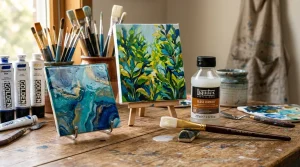
Choosing the right acrylic paint for your glass projects can make all the difference in achieving stunning and durable results. Acrylic paint is a versatile medium known for its vibrant colors and quick drying times, making it perfect for personalizing glass items. When selecting the right paint, look for formulations specifically designed for use on glass, often labeled as “glass paint.” These paints typically contain additives that improve adhesion and durability when applied to smooth, non-porous surfaces.
It’s important to consider the finish you desire in your project. Acrylic paints come in various finishes, such as matte, glossy, or satin. For projects where you want a vibrant, shiny look, a gloss finish can enhance the color depth and overall appeal. On the other hand, a matte finish can create a more understated and elegant effect. Additionally, pay attention to the paint’s transparency level-some may be opaque while others are translucent, allowing for layering effects. This choice can significantly influence the final appearance of your glass piece.
Finally, before making your purchase, read reviews and seek recommendations to find brands that artisans trust. A few popular options include FolkArt, DecoArt, and Pebeo, which are known for their reliable performance and wide range of color choices. The right acrylic paint will not only elevate your glass projects but also ensure that your masterpieces withstand the test of time, maintaining their beauty through everyday use.
Preparing Glass Surfaces for Acrylic Painting
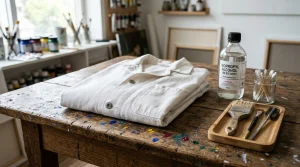
Preparing your glass surface before painting is crucial for achieving a beautiful and lasting finish. One of the first steps is ensuring that the glass is completely clean. Any dust, oil, or fingerprints can prevent your acrylic paint from adhering properly, leading to chipping or peeling over time. To clean the glass, use a mixture of warm water and mild dish soap or a glass cleaner; wipe it down with a lint-free cloth or paper towel to avoid leaving any residue.
Once cleaned, consider lightly sanding the area where you intend to paint. Using fine-grit sandpaper or a sanding sponge gently roughens the surface, creating a better grip for the paint. This step is particularly important if your glass has a glossy finish, as it enhances the adhesion of the acrylic. After sanding, make sure to wipe away any dust particles with a damp cloth to prepare the surface for painting.
Another helpful tip is to use a primer designed for non-porous surfaces. Although it’s not always necessary, applying an acrylic primer can increase paint adherence and provide an even base for your color application. Make sure to follow the manufacturer’s instructions regarding drying times before applying your paint.
Finally, allow your glass surface to dry completely before starting your painting project. This preparation phase not only sets the foundation for perfect results but also ensures that your art can boldly shine without the interference of unwanted elements. By taking these steps, you are well on your way to creating stunning glass art that showcases your unique style.
Step-by-Step Guide to Painting on Glass
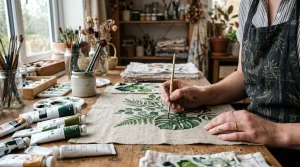
Getting started with painting on glass using acrylics can be an exciting endeavor, offering the chance to create stunning, personalized pieces that shine with color and creativity. The versatility of acrylic paint makes it an ideal choice for glass projects, whether you’re decorating vases, creating window art, or embellishing drinkware. Here’s a straightforward guide to help you navigate through the process of painting on glass effectively.
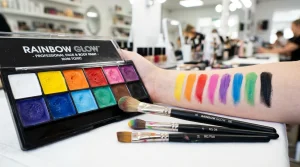
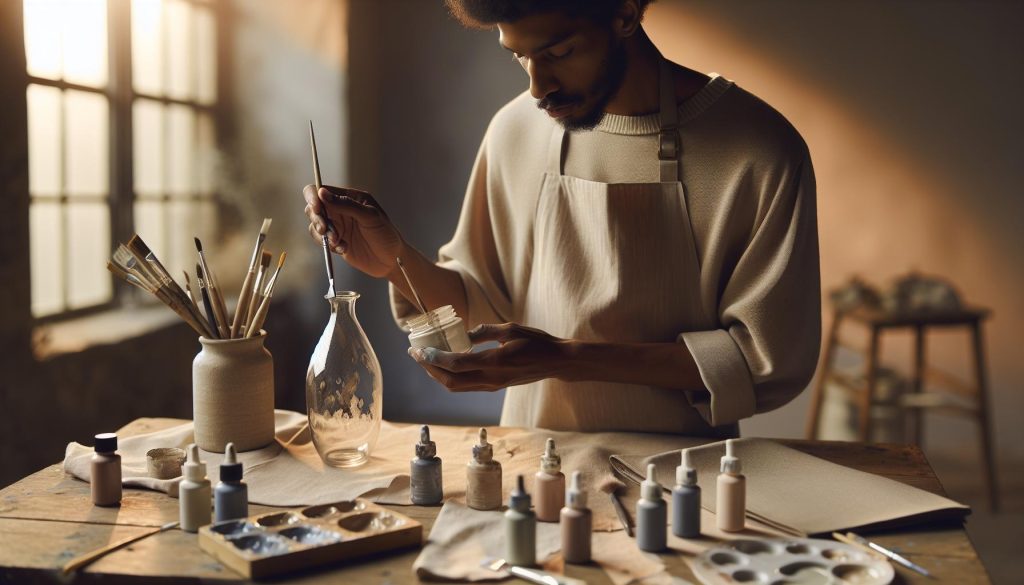
Begin by securing all essential materials: acrylic paints in your chosen colors, a selection of brushes (both fine and broader types), water for rinsing, and a palette for mixing colors. Setting up your workspace is also crucial; choose an area that is well-lit and comfortable to work in. Ensure you’re working on a flat surface to avoid spills and errors.
Next, follow these steps to ensure a smooth application of your acrylic paint:
- Select Your Design: Before you start painting, sketch out your design on paper or directly onto the glass with a light pencil or water-soluble marker. This layout will provide a helpful guide while you paint.
- Paint Application: Begin applying your acrylic paint in thin layers. It’s better to start with a light touch and gradually build up to the desired opacity. Use a smaller brush for detailed areas and switch to larger brushes for filling in larger sections. This technique minimizes the chance of drips and uneven coverage.
- Allow Drying Time: After each layer, wait for the paint to dry thoroughly. Acrylics dry quickly, but give yourself a few minutes in between applications to avoid muddying the colors. If you’re aiming for a layered look, feel free to add more paint once the previous layer is fully dry.
- Finishing Touches: Once you’ve finished painting, inspect your work for any spots that may need touch-ups. Use a fine brush to add details or fix small areas before sealing.
Finally, it’s essential to cure your painted glass properly. Depending on the paint, several hours to a few days may be necessary for the paint to set. Be sure to consult the instructions from your paint manufacturer regarding curing times and methods, as this will help ensure your artwork stands the test of time.
By following these simple steps, you’ll be well on your way to creating beautiful glass art pieces that showcase your style and creativity. Enjoy the process and let your imagination lead the way!
Techniques for Achieving Perfect Finishes
To achieve perfect finishes when painting on glass with acrylics, understanding the nuances of the medium and techniques involved is essential. One of the most effective practices is to focus on layering your paint. Instead of applying a thick coat right away, opt for several thin layers. This approach not only prevents drips and uneven application but also allows you to build depth and vibrancy in your colors. As you add layers, use lighter colors first and darker ones later to maintain clarity and brightness in your final piece.
Using the right tools is equally important for a flawless finish. A variety of brushes can help achieve different effects; for example, a fine-tipped brush is perfect for detailed work while broader brushes excel in filling larger areas. Consider using a sponge or stippling brush for soft textures and effects-these can create beautiful gradients and blends that are hard to achieve with traditional brushes. Additionally, experimenting with different brush strokes will add character to your artwork; try dabbing, swirling, or cross-hatching to see what resonates with your style.
Don’t overlook the importance of surface preparation and finishing touches. Properly cleaning and priming your glass ensures that the paint adheres well and lasts longer. Use a mild detergent to clean the glass and wipe it down with rubbing alcohol to eliminate any residue. After painting, always inspect your work and correct any imperfections before sealing. Applying a clear acrylic sealer not only protects your artwork but also enhances color vibrancy and adds a professional sheen.
Finally, patience is a key ingredient in achieving that perfect finish. Allow adequate drying time between coats, and remember that curing acrylic paint can take a few days. This will enable your artwork to maintain its integrity and resist chipping or fading. By combining technique, the right tools, and a little patience, you can create stunning glass art that showcases your creativity and skill.
Understanding Curing and Drying Times
Understanding acrylic paint’s curing and drying times is crucial for achieving optimal results when working on glass. While drying and curing are often used interchangeably, they refer to different processes. Drying is the period it takes for the paint to become touch-dry, while curing is the ongoing process where the paint reaches its full hardness and durability. For instance, after applying a layer of acrylic paint on glass, you might notice that it feels dry to the touch within 30 minutes to an hour. However, it can take several days for the paint to fully cure. This distinction is important because rushing to handle or wash your painted item too soon can result in smudging or peeling.
To ensure your artwork holds up over time, it’s advisable to allow adequate drying time between layers. Each layer should ideally dry completely before you add another. This not only enhances the paint’s adherence but also helps in achieving vibrant colors without blurring. For best practices, consider these time frames:
- Touch Dry: 30 minutes to 1 hour
- Fully Dry: 24 hours
- Cured: 3-7 days
While the paint will be usable after it has dried, refraining from washing or exposing the item to moisture until it has fully cured is crucial for long-lasting results. Factors such as temperature, humidity, and ventilation in your workspace can also profoundly affect these drying and curing times, so be mindful of your environment. For example, a warm, well-ventilated area will generally facilitate faster curing.
As you plan your painting projects, patience becomes indispensable. By allowing the paint to cure completely, you’ll not only preserve the beauty of your artwork but also protect it from chips and scratches. This diligent approach pays off, ensuring that your glass pieces remain vibrant and intact for years to come.
Sealing and Protecting Your Acrylic Paint
After you’ve put in the time and creativity to apply acrylic paint on your glass projects, ensuring that your artwork remains intact and vibrant is crucial. One of the best ways to protect your painted glass items is by sealing them properly, which not only enhances durability but also adds a beautiful finish. The sealing process forms a barrier that guards against scratches, chips, and other wear and tear that can occur over time.
To start sealing your acrylic paint, consider using a clear acrylic sealer or varnish that is compatible with glass. These products come in various finishes, such as matte, satin, and gloss, allowing you to choose one that best complements your design. When applying the sealer, ensure the paint is fully cured to avoid any damaging interactions. Use a wide brush or sponge applicator to achieve an even coat, covering all painted areas thoroughly. Make sure to follow the manufacturer’s instructions regarding application techniques and drying times.
After sealing, it’s important to let the item dry completely in a dust-free environment. This precaution helps prevent any debris from sticking to the surface. To enhance the longevity of your painted glass, avoid exposing it to extreme temperatures or direct sunlight for prolonged periods, as these conditions may fade the colors over time. Additionally, for items such as glassware that will be used, it’s advisable to hand wash them gently instead of using a dishwasher, which can be too harsh.
Lastly, consistently maintaining your painted glass pieces enhances their lifespan. Regularly inspect them for any signs of wear, and reapply the sealer if necessary to keep your artwork looking fresh and vibrant. By taking the time to seal and protect your acrylic paint properly, you ensure that your creative efforts continue to shine brightly.
Common Mistakes to Avoid When Painting Glass
When embarking on the journey of painting glass with acrylics, it’s easy to become excited about the creative process and overlook some common pitfalls that can detract from your finished project. Understanding and avoiding these mistakes can elevate the quality of your artwork significantly. Here are a few critical areas where many novice artists stumble:
First, insufficient surface preparation is a common error. Glass surfaces need to be thoroughly cleaned and free of dust, grease, or any residues that could interfere with paint adhesion. A simple wash with soap and water, followed by a wipe down with rubbing alcohol, can help ensure a clean slate for your painting. Skipping this step can result in peeling or chipped paint, diminishing the longevity of your project.
Another frequent misstep involves choosing the wrong type of paint. Not all acrylic paints are created equal for glass applications. Opting for a paint specifically designed for glass or one that claims to be multi-surface can make a world of difference in how well the paint adheres and withstands time. Regular acrylic paint might not hold up as well on glass surfaces, leading to disappointing results.
Additionally, ignoring drying times and curing processes can lead to frustration. Acrylic paint can feel dry to the touch quite quickly, but it often requires much longer to fully cure. Painting layers too close together can cause smudging and poor adhesion. Respecting the drying time as indicated by the manufacturer’s instructions will help you achieve a smoother finish.
Lastly, many painters fail to properly seal their work. A good sealant not only protects the paint from scratches and wear but also enhances its vibrancy. It’s essential to allow your paint to cure completely before applying a sealer, as trying to seal wet paint can result in a cloudy finish. Using the right sealant and techniques ensures your designs remain intact for years to come.
By being aware of these common mistakes, you can take proactive steps to avoid them, allowing your artistic vision to shine through beautifully on glass. Embracing preparation and patience in your workflow yields stunning results that highlight your creativity.
Creative Ideas for Glass Painting Projects
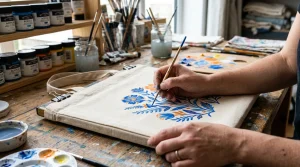
Transforming glass with acrylic paint opens up a world of creative possibilities, allowing you to personalize everything from ordinary window panes to vibrant decorations. One delightful project idea is to create custom glassware. Whether you’re refreshing old mason jars or designing chic wine glasses for a gathering, simply apply a pattern or motif using stencils or freehand painting. Your guests will appreciate the unique touch, and you’ll enjoy a sense of accomplishment.
Another fantastic idea is to paint seasonal decorations. Imagine a set of glass ornaments adorned with whimsical winter scenes or delicate floral patterns for spring. These handcrafted pieces will not only beautify your home but also make thoughtful gifts. Consider opting for transparent designs that let light shine through, enhancing their visual appeal and creating a stunning effect when displayed on a tree or window.
Don’t overlook the potential of creating functional art. Paint a glass serving platter or tray with vibrant colors and designs that reflect your personal style. This not only makes for a stunning centerpiece during dinner parties but also serves as a conversation starter. You can even personalize picture frames with embellishments to showcase cherished moments, giving an elegant twist to simple home decor.
For those who love experimenting, try using acrylic paint for outdoor projects. With proper sealants, painted glass pots or garden lanterns can add charm to your outdoor space, bringing colors alive after sunset. The key is to embrace your creativity-let your imagination guide you as you explore various techniques and styles. With practice, each painted piece will tell a story, reflecting your artistic flair while enriching your environment.
Tools and Supplies Needed for Success
To embark on a rewarding glass painting project, having the right tools and supplies is essential to achieving stunning results. Quality materials can make the difference between a vibrant, durable finish and a disappointing outcome. Here’s a comprehensive list to help you gather everything you need for a successful painting session.
Essential Tools and Supplies:
- Acrylic Paint: Choose high-quality acrylic paints that are specifically formulated for glass. Brands like DecoArt and FolkArt offer various colors that provide excellent coverage and clarity.
- Paintbrushes: A variety of brushes will give you more flexibility. Fine-tipped brushes work well for detailed work, while broader brushes are great for larger surface areas.
- Stencils or Tape: If precision is your goal, stencils will help create clean, defined shapes. Painter’s tape can be used for straight edges or unique designs.
- Palette or Mixing Tray: Use these to mix colors and have a place for your paint. Disposable paper palettes can also minimize clean-up time.
- Water Container: Keep a cup of water nearby for rinsing brushes between colors and maintaining cleanliness.
- Paper Towels or Rags: Handy for quick clean-ups and wiping brushes, stains, or even touch-ups.
- Sealant (Optional): If you’re using acrylic paint for functional pieces, a spray sealant can help protect your designs from wear and fading.
- Gloves and Apron: Protect your hands and clothing from paint splatters and stains.
Additional Handy Items:
- Drying Rack: A dedicated space to allow your painted glass to dry without smudging.
- Masking Tape: Useful for blocking off areas you don’t want to paint or for creating clean lines.
- Emery Board or Sandpaper: Lightly sanding the glass surface before painting can help the paint adhere better.
- Heat Gun or Hair Dryer: To speed up the drying process if you’re working with multiple layers of paint.
Having these tools at your disposal not only simplifies the process but also enhances your creative expression. Whether you’re a beginner or a seasoned artist, these supplies will set the foundation for beautiful, personalized glass artworks. Prepare your workspace thoughtfully, and let your imagination flow as you bring your glass painting visions to life!
Maintenance Tips for Painted Glass Items
Maintaining the beauty of your painted glass items can significantly enhance their longevity and visual appeal. While acrylic paint is versatile and adheres well to glass, it requires some care to prevent chipping, fading, and damage. Start by keeping your painted pieces clean; use a soft, damp cloth to gently wipe them down, avoiding harsh chemicals or abrasive materials that might scratch the surface. If your projects are functional, such as plates or glasses, hand wash them instead of placing them in a dishwasher to preserve the paint.
Direct sunlight can fade acrylic paints over time, so it’s wise to keep your painted glass away from areas with strong light exposure. If possible, display them in shaded areas or consider using UV-protective glass if you’re framing artwork. Additionally, for items that are meant to be used regularly, sealing your designs with a clear, non-toxic sealant can add an extra layer of protection against wear and tear, ensuring your artistry shines through for years to come.
When storing your painted glass items, opt for soft cloths or padded containers to prevent scratches. Layering pieces with paper towels can help cushion them against bumps and keep them in pristine condition. If you notice any chips or defects, address them promptly; touch up with the same color of paint to minimize damage. Remember, taking these simple steps can transform ordinary glass into extraordinary works of art that withstand the test of time!
How to Remove Acrylic Paint from Glass
Removing acrylic paint from glass can seem daunting, but with the right approach and tools, it can be done effectively and safely. Whether you want to alter a design, correct a mistake, or simply refresh a surface, having a reliable method is key. Acrylic paint is water-based, which typically makes it easier to remove compared to oil-based paints. Here’s how you can tackle the task with confidence.
Start by gathering your materials. You’ll need:
- Warm soapy water
- A soft sponge or cloth
- Rubbing alcohol or acetone (nail polish remover)
- A plastic scraper or old credit card
- Paper towels or a clean cloth for drying
Begin by soaking the painted area with warm, soapy water. This step softens the paint, making it easier to lift. Allow it to sit for a few minutes, then gently scrub with a soft sponge or cloth in circular motions. For particularly stubborn paint, apply rubbing alcohol or acetone to a cloth and dab it onto the paint. This should help break down the paint’s adhesion to the glass.
If the paint is still not budging, use the plastic scraper to carefully lift the paint from the surface. Be sure to scrape gently to avoid scratching the glass. Once the paint starts to come off, continue scrubbing while frequently rinsing the area with warm water to wash away any residue. When you’re satisfied with the results, dry the surface with a clean, soft cloth.
For any remaining traces of paint, repeating the process may be necessary. Always make sure to work in a well-ventilated area, especially when using solvents like rubbing alcohol or acetone, as they can have strong fumes. Finally, if all else fails, consider a specialized paint stripper designed for use on glass, ensuring you follow the manufacturer’s instructions closely.
With patience and the right techniques, you can restore the original beauty of your glass pieces and prepare them for your next creative project!
Exploring Alternatives to Acrylic Paint for Glass
Given the unique nature of glass as a painting surface, exploring alternatives to acrylic paint opens a realm of creative possibilities. While acrylics provide vibrant colors and ease of use, there are other mediums that may enhance your glass projects by offering different textures, sheens, or durability.
For instance, glass paint specifically formulated for painting on glass surfaces can yield stunning results. Available in both transparent and opaque varieties, glass paints bond well and create a permanent finish that is often dishwasher safe. They’re ideal for projects like decorating glassware or suncatchers, providing a smooth application and a glossy finish without the chipping that acrylic paint sometimes suffers.
Enamel paints are another excellent choice, particularly for outdoor glass projects. These paints adhere well and resist fading, making them suitable for garden decor or patio furniture. When using enamel, be sure to follow the recommended curing times to ensure a durable finish.
If you’re looking for a more textured look, consider porcelain paint. This medium can add a delightful raised effect to your glass artwork. It is particularly useful for creating custom items like ceramic or glass tableware, transforming ordinary pieces into unique, high-end decor.
Finally, vinegar-based paints offer a simple, non-toxic option for glass painting, using natural ingredients. These paints can easily wash off and are perfect for temporary designs, such as seasonal decorations.
In summary, while acrylic paints are a popular choice for glass projects, exploring glass paints, enamel paints, porcelain paints, and vinegar-based paints can help you achieve diverse effects and finishes tailored to your creative vision. By experimenting with these alternatives, you can discover exciting new ways to express your artistic flair on glass surfaces.
Frequently Asked Questions
Q: Can acrylic paint adhere well to glass surfaces?
A: Yes, acrylic paint can adhere well to glass if the surface is properly prepared. Cleaning the glass and possibly using a primer designed for glass can enhance adhesion. For more detailed preparation tips, refer to the “Preparing Glass Surfaces for Acrylic Painting” section.
Q: How long does acrylic paint take to dry on glass?
A: Acrylic paint typically dries to the touch within 30 minutes on glass, but curing can take several days. For optimal results, ensure you check the “Understanding Curing and Drying Times” section for specific recommendations.
Q: Can I bake acrylic-painted glass to set the paint?
A: Yes, baking acrylic-painted glass can help set the paint and enhance durability. Follow the manufacturer’s instructions for temperature and time to avoid damaging your project. For more insights, refer to the section on “Sealing and Protecting Your Acrylic Paint.”
Q: What should I do if my acrylic paint is peeling off the glass?
A: If acrylic paint is peeling, ensure the glass was adequately prepared before painting. Clean the surface thoroughly and consider applying a primer designed for glass. For troubleshooting, check the “Common Mistakes to Avoid When Painting Glass” section.
Q: Is it safe to use acrylic paint on glassware meant for food?
A: It is not recommended to use acrylic paint on glassware that will hold food or beverages, as the paint can be unsafe for consumption. Always refer to food-safe paints for projects involving dishware. Explore the “Tools and Supplies Needed for Success” for alternatives.
Q: How can I remove acrylic paint from glass without damaging it?
A: To remove acrylic paint from glass, you can use a scraper and warm soapy water or rubbing alcohol. Apply the solvent gently, allowing it to loosen the paint. For more removal techniques, refer to the section on “How to Remove Acrylic Paint from Glass.”
Q: What are some creative ideas for using acrylic paint on glass?
A: Creative ideas include designing custom glass ornaments, painting vases, or creating stained glass effects. For more inspiration, check the “Creative Ideas for Glass Painting Projects” section.
Q: Should I seal my acrylic-painted glass for durability?
A: Yes, sealing your acrylic-painted glass with a clear acrylic sealer can enhance durability and protect the design. Visit the “Sealing and Protecting Your Acrylic Paint” section for best practices and product recommendations.
Insights and Conclusions
Now that you know how to use acrylic paint on glass effectively, it’s time to unleash your creativity! Don’t wait-gather your paints and start transforming ordinary glass into stunning artworks today. If you have any lingering questions or want to share your projects, drop a comment below; we love hearing from you!
For more handy tips, check out our related articles on DIY tutorials and jewellery care, perfect for expanding your crafting skills. Also, sign up for our newsletter to receive exclusive insights and techniques directly to your inbox, keeping you inspired and informed. Remember, the world of crafting is at your fingertips, so dive in and let your imagination shine!
Expert Guide & Insights:
When exploring , consumers, collectors, and fashion enthusiasts frequently encounter conflicting advice regarding material composition, wearability, authenticity verification, and long-term maintenance. In this specialized guide section, we provide an expert breakdown of key considerations, care recommendations, and practical solutions.
| Key Consideration | Primary Mechanism / Feature | Recommended Action | Value / Durability Impact |
|---|---|---|---|
| Material Integrity & Alloys | Purity standards (925 silver, 14k/18k gold, titanium, acrylic polymers) | Check official hallmark stamps and certificates before purchase | ★★★★★ High durability & heirloom retention |
| Daily Wear & Environmental Factors | Exposure to moisture, sulfur, sweat, perfume, and abrasive friction | Remove accessories before swimming, heavy workouts, or applying cosmetics | ★★★★☆ Prevents tarnish, chipping, and fading |
| Long-Term Storage & Cleaning | Atmospheric oxidation and chemical exposure over time | Store in airtight zip pouches with silica desiccant; polish with soft cloth | ★★★★★ Restores original mirror luster |
Frequently Asked Questions:
What should I know about ?
Detailed examination reveals that addressing depends on proper handling, choosing hypoallergenic materials, and adhering to routine cleaning protocols.
How can I preserve the quality and appearance of my pieces?
Always store items individually to prevent scratch contact, avoid harsh chemical detergents or chlorine pools, and use specialized polishing cloths designed for precious metals and acrylics.
Get our latest guides, news, and insights highlighted in your Google Search & AI Overviews.