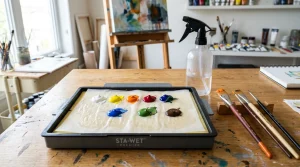
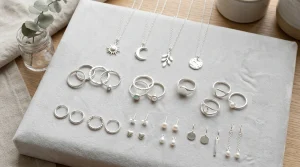
Acrylic paint is a dynamic and versatile medium beloved by artists for its quick drying time and adaptable nature. Whether you’re a complete beginner or an aspiring professional, understanding the fundamentals of acrylics can significantly enhance your creative journey. This guide delves into the essential aspects of acrylic painting, from its unique properties to tips for selecting the right materials, addressing the common concerns of beginners regarding ease of use, cleanup, and technique. As you explore this versatile material, you’ll uncover its potential to transform your artistic expression and ignite your imagination. Join us on this colorful journey to discover the vibrant world of acrylics!
Understanding Acrylic: An Essential Overview
Acrylic is a fascinating material that has become a staple in various industries due to its remarkable properties. Often referred to as polymethyl methacrylate (PMMA), acrylic is a transparent thermoplastic that offers a glass-like clarity yet is significantly lighter and more impact-resistant than glass. This versatile material is not only easy to manipulate when heated, allowing it to be shaped into various forms, but it also retains its shape upon cooling. The origins of acrylic date back to the 1920s, and over the decades, its applications have expanded to meet the needs of everything from medical devices to artistic endeavors.
One of the standout characteristics of acrylic is its stunning transparency, which allows it to transmit up to 92% of visible light. This quality makes it an excellent substitute for glass in applications where weight and shatter resistance are significant considerations. In fact, acrylic is often used in the production of optics, signage, and displays. Additionally, its resistance to ultraviolet (UV) light contributes to its durability, making it suitable for outdoor use without significant degradation. Given these properties, acrylic has emerged as the preferred material for a wide range of applications, from sophisticated dental devices to lightweight greenhouse panels.
When considering the advantages of acrylic, cost-efficiency stands out. Compared to glass, acrylic is generally more affordable, and its ease of fabrication simplifies complex designs. It can be cut, drilled, and shaped with relative ease using standard tools. For those looking to embark on DIY projects or crafting endeavors, acrylic sheets can be an excellent medium for creating customized designs and functional items. The creative potential is vast, and the ability to paint, engrave, or bond acrylic opens up endless possibilities for arts and crafts.
In summary, acrylic is not just a substitute for glass; it is a remarkable material in its own right that offers a blend of aesthetics, functionality, and affordability. Whether you are a hobbyist, designer, or entrepreneur, understanding the nuances of acrylic can empower you to harness its full potential in your projects and products.
The Unique Properties of Acrylic Material
Acrylic, often celebrated for its remarkable versatility, is a thermoplastic material that has transformed countless applications across various industries. Its distinctive properties set it apart from other materials, making it an ideal choice if you seek durability combined with aesthetic appeal. One of the most impressive features of acrylic is its exceptional clarity. With the ability to transmit up to 92% of visible light, it rivals the transparency of glass while being significantly lighter and more shatter-resistant. This makes it an ideal material for not only windows and display cases but also for creative projects where clarity is essential.
Another defining characteristic is acrylic’s impressive impact resistance. Unlike glass, which can easily shatter upon impact, acrylic is much more forgiving, reducing the risk of injury or damage. This property makes it a popular choice in applications ranging from safety shields in industrial settings to aquariums and even sports equipment. Additionally, acrylic boasts resistance to ultraviolet (UV) light, which means it can withstand outdoor exposure without becoming brittle or degrading-an invaluable trait for outdoor signage and displays.
In terms of versatility, acrylic comes in various forms, such as sheets, rods, and tubes, making it suitable for an array of projects. It can be easily fabricated using standard tools, allowing for intricate shapes and designs that other materials might not accommodate as readily. Once processed, acrylic can be painted, engraved, or bonded, providing endless possibilities for customization. Whether you are crafting jewelry, designing unique home decor pieces, or creating functional items, the ability to manipulate acrylic into various forms empowers both hobbyists and professionals alike.
Ultimately, acrylic’s unique combination of lightness, clarity, impact resistance, and UV stability establishes it as a prime choice in both industrial and artistic realms. By understanding these properties, you can harness acrylic’s full potential in your creative endeavors, ensuring durability and beauty in your projects.
Common Uses of Acrylic in Everyday Life

Acrylic’s adaptability makes it a preferred choice in various everyday applications, enhancing both functionality and aesthetics. Whether you’re admiring a beautiful aquarium or considering the protective barriers in places like retail stores, acrylic’s presence is undeniable. Its lightweight structure and impressive clarity allow it to easily replace traditional glass in many instances, providing safety without compromising on style.
From household items to art installations, the practical uses of acrylic are vast. In homes, acrylic is frequently used in furniture design, such as tables and chairs with stylish, modern finishes. Its robustness makes it an excellent material for display cases in retail settings, showcasing products beautifully while keeping them safe from damage. Moreover, when it comes to lighting, acrylic is often used in fixtures and diffusers, offering effective light distribution without yellowing over time due to its UV resistance.
Common Applications of Acrylic
- Signage: Thanks to its weather resistance, acrylic is a popular choice for outdoor signage. Businesses utilize acrylic for storefront signs and promotional displays, as it retains its clarity and colors over time.
- Home Decor: Acrylic frames, shelves, and decorative accents provide a sleek, modern look while fitting seamlessly into various decor styles. Its ability to be molded into intricate designs allows for unique artistic expressions.
- Protective Barriers: In response to health and safety concerns, many establishments have implemented acrylic shields at checkouts and reception areas to protect staff and customers while maintaining visibility.
- Crafts and DIY Projects: Acrylic sheets and rods are favorites among crafters. Whether creating custom jewelry or home decor items, its easy-to-manipulate nature inspires creativity.
- Aquariums: Many fish enthusiasts prefer acrylic over glass for aquariums due to its lighter weight and superior shatter resistance, allowing for larger displays with fewer supports.
In the realm of fashion and jewelry, acrylic also makes a striking statement. Designers incorporate it into bold accessories, using its color range and transparency to create eye-catching pieces that resonate with modern trends. As you explore acrylic’s versatility, you’ll find countless ways this remarkable material lifts ordinary items into extraordinary experiences!
Advantages of Acrylic: Why Choose This Material?
Acrylic has emerged as a top choice for many applications, thanks to its numerous advantages that cater to both aesthetic and functional needs. In an era where versatility and durability are paramount, acrylic’s unique properties make it stand out from traditional materials like glass and other plastics. One notable feature is its impressive impact resistance; acrylic is significantly more shatter-resistant than glass, making it an ideal option for applications where safety is a concern, such as protective barriers and outdoor signage. This characteristic not only enhances safety but also reduces the likelihood of injuries in the event of accidental breakage.
Another compelling reason to choose acrylic is its lightweight nature. Weighing about 50% less than glass, it not only makes handling and installation easier but also allows for larger structures without the need for additional support. This property is particularly advantageous in settings like aquariums, where larger panels can be utilized without compromising structural integrity. Additionally, acrylic’s excellent optical clarity ensures that it provides superior visibility, making it a preferred choice in display cases, windows, and skylights.
Beyond safety and practicality, acrylic shines in its aesthetic appeal. It is available in a wide range of colors and finishes, enabling endless design possibilities. Whether you’re crafting bespoke jewelry pieces or creating stunning home decor items, acrylic can be easily molded and shaped to match any vision. Its inherent UV resistance ensures that elements made from acrylic retain their look over time without yellowing, which is a common issue with some plastics.
Acrylic’s low-maintenance requirements further enhance its appeal. A simple wipe with a damp cloth can keep it looking new, and its resistance to weathering means that outdoor installations can withstand the elements without degrading. For those inclined towards sustainability, it’s worth noting that acrylic is recyclable, providing an eco-friendlier option in a world increasingly focused on environmental consciousness.
In summary, the advantages of acrylic-including its safety features, lightweight nature, aesthetic versatility, and low maintenance-make it an excellent choice for a wide array of applications, from everyday items to specialized projects. Whether you’re a designer, a DIY enthusiast, or simply someone looking to enhance your home, acrylic provides endless possibilities that are both practical and visually appealing.
How Acrylic Compares to Other Plastics

Acrylic has carved out a niche for itself in the world of materials, often rising above other plastics due to its unique combination of properties. When comparing acrylic to alternatives like polycarbonate, vinyl, and traditional thermoplastics, it becomes clear why acrylic is frequently a preferred choice. For instance, acrylic is known for its exceptional optical clarity, often rivaling glass while being significantly lighter-making it suitable for applications where visibility and weight are critical.
One primary advantage of acrylic over polycarbonate is its superior resistance to UV light and weathering. This feature ensures that acrylic retains its color and clarity over time, making it ideal for outdoor applications such as signage and transparent barriers. In contrast, polycarbonate, while tougher and more impact-resistant, tends to yellow with exposure to sunlight, which can detract from its aesthetic value. Additionally, acrylic’s easier machining properties allow for intricate designs and finishes that can elevate aesthetic appeal-qualities particularly valued in artistic applications and custom jewelry designs.
When pitted against vinyl, acrylic shines in terms of sturdiness and temperature tolerance. Vinyl is typically more flexible, but this can also lead to warping under heat or structural pressure. Acrylic maintains its shape better under extreme conditions, which is vital in environments like museums or display cases where the preservation of piece integrity is crucial.
Ultimately, understanding how acrylic stands out against other plastics helps in making informed decisions for various projects. Whether you’re an artist looking for a reliable medium for crafting impressive pieces or a DIY enthusiast exploring material options for your next creation, recognizing acrylic’s advantages can guide you toward superb results.
The Different Types of Acrylic and Their Applications
Acrylic, renowned for its versatility, comes in various forms, each tailored for specific applications, making it a favorite material among artists, designers, and manufacturers alike. Understanding the different types of acrylic can empower you to make informed choices whether you’re crafting jewelry, creating art pieces, or even working on DIY home decor projects.
One popular type of acrylic is cast acrylic, known for its superior optical clarity and ease of shaping. It is made by pouring acrylic monomer into a mold where it polymerizes, resulting in a dense, durable material ideal for applications requiring a polished finish, such as jewelry display cases or decorative elements in interior design. Due to its strength, cast acrylic is also frequently used in the production of custom glass replacement for items like aquariums or optical devices.
Another commonly used form is extruded acrylic, produced by melting and forcing acrylic resin through a die to create sheets or rods. This type of acrylic is typically more affordable and has a slightly less optical clarity compared to cast acrylic. It’s often utilized for backlit signs, point-of-purchase displays, or even acrylic furniture. The lower cost and good transparency make extruded acrylic an attractive option for large-scale applications.
A less known variant is impact-modified acrylic, which is specially formulated to resist breakage. This type incorporates an additional polymer to provide extra strength and resistance against impacts, making it an excellent choice for products where durability is paramount, such as in safety glazing or vehicle windows.
Lastly, there’s colored acrylic, available in a spectrum of hues, which finds its niche in decorative applications. This type is widely used in artistic projects, craft creations, and even costume design due to its vibrant appearance and ability to diffuse light beautifully. Whether you’re making bold jewelry pieces or eye-catching visual displays, colored acrylic can add a striking element to your work.
| Type of Acrylic | Characteristics | Common Uses |
|---|---|---|
| Cast Acrylic | Superior clarity, dense, durable | Jewelry cases, decorative elements |
| Extruded Acrylic | Cost-effective, good transparency | Signs, displays, furniture |
| Impact-Modified Acrylic | High impact resistance | Safety glazing, automotive applications |
| Colored Acrylic | Vibrant colors, light diffusion | Art projects, jewelry, costume design |
With this knowledge in hand, you can confidently choose the right type of acrylic for your projects, ensuring both functionality and aesthetic appeal. Whether you’re a seasoned pro or a beginner, the diverse applications of acrylic invite you to explore and create without limits.
Caring for Acrylic: Tips for Longevity
Acrylic is a remarkable material known for its durability and aesthetic appeal, but taking proper care of it is essential to maintaining its clarity and longevity. Whether you’re using acrylic in jewelry, home decor, or crafting projects, a few simple practices can help ensure your pieces remain beautiful and functional for years to come.
To clean acrylic surfaces effectively, start by using a solution of mild soap or detergent mixed with lukewarm water. It’s best to apply this solution with a clean, soft cloth, exerting only light pressure to avoid scratching the surface. Refrain from using paper towels, as they can sometimes be abrasive and may lead to unwanted scratches. For heavily soiled areas, a specialized acrylic cleaner is recommended, but always test it on a small area first to ensure compatibility. After cleaning, rinse with clean water and dry gently with a soft cloth to prevent any water spots that could detract from the material’s clarity.
When it comes to storage, keeping acrylic items in a cool, dry place can counteract potential warping or discoloration from excessive heat or sunlight. Using padded or lined storage boxes can help protect against scrapes and scratches. Avoid placing heavy items on top of acrylic to prevent bending or denting, especially when it comes to thin sheets or delicate pieces.
Lastly, if you’re involved in crafting with acrylic, remember that techniques like sanding edges or applying finishes can enhance the appearance but should be done with care. Make sure to use appropriate tools designed for acrylic to avoid damaging your projects.
By implementing these tips, you can enjoy the vibrant qualities of acrylic while ensuring that your creations remain stunning and intact, allowing your artistic vision to shine.
Acrylic Craft Projects: Getting Started with DIY
Dive into the world of acrylic crafting, where your imagination can truly shine! Acrylic is a versatile material that empowers crafters to create a variety of stunning projects, from decorative home items to intricate jewelry pieces. One of the most captivating aspects of acrylic is its ability to be easily manipulated and colored, allowing for endless creative possibilities. Whether you’re a novice or an experienced crafter, starting with acrylic offers an exciting opportunity to explore DIY designs while enjoying the satisfying process of creating something unique and personal.
To get started with your acrylic projects, first gather essential tools and materials. Depending on your project, you may need acrylic sheets in various colors or finishes, a cutting tool (like a laser cutter for precision or a craft knife for simpler tasks), and safety equipment like goggles. Familiarizing yourself with the properties and care of acrylic will also enhance your crafting experience. For example, remember that while acrylic can be sanded and shaped, it requires care to avoid scratches or damage. Implementing some basic techniques-such as using a heat gun to mold acrylic or employing stencils for clean designs-will elevate your crafting game significantly.
Here are some beginner-friendly project ideas to inspire your acrylic journey:
- Acrylic Keychains: Create personalized keychains by cutting shapes from colored acrylic sheets and using hole punches for keyring attachments.
- Wall Art: Engage your creativity with layered acrylic wall hangings that can be painted or decorated with vinyl decals.
- Jewelry Pieces: Experiment with acrylic to design earrings, pendants, or bracelets. Use a combination of colors for eye-catching contrasts.
- Home Decor: Craft decorative items like picture frames, coasters, or seasonal decor pieces that highlight the beauty of transparency in acrylic.
Once you have your project in mind, it’s all about the execution! Take your time to cut, assemble, and finish your pieces, focusing on detail and personal touches that reflect your style. If you’re venturing into more complex designs, consider watching tutorials or joining online crafting communities for guidance and motivation. As you delve deeper into the world of acrylic crafting, you’ll find a wealth of resources to support your DIY efforts. Celebrate your creations, and remember to share them; you never know who you might inspire!
Innovative Acrylic Designs in Art and Decor
Acrylic is not just a practical material; it serves as a canvas for artistic expression, showcasing innovative designs that can transform spaces and elevate decor. Artists and designers utilize the clarity and versatility of acrylic to create striking visual pieces that captivate the eye. From modern sculptures to minimalist wall art, acrylic encourages creativity and experimentation, making it a favored choice among professionals and hobbyists alike.
One of the most exciting trends in acrylic design is its use in home furnishing and decor. Acrylic furniture, like coffee tables and chairs, offers a contemporary look while maintaining a lightweight and transparent appeal. These items can blend seamlessly into any decor style, allowing the beauty of the surrounding space to shine through. Additionally, acrylic light fixtures and lamps provide an excellent opportunity to play with color and form, casting beautiful reflections and shadows in any room.
In the realm of wall art, acrylic has proven to be a game-changer. Artists are increasingly using acrylic panels to create vibrant, layered displays that add depth and dimension to traditional painting techniques. For those looking to incorporate this trend into their homes, consider commissioning a piece or exploring local galleries for unique acrylic artworks that reflect personal style. Alternatively, DIY enthusiasts can craft their own wall art by layering colored acrylic sheets or combining them with other materials, such as wood or metal, to create eye-catching focal points.
For aspiring creators eager to dive into acrylic decor projects, consider starting with simple items, like framed mirrors or custom signs. These projects not only enhance the aesthetic appeal of a space but also allow for personal expression. As the popularity of acrylic continues to rise in the art and design world, there’s no limit to the innovative possibilities that await you. Embrace the versatility of this material and explore how it can enhance your living spaces while showcasing your unique taste.
Safety Considerations When Using Acrylic
When working with acrylic, awareness of safety considerations is crucial to ensure a safe and enjoyable experience. While acrylic is a durable and versatile material, its use in various applications-ranging from crafting to professional settings-requires following specific guidelines to minimize potential hazards. For instance, acrylic is sensitive to certain chemicals and solvents that can cause it to crack or haze. Always avoid using harsh cleaners containing ammonia or alcohol, and instead, opt for mild soap and water or specific acrylic cleaning solutions to maintain clarity and longevity.
In settings where acrylic is subjected to intense heat or fire, it’s essential to understand that while acrylic is flame-resistant, it can still melt or deform under extreme conditions. For projects or installations involving heat, such as lighting or outdoor decor, ensure that the acrylic is rated for high temperatures. Additionally, keep acrylic products away from open flames or direct heat sources.
When cutting or shaping acrylic, always wear appropriate personal protective equipment (PPE) such as safety goggles and masks. This helps prevent injuries from flying particles and inhalation of dust created during the cutting process. For precision cutting, use tools specifically designed for acrylic, as this allows for cleaner edges and reduces the risk of damage to the material.
Lastly, proper disposal of acrylic is vital for environmental considerations and safety. Acrylic can be recycled at many facilities, but it is essential to check local guidelines regarding its disposal. For any manufacturing scraps or DIY projects that create waste, consider collecting the material in a designated bin for proper recycling. Engaging in thoughtful disposal practices not only promotes sustainability but also minimizes the chances of acrylic waste causing hazards in the environment.
Eco-Friendly Alternatives: Is Acrylic Sustainable?
Acrylic, while celebrated for its versatility and clarity, raises important questions regarding its environmental impact. In a world increasingly focused on sustainability, many are asking: is acrylic a reliable eco-friendly choice? The answer is nuanced, but it is crucial to explore both conventional acrylic and its innovative, sustainable alternatives.
One notable advancement is the creation of acrylic products that incorporate recycled materials. For instance, ACRYLITE® proTerra provides an impressive example, with up to 95% of post-industrial recycled content utilized in its production [[1]](https://www.acrylite.co/sustainability). This significantly reduces the demand for virgin materials, lessening the overall environmental footprint of acrylic products. Similarly, Greentick™ Sustainable Acrylic from Mulford Australia boasts at least 80% recycled content while maintaining high quality, making it a compelling option for eco-conscious consumers [[2]](https://www.mulfordplastics.com.au/blog/greentick-acrylic-the-sustainable-and-environmentally-friendly-plastic/).
However, it is essential to acknowledge that traditional acrylic still has a significant environmental impact due to its fossil-based origins and the energy-intensive processes required for its manufacture. Acrylic production emits harmful substances, and although many acrylic items can be recycled, the recycling infrastructure is not uniformly accessible. This complexity in reusability poses challenges; hence, conscious consumerism is key. Opting for recycled acrylic products, whenever available, lightens the load on natural resources and encourages a circular economy.
In summary, while acrylic as a category may carry sustainability challenges, emerging alternatives that embrace recycled content showcase how the industry is evolving towards a greener future. Making informed decisions, such as choosing acrylic with high recycled content, can empower consumers to enjoy the benefits of this versatile material without compromising their environmental values.
Future Trends in Acrylic Material Usage
As the world increasingly embraces sustainability, the future of acrylic material usage is poised for significant transformation. With ongoing advancements in technology and a growing emphasis on environmental responsibility, manufacturers are innovating ways to incorporate higher percentages of recycled content into their products. This shift not only addresses the ecological concerns surrounding traditional plastics but also presents opportunities for designers and consumers seeking sustainable solutions.
One exciting trend is the rise of specialty acrylics designed for specific applications, such as outdoor furniture and architectural features, that leverage enhanced durability and UV resistance. These newer formulations not only optimize performance but also extend the lifespan of the materials, minimizing waste and replacement needs. For instance, the development of clear acrylic grades that mimic glass but offer greater shatter resistance opens up possibilities in both residential and commercial design.
Moreover, the integration of smart technologies into acrylic products stands to revolutionize how this material is utilized. Innovations such as embedded LED lighting and interactive surfaces may gain traction in retail displays and interior design, merging function with artistic expression. Sustainability-minded consumers can increasingly expect these high-tech applications to be made from eco-friendly acrylic options, ensuring that aesthetics do not come at the expense of our planet.
As acrylic continues to evolve, collaboration between manufacturers, artists, and consumers will be key. Designers can explore creative reuse of acrylic scraps through upcycling projects, turning what could be waste into unique, desirable items. Whether it’s through new product developments, eco-friendly manufacturing practices, or cutting-edge applications, the future of acrylic is bright-offering a dynamic intersection of innovation and sustainability that meets the needs of today’s conscious consumers.
Q&A
Q: What is acrylic made of?
A: Acrylic is a synthetic polymer known as polymethyl methacrylate (PMMA). It is produced through the polymerization of methyl methacrylate, resulting in a clear, durable plastic that is often used as an alternative to glass in various applications.
Q: How does acrylic compare to glass?
A: Acrylic is significantly lighter than glass and has higher impact resistance. While glass can shatter easily, acrylic is less prone to breaking and can be easily fabricated into various shapes, making it a versatile choice for both functional and decorative uses.
Q: What are the most common uses of acrylic?
A: Acrylic is widely used in industries such as signage, displays, lighting fixtures, and furniture. Its clarity and durability make it popular for aquariums, skylights, and protective barriers, as well as in arts and crafts projects.
Q: Is acrylic safe to use for food-related items?
A: Yes, acrylic is considered food-safe and is often used for food display cases and containers. However, it is important to ensure that any acrylic item used for food is labeled as food-safe to avoid potential harmful chemicals.
Q: Can acrylic be recycled?
A: Yes, acrylic can be recycled, although not all recycling facilities accept it due to its specialized nature. It’s recommended to check local guidelines and take acrylic waste to designated recycling centers to minimize environmental impact.
Q: How can I clean and maintain acrylic?
A: To clean acrylic, use a mild soap solution and a soft cloth, avoiding ammonia-based cleaners that can damage the surface. Regular maintenance can help preserve its clarity and shine, ensuring your acrylic items last longer.
Q: Why is acrylic considered an eco-friendly material?
A: Acrylic is considered eco-friendly because it can be recycled and has a longer lifespan than many other materials. Additionally, advancements in sustainable production methods are making it a better choice for environmentally conscious consumers.
Q: What are the different types of acrylic available?
A: There are several types of acrylic, including cast acrylic, extruded acrylic, and specialty formulations. Each type has unique properties suited for specific applications, such as superior optical clarity, thickness options, and UV resistance.
For more in-depth information on these topics, visit our article sections for a thorough understanding of acrylic’s properties and applications. Feel free to explore and discover exciting ways to incorporate acrylic into your projects!
Key Takeaways
Thank you for exploring our “What is Acrylic: Complete Beginner’s Guide to This Versatile Material.” We hope this guide has illuminated the endless possibilities that acrylic offers for your creative projects. As you dive into acrylic painting and crafting, remember to embrace experimentation and practice to truly master this dynamic medium. Don’t hesitate to check out our related articles on How to Paint with Acrylics and Color Mixing Techniques to enhance your skills further.
Ready to take the next step? Sign up for our newsletter for exclusive tips and resources tailored to aspiring artists like you. Join the conversation by leaving a comment below or sharing your acrylic projects with us! Explore our site for more insightful guides that empower your artistic journey and boost your confidence in working with acrylics. Your creative potential is limitless-let’s unleash it together!