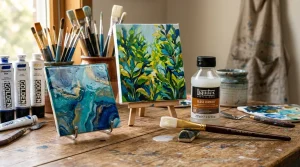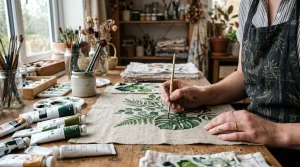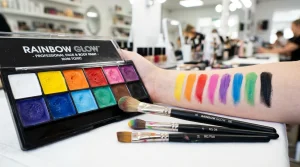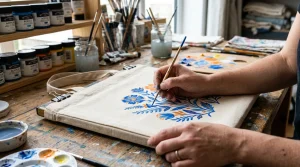
Acrylics are more than just a popular art medium; they are a versatile tool that can enhance your creative expression. As a beginner, you might wonder what sets acrylics apart from other paints. In this guide, we’ll explore the unique properties of acrylics, their applications, and the benefits of using them in your art projects. Whether you’re looking to create vibrant paintings, DIY crafts, or even personalized jewelry pieces, understanding acrylics is essential. This beginner’s guide will empower you to make informed choices, spark your creativity, and help you achieve stunning results. Dive in to discover the exciting world of acrylics and unlock your artistic potential!
What Are Acrylics? Understanding the Basics
Acrylic paints are a versatile medium beloved by artists and crafters alike for their unique properties and ease of use. Composed of pigment suspended in an acrylic polymer emulsion, these fast-drying paints can be diluted with water and are capable of mimicking the appearance of both oil and watercolor paints when mixed appropriately. For beginners stepping into the world of art, this means that acrylics offer the flexibility to explore various techniques without the long drying times associated with traditional oil paints or the intricate processes that watercolors require.
One of the defining features of acrylic paint is its exceptional adaptability. It can be used on a wide range of surfaces, including canvas, wood, paper, and even fabric. This makes it an excellent choice for various art forms, from fine art to crafting projects. Additionally, since acrylics are water-based, cleaning up is simple-just soap and water will do the trick, allowing artists to focus more on their creativity and less on extended clean-up times.
As a beginner, understanding the basic characteristics of acrylics can empower you to experiment confidently. The paint dries quickly, allowing for multiple layers and corrections within a short timeframe. However, this also means you’ll need to work efficiently or utilize retarders to extend drying time when necessary. Whether you’re painting a large canvas or creating detailed craft projects, acrylics can provide rich, vibrant colors that preserve their intensity over time. Thus, diving into acrylic painting can unlock a world of artistic possibilities and fun experimentation.
Types of Acrylics: A Comprehensive Overview
Acrylic paints come in various forms, each tailored to different artistic needs and preferences. Whether you’re a beginner picking up the brush for the first time or an experienced artist refining your craft, understanding the different types of acrylics is essential. The flexibility of acrylics means there’s a suitable option for nearly every application, style, and technique.
One of the most common types is student-grade acrylic paint, which is perfect for newcomers. These paints are budget-friendly, offering a wide range of colors while maintaining decent quality. They generally have a lower pigment concentration, which can affect color vibrancy and opacity, but they are excellent for practice and exploration.
In contrast, artist-grade acrylics are formulated with a higher concentration of pigments, resulting in more vibrant and intense colors. These paints are suitable for serious artists looking for durability and lightfastness. They come in various viscosities, including heavy body, soft body, and fluid, each offering different textural qualities and applications.
For specific projects, consider acrylic gouache, a type of acrylic paint that dries to a matte finish and is commonly used for illustrations and design work. It provides excellent coverage and is rewettable, allowing for changes after application. Another variant is acrylic ink, which has a very fluid consistency, making it ideal for detailed work, mixed media applications, and airbrushing.
Lastly, there are specialty acrylics, such as metallic or iridescent paints that add unique textures and effects to artwork. These can be mixed with regular acrylics to enhance your creations or used alone for striking highlights. Understanding the types of acrylics is crucial for selecting the right kind for your artistic vision, enabling you to experiment and create with confidence.
Benefits of Using Acrylics in Art and Craft
The vibrant world of acrylics opens up a treasure trove of artistic possibilities, making them a favorite among artists of all skill levels. One of the most significant advantages of using acrylic paints is their versatility. Whether you’re creating a quick work of art or a detailed masterpiece, acrylics can adapt to your needs. They can be used for a variety of applications, including traditional canvas paintings, mixed media projects, and even home décor. This adaptability stems from their water-based composition, which allows them to be thinned with water for a watercolor-like effect or used straight from the tube for rich, thick applications.
In addition to their flexibility, acrylic paints dry rapidly, enabling artists to work quickly and layer colors without long waiting times. This feature is particularly beneficial for those who want to experiment with techniques like glazing or layering. The fast-drying nature doesn’t just save time in the creative process; it also provides more control over the final outcome, allowing for corrections and adjustments before the paint sets permanently. Furthermore, once dry, acrylics become water-resistant, ensuring that your artwork stands the test of time without fading or running if exposed to moisture.
Another compelling aspect of acrylics is their vibrant color range and excellent coverage. The high pigment concentration found in artist-grade acrylics results in brilliant, true colors that can withstand fading. This quality makes them ideal for projects where color intensity is crucial. Not only do acrylics have a lower environmental impact compared to oil paints, as they emit fewer harmful solvents, but they also offer convenience; they clean up easily with soap and water while wet, simplifying the post-creative maintenance.
The affordability of student-grade acrylic paints gives beginners a chance to explore their creativity without breaking the bank. With a wide spectrum of colors available at reasonable prices, new artists can practice extensively and find their unique style without a significant financial commitment. For many, this combination of versatility, quick drying time, vibrant hues, and easier clean-up makes acrylics an essential medium in their artistic journey, facilitating both self-expression and skill development.
Essential Tools and Supplies for Acrylic Projects
To embark on your acrylic painting journey, having the right tools and supplies is essential for both creating and enjoying your artwork. Unlike oil paints, acrylics require a different set of materials that enhance their unique properties, allowing you to achieve vibrant colors and intricate details. Having a well-stocked art station not only enables convenience but also fuels creativity, making it easier to explore various techniques and styles.
To get started, you’ll need a solid selection of acrylic paints. Look for both student-grade and artist-grade acrylics; the former is more affordable and perfect for beginners, while the latter offers higher pigment concentrations for richer colors. Make sure to choose a variety of colors to give your palette the versatility it needs. Here’s a quick list of essential colors to consider:
- Primary colors: Red, Yellow, Blue
- Secondary colors: Green, Orange, Purple
- Neutral colors: Black, White, Brown
Equipping yourself with quality brushes is equally important. Various brushes serve different purposes, from fine detail work to broad strokes. Brushes with synthetic bristles are ideal for use with acrylics, as they can withstand cleaning without losing their shape. Consider having a mix of flat, round, and filbert brushes in different sizes to cover all aspects of your painting.
Beyond brushes and paints, the right surface plays a crucial role in your work. Acrylics can be applied to canvas, paper, wood, and even fabric, but using the appropriate type of canvas or acrylic paper designed specifically for this medium enhances the overall effect and helps prevent warping or buckling. In addition, a palette will facilitate mixing colors; disposable palettes or a simple plastic plate can work well for beginners.
Lastly, don’t forget about cleaning supplies. Acrylic paint is water-based and can be cleaned with soap and water when wet, but having a dedicated bottle of water for rinsing brushes and a few rags or paper towels on hand will keep your space organized and tidy. Incorporating these essential tools into your setup will not only streamline your acrylic painting process but also enrich your creative experience, giving you the confidence to express your artistic vision without hindrance.
Techniques for Working with Acrylic Paints
To unlock the vibrant potential of acrylic paints, it’s essential to explore various techniques that can elevate your artistry. One of the most versatile aspects of acrylics is their adaptability; whether you aim for bold, opaque layers or delicate transparencies, acrylics can accommodate a range of styles. For beginners, understanding these techniques not only expands your creative toolbox but also helps you avoid common pitfalls, allowing for a more enjoyable painting experience.
One foundational technique is layering, which involves applying multiple coats of paint to build up depth and richness in your work. Start with a solid base and allow each layer to dry before applying the next. This is especially effective for landscapes and portraits, where depth of color can transform the overall composition. Conversely, wet-on-wet painting allows for blending and soft edges by applying wet paint onto wet surfaces. This technique is excellent for creating soft skies or abstract art, as it allows colors to mingle directly on the canvas.
Another important aspect of working with acrylics is understanding texture. You can manipulate texture through a variety of methods, from using palette knives to create bold strokes to incorporating materials like sand or modeling paste for a three-dimensional effect. Experimenting with different mediums can yield fascinating results, adding an additional layer of interest to your artwork. Additionally, techniques like dry brushing, where you apply a small amount of dry paint to a brush and lightly drag it over the canvas, can create subtle highlights and enhance the texture of your work.
Lastly, don’t forget about experimenting with glazing. This involves mixing acrylic paint with a glazing medium to create transparent layers that allow underlying colors to shine through. Glazing can be particularly effective when working on portraits or still life, where nuanced color variations can add depth and realism. By mastering these techniques, you’ll find that acrylics not only offer flexibility but also invite endless experimentation, ensuring your creative journey is both stimulating and rewarding.
Common Mistakes Beginners Make with Acrylics
Many aspiring artists turn to acrylics for their vibrant colors and versatility, but common blunders can hinder the creative process. Awareness of these pitfalls can make a significant difference in the quality of your work and your overall enjoyment in using this dynamic medium. One frequent mistake is rushing to dry layers; while acrylics dry quickly, impatience can lead to cracking or uneven applications. Allowing each layer to dry thoroughly before adding the next can enhance depth and richness in your artwork.
Another common error involves improper brush care. Beginners often neglect to clean brushes promptly after use, leading to stiff bristles and ruined tools. To maintain your brushes in optimal condition, rinse them immediately with warm water and mild soap after each painting session. Additionally, using the wrong brush for a specific technique can limit your effectiveness. For example, opting for a flat brush for detailed work instead of a round one can lead to frustration. Familiarizing yourself with the different brush shapes and their intended uses will empower you to achieve the best results.
Acrylic paint’s water solubility can also create issues if not understood correctly. Some beginners dilute their paints excessively, resulting in washed-out colors that lack vibrancy. Instead, it’s advisable to use a medium designed for acrylics, which maintains the paint’s opacity while extending its working time. Finally, mixing colors directly on the palette without consideration of how they interact can lead to muddy results. It is wise to experiment with color blending on a scrap piece before applying mixes directly to your canvas, allowing you to achieve the shades you envision.
By recognizing and avoiding these common errors, you’ll be better prepared to make the most of your acrylic painting experience. Embracing patience, understanding your tools, and experimenting thoughtfully are essential steps towards improving your skills and creating stunning artworks.
Acrylic Paint vs. Other Mediums: A Comparison
When comparing acrylic paint to other artistic mediums, it’s essential to understand how its unique properties stack up against oils, watercolors, and pastels. Acrylics are known for their versatility and quick-drying nature, which allows artists to layer and build up textures efficiently. Unlike oil paints that can take days to dry, acrylics dry within minutes, giving artists the ability to work faster and experiment more spontaneously. This rapid drying time allows for techniques such as glazing, where layers of transparent color can be built up to create depth without the muddying risks associated with slow-drying oils.
Comparison with Other Mediums
- Acrylic vs. Oil: Oil paints offer rich, buttery textures and a longer drying time, making them ideal for blending and detailed work. However, acrylics can mimic this texture with additives and remain more user-friendly with easier clean-up and fewer health concerns related to solvents.
- Acrylic vs. Watercolor: Watercolors are transparent by nature and require a different approach to layering and color mixing. While watercolors are great for soft, translucent washes, acrylics allow for more vibrant colors and opaque coverage, which can give artworks a bolder impact.
- Acrylic vs. Pastel: Pastels create a unique texture and can be blended easily, but they require careful handling and fixatives to prevent smudging. Acrylics provide more durability once dried and can be used on a wider variety of surfaces without the fear of damage.
Through this comparison, it becomes clear that each medium has its strengths and is suited to different styles and techniques. For beginners, acrylics often represent an ideal balance of versatility, ease of use, and cleanup, making them a popular choice for those starting their artistic journey. With practice, artists can explore the distinct qualities of other mediums while still benefiting from the speed and simplicity that acrylic paints provide.
Creative Applications: Ways to Use Acrylics
Acrylic paint is a versatile medium that invites creativity across a wide range of artistic applications. From canvas painting to innovative craft projects, there are endless possibilities to explore with acrylics. As this medium is both forgiving and adaptable, it is ideal for artists of all skill levels.
One popular application is canvas painting, where artists can create anything from vibrant abstract pieces to detailed landscapes. The quick-drying nature of acrylics allows for rapid layering, making techniques like glazing easy to achieve. Beginners can experiment with mixing colors directly on the canvas or using palette knives for textured effects. Additionally, acrylics can be thinned with water or acrylic mediums to create different sheens and textures, allowing for a variety of finishes, from glossy to matte.
Acrylics shine in crafts as well, serving as an excellent choice for personalizing items like furniture, home décor, and even clothing. For instance, upcycling old furniture with a fresh coat of acrylic paint can transform pieces into stunning focal points in any room. Additionally, crafters can use acrylics to paint on surfaces such as wood, fabric, and ceramics, expanding the range of projects available. Sharpies and stencils can be combined with acrylics for intricate designs, making it a popular choice for DIY enthusiasts.
Moreover, acrylics can be utilized in mixed media artworks, where artists incorporate other materials such as paper, fabric, or even natural elements. This method adds depth and texture to pieces, allowing for endless experimentation. Techniques such as pouring, where acrylic paint is mixed with pouring mediums and poured onto a surface, create unique, marbled effects that can be incredibly captivating.
In summary, whether you’re painting a masterpiece, refreshing an old item, or experimenting with mixed media, acrylic paint is a fantastic medium that combines ease of use with limitless creative potential. Embrace the versatility of acrylics to unlock your artistic capabilities and express your unique vision!
Caring for Your Acrylic Materials: Tips and Tricks
To maintain the quality and longevity of your acrylic materials, it’s essential to implement a few simple care routines. Proper cleaning, storage, and handling can significantly extend the life of your acrylic paints and tools, ensuring that every stroke of your brush produces the intended vibrant results.
Cleaning Your Acrylic Brushes
After each session, it’s crucial to clean your brushes thoroughly to prevent paint from drying in the bristles, which can lead to irreversible damage. Use warm, soapy water to rinse out the paint, gently massaging the bristles to remove all residue. For stubborn paint, a brush cleaner or a mixture of soap and water can work wonders. Ensure you reshape the brush bristles after cleaning and lay them flat to dry rather than standing them upright, which can damage the brush shape.
Storing Acrylic Paints
Keeping your acrylic paints in optimal condition requires careful storage. Always seal your paint tubes and jars tightly to prevent air exposure, which can cause the paints to dry out. Store them in a cool, dark place to maintain their consistency and vibrancy. A tote or toolbox specifically for craft supplies can keep your materials organized and accessible, while also protecting them from light and temperature fluctuations.
Handling Acrylics with Care
When working with acrylics, always prepare your workspace to avoid spills and direct exposure to sunlight. Use drop cloths or newspaper underneath your canvas to catch any accidental drips, and consider aprons or old clothes to protect your attire. Additionally, remember to keep your paint palettes covered when not in use to delay drying.
By embracing these simple yet effective care techniques, you can ensure that your acrylic materials remain in excellent condition for your artistic endeavors. Following these guidelines not only prolongs the life of your supplies but also contributes to a more enjoyable and successful creative process.
Painting Surfaces for Acrylic: What’s Best?
When choosing a surface for your acrylic painting, the decision dramatically affects not only the ease of application but also the final outcome of your artwork. Acrylic paints are versatile and compatible with various surfaces, making them an excellent choice for artists looking to explore different textures and finishes. Understanding the best surfaces for acrylics can elevate your creative process and enhance the vibrancy of your colors.
Canvas is the most popular choice among acrylic painters. Available in pre-stretched and primed options, it provides a durable base with a slightly textured finish that holds the paint well. The weave of the canvas permits the build-up of layers, making it perfect for techniques like impasto. When working on canvas, ensure it is appropriately primed with gesso, which prepares the surface and helps the paints adhere properly.
Wood panels and boards also present fantastic alternatives. They offer a smooth finish that allows for detailed work and are less absorbent than canvas, enabling the paint to sit on the surface longer. This feature is particularly advantageous for techniques that require more working time, such as blending and glazing. Just like canvas, wood surfaces should be primed – applying gesso creates a barrier that prevents the wood from soaking up too much paint and ensures the longevity of the artwork.
For those looking for experimentation, acrylics can also be applied on paper. Heavier-weight watercolor papers and acrylic papers are specifically designed for this purpose, providing a unique texture and allowing for varied effects. However, it’s essential to note that too much water or paint may cause the paper to warp or buckle, so moderation is key.
When selecting a surface for your acrylic projects, consider intricacies such as absorbency, texture, and your technique. Ultimately, the right surface will profoundly influence how your colors appear and how your techniques manifest. Exploring a variety of surfaces will not only improve your skills but also inspire new creative directions.
Mastering Acrylic Pouring: A Step-by-Step Guide
Creating mesmerizing poured acrylic art can turn a simple canvas into a vibrant masterpiece. This technique, often referred to as “acrylic pouring,” allows artists to unleash their creativity by blending colors in fluid ways. Whether you’re a novice or an experienced artist looking to expand your skillset, mastering acrylic pouring can be incredibly rewarding. Below is a detailed step-by-step guide to help you get started.
To begin, gather your supplies. You will need:
- Acrylic paints: Choose a variety of colors that will blend well together.
- Pouring medium: This helps to create a smooth and consistent pour. Common options include pouring medium or a mixture of water and acrylic gel medium.
- Canvas or painting surface: Make sure it’s primed and ready for paint.
- Cups and stirring sticks: For mixing your colors with the pouring medium.
- Protective gear: Gloves and a smock to keep yourself clean.
- Plastic table cover or newspaper: To protect your workspace from drips and spills.
Once you have your materials, the first step is to mix your paints. Pour equal parts of acrylic paint and pouring medium into separate cups for each color you plan to use. Stir the mixture well to achieve a smooth consistency. You can adjust the ratio based on the thickness of the paint; a thicker paint may require more medium.
Next, decide on your pour style. There are several techniques to choose from:
- Dirty pour: Layer different colors in one cup without mixing, then pour them onto the canvas for a marbled effect.
- Flip cup: Fill a cup with layers of paint, cover with a cardstock, then flip it over onto the canvas and remove the cup.
- String pull: Draw a thin stream of paint across the canvas and pull it with a tool, creating intricate designs.
After setting your design style, carefully pour the paint onto your canvas. Tilt the canvas gently to encourage the paint to flow across the surface, allowing the colors to blend and interact beautifully.
Lastly, let your artwork dry. Acrylic pouring can take anywhere from 24 hours to several days to fully cure, depending on the thickness of the paint. Once dry, consider applying a layer of varnish to protect and enhance the colors.
By following these steps, you can enjoy the intuitive and spontaneous nature of acrylic pouring while creating unique pieces of art that reflect your personal style. Don’t forget to experiment and have fun as you explore this liberating artistic technique!
Storing and Preserving Your Acrylic Artwork
To ensure your acrylic artwork remains vibrant and protected, proper storage and preservation techniques are essential. Unlike traditional oils or watercolors, acrylics can dry quickly and may retain a certain amount of flexibility, which makes them susceptible to damage if not handled correctly. By following a few key practices, you can maintain the beauty of your creations for years to come.
One of the most effective ways to store acrylic paintings is by keeping them in a controlled environment. Ideally, they should be stored in a cool, dry place away from direct sunlight. Excessive heat or moisture can cause paint to crack or warp the canvas. When stacking paintings, it’s crucial to use protective layers. Place clean, acid-free paper or fabric between pieces to prevent them from sticking together or being scratched. If you’re storing large pieces, consider leaning them against a wall rather than stacking to minimize contact and pressure on the surfaces.
For artworks that are already framed, use a protective glass or acrylic cover, which can guard against dust, UV damage, and physical impact. While glass provides superior clarity and scratch resistance, acrylic is lighter and shatter-resistant, making it a good option for larger pieces. Additionally, applying a protective varnish can enhance the depth of color and provide an extra layer of protection. Just ensure that the varnish is compatible with acrylic paints and follow the manufacturer’s guidelines for application.
Don’t forget about regular maintenance. Every so often, gently dust your artwork with a soft, dry microfiber cloth to keep it looking fresh. If you need to clean more thoroughly, lightly wash the surface with a damp cloth, avoiding excessive moisture. By integrating these practices into your routine, you can ensure that your acrylic masterpieces are not only enjoyed but also preserved for future generations to admire.
Q&A
Q: What are the different types of acrylic paints?
A: Acrylic paints come in several types, including heavy-body, fluid, and interactive acrylics. Heavy-body paints are thick and retain brush strokes, while fluid acrylics are more liquid and ideal for detailed work. Interactive acrylics allow for extended work time before they dry, making blending easier.
Q: How do I choose the right acrylic paint for my project?
A: Choosing the right acrylic paint depends on your project’s requirements. For thick texture, opt for heavy-body acrylics; for detail work, fluid acrylics are preferable. Consider the surface you’ll be painting on and the desired finish, as some paints perform better on certain materials.
Q: Can acrylic paints be used on fabric?
A: Yes, acrylic paints can be used on fabric when mixed with a fabric medium. This combination helps the paint adhere better and remain flexible, allowing your painted fabric items to be washed without damaging the artwork.
Q: How do I clean my brushes after using acrylic paint?
A: Clean acrylic paint brushes immediately after use with warm soapy water to prevent paint from drying on the bristles. Rinse thoroughly and reshape the brush tip to maintain its form for future use. For stubborn paint, a brush cleaner may be required.
Q: What surfaces can I use acrylic paints on?
A: Acrylic paints are versatile and can be used on various surfaces, including canvas, wood, paper, metal, and fabric. Ensure the surface is clean and primed if necessary for the best results, as discussed in the “Painting Surfaces for Acrylic” section.
Q: How long do acrylic paints take to dry?
A: Acrylic paints typically dry within 15 minutes to an hour, depending on the thickness of the application and environmental conditions such as humidity and temperature. Use a hairdryer on a low setting to speed up the drying process for faster results.
Q: Are there any safety concerns when using acrylic paints?
A: While acrylic paints are generally non-toxic, it’s advisable to use them in well-ventilated areas, especially when using spray formats or additives. Always read labels for specific safety instructions, especially for artists working on large projects or with sensitive populations.
Q: How can I make my acrylic colors more vibrant?
A: To enhance the vibrancy of acrylic colors, use high-quality paints and consider adding a glazing medium or using a wet palette to keep the paints moist. Layering transparently can also intensify the colors without overpowering the underlying shades.
In Conclusion
Now that you’ve discovered the essentials of acrylics, it’s time to dive deeper! Whether you’re exploring acrylic painting, crafts, or even nail artistry, understanding this versatile medium opens up endless creative possibilities. Don’t wait-experiment today and see what unique pieces you can create! For more insightful tips, check out our guides on “Jewellery Care: Keeping Your Pieces Sparkling” and “DIY Acrylic Projects for Beginners.”
If you found this guide helpful, consider subscribing to our newsletter for exclusive content and updates. Your journey with acrylics doesn’t have to end here; explore our resources on materials, tools, and techniques to elevate your skills. Share your experiences or ask questions in the comments-let’s continue the conversation about all things acrylic! Your next masterpiece awaits.
Get our latest guides, news, and insights highlighted in your Google Search & AI Overviews.