Acrylic yarn is a popular choice for crafting jewelry pouches due to its vibrant colors and durability. However, its stiffness can lead to an uncomfortable feel, especially for pieces intended to be worn. Softening acrylic yarn not only enhances comfort but also improves the overall aesthetic of your creations. Whether you’re a seasoned jewelry maker or just starting out, learning how to properly soften your yarn can elevate your projects, making them more enjoyable to wear and display. By following simple techniques, you can ensure your pouches are not only eye-catching but also soft to the touch, inviting compliments and encouraging curious hands to explore your artistry. Ready to transform your creations? Let’s dive into the methods that will take your acrylic yarn from rigid to luxurious.
How Acrylic Yarn Affects Jewelry Comfort
The comfort of jewelry can significantly be influenced by the materials used in its pouches. When acrylic yarn is employed for crafting these pouches, its initial stiffness and texture can detract from the overall experience. Acrylic yarn, while being budget-friendly and widely available, often feels rough against the skin, which can lead to discomfort during use. Understanding how this yarn behaves is crucial; its synthetic nature may not breathe as well as natural fibers, potentially leading to irritation.
To enhance comfort, it’s essential to soften the acrylic yarn before integrating it into jewelry designs. Softeners can make a notable difference in how the yarn feels, transforming a potentially abrasive touch into a gentle embrace. Various methods exist to achieve this, such as washing the yarn with fabric softeners or using hair conditioner. By incorporating softened acrylic yarn, jewelry designers not only ensure a comfortable user experience but also elevate the aesthetic appeal of their pouches, allowing them to stand out as both functional and stylish accessories.
The use of acrylic yarn in jewelry pouches can also provide practical benefits. Its durability ensures that pouches can withstand regular use while still being lightweight. Moreover, the availability of vibrant colors in acrylic yarn can be harnessed to create eye-catching designs, making effective use of aesthetics alongside comfort. Ultimately, balancing the structural qualities and tactile sensations of acrylic yarn can lead to the creation of delightful jewelry pouches that engage both the sight and touch, inviting users to explore and cherish their contents.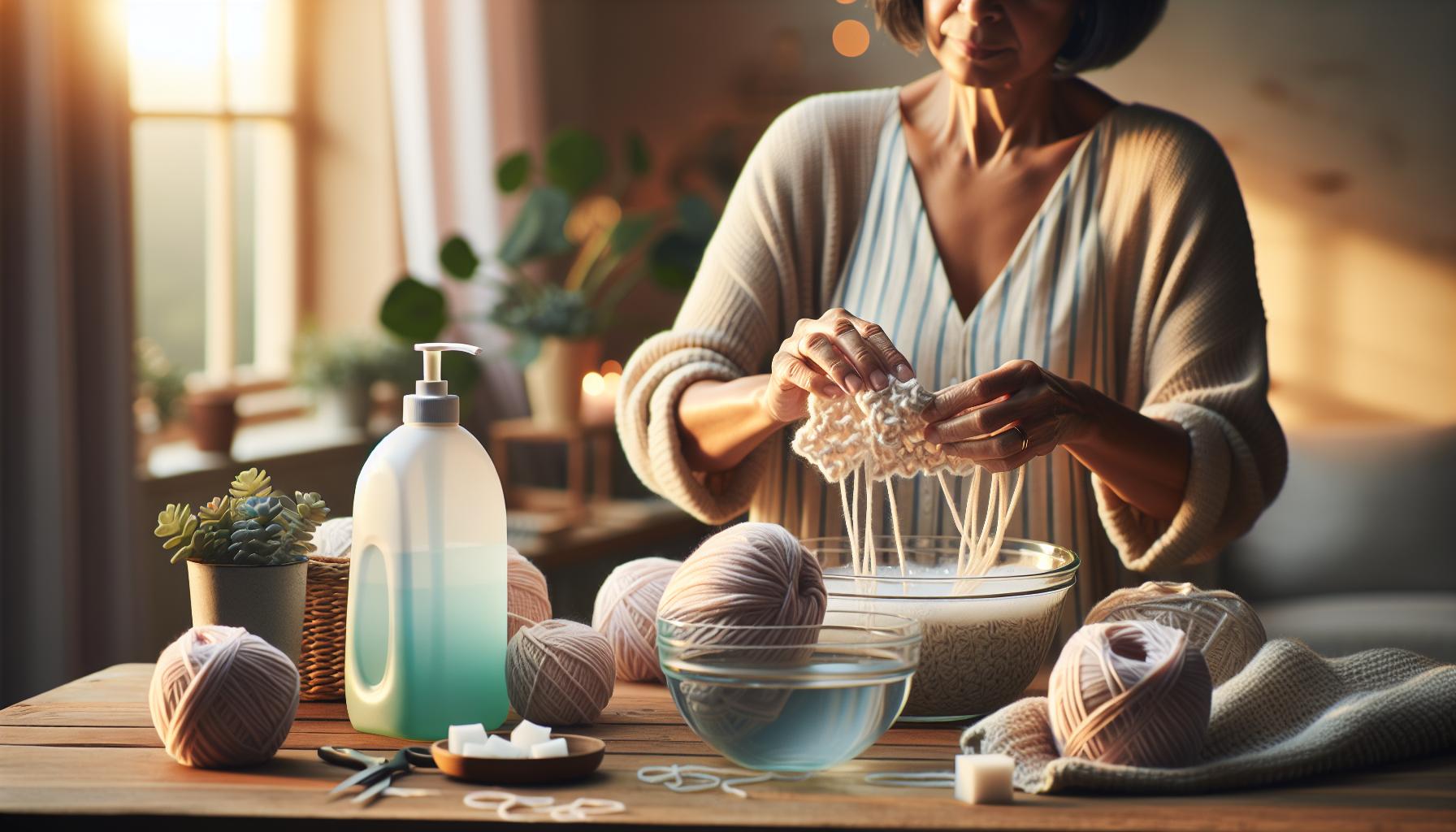
Best Methods to Soften Acrylic Yarn
To transform the often abrasive feel of acrylic yarn into a comfortable and enjoyable texture ideal for jewelry pouches, various methods can be employed. Softening acrylic yarn not only improves its tactile experience but also enhances the overall aesthetic appeal of your finished pieces. Here are some effective techniques to achieve that sought-after softness.
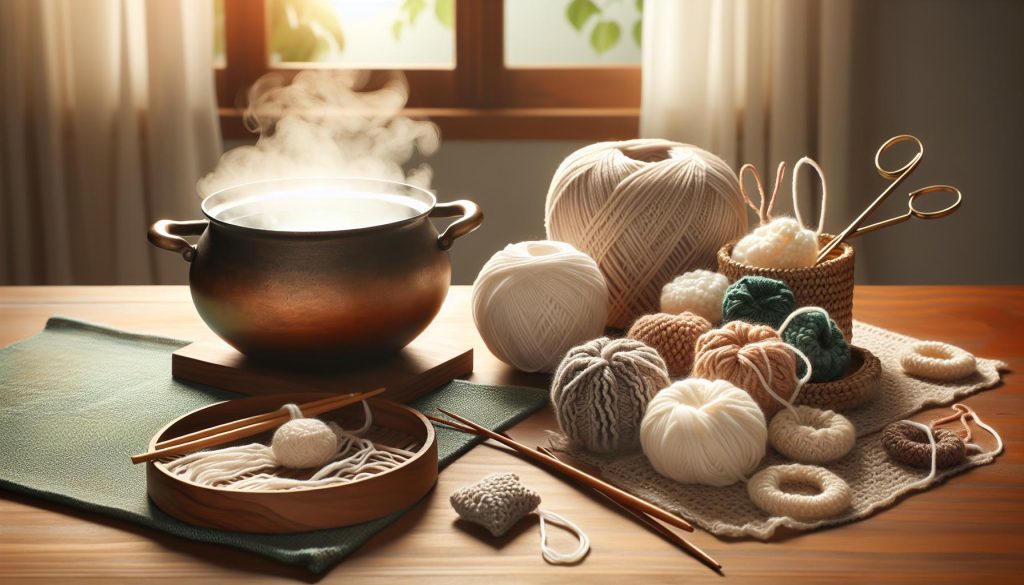
One of the simplest and most effective ways to soften acrylic yarn is through washing. Utilizing fabric softeners during a gentle wash can significantly alter the texture of the yarn. Mix a solution of lukewarm water and a good quality fabric softener, submerging the yarn for about 30 minutes. Gently agitate the water to ensure even coverage, then rinse thoroughly with clean water to remove any residual product. This method results in yarn that feels plush and cozy against the skin.
Another popular option is hair conditioner, a trick often employed by crafters for its effective softening properties. Begin by mixing a few tablespoons of hair conditioner with lukewarm water in a bowl. Soak the yarn in this mixture for approximately 20-30 minutes. Afterward, rinse the yarn thoroughly to remove any conditioner, ensuring it won’t interfere with your jewelry design. The result is softer yarn that still retains much of its original structure.
For those interested in a more natural approach, vinegar can be an excellent alternative. By combining equal parts vinegar and water, you create an eco-friendly softening solution. Soak the yarn in this mixture for about 15-20 minutes, then rinse well. Vinegar not only helps to soften the fiber but can also help set the color, ensuring your yarn remains vibrant.
Each method offers distinct benefits, and experimenting with these techniques can help you find the perfect fit for your creative projects. When softening acrylic yarn, always remember to handle it gently and give it ample time to soak, allowing the fibers to truly absorb the softening agents. This attentive care will enable you to create jewelry pouches that not only dazzle with their design but also embrace wearers in delightful comfort.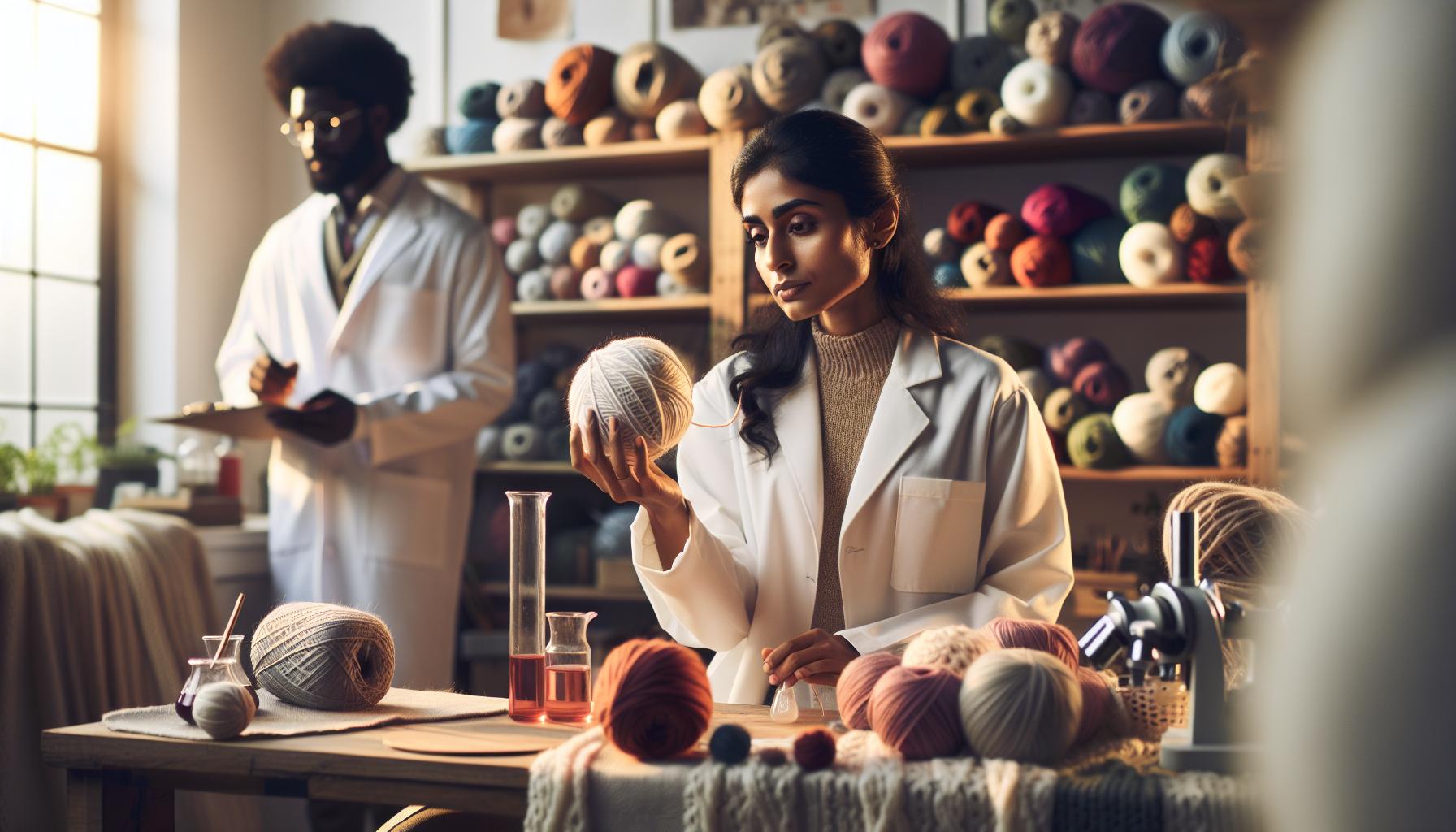
The Science Behind Yarn Softening Techniques
To truly appreciate acrylic yarn’s potential in jewelry design, it’s essential to understand the underlying science that makes softening techniques so effective. Acrylic fibers are synthetic and often have a rough texture compared to their natural counterparts, which can detract from the comfort and aesthetic appeal of jewelry pouches. This abrasive quality occurs because of the way the fibers are manufactured, leading to a rigidity that can feel clawing against the skin. By employing softening techniques, we can alter the physical properties of these fibers, enhancing their feel while maintaining their vibrant colors and structure.
Yarn softening methods work primarily by penetrating the fiber structure, reducing the static charge among fibers, and effectively relaxing their tensed state. Solutions like fabric softener, hair conditioner, and vinegar function as surfactants; they contain molecules that help break down the bonds between fibers, allowing for greater flexibility and a smoother texture. For instance, fabric softeners contain quaternary ammonium compounds, which coat the fiber and create a slippery finish, thereby reducing friction against the skin.
When utilizing these softening techniques, the temperature of the water is crucial. Warm water increases the solubility of the softening agents, allowing them to penetrate the yarn more effectively. Additionally, soaking duration plays a significant role; adequate time allows the yarn to absorb the softening agents fully, resulting in lasting softness. As you experiment with these techniques, you may also find that the order of application matters-for example, rinsing the yarn thoroughly after soaking prevents any residue from dulling the sheen or color quality of your project.
Finally, the impact of softening doesn’t just enhance comfort; it can also transform the creative possibilities available to designers. Softened acrylic yarn can take on new dimensions, making it easier to manipulate and shape into desired forms. This means that the artistry in jewelry making is not only about color and pattern but also about how the materials interact with the skin, breaking the barrier between beautiful design and functional comfort. Embracing these techniques empowers crafters to create pieces that feel as good as they look, enhancing the overall jewelry experience for both creators and wearers alike.
Essential Tools for Soften Yarn Effectively
To achieve optimal softness in acrylic yarn for your jewelry pouches, having the right tools at your disposal can make all the difference. A well-prepared workstation can streamline the process and enhance your crafting experience. Here are essential tools that will help you effectively soften your acrylic yarn:
Water Container
A large basin or bucket is crucial for soaking your yarn. Choose a vessel that is spacious enough to allow the yarn to move freely in the water. This ensures thorough penetration of softening agents. Depending on your project, a plastic or metal container may work just fine.
Thermometer
Monitoring water temperature is key to successful softening. A thermometer will help you achieve the ideal warmth, usually around 30-40°C (86-104°F). This temperature range allows softening agents to activate and permeate the yarn fibers effectively.
Softening Agents
Prepare a selection of softening agents such as fabric softener, hair conditioner, or even distilled white vinegar. These solutions will help break down the rigid structure of acrylic fibers. Be sure to follow the recommended dilution ratios for each product to achieve the best results. For a gentle yet effective approach, consider mixing conditioner in a 1:3 ratio with warm water.
Measuring Tools
Accurate measurement of your softening agents ensures consistent results. Use measuring cups or spoons to precisely combine ingredients. This attention to detail will help you replicate successful softening batches for future projects.
Rinse Container
After soaking, you’ll want a separate container for rinsing your yarn. This step removes any residues that could affect the sheen or feel of your finished jewelry pouches. A colander or fine mesh strainer can be useful for this purpose, allowing water to drain while keeping your yarn contained.
Towels
Keep a few clean towels on hand for drying your yarn after rinsing. Gently patting the yarn with a towel can remove excess water without creating frizz or tangles. Ensure the towels are lint-free to prevent any unwanted fibers from clinging to your softened yarn.
By utilizing these essential tools, you can transform your acrylic yarn into a soft, comfortable material suitable for stunning jewelry pouches. Remember, the goal is to create a pleasant texture that will enhance both the aesthetics and wearable comfort of your designs. Happy crafting!
DIY Solutions for Softening Acrylic Yarn
There are numerous DIY techniques to transform rough acrylic yarn into a soft, touchable material ideal for your jewelry pouches. One popular method involves utilizing common household items readily available in most kitchens. Each solution not only softens the yarn effectively but can often be tailored to the specific texture you desire for your final product.
Start with the classic fabric softener method. Simply mix one part fabric softener with three parts warm water in a large container. Soak the acrylic yarn for approximately 30 minutes, allowing the fibers to absorb the softening agent thoroughly. After soaking, rinse the yarn in clean, lukewarm water to remove any residue. This method leaves the yarn soft and pliable, making it perfect for intricate jewelry designs while providing a smooth feel against the skin.
Alternatively, if you’re looking for a more natural approach, consider using distilled white vinegar. Mix one cup of vinegar into a gallon of warm water. Soak the yarn for about 15-20 minutes. The acidity in the vinegar helps break down the stiffness in acrylic fibers and is especially effective for reducing static cling. After soaking, rinse the yarn and then lay it flat to dry. This method not only softens the yarn but also neutralizes odors, ensuring your jewelry retains a fresh scent.
For those seeking an even more personalized touch, adding a few drops of essential oil into your softening solution can infuse your yarn with a delightful fragrance. This not only enhances the sensory experience when using your jewelry pouches but can also add a unique characteristic to your designs. Remember to choose oils that are non-toxic and safe for skin contact, such as lavender or chamomile.
In addition to these methods, regularly washing your yarn with a gentle detergent can keep it clean and help maintain its softness over time. Storing your pouches in a breathable fabric bag also prevents unnecessary wear and tear, preserving that desirable softness for longer. By employing these DIY solutions, you can ensure your acrylic yarn remains a comfortable and visually appealing choice for any jewelry project.
Comparing Softeners: Which Works Best?
There are multiple methods for softening acrylic yarn, but how do you determine which softener works best for your needs? Each option presents its unique strengths and weaknesses, so choosing the right one can significantly impact the comfort of your jewelry pouches. Among the most popular softeners, fabric softeners, vinegar, and natural alternatives like hair conditioner stand out as effective choices.
Fabric softeners are widely recognized for their ability to enhance the texture of yarn. By mixing one part fabric softener with three parts warm water and soaking the yarn for about 30 minutes, you can achieve a noticeable difference in softness. This method is particularly effective at making the yarn feel more luxurious against the skin, although it introduces synthetic fragrances that some may wish to avoid in intimate jewelry pouches.
On the other hand, distilled white vinegar offers a more natural alternative. Its acidity helps to relax the acrylic fibers, making the yarn noticeably softer and also neutralizing any odors. This option requires a soak in a solution of one cup vinegar to a gallon of warm water for about 15 to 20 minutes. Not only does it soften the yarn, but it also reduces static cling, which can be particularly beneficial when designing jewelry pouches that need to keep their shape.
For those looking for even milder alternatives, a simple hair conditioner mixed with water can be surprisingly effective. Using a few tablespoons of conditioner in warm water allows for deep penetration into the fibers without the harsh chemicals present in some commercial softeners. A soak of roughly 15 minutes should yield softness that is safe for direct skin contact, making it an excellent choice for jewelry pieces that will be worn close to the skin.
To summarize, the effectiveness of your chosen softener can depend on personal preference, the desired texture of the finished product, and any sensitivities to synthetic ingredients. Experimenting with these options will help you discover the best fit for your acrylic yarn, ensuring that your jewelry pouches are both beautiful and comfortable to wear. Here’s a quick comparison of softeners you might consider:
| Softener Type | Method | Pros | Cons |
|---|---|---|---|
| Fabric Softener | Mix 1 part softener with 3 parts water, soak for 30 mins | Highly effective, pleasant scent | May cause irritation for sensitive skin |
| Distilled White Vinegar | Mix 1 cup vinegar with 1 gallon warm water, soak for 15-20 mins | Natural, eliminates odors | Vinegar smell during drying process |
| Hair Conditioner | Mix a few tablespoons with warm water, soak for 15 mins | Mild and skin-friendly | Can be expensive depending on brand |
By weighing these factors, you can choose the best softening method for your acrylic yarn, ensuring your jewelry pouches not only look good but feel great as well.
Maintaining Softness: Tips for Long-Lasting Results
To ensure that your softened acrylic yarn maintains its luxurious feel, implementing a few simple care tips can go a long way. Proper maintenance not only prolongs the softness but also enhances the overall comfort of your jewelry pouches, making them enjoyable to wear. One effective method is to wash your yarn items gently. When it’s time to clean your jewelry pouches, opt for a cool water wash with mild detergent to avoid harsh chemicals that can strip away the softness you’ve achieved.
Additionally, avoid fabric softeners during washing as they can build up over time, counteracting the work you’ve done to enhance the yarn’s texture. Instead, consider incorporating a mild vinegar rinse during your laundry routine. Mixing one part vinegar to three parts water can help maintain the softness while also freshening the fabric. After washing, gently reshape your pouches and lay them flat to dry, avoiding direct sunlight and heat sources which can cause the fibers to stiffen.
Following the right storage practices is also crucial. When storing your finished jewelry pouches, keep them in a dry, cool environment and avoid overcrowding to prevent friction, which can degrade softness. Consider using breathable fabric bags instead of plastic, allowing air circulation and minimizing moisture retention. When you’re ready to use them again, a quick fluff with your fingers can help restore their shape and softness, giving you a jewelry pouch that feels as good as it looks.
Lastly, it’s important to monitor the environment where your items are stored. High humidity can lead to mold or mildew, affecting the softness and integrity of the yarn. Keeping a silica gel packet in the storage area can help absorb excess moisture. By being proactive in caring for your acrylic yarn creations, you’ll ensure a comfortable experience every time you wear those beautiful jewelry pouches.
Incorporating Softened Yarn in Jewelry Design
Incorporating softened acrylic yarn into jewelry design not only enhances the tactile experience but also allows for a unique blend of color and texture that can elevate your creations. The versatility of acrylic yarn makes it an excellent choice for various jewelry pouches, from delicate evening bags to sturdy everyday holders. The softening process adds a luxurious feel to the yarn, making it more enjoyable to wear and interact with, which is particularly important for pieces intended for close contact with the skin.
When designing jewelry pouches, consider using softened acrylic yarn for elements such as braided straps or decorative accents. The malleability of softened yarn allows you to create intricate patterns and textures that rigid yarn options simply cannot achieve. Here are a few practical ideas on how to incorporate softened yarn into your designs:
- Knotted Fringe Details: Adding knotted fringes to the edges of your pouches not only provides visual interest but also enhances the soft, flowing nature of the yarn, making the piece feel more bespoke.
- Textured Panels: Experiment with different stitch patterns to create textured panels. Combining various softening methods can also allow you to achieve distinct effects with the same yarn, useful for contrast and depth.
- Layered Components: Use soft yarn to create layered components that can be sewn or woven together. Layers can add dimension, making your pouch unique and stylish.
Ultimately, your choice to soften acrylic yarn supports both the aesthetic and functional aspect of jewelry design. The end result is not only visually compelling but also user-friendly, ensuring comfort during wear. Importantly, softened yarn helps create a more inviting piece that considers the user experience, vital for any jewelry designer aiming to connect with their audience on a deeper level. By combining comfort with creativity, you craft jewelry that is both beautiful and practical, inviting users to share in the joy of wearing and showcasing your designs.
Caring for Jewelry Pouches: Cleaning and Maintenance
Keeping your jewelry pouches in pristine condition not only prolongs their lifespan but also ensures that they continue to make a stylish statement. Proper cleaning and maintenance have a significant impact on the softness and appearance of acrylic yarn, particularly after the softening process. Regular care can prevent dirt and damage, preserving the luxurious feel that softened yarn brings. Here are some effective tips for maintaining your acrylic yarn jewelry pouches.
Start by gently brushing off any loose dirt or debris from the surface of the pouch using a soft-bristled brush. For stains or spills, blott them immediately with a clean, damp cloth-never rub, as this can push the stain deeper into the fibers. If needed, you can create a mild soapy solution using a gentle detergent mixed with water. Test this solution on a small, inconspicuous area first to ensure it doesn’t affect the color or texture of the yarn. Once tested, apply the solution sparingly with a cloth, then rinse with another damp cloth to remove any soap residue.
After cleaning, allow the pouch to air dry completely away from direct sunlight or heat sources, as these can cause the yarn to fade or become brittle. To help restore the softness that might have been lost during the cleaning process, consider briefly steaming the pouch with a handheld steamer at a distance, which can rehydrate the fibers without direct moisture.
It’s also essential to store your jewelry pouches properly. Opt for breathable fabric storage bags or containers to prevent dust accumulation. Avoid plastic bags that can trap moisture and lead to mold. When not in use, keep your pouches away from direct sunlight and in a cool, dry place to maintain their appearance and softness.
By implementing these straightforward cleaning and maintenance techniques, you can ensure that your softened acrylic yarn jewelry pouches remain both beautiful and comfortable, allowing them to be enjoyed for many occasions to come.
Alternatives to Acrylic Yarn for Jewelry Making
Exploring can significantly enhance the comfort and aesthetic of your designs. Many crafters find that other materials can achieve a similarly soft texture while offering distinct benefits in terms of usability and comfort. Natural fibers like cotton and linen are excellent choices, not only for their sensory qualities but also for their breathability and hypoallergenic properties. Utilizing these materials can make a noticeable difference in how your jewelry feels while being worn, especially for prolonged periods.
Another increasingly popular option is bamboo yarn, which has a luxurious softness that mimics silk. Bamboo yarn is lightweight and has moisture-wicking properties, making it an ideal alternative for jewelry that will be in contact with the skin. It adds a beautiful drape and shine to the finished pieces, providing a visually appealing yet comfortable experience. Furthermore, wool blends can also be a good choice; they often retain warmth while offering additional resilience and flexibility that synthetic fibers lack.
When transitioning to alternative materials, it’s wise to experiment with different weights and textures to see what best complements your designs. For instance, combining various yarn types can create unique textures and effects, allowing for greater creativity and a personalized touch in your jewelry pieces. As you explore these options, consider not only the look and feel of the yarn but also its care and longevity in wear, ensuring your creations continue to impress and provide comfort to those who wear them.
In conclusion, while acrylic yarn has its advantages, branching out into alternative materials can enrich your jewelry-making experience significantly. Whether choosing natural fibers for their performance or unique synthetic blends for specific applications, the right choice can enhance the overall comfort and style of your jewelry pouches, making them a pleasure to use and wear.
Exploring Other Softening Materials and Techniques
Softening acrylic yarn can significantly enhance the comfort of jewelry pouches, transforming the way they feel against the skin. While there are many commercial fabric softeners available, there are several natural and DIY alternatives that can achieve similar results without the use of harsh chemicals. Many crafters find success using softening agents made from household items or natural ingredients, creating a gentle yet effective process to enhance their projects.
One of the most popular methods is to use vinegar, which not only softens but also helps to eliminate any stiffness in the fibers. When washing acrylic yarn, add a cup of white vinegar to the rinse cycle-it works by breaking down the rigid structure of the acrylic fibers, resulting in a softer texture. This method is particularly useful because it is non-toxic and can be combined with your regular washing routine.
Another effective option is conditioner, which can deeply penetrate the fibers for an extra layer of softness. To use this method, mix one part hair conditioner with two parts water in a spray bottle or a basin. Soak the yarn in this solution for about 30 minutes before rinsing thoroughly. Hair conditioner tends to have moisturizing properties that can transform the feel of the yarn, making it a favorite among many jewelers and knitters alike.
For those who enjoy a more hands-on approach, consider experimenting with fabric softening sprays or even homemade alternatives like diluted essential oils mixed with water. Essential oils such as lavender or chamomile not only soften the yarn but add a lovely scent, further enhancing the user’s experience. Just be cautious with the type and amount of oil used, as too much can leave a residue that may hinder the yarn’s breathability.
To maximize the results of any softening technique, it’s also important to store your softened yarn properly. Keeping it in a cool, dry place away from direct sunlight will help maintain its newly achieved softness. Additionally, using breathable storage solutions like cotton bags can prevent any potential stiffness that might occur over time.
By exploring these natural softening materials and techniques, you have the power to transform your acrylic yarn, making it a joy to wear and work with. Such thoughtful attention to comfort can result not only in more pleasant user experiences but can also elevate the overall quality and appeal of your handcrafted jewelry pouches.
Why Comfort Matters in Jewelry Pouch Designs
When considering the design of jewelry pouches, comfort is crucial-not just for the wearer but also for the overall aesthetic and functionality of the item. A well-designed pouch not only protects precious jewelry but also elevates the user experience. An uncomfortable pouch can detract from the pleasure of wearing jewelry, creating friction or irritation against the skin, which can be especially notable in delicate pieces intended for close contact.
Jewelry pouches crafted from soft acrylic yarn can significantly enhance comfort. The inherent qualities of the material, when softened effectively, provide a gentle touch that complements the delicate nature of jewelry. Soft acrylic yarn can bend and mold to the user’s body, allowing for ease of movement while preventing uncomfortable digging or chafing that might occur with coarser fabrics. For instance, a pouch used for carrying earrings or rings should ideally have a silky lining to protect not just the jewelry but also the wearer’s skin.
Moreover, comfort in jewelry pouch design extends beyond just the yarn’s texture. It impacts how consumers perceive quality and value. A soft, plush pouch signals attention to detail and care in craftsmanship, which is likely to resonate with customers. Jewelry artisans or crafters who prioritize comfort by using properly softened acrylic yarn can enhance their brand’s reputation. Customers are more likely to return to artisans who deliver products that are not only beautiful but also soothing to wear, making this a strategic focus for anyone in the jewelry-making community.
In conclusion, when creating jewelry pouches, the choice to soften acrylic yarn effectively holds the power to transform an ordinary accessory into a beloved piece. By concentrating on comfort, designers not only enhance the utility of their pouches but also foster customer loyalty, creating a win-win situation for artisans and users alike. Investing time in mastering softening techniques is an investment in the overall success and appreciation of the jewelry crafted.
Frequently Asked Questions
Q: How can I soften acrylic yarn quickly for jewelry pouches?
A: To soften acrylic yarn quickly, soak it in warm water mixed with a fabric conditioner for about 30 minutes. Rinse it thoroughly and allow it to air dry. This method effectively reduces stiffness, making it more comfortable for jewelry pouches.
Q: What tools do I need to soften acrylic yarn at home?
A: Essential tools for softening acrylic yarn include a basin for soaking, measuring cups for the softener, and a drying rack or hanger. Additionally, a gentle agitation tool like a yarn winder can help distribute the softening agents evenly during the process.
Q: Can I use vinegar to soften acrylic yarn?
A: Yes, you can use vinegar to soften acrylic yarn. Mix one part white vinegar with three parts water, soak the yarn for 20-30 minutes, then rinse. Vinegar helps break down stiffness while being eco-friendly and safe for the fibers.
Q: What are the best fabric softeners for acrylic yarn?
A: The best fabric softeners for acrylic yarn are those specifically labeled as safe for synthetic fibers. Look for options that contain natural ingredients, as they tend to be gentler and more effective in preserving yarn quality while softening it.
Q: How often should I soften my acrylic yarn for jewelry making?
A: Softening acrylic yarn should be done as needed, especially if you notice it feels stiff or scratchy. Regular use, especially in jewelry pouches that get frequent handling, may require softening every few months or after washes to maintain comfort.
Q: Will softening affect the durability of acrylic yarn?
A: Softening acrylic yarn can enhance its comfort without significantly affecting its durability. Using mild softening techniques can make the yarn more supple while maintaining its strength and longevity, especially when caring for jewelry items.
Q: How can I maintain the softness of acrylic yarn after softening?
A: To maintain the softness of acrylic yarn, avoid harsh detergents during washing and consider hand washing instead. Additionally, store the yarn in a cool, dry place away from direct sunlight, and consider lightly re-softening it periodically based on usage.
Q: Are there alternatives to softening acrylic yarn?
A: Alternatives to softening acrylic yarn include using other fibers such as cotton or bamboo, which naturally have a softer texture. You can also consider blending acrylic with softer wool or using yarns specifically designed for comfort in jewelry making.
Insights and Conclusions
Now that you’ve learned how to soften acrylic yarn for those comfy jewelry pouches, it’s time to put your newfound skills into action! Don’t forget, using softer yarn not only enhances comfort but also elevates your jewelry design. If you’re curious about other DIY jewelry projects, check out our guides on cleaning metals and gems, or explore our tutorials on starting your own jewelry shop.
Why not take a moment to share your experiences or tips in the comments below? We’d love to hear how you’ve customized your pouches! For the latest updates and exclusive content, consider signing up for our newsletter. Your journey into the world of delightful jewelry design doesn’t have to stop here-let’s create beautiful accessories together!
Get our latest guides, news, and insights highlighted in your Google Search & AI Overviews.