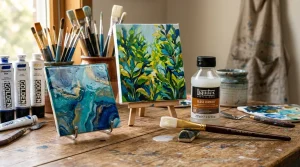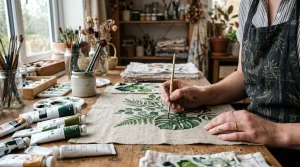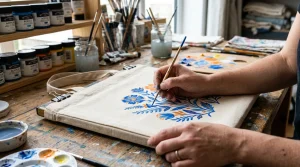
Did you know that acrylic paint is one of the most versatile mediums available to artists today? Whether you are a seasoned creator or a curious beginner, mastering acrylic paint can elevate your artistic journey. This fast-drying and flexible medium allows for a range of techniques, from bold, vibrant strokes to delicate washes. In this guide, we’ll explore everything you need to know to get started with acrylics, including essential tips on materials, techniques, and creative inspiration. You’ll find the keys to unlocking your artistic potential while addressing common concerns about paint application and color mixing. So, grab your brushes and prepare to dive into the colorful world of acrylic painting!
Understanding Acrylic Paint: A Comprehensive Overview
Acrylic paint has revolutionized the art world with its versatility, vibrant colors, and quick drying times. Initially developed in the mid-20th century, this medium has captivated artists ranging from seasoned professionals to enthusiastic beginners. Understanding the properties of acrylic paint is essential for any artist looking to harness its full potential. Unlike oil paints, which can take days to dry, acrylics dry quickly, allowing for rapid layering and adjustments, making them ideal for spontaneous creativity. Their water-soluble nature means that they can be easily thinned and cleaned with just soap and water, which further adds to their appeal.
Another remarkable feature of acrylic paint is its adaptability. Artists can use it thickly, just like oil paints, or thinly for watercolor effects by adding water or acrylic mediums. This flexibility opens the door to a myriad of techniques, from detailed realism to bold abstract expressions. Furthermore, acrylics exhibit excellent lightfastness, meaning that colors remain vibrant over time when exposed to light, providing long-lasting artwork. For artists concerned about health and safety, modern acrylics are non-toxic, allowing for a worry-free creative process.
In preparation for using acrylic paint, it’s essential to consider the surface on which you will be painting. Acrylics work well on various substrates like canvas, wood, paper, and even glass, each offering unique textural and visual effects. Additionally, artist-grade acrylics offer a higher pigment concentration compared to student-grade options, resulting in richer colors and better coverage. By understanding these fundamental aspects of acrylic paint, artists can make informed choices that enhance their work and expand their creative horizons.
Benefits of Using Acrylic Paint for Artists
Acrylic paint offers an array of advantages that make it a popular choice among artists, both new and experienced. One of its most compelling traits is its fast drying time, which allows for a dynamic painting experience. Artists can quickly layer colors and make adjustments without the long wait associated with oil paints. This unique characteristic is particularly beneficial for those who thrive on spontaneity, enabling them to capture fleeting ideas and inspirations without interruption.
Another significant benefit is the versatility of acrylic paint. It can be used in various techniques, from thick impasto applications to thin washes resembling watercolor styles. Artists can easily manipulate the texture and opacity by adding water or acrylic mediums, opening up endless possibilities for creative expression. Whether you’re painting a detailed landscape or a vibrant abstract piece, acrylics accommodate a wide range of styles and methods, making them incredibly adaptable to any artistic vision.
Moreover, acrylic paints are known for their vivid colors and exceptional lightfastness. Unlike some other mediums, acrylics retain their brightness and vibrancy over time, resisting fading even when exposed to light. This ensures that your artwork remains visually striking for years to come, making it a wise choice for artists looking to produce lasting pieces. Additionally, most modern acrylics are non-toxic, providing a safe working environment, which is especially important for artists working in shared or home studios.
Lastly, the affordability and accessibility of acrylic paints cannot be overlooked. With a wide range of brands and product lines available-from student-grade to professional quality-artists can easily find options that fit their budget without sacrificing on quality. This accessibility empowers artists to experiment and grow their skills without the financial burden often associated with more expensive mediums. Understanding these benefits can greatly enhance your artistic journey, allowing for both exploration and mastery in your work.
Essential Tools and Supplies for Acrylic Painting
The right tools and supplies can significantly elevate your acrylic painting experience, transforming your creative ideas into vibrant works of art. While it might be tempting to grab whatever is at hand, investing in quality materials ensures better results and a more enjoyable process. Begin with the basics, as they are essential for any artist looking to dive into the world of acrylics.
Essential Supplies
- Acrylic Paints: Choose a variety of colors to start; a basic set of primary colors (red, yellow, blue), along with black and white, allows for a broad spectrum through mixing. Consider investing in both student-grade and artist-quality paints to compare viscosity and pigmentation.
- Brushes: A good assortment of synthetic brushes is essential, as they hold up well to the thick texture of acrylic paint. Different shapes-flat, round, and filbert-allow for versatility in application.
- Palette: A mixing surface is crucial. Options include disposable paper palettes, glass, or acrylic palette knives for mixing colors seamlessly.
- Canvas or Paper: Use canvas boards or acrylic-specific paper. The surface texture can greatly affect the outcome of your work. Experiment with different surfaces to find your preference.
- Water Container: Keep a good-sized container for rinsing brushes as you paint. Changing the water frequently prevents color muddying.
Helpful Accessories
- Palette Knife: Ideal for mixing colors and applying thick paint directly onto the canvas, creating texture and depth.
- Apron or Old Clothes: Acrylics can be messy! Protect your clothes with an apron or wear clothes you don’t mind getting stained.
- Spray Bottle: A spray bottle filled with water can help keep acrylic paint moist on the palette and prevent it from drying out too quickly.
- Varnish: After completing your artwork, applying a varnish can protect it from dust and UV light, enhancing durability.
Understanding the importance of each tool not only helps you create better art but also makes your painting sessions more enjoyable. Whether you are a seasoned artist or just beginning, having the right supplies at hand allows for greater creativity and experimentation, paving the way for your unique artistic style.
Techniques Every Acrylic Painter Should Know
Acrylic painting offers a world of endless creativity, but knowing the right techniques is vital to unlocking its full potential. Mastering certain foundational techniques can not only enhance your skills but also expand your artistic expression. One popular technique is layering, which involves applying multiple translucent layers of paint. This method allows for depth and richness in color, creating a luminous effect. Remember, always allow each layer to dry before applying the next to avoid muddying your colors.
Another essential technique is wet-on-wet painting, where wet paint is applied directly onto wet paint. This technique can create beautiful, soft blends and is particularly effective for skies, landscapes, and other scenes requiring smooth transitions. Conversely, dry brushing is used for adding texture; by using a dry brush with minimal paint, you can create interesting textures and highlights on your canvas.
Glazing is another technique worth mastering, where a transparent layer of color is applied over a dried layer to enrich the underlying colors without completely obscuring them. This technique can significantly alter the mood and dynamics of your artwork. Finally, embracing the use of palette knives can open up a new level of creativity, as they can produce thick textures and bold strokes that brushes often cannot achieve.
Adventurous acrylic artists often blend techniques to develop unique styles. For instance, combining wet-on-wet with layering can yield striking results, where texture and depth coexist harmoniously. As you experiment with these methods, don’t hesitate to explore the diverse range of applications acrylics offer, from traditional to abstract art forms. Keep a journal to document your techniques and outcomes; this practice can help you refine your approach and encourage ongoing exploration within your art journey.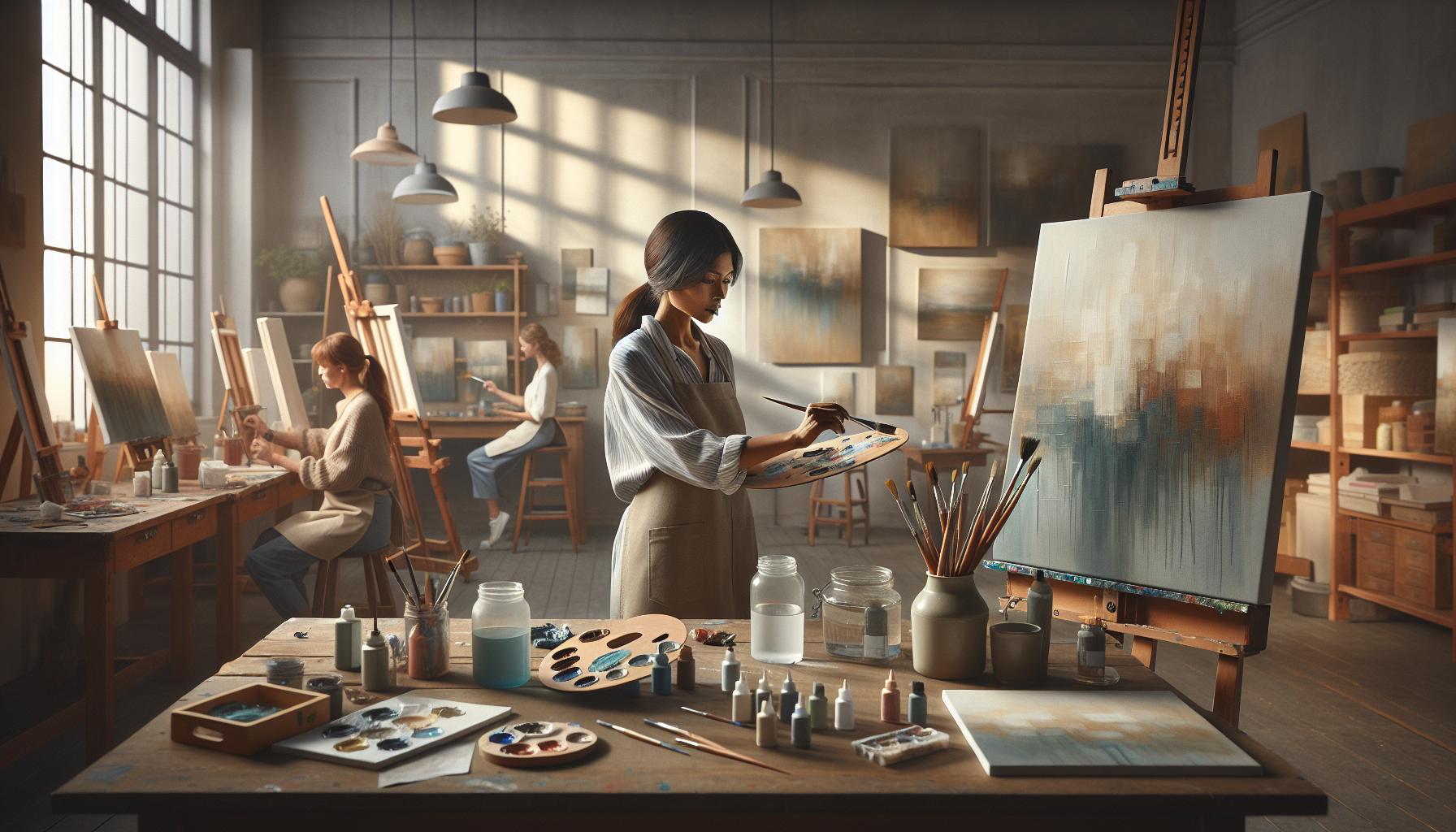
Choosing the Right Acrylic Paint for Your Projects
The choice of acrylic paint can significantly influence your artistic journey, as not all paints are created equal. Understanding the unique properties of various acrylic paints will empower you to select what’s best suited for your projects, ensuring that your artistic vision comes to life. When choosing acrylic paint, consider the following factors: viscosity, pigment quality, lightfastness, and intended application.
Viscosity and Texture
Acrylic paints come in a variety of consistencies, including heavy body, soft body, and fluid acrylics. Heavy body acrylics are thick and retain brush strokes well, making them excellent for impasto techniques. In contrast, soft body acrylics have a smoother texture, ideal for glazing and fine detail work. Fluid acrylics are thinner and perfect for watercolor techniques or pouring. Depending on your project, selecting the right viscosity will enhance your ability to achieve the desired effects and textures.
Pigment Quality
The quality of pigments used in acrylic paints can vary widely between brands. Artist-grade acrylics typically contain a higher concentration of quality pigments, promoting vibrant color and better coverage. Conversely, student-grade paints may use fillers that dilute pigmentation, resulting in duller hues. If color vibrancy is a priority in your work, investing in artist-grade paints is a wise choice to ensure longevity and richness in your palette.
Lightfastness and Durability
Lightfastness refers to how resistant a paint is to fading when exposed to light over time. When creating pieces intended for display, look for paints labeled as “lightfast” or check the ASTM (American Society for Testing and Materials) ratings provided by manufacturers. This information will help you choose paints that do not fade easily, ensuring your artwork retains its visual impact for years.
Intended Application
Consider how you plan to use the paint. Some acrylics are formulated specifically for distinct applications such as fabric painting, ceramic painting, or outdoor projects. Understanding your intended medium can guide your selection process. Additionally, look for paints that resist water once dried if you intend to layer without disturbing previous work.
Making an informed choice based on these considerations not only optimizes your creative outcome but also equips you with tools that can enhance your painting experience. So, before embarking on your next project, take a moment to assess what type of acrylic paint aligns with your artistic goals, assuring that your passion and creativity will flow seamlessly on the canvas.
Color Mixing Tips and Tricks for Acrylics
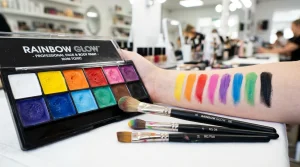
Color mixing is an essential skill for any artist working with acrylic paints, as it allows you to expand your palette and create unique shades tailored to your artistic vision. Understanding the color wheel is a foundational step; primary colors (red, blue, and yellow) can be mixed to produce secondary colors (green, orange, and purple), while mixing these can create a range of tertiary colors. This foundational knowledge enables artists to create an almost infinite array of hues simply by combining their basic colors.
One effective strategy for mixing acrylics is to start small. Instead of attempting to create a large batch of a new color, mix a small amount on your palette first. Test your color by applying it to a scrap piece of paper or canvas to see how it looks when dry, as acrylics can change in appearance once they dry. Additionally, consider employing a palette knife to thoroughly blend your colors; this tool helps achieve a uniform mix without risking contamination of your brushes.
When mixing, keep in mind the opacity and transparency of your colors. Some acrylics are naturally more transparent, which can be beneficial for glazing techniques, while others are more opaque, ideal for bold applications. To manipulate the transparency of a mixed color, experiment by adding a touch of water or using a glazing medium. This approach not only alters the final shade but also enhances the depth of your artwork.
As you practice mixing, note down your favorite blends in a color mixing journal. This personalized reference will assist you in recalling successful combinations in future projects. You could also create a color chart that illustrates your mixes, helping you to visualize how specific colors interact. By documenting your mixing experiences, you’ll develop a deeper understanding of color relationships, enabling you to work more confidently with your acrylics and achieve the desired effects in your artwork.
Preparing Your Canvas for Acrylic Application
To achieve the best results with acrylic painting, preparing your canvas properly is essential. A well-prepped surface not only enhances paint adhesion but also ensures a smoother application, prevents warping, and saves you from scrubbing off unwanted imperfections later on. Whether you’re working with a shop-bought canvas, a wooden panel, or even paper, understanding the steps involved in preparation can elevate your artwork dramatically.
Start with a clean canvas. If you’re working with a raw canvas, use a lint roller or a soft brush to remove any dust or fibers that could interfere with the paint. For pre-stretched canvases, you may want to apply a layer of gesso. This not only primes the surface but also creates a barrier that prevents the acrylic from soaking into the fibers, allowing for more vibrant colors and better control over your painting. Apply the gesso with a wide brush in smooth, even strokes, and allow it to dry completely before proceeding. Most artists prefer to apply at least two coats of gesso to ensure optimal coverage.
If you are experimenting with unconventional surfaces, such as wood or cardboard, it’s advisable to also use a gesso layer. This step is crucial, as acrylic paint can seep into porous materials, leading to an uneven finish. For surfaces like paper, choose heavier-weight mixed media or acrylic paper to withstand the moisture that acrylics can introduce. Moreover, remember the importance of taping down the edges of your canvas or paper. This not only provides a clean border but also prevents the painting surface from curling as you work.
Lastly, consider sketching your design lightly with a pencil or charcoal on your canvas. This can act as a guide while you paint and can help you maintain composition balance. Remember, the preparation phase is as significant as the painting process itself-it lays the foundation for your artwork and can greatly influence the outcome. Taking the time to prepare your canvas will enhance your painting experience and help you create a masterpiece that you can be proud of.
Acrylic Painting Styles: From Realism to Abstract
The versatility of acrylic paint opens the door to a wide array of artistic styles, making it an appealing medium for artists of all backgrounds. From the precise detail of realism to the expressive freedom of abstract works, acrylics can adapt to any artistic vision. This flexibility is partly due to the paint’s unique properties, which allow it to be manipulated in various ways, whether it’s through layering, blending, or even combining with other mediums.
Artists drawn to realism find that acrylics can produce vibrant, lifelike colors and fine details. With a quick drying time, they can work in layers, building depth and dimension much like oils but without the extended wait for drying between each session. Techniques such as glazing-applying a thin, transparent layer of paint-allow for subtle shifts in tone and texture, crucial for achieving a realistic effect. Utilizing tools like fine brushes and palette knives can also enhance this meticulous style.
On the other end of the spectrum, abstract painting thrives on the freedom and spontaneity that acrylics allow. The paint’s quick-drying nature encourages experimentation with form and color, encouraging artists to be bold with their brushstrokes and textures. Techniques such as pouring, dripping, or even using unconventional tools like sponges or squeegees can lead to unexpected and captivating results. Abstract expressionists often exploit the fluidity of acrylics to convey emotions, using color and form in ways that transcend representational boundaries.
Moreover, the blending of styles is entirely possible within the acrylic medium. Many contemporary artists merge realism and abstract techniques to create unique compositions that narrate personal stories or convey layered meanings. By incorporating mixed media elements, such as collage materials or ink, they further extend the expressive potential.
Exploring different styles and techniques with acrylics not only enhances your artistic skills but also helps you develop your voice as an artist. With each stroke, whether aiming for realism or diving into abstraction, acrylic paint offers a world of creative possibilities waiting to be discovered.
Common Mistakes to Avoid with Acrylic Paint
When starting with acrylic paint, many novice artists often overlook common pitfalls that can hinder their creative process. Understanding these mistakes is essential for achieving the best outcomes and fully enjoying the versatility of acrylics. One significant error is using insufficiently prepared surfaces. Acrylic paint adheres best to primed surfaces, so whether you’re painting on canvas, wood, or paper, applying a suitable primer helps create a smooth foundation while preventing the paint from soaking into the material excessively, which can dull colors.
Additionally, many beginners might over-thin their paint with water, leading to washed-out colors and a compromised finish. Instead of relying solely on water, consider using a medium designed for acrylics, which maintains the paint’s integrity while allowing for easier application and blending. Another common mistake is neglecting to clean brushes and tools promptly. Acrylic paint dries quickly, and once it hardens, it can ruin your brushes. Always rinse brushes thoroughly while painting, and consider keeping a separate container of water nearby to maintain their condition.
It’s also important not to jump into complex layering techniques without first mastering the fundamentals. Artists may rush to add detail or texture, only to realize that they’ve lost the underlying structure of their piece. Taking the time to practice layering, glazing, and other essential techniques can prevent frustration and enhance the final artwork. Remember that patience and practice are vital components of artistic growth.
Lastly, many aspiring painters underestimate the importance of storage and maintenance for their acrylic supplies. Properly sealing paints and storing them in a cool, dry place can extend their lifespan and ensure they remain usable. Investing in good quality acrylics, brushes, and mediums can significantly impact your painting experience, making it more enjoyable and productive. By being aware of these common mistakes and applying these practical tips, you’ll set yourself up for a rewarding journey in acrylic painting.
Caring for Your Acrylic Paint and Supplies
Taking proper care of your acrylic paints and supplies can significantly enhance your creative experience and extend the life of your materials. To kick off your painting journey on the right foot, it’s essential to establish a routine that preserves both the quality of the paints and the tools you use. One key aspect to remember is that acrylic paints are water-based, which makes them easier to clean but requires timely attention to avoid drying mishaps. Always keep a container of water handy for immediate rinsing of brushes and tools, preventing paint from hardening and ruining your equipment.
When you’re finished painting, ensure to properly seal paint tubes and jars. Acrylics can dry out if left open. Use airtight containers for any leftover paint, and consider labeling them with the color and date for easy access later. For brushes, gentle cleaning is crucial. Use mild soap and warm water, ensuring all paint residues are removed without damaging the bristles. Reshape the brush and lay it flat to dry. Avoid standing brushes upright in water or leaving them on a surface with wet paint; this can lead to deformation of the bristles.
Storing your acrylic supplies correctly also plays a vital role in their longevity. A cool, dry place is ideal to prevent any unwanted reactions or drying out. Avoid direct sunlight, as UV rays can alter the pigment quality of your paints. Consider investing in a dedicated storage solution, like a rolling cart or a toolbox, to keep everything organized and easily accessible.
By implementing these practices, you can create not only a more enjoyable painting environment but also maximize the lifespan of your acrylic materials, allowing your creativity to flourish without interruption. Happy painting!
Exploring Mixed Media: Combining Acrylics with Other Mediums
Exploring the world of mixed media can open up new dimensions in your acrylic painting, allowing for exciting experimentation and richer expression. Acrylic paints are versatile, accommodating a range of materials, from traditional inks and oils to unconventional items like fabric and paper. The beauty of mixed media lies in its ability to create depth, texture, and a unique narrative in your artwork, allowing you to transcend conventional boundaries.
To get started, consider combining acrylics with mediums such as gel mediums or modeling paste. These additives can change the texture of your paint, allowing you to build up layers or create three-dimensional effects. For instance, mixing acrylics with modeling paste can help you achieve a thick, impasto style, perfect for conveying emotions or landscapes. Another popular approach is to use acrylics in tandem with other paint types, like watercolor or gouache, which can provide contrasting effects that enhance visual interest.
Utilizing collage elements-such as torn paper, magazine clippings, or fabric swatches-can also transform your pieces into captivating compositions. By integrating these materials with acrylics, you can establish a harmonious interplay of colors and textures that engage viewers in unique ways. It’s important to experiment with different combinations, always paying attention to how the elements interact; for example, applying acrylic over a canvas printed with pattern can evoke a sense of spontaneity and energy.
Finally, keep in mind that the drying time of acrylics allows you to layer and combine different mediums without the worry of ruining your workflow. Embrace the unpredictability of mixed media art, letting each layer build upon the last. By doing so, you will likely discover new techniques and approaches that resonate with your creative vision, pushing the boundaries of your artistic practice and inviting fresh possibilities into your work.
Inspiration: Notable Artists Who Use Acrylic Paint
The world of acrylic painting is not only vibrant and accessible; it is also home to a multitude of artists who harness its versatility to express their creativity in remarkable ways. Many contemporary and historical artists have chosen acrylic paints to achieve their distinctive styles, showcasing the medium’s potential to convey emotion, texture, and depth.
One of the most notable figures in the acrylic painting realm is David Hockney, a British artist renowned for his bold use of color and innovative techniques. Hockney effectively uses acrylics to create captivating landscapes and portraits that engage viewers with their luminosity and vibrancy. His work often embodies the spirit of experimentation, encouraging aspiring artists to explore the different applications of acrylic paints and find their unique voice.
Another influential artist is Jessica Park, whose captivating acrylic renderings blend pop art aesthetics with precise architectural details. Her pieces often portray urban environments and structures, showcasing the flexibility of acrylics in creating both sharp lines and fluid forms. Park’s ability to infuse her work with intense color contrasts and dynamic compositions serves as an inspiring example for those looking to push boundaries with acrylics.
Additionally, the work of Mark Rothko showcases the emotive power of acrylics through his large-scale color field paintings. His use of layered color juxtaposition illustrates how acrylic paints can be manipulated to evoke profound emotional responses. Rothko’s approach emphasizes color as a primary element of artistic expression, prompting artists to think critically about their color choices and compositional strategies when using acrylics.
Exploring the techniques and styles of these artists can unlock new perspectives for acrylic painters, encouraging them to experiment with their own techniques and subject matter. By learning from the successes and creative processes of these renowned figures, you can find inspiration to develop your skills and enrich your own artistic journey with acrylic paint.
Whether you are drawn to the vibrant landscapes of Hockney, the architectural flair of Park, or the profound simplicity of Rothko, studying these artists will illuminate the countless possibilities that acrylics offer, empowering you to forge your creative path with confidence.
Frequently asked questions
Q: What is acrylic paint made of?
A: Acrylic paint is composed of pigment suspended in an acrylic polymer emulsion. This combination allows it to dry quickly and become water-resistant once dry, making it a versatile choice for artists. For more on choosing the right acrylic paint, see the “Choosing the Right Acrylic Paint for Your Projects” section of the guide.
Q: How do you thin acrylic paint for better application?
A: To thin acrylic paint, you can use water or acrylic medium. Start with a small amount of water, mixing it in gradually until you reach your desired consistency. Using a medium helps maintain color quality and adhesion, ensuring better results in your artwork.
Q: What surfaces can acrylic paint be used on?
A: Acrylic paint adheres well to various surfaces, including canvas, wood, paper, and fabric. However, preparing your surface properly can enhance adhesion and finish. Refer to the “Preparing Your Canvas for Acrylic Application” section for detailed instructions.
Q: Can acrylic paint be used for outdoor projects?
A: Yes, acrylic paint is suitable for outdoor use, especially if you select outdoor-specific formulations. Ensure your project is well-sealed to withstand environmental factors. Explore this in the “Caring for Your Acrylic Paint and Supplies” section for tips on protection.
Q: How do you clean brushes after using acrylic paint?
A: To clean brushes, rinse them in warm water immediately after use. If the paint has dried, use soap or a brush cleaner. Proper cleaning helps maintain brush shape and integrity, enhancing their longevity for future painting projects.
Q: Is acrylic paint suitable for beginners?
A: Absolutely! Acrylic paint is beginner-friendly due to its ease of use, quick drying time, and minimal odor. It allows for easy adjustments and corrections, making it ideal for novice artists who want to experiment with colors and techniques.
Q: How long does acrylic paint take to dry?
A: Acrylic paint typically dries within 15 to 30 minutes, depending on the thickness of the application and the environment. Faster drying times can be beneficial for layering techniques. For more time-related tips, see the “Techniques Every Acrylic Painter Should Know” section.
Q: Can you mix acrylic paint with other mediums?
A: Yes, acrylic paint can be mixed with various mediums such as gels, pastes, and oils for texture and finish enhancements. Experimenting with mixed media can create unique effects in your artwork, as discussed in the “Exploring Mixed Media: Combining Acrylics with Other Mediums” section.
Closing Remarks
Ready to unleash your creativity with acrylic paint? You’ve learned the essentials to get started, from its versatility to application techniques. Now is the perfect time to dive in and explore your artistic potential! Don’t hesitate to check out our detailed guides on color mixing and brush techniques for further insights. If you have any lingering questions or need personalized advice, consider signing up for our newsletter for regular tips and tricks from seasoned artists.
As you embark on your acrylic painting journey, remember to experiment and have fun. Whether you’re a beginner or looking to refine your skills, the world of acrylics is vast and welcoming. Share your thoughts or artwork in the comments below-we love hearing from fellow artists! For more inspiration and resources, be sure to explore our DIY art projects and material overviews. Your next masterpiece is just a stroke away!
Get our latest guides, news, and insights highlighted in your Google Search & AI Overviews.