Have you ever found yourself puzzled over whether to spell it “jewellery” or “jewelry”? You’re not alone! This small yet significant spelling difference reflects deeper cultural nuances and can affect how your message is perceived, whether you’re shopping for engagement rings or styling a statement piece. Understanding the distinction is essential, especially for enthusiasts and professionals navigating the world of adornments. In this article, we’ll unravel the mystery behind these variations, explore their origins, and highlight why this knowledge can enhance your confidence in communicating about these treasured pieces. Read on to discover the fascinating etymology and practical implications of using the right term in your jewelry conversations!
Is There a Difference Between Jewellery and Jewelry?
The distinction between “jewellery” and “jewelry” is primarily a matter of regional spelling preferences rather than any difference in meaning or usage. In British English, the preferred term is “jewellery,” while in American English, “jewelry” is used. Both terms refer to the same items: adornments made of precious metals, gemstones, or other materials, worn for personal ornamentation, religious or ceremonial purposes, or for practical reasons.
Understanding the context of these spelling variations can enhance communication, especially for those engaged in the global jewelry market or collectors who interact with international clientele. For instance, while shopping online, a consumer in the UK may search for “jewellery,” while an American consumer will likely use “jewelry.” This slight variation emphasizes the importance of tailoring marketing strategies to resonate with the target audience, ensuring that the correct spelling is used in advertising and product descriptions to enhance visibility and engagement.
Aside from geography, the terms are interchangeable in practice, and knowing how to navigate both spellings can empower enthusiasts. Collectors and businesses alike should familiarize themselves with both variations to connect with a broader audience, celebrating the craftsmanship and beauty of these treasured pieces, regardless of their spelling.
The History Behind the Spelling Variations
The path to understanding the discrepancy between “jewellery” and “jewelry” is as intriguing as the adornments themselves. Dating back to Middle English, the word “jewel” derives from the Old French term “jouel,” meaning “plaything.” As the English language evolved, so did spelling conventions, influenced largely by regional dialects and linguistic preferences. Those living in Britain embraced the term “jewellery,” which incorporated the additional letters to reflect its French roots, whereas the American adaptation streamlined it to “jewelry,” demonstrating a trend toward simplification in spellings.
This divergence didn’t occur in isolation; rather, it mirrored broader shifts in language usage as English spread across different continents and cultures. Both terms underscore the same fundamental art of ornamentation, but they signal different cultural identities. This dynamic has led to an array of spellings and terminologies for similar items, depending on the geographical context. For instance, while British English tends to favor more elaborate spellings, American English often opts for the more concise form. Understanding this history not only enriches your vocabulary but also helps you connect with diverse audiences, whether you’re a casual collector or a professional in the jewellery industry.
In practical terms, recognizing the historical and cultural significance behind these variations can enhance the way you engage with potential customers and clients. If you’re running a jewellery business, ensuring that your marketing materials use the correct spelling for your target audience is crucial. It demonstrates cultural awareness and can influence customer perception. Moreover, when seeking to expand your knowledge or explore collections from different regions, being fluent in both forms can open up new conversations and market opportunities, whether you’re discussing exquisite English vintage pieces or sleek American contemporary designs.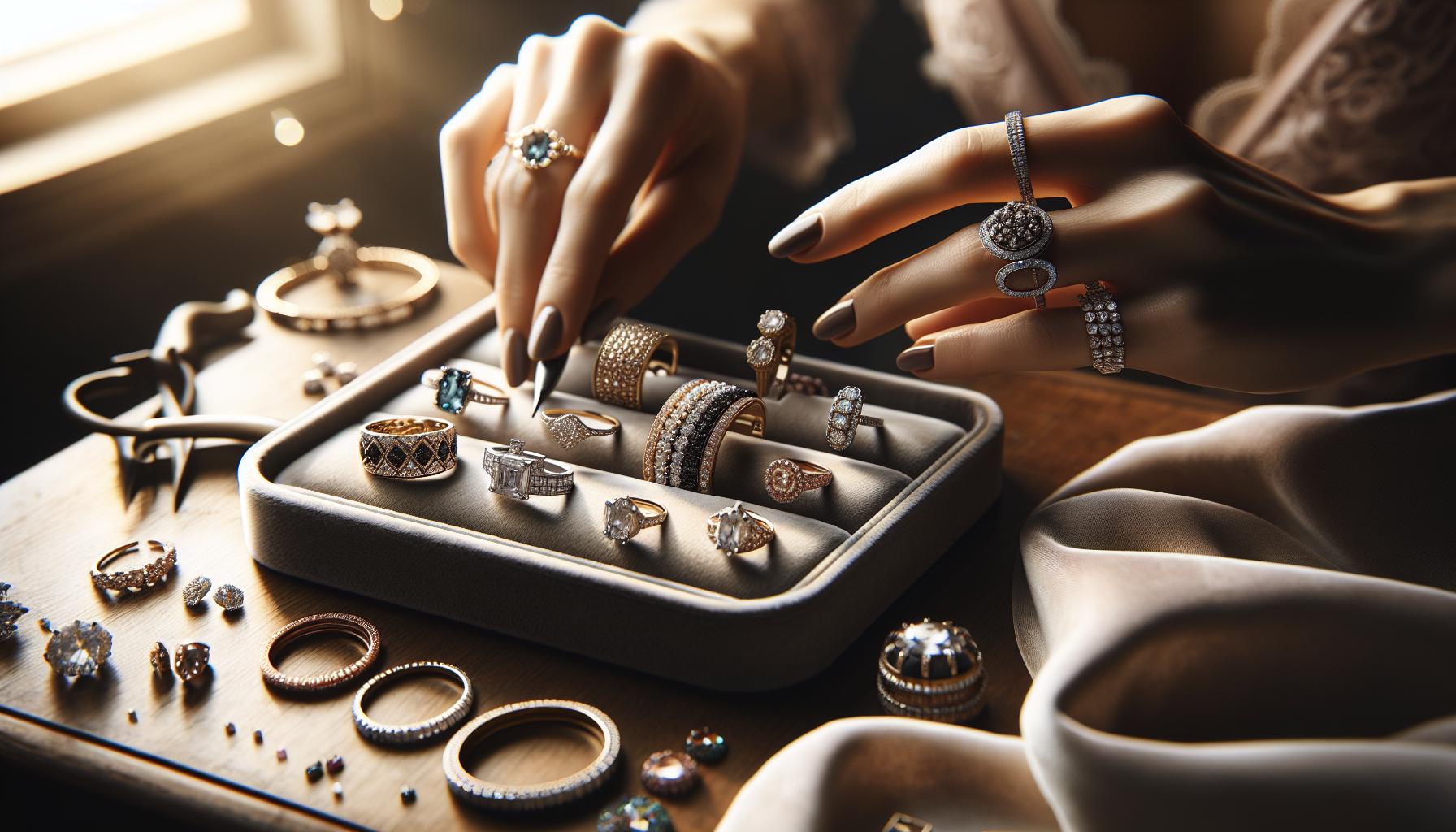
Cultural Significance of ‘Jewellery’ vs. ‘Jewelry
The distinction between “jewellery” and “jewelry” is not just a matter of spelling; it reflects rich cultural narratives and values rooted in language. In British English, the term “jewellery” resonates with a historical and artistic heritage that emphasizes craftsmanship, elegance, and sophistication. This spelling embodies the British affinity for tradition, often evoking images of ornate designs and timeless pieces that have been passed down through generations. Collectors and enthusiasts in the UK may prefer “jewellery” to convey a sense of appreciation for these historical nuances, enhancing the storytelling aspect of their collections.
Conversely, “jewelry,” predominantly used in American English, suggests a modern, streamlined approach, aligning with contemporary values of accessibility and practicality. This spelling reflects the American ethos of innovation and self-expression within the jewelry industry. Shoppers may gravitate towards this simplified term as it resonates with their desire for convenience and clarity in an increasingly fast-paced world. In the commercial arena, understanding these cultural significances helps businesses tailor their marketing strategies effectively. Utilizing the appropriate term for your audience can foster a deeper connection and convey respect for their cultural identity, which is invaluable in establishing brand loyalty.
Different cultures also have varied perceptions of adornment and self-expression. For example, the use of “jewellery” can evoke a sense of luxury and special occasions, often associated with significant life events, while “jewelry” may denote everyday wear, encouraging personal style. By tapping into these differences, sellers can better position their products-whether they are high-end pieces or trendy accessories-to meet the expectations and preferences of their target market. Thus, understanding the cultural significance of these terms enriches the dialogue between sellers and buyers, contributing to a more engaging and responsive shopping experience.
Ultimately, recognizing and embracing the cultural significance of “jewellery” versus “jewelry” can empower enthusiasts and collectors alike. It not only enhances communication among diverse audiences but also opens doors to explore global influences in design, craftsmanship, and personal expression, enriching the overall appreciation for this timeless art form.
Exploring Regional Differences in Usage
The interplay between “jewellery” and “jewelry” reveals fascinating regional preferences that cater to distinct cultural identities and consumer behaviors. In the UK, the extended spelling “jewellery” is often associated with artisanal craftsmanship and rich heritage. This subtle distinction influences not only how the word is received but also the types of pieces that resonate with consumers. In British retail environments, terms like “jewellery” may evoke images of elegant, handcrafted pieces often linked to significant events such as weddings and anniversaries. Shops specializing in luxury items utilize this spelling to foster an ambiance of sophistication and tradition, promoting unique collections that showcase both historical and contemporary designs.
In contrast, “jewelry,” the favored American spelling, emphasizes a modern, accessible approach. U.S. consumers frequently seek out contemporary styles that reflect personal expression and everyday wear. The American market thrives on convenience and speed-customers often prefer shopping experiences that emphasize instant gratification, whether online or in-store. Retailers harness this by offering trendy, affordable pieces aimed at a younger demographic eager to express themselves through their adornments without the need for elaborate backstories. To effectively cater to these consumers, businesses in the U.S. typically focus on diverse collections that align with current fashion trends, making use of social media to showcase their offerings and engage with a broader audience.
Understanding and adapting to these regional differences is crucial for jewelers and marketers. For example, if a business based in the UK decides to expand into the American market, it could benefit from re-evaluating its brand messaging and terminology. By aligning itself with local consumer sentiments and preferences, it can enhance its appeal. Similarly, American brands exploring international markets should immerse themselves in the local culture to communicate their value effectively. This sensitivity to spelling and context not only facilitates smoother customer interactions but also strengthens brand loyalty across different markets.
Ultimately, the choice between “jewellery” and “jewelry” reflects deeper aspects of cultural identity and consumer expectations. Retailers who grasp these nuances will be well-positioned to cultivate meaningful connections with their audiences, whether through sophisticated craftsmanship or trendy accessibility. The conversation around spelling goes beyond mere semantics; it is an avenue to appreciate the artistry and culture embedded within the world of adornment.
Why Spelling Matters in the Jewellery Industry
The choice between “jewellery” and “jewelry” extends beyond mere preference; it carries significant weight in branding, customer engagement, and market positioning. For retailers, understanding this distinction is crucial as it directly influences how products are perceived by consumers across different cultures. The spelling “jewellery,” predominantly used in the UK and other Commonwealth countries, evokes a sense of elegance and craftsmanship that resonates with consumers seeking luxury and artisanal quality. This is a vital consideration for brands operating in these regions, as it not only informs their marketing language but also dictates the types of collections they present. When crafting their brand story, companies leveraging “jewellery” can convey gravitas, tradition, and a deep connection to heritage, elements that are particularly appealing in markets valuing sophistication.
Conversely, American retailers leaning towards the spelling “jewelry” target a demographic more inclined toward accessibility and modernity. The urgency of the U.S. consumer market, characterized by fast-paced shopping experiences, demands a branding approach that reflects immediacy and relevance. Retailers adopting the American spelling often use marketing strategies emphasizing trends and personal expression, effectively engaging a younger audience. Understanding the implications of this spelling can help businesses tailor their messaging, optimizing it for regional preferences, thus enhancing the likelihood of market success.
In addition to cultural implications, the spelling choice can significantly impact Search Engine Optimization (SEO) strategies. Targeting the appropriate spelling can enhance visibility to the right audience, ensuring that marketing efforts align with customer search behaviors. When American brands utilize “jewelry” in their digital marketing efforts, they increase the probability of appearing in searches conducted by U.S. consumers. Conversely, UK-based brands using “jewellery” can optimize their online presence to attract local customers.
Ultimately, the importance of spelling in the jewellery industry is a powerful reminder of how language shapes perception. As brands navigate the intricacies of cultural identity and market trends, fluidity in using terms appropriate to the target audience becomes paramount. Jewelers can cultivate a stronger connection with their consumers by consciously employing the spelling that resonates with their heritage and aspirations, transforming their messaging into a compelling narrative that captivates and engages their audience.
Common Misconceptions About Jewellery vs. Jewelry
Given the rich tapestry of terms surrounding adornments, many people confuse “jewellery” and “jewelry,” often assuming they are distinct in meaning rather than merely in spelling. A common misconception is that the two refer to different types of items. In reality, both terms essentially represent the same category of decorative items for personal adornment. The discrepancy lies in regional usage-“jewelry” is preferred in the United States, while “jewellery” is the spelling favored in the United Kingdom and other Commonwealth nations. Understanding this can help clear up many misunderstandings, particularly for those looking to navigate the global marketplace of adornments.
Another prevalent myth is that one spelling conveys higher quality than the other. Some consumers might act under the belief that items labeled as “jewelry” are inferior to those branded with “jewellery.” This perception may stem from the cultural connotations attached to the respective terms; however, both spellings can represent a wide range of quality levels, from mass-produced fashion pieces to exquisite handcrafted items. It’s essential for buyers to focus on the craftsmanship and materials used rather than getting caught up in the spelling.
The assumption that industry professionals favor one spelling over the other can also lead to confusion. While branding in a specific region often reflects local preferences, many businesses effectively use both terms to attract diverse audiences. For instance, international brands that market their collections globally might embrace the duality of these terms, ensuring their messages resonate across cultural lines. This is particularly important for e-commerce businesses looking to broaden their audience and cater to international customers, highlighting the need for clarity rather than rival claims of superiority.
Lastly, the notion that misusing these terms will alienate potential buyers is often overstated. While precision in language is valuable, most customers are more focused on the jewelry’s design, functionality, and price rather than the spelling used. However, for those in the jewelry industry, a consistent approach toward terminology can enhance brand identity and foster customer trust. By understanding these misconceptions, both consumers and retailers can approach the world of adornments with greater clarity and appreciation.
How to Pronounce ‘Jewellery’ and ‘Jewelry’ Correctly
Mispronouncing “jewellery” and “jewelry” can be a common pitfall for English speakers, and getting it right can elevate your reputation among enthusiasts and professionals alike. These two terms, while indicating the same category of adornments, are pronounced differently based on regional preferences, often leading to uncertainty. Understanding the nuances of their pronunciation not only helps in effective communication but also demonstrates respect for the cultural significance tied to these words.
In American English, “jewelry” is pronounced as /ˈdʒuː.əl.ri/. The emphasis is on the first syllable, and the third syllable is rapid and slightly less enunciated, often sounding almost like “lee.” On the other hand, in British English, “jewellery” is pronounced /ˈdʒuː.əl.ri/, with a more distinct leaning towards the “jew” sound in the first syllable followed by a clearer enunciation of the “el” vowel sound. The second syllable is sibilant, giving it a softer overall tone that reflects the British articulation.
To practice, here are a few tips:
- Listen and Repeat: Utilize online dictionaries like Oxford or Merriam-Webster which offer phonetic pronunciations and audio samples.
- Record Yourself: Try saying the words and then play back your recordings to identify areas for improvement.
- Use in Context: To solidify your pronunciation, incorporate “jewelry” or “jewellery” in casual conversations or while discussing pieces in your collection.
By mastering the pronunciation of “jewellery” and “jewelry,” you can confidently engage in discussions about your favorite adornments, ensuring you communicate with elegance and authority within the jewelry community. This knowledge not only enhances your personal interactions but also enriches your understanding of the cultural distinctions that make the world of jewelry so varied and vibrant.
Insights on Global Shopping Trends in Jewellery
The world of adornments is witnessing an exciting evolution as shopping trends in jewellery continue to shift dramatically globally. With online shopping becoming increasingly dominant, consumers are not just looking for the best prices but are also keen on unique pieces that tell a story. This trend is particularly evident in millennials and Gen Z shoppers, who are driving the shift towards personalized and ethically sourced jewellery. The rise of social media platforms allows these consumers to explore new collections through influencers, enhancing their desire for bespoke pieces that reflect their individuality and values.
One significant trend is the growing interest in sustainable and ethical jewellery. Consumers are increasingly aware of the environmental and social implications of their purchases. Many brands are responding by sourcing recycled materials and ensuring fair trade practices. For instance, brands that highlight their eco-friendly practices often see a boost in customer loyalty, as consumers feel better about supporting companies with a commitment to ethical standards. As this movement gains momentum, educating oneself on sustainable practices in jewellery can enhance the buying experience and contribute to a broader positive impact.
Moreover, the utilization of technology, especially augmented reality (AR) and virtual try-on features, is revolutionizing online jewellery shopping. Shoppers can now visualize how pieces would look on them before making a purchase, significantly reducing the uncertainty that often accompanies online shopping. This tech-savvy approach is not just about convenience; it builds consumer confidence, particularly for high-value purchases like engagement rings or custom designs.
Finally, the rise of local artisans and small businesses is reshaping the jewellery landscape. More people are seeking out unique, handcrafted items instead of mass-produced accessories. Supporting local artists fosters community relationships and ensures that customers receive high-quality, distinctive pieces that aren’t available in big-box stores. As a collector or enthusiast, staying informed about these trends can enrich your jewellery hunting experience and inspire both your personal collection and your purchasing choices.
The Impact of Spelling on SEO and Marketing
The way you spell “jewelry” can significantly influence your online visibility and marketing success. As with any niche market, understanding how to leverage regional spelling differences can create impactful SEO strategies. For businesses, this distinction is critical; using the American English “jewelry” versus the British English “jewellery” can determine how easily potential customers find your products online. According to research, customers often search using the spelling that aligns with their regional preferences, meaning businesses that optimize for both terms can capture a larger audience base.
To effectively harness these spelling variations, consider the following strategies:
- Keyword Optimization: Conduct keyword research to identify which spelling is more commonly searched in your target market. Utilize tools like Google Keyword Planner or SEMrush to analyze search volumes for both terms.
- Targeted Content Creation: Create dedicated landing pages or blog content that incorporates both “jewelry” and “jewellery”. This not only improves your SEO ranking but also caters to diverse customer preferences.
- Local SEO Considerations: If your business targets a specific geographic area, incorporate regional spellings in your ads and campaigns. For example, if you’re targeting customers in Canada or the UK, using “jewellery” could resonate better than “jewelry”.
- Social Media Engagement: When promoting your products on social media, use both spellings in different posts to reach a broader audience. This can also enhance brand recognition among varied linguistic groups.
Tracking the performance of both spellings through analytics tools will allow you to gauge customer engagement and adapt your marketing strategies accordingly. In a time when online shopping is paramount, understanding these nuances not only helps in optimizing your visibility but also fosters a more personalized shopping experience for your customers. This can ultimately lead to increased conversions and brand loyalty, as customers feel understood and catered to in their preferred vernacular.
Key Takeaways for Jewellery Enthusiasts and Collectors
Understanding the nuances between “jewelry” and “jewellery” not only enriches your appreciation for adornments but also enhances your shopping experience. Whether you identify as a collector, an enthusiast, or a casual buyer, recognizing the implications of spelling can guide your choices and interactions in the jewelry world. Here are essential takeaways to empower you in your jewelry journey.
- Know Your Preferences: Always consider your personal style and preferences when shopping. Research various types of jewelry-like fine, fashion, or artisan pieces-and understand what fits best with your aesthetic.
- Care and Maintenance: Proper care for your pieces is vital. For example, clean gold and silver jewelry gently with a soft cloth, and store delicate pieces in separate pouches to avoid tangles and scratches. Regularly check for loose stones and ensure clasps are functioning correctly.
- DIY Crafting: Consider creating your own jewelry pieces. Simple projects like beaded bracelets or wire-wrapped earrings not only save money but allow for personal expression. Tutorials are widely available online, offering step-by-step guidance to help you get started.
- Spotting Authenticity: If you’re considering a significant purchase, especially of vintage or designer items, learn how to authenticate pieces. Check for brand markings, examine craftsmanship details, and if unsure, seek professional assessments.
- Trends and Styles: Stay updated with current trends, but also focus on timeless styles that can complement your wardrobe for years. A classic pair of diamond studs or a sophisticated pendant can serve you well across various occasions.
- Elements of Marketing: If you’re contemplating launching a jewelry shop, recognizing the significance of spelling variations can keep your products visible to a broader audience. Use both “jewelry” and “jewellery” strategically in your online presence to attract diverse customers.
By incorporating these insights, you’ll navigate the jewelry landscape with confidence and sophistication, ensuring each piece you select resonates with your personal story and style.
Building Your Jewellery Vocabulary: Essential Terms
Building a robust vocabulary in the realm of jewelry can significantly enhance your shopping experience and appreciation for your pieces. Knowing common terms and their meanings not only helps in identifying styles and materials but also empowers you to engage more knowledgeably with jewelers and fellow enthusiasts. Understanding this terminology fosters an appreciation for craftsmanship and design, ensuring you select pieces that truly resonate with your personal style.
To begin, consider familiarizing yourself with key terms that frequently arise in the industry:
- Carat: A unit of measurement for precious stones, representing weight. One carat equals 200 milligrams.
- Clarity: A quality assessment of the transparency and presence of inclusions in gemstones.
- Cut: Refers to how a gemstone is shaped and faceted, which affects its brilliance and sparkle.
- Gold Karat: Indicates the purity of gold, with 24K being pure gold, while 14K indicates 58.3% gold content.
- Settings: The metal framework in which a gemstone is held. Popular types include prong, bezel, and pave settings.
- Vintage vs. Antique: Vintage typically refers to pieces older than 20 years, while antique denotes jewelry that is over 100 years old.
- Hallmark: A mark stamped on gold and silver to indicate the metal’s purity and sometimes the manufacturer’s identity.
Arming yourself with this knowledge can make discussions at jewelry shops more productive. For instance, if you’re looking for a diamond ring, knowing about carats, clarity, and cut allows for informed questions that align with your preferences. Moreover, if you’re an aspiring jeweler or shop owner, understanding these terms can guide inventory decisions and marketing strategies, helping you connect with your target audience effectively.
In addition to knowing the basics, delve into different styles and techniques, such as understanding the nuances between artisanal versus mass-produced jewelry or exploring the varying characteristics of semi-precious versus precious stones. This wider perspective not only enhances your appreciation but also empowers you to make confident choices in both purchasing and crafting jewelry, whether for yourself or as unique gifts for loved ones.
Frequently asked questions
Q: What is the origin of the word ‘jewelry’?
A: The term ‘jewelry’ originates from the Old French word ‘jouel,’ which itself comes from the Latin ‘jocale,’ meaning ‘plaything.’ It reflects the decorative and ornamental use of precious metals and gemstones. Understanding this can enhance your appreciation for the art of jewelry-making.
Q: Why do some people prefer the spelling ‘jewellery’ over ‘jewelry’?
A: The spelling ‘jewellery’ is commonly used in British English, while ‘jewelry’ is the American English version. Preferences may stem from regional identity or linguistic tradition, making it fascinating to explore these cultural differences in word usage.
Q: How should ‘jewelry’ be pronounced in American English?
A: In American English, ‘jewelry’ is pronounced as “JOO-uhl-ree.” Understanding pronunciation can be helpful, especially in social situations or when discussing jewelry with professionals, ensuring effective communication.
Q: What are the implications of spelling in jewelry marketing?
A: Spelling variations can impact search engine optimization (SEO) and customer engagement. Businesses should consider their target audience’s regional preferences to optimize online visibility and cater to customer expectations.
Q: How does spelling affect consumer perception in the jewelry industry?
A: Correct spelling can enhance brand credibility and professionalism. Consumers may associate the spelling ‘jewelry’ with American brands and ‘jewellery’ with British ones, which can influence purchase decisions and brand loyalty.
Q: Can spelling variations lead to misunderstandings in international commerce?
A: Yes, spelling differences can cause confusion in international transactions, from product listings to marketing materials. It’s crucial to clarify which spelling to use to avoid miscommunication and ensure a smooth shopping experience.
Q: What is the most common misconception about the spelling ‘jewelry’?
A: A common misconception is that ‘jewelry’ and ‘jewellery’ refer to different types of ornaments. In reality, they are simply regional spellings of the same term, despite cultural nuances in the types of jewelry appreciated.
Q: How can consumers educate themselves about jewelry terminology?
A: Consumers can educate themselves by exploring resources on jewelry care, terminology, and purchase tips. Engaging with reputable websites and guides can further enhance their understanding and appreciation of jewelry pieces.
Future Outlook
Now that we’ve unraveled the mystery of “jewellery” versus “jewelry,” you can confidently use the term that resonates with you, whether you’re in the UK or the US. This understanding opens up exciting avenues for exploring various styles and types of adornments. Don’t miss out on our guides on jewellery care and cleaning, alongside DIY tutorials that will empower you to maintain your pieces like a pro.
For those looking to dive deeper, check out our insights on starting your own jewellery business or learn about the intricacies of authentication methods to ensure quality. Remember, each piece tells a story, and you have the power to enhance yours. Don’t hesitate to share your thoughts in the comments or explore our related content to discover more. Your journey in the world of jewellery starts here-happy exploring!
Get our latest guides, news, and insights highlighted in your Google Search & AI Overviews.