Brass is a versatile metal that often finds its way into the world of jewellery, captivating both makers and wearers alike. Known for its warm golden hue and affordability, brass can be a fantastic alternative to precious metals. However, many people wonder: is brass a good choice for jewellery? In this article, we’ll explore the truth about brass, addressing common concerns about durability, skin reactions, and maintenance. Whether you’re a seasoned jewellery enthusiast or just starting your collection, understanding the properties and care of brass can enhance your styling options and inform your purchasing decisions. Join us as we uncover the beauty and practicality of brass jewellery, empowering you to make confident choices for your personal style.
Is Brass a Good Choice for Jewellery?
Brass has become a popular choice in the jewellery industry, and for good reason. Crafted from a blend of copper and zinc, this metal not only boasts a striking warm golden hue but also provides durability that appeals to jewellery makers and wearers alike. Its versatility means that brass can be shaped into intricate designs, making it suitable for everything from statement pieces to delicate adornments. Additionally, its affordability compared to precious metals makes brass an accessible option for those looking to expand their jewellery collections without breaking the bank.
When considering whether to incorporate brass into your jewellery box, it’s essential to be aware of its benefits. Brass jewellery can be both timeless and trendy, often appearing in modern designs that blend traditional craftsmanship with contemporary style. Moreover, employing brass in your creations allows for a unique aesthetic that can easily complement any outfit. For instance, pairing brass earrings with casual attire can elevate a simple look, while a brass statement necklace can add a touch of elegance to formal wear.
However, potential buyers should also be cautious. One common concern about brass jewellery is its potential to tarnish over time due to exposure to air and moisture. Regular maintenance, such as cleaning with a gentle polish or using a protective coating, can help preserve its shine and prevent discoloration. For those with sensitive skin, it’s wise to check for any allergies, as some brass alloys may contain nickel. By understanding these aspects and taking proper care, brass jewellery can remain a beloved addition to any accessory collection.
Understanding the Composition of Brass
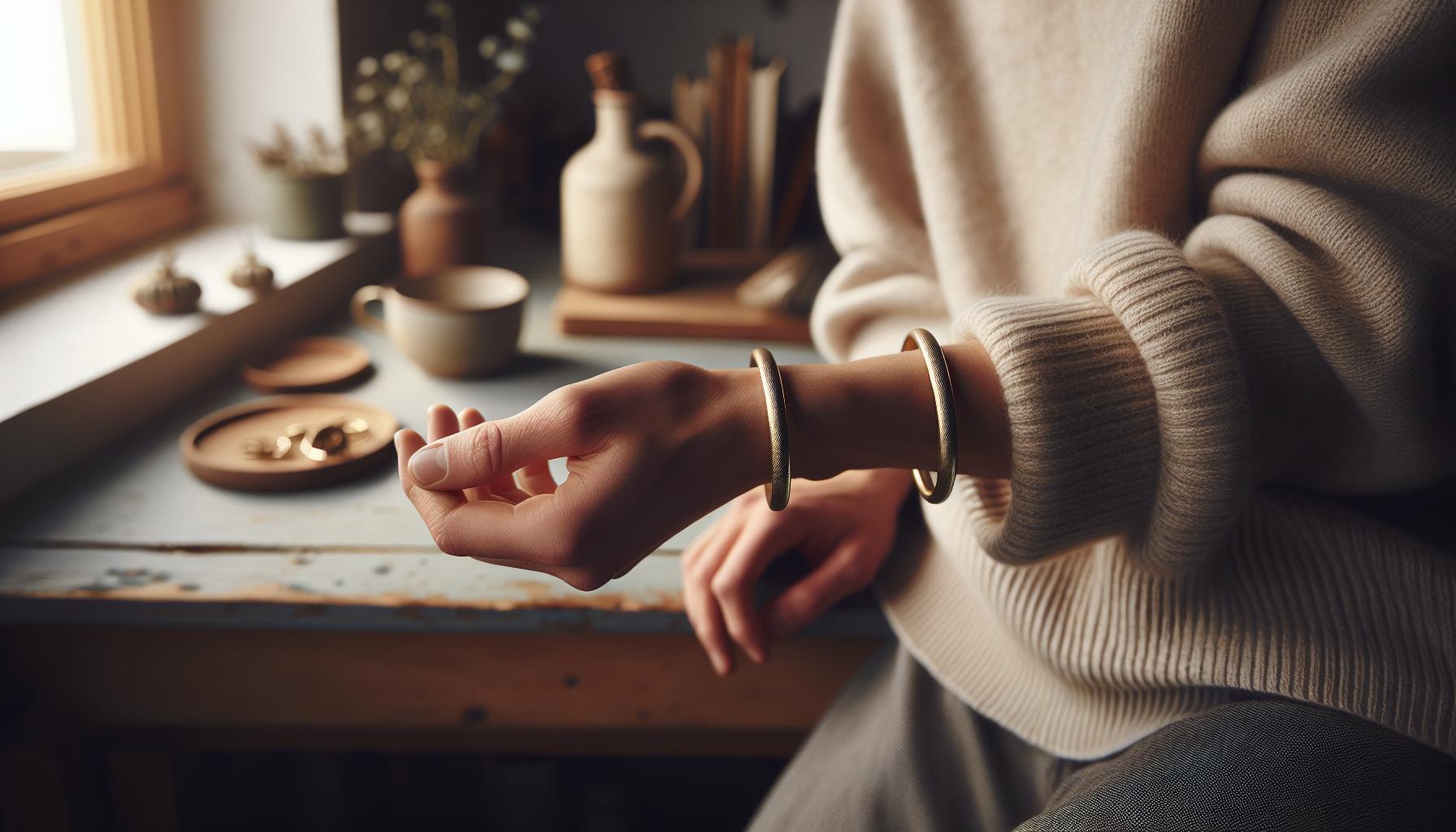
Brass is a fascinating metal alloy that reveals much about its character through its composition. Primarily made from copper and zinc, the specific proportions of these metals can vary, resulting in a range of brass types, each possessing unique properties. Typically, brass consists of about 60% copper and 40% zinc, although some variations may incorporate additional elements like lead for machinability or tin for enhanced corrosion resistance. This flexibility in composition allows brass to be tailored for diverse applications, especially in jewellery.
One of the standout qualities of brass is its rich, warm golden hue, which closely resembles that of gold. This makes it an attractive choice for those seeking the aesthetic appeal of gold jewellery without the hefty price tag. The malleability of brass also allows artisans to create intricate designs and shapes, making it well-suited for detailed craftsmanship. As a result, brass can be transformed into everything from elegant necklaces to bold statement rings, capturing the imagination of jewellery designers and wearers alike.
However, understanding the nuances of brass composition is crucial for both buyers and creators. Variation in zinc levels, for instance, can affect the alloy’s hardness, corrosion resistance, and color. When selecting brass pieces for your collection or considering DIY projects, be mindful of these factors, as they can influence the final product’s durability and maintenance needs. Ultimately, the unique blend of copper and zinc not only contributes to the visual allure of brass but also embodies a practical choice for jewellery enthusiasts, offering both beauty and functionality.
Benefits of Using Brass in Jewellery
Brass is not just a metal; it is a versatile and stylish choice for jewellery that offers both aesthetic appeal and practicality. The distinctive golden glow of brass closely mimics that of gold, making it an attractive option for those who appreciate luxurious design without an extravagant price. One of the key is its workability. Artisans can easily manipulate brass into intricate shapes and complex designs, allowing for a wide range of creative expression. Whether it’s delicate filigree or bold geometric patterns, brass can cater to a variety of styles.
Another significant advantage is the durability that brass presents. Unlike more precious metals that can be prone to scratches and dents, brass provides a hardy alternative while still remaining lightweight. This makes it an ideal choice for daily wear pieces, such as earrings and bracelets that can withstand the rigors of everyday life. Given its strength, many jewellery designers are enthusiastic about using brass in their creations, confident that they can produce pieces that not only look stunning but also stand the test of time.
Moreover, brass is often more affordable compared to other metals, making it accessible for those who wish to explore trends without breaking the bank. This affordability encourages experimentation and the chance to develop personal style without the commitment of high-cost investments. As a result, brass pieces can be easily mixed and matched with other materials and styles, allowing for a versatile approach to accessorizing.
When considering brass for your small jewellery business, there’s potential for unique branding opportunities. Creating collections that highlight the sustainable sourcing of the metals, or focusing on the craftsmanship involved in producing elaborate brass designs, can help draw attention to your brand. Additionally, potential customers appreciate the story behind their jewellery, and brass’s rich history-from musical instruments to architectural features-adds an appealing narrative that can entice buyers.
In conclusion, the are numerous. From its aesthetic charm and adaptability to its durability and affordability, brass stands as a commendable option for jewellery enthusiasts and designers alike. Whether you’re crafting your pieces or curating a collection, the unique qualities of brass will inspire creativity and style.
Common Concerns: Is Brass Hypoallergenic?
Brass jewellery can be a stunning addition to any collection, but a common concern among potential wearers is whether it is hypoallergenic. This is a valid question, especially for individuals with sensitive skin or those prone to allergic reactions. While brass itself is not inherently hypoallergenic, its composition can significantly influence its wearability. Brass is an alloy primarily made of copper and zinc, and often, other metals such as nickel may be included in the mix. Nickel, in particular, is a known allergen for many people, leading to skin irritations or allergic reactions upon contact.
To select hypoallergenic brass jewellery, it’s essential to choose pieces that are specifically marketed as nickel-free. Many skilled artisans and manufacturers are aware of the sensitivities surrounding jewellery materials and have begun producing brass that contains no nickel, making it a safer option for sensitive skin. Look for products that clearly state “nickel-free” or “hypoallergenic” in their descriptions, which can help mitigate the risk of allergic reactions.
If you’re unsure whether a particular brass item will irritate your skin, consider performing a patch test. Apply a small piece of the brass jewellery to a discrete area of your skin and observe for any redness or irritation over the next 24 hours. If no reaction occurs, the piece may be safe for you to wear regularly. Moreover, maintaining clean brass jewellery can also help reduce the chances of skin irritation. Oils, dirt, and moisture can accumulate on both the jewellery and your skin, leading to reactions. Regularly cleaning your items and ensuring they are free from contaminants is a simple yet effective way to minimize potential skin issues.
For those interested in brass jewellery, being informed about the material’s characteristics and the potential for allergic reactions can transform your jewellery experience, empowering you to make confident choices. By opting for quality pieces from reputable sources-and caring for them properly-you can enjoy the aesthetic appeal of brass without compromising comfort.
Innovative Design Trends in Brass Jewellery

Brass jewellery has become a canvas for innovative design, captivating both artisans and enthusiasts with its versatility and warmth. One of the most exciting trends in recent years is the integration of mixed materials into brass jewellery. Designers are combining brass with gemstones, wood, and even textiles, creating pieces that are not only unique but also rich in texture and color. This layering of materials allows for endless creativity, resulting in statement pieces that can elevate any outfit while showcasing an artistic flair.
Another trend that’s gaining traction is the trend towards sustainable and ethical production methods. Many jewellery makers are now focusing on sourcing recycled brass and using eco-friendly techniques to craft their designs. This commitment to sustainability resonates with consumers who are increasingly conscious of their environmental impact. By choosing brass jewellery that is created using responsible practices, shoppers can enjoy stylish pieces that contribute to a more sustainable future.
Additionally, geometric designs and minimalist aesthetics are also dominating the brass jewellery scene. Clean lines and bold shapes are popular in earrings, necklaces, and rings, appealing to those who appreciate modern elegance with a hint of artistic expression. The beauty of brass lies in its ability to be molded into striking forms, making it a favored material for contemporary artists. With the rise of 3D printing technologies, intricate brass designs that were once unimaginable are now becoming a reality, pushing the boundaries of traditional jewellery craftsmanship.
In summary, the offer a wealth of possibilities for both creators and wearers. Whether through mixed materials, sustainable practices, or geometric designs, brass is proving itself to be a dynamic choice for fashion-forward individuals looking to express their unique style. By keeping an eye on these trends, you can enhance your collection with pieces that are not only beautiful but also reflective of the latest advancements in jewellery design.
How to Clean and Maintain Brass Jewellery
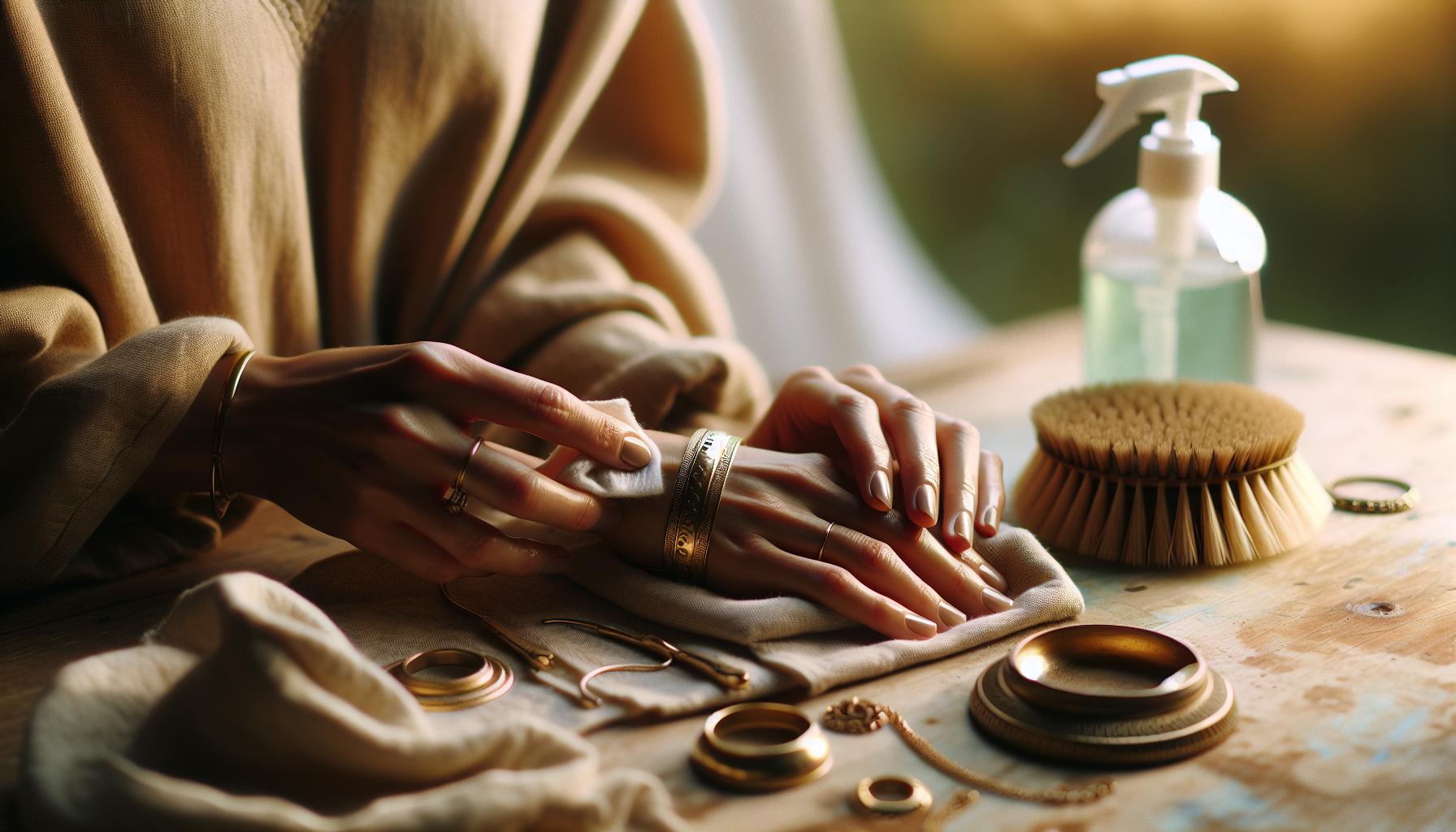
Brass jewellery, while stunning and versatile, does require some care to maintain its beauty and prevent tarnishing. Over time, brass can develop a patina due to exposure to air and moisture, which may appeal to some but can be undesirable for others. To keep your brass pieces looking their best, regular cleaning and proper maintenance are essential.
Start by gently wiping your brass jewellery with a soft, lint-free cloth after each wear to remove oils and dirt. For a deeper clean, create a mild solution using warm water and a drop of dish soap. Dip your cloth into the solution, wring it out, and carefully wipe the jewellery. Avoid soaking your pieces or using abrasive materials, as these can scratch the surface. Rinse with clean water, then dry thoroughly with another soft cloth.
If tarnishing persists, you can turn to more specialized cleaning methods. A mixture of equal parts white vinegar and baking soda can work wonders; apply it gently using a soft cloth or sponge, and buff lightly. Afterward, rinse thoroughly and dry, ensuring no residue remains. For a final touch, consider applying a light coat of mineral oil to help create a protective barrier against future tarnishing. Regular maintenance not only preserves the shine of your jewellery but also enhances its longevity.
When storing your brass pieces, keep them in a cool, dry place, ideally in a lined jewellery box or anti-tarnish pouches. Avoid humidity, as it can accelerate tarnishing. For additional protection, you might consider using silica gel packets to absorb excess moisture in your storage area. By following these simple care tips, you can enjoy your brass jewellery to its fullest, ensuring it remains as captivating as the day you first wore it.
Identifying Quality Brass: A Comprehensive Guide
To truly appreciate the beauty of brass jewellery, understanding how to identify quality brass is essential. This metal, an alloy primarily composed of copper and zinc, can vary greatly in its composition, which ultimately affects its durability, appearance, and cost. When searching for high-quality brass jewellery, consider these critical factors to ensure you’re making a worthwhile investment.
Understanding Composition and Quality Marks
Not all brass is created equal; variations in the ratio of copper to zinc can lead to different appearances and strengths. Look for jewellery that contains at least 70% copper, as this creates a more durable piece with a richer, warmer hue. Additionally, some quality brass pieces will be stamped with a mark indicating their brass content or alloy type. A reputable seller may provide certifications or guarantees of the brass’s quality, which can provide peace of mind and assurance that you are purchasing a product that will last.
Testing for Authenticity
If you’re ever in doubt about the quality of your brass jewellery, there are simple tests you can conduct at home. A straightforward method is the “magnet test”: since brass is not magnetic, a magnet will not stick to it. This can help distinguish solid brass from lower-quality options, often metallic coatings over cheaper materials. Furthermore, consider the weight of the piece; high-quality brass tends to be heavier due to its metal density, providing a more substantial feel than imitation brass.
Checking Craftsmanship
Quality craftsmanship is another telltale sign of superior brass jewellery. Inspect the edges where pieces are joined; they should be smooth and well-finished without visible seams or uneven surfaces. Additionally, a high-quality piece will maintain its shine and color without significant discoloration over time. Look for items that have been lacquered or finished to prevent tarnish, as this treatment signals care in production and a longer-lasting piece for your collection.
By following these guidelines, you can confidently navigate the world of brass jewellery, ensuring that your selections are not only beautiful but also crafted to stand the test of time. Embrace the charm of brass with the knowledge to discern quality features, making your jewellery collection as impressive as it is stylish.
Styling Tips: How to Wear Brass Jewellery
Brass jewellery offers a unique blend of warmth and versatility, making it an excellent choice for various styles and occasions. With its rich golden hue, brass can effortlessly enhance any outfit, from casual to formal. One of the most appealing aspects of styling brass jewellery is its ability to pair beautifully with other materials and colors. When wearing brass, consider mixing it with gemstones or other metals like silver or gold to create a dynamic stacking effect. Layering different lengths of necklaces or combining various bracelets can add depth and character to your look.
Embrace Minimalism or Bold Statements
Depending on the occasion, you can choose to embrace either a minimalist approach or go for bold statement pieces. For a chic and understated look, opt for simple brass earrings or a delicate bracelet that highlights your natural beauty without overwhelming it. In contrast, if you’re attending a festive gathering, select larger, eye-catching items-chunky rings or oversized earrings are perfect for drawing attention. The beauty of brass lies in its adaptability; it can be dressed up or down based on your ensemble.
Consider Your Skin Tone
Brass jewellery tends to complement a wide variety of skin tones, but finding the right pieces can enhance your natural beauty. For warm undertones, deeper, more reddish shades of brass work wonderfully. Cool undertones can benefit from brighter and shinier finishes. Don’t hesitate to experiment with different styles, such as hammered, polished, or matte surfaces, to see what resonates with your personal style and complexion.
Care for Your Style
Lastly, it’s essential to care for your brass pieces to ensure they always look their best. Regularly clean your jewellery with a gentle solution and store it in a dry, tarnish-free environment. Remember that brass will develop a patina over time; some love this aging effect, which adds character, while others may prefer a fresh polish. Ultimately, wearing brass jewellery isn’t just about fashion; it’s about expressing your unique personality and enhancing the overall essence of your attire. With these styling tips, you can confidently incorporate brass into your jewellery collection, celebrating both its beauty and versatility.
Brass vs Gold: Key Differences Explained
When comparing brass to gold for jewellery, it’s essential to understand the inherent qualities of each metal, as they cater to different aesthetics and budgets. Brass, an alloy primarily composed of copper and zinc, offers a rich, yellowish hue that mimics gold but at a fraction of the cost. This affordability makes brass a popular choice for jewellery makers and fashion enthusiasts, allowing for creative designs without breaking the bank. On the other hand, gold, a precious metal known for its distinctive luster and intrinsic value, is often viewed as a status symbol and investment.
Composition and Durability
While both brass and gold can achieve stunning finishes and designs, their composition leads to significant differences in durability and maintenance. Brass can tarnish over time due to exposure to moisture and air, developing a patina that some may appreciate for its vintage aesthetic, while others might find it unappealing. Regular cleaning is necessary to keep brass jewellery looking its best. In contrast, gold, particularly in higher karats (like 14K or 18K), is more resistant to tarnishing and corrosion, requiring less maintenance. However, it is also softer than brass, making it more prone to scratches.
Hypoallergenic Qualities
Another critical difference lies in the hypoallergenic qualities of the metals. Brass is not inherently hypoallergenic, and some individuals may experience skin irritation due to its copper content, especially if they have sensitivities. Gold, particularly 14K gold and above, is often hypoallergenic as it contains a higher percentage of pure gold and fewer alloying metals that can provoke allergic reactions. For those with sensitive skin, choosing gold may be a safer option.
Styling and Versatility
When it comes to styling, brass jewellery holds a unique charm, easily incorporated into both casual and formal outfits. Its warm tone complements a variety of gemstones and other metals, making it versatile for layering and stacking. Gold, while also versatile, tends to convey a more sophisticated aura, often preferred for both everyday wear and special occasions.
Ultimately, the choice between brass and gold will depend on personal style preferences, budget considerations, and lifestyle needs. Whether opting for the cost-effective allure of brass or the timeless elegance of gold, each metal offers distinct advantages that cater to a variety of personal tastes and occasions.
DIY Brass Jewellery Projects for Beginners
Crafting your own brass jewellery can be a rewarding and fulfilling experience, especially for beginners eager to explore the world of metalworking. Brass, with its warm, golden hue and easy-to-work qualities, invites creativity without the hefty price tag of precious metals. Whether you’re looking to create a statement piece or a simple gift, there are countless projects you can start that will boost your skills while resulting in beautiful wearable art.
Simple Brass Projects to Get Started
Here are a few beginner-friendly ideas to help you dive into DIY brass jewellery creation:
- Brass Wire Earrings: Start with 20-gauge brass wire to create simple hoop or dangle earrings. Use round-nose pliers to shape the wire and add beads or charms for a personal touch.
- Brass Stamped Pendants: Using brass blanks, you can explore metal stamping techniques. Stamp meaningful words or designs onto the metal, then hang it on a chain for a unique necklace.
- Brass cuff bracelets: A flat piece of brass can be easily bent into a cuff shape. You can embellish it with beads, leather, or additional metal accents for texture and interest.
- Layered Necklaces: Combine several lengths of brass chains with different finishes or textures for a trendy layered look. This simple project allows for personal expression and variety.
Tools and Materials You’ll Need
Before you start creating, ensure you have the right tools and materials:
- Brass Sheets or Wire: You can find these at craft stores or online.
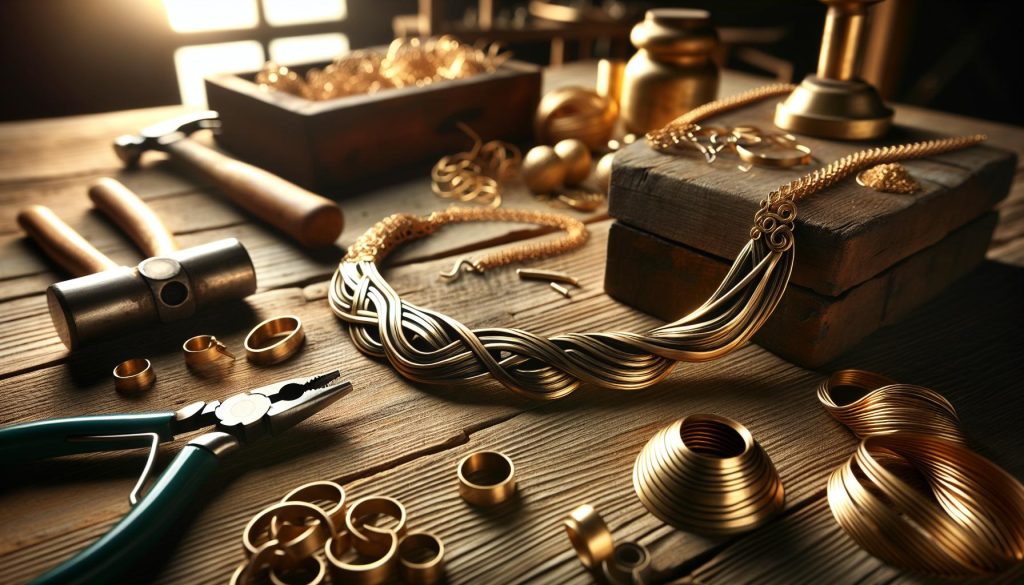
- Jewellery Making Tools: Basic tools such as pliers, wire cutters, and a hammer will be very useful.
- Metal Stamps or Beads: These can add unique touches to your creations.
- Safety Gear: Don’t forget to wear safety goggles and a dust mask when cutting or filing metal.
Experimenting and evolving your skills while working with brass can lead to beautiful pieces that reflect your style and story. Remember, practice makes perfect and every misstep is just part of the creative process. Embrace the imperfections and let your imagination guide your crafting journey!
Storage Solutions for Brass Jewellery
Brass jewellery can be a beautiful addition to your collection, but proper storage is essential to maintain its luster and prevent tarnishing. Due to its copper content, brass is prone to oxidation, which can lead to a dull appearance over time. To keep your pieces looking their best, consider the following effective storage solutions that will prolong the life of your brass jewellery.
Utilizing anti-tarnish bags or cloths is one of the simplest methods to protect your brass pieces. These materials are designed to absorb moisture and contain anti-oxidizing agents, reducing the risk of tarnishing. Alternatively, wrapping each piece in a soft, lint-free cloth can offer a personal touch while providing the same protective benefits.
Another effective strategy is to store your jewellery in a dry, cool environment . Avoid storing brass items in areas with high humidity, such as bathrooms. Instead, consider using decorative boxes or jewellery organizers lined with anti-tarnish fabric. These not only keep your pieces organized but also create a visually appealing display.
Lastly, remember to separate your brass jewellery from other metals to prevent scratching and that unwanted chemical reactions. Using designated compartments or folding trays can keep your collection organized and in pristine condition. By implementing these storage tips, you’ll not only protect your investments but also make dressing up a delightful experience, with your brass treasures ready to shine.
Starting a Jewellery Business: The Brass Advantage
Starting a jewellery business can be both exciting and profitable, especially when choosing materials that balance quality, affordability, and design flexibility. Brass stands out as an excellent choice, offering unique advantages that appeal to aspiring jewellery makers and entrepreneurs alike. The allure of brass jewellery transcends its aesthetic appeal; this metal can serve as a canvas for creativity while maintaining cost-effectiveness, making it ideal for both handmade pieces and larger production runs.
One of the key benefits of using brass is its versatility in design. Brass can be easily shaped and embellished, allowing artisans to experiment with various styles, from intricate filigree to bold geometric shapes. As a relatively low-cost material, manufacturers can produce pieces without the hefty price tag associated with precious metals like gold or silver. This affordability opens the door for a wider range of customers and price points, catering to both budget-conscious buyers and those looking for unique statement pieces.
When embarking on this venture, consider your target market. Brass’s warm tones and unique patina can attract a wide spectrum of consumers who are seeking trendy, artisanal jewellery without breaking the bank. Emphasizing sustainable practices, such as sourcing recycled brass, can also appeal to environmentally conscious customers. Marketing your pieces not only as fashionable accessories but also as eco-friendly choices can significantly enhance your brand’s appeal.
However, starting a business also means understanding your materials. Consumer education is vital; many potential buyers might wonder about brass’s durability or hypoallergenic properties. Offer insights on how to care for brass jewellery, such as cleaning methods and tarnish prevention tips, to build trust and engage with your audience. This approach not only improves customer satisfaction but also establishes you as a knowledgeable creator in the jewellery community.
In summary, brass represents both a practical and stylish choice for any jewellery business. By leveraging its unique properties and understanding consumer preferences, you can create a successful and meaningful brand in the vibrant world of jewellery. Whether you’re crafting one-of-a-kind pieces or exploring larger-scale production, the potential for innovation with brass is boundless.
Q&A
Q: What are the advantages of using brass for jewellery?
A: Brass is an affordable metal that mimics the appearance of gold, making it ideal for budget-friendly jewellery designs. It is also durable and malleable, allowing for intricate designs and long-lasting wear. For more details, see our section on the Benefits of Using Brass in Jewellery.
Q: Is brass jewellery safe for sensitive skin?
A: Brass can cause allergic reactions in some individuals due to its copper content. It’s advisable to choose brass jewellery that is coated or plated to minimize skin irritation. Explore our Common Concerns section for more about hypoallergenic options.
Q: How can I prevent my brass jewellery from tarnishing?
A: To prevent tarnishing, store brass jewellery in a cool, dry place and use anti-tarnish pouches or cloths. Regular cleaning with a mild soap solution can also help maintain its shine. Check our How to Clean and Maintain Brass Jewellery for more tips.
Q: What is the difference between brass and gold jewellery?
A: Brass is an alloy of copper and zinc, making it more affordable and less durable than gold. Unlike gold, brass may tarnish over time but offers a similar aesthetic at a lower cost. For a detailed comparison, refer to our Brass vs Gold section.
Q: Is brass jewellery a sustainable option?
A: Brass can be considered sustainable due to its recyclability. Choosing sustainably sourced brass and supporting eco-friendly brands can enhance its environmental benefits. Learn more about using materials responsibly in our article on Identifying Quality Brass.
Q: Can I DIY brass jewellery at home?
A: Yes, DIY brass jewellery is popular due to its workability. You can create unique pieces using tools like pliers and cutting machines. For project ideas, check our DIY Brass Jewellery Projects for Beginners section.
Q: How should I store my brass jewellery?
A: Store brass jewellery in acid-free tissue paper or cloth to minimize exposure to air and moisture. Using jewellery boxes with silica gel packets can also help prevent tarnishing. Discover more storage solutions in our Storage Solutions section.
Q: How often should I clean my brass jewellery?
A: It’s recommended to clean brass jewellery every few weeks, especially if worn frequently. Regular maintenance prevents tarnish buildup and keeps your pieces looking vibrant. See our guide on How to Clean and Maintain Brass Jewellery for detailed instructions.
In Summary
As you explore the charming world of brass jewelry, remember the key benefits this versatile metal offers-durability, affordability, and an endless array of design possibilities. If you’re considering brass for your next jewelry piece, don’t hesitate! Dive into our comprehensive guides on jewelry care and maintenance, ensuring your brass items shine for years to come. For more inspired content, check out our tutorials on jewelry cleaning and styling tips to elevate your collection.
Still curious about other metals or craftsmanship techniques? Explore our articles on the best materials for jewelry making and how to start your own jewelry shop. We encourage you to share your thoughts or experiences in the comments below and connect with other jewelry lovers in our community. Don’t forget to sign up for our newsletter to stay updated on the latest trends, tips, and exclusive offers that will enhance your jewelry journey. Your perfect piece awaits!
Expert Guide & Insights: Is Brass Bad For Jewellry
When exploring is brass bad for jewellry, consumers, collectors, and fashion enthusiasts frequently encounter conflicting advice regarding material composition, wearability, authenticity verification, and long-term maintenance. In this specialized guide section, we provide an expert breakdown of key considerations, care recommendations, and practical solutions.
| Key Consideration | Primary Mechanism / Feature | Recommended Action | Value / Durability Impact |
|---|---|---|---|
| Material Integrity & Alloys | Purity standards (925 silver, 14k/18k gold, titanium, acrylic polymers) | Check official hallmark stamps and certificates before purchase | ★★★★★ High durability & heirloom retention |
| Daily Wear & Environmental Factors | Exposure to moisture, sulfur, sweat, perfume, and abrasive friction | Remove accessories before swimming, heavy workouts, or applying cosmetics | ★★★★☆ Prevents tarnish, chipping, and fading |
| Long-Term Storage & Cleaning | Atmospheric oxidation and chemical exposure over time | Store in airtight zip pouches with silica desiccant; polish with soft cloth | ★★★★★ Restores original mirror luster |
Frequently Asked Questions: Is Brass Bad For Jewellry
What should I know about is brass bad for jewellry?
Detailed examination reveals that addressing is brass bad for jewellry depends on proper handling, choosing hypoallergenic materials, and adhering to routine cleaning protocols.
How can I preserve the quality and appearance of my pieces?
Always store items individually to prevent scratch contact, avoid harsh chemical detergents or chlorine pools, and use specialized polishing cloths designed for precious metals and acrylics.
Get our latest guides, news, and insights highlighted in your Google Search & AI Overviews.