Creating professional jewelry displays often involves the artful use of acrylic, a material that combines beauty with versatility. Did you know that the right adhesive can make all the difference in the durability and appearance of your designs? Whether you’re a seasoned jeweler or a beginner, mastering how to glue acrylic together is essential for achieving stunning, seamless displays that capture attention. This guide will walk you through the best practices and methods for bonding acrylic, addressing common concerns and empowering you to elevate your jewelry presentation. Get ready to explore tips that will enhance both your craft and your confidence, ensuring your displays shine with professionalism.
Choosing the Right Acrylic for Jewelry Displays
Choosing the right acrylic is pivotal for creating stunning jewelry displays that not only showcase your pieces beautifully but also enhance their durability. Acrylic comes in various types, each suited for different display needs. When selecting acrylic, consider factors like thickness, clarity, and UV resistance. For jewelry displays, opt for cast acrylic, known for its superior optical clarity and ability to resist yellowing over time, ensuring that your displays maintain their aesthetic appeal for years.
Another critical aspect is the thickness of the acrylic. Thicker acrylic provides added strength and stability, which is particularly important for larger or heavier pieces. Generally, a thickness of 1/4 inch to 1/2 inch is ideal for jewelry displays, striking a balance between sturdiness and elegance. Additionally, textured or frosted acrylics can add a unique visual element and minimize fingerprint visibility, keeping your displays looking pristine.
Lastly, consider the color and customization options. Clear acrylic is timeless and versatile, while colored or mirrored options can create a dramatic impact. Some suppliers allow for personalized cuts and engravings, giving you the flexibility to tailor your displays to the style of your jewelry line. By choosing the right type of acrylic, you’ll not only create an eye-catching display but also set the stage for your jewelry to shine.
For a successful project, it’s crucial to balance functionality and aesthetics in your choice of acrylic, ensuring that the displays complement and enhance your jewelry’s unique beauty.
Essential Tools for Gluing Acrylic Together
When embarking on the journey of gluing acrylic for jewelry displays, having the right tools at your disposal can make all the difference in achieving a clean, professional finish. A well-prepared toolkit not only simplifies the gluing process but also enhances the overall quality of your displays. Here are the essential tools you need to gather:
- Acrylic Adhesive: Select a high-quality acrylic adhesive specifically designed for bonding acrylic materials. Solvent-based adhesives are great for creating strong bonds, while cyanoacrylate (super glue) is ideal for quick fixes.
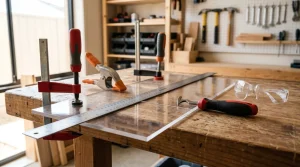
- Clamps: To ensure a perfect bond, use clamps to hold the acrylic pieces together while the adhesive cures. This helps prevent gaps and misalignments.
- Precision Applicators: Use a syringe or precision applicator bottle for controlled adhesive application. This minimizes mess and ensures the glue is placed exactly where needed.
- Masking Tape: This handy tool can help position your pieces accurately before gluing, as well as contain any adhesive overflow and protect surrounding areas.
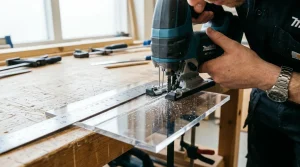
- Cutter or Saw: For precise cuts and fitting of your acrylic pieces, a fine-toothed saw or acrylic cutter will be essential. Clean edges contribute to seamless assemblies.
- Ruler and Square: Measuring and aligning your pieces accurately is crucial. A ruler, along with a right-angle square, will ensure your items are symmetrically aligned.
- Safety Gear: Depending on the adhesive used, consider wearing gloves and safety goggles to protect yourself from fumes and any potential spills.
As you gather these tools, remember that preparation is key. Clean all surfaces where adhesive will be applied to remove any dust, grease, or fingerprints. Taking the time to set up your workspace efficiently will enable you to work quickly and confidently, paving the way for stunning, durable acrylic displays that showcase your jewelry beautifully.
Step-by-Step Guide to Gluing Acrylic
Gluing acrylic for your jewelry displays can be both an art and a science, leading to stunning showcases when done correctly. By following a methodical approach, you can ensure strong bonds that are both clear and aesthetically pleasing. Here’s a straightforward guide to help you through the process.
Begin by preparing your acrylic pieces. Ensure that all surfaces to be glued are clean and free of dust, grease, or fingerprints, as any contaminants can hinder adhesion. You can use isopropyl alcohol and a lint-free cloth for this purpose. Once cleaned, lay your pieces out to visualize the final assembly. This step is crucial for ensuring everything aligns properly before you commit to gluing.
When you’re ready to apply the adhesive, choose a suitable acrylic adhesive based on the thickness and type of acrylic you are using. Use a precision applicator to apply a thin, even layer of glue to one of the edges. Avoid applying too much glue; excess can lead to unsightly overflow and clarity issues. After applying the adhesive, carefully press the two acrylic pieces together and hold them in place. Clamps can be beneficial here; they will keep the pieces tightly secured without slipping during the curing process.
Next, give the adhesive time to cure as recommended by the manufacturer, usually a few hours for initial set and up to 24 hours for full strength. During this time, avoid disturbing the assembly to prevent misalignment. Once cured, inspect the joint for clarity and cohesion. If desired, you can sand any rough edges or excess adhesive gently with fine-grit sandpaper to achieve a smooth finish, rounding off edges if necessary to enhance the professional look of your displays.
This systematic approach not only simplifies the gluing process but also enhances your project’s overall quality, ensuring that your jewelry is showcased beautifully and securely. Happy crafting!
Tips for Achieving a Professional Finish
Creating a professional finish when gluing acrylic for jewelry displays not only elevates the aesthetics but also enhances the durability of your creations. Achieving that coveted polished look involves attention to detail and a few essential techniques. First and foremost, invest time in meticulously preparing your acrylic pieces before you apply any adhesive. Proper cleaning is crucial; use isopropyl alcohol and a lint-free cloth to eliminate dust, oils, and fingerprints. These contaminants can severely weaken the bond and affect clarity, so don’t rush this step.
After cleaning, consider the arrangement of your display components. Laying out the pieces in their final positions allows you to visualize the end result and make adjustments before the adhesive sets. When it comes to the actual gluing process, opt for a precision applicator for your adhesive. This tool enables you to apply the glue in a controlled manner, ensuring you only use the amount necessary to create a strong bond while avoiding overflow. Remember, less is often more; too much adhesive can cause haziness and detract from the clean lines of your design.
Once you have applied the adhesive and assembled your pieces, securing them correctly for curing is critical. Use clamps or weights to hold the pieces firmly together, maintaining alignment and preventing any slippage. During this curing phase, resist the temptation to move or adjust the assembly. Patience pays off-letting the adhesive cure fully will ensure a robust and invisible bond. After curing, inspect your joints carefully; if you notice any rough edges or excess adhesive, lightly sand them down for a smooth finish that enhances your acrylic display’s professionalism.
Finally, consider adding a protective finish to the surfaces of your acrylic displays. A micro-fiber cloth can help buff the surfaces to a glossy shine, maximizing clarity and giving your creations a store-quality appearance. This attention to detail not only showcases your jewelry beautifully but also signals to customers that you value quality craftsmanship.
Common Mistakes to Avoid When Gluing
Creating stunning acrylic displays for your jewelry can be a fulfilling venture, but it’s important to avoid common pitfalls that may hinder your project. One of the most prevalent mistakes occurs during the cleaning process. Not thoroughly cleaning the acrylic pieces can lead to poor adhesion and visible imperfections in the final product. Dust, fingerprints, and oils drastically reduce the effectiveness of your adhesive, so always remember to use isopropyl alcohol with a lint-free cloth to achieve a pristine surface before gluing.
Additionally, many crafters underestimate the importance of allowing adequate curing time for adhesives. Rushing this process can tempt you to manipulate or adjust the display, causing misalignment or weak joints. It’s crucial to leave the glued pieces undisturbed for the period specified by the adhesive manufacturer to ensure a strong bond. Moreover, using clamps or weights can help maintain the proper alignment during this phase, preventing any shifting that could compromise the display’s integrity.
Another frequent error is overusing adhesive. While it might seem intuitive to apply a generous amount of glue, this often results in excess that seeps out from the joints and creates hazy spots. A precision applicator is invaluable here, allowing for controlled application. Aim for minimal coverage to secure a clean bond-remember, less is more. After gluing, inspect your joints for any overflow, and if necessary, wait until the adhesive has fully cured before carefully sanding away any excess.
Finally, it’s essential to consider the compatibility of different acrylic adhesives with the specific type of acrylic you’re using. Failing to choose the right adhesive can lead to weak joints or even damage the material. Familiarizing yourself with the properties of your chosen acrylic and the recommended adhesives ensures a strong, lasting bond. By avoiding these common mistakes, you can elevate your acrylic jewelry displays to a professional level, ensuring they are both beautiful and durable.
How to Sand and Prepare Acrylic Edges
Getting smooth, clean edges on your acrylic pieces is crucial for creating visually appealing jewelry displays. When acrylic edges are rough or uneven, they can detract from the overall look of your display and can lead to problems when gluing. Taking the time to sand and prepare your acrylic edges not only ensures a better bond but also contributes to a more professional finish.
Start by gathering the necessary tools: a fine-toothed saw for cutting, medium and fine-grit sandpaper, and optionally a sanding block for better control. Begin with medium-grit sandpaper (around 120-220 grit) to remove any major imperfections and shape the edges. Use long, sweeping motions to maintain even rounding along the edges. After the initial sanding, switch to fine-grit sandpaper (around 320-400 grit) to smooth out the surface further. Repeat the sanding process until you achieve a polished edge that feels smooth to the touch.
It’s also essential to consider the final finish of the edges; for a truly professional look, you may choose to apply an acrylic polishing solution. This can enhance clarity and create a glossy surface that complements your jewelry beautifully. After sanding, gently clean your pieces with a soft cloth to remove any dust particles before moving on to the gluing stage. By investing a little time in sanding and preparing your acrylic edges, you lay the foundation for a stunning display that showcases your jewelry to its fullest potential.
Best Adhesives for Acrylic Jewelry Displays
When it comes to creating stunning acrylic jewelry displays, the right adhesive can make all the difference. Selecting a strong, clear adhesive not only ensures a solid bond but also maintains the sleek aesthetics of your display. There are several types of adhesives that work exceptionally well with acrylic, each offering unique benefits depending on your project’s needs.
Popular Adhesives for Acrylic
- Two-Part Epoxy: This adhesive provides exceptional strength and durability. It’s ideal for heavy-duty applications, offering resistance to moisture and temperature changes. When mixed correctly, it creates a crystal-clear bond that can withstand the test of time.
- Acrylic Cement: Specifically designed for bonding acrylic, this solvent-based adhesive melts the surfaces of the acrylic for a seamless bond. It’s perfect for creating invisible joints, giving your display a clean look. Brands like Weld-On are popular and widely used in professional settings.
- Super Glue and Cyanoacrylate Adhesives: These are great for quick fixes and small projects. While they provide a strong bond almost instantly, they may not be as durable as epoxy or acrylic cement for larger pieces. They are best used for minor repairs or smaller items where a fast bond is required.
- Urethane Adhesives: Known for their flexibility and impact resistance, urethane adhesives are excellent for applications that require a bit of give. They are particularly useful if your display needs to withstand vibrations or impacts.
- Clear Silicone: While not as strong as other options, clear silicone can be useful for applications where a degree of flexibility or waterproofing is needed. It’s perfect for displays that might be exposed to moisture or humidity.
Key Considerations
When choosing an adhesive, consider factors such as the weight of your acrylic pieces, the environment in which the display will be used, and the desired final appearance. Always ensure that the adhesive you select is suitable for clear applications to maintain the aesthetics of your jewelry display. Don’t forget to read the manufacturer’s instructions for application and curing times to achieve the best results.
Having the right adhesive can elevate your crafts, ensuring that your acrylic displays are not only durable but also visually appealing. Take the time to choose wisely, and your efforts will pay off in beautifully finished pieces that showcase your jewelry brilliantly.
Creative Techniques for Joining Acrylic Pieces
To elevate your acrylic jewelry displays from simple arrangements to stunning showcases, employing can make a significant difference. For instance, consider using angled joints to create dimension. By cutting the acrylic at 45-degree angles before joining, you can form a seamless, contemporary look that enhances the overall design. This technique allows light to filter through the edges, creating a beautiful glow that highlights your jewelry beautifully.
Another innovative method involves layering different acrylic colors or transparencies. By combining transparent and opaque pieces, you can create intriguing contrasts and depth. This technique not only adds visual interest but also allows you to customize your display to match specific themes or color palettes. When using this approach, be sure to use an appropriate adhesive that can accommodate the different materials seamlessly, such as acrylic cement, which is designed for clear bonding between varied acrylic types.
For those looking to explore a more advanced technique, consider using metal fasteners or brackets in conjunction with glued joints. This hybrid method not only offers extra strength and stability, especially for larger displays, but also introduces an industrial aesthetic that can be quite appealing. When you use metal accents, be mindful of their placement so that they complement the sleekness of the acrylic rather than detract from it.
Lastly, don’t overlook the potential of incorporating LED lighting into your displays. By hollowing out sections of your acrylic and inserting lights, you can create a breathtaking backlit effect. This not only highlights your jewelry but also adds a touch of sophistication and allure. Use a clear silicone adhesive to securely mount the lighting components, ensuring a clean, professional finish.
Remember, the key is to experiment and find techniques that resonate with your style while accentuating the jewelry pieces you wish to showcase. Embrace your creativity, and don’t hesitate to combine different methods to achieve that sought-after, polished look in your acrylic displays.
Maintaining and Caring for Your Acrylic Displays
Maintaining the clarity and beauty of your acrylic displays is essential for ensuring that your jewelry shines as bright as it can. Acrylic is a fabulous medium for showcasing your creations, but it requires some careful handling to keep it looking pristine and professional. It can accumulate dust, fingerprints, and even scratches over time, so implementing a regular maintenance routine will not only enhance its appearance but also prolong its lifespan.
To keep your acrylic displays sparkling clean, start with gentle cleaning methods. Use a soft microfiber cloth dampened with a mild soap solution to wipe down the surface. Avoid using paper towels or rough fabrics, as these can scratch the acrylic. For tougher stains, a specialized acrylic cleaner can be employed, but steer clear of solvents or ammonia-based products that may cause damage.
Regularly inspect your displays for any signs of wear or scratches. If you notice minor scratches, they can often be buffed out with a fine polishing compound specifically designed for acrylic. For deeper scratches or damages, consider sanding lightly with a fine-grit sandpaper, followed by polishing with a soft cloth to restore its shine. It’s crucial to handle these steps delicately to avoid further damage.
Lastly, consider how you store and display your acrylic pieces. Ensure that they are kept in a cool, dry place away from direct sunlight, which can cause discoloration and warping. When storing, avoid stacking heavy objects on top of your acrylic displays to prevent them from bending or breaking. If you are moving your displays, wrap them in soft fabric to protect them from scratches and impacts. With careful attention and a little routine upkeep, your acrylic displays can remain vibrant and inviting, perfectly enhancing the beauty of your jewelry collection.
Innovative Design Ideas for Acrylic Jewelry
Acrylic jewelry displays offer a versatile canvas for showcasing your creations, allowing for innovative design ideas that can elevate your overall presentation. By leveraging the clear, sleek nature of acrylic, you can create eye-catching arrangements that not only protect your jewelry but also enhance its visual appeal. One unique approach involves integrating lighting into your display; using LED strips or small spotlights can draw attention to specific pieces while creating a warm ambiance, making the jewelry more inviting to potential customers.
To further customize your displays, consider incorporating themed backdrops or colored bases. For example, a minimalist base can provide a stark contrast to more elaborate jewelry pieces, emphasizing their intricate details. Alternatively, using monochromatic or complementary colors can unify a collection visually. Mixing different acrylic shapes and heights in your display arrangement can also provide dynamic visual interest. Layering smaller stands on a larger base can create additional depth, making each piece stand out while also showcasing the entire collection cohesively.
Repurposing and Upcycling Techniques
Repurposing is another creative way to design acrylic displays. For instance, utilizing leftover acrylic scraps can lead to the creation of unique stand shapes or decorative elements. This not only minimizes waste but also allows for endless creativity in design. Simple items like acrylic sheets can be transformed into elegant stands, while smaller pieces can be fashioned into hooks for earrings or pendants. Adding a personal touch, such as engraving or etching designs onto the acrylic, can also enhance the uniqueness of your displays, making them signature pieces in your jewelry setup.
Ultimately, the key to innovative acrylic displays lies in experimentation. Combining various techniques, materials, and elements, such as painting, layering, and lighting, can help bring a fresh perspective to your jewelry presentation. Don’t hesitate to challenge conventional layouts; every new idea could lead to a more engaging and visually stunning showcase worthy of your exquisite jewelry collection.
Troubleshooting Adhesion Issues
Achieving a strong bond when gluing acrylic is essential for creating professional jewelry displays, yet adhesion issues can sometimes arise, frustrating even the most seasoned crafters. One of the most common problems is insufficient surface preparation. Acrylic surfaces must be clean and free from dust, oils, or fingerprints prior to applying adhesive. A gentle wash with soap and water followed by a rinse and thorough drying can effectively prepare the surfaces for bonding. Using isopropyl alcohol on a lint-free cloth can also ensure a spotless finish, maximizing adhesion potential.
Another frequent challenge involves the type of adhesive used. Not all adhesives are appropriate for acrylic; some may not cure fully or could cause clouding. For optimal results, consider using adhesives specifically formulated for acrylics, such as methylene chloride or cyanoacrylate. These options create a chemical bond that is often stronger than the acrylic itself. When applying adhesive, be mindful of the amount; using too much can lead to messy joints, while too little can result in weak bonds. A controlled application with a precision tip can help maintain cleanliness.
In situations where the pieces do not align correctly after applying adhesive, it’s often tempting to reposition before the glue has set. This can lead to weak joints or even damage to the acrylic. Allow the adhesive to set undisturbed as per the manufacturer’s recommendations. If alignment is a concern, use clamps or fixtures to hold the pieces in the correct position while the adhesive cures.
Finally, address any visible irregularities in the bond after curing. If you find that there are gaps or rough edges, consider using acrylic solvent to fill in imperfections, followed by careful sanding or polishing to create a smoother finish. Tools like a rotary tool with specialized bits can also ensure a more refined look. Regular care and maintenance of your displays will not only preserve their aesthetic quality but also the integrity of the adhesive work you’ve put into them.
Alternatives to Gluing Acrylic for Displays
Exploring innovative ways to construct acrylic displays can open a world of creativity and functionality, often eliminating the need for adhesives entirely. Various techniques can be applied to assemble acrylic pieces securely while maintaining the aesthetic appeal of your jewelry displays. This not only enhances structural integrity but can also provide a more polished, professional look.
One of the most versatile methods is utilizing snap-fit designs. This technique involves crafting edges that interlock, allowing acrylic components to simply snap together without the need for glue. This approach not only simplifies assembly but also facilitates easy disassembly for cleaning or modification. A well-designed snap-fit joint can be aesthetically pleasing and provide robust support for the jewelry being displayed.
Another effective alternative is to use mechanical fasteners such as screws, bolts, or dowels. This method allows for strong connections between acrylic parts without compromising the clarity of the material. You can drill precise holes into the acrylic, using specially designed drill bits made for plastic, ensuring a clean result. When placed thoughtfully, these fasteners can even add an industrial or contemporary flair to your display, enhancing its overall design.
Also, consider using acrylic sheet connectors or brackets, which are available in various styles and materials. These components can secure panels or shapes together while maintaining a clean look. They typically provide a subtle design element that can complement the jewelry showcased, making them an excellent choice for retailers aiming for a sophisticated display appearance.
Finally, employing magnetic connections presents a unique and modern solution for attaching acrylic pieces. Magnets embedded in the edges of the acrylic can hold components together while still allowing for easy reconfiguration and transportation. This feature is particularly appealing for boutiques or events where displays may need to change frequently or be transported with ease.
By integrating these techniques into your display design, you can achieve functional and visually striking jewelry presentations. Each method offers distinct advantages, allowing you to choose the best fit for your aesthetic, practical needs, and the nature of the jewelry being showcased. Embrace the opportunity to build your displays in creative and engaging ways that resonate with the unique personality of your collection.
Faq
Q: What type of glue works best for acrylic jewelry displays?
A: The best glue for acrylic jewelry displays is a solvent-based adhesive designed specifically for acrylic, like Weld-On 16 or acrylic cement. These adhesives create a strong bond by fusing the acrylic pieces together. Always apply in a well-ventilated area for safety.
Q: How do I prevent bubbles when gluing acrylic?
A: To prevent bubbles, ensure the surfaces are clean and dust-free before gluing. Apply adhesive slowly and use pressure to avoid trapping air. Additionally, consider using a clamp to hold the pieces together without shifting during the curing process.
Q: Can I use super glue for acrylic displays?
A: While super glue (cyanoacrylate) can be used for small repairs, it doesn’t create a bond strong enough for larger acrylic displays. For professional results, it’s better to use specialized acrylic adhesives as mentioned in the “Best Adhesives for Acrylic Jewelry Displays” section.
Q: How long does it take for acrylic glue to dry?
A: Acrylic glue typically takes about 24 hours to fully cure, although initial bonding can occur in just a few minutes. Refer to the manufacturer’s instructions for specific drying times and conditions to ensure optimal results.
Q: What should I do if my acrylic pieces don’t stick?
A: If acrylic pieces don’t stick, check for surface contamination or improper adhesive application. Clean the surfaces with isopropyl alcohol and ensure you are using the right type of adhesive. For detailed troubleshooting, refer to the “Troubleshooting Adhesion Issues” section in our article.
Q: Is it necessary to sand acrylic edges before gluing?
A: Yes, sanding acrylic edges before gluing is recommended. It creates a rough surface for better adhesion. Use fine-grit sandpaper and clean the dust off before applying the adhesive to ensure a smooth bond.
Q: How can I ensure a clear finish when gluing acrylic pieces?
A: To achieve a clear finish, choose an adhesive specifically designed for acrylic that dries clear. Apply thin, even layers and avoid excess glue, which can lead to cloudiness. Following the “Tips for Achieving a Professional Finish” section can also help.
Q: Can I re-position acrylic pieces after gluing?
A: Once acrylic adhesive begins to cure, repositioning is not advisable as it could weaken the bond. For adjustments, consider working quickly and using clamps to hold pieces in place during the initial setting time mentioned in the “Step-by-Step Guide to Gluing Acrylic.”
In Retrospect
Now that you’ve mastered how to glue acrylic together for your professional jewelry displays, it’s time to put your skills into action. Remember, using the right adhesive not only enhances the presentation of your jewelry but also ensures long-lasting quality and durability. If you have any lingering questions or concerns about the process, don’t hesitate to check out our guides on jewelry care and DIY projects to further boost your crafting confidence.
To dive deeper, consider exploring our articles on the best storage tips for acrylic jewelry displays or how to clean and maintain your acrylic pieces. Whether you’re looking to enhance your display techniques or start your own jewelry business, we have the resources to support your journey.
Don’t forget to subscribe to our newsletter for the latest tips and trends in jewelry design, and feel free to share your creations or ask questions in the comments below. Your feedback is valuable to us, and we’re here to help you shine your brightest!
Get our latest guides, news, and insights highlighted in your Google Search & AI Overviews.