Zinc jewelry is a stylish and affordable option, but many wearers overlook an important question: does it tarnish? Like other metals, zinc alloys can indeed change color and tarnish over time, which can affect the look of your favorite pieces and cause frustration. Understanding why this happens and how to properly care for your zinc jewelry is essential for maintaining its beauty and durability. This article will explore the durability of zinc jewelry, offering valuable tips for preventing tarnishing and ensuring long-lasting wear. Join us as we delve into the nuances of zinc alloy jewelry care, helping you keep your accessories looking fresh and vibrant.
Does Zinc Jewellery Tarnish? Understanding Metal Corrosion
Zinc jewellery is somewhat of a hidden gem in the accessory world. While it may not have the same glint as sterling silver or the classic appeal of gold, its unique properties and affordability make it a popular choice. One common concern for anyone considering or already owning zinc jewellery is its tendency to tarnish. Understanding why this happens is vital for maintaining the beauty and longevity of your pieces.
Tarnishing primarily occurs due to a chemical reaction between zinc and factors like moisture and air. Over time, zinc can corrode, forming a dull film of zinc oxide, particularly when exposed to humid conditions or harsh environments. This process happens more slowly compared to metals like copper or silver, yet it still requires attention. Regular maintenance can help mitigate tarnishing, ensuring your zinc jewellery remains vibrant and appealing.
To keep zinc jewellery looking its best, it’s important to recognize that this metal can indeed tarnish but does so in a less pronounced manner than many other alloys. If you notice a change in your jewellery’s appearance, it’s typically the result of environmental exposure rather than inherent flaws in the metal itself. By understanding these nuances, you can make informed choices about how to care for your jewellery, ultimately extending its life and preserving its shine.
What Causes Zinc Jewellery to Tarnish?
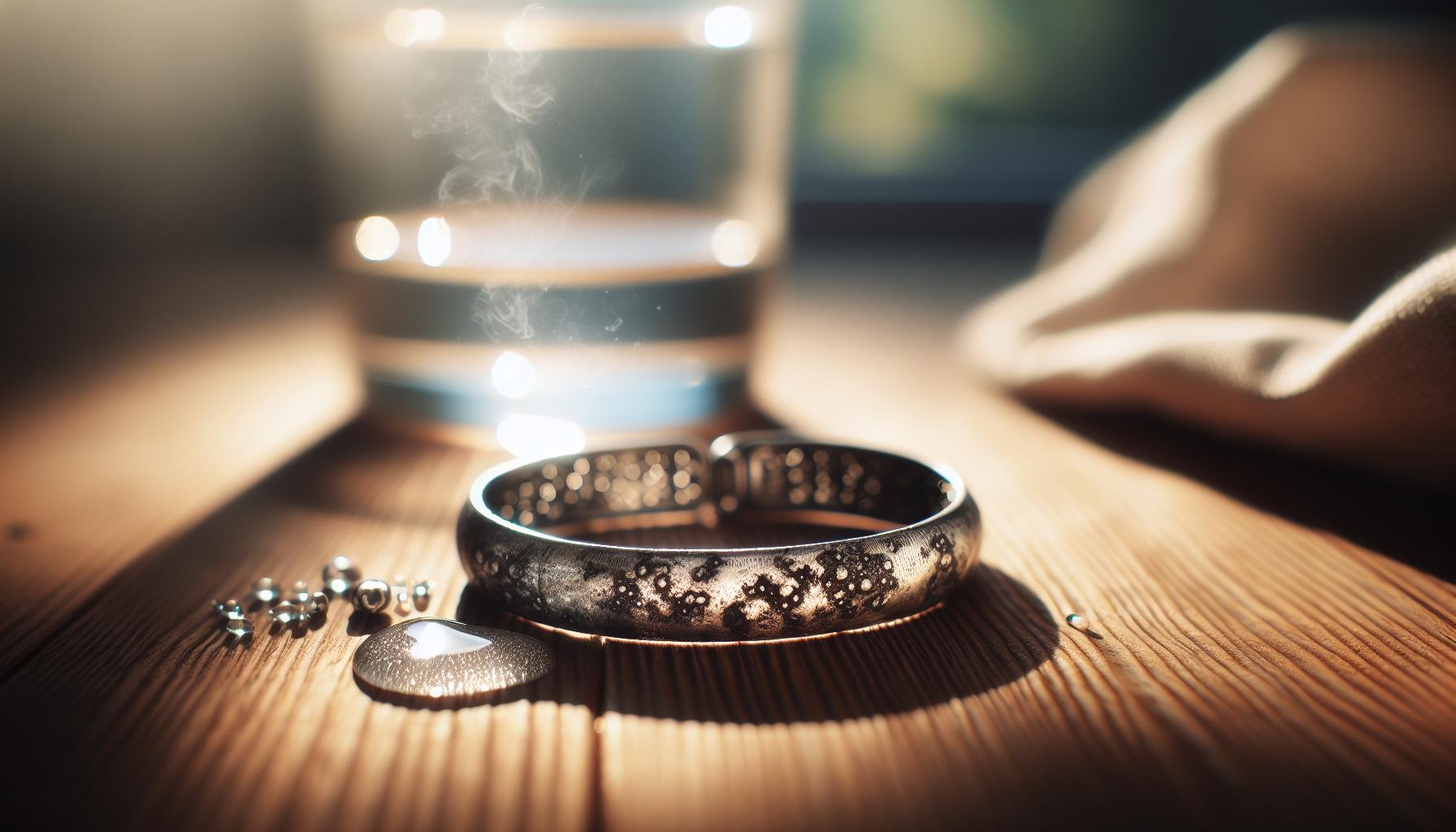
Zinc jewellery’s allure lies in its unique combination of affordability and style, but understanding what causes it to tarnish is essential for maintaining that charm. The primary factor in the tarnishing of zinc is its susceptibility to corrosion when exposed to environmental elements such as air and moisture. This chemical reaction leads to the formation of zinc oxide, a dull and often unattractive film that can diminish the jewellery’s luster over time. While this tarnishing process is more gradual compared to metals like copper and silver, it is nonetheless inevitable if the jewellery is not cared for properly.
Moisture plays a critical role in tarnishing zinc items. When zinc comes into contact with water, especially when combined with sweat or humidity, it accelerates the corrosion process. Furthermore, exposure to air pollutants such as sulfur and chloride found in sweat, cosmetics, or even certain foods can exacerbate this effect. As zinc alloy typically contains a mix of metals, variations in alloy composition can also influence the rate of tarnishing. Therefore, those who wear zinc jewellery should be mindful of these factors to preserve their pieces.
To combat tarnishing, regular cleaning and protective measures are key. Using gentle solutions, such as warm water and mild soap, can help remove harmful residues that contribute to tarnishing. Additionally, applying a protective wax or clear sealant can create a barrier against moisture and air, prolonging the life of your jewellery. By taking these proactive steps, wearers can enjoy the distinct style of zinc jewellery while minimizing the impact of tarnish. Regular maintenance not only enhances the appearance of the pieces but also ensures they are cherished for years to come.
Signs of Tarnish on Zinc Pieces
Recognizing the signs of tarnish on zinc jewellery is essential for maintaining its charm and luster. While zinc tarnishing occurs more gradually than with metals like silver or copper, being observant can save your favourite pieces from permanent dullness. Look out for the following indicators that your zinc jewellery may be experiencing tarnishing:
- Dull Appearance: A noticeable shift from a shiny finish to a lackluster surface is one of the first signs of tarnishing. Zinc often dulls from its original brightness, indicating the formation of zinc oxide on its surface.
- Discoloration: Zinc jewellery may develop yellow or white patches, which are often remnants of zinc oxide. These patches can appear unevenly across the piece, especially in areas where it has come into contact with sweat or moisture.
- Texture Changes: In addition to the visual signs, you may notice a change in texture. A once-smooth surface can feel rough or chalky due to the build-up of corrosion products, which can diminish the overall aesthetic and feel of the jewellery.
- Staining: Over time, you might observe darker stains or spots on your zinc pieces that were not initially present. These stains can result from prolonged exposure to environmental pollutants or skin products.
To prolong the life of your zinc jewellery and keep it looking fresh, inspect your pieces regularly. If you identify any of these signs, it could be time to clean and restore their shine. With proper care and maintenance, you can ensure that your zinc pieces retain their appeal for years to come.
The Impact of Environment on Zinc Jewellery Lifespan
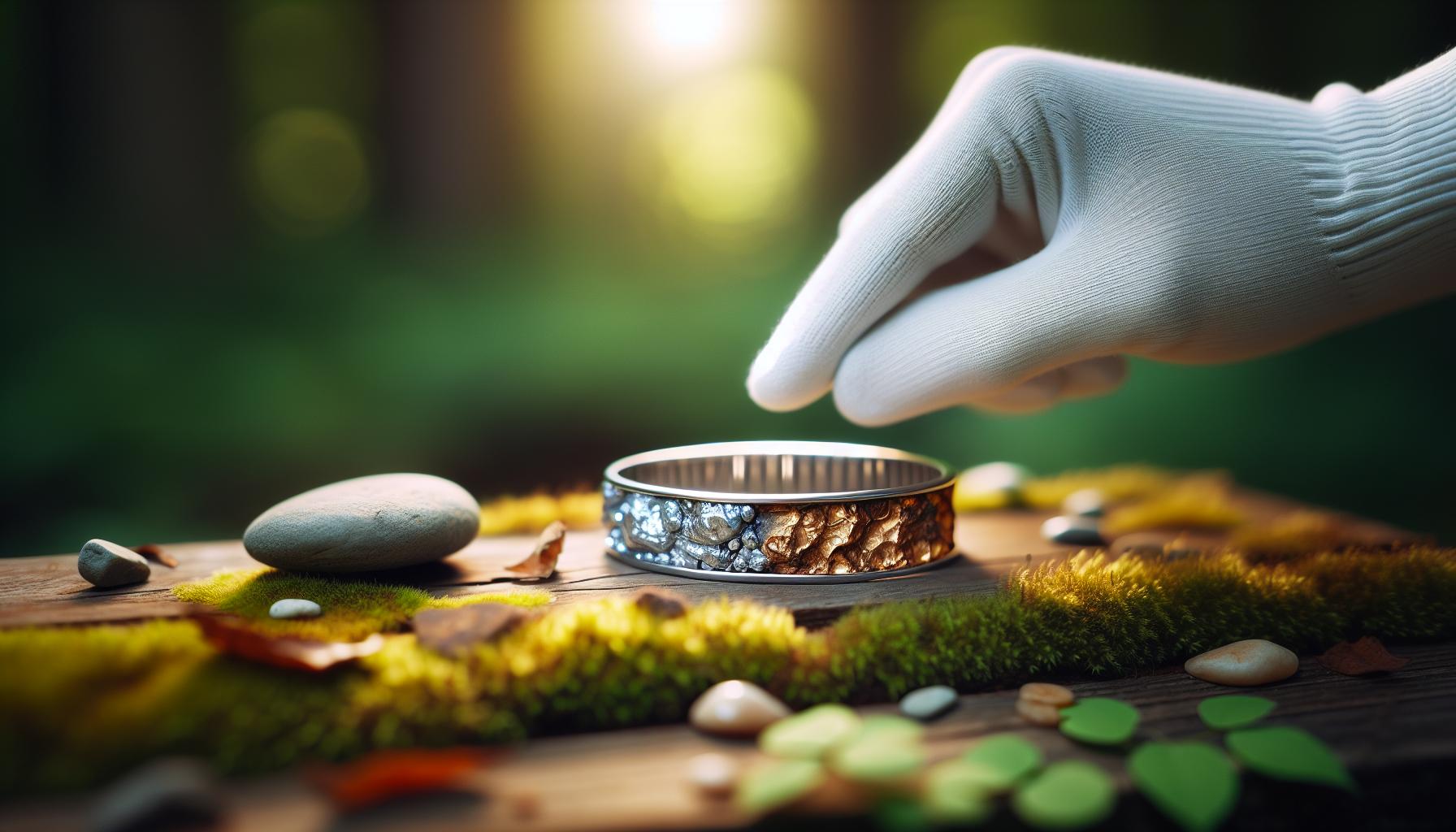
Exposure to environmental factors can significantly affect the lifespan and appearance of zinc jewellery. Humidity, temperature fluctuations, and pollutants are just a few elements that contribute to the degradation of zinc over time. For instance, wearing zinc pieces in humid conditions can accelerate tarnishing, as moisture promotes oxidation and the formation of corrosion products like zinc oxide. Additionally, high temperatures can exacerbate the wear, particularly if the jewellery is frequently exposed to sweat or cosmetic products.
Another critical factor is the presence of chemicals found in everyday environments. Chlorine, found in swimming pools, and other harsh cleaning agents can react with zinc, leading to discoloration or pitting. Not only does this compromise the piece aesthetically, but it can also shorten its overall lifespan. Regular exposure to skin products, perfumes, and even acidic foods can leave residues that affect the metal’s integrity, causing greater wear over time.
To mitigate these effects, it’s essential to consider environmental conditions when storing and wearing zinc jewellery. Keeping pieces in a dry, cool place away from direct sunlight can help preserve their finish. Additionally, removing jewellery before activities that involve moisture or harsh chemicals is advisable. By being mindful of one’s environment and taking proactive steps, you can significantly extend the appeal and lifespan of your zinc jewellery.
Effective Cleaning Methods for Zinc Jewellery
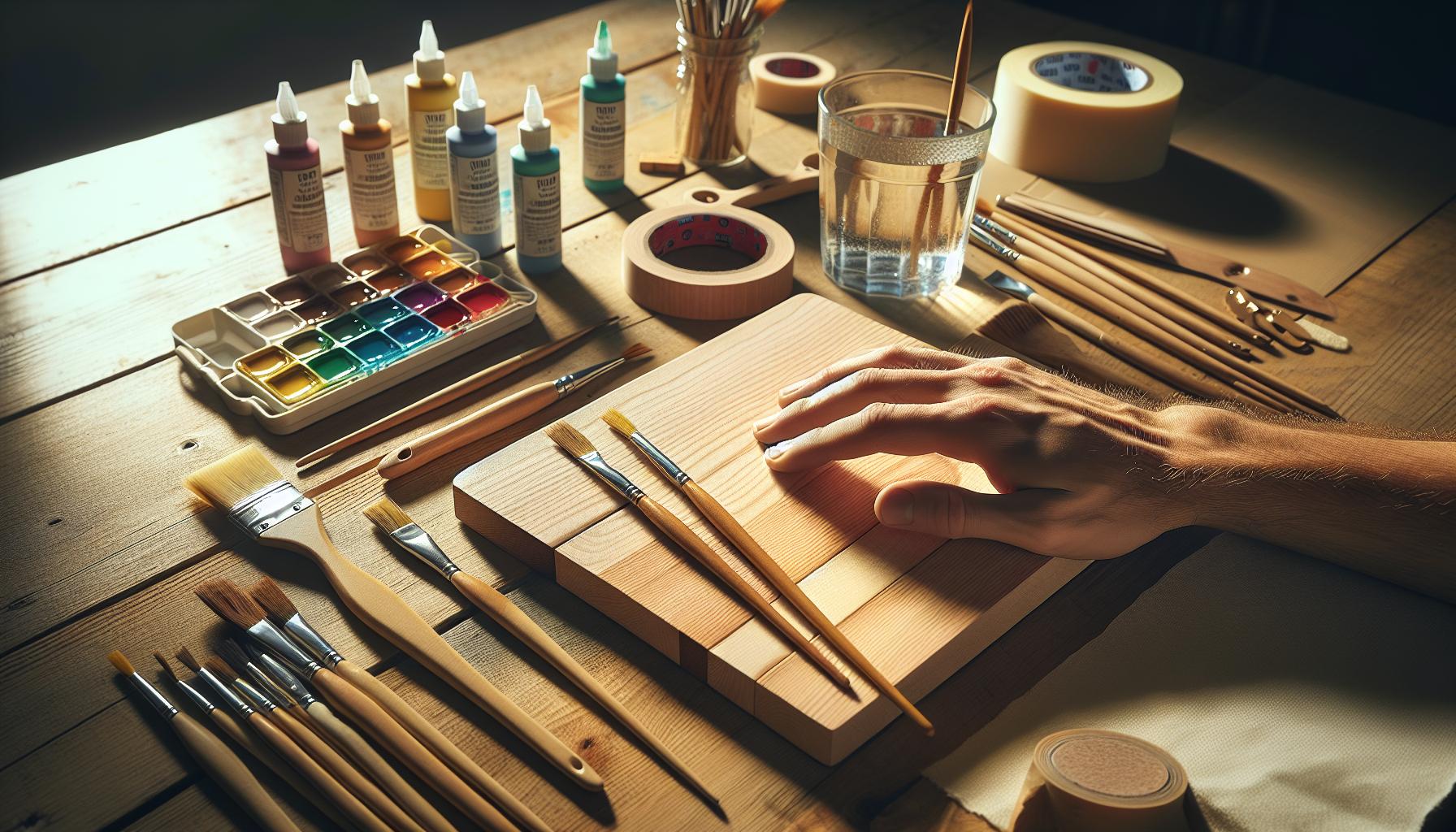
Caring for zinc jewellery requires a mindful approach to cleaning, especially as tarnishing can sneak up on even the most diligent of wearers. Keeping your jewellery in top shape is not only about aesthetics; it’s also essential for prolonging the lifespan of your pieces. Fortunately, there are effective cleaning methods that can restore your zinc jewellery’s shine and keep it looking good as new.
To clean zinc jewellery safely, you’ll want to avoid harsh chemicals that can further damage the metal. Instead, use a gentle cleaning solution. One simple recipe includes mixing warm water with a few drops of mild dish soap. Submerge your zinc pieces in this solution for a few minutes to loosen any dirt or grime. After soaking, gently scrub with a soft cloth or a soft-bristled toothbrush to remove tarnish. Rinse thoroughly under cool running water and dry immediately with a clean, soft towel to prevent water spots.
For tougher tarnish, a paste made of baking soda and water can be effective. Apply this paste with a soft cloth, gently rubbing in a circular motion. Baking soda acts as a mild abrasive, helping to lift tarnish without scratching the surface of your jewellery. After cleaning, make sure to wash off any residue with warm soapy water and dry carefully.
In addition to regular cleaning, consider polishing your zinc jewellery with a specific metal polish formulated for non-corrosive metals. Always follow the manufacturer’s instructions and conduct a patch test on a small area to ensure compatibility. Routine maintenance not only enhances the appearance of your zinc jewellery but can also guard against future tarnishing, enabling you to enjoy your treasures for years to come.
By adopting these straightforward cleaning methods, you can ensure your zinc jewellery retains its charm and luster, allowing you to adorn yourself with pieces that reflect your style and personality. Regular upkeep transforms caring for your jewellery from a chore into a pleasurable ritual that deepens your connection to your collection.
Preventative Measures for Zinc Tarnishing
Zinc jewellery can be a beautiful addition to your collection, but its tendency to tarnish is something many wearers worry about. To prolong the lifespan of your zinc pieces and keep them looking their best, it’s essential to take a few preventive measures that can significantly reduce the risk of tarnishing. By incorporating simple habits into your jewelry care routine, you can protect your pieces from the elements that contribute to corrosion.
One crucial step is to ensure that your zinc jewellery is not exposed to moisture for prolonged periods. Zinc is more vulnerable to tarnishing when it comes into contact with water, sweat, or humidity. To minimize exposure, always remove your zinc jewellery before showering, swimming, or exercising. Additionally, consider storing your pieces in a dry, cool place away from direct sunlight, as UV rays can also lead to quicker degradation.
Regular Maintenance
Incorporating routine maintenance can be a game-changer. Keep your jewellery clean and free from oils or residues by wiping it down with a soft cloth after each wear. This practice helps remove impurities and body oils that can accelerate tarnishing. For deeper cleaning, gently clean your zinc pieces with a soft brush and mild soap solution every few weeks. Importantly, always ensure that your jewellery is thoroughly dried before putting it away.
Consider Protective Coatings
To further shield your zinc jewellery from tarnishing, consider using a protective clear coat designed for metals. These sprays create a barrier that can effectively reduce contact with air and moisture. Make sure to follow the manufacturer’s instructions closely and reapply as needed to maintain that protective layer.
By taking these proactive steps, you not only enhance the longevity of your zinc jewellery but also enjoy its aesthetic appeal for years to come. Connecting with your pieces in this mindful way transforms the act of caring for them into a rewarding experience that deepens your appreciation for each unique item in your collection.
Comparing Zinc with Other Jewellery Metals
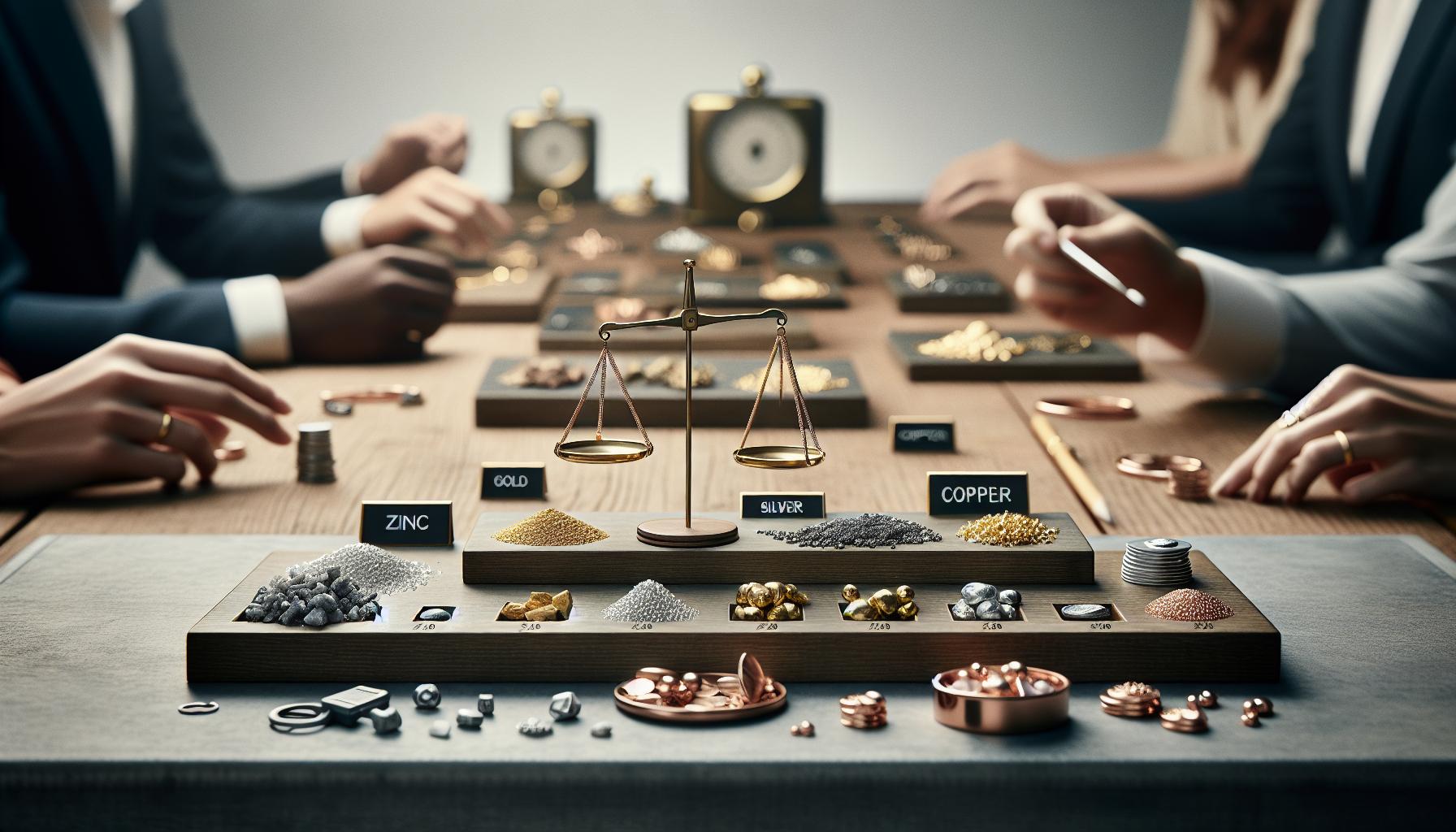
Zinc alloy jewelry presents a unique blend of affordability and style, but how does it stack up against more traditional materials like sterling silver and stainless steel? Understanding these comparisons can help you make informed decisions about your jewelry collection. While zinc alloys are prone to tarnishing, much like other metals, their longevity and durability can vary significantly, influencing your maintenance regimen and how you choose to wear them.
Zinc Alloy vs. Sterling Silver
Sterling silver is renowned for its gleam and adaptability, but it can tarnish easily due to its copper content, which reacts with oxygen in the air. Zinc alloy, on the other hand, displays a more muted shine and, while it does tarnish, it often wears differently than silver. Sterling silver requires frequent polishing and may need to be stored in anti-tarnish pouches, as its patina can develop quickly. Zinc, while less valuable, can withstand some wear and tear better, making it a practical choice for everyday pieces. However, it’s essential to note that jewelry made from zinc may not possess the same aesthetic appeal or timeless quality as sterling silver.
Zinc Alloy vs. Stainless Steel
When compared to stainless steel, zinc alloy reveals some key differences. Stainless steel is incredibly resilient and resistant to tarnishing and corrosion. Its hypoallergenic properties also make it a preferred choice for those with sensitive skin. Zinc alloy pieces, although they may be more affordable and allow for intricate designs, cannot compete with the durability and luster of stainless steel. If you’re looking for jewelry that stands the test of time with minimal upkeep, stainless steel is a strong candidate. However, zinc alloy still offers a creative avenue for unique designs at a lower price point.
Conclusion
Ultimately, each metal comes with its set of advantages and drawbacks. Zinc alloy jewelry can be a fantastic option for those who appreciate artistic designs and affordability, while sterling silver and stainless steel cater to differing needs for durability and aesthetic. Understanding these differences will not only help you manage maintenance but also guide your jewelry choices for different occasions, ensuring that you enjoy your collection to the fullest.
Long-Term Storage Tips for Your Zinc Jewellery
When it comes to preserving your zinc jewellery, understanding the correct storage methods can significantly extend its lifespan and prevent tarnishing. Zinc alloys, while beautiful and budget-friendly, are susceptible to environmental factors that can accelerate corrosion. Therefore, developing good storage habits is crucial.
To start, consider using a soft, anti-tarnish pouch or cloth to store your zinc pieces. This will help reduce the exposure to air and moisture, which are key contributors to tarnishing. If you don’t have these specialized pouches, a regular velvet or cotton bag can also work well. Ensure that each piece is stored separately to avoid scratching and to maintain their finish.
Humidity plays a significant role in the deterioration of zinc jewellery. To combat this, storing your pieces in a cool, dry place is essential. Consider using silica gel packets in your storage area; they effectively absorb excess moisture. If your jewellery box or drawer tends to get humid, investing in a small dehumidifier could also be beneficial.
It’s wise to avoid storing zinc jewellery near other metals, especially those that are prone to rust or corrosion, like iron or certain types of brass. This can prevent the transfer of tarnish-causing agents between metals. Moreover, be cautious about placing jewellery in direct sunlight, as the UV rays can lead to fading and degradation of any coatings on the zinc alloy.
By taking these simple yet effective steps, you can ensure your zinc jewellery maintains its aesthetic appeal and durability over time, allowing you to enjoy your cherished pieces for years to come.
DIY Techniques for Restoring Zinc Shine
Restoring the shine to your zinc jewellery can be a simple and satisfying DIY project that breathes new life into your accessories. Zinc, while beautiful, tends to tarnish over time due to exposure to moisture and air, but with a few straightforward techniques, you can bring back that original luster. Utilizing household items often found in your kitchen can make the process not only efficient but also cost-effective.
One of the easiest methods involves using a mixture of baking soda and water. Create a paste by combining two parts baking soda with one part water. Apply this paste gently to the tarnished areas of the piece using a soft cloth or sponge. Be sure to rub in a circular motion to lift the tarnish effectively. After cleaning, rinse the jewellery under lukewarm water and pat it dry with a soft towel. This method is not only safe for your zinc items but also avoids the harsh chemicals found in many commercial jewellery cleaners.
Vinegar and Salt Solution
Another effective technique employs vinegar and salt. Combine one cup of vinegar with a tablespoon of salt in a bowl. Submerge your zinc jewellery in this solution for about 10-15 minutes. The acidic nature of vinegar, combined with the abrasiveness of salt, works wonders in breaking down tarnish. After soaking, rinse your pieces thoroughly under cool water and dry them off. This method can work particularly well for heavier tarnish but is important to avoid lengthy exposure to prevent any possible corrosion.
Polishing with a Cloth
If you prefer a less involved approach, regularly polishing your zinc jewellery with a soft microfibre cloth helps remove surface tarnish and maintain its shine. For an added benefit, you can apply a tiny amount of mineral oil to the cloth before polishing, enhancing the shine further while providing a protective layer.
In addition to these methods, always remember to store your zinc pieces properly. Consider keeping them in an anti-tarnish pouch or wrapping them in a soft cloth to limit exposure to air and humidity. With these DIY techniques, not only can you restore the original beauty of your zinc jewellery, but also extend its lifespan and enjoyment.
Zinc Jewellery Styling Tips for Every Occasion
Zinc jewellery offers a unique blend of versatility and charm that can elevate any outfit, whether it’s for a casual day out or a formal event. Understanding how to style your zinc pieces will not only enhance your wardrobe but also allow you to embrace the durability and beauty of this metal. Its lightweight nature and attractive finish make it an ideal choice for layered looks or standout statement pieces.
A great way to wear zinc jewellery is by mixing and matching with different materials. Try pairing zinc necklaces with wooden or leather accessories for an earthy vibe. For a chic, modern look, stack zinc bangles alongside sleek metal cuffs. This contrast can create a striking visual effect that draws attention without being overwhelming. When it comes to colour, zinc’s natural finish works wonderfully with both warm earth tones and cool, pastel shades, providing versatility across seasons.
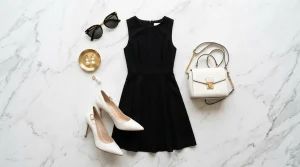
For special occasions, don’t shy away from bold zinc earrings or oversized statement rings that add a pop of personality. Accessorizing a little black dress with eye-catching zinc pieces can create an edgy and sophisticated ensemble. Alternatively, consider how zinc jewellery can complement bohemian styles. Long, dangling zinc earrings work perfectly with flowy dresses or maxi skirts, adding a touch of glamour without sacrificing comfort.
Finally, consider accessorizing zinc jewellery with complementary materials like gemstones or beading. A zinc pendant adorned with colorful gemstones can liven up a basic outfit and add a touch of glamour. This approach not only enhances your style but also gives you the option to create unique, personal statements with your zinc jewellery collection. Embrace these styling tips to make your zinc pieces shine in every occasion, showcasing both beauty and durability as the perfect additions to your jewellery box.
Insights for Starting a Zinc Jewellery Business
Starting a zinc jewellery business can be a rewarding venture, especially considering the increasing demand for unique and affordable accessories. Zinc jewellery offers attractive designs at a lower price than precious metals like gold or silver, but it also comes with specific care and maintenance considerations that are crucial for business owners to understand. This insight not only positions you as a knowledgeable seller but also helps you instill confidence in your customers.
To set up shop successfully, begin with understanding the properties and limitations of zinc. Zinc can tarnish over time, primarily due to moisture, sweat, and exposure to various chemicals. To mitigate these concerns in your product line, consider offering coated or alloyed options that can reduce oxidation. Sharing information with customers about the potential for tarnishing and how to care for zinc pieces can foster trust and encourage repeat business.
Create an engaging business strategy by focusing on style versatility and market trends. Highlight the affordable and trendy aspects of zinc jewellery across your marketing platforms, showcasing its compatibility with various outfits and occasions. Consider bundling products or creating themed collections that speak to current fashion trends, such as layered looks or bohemian styles. This can serve to attract a broader audience while emphasizing the unique attributes of zinc jewellery.
Finally, to build a loyal customer base, prioritize education regarding product care and cleaning methods. Create informative guides or blog posts about restoring zinc’s shine and preventing tarnishing. Empower your customers with knowledge, and offer exclusive cleaning kits or solution options alongside your products. Engaging with your audience through social media can further drive your brand awareness, enabling you to connect with potential customers and provide valuable insights about your zinc jewellery line. Emphasize not just the beauty of your items but also the durability and ease of care-elements that can turn one-time buyers into lifelong fans.
Authenticating Zinc Jewellery: What to Look For
When it comes to zinc jewellery, distinguishing between genuine pieces and imitations can be crucial for collectors and buyers alike. One of the first signs to look for in authentic zinc jewellery is the weight of the piece. Zinc, being a lightweight metal, typically feels lighter compared to silver or other denser metals. If a piece feels unusually heavy, it might be made from a different material or a zinc alloy mixed with heavier metals.
Additionally, consider the finish of the jewellery. Authentic zinc jewellery often has a slightly dull appearance and can show slight imperfections; this reflects the uniqueness of the metal. If a piece is overly polished or uniform, it could be coated or made from a different metal altogether. Look for a slight tarnish or patina on older or handmade pieces, which is indicative of genuine zinc. This tarnishing occurs due to the natural oxidation process, and while it can be a sign of wear, it also enhances the character of the item.
Another point of validation is checking for manufacturer markings, though these might not always be present. Reputable brands often stamp their jewellery with a logo, which can help verify authenticity. Furthermore, educational resources, like manufacturer’s websites or jewellery care guides, can provide insights into the typical attributes of specific brands or styles of zinc jewellery.
Lastly, always compare prices. If a piece seems too good to be true, it probably is. Conducting market research and understanding the average price range for zinc jewellery can help you gauge whether you’re dealing with a high-quality item or a subpar imitation. By keeping these considerations in mind, you can confidently navigate the world of zinc jewellery and make informed purchasing decisions.
Faq
Q: What is the best way to clean tarnished zinc jewellery?
A: To clean tarnished zinc jewellery, use a mixture of mild soap and warm water. Soak the pieces for a few minutes, then gently scrub with a soft cloth or toothbrush. Rinse thoroughly and dry immediately to prevent further tarnishing. For detailed cleaning methods, see our section on “Effective Cleaning Methods for Zinc Jewellery.”
Q: How can I prevent my zinc jewellery from tarnishing?
A: Prevent zinc jewellery from tarnishing by storing it in a cool, dry place, away from humidity and sunlight. Consider using anti-tarnish pouches or cloths. Regularly polishing with a soft cloth can also help maintain its shine, as noted in our “Preventative Measures for Zinc Tarnishing” section.
Q: Can zinc jewellery be worn in water?
A: It’s best to avoid wearing zinc jewellery in water, as moisture can accelerate tarnishing. Water exposure can cause zinc to oxidize, leading to discoloration. For more tips on maintaining zinc jewellery, check “The Impact of Environment on Zinc Jewellery Lifespan.”
Q: How long does it take for zinc jewellery to tarnish?
A: Zinc jewellery can start to tarnish within a few weeks to months, depending on environmental factors like humidity and exposure to chemicals. Protecting it in appropriate storage can extend its lifespan. For more insights, refer to “Understanding Metal Corrosion.”
Q: What should I do if my zinc jewellery has significant tarnish?
A: If your zinc jewellery is significantly tarnished, try soaking it in a vinegar and baking soda solution for about 15 minutes, then gently scrubbing with a soft cloth. For tough tarnish, consult our “DIY Techniques for Restoring Zinc Shine.”
Q: Is zinc jewellery safe for sensitive skin?
A: Zinc jewellery is generally safe for sensitive skin, but it can cause reactions due to alloy components. If you experience irritation, consider using a protective coating or looking into hypoallergenic options. For more details, explore our insights on “Authenticating Zinc Jewellery.”
Q: How does zinc jewellery compare to silver in terms of durability?
A: Zinc jewellery is less durable than sterling silver, which is more resistant to scratches and tarnishing. However, zinc tarnishes at a slower pace than copper. For a detailed comparison, refer to our section on “Comparing Zinc with Other Jewellery Metals.”
Q: Are there environmental factors that affect zinc jewellery?
A: Yes, environmental factors like humidity, temperature, and exposure to chemicals (like perfumes and lotions) can affect zinc jewellery’s lifespan. Limiting exposure and storing properly can help mitigate these effects. For further details, visit “The Impact of Environment on Zinc Jewellery Lifespan.”
Future Outlook
In conclusion, while zinc jewellery offers durability and unique aesthetic appeal, it can tarnish over time without proper care. Understanding how to maintain your pieces will not only enhance their longevity but also keep them looking stunning. For more detailed guidance, check out our comprehensive articles on jewellery care and effective cleaning methods to protect your favorite accessories.
Don’t let your zinc jewellery lose its charm-explore our DIY tutorials and style guides to elevate your collection today! If you have any lingering questions or want to share your personal tips on jewellery maintenance, we invite you to comment below. Join our community of jewellery enthusiasts by signing up for our newsletter, where you’ll receive exclusive insights and updates. Stay inspired and keep shining!
Expert Guide & Insights: Do Zinc Earings Rust?
When exploring do zinc earings rust?, consumers, collectors, and fashion enthusiasts frequently encounter conflicting advice regarding material composition, wearability, authenticity verification, and long-term maintenance. In this specialized guide section, we provide an expert breakdown of key considerations, care recommendations, and practical solutions.
| Key Consideration | Primary Mechanism / Feature | Recommended Action | Value / Durability Impact |
|---|---|---|---|
| Material Integrity & Alloys | Purity standards (925 silver, 14k/18k gold, titanium, acrylic polymers) | Check official hallmark stamps and certificates before purchase | ★★★★★ High durability & heirloom retention |
| Daily Wear & Environmental Factors | Exposure to moisture, sulfur, sweat, perfume, and abrasive friction | Remove accessories before swimming, heavy workouts, or applying cosmetics | ★★★★☆ Prevents tarnish, chipping, and fading |
| Long-Term Storage & Cleaning | Atmospheric oxidation and chemical exposure over time | Store in airtight zip pouches with silica desiccant; polish with soft cloth | ★★★★★ Restores original mirror luster |
Frequently Asked Questions: Do Zinc Earings Rust?
What should I know about do zinc earings rust??
Detailed examination reveals that addressing do zinc earings rust? depends on proper handling, choosing hypoallergenic materials, and adhering to routine cleaning protocols.
How can I preserve the quality and appearance of my pieces?
Always store items individually to prevent scratch contact, avoid harsh chemical detergents or chlorine pools, and use specialized polishing cloths designed for precious metals and acrylics.
Get our latest guides, news, and insights highlighted in your Google Search & AI Overviews.