Have you ever wondered if you can bring stunning designs to life on acrylic surfaces using sublimation? This innovative technique allows you to transfer vibrant images onto various materials, and acrylic is no exception. In this guide, we’ll explore the ins and outs of sublimating on acrylic, addressing common concerns and providing actionable tips for heat press success. Whether you’re a seasoned crafter looking to enhance your projects or a beginner eager to create one-of-a-kind pieces, understanding the nuances of sublimation on acrylic can unlock endless creative possibilities. Join us as we delve into the essentials you need to achieve beautifully crafted acrylic items that stand out and make a statement. Your journey to sublimation success starts here!
Can You Sublimate on Acrylic? Understanding the Basics
Sublimation onto acrylic is not only possible but can yield stunning results when done correctly. Acrylic, known for its clarity and versatility, can beautifully showcase designs by transferring vibrant colors and detailed images. This method of printing is particularly appealing for those looking to create custom items, awards, signs, and decorative pieces that stand out. However, understanding the fundamentals of how sublimation interacts with acrylic is crucial to achieving high-quality results.
To successfully sublimate on acrylic, it’s important to note that the material must be specially treated or coated for sublimation; uncoated acrylic will not allow the dye to bond effectively. Sublimation printing requires the dye to be infused into a polymer substrate, making coated acrylic sheets an ideal choice. When heat is applied, the dye turns into gas and penetrates the coating, resulting in a permanent bond that is rich in color and resistant to fading. This process creates a highly durable finish that is perfect for both indoor and outdoor applications.
When considering the practical aspects of working with acrylic, it’s essential to understand the types of acrylic available and how they can affect the sublimation process. Look for products specifically labeled as “sublimation-friendly” to ensure optimal results. Furthermore, investing in the right equipment is vital; a reliable heat press that can maintain consistent temperature and pressure paired with quality sublimation inks will significantly increase your chances of success. By taking the time to prepare your materials and understand the characteristics of acrylic, you can unlock the full potential of this versatile substrate for your sublimation projects.
How Sublimation Works on Acrylic Surfaces
The magic of sublimation lies in its unique ability to turn solid dye into gas, allowing for extremely vivid and durable prints on various materials, including acrylic. When sublimation is applied to coated acrylic surfaces, the process begins when the heat is applied. At elevated temperatures, typically between 350°F and 400°F, the specially formulated sublimation ink transitions into a gas. This gas then permeates the coating of the acrylic, bonding directly with the substrate at a molecular level. The result is a smooth, vibrant image that can withstand scratches and fading, making it ideal for both decorative and functional items.
To achieve optimal results with sublimation on acrylic, it’s crucial to understand the different types of acrylic and their pre-treatment processes. Not all acrylic is suitable for sublimation; therefore, selecting sheets that are explicitly tagged as “sublimation-ready” is essential. These acrylic types are typically coated with a polymer that enhances dye absorption, ensuring your designs are not just transferred but deeply embedded. This depth not only enhances colors, making them pop, but also provides a level of durability that can withstand everyday use.
While sublimation on acrylic opens up a world of possibilities, having the right equipment is key. A reliable heat press that maintains consistent temperature and even pressure is vital for a successful imprint. Additionally, using high-quality sublimation inks and transfer papers specifically designed for this purpose will increase the chances of achieving vibrant results. Proper setup and maintenance of your equipment, along with meticulous preparation of your acrylic surfaces, can significantly elevate the quality of your sublimated products.
In conclusion, sublimation works beautifully on acrylic due to its ability to create a lasting bond between the dye and the substrate. By harnessing the correct techniques and selecting appropriate materials, you can produce stunning acrylic pieces that enhance any project, from customized gifts to professional signage. This approach not only provides aesthetic appeal but also opens avenues for creativity in product design and personalized items.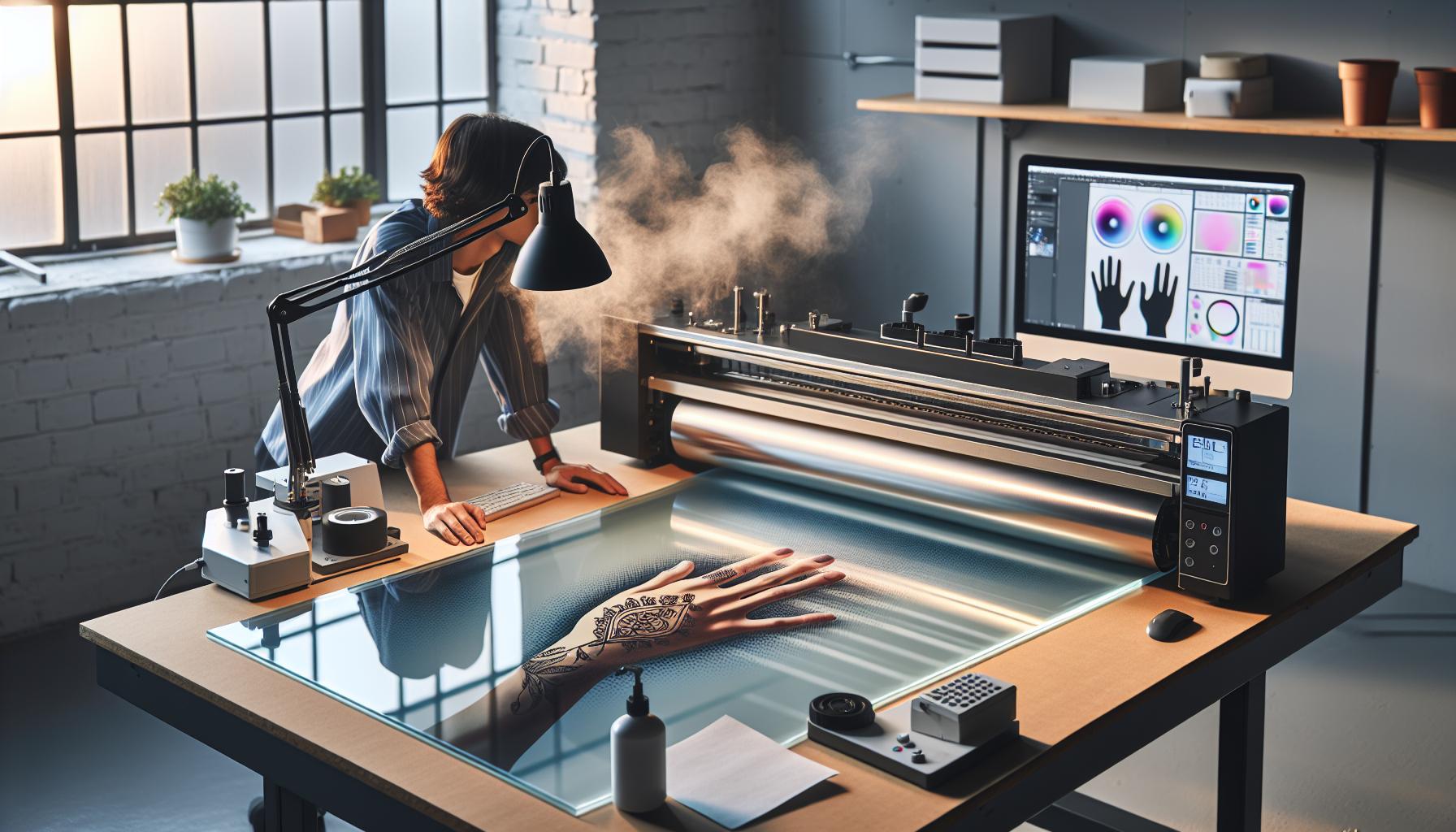
Choosing the Right Acrylic for Sublimation
To achieve stunning results in sublimation on acrylic, the choice of material is fundamental. Not all acrylic sheets are created equal, and selecting the right type can make a significant difference in the quality of your final product. When sourcing acrylic for sublimation, always look for sheets labeled as “sublimation-ready.” These specific acrylics have a specialized coating that enhances dye absorption, allowing the sublimation ink to bond more effectively with the surface. This results in vibrant colors and ensures the longevity of the prints.
Here are key points to consider when choosing acrylic for your sublimation projects:
- Coating Matters: Only use acrylic that has been pre-treated for sublimation. This special coating allows the dye to penetrate and adhere strongly, ensuring the print lasts.
- Thickness: While thickness can vary, a standard thickness of 1/8″ to 1/4″ is often used for projects requiring sturdiness while still allowing for effective heat transfer.
- Surface Finish: High-gloss finishes tend to provide the brightest results, but matte finishes can be ideal for more subtle designs. Consider the project’s purpose to determine which finish will suit your needs best.
- Size: Ensure you select acrylic sheets that match the dimensions of your design. Larger pieces may lead to more complications with heat distribution during the sublimation process.
Choosing the right type of acrylic not only saves time and reduces waste but also significantly contributes to the overall professionalism of your sublimated products. Investing in quality materials is an essential step in making custom items that stand out, whether you’re crafting personalized gifts or creating merchandise for a business. By knowing what to look for, you’ll not only enhance your sublimation experience but also maximize your creative potential.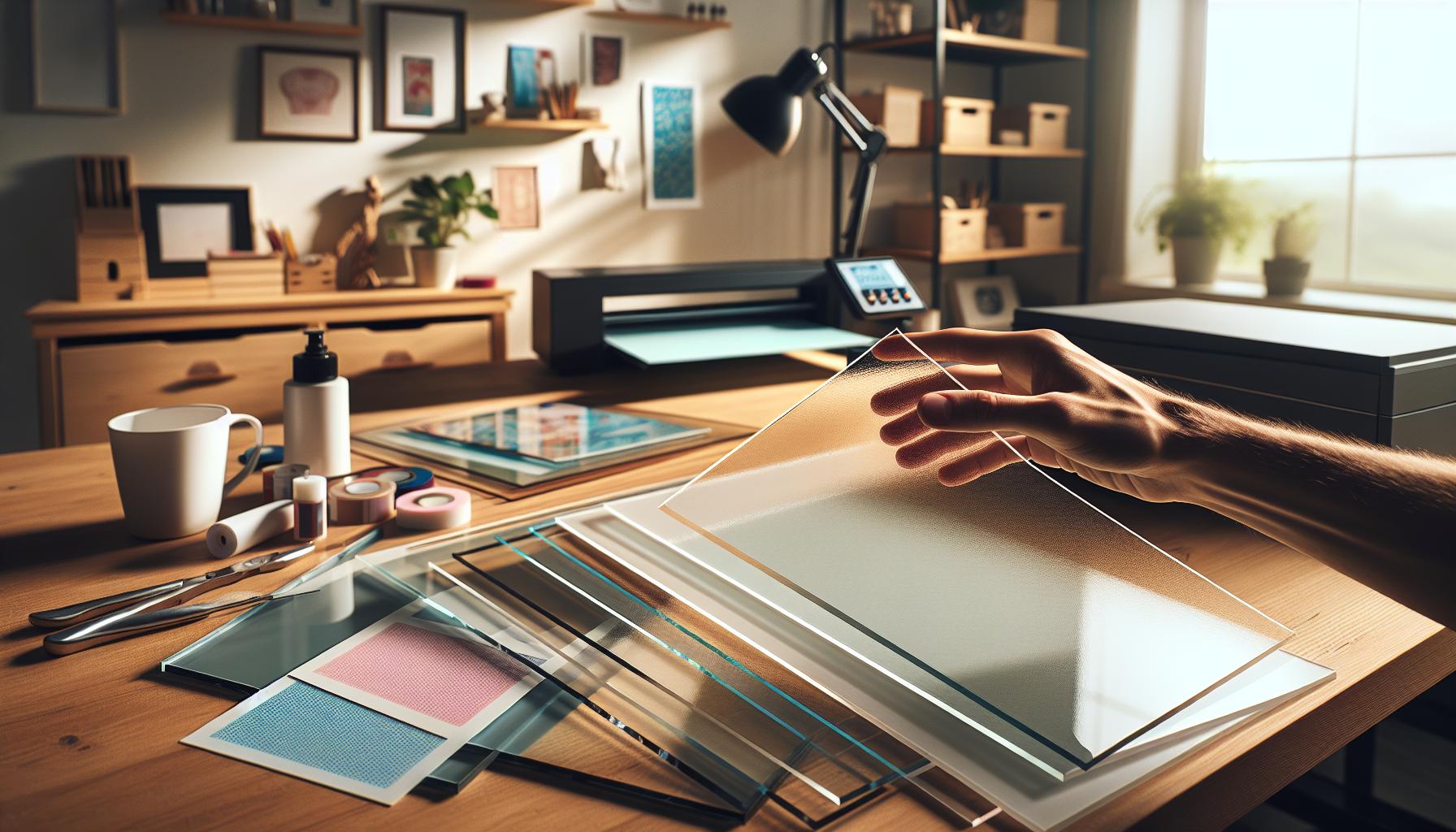
Essential Equipment for Successful Sublimation
To achieve exceptional results in sublimation, particularly on acrylic, having the right equipment is essential. Setting yourself up with the proper tools not only simplifies the process but also enhances the quality of your final products, making your efforts more rewarding. Before diving into production, ensure you have the following key pieces of equipment on hand.
Heat Press Machine
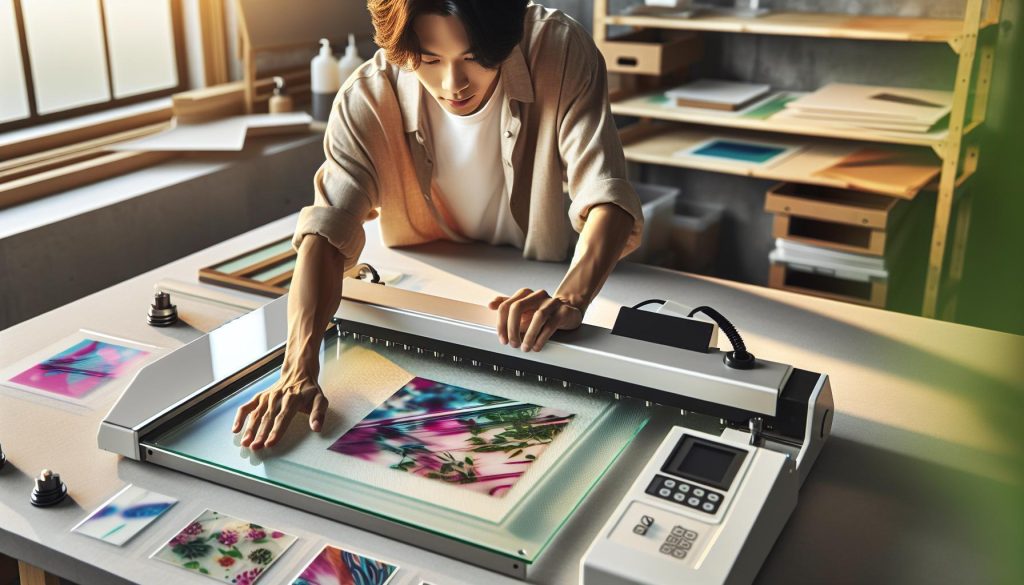
A high-quality heat press is crucial for transferring sublimation ink onto acrylic. Look for a machine that allows you to control both temperature and pressure accurately. Some brands offer models specifically designed for sublimation, featuring even heat distribution which is essential for vibrant prints. A clamshell or swing-away style heat press can work well, but choose one based on your workspace and personal preference.
Sublimation Printer
Investing in a reliable sublimation printer is non-negotiable. These printers are designed to work with sublimation ink, which differs from standard inkjet ink. Brands like Epson and Sawgrass offer sublimation printers that provide high-resolution prints ideal for detailed designs. Using the right printer ensures that the colors are vibrant and true to your original design.
Sublimation Ink and Transfer Paper
Using high-quality sublimation ink specifically formulated for your printer is key to achieving bright, lasting colors. Additionally, sublimation transfer paper is designed to hold the dye during the heat transfer process. Choose papers that are compatible with your printer to ensure optimal color fidelity and adhesion to acrylic surfaces.
Protective Accessories
Invest in protective accessories such as silicone sheets, Teflon covers, and heat-resistant gloves. These items safeguard both your acrylic blanks and your hands from accidental burns or scratches during the sublimation process. Silicone sheets can also help distribute heat evenly and can prevent ink from transferring onto the heating element.
Design Software
While not a physical item, utilizing appropriate design software is crucial for creating professional-quality artwork. Programs like Adobe Illustrator or CorelDRAW enable you to design graphics that can be printed with precision, allowing for customization across various acrylic projects. Ensure the software you choose supports formats compatible with your sublimation printer.
By gathering this essential equipment, you will create a solid foundation for your sublimation journey on acrylic. With the right tools in place, you can focus on bringing your creative ideas to life and achieving stunning results that will impress customers and gift recipients alike.
Preparing Acrylic for the Heat Press Process
Successfully sublimating on acrylic requires careful preparation to ensure that the final product is vibrant and long-lasting. Before you begin the heat press process, it’s essential to properly prepare your acrylic surface. A meticulous preparation process not only helps achieve optimal adhesion of the dye but also prevents common pitfalls that can lead to unsatisfactory results.
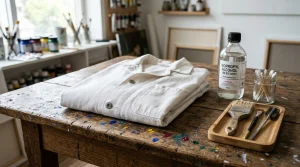
Start by thoroughly cleaning the acrylic sheet. Use a lint-free cloth along with an appropriate cleaning solution-like isopropyl alcohol-to remove dust, fingerprints, and oils. Even small contaminants can interfere with the sublimation process, resulting in faded or splotchy images. After cleaning, allow the acrylic to dry completely, which will ensure a smooth surface for the sublimation transfer.
Next, it can be beneficial to slightly roughen the surface of the acrylic, especially if it has a high-gloss finish. This can be accomplished by lightly sanding the area where the design will be applied using fine-grit sandpaper (around 400-grit). This step increases the surface area for the dye to adhere to, enhancing the vibrancy of the final image. After sanding, be sure to clean the surface again to remove any dust particles generated during this process.
Proper alignment of your transfer paper is also crucial. Before you begin the heat pressing, position your sublimation transfer paper directly over the acrylic and use heat-resistant tape to secure it in place. Taping prevents any movement during the pressing process, which can lead to blurriness or misalignment of the design. Be mindful of ensuring that the design is centered and oriented correctly, as this will enhance the professionalism of your final product.
By taking these extra steps in preparing your acrylic, you significantly increase your likelihood of achieving stunning sublimation results that showcase the vibrancy of your designs. Remember, the key to gorgeous sublimation is in the details-dedication to thorough preparation will pay off in your final creations.
Optimal Temperature and Time Settings Explained
Understanding the correct temperature and time settings is crucial for achieving excellent sublimation results on acrylic. This process, when executed perfectly, allows the dye to penetrate the acrylic surface, creating vibrant and long-lasting images. Generally, you want to set your heat press to a temperature between 380°F and 400°F (approximately 193°C to 204°C) for optimal performance. Additionally, the pressing time should typically be between 45 to 60 seconds. These parameters can vary slightly based on the thickness and type of acrylic, so some experimentation may be necessary.
To achieve the best results, it’s essential to have a consistent heat distribution across the acrylic surface. Uneven heating can lead to problems such as ghosting or faded areas. Using a heat press with a flat surface and even heat distribution minimizes these issues. For thicker acrylic substrates, you might lean toward the higher end of the temperature range and extend the pressing time. Conversely, for thinner acrylic, reducing the temperature or time slightly can prevent warping or melting.
Before jumping into a production run, it’s a good idea to conduct a test run using a small piece of acrylic, particularly if you are new to sublimation or using a different brand of substrate. This trial will help you fine-tune your settings, ensuring that the colors turn out as expected and the image adheres well to the acrylic. Remember, achieving the perfect balance of temperature, time, and pressure is key to a successful sublimation project and will dramatically affect the longevity and vibrancy of your designs.
Best Practices for Achieving Vibrant Sublimation Results
To create stunning and vibrant sublimated acrylic products, attention to detail and adherence to best practices are essential. One of the most important aspects is ensuring that your acrylic surface is properly prepared before the sublimation process begins. Start with a thorough cleaning to remove any dust, fingerprints, or residue that might interfere with the dye’s adhesion. Use a lint-free cloth and a mild cleaner to wipe down the surface. A clean and smooth acrylic canvas allows the sublimation dye to bond effectively, producing sharp and vivid results.
Another critical factor is selecting the right sublimation ink and transfer paper. High-quality inks designed specifically for sublimation will yield brighter colors and sharper images. It’s also advisable to use sublimation paper that has a good release coating. This ensures that the dye can transfer evenly onto the acrylic when heat and pressure are applied. Before proceeding to your main project, perform test prints on smaller scraps of acrylic to fine-tune your settings. Adjust the temperature, time, and pressure as necessary to achieve the best results with your specific materials.
Achieving consistent heat distribution is also paramount. If you’re using a heat press, make sure that the plates are even and that they provide adequate pressure across the entire surface of the acrylic. Using a heat-resistant silicone mat or parchment paper can help protect your acrylic and maintain uniform heat distribution. It’s worth noting that different thicknesses of acrylic may require slight adjustments in temperature and pressing time; for instance, thicker items might benefit from slightly more time at a higher temperature.
Lastly, consider the design and colors you choose. Test your designs by printing them out on the sublimation paper first to ensure that the colors appear as expected. Remember that colors may appear differently on acrylic once transferred, so it’s wise to account for this in your design phase. By following these best practices, you’ll not only refine your sublimation technique but also create eye-catching acrylic pieces that stand out in any setting.
Troubleshooting Common Sublimation Issues
Sublimating on acrylic can unlock a world of vibrant and customized products, but when things don’t go as planned, it can be frustrating. Common issues can often stem from improper preparation, incorrect settings, or inadequate materials. Identifying these problems early on can save both time and resources, allowing you to perfect your craft.
One frequent issue is the appearance of ghosting, where the image seems to double or fade. This can occur if the transfer paper shifts during the sublimation process. To combat this, ensure that your transfer paper is securely taped down. Additionally, using a heat-resistant silicone mat can help maintain pressure and prevent movement. Another concern could be color discrepancies where the final product appears washed out or overly dark. Make sure to calibrate your printer and test on smaller pieces first. Monitoring the ink saturation used in your designs is crucial, as heavy saturation can lead to an overly dark outcome, while insufficient saturation can produce pale prints.
Furthermore, improper heat settings can contribute to issues such as melting or warping of acrylic. Always consult the manufacturer’s guidelines for recommended temperature and time settings, as acrylic can differ in composition and thickness. Keeping a temperature gauge handy can also help you confirm that your heat press is reaching the desired levels consistently. Should you notice bubbling or uneven ink distribution, check to see if your heat press is applying consistent pressure and ensure that your acrylic surface was properly cleaned beforehand.
Lastly, it’s beneficial to keep a log of your settings and outputs. Record temperature, time, and any adjustments you make along the way. This will serve as an invaluable reference for future projects. With a little patience and attention to detail, troubleshooting these common sublimation issues will not only enhance your skills but also lead to stunning, professional-looking acrylic products that you can be proud of.
Creative Uses for Sublimated Acrylic Products
Sublimated acrylic products offer a versatile canvas for creativity, making them ideal for both personal projects and commercial ventures. Their smooth surface and ability to hold vibrant colors allow for extraordinary customization. From personalized awards to unique home decor pieces, sublimation opens the door to a plethora of possibilities.
One of the most popular applications is creating awards and trophies. Businesses, schools, and sports teams often utilize custom plaques and recognition pieces, allowing for personalized engravings that celebrate achievements. With sublimation, the design can encompass intricate logos and vibrant images, drawing attention to the recipient’s accomplishments.
Another innovative use of sublimated acrylic is in fashion and accessories. Designers are increasingly turning to sublimated acrylic to produce unique jewelry that can stand out. Personalized keychains, earrings, and pendants crafted from acrylic allow for intricate designs that can be tailored to reflect individual preferences. Such pieces not only serve as gifts but also as fashionable statements.
In the realm of home decor, sublimated acrylic has made waves. Items like coasters, wall art, and decorative signs can be designed to match any theme or style, providing both functionality and aesthetic appeal. Notably, sublimation can be used to create custom displays for special occasions such as weddings or parties, ensuring that the settings are unique and memorable.
Lastly, businesses can leverage sublimated acrylic for promotional products. Items such as branded bookmarks, magnets, or signs not only enhance brand visibility but also serve as practical tools that potential customers can use daily, keeping the brand top of mind. The durable nature of acrylic ensures that these products last, making them a wise investment in any marketing strategy.
With so many creative avenues to explore, sublimated acrylic products enable makers to transform their ideas into tangible, beautiful items that resonate with intended audiences.
Sublimation vs. Other Printing Methods on Acrylic
Sublimation printing offers distinct advantages over other methods when it comes to decorating acrylic surfaces. Unlike traditional forms of printing like screen printing or vinyl application, sublimation allows for full-color designs that are vibrant and durable. The key to sublimation’s success lies in its unique process where ink turns into gas and permeates the acrylic, resulting in a fade-resistant image that is integrated into the material itself, rather than just sitting on the surface. This fusion creates a smooth, scratch-resistant finish that can withstand the test of time, making it ideal for high-use items like awards, signage, and personalized gifts.
In contrast, screen printing can sometimes produce less vibrant colors and may peel or fade over time, especially if exposed to the elements. This method involves layering inks on top of a surface, which can lead to a thicker, less flexible final product. Vinyl printing, while good for certain applications, can limit creativity due to the need for cut shapes and the inability to reproduce fine details effectively. Moreover, vinyl can be prone to lifting at the edges, especially on curved or textured surfaces.
When choosing a method for decorating acrylic, consider your project’s requirements. Sublimation is compatible with specially coated acrylic, allowing for intricate designs with gradients and photographic quality-perfect for more artistic or detailed work. However, should you choose screen or vinyl printing, ensure that the acrylic type can effectively hold the ink or adhesive used. Each method carries its own set of strengths and weaknesses, so understanding them is crucial for achieving the desired outcome.
For those looking to make a mark in the custom products industry, sublimation on acrylic unlocks endless creative potential while offering reliability that appeals to businesses and consumers alike. Whether crafting unique jewelry pieces or personalized awards, consider how each printing method aligns with your vision and the expectations of your target audience.
Tips for Starting Your Sublimation Business with Acrylic
Starting a sublimation business focused on acrylic products opens up abundant opportunities to express creativity and meet customer demand for unique, customized items. Whether you’re creating high-quality signage, trophies, or personalized gifts, understanding the nuances of sublimating on acrylic is crucial for success. One of the first steps is selecting the right acrylic. Opt for specially coated types designed for sublimation, as these will yield the best results. Look for suppliers who offer a range of colors and thicknesses, allowing you to diversify your product offerings.
It’s also vital to invest in quality equipment. A reliable heat press with adjustable temperature settings is essential, as is a printer capable of high-resolution sublimation ink output. Don’t overlook the importance of proper substrates; ensure you’re using sublimation paper that works well with your specific ink and printer. For optimal results, conduct test runs to fine-tune temperature and time settings, typically ranging from 350°F to 400°F for about 60 seconds, depending on your acrylic’s thickness and composition.
To make your business stand out, develop a unique brand identity that resonates with your target audience. Consider showcasing your products on social media platforms, as visually appealing images of your sublimated acrylic items can attract customers. Consider engaging with local businesses or events to offer personalized items, such as custom awards for competitions or distinctive promotional materials.
Finally, embrace the learning curve associated with sublimation. Troubleshoot common issues, such as dull colors or incomplete transfers, by adjusting your process and seeking feedback from customers. Document your successes and challenges, allowing you to refine your techniques continuously. With passion and persistence, your foray into the sublimation business can flourish, offering creative and personalized acrylic products that resonate with customers.
Real Life Examples of Sublimated Acrylic Projects
Creating stunning visual pieces through sublimation on acrylic can result in unique and personalized items that capture attention. From eye-catching signage to personalized awards, sublimated acrylic products offer a wealth of possibilities, limited only by your imagination. Here are some inspiring examples that showcase the versatility of sublimation on acrylic.
One popular application is custom signage for businesses. Many entrepreneurs have found success creating vibrant signs that reflect their brand through sublimation. This method allows for detailed images and text to be printed directly onto the acrylic surface, providing a professional appearance that is more durable than traditional printing methods. Local shops, cafes, and events often turn to these custom signs to give their spaces a unique identity, attracting customers with colorful designs that stand out.
Personalized gifts are another fantastic avenue for sublimation on acrylic. Imagine gifting a loved one a custom photo block featuring a favorite family picture or a special message-these are heartfelt treasures that can be cherished for years. Besides photo blocks, coasters, keychains, and ornaments can be customized, making them perfect for special occasions like weddings or anniversaries. The sublimation process ensures that the images remain vibrant and don’t fade over time, enhancing the gift’s longevity.
In the realm of awards and recognition, sublimated acrylic products are a favored choice. Organizations often use these awards to honor achievements in various fields such as sports, academics, and corporate accomplishments. The sleek and modern look of acrylic enhances the presentation, while sublimation enables intricate designs and logos to be incorporated seamlessly. This not only boosts the aesthetic appeal but also adds a personal touch that resonates with the recipients.
Finally, artists and creatives are embracing sublimation to create bespoke art pieces. By customizing acrylic panels with intricate designs or quotes, they can produce unique wall art that can be sold at art fairs or online platforms. This approach allows for a wide range of artistic expression and can help artists carve a niche in the competitive market.
With these diverse applications, sublimation on acrylic not only caters to functional needs but also serves artistic expression and personal connections. Whether you’re venturing into a business or looking to craft heartfelt gifts, the potential for sublimated acrylic projects is virtually limitless.
Frequently Asked Questions
Q: Can you sublimate directly on acrylic?
A: Yes, you can sublimate directly on specially coated acrylic. This coating allows for the sublimation dye to adhere properly, resulting in vibrant and durable designs. Always ensure that you’re using acrylic that is specifically designed for sublimation for the best results.
Q: What type of acrylic is best for sublimation?
A: The best acrylic for sublimation is polymer-coated acrylic, which has a special surface treatment to absorb dyes effectively. Look for products labeled specifically for sublimation to ensure quality outcomes and longevity of the prints.
Q: What is the optimal temperature and time for sublimating on acrylic?
A: The optimal temperature for sublimating on acrylic typically ranges from 350°F to 400°F (about 177°C to 204°C), with a time setting between 60 to 120 seconds. Adjust these parameters based on the type and thickness of your acrylic for superior results.
Q: How do you prepare acrylic for sublimation?
A: To prepare acrylic for sublimation, clean the surface thoroughly with isopropyl alcohol to remove dust and oils. Avoid touching the surface after cleaning to prevent fingerprints, which can affect the print quality.
Q: What equipment do you need for sublimation on acrylic?
A: Essential equipment for sublimating on acrylic includes a sublimation printer, sublimation paper, a heat press, and heat-resistant tape. Make sure your printer uses sublimation ink and that you have the appropriate attachments for acrylic.
Q: Are there any common issues when sublimating on acrylic?
A: Common issues include ghosting, fading, and uneven colors. To avoid these, ensure proper alignment of materials in the heat press, use a high-quality heat source, and maintain the correct time and temperature settings throughout the process.
Q: How can I start a sublimation business focused on acrylic products?
A: To start a sublimation business with acrylic products, begin by researching market trends and identifying unique product ideas. Invest in quality equipment, gather necessary supplies, and create a portfolio showcasing your work to attract potential customers.
Q: Can sublimated acrylic be used outdoors?
A: While sublimated acrylic can withstand outdoor conditions to some extent, it’s advised to use UV-resistant coatings for prolonged exposure to sunlight to prevent fading and damage. Consider the environment where the finished products will be displayed to ensure longevity.
Concluding Remarks
As you explore the exciting world of sublimation on acrylic, remember that the right techniques can lead to stunning results and a plethora of creative opportunities. If you’re ready to elevate your projects, don’t hesitate to check out our related guides on the best sublimation practices and effective heat press techniques to ensure your success.
Feeling inspired? Join our community by signing up for our newsletter for the latest tips, tutorials, and exclusive content designed just for you. Whether you’re a seasoned pro or just getting started, there’s always more to learn! Share your thoughts or questions in the comments below, and let your creativity shine through every piece you create. By mastering the art of sublimation, you’re not just creating products; you’re crafting lasting memories. Keep exploring, and happy pressing!
Expert Guide & Insights:
When exploring , consumers, collectors, and fashion enthusiasts frequently encounter conflicting advice regarding material composition, wearability, authenticity verification, and long-term maintenance. In this specialized guide section, we provide an expert breakdown of key considerations, care recommendations, and practical solutions.
| Key Consideration | Primary Mechanism / Feature | Recommended Action | Value / Durability Impact |
|---|---|---|---|
| Material Integrity & Alloys | Purity standards (925 silver, 14k/18k gold, titanium, acrylic polymers) | Check official hallmark stamps and certificates before purchase | ★★★★★ High durability & heirloom retention |
| Daily Wear & Environmental Factors | Exposure to moisture, sulfur, sweat, perfume, and abrasive friction | Remove accessories before swimming, heavy workouts, or applying cosmetics | ★★★★☆ Prevents tarnish, chipping, and fading |
| Long-Term Storage & Cleaning | Atmospheric oxidation and chemical exposure over time | Store in airtight zip pouches with silica desiccant; polish with soft cloth | ★★★★★ Restores original mirror luster |
Frequently Asked Questions:
What should I know about ?
Detailed examination reveals that addressing depends on proper handling, choosing hypoallergenic materials, and adhering to routine cleaning protocols.
How can I preserve the quality and appearance of my pieces?
Always store items individually to prevent scratch contact, avoid harsh chemical detergents or chlorine pools, and use specialized polishing cloths designed for precious metals and acrylics.
Get our latest guides, news, and insights highlighted in your Google Search & AI Overviews.