
Quick Answer: Where is Tiffany Jewelry Made? Tiffany & Co. manufactures approximately 60% of its fine jewelry in company-owned facilities in the United States, primarily in Cumberland, Rhode Island, Lexington, Kentucky, and artisanal high jewelry workshops in New York. Specialized sterling silver hollowware is crafted in Rhode Island, luxury watches are produced in Geneva, Switzerland, fine gold work and gemstone settings are created in Valenza, Italy, and rough diamonds are cut and polished in dedicated workshops across Botswana, Mauritius, Vietnam, Cambodia, and Belgium.
Where Is Tiffany Jewellery Made?
Tiffany & Co. is synonymous with timeless elegance and luxury, but many may not realize the global nature of its manufacturing processes. Tiffany jewelry is crafted in several locations around the world, with key facilities in the United States, Italy, and France. Each of these locations plays a crucial role in producing the exquisite pieces that the brand is celebrated for, with an unwavering commitment to quality and craftsmanship.
In the United States, Tiffany operates state-of-the-art manufacturing facilities where skilled artisans employ traditional techniques alongside innovative methods. In Italy, known for its rich jewelry-making heritage, Tiffany benefits from the expertise of local craftsmen who enhance the intricate designs that define the brand. France, another hub of luxury craftsmanship, contributes unique design elements that reflect the European influence on Tiffany’s collections. By leveraging the strengths of each region, Tiffany ensures that every piece of jewelry not only meets but exceeds the high expectations of its discerning clientele.
This dedication to global craftsmanship is paired with stringent quality control measures to guarantee that from the moment raw materials are selected to the final inspection of each piece, only the highest standards are upheld. Tiffany’s artisans are integral to this process, as they bring years of training and experience to their craft, ensuring that every item produced is a work of art in its own right. The combination of advanced techniques and skilled craftsmanship supports Tiffany’s reputation as a leader in luxury jewelry, creating pieces that carry both heritage and innovation.
The global footprint of Tiffany’s manufacturing not only supports a diverse array of designs but also allows the brand to engage with a wide range of cultural influences, promising a collection that resonates with customers around the world. As Tiffany continues to evolve, the integration of traditional craftsmanship with modern technology promises a future rich with opportunity and creativity in the world of luxury jewelry.
The History of Tiffany Jewellery Manufacturing
Tiffany & Co. has a rich history that spans nearly two centuries, deeply intertwined with the evolution of luxury jewelry manufacturing. Founded in 1837 by Charles Lewis Tiffany and John B. Young, the company quickly established itself as a pioneer in the jewelry industry by emphasizing exceptional craftsmanship and innovative design. Over the years, Tiffany’s dedication to quality and artistry has set new standards, making it a beacon of luxury and elegance.
In the early days, Tiffany focused on creating exquisite pieces using precious metals and gemstones, with a unique flair that set them apart from competitors. Their introduction of the iconic blue box in 1853 not only marked a shift in branding but also transformed the way jewelry was marketed and presented. The 20th century saw Tiffany embrace technological advancements while maintaining their commitment to artisanal techniques, combining modern innovations with traditional craftsmanship. This evolution allowed Tiffany to expand its offerings and appeal to a broader audience without compromising the essence of luxury.
Throughout its history, Tiffany has also recognized the importance of sourcing materials responsibly, laying the groundwork for sustainable practices in the jewelry industry. By choosing ethically mined gems and recycled metals whenever possible, the brand has committed to preserving the environment while creating timeless pieces. This dedication to sustainability, embodying both heritage and modernity, resonates with today’s conscious consumers eager to invest in brands that align with their values.
Moreover, the legacy of Tiffany’s artisans-skilled craftspeople who have honed their skills over generations-illustrates a profound respect for the art of jewelry making. This craftsmanship not only ensures meticulous attention to detail in every piece but also keeps alive the artistry that defines Tiffany jewelry. With this rich history as a foundation, Tiffany continues to innovate, adapting to changing tastes while upholding its renowned standards of excellence and creativity.
Official Tiffany & Co. Manufacturing Facilities by Country & Specialty
Unlike many luxury houses that outsource fabrication to third-party contract suppliers, Tiffany & Co. owns and operates nearly all of its primary manufacturing workshops globally. Here is where authentic Tiffany jewelry is manufactured:
| Location | Facility Type | Core Collections Manufactured | Key Craftsmanship Specialties |
|---|---|---|---|
| Cumberland, Rhode Island (USA) | Primary Manufacturing Plant (100,000+ sq ft) | Sterling silver jewelry, hollowware, trophies | Silversmithing, stamping, hand spinning, polishing (Return to Tiffany, 1837) |
| Lexington, Kentucky (USA) | Fine Jewelry & Polishing Facility | Gold & platinum bridal, engagement rings | Precision casting, robotic and artisanal polishing, prong setting |
| New York City & Pelham, NY (USA) | High Jewelry Master Atelier | Blue Book Collection, one-of-a-kind museum pieces | Master gemologists, Jean Schlumberger bespoke designs, platinum pavé |
| Valenza, Italy | European Fine Jewelry Workshop | 18k Gold collections, intricate link chains | Italian goldsmithing, micro-pavé setting, chain fabrication |
| Geneva, Switzerland | Horological Manufacture | Tiffany Watch Collections (Atlas, Eternity, CT60) | Swiss movement assembly, sapphire crystal casing, horology finishing |
| Antwerp, Gaborone, Curepipe, Hai Duong, Phnom Penh | Diamond Polishing Facilities | Individually registered diamonds (0.18ct+) | Laser planning, cleaving, bruting, faceting to Triple Excellent standards |
Tiffany’s Global Manufacturing Locations
Tiffany & Co. is renowned not only for its iconic jewelry but also for the craftsmanship that goes into making each piece, spread across various global manufacturing locations. The company has strategically positioned itself to harness the expertise and artisanal techniques of different regions, aligning production with its commitment to quality and sustainability.
Tiffany’s primary production facilities are located in the United States, where many of its most intricately designed pieces are crafted. The state-of-the-art workshop in Lexington, Kentucky, plays a vital role in producing many of Tiffany’s collections, including engagement rings and fine jewelry. This facility emphasizes the brand’s dedication to traditional craftsmanship, marrying time-honored techniques with modern technology to achieve exceptional results.
In addition to the United States, Tiffany has expanded its global footprint. Its manufacturing locations also include workshops in countries known for their rich jewelry-making traditions, such as Italy and Switzerland. Italian artisans are particularly celebrated for their unparalleled skills in fine metalwork and design, ensuring that Tiffany’s gold and platinum pieces meet the highest standards. Meanwhile, Swiss facilities may focus on crafting exquisite watch collections, melding precision with luxury.
Through this global network of artisans and factories, Tiffany & Co. maintains a consistent quality control process, allowing for rigorous standards to be upheld across all locations. By leveraging the strengths of each region, Tiffany can create diverse styles that resonate with a wide customer base, all while ensuring that every piece remains true to the brand’s legacy of elegance and innovation. Balancing craftsmanship with responsible sourcing, Tiffany not only creates beautiful jewelry but also supports global artisans and sustainable practices in the luxury jewelry industry.
Inside Tiffany’s Craftsmanship and Techniques
Craftsmanship at Tiffany & Co. is not merely a skill; it is an art form refined over generations. Each piece of jewelry undergoes an intricate process that demonstrates a commitment to excellence, marrying timeless techniques with innovative practices. Jewelry crafted by Tiffany is often described as a blend of tradition and modernity, showcasing not only the beauty of the materials but also the passion and precision of the artisans behind each creation.
At the heart of Tiffany’s craftsmanship is the use of superior materials sourced globally. The finest metals, such as platinum and high-karat gold, form the foundation of their exquisite designs. Each gemstone is hand-selected, ensuring that only the most vibrant and ethically sourced stones make it into the final product. This meticulous selection process reflects Tiffany’s dedication to quality, where every diamond must meet the brand’s stringent standards of cut, clarity, and overall aesthetic appeal. For collectors or enthusiasts, understanding the quality indicators-like the Four Cs of diamonds (cut, color, clarity, and carat weight)-can enhance their appreciation of a Tiffany piece.
Tiffany employs a wide array of techniques across its manufacturing processes. From traditional handcrafting methods, such as wax carving and stone-setting, to advanced technology that ensures precision in every detail, the combination creates breathtaking results. Skilled artisans often work collaboratively, employing techniques passed down through generations, while also embracing innovations that enhance the efficiency and quality of their jewelry. Training programs ensure that new artisans are well-versed in these methods, safeguarding the legacy of Tiffany craftsmanship.
In addition to artistry, Tiffany’s focus on sustainability reflects modern consumer values. The company is committed to responsible sourcing and environmentally friendly practices, ensuring that each step of the production process- from extraction of materials to the finished product- aligns with ethical standards. This not only preserves the craftsmanship but also fortifies Tiffany’s reputation as a luxury brand that cares about its impact on both people and the planet. For customers, knowing that their Tiffany jewelry is made with such consideration adds an emotional value to their purchase, elevating the piece beyond mere adornment to a symbol of responsible luxury.
In summary, the craftsmanship behind Tiffany jewelry is characterized by a combination of legacy techniques, superior materials, skilled artisans, and a commitment to sustainability. This unique integration ensures that each piece not only delights visually but also represents the highest standards of quality and ethical responsibility in the luxury jewelry market.
Tiffany Diamond Traceability: The 100% Craftsmanship Journey
In 2020, Tiffany & Co. became the first global luxury jeweler to implement 100% diamond provenance disclosure for all newly sourced, individually registered diamonds (0.18 carats and larger). Each diamond certificate traces the exact geographic journey from mine to finger:
- Region of Extraction: Responsibly mined in certified partner mines in Botswana, Canada, Namibia, or South Africa (zero conflict zones or sanctioned regions).
- Preparation & Cutting Workshop: Laser-mapped and faceted in Tiffany-owned facilities in Antwerp (Belgium), Gaborone (Botswana), Hai Duong (Vietnam), or Phnom Penh (Cambodia).
- Grading & Laser Inscription: Quality-evaluated in Tiffany Gemological Laboratories in New York or Lexington, Kentucky, with an invisible unique serial number etched directly on the girdle.
- Final Setting: Mounted onto handcrafted 950 platinum or 18k gold bands in New York, Cumberland, or Kentucky workshops.
Because Tiffany completely controls its internal supply chain, clients know not only that their jewelry is genuine, but also the precise workshop where their piece was set.
Materials Used in Tiffany Jewellery Production
Crafted with a dedication to both beauty and integrity, Tiffany & Co. jewelry is renowned for its exquisite materials that reflect the brand’s longstanding legacy of luxury. At the heart of every piece lies an unwavering commitment to ethical sourcing, ensuring that each component not only meets Tiffany’s high aesthetic standards but also aligns with responsible environmental practices.
To understand the essence of Tiffany jewelry, it’s essential to explore the materials that embody its craftsmanship. The use of precious metals, including high-karat gold and platinum, serves as the foundation for their remarkable designs. Each metal is meticulously chosen for its quality, durability, and ability to enhance the brilliance of the gemstones incorporated into the jewelry.
Gemstones: Quality and Ethical Sourcing
The gemstones used in Tiffany pieces are more than just adornments; they are the culmination of a careful selection process. Tiffany prioritizes vibrant, ethically sourced stones that adhere to the brand’s stringent guidelines. Whether it’s the radiant diamonds that captivate with their sparkle or the rich hues of sapphires and emeralds, each gemstone is carefully inspected to meet Tiffany’s legendary standards. Customers often refer to the Four Cs of diamonds-cut, color, clarity, and carat weight-as key indicators of quality, but at Tiffany, the ethical origin of these stones is equally paramount.
Innovations in Sustainable Materials
In response to modern consumer values, Tiffany is leading the way in sustainability. The brand is committed to reducing its environmental footprint by incorporating recycled metals whenever possible and advocating for sustainable mining practices. This focus not only aligns with historical craftsmanship principles but also addresses contemporary concerns regarding resource extraction. For those considering investment purchases, the knowledge that their jewelry is ethically created enhances the emotional value of their acquisition.
Tiffany’s unwavering dedication to exceptional materials ensures that every piece not only tells a story of artistic brilliance but also embodies a commitment to responsible luxury. Whether styling for an occasion or seeking a cherished heirloom, understanding the quality and sourcing of materials can enhance your appreciation of the artistry behind Tiffany jewelry.
Sustainability Practices in Tiffany Manufacturing
Tiffany & Co. stands at the forefront of sustainability in the luxury jewelry sector, redefining what it means to create beautiful pieces with a conscience. Recognizing the ethical dilemmas surrounding traditional jewelry manufacturing, Tiffany has established robust sustainability practices aimed at minimizing environmental impact and promoting responsible sourcing and production practices. This commitment not only serves the planet but also resonates deeply with today’s ethically-minded consumer-making each piece more than just an accessory, but a symbol of responsible luxury.
A key pillar of Tiffany’s sustainability strategy is the use of recycled metals in their collections. By incorporating materials already in circulation, Tiffany significantly lowers the demand for newly mined resources, thus reducing the potential environmental damage associated with mining practices. This approach ensures that the materials that make up their beautiful creations are not only stunning but also environmentally friendly. Furthermore, the brand advocates for sustainable mining practices, ensuring that any newly sourced materials prioritize ethical and responsible extraction methods, thereby protecting ecosystems and supporting local communities.
Additionally, Tiffany prioritizes ethical sourcing of gemstones, meticulously ensuring that every diamond, sapphire, and precious stone meets stringent guidelines for ethical origin. This means that customers can wear their Tiffany jewelry with pride, knowing that the materials reflect the brand’s commitment to integrity. Tiffany’s adherence to the Kimberley Process, which aims to eliminate conflict diamonds, further reinforces its dedication to ethical practices in the industry.
To illustrate its commitment, Tiffany actively shares its sustainability achievements and goals with its customer base. The company regularly publishes reports detailing their environmental impact, such as energy use, waste reduction, and social responsibility metrics, allowing consumers to track progress and understand their role in a larger effort toward sustainability. By prioritizing transparency, Tiffany inspires customer loyalty and trust, making it clear that the beauty of their pieces is matched by the beauty of their sourcing practices.
In conclusion, Tiffany & Co.’s sustainability practices reflect a comprehensive approach to jewelry manufacturing-one that is conscious of the environmental and social implications of each beautiful piece created. Whether you’re a seasoned collector or a newcomer exploring the world of luxury jewelry, knowing the ethical story behind your adornments only enhances their allure and significance.
How Tiffany Ensures Quality Control
Tiffany & Co. has built its reputation on not just the beauty of its jewelry but also the unwavering commitment to quality that defines each piece. Quality control at Tiffany is an intricate blend of tradition, craftsmanship, and innovation, ensuring that every item meets the highest standards before it graces the wrists, necks, or fingers of its discerning customers.
To ensure excellence, Tiffany employs a multi-layered quality control process encompassing various stages of production. At the outset, materials are meticulously sourced, with a dedicated team ensuring that every diamond and precious metal adheres to Tiffany’s stringent ethical and quality criteria. This initial filter is crucial, as it lays the foundation for all subsequent crafting stages. Following this, skilled artisans engage in detailed inspections at every level-from sketching designs to the final polishing of the piece.
The craftsmanship involved in Tiffany’s jewelry production is also a significant aspect of quality control. Tiffany artisans possess decades of experience, often honing their skills over generations. These craftsmen and craftswomen use time-honored techniques, combining them with modern tools to achieve precision and perfection. There’s a rigorous process of trial and error involved, where prototypes are crafted and tested before final production begins, ensuring that each design not only meets aesthetic ideals but also possesses structural integrity.
Moreover, Tiffany implements technological advancements, such as 3D modeling and laser inscription, which allow for detailed customization while maintaining quality assurance. These modern techniques complement traditional methods rather than replace them, reinforcing Tiffany’s commitment to excellence. Regular training workshops ensure that artisans remain at the forefront of both artisanal and industrial practices, ready to innovate while preserving the quality that Tiffany is known for.
In conclusion, the quality control at Tiffany & Co. is more than just a checkbox; it is a dedicated philosophy that intertwines ethical sourcing, artisanal skill, and modern technology. This unwavering attention to detail-not only elevates the jewelry but also builds a deep-seated trust with customers, who can wear their Tiffany pieces with confidence, knowing they are backed by a legacy of quality and craftsmanship.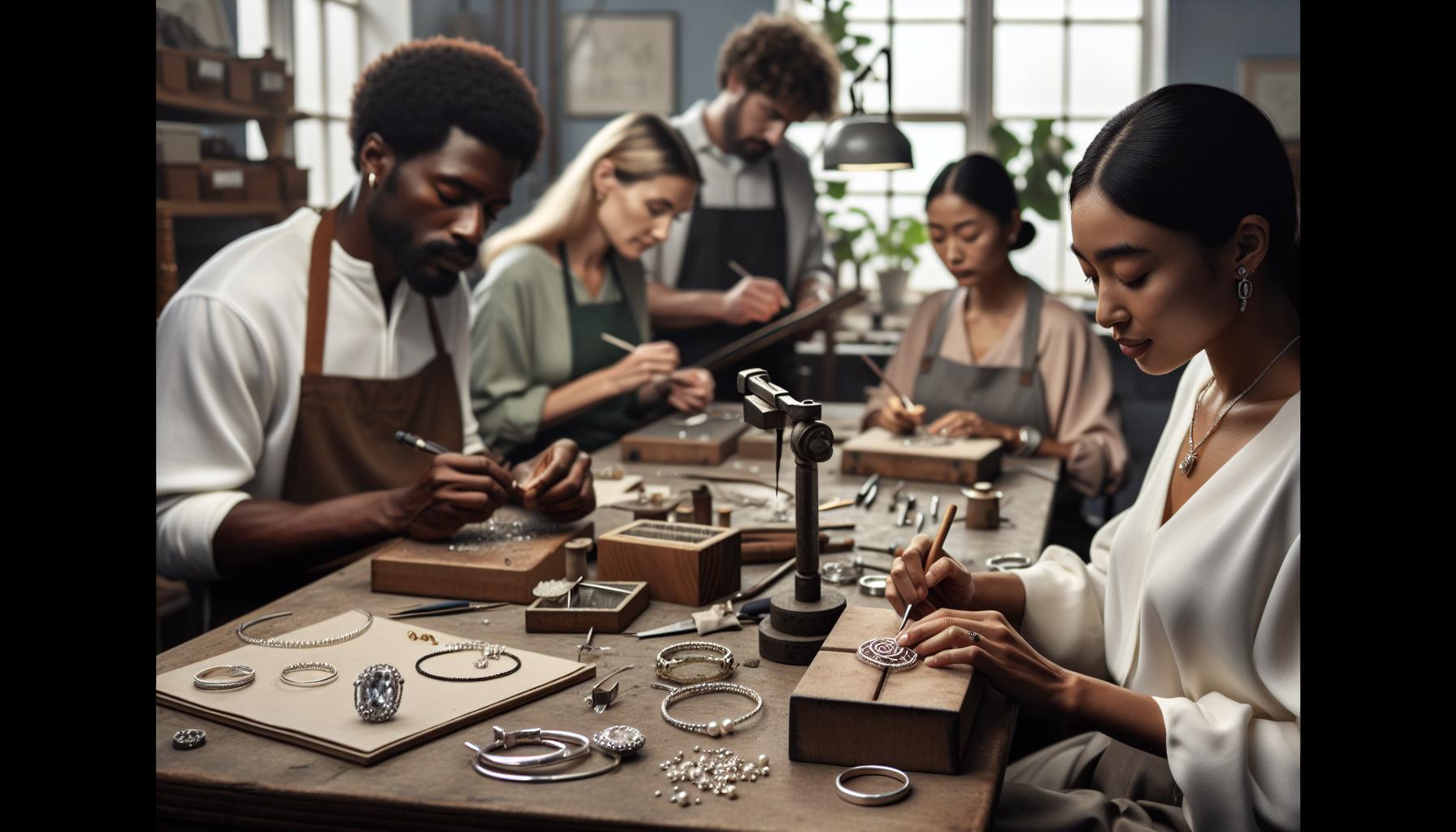
The Role of Artisans in Tiffany Jewellery Creation
The artistry behind Tiffany & Co. jewelry is a captivating blend of skill, passion, and tradition, primarily driven by its skilled artisans. These craftspeople are not just employees; they are the heart of the brand, meticulously crafting each piece with a level of detail that transforms raw materials into objects of desire. Renowned for their expertise, Tiffany artisans often undergo years of training, learning techniques passed down through generations. This rich heritage of craftsmanship is evident in the exquisite jewelry that Tiffany is celebrated for globally.
A vital aspect of an artisan’s role at Tiffany involves understanding the unique properties of various materials, from diamonds to platinum. Artisans are educated about the intricate details of each gem, including its cut, clarity, and color, which aids in making informed decisions during the design and crafting processes. Their hands-on experience allows them to create jewelry that not only looks stunning but also possesses the durability and craftsmanship that define Tiffany. Each artisan brings a personal touch to the pieces they create, ensuring that every item reflects not just the brand’s legacy but their own artistic expression as well.
Another crucial factor is the collaboration among artisans, designers, and other specialists, which enables the seamless amalgamation of innovation and tradition. In workshops, you’ll find artisans discussing the nuances of a new collection, sharing insights on how techniques can be adapted for modern tastes while retaining Tiffany’s signature elegance. This teamwork fosters an environment of continuous learning and improvement, enabling artists to experiment with designs and techniques that keep the Tiffany name synonymous with luxury.
For those looking to appreciate or invest in Tiffany jewelry, understanding the role of artisans provides valuable insight into the levels of dedication and expertise involved. When you wear a piece from Tiffany, you’re not just donning a beautiful accessory; you’re wearing a story, meticulously crafted by skilled hands devoted to their art. This commitment to artistry and detail reinforces why Tiffany jewelry holds such a cherished place in the hearts of collectors and lovers of fine jewelry alike.
Comparing Tiffany’s Production to Other Luxury Brands
The craftsmanship and production techniques of Tiffany & Co. resonate with a rich tradition of excellence, setting it apart from other luxury jewelry brands. Unlike mass-market manufacturers, Tiffany prides itself on its meticulous attention to detail and the skilled artisans who create each piece by hand. While brands like Cartier and Van Cleef & Arpels also emphasize craftsmanship, Tiffany’s unique combination of heritage, quality materials, and a commitment to creating enduring designs renders its production techniques distinctive.
Tiffany’s artisans often undergo years of rigorous training, mastering techniques that have been refined through generations. This level of expertise ensures that each piece is not just jewelry but a wearable work of art. For example, while other luxury brands may outsource elements of their production or rely on semi-finished goods, Tiffany retains a significant portion of its manufacturing in-house, focusing on both local craftsmanship and sustainable sourcing practices. This approach allows Tiffany to maintain strict quality control, ensuring that every ring, necklace, or bracelet meets their exacting standards.
When comparing labor practices, Tiffany demonstrates commitment to ethical sourcing and labor rights, which resonates with the modern consumer’s values. Brands like Bulgari and Chopard are also moving towards more sustainable practices, but Tiffany’s transparency about its supply chain and adherence to responsible mining standards set it apart. Consumers increasingly care about where their jewelry comes from and how it is made, and Tiffany’s efforts to choose ethically sourced diamonds and precious metals have garnered respect and loyalty from discerning buyers.
Finally, while many luxury jewelry brands attract a specific clientele based on exclusivity and opulence, Tiffany’s broad appeal lies in its iconic branding and emotional connections. The signature blue box is more than a packaging choice; it symbolizes an experience of luxury that customers treasure. This emotional branding, paired with a commitment to quality and crafting masterpieces that can be passed down through generations, solidifies Tiffany’s status as a diamond among luxury jewelry makers. Through their robust production methods and artisan-driven craftsmanship, Tiffany & Co. continues to captivate and inspire collectors and jewelry lovers around the world.
Customer Insights: Why Tiffany Jewellery Matters
The allure of Tiffany & Co. jewelry transcends beyond its luxurious appearance; it embodies a heritage that resonates deeply with emotions, celebrations, and connections. For many, choosing a piece from Tiffany isn’t merely a purchase-it’s a rite of passage. Whether it’s an engagement ring, a charm bracelet, or a pair of elegant earrings, Tiffany’s jewelry symbolizes milestones and cherished memories, reinforcing its importance in the lives of its customers.
Each piece carries a story, crafted with painstaking detail by expert artisans who elevate the concept of jewelry-making into an art form. To understand why Tiffany jewelry matters to customers, consider the brand’s unique ability to blend traditional craftsmanship with modern aesthetics. Tiffany artisans are not just skilled workers; they are stewards of a long-standing legacy, honing their techniques over years to create pieces that withstand the test of time. This commitment to quality and artistry ensures that every item is not just an accessory but a lasting heirloom.
Moreover, Tiffany’s dedication to ethical sourcing and sustainability resonates with today’s conscious consumers. As more buyers prioritize transparency and responsible practices, Tiffany’s ability to assure customers that their diamonds and precious metals come from ethical mines adds an extra layer of value. This alignment with ethical values enhances brand loyalty and customer trust, setting Tiffany apart from many competitors.
In essence, Tiffany jewelry matters not only for its exquisite design and quality but also for the narrative it spins around personal milestones, the artistic craftsmanship behind each piece, and the brand’s commitment to ethical practices. Whether worn or gifted, Tiffany pieces become interconnected with one’s life story, making their significance immeasurable and enduring.
Tiffany’s Limited Editions and Special Collections
Tiffany & Co. is renowned for its limited editions and special collections, which not only showcase the brand’s elite craftsmanship but also encapsulate the essence of luxury and exclusivity. These unique pieces are often inspired by specific themes, cultural moments, or artistic collaborations, making each collection a reflection of both innovation and tradition. Collectors and aficionados eagerly await these releases, as they promise not just exquisite jewelry but also a story-a moment in time immortalized in a stunning piece.
One of the most celebrated aspects of Tiffany’s limited-edition releases is their commitment to collaboration with talented designers and artists. For instance, collaborations that blend Tiffany’s classic designs with contemporary art movements enable the brand to reach new audiences while maintaining its heritage. These special collections often feature items crafted from a variety of materials, showcasing Tiffany’s versatility-from responsibly sourced diamonds to ethically mined gemstones. Collectors can find unique pieces such as one-off rings or exclusive pendant designs that are drastically different from the regular offerings, often designed to commemorate significant anniversaries or events.
To truly appreciate the artistry behind these limited editions, it’s essential to understand Tiffany’s meticulous manufacturing processes. Each item undergoes rigorous quality control, ensuring that every piece not only meets the brand’s high standards but is also crafted to last for generations. This is complemented by the craftsmanship of skilled artisans who pour their expertise into each creation, ensuring it is not only a piece of jewelry but also a work of art. For those interested in the world of exclusive jewelry, keeping an eye on Tiffany’s upcoming releases can provide valuable insights into the evolving landscape of luxury jewelry design.
Caring for Tiffany’s limited-edition pieces is equally crucial, as maintaining their brilliance and integrity is essential for preserving their value. Proper storage and regular cleaning are vital; use appropriate non-abrasive materials to clean any gemstone, and consider having pieces professionally serviced for intricate repairs. As these collections often represent significant personal milestones or special occasions, taking care of them will ensure that they continue to spark joy and admiration for years to come.
The Future of Tiffany Jewellery Manufacturing
As Tiffany & Co. moves into the future, the brand is poised to blend traditional craftsmanship with innovative practices that address evolving consumer expectations and environmental responsibility. With an increasing emphasis on sustainability and ethical sourcing, Tiffany is redefining its manufacturing strategies. The future of Tiffany’s jewelry making not only lies in exquisite designs but also in how those designs are created. Consumers are becoming more conscious of the origins of their jewelry, driving Tiffany to prioritize responsibly sourced materials, including ethically mined diamonds and recycled precious metals.
Innovative Techniques and Technology
Incorporating advanced technology into their manufacturing processes allows Tiffany to enhance both efficiency and precision. For instance, the use of 3D printing technology in prototyping enables artisans to explore more intricate designs while minimizing waste. Automation is also being integrated for certain repetitive tasks, allowing skilled artisans to focus on the more nuanced aspects of jewelry creation. This combination of artistry and technology ensures that Tiffany’s output maintains the highest standards of craftsmanship while adapting to modern production demands.
Sustainable Practices
Tiffany is committed to a sustainable future, advocating for practices that minimize environmental impact. The company has made significant strides towards becoming a more eco-friendly brand, from sourcing materials responsibly to implementing energy-efficient practices in its manufacturing processes. For example, Tiffany’s use of recycled materials reduces dependency on mining, which has a profound impact on local ecosystems. The aim is to ensure that every piece of jewelry not only embodies luxury but also aligns with a commitment to preserving the planet for future generations.
The Importance of Artisanship
Despite the technological advancements, the heart of Tiffany’s manufacturing will always be its skilled artisans. These craftsmen and women bring decades of expertise to the creation of each piece, ensuring that Tiffany’s jewelry remains a symbol of exceptional quality. Future initiatives may include expanding training programs for artisans, focusing on traditional techniques while integrating modern styles. As Tiffany embraces new manufacturing methods, the artisans will continue to play a pivotal role, ensuring that every piece tells a story steeped in both heritage and innovation.
In conclusion, the future of Tiffany jewelry manufacturing promises a harmonious blend of time-honored craftsmanship and progressive practices. As the brand navigates the balance between luxury and sustainability, it redefines what it means to create jewelry that not only captivates with its beauty but also resonates with values that consumers hold dear. By staying ahead of trends and prioritizing ethical practices, Tiffany is ensuring its legacy as a leader in the luxury jewelry market.
Frequently Asked Questions
Q: Where is Tiffany jewelry made?
A: Tiffany jewelry is predominantly made in company-owned facilities in Cumberland (Rhode Island), Lexington (Kentucky), and New York City. Select 18k gold collections are made in Valenza, Italy, while watches are handcrafted in Switzerland and diamonds are cut in dedicated proprietary workshops across Belgium, Botswana, Vietnam, Mauritius, and Cambodia.
Q: Is any Tiffany jewelry made in China?
A: No. Tiffany & Co. does not manufacture any of its fine jewelry or sterling silver collections in China. All genuine fine jewelry originates from company-owned workshops in the United States, Italy, and Switzerland.
Q: Where is Tiffany jewelry manufactured?
A: Tiffany jewelry is primarily manufactured in the United States, specifically in its facility in Cumberland, Rhode Island. Additionally, some pieces are produced in workshops around the world to maintain the brand’s high standards of craftsmanship and design.
Q: What materials are used in Tiffany jewelry production?
A: Tiffany utilizes a variety of high-quality materials, including gold, platinum, and ethically sourced diamonds. They are committed to sustainability, sourcing materials responsibly to minimize environmental impact and support ethical mining practices.
Q: How does Tiffany ensure the quality of its jewelry?
A: Tiffany maintains strict quality control procedures throughout the production process, from sourcing raw materials to the final inspection of finished pieces. Their artisans employ meticulous craftsmanship techniques to ensure each item meets the brand’s prestigious standards.
Q: Are Tiffany jewelry pieces made by hand or machine?
A: Tiffany jewelry is primarily handcrafted by skilled artisans who blend traditional techniques with modern innovations. This craftsmanship allows for unique designs and exceptional attention to detail in each piece.
Q: What role do artisans play in Tiffany jewelry creation?
A: Artisans at Tiffany are crucial to the creation of jewelry, as they apply their expertise to design, craft, and finish each piece. Their skills ensure that Tiffany jewelry embodies the brand’s legacy of excellence and creativity.
Q: Does Tiffany practice sustainable manufacturing?
A: Yes, Tiffany is committed to sustainable practices in its manufacturing process. They focus on responsibly sourcing materials, minimizing waste, and ensuring ethical labor practices to contribute to environmental preservation and social responsibility.
Q: How does Tiffany’s manufacturing compare to other luxury brands?
A: Tiffany distinguishes itself through its commitment to quality and craftsmanship, often emphasizing handwork and detailed artistry. While other luxury brands may also focus on high-quality materials, Tiffany’s unique processes and heritage play a key role in its identity.
Q: What is the future of Tiffany jewelry manufacturing?
A: The future of Tiffany jewelry manufacturing includes a continued focus on sustainability, innovation in design, and the integration of advanced technology while preserving traditional craftsmanship. This approach aims to enhance their product offerings while maintaining their commitment to quality.
In Summary
As we explored the intricate world of Tiffany jewellery manufacturing, it’s clear that quality and craftsmanship lie at the heart of every piece. Understanding where and how these iconic pieces are made not only enriches your appreciation but also empowers your purchasing decisions. If you’re curious about keeping your jewellery in pristine condition, don’t miss our guides on jewellery care and cleaning tips.
Take the next step in your journey by exploring our articles on DIY jewellery projects or starting your own jewellery shop. By joining our newsletter, you can stay updated on the latest insights and trends in the jewellery world, ensuring that you’re always in the know. Your engagement is vital-share your thoughts in the comments below and connect with fellow jewellery enthusiasts. Remember, the beauty of jewellery lies not just in its allure but also in the stories and experiences it brings. Discover more, stay curious, and elevate your jewellery experience today!
Get our latest guides, news, and insights highlighted in your Google Search & AI Overviews.