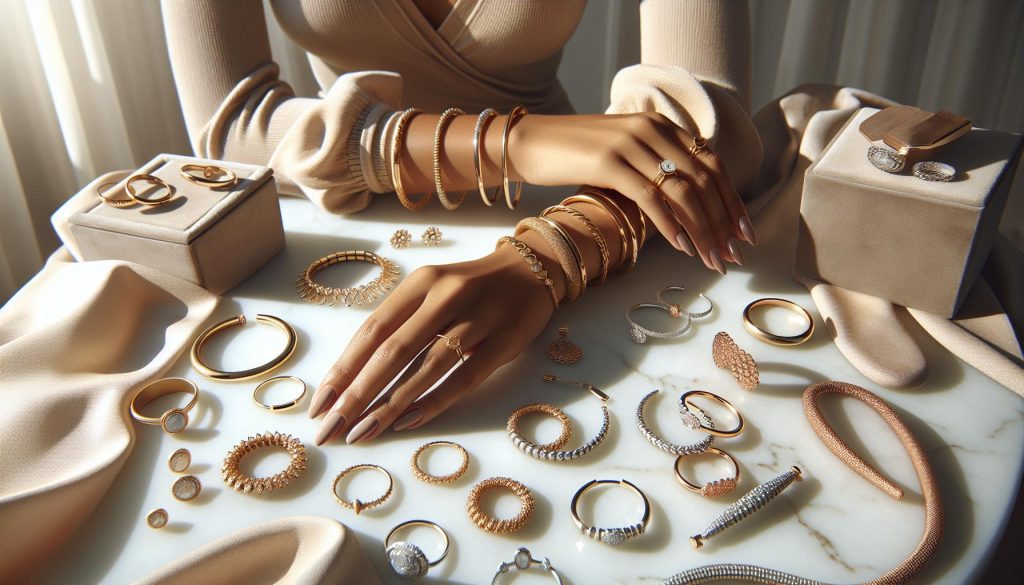
Fine Jewelry Metal Pairing Principles: Successful fine jewelry metal pairing requires balancing optical contrast with metallurgical hardness. While yellow gold pairs seamlessly with cool metals like platinum 950 and sterling silver or warm alloys like rose gold, stacking metals of differing Mohs hardness—such as abrasive platinum directly against soft 18K gold—causes mechanical friction wear over time unless buffered.
When it comes to styling your jewellery, the right metal combinations can elevate even the simplest of pieces. Did you know that gold pairs beautifully with various metals, creating unique and eye-catching contrasts? This guide will help you explore the best metal companions for your gold jewellery, addressing common concerns like tarnishing and wear. Whether you’re dressing up for a special occasion or seeking a chic everyday look, understanding these pairings will empower you to confidently mix and match. Perfecting your personal style not only enhances your outfits but also reflects your individuality. Get ready to dive in and unlock the secrets to flawless metal pairings that resonate with your fashion sense!
Choosing the Right Metal Combinations with Gold
can elevate your jewellery game, creating stunning pieces that reflect your personal style. Gold pairs beautifully with a variety of metals, but understanding how to mix and match them can be a game changer. For instance, combining gold with silver or rose gold can create a luxurious yet modern look. When selecting complementary metals, consider the finish and tone; for example, yellow gold harmonizes well with the cool sheen of platinum, while white gold can contrast nicely with the warm hues of yellow gold.
To make informed choices, think about the occasion and your outfit. For a casual day look, stacking rings in yellow gold and silver can provide an effortless chic vibe. When it comes to more formal events, consider using gold with platinum or white gold for a sophisticated touch. Additionally, layering necklaces with different metals can add depth to your ensemble. Remember to maintain balance; mixing too many metal types can create visual clutter. As a rule of thumb, stick to two or three metals that complement rather than compete.
When combining metals, the purity level also matters. Higher karat gold (such as 18k or 22k) tends to be softer and may require a sturdier metal to endure wear. Pairing solid gold with stainless steel or titanium can enhance durability while maintaining elegance. Lastly, don’t hesitate to experiment and find combinations that resonate with you-jewellery is a personal expression. Whether you’re creating custom pieces or curating collections, the right metal combinations will surely make your jewellery shine.
The Best Metals to Complement Gold Jewellery
When it comes to enhancing the beauty of gold jewellery, selecting the right complementary metals can make all the difference. Gold’s warm glow and versatility allow it to pair harmoniously with various metals, each enhancing its unique appeal. For instance, rose gold is a popular choice; its pinkish hue creates an inviting contrast that adds a romantic touch to any piece. Similarly, silver presents a fresh, modern aspect when layered with gold, ideal for both casual and sophisticated styles.
Moreover, platinum and white gold are excellent companions for yellow gold, contributing a sleek and contemporary flair. Their cooler tones can elevate the overall look, making them ideal for formal settings. Consider also copper, which can offer an earthy richness, particularly when crafted into intricate designs that showcase both metals’ textures. Here’s a brief overview of :
- Rose Gold: Adds warmth and a touch of romance.
- Silver: Provides a modern contrast that’s perfect for layering.
- Platinum: Elevates elegance with its timeless sheen.
- White Gold: Merges with yellow gold for a sophisticated look.
- Copper: Introduces an earthy tone, perfect for artistic designs.
Finding the right balance is key to creating visually appealing combinations. Sticking to two or three metals in complementary shades can not only enhance the aesthetics but also avoid visual clutter. Don’t shy away from experimenting; textures and finishes can create stunning effects. Polished metals paired with matte surfaces can add depth, while brushed finishes against shiny ones can create a tactile contrast that stands out. Ultimately, your choice should reflect your personal style and the message you wish to convey through your jewellery.
Understanding Colour Theory in Gold and Metals
Understanding colour theory is essential when choosing complementary metals to pair with gold jewellery. Gold, with its rich and warm tones, interacts uniquely with different colours, influencing not just aesthetics but emotional resonance as well. For instance, gold paired with cool-toned metals like white gold or silver can create a striking contrast that brings about a sense of balance and harmony. This interplay can be used to evoke feelings of sophistication or modernity in your jewellery pieces.
When considering complementary metals, think about the colour wheel. Complementary colours, which are located opposite each other on the wheel, create striking visual contrasts. For example, the warm yellows and golds of yellow gold can be beautifully accented with blues or purples, potentially reflected through the use of gemstones or enamel work in your design. Incorporating colours like deep blue sapphires or royal purple amethysts can help enhance the appeal of gold, making the entire piece pop with vibrancy.
Warm metals, such as rose gold and copper, enhance the inviting allure of yellow gold. This combination is not only trendy but also adds a romantic touch to your jewellery. Furthermore, mixing different finishes-such as matte and shiny-can provide exciting dimension within the same colour family. Experimenting with textures, like pairing polished gold with a brushed silver, can create striking contrasts that capture attention and lend a tactile quality to your pieces.
As you explore these combinations, keep in mind the emotional responses different colours can evoke. The choice of metals and their finishes should not only reflect your style but also convey a particular message or mood. Whether aiming for elegance, playfulness, or a bold statement, understanding colour theory will empower you to make informed choices in your jewellery designs, creating pieces that resonate with both you and your audience.
Caring for Gold and Other Metal Combinations
Gold jewellery is not just an investment; it’s a cherished piece of art that reflects your personal style. However, to keep your gold pieces and their complementary metals looking stunning, it’s vital to implement proper care techniques. Each type of metal-from sterling silver to rose gold-has different care requirements that impact their longevity when paired with gold.
To maintain the allure of gold and its companions, consider the following care tips:
- Regular Cleaning: Use a soft, lint-free cloth to gently wipe your jewellery after each wear. This simple step helps remove oils, sweat, and dirt that can dull the surface.
- Safe Cleaning Solutions: For deeper cleaning, create a mild solution of warm water and a few drops of dish soap. Soak your jewellery for a few minutes, then use a soft brush to gently scrub hard-to-reach areas. Avoid harsh chemicals, which can damage metals.
- Storage Considerations: Store gold and other metal combinations separately to prevent scratching. Use soft pouches or lined compartments in your jewellery box to keep each piece safe.
- Phrasing and Finishes: Be mindful of the different finishes (like matte or polished) when mixing metals. Some finishes require different care methods; for example, brushed metals will show fingerprints more easily than polished ones.
Furthermore, while caring for mixed metal jewellery, it’s wise to pay particular attention to any gemstones present. Certain stones may require special cleaning methods or may be sensitive to heat or light. Consulting a jewellery professional can also be invaluable for maintaining the integrity of your unique combinations.
In everyday wear, avoid exposing your mixed metal pieces to harsh chemicals, like chlorine or household cleaners, which can tarnish or damage the metals. With a little love and attention, your gold jewellery and its partners can shine brilliantly through every occasion, elevating both your style and confidence.
Mixing Gold with Silver: Tips and Tricks
Mixing gold with silver creates a stunning visual contrast that can elevate any jewellery collection. The warm richness of gold, when paired with the cool sheen of silver, offers versatility that can be styled for both casual and formal occasions. To achieve a harmonious blend, consider these practical tips to ensure your mixed-metal pieces shine brilliantly.
One effective technique is to layer pieces thoughtfully. Start with a statement gold necklace and complement it with slender silver chains of varying lengths. This creates dimension without overwhelming the look. Additionally, when stacking rings, choose a balance-pair a chunky gold ring with several thin silver bands to draw attention to both metals while keeping the overall aesthetic refined.
Consider the tone and weight of your metals. Opt for gold and silver pieces that share a similar weight; this prevents one metal from overshadowing the other. For instance, a bold, heavy gold cuff is beautifully balanced with a lighter, more delicate silver bracelet. This balance keeps the overall design cohesive and allows each piece to stand out.
Lastly, pay attention to finishes and textures. Mixing polished, brushed, or matte finishes can add depth to your look. For example, a polished gold bangle combined with a matte silver ring can create a stylishly eclectic vibe. Experimenting with different finishes enhances the uniqueness of your jewellery, allowing for personalization that reflects your individual style.
By following these tips, you can create distinctive combinations that highlight both gold and silver, making a statement that resonates with elegance and sophistication.
The Impact of Metal Purity on Pairing Choices
When it comes to pairing metals with gold, the purity of each metal plays a critical role in achieving a harmonious and aesthetically pleasing design. The purity of gold is denoted in karats, with 24K gold being the purest form. However, when combining gold with other metals, especially those of lower purity, understanding their composition and characteristics is key to ensuring that the final piece has both beauty and durability.
Understanding Metal Purity
The purity of gold impacts its color, luster, and malleability. For instance, 18K gold, which is 75% gold, often appears richer and warmer compared to 14K gold at 58.3% purity. Pairing high-purity gold with lower-purity metals can create striking contrasts but may also introduce design challenges. Consider using materials with similar purities to maintain a cohesive look; for example, combining 18K gold with 18K silver, which has less common usage but offers a distinct sheen that complements gold beautifully.
Choosing Complementary Metals
When selecting other metals to pair with gold, keep the purity in mind. Some popular pairings include:
- Silver: Sterling silver, which is 92.5% pure, can elevate gold pieces, especially when both metals are present in equal measures.
- Platinum: Known for its purity, platinum is often 95% pure and has a neutral hue that complements gold without competing for attention.
- Copper: Often used in lower purity gold alloys like rose gold, copper introduces warmth that harmonizes with gold’s yellow tones.
Mixing metals of differing purities requires careful consideration to avoid discoloration or wear over time. For instance, pairing high-karat gold with lower-purity metals can lead to tarnishing or visible wear on the less durable metal, potentially detracting from the overall beauty of the piece. Thus, focusing on the metals that not only aesthetically align but also share similar durable qualities will enhance longevity.
Real-World Application
In practical terms, when designing custom jewellery, one might choose to contrast a beautiful 22K gold pendant with a 14K gold chain. While the colors will complement each other, attention must be given to the fact that the 22K gold will remain more malleable and prone to scratching than its 14K counterpart. This can influence decisions like chain thickness or style to ensure that both components withstand daily wear.
By understanding the impact of metal purity on your pairing choices, you can create dynamic jewellery pieces that not only look stunning but are also practical for everyday use. This knowledge empowers you to make informed decisions, allowing you to explore a variety of combinations while maintaining the integrity and beauty of your gold jewellery.
Gemstone Selection for Gold and Metal Combinations
When selecting gemstones to accompany gold and its various metal combinations, the choice can dramatically enhance the overall aesthetic of your jewelry piece. Gemstones can offer a spectrum of colors and textures that not only complement gold but also harmonize with other metals in your design. For instance, vibrant colored stones such as emeralds or sapphires can provide a striking contrast to the warm and rich tones of gold, creating an eye-catching focal point.
One key aspect to consider is the color theory behind your selections. Warm-colored gemstones-like rubies or citrines-pair beautifully with yellow or rose gold, creating a seamless blend of hues that radiate warmth and opulence. On the other hand, cool-colored stones-like amethyst or aquamarine-look stunning against white gold or sterling silver, enhancing clarity and allowing the metals to shine through. Additionally, the texture and cut of the gemstone are equally important. A faceted gemstone catches light differently than a polished cabochon, which can alter how it interacts with the surrounding metals.
Popular Gemstone Choices
When it comes to specific gemstone selections, consider these popular options that often work well with gold and metal combinations:
- Diamond: Timeless and versatile, diamonds bring brilliance to any piece, complementing both yellow and white gold exceptionally well.
- Emerald: Its rich green hue pairs elegantly with yellow gold, creating a luxurious and classic look.
- Amethyst: This purple gem looks stunning against both yellow and white gold, bringing a regal touch.
- Rose Quartz: A favorite for mixing with rose gold, it enhances the metal’s warm tones while adding a gentle, romantic feel.
Choosing the right gemstone not only accentuates the gold and other metals in your jewelry but also reflects personal style and taste. Take into account the design’s intended use-whether it’s for everyday wear, special occasions, or as statement pieces-which can influence both color and type of gemstone. Balancing these elements with thoughtful consideration opens a door to creating unique, breathtaking jewelry that stands the test of time.
DIY Projects: Creating Unique Gold and Metal Pieces
It’s exciting to explore the world of DIY jewelry, especially when combining gold with other metals to create unique pieces. Crafting your jewelry not only allows for personal expression but also helps you develop a deeper understanding of the materials you’re working with. Whether you’re a seasoned jewelry maker or a beginner, experimenting with different metal combinations can lead to stunning results and cherished pieces.
When embarking on your DIY project, start by understanding the properties of gold alongside the metals you wish to combine it with. Gold can be paired beautifully with sterling silver, copper, or even brass, creating a striking contrast that elevates your design. Consider starting with simpler projects, such as layered necklaces or stacked rings. For example, take a delicate gold chain and intersperse it with silver charms, or create a mixed-metal cuff bracelet by combining gold and copper wires.
Here are some tips to consider for your DIY gold and metal pieces:
- Choose a cohesive color palette: Ensure the metals you select work harmoniously together. Cool-toned metals, like silver and white gold, complement each other well, while warm tones, such as rose gold and copper, create a rich, inviting look.
- Experiment with textures: Mixing shiny metals with matte or brushed finishes can enhance the visual interest of your jewelry. Consider using different techniques, like hammering or etching the surfaces for unique effects.
- Incorporate gemstones: Gemstones add not only color but also personality to your designs. When choosing stones, consider the overall aesthetics of your piece-whether you want a bold statement or a subtle elegance.
Finally, don’t forget to protect your creations. Use appropriate sealants to prevent tarnishing and ensure longer-lasting beauty. Whether you’re crafting gifts for loved ones or pieces to celebrate your style, DIY jewelry making opens the door to endless creativity and fulfillment. Each piece you create tells a story, making your jewelry uniquely yours.
Styling Gold with Different Metals for Any Occasion
Styling gold with different metals can transform your jewelry collection into a vibrant and versatile array of pieces suitable for any occasion. Understanding how to pair gold with silver, rose gold, copper, and other metals can help you create unique combinations that not only accentuate your personal style but also enhance the overall aesthetic of your outfit.
Start by considering the event you’re dressing for. For casual gatherings, mixing gold with sterling silver can create a relaxed yet elegant look. Think about layering delicate gold and silver chains or stacking rings in both metals for a playful vibe. Adding a pop of color through gemstones can further elevate the ensemble, making it feel contemporary and trendy.
When dressing for more formal occasions, warm-toned metals like rose gold and gold provide a luxurious feel that can be carried through your accessories. A statement bracelet that combines these two metals can serve as a perfect accent to a simple evening gown, while drop earrings can add a touch of sophistication without overwhelming your look.
Moreover, the texture also plays a critical role in styling. Combining high-polished gold with matte or hammered finishes in other metals can add depth and interest to your jewelry. For example, wearing a smooth gold bangle alongside a rugged, brushed copper cuff creates a stunning contrast that draws the eye.
Finally, don’t forget about the power of balance. If your outfit already has a bold pattern or color scheme, opting for subtle mixed metal accessories can enhance the look without competing for attention. Create harmony by choosing pieces that share similar design elements, such as geometric shapes or organic curves, to ensure your gold and metal combinations unite rather than clash.
By thoughtfully selecting the right metal combinations and understanding the principles of styling, you can confidently make your gold jewelry versatile and suitable for any occasion.
Storing Gold and Metal Jewellery Safely
When it comes to preserving the beauty and integrity of your gold and metal jewelry, safe storage is not just a consideration-it’s a necessity. Proper storage protects your pieces from scratches, tarnishing, and other forms of damage that can detract from their allure. Whether you’re organizing a cherished collection or just a few favorite items, establishing a safe storage routine will enhance the longevity of your jewelry.
A good start is to choose the right storage container. Opt for a jewelry box with separate compartments or a fabric-lined drawer to prevent pieces from touching each other. Soft dividers can help keep delicate items like gold chains or rings from tangling. Additionally, consider glass-top boxes or display cases, which not only protect but also allow you to appreciate your collection at a glance. Humidity can also be a threat to mixed metal jewelry, so storing your pieces in a cool, dry area is essential. If possible, use anti-tarnish strips or silica gel packets in your jewelry box to absorb any moisture and further protect against tarnishing.
When it comes to specific metals, awareness of how different materials can react with each other is crucial. For instance, keep your sterling silver separate from other metals like copper to avoid unwanted reactions that can lead to tarnishing. As a best practice, store gold pieces in a soft pouch or wrap them in a lint-free cloth to prevent scratching against other hard surfaces. If you have multiple pieces, consider organizing them by metal type, occasion, or style to make them easy to find while providing additional protection.
Lastly, don’t overlook regular checks and maintenance. Take the time to inspect your jewelry periodically for any signs of wear or damage. Cleaning your pieces gently using suitable cleaners (like a soft cloth for gold or specific solutions for other metals) can also minimize the potential for buildup that leads to tarnishing or discoloration. By following these safe storage practices, you’ll not only extend the life of your gold and metal jewelry but also ensure that each piece continues to shine brightly and beautifully every time you wear it.
Common Mistakes to Avoid When Pairing Metals
Pairing metals with gold can yield breathtaking results, but navigating the nuances requires sensitivity and knowledge. One common mistake is choosing incompatible metals without considering their individual properties. For instance, mixing gold with metals that have drastically different hardness levels can lead to scratching and damage. Gold is relatively soft compared to metals like titanium or stainless steel. To avoid wear and tear, it’s often best to pair gold with softer metals, such as silver, bronze, or copper, that will complement rather than harm it.
Another frequent misstep is failing to account for color harmony. Gold comes in various hues, ranging from bright yellow to rich rose and white gold. Ignoring these variations can result in clashing combinations. When selecting metals, pay attention to their tones. Pair yellow gold with warm metals like rose gold or brass for a cohesive look. Gold with cooler tones, like white gold, can be beautifully offset with silver or platinum. Always hold pieces together to see how their colors interact under different lighting conditions.
In terms of design cohesion, mixing metals can sometimes lead to a chaotic aesthetic if not done thoughtfully. Many jewelry enthusiasts mix metals without considering the overall design language. Aim for a balanced approach where the styles and finishes of the metals correlate. For example, combine polished gold with matte silver for visual contrast, but ensure that both metals share design elements, such as geometric shapes or organic forms.
Lastly, neglecting the importance of context can lead to mismatched pairings. Consider the occasion and outfit before pairing metals. While a bold mix might be perfect for a night out, a more subdued approach might be preferable for formal events or professional settings. Assess the vibe of the occasion and let it guide your metal choices, ensuring your ensemble feels intentional and stylish. By avoiding these common mistakes, you can confidently create beautiful gold and metal combinations that truly shine.
Trends in Gold and Metal Combinations for 2023
Embracing the art of mixing metals has evolved into a thrilling trend in 2023, allowing jewellery enthusiasts to showcase their unique style while celebrating the timeless allure of gold. This year, we see a notable shift toward layered and stacked combinations that marry gold with contrasting metals, encouraging wearers to express their individuality. This pairing offers a dynamic way to showcase personal flair, whether through rings that blend yellow gold with rose gold and silver or necklaces that feature gold chains interspersed with silver pendants. The focus on customization has never been stronger, as individuals seek pieces that not only reflect their personality but also add depth to their jewellery collections.
In terms of colour, mixed metal aesthetics are steering towards a more harmonious blend of hues, moving away from the traditional bold contrasts. For example, pairing warm-toned yellow gold with softer hues of rose gold creates an inviting and cohesive look that’s highly sought after. Jewelry designers are increasingly utilizing coloured gemstones set in gold and silver backgrounds, enhancing the overall appeal and offering a fresh perspective on traditional styles. This trend encourages wearers to select pieces that resonate with their style while effortlessly allowing for everyday versatility.
As the sustainable movement continues to gain momentum, there is also a rise in the popularity of eco-friendly metal combinations. Many artisans are focusing on ethically sourced materials and recycled metals. By combining gold with sustainably sourced silver or reclaimed bronze, consumers are not only investing in exquisite pieces but also making environmentally conscious choices. This trend not only appeals to eco-conscious consumers but also sets a new standard in the jewellery design industry, encouraging creativity while upholding ethical practices.
Lastly, minimalistic designs featuring delicate gold chains combined with finer silver or brass accents are making waves. The appeal lies in their subtle charm and everyday wearability. These layered pieces are versatile enough to transition from day to night, seamlessly blending with various outfits and occasions. As this trend unfolds, readers are encouraged to explore their creativity by experimenting with different styles and combinations, ensuring that their personal expression shines through each carefully curated piece.
By embracing these trends, jewellery lovers can confidently navigate the world of gold and metal combinations, allowing their unique personalities and styles to take center stage.
Faq
Q: What metals pair well with gold jewelry?
A: Silver, rose gold, platinum, and copper are excellent choices to pair with gold jewelry. These metals complement gold’s warmth and create visually stunning contrasts. For a unique look, consider mixing different gold hues, like yellow with white or rose gold.
Q: Can I mix gold with other metals?
A: Yes, mixing gold with other metals can enhance your style. Just ensure to balance the colors and finishes. For instance, pairing gold with silver or mixed metal designs adds character to your jewelry collection, making it more versatile.
Q: What should I consider when pairing metals with gold?
A: Consider the color tone and finish of the metals. Warm-toned metals like rose gold pair beautifully with yellow gold, while cooler metals like white gold or silver offer a chic contrast. Also, think about the occasion and outfit to match your pairing effectively.
Q: How does metal purity affect pairing with gold?
A: Higher purity metals, like 24k gold, have a richer color but are softer. Pairing them with sturdy metals, like sterling silver, enhances durability while maintaining aesthetics. Refer to the section on “The Impact of Metal Purity on Pairing Choices” for more insights.
Q: Are there any mistakes to avoid when mixing metals with gold?
A: Yes, avoid clashing metal tones and styles that may look mismatched. Also, ensure the metals have similar durability to prevent wear-related issues. Check “Common Mistakes to Avoid When Pairing Metals” for detailed advice.
Q: How can I style gold jewelry with different metals for various occasions?
A: For casual settings, mix gold with silver or copper for a laid-back vibe. For formal events, pairing gold with platinum or white gold offers a sophisticated look. Explore “Styling Gold with Different Metals for Any Occasion” for specific outfit ideas.
Q: What techniques can enhance the aesthetic of gold and metal combinations?
A: Layering pieces, using contrasting textures, and balancing sizes can enhance the aesthetic. For instance, stacking delicate gold rings with thicker silver bands creates visual interest. Refer to “DIY Projects: Creating Unique Gold and Metal Pieces” for practical tips.
Q: How can I care for mixed metal jewelry?
A: Clean mixed metal jewelry regularly using appropriate cleaners for each metal. Store pieces separately to prevent scratching. For detailed cleaning tips, review the “Caring for Gold and Other Metal Combinations” section for a complete care guide.
In Conclusion
Now that you’ve discovered the ideal metal pairings for your gold jewelry, it’s time to elevate your style confidently! Remember, blending gold with metals like silver or rose gold can enhance your look and create stunning contrasts. Don’t hesitate to explore our detailed guides on jewelry care and styling tips to ensure your collection stands out beautifully.
Are you ready to take your jewelry game to the next level? Visit our resources on DIY jewelry projects and storage solutions designed for both beginners and collectors alike. Additionally, if you have any questions or want to share your experiences, drop a comment below. Your insights could inspire others in our community!
Lastly, stay in the loop with the latest trends and tips-sign up for our newsletter today. Let’s continue this journey together and make your jewelry shine even brighter!
Metallurgical Compatibility Matrix: Hardness, Friction, and Galvanic Corrosion
Mastering sophisticated jewelry metal pairing requires both aesthetic sensitivity and metallurgical science. When rings or bracelets rub together continuously, differences in alloy density and hardness cause the softer metal to abrade quickly:
| Metal Pairing Combination | Vickers Hardness Comparison (HV) | Galvanic Potential Difference | Long-term Friction Wear Assessment | Bench Jeweler Recommendation |
|---|---|---|---|---|
| 18K Yellow Gold + Platinum 950 | Gold (125 HV) vs Platinum (120–135 HV) | Negligible (Inert noble metals) | Platinum displaces gold over years; requires periodic inspection | Excellent visual contrast; use thin silicone or plain spacer band |
| 14K Yellow Gold + 14K Rose Gold | Yellow (140 HV) vs Rose (155 HV) | Zero (Identical gold content; copper alloy variance) | Minimal friction loss; perfectly balanced surface wear | Ideal harmonious warm palette; highly recommended for bridal stacks |
| 18K Yellow Gold + Sterling Silver 925 | Gold (125 HV) vs Silver (75–90 HV) | Low, but silver oxidizes in moisture/sweat | Silver wears faster than 18K gold; gold remains unmarred | Fabulous high-low contrast; clean silver frequently with polish cloth |
| Solid Gold + Titanium or Tungsten | Gold (125–150 HV) vs Tungsten (1500+ HV) | Low chemical corrosion | Catastrophic wear: Tungsten will carve deep gouges into gold shank | NEVER stack directly adjacent on the same finger; wear on opposite hands |
Curating Tri-Color and Mixed Metal Jewelry Wardrobes
To effortlessly integrate mixed metals into your daily aesthetic, apply these professional styling guidelines:
- The 70/30 Anchor Rule: Establish one dominant metal tone comprising approximately 70% of your accessories (such as yellow gold rings and chains), using 30% white or rose gold as intentional focal accents to avoid chaotic styling.
- Utilize Strategic “Bridge” Pieces: Incorporating a multi-metal piece—such as a classic two-tone watch, interlocking tri-color rolling ring, or bimetallic cuff—seamlessly unifies disparate accessories across both hands and wrists.
- Texture and Finish Synergy: When combining gold and silver, matching surface finishes (e.g., pairing high-polish gold with mirror-polish silver, or satin-brushed gold with matte silver) unifies the visual language, making the combination look deliberately curated rather than accidental.
Get our latest guides, news, and insights highlighted in your Google Search & AI Overviews.