Acrylic, often recognized as Plexiglass, is a remarkable material that has transformed various industries due to its versatility and durability. Did you know that acrylic is not only lighter but also shatter-resistant compared to glass? This benefit makes it a favorite choice for everything from jewelry displays to crafting intricate designs. For those invested in creating or styling jewelry, understanding acrylic’s unique properties can significantly enhance your projects and the overall aesthetic appeal. Whether you’re a seasoned professional or just starting your creative journey, knowledge of this dynamic material empowers you to make informed choices in your designs and applications. Join us as we delve deeper into what makes acrylic a standout material, exploring its properties, uses, and tips for incorporating it into your jewelry repertoire.
Understanding Acrylic: What You Need to Know
Acrylic is a vibrant and versatile material that has found its way into countless applications, serving as an alternative to traditional glass. Notably lighter and more shatter-resistant, acrylic is also prized for its exceptional clarity and ease of fabrication. Originally developed as a substitute for glass in the 1930s, this synthetic polymer continues to evolve, becoming a favorite among designers, artisans, and everyday consumers alike.
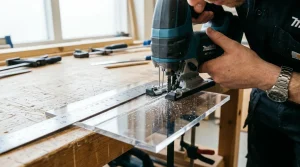
One of the most compelling attributes of acrylic is its ability to retain color and resist UV damage, making it ideal for outdoor uses such as signage, fixtures, and even aquariums. Unlike glass, which can quickly become clouded or damaged by the elements, acrylic maintains its clarity over time. This resilience makes it an attractive choice for both aesthetics and durability in design projects. Additionally, acrylic can be easily molded, drilled, and cut, allowing for detailed customization in crafting and DIY endeavors.
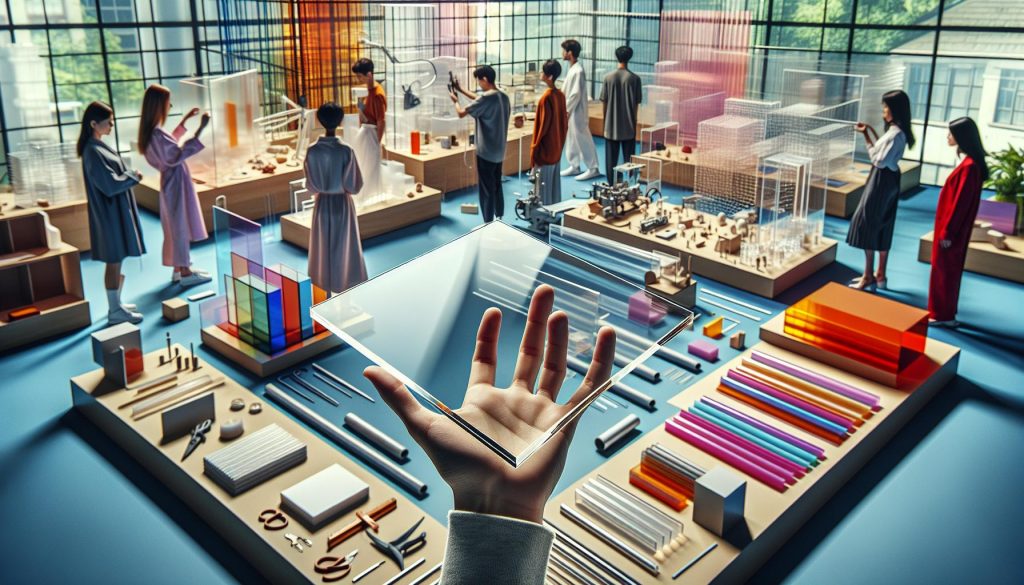
Beyond its practical advantages, acrylic’s flexibility as a material opens up a world of creative possibilities. Whether you’re designing bold jewelry pieces, constructing intricate laser-cut decorations, or simply needing clear panels for home décor, acrylic can adapt to various styles and requirements. For example, many artists and crafters appreciate acrylic for its lightweight nature, enabling large installations that do not overwhelm spaces or structures. Leveraging this material can bring artistic visions to life with clarity and vibrancy while remaining user-friendly for beginners and seasoned crafters alike.
In summary, understanding the nuances of acrylic is key for anyone looking to incorporate it into projects, whether professional or personal. Its unique properties not only enhance physical durability and aesthetic appeal but also inspire creativity across various domains, making it a staple in modern design and crafting.
Acrylic vs. Other Common Plastics
When comparing acrylic with other common plastics, it’s essential to understand the unique properties that set it apart. Acrylic, or polymethyl methacrylate (PMMA), boasts superior optical clarity and is far less prone to shattering than traditional glass, making it an ideal option for applications where visibility and safety are critical. Unlike polycarbonate, another popular choice in industries requiring impact resistance, acrylic is lighter and has a much higher degree of rigidity, although polycarbonate exhibits greater strength and flexibility.
Another notable contender is polyethylene (PE), widely used in containers and plastic bags. While PE is more affordable and offers excellent chemical resistance, it lacks the aesthetic appeal and transparency that acrylic provides. For instance, if you are creating jewelry displays or decorative pieces, acrylic’s ability to maintain high clarity and vibrant colors is a tremendous advantage over PE. Additionally, PVC (polyvinyl chloride) is hailed for its durability and insulation properties, yet often falls short in visual appeal and ease of customization compared to acrylic.
Acrylic can also compete with other materials like ABS (acrylonitrile butadiene styrene), which is known for its toughness and ability to be molded into complex shapes. However, while ABS is a go-to choice in automotive and construction industries due to its low cost and impact resistance, acrylic is favored for applications that require a more polished look, such as in artistic and decorative endeavors.
In summary, acrylic stands out in the plastic family due to its combination of transparency, lightweight, and aesthetic properties, which makes it a favored choice among designers and crafters seeking to combine form and function in their creations. Whether you’re looking to create jewelry, display cases, or artistic installations, understanding these differences can guide you in selecting the best material for your projects.
Key Properties of Acrylic Material
Acrylic is a versatile material that has gained popularity not just for its aesthetic appeal but also for its unique properties that cater to various applications. Known for its clarity and durability, acrylic is often a favored choice among jewelers and designers. With a combination of attributes that include lightweight construction, weather resistance, and ease of processing, acrylic provides both form and function, making it an excellent choice for crafting beautiful and long-lasting jewelry pieces.
One of the standout properties of acrylic is its optical clarity. It can transmit light up to 92%, making it more transparent than glass. This quality makes acrylic perfect for jewelry displays and decorative items where visual appeal is paramount. Additionally, acrylic’s impact resistance ensures that jewelry pieces are less likely to shatter or break compared to those made with more brittle materials. Another practical advantage is its weight; acrylic is significantly lighter than glass or metal alternatives, allowing for more comfortable wear, especially in larger statement pieces.
Moreover, acrylic is known for its ease of fabrication and finishing. Jewelers appreciate how acrylic can be cut, drilled, and shaped effortlessly into virtually any design without the risks of cracking or shattering. This flexibility opens the door for creativity, enabling artisans to craft intricate jewelry designs that would be difficult to achieve with traditional materials. Its ability to be easily polished adds to its allure, allowing for high-gloss finishes that enhance the beauty of the final product.
Caring for acrylic is straightforward, requiring minimal maintenance to keep it looking its best. A gentle wipe with a soft cloth can remove dust and fingerprints, while specialized acrylic cleaning solutions can help restore its shine without scratching the surface. These attributes make acrylic not only a practical choice for crafting jewelry but also an excellent option for those just starting in the jewelry-making world. In summary, acrylic’s unique properties make it an invaluable material for both personal expression and practical applications in jewelry design.
Applications of Acrylic in Everyday Life
Acrylic is ingeniously woven into the fabric of modern life, serving diverse roles that resonate across various sectors. This versatile material, renowned for its exceptional clarity and lightweight nature, finds its place not just in jewelry but also in everyday applications, offering practical benefits that enhance functionality and aesthetics alike. Whether in your home, workplace, or during leisure activities, acrylic enriches our surroundings and experiences, making it an unsung hero in material innovation.
One of the most familiar applications of acrylic is in consumer products like eyewear and protective shields. With its superior optical clarity, acrylic lenses provide lightweight alternatives to traditional glass, perfect for sunglasses, reading glasses, and safety goggles. Beyond optical uses, acrylic is often used for display cases in retail settings, showcasing everything from jewelry to collectibles, thanks to its ability to resist yellowing and maintain visual appeal over time. In homes, acrylic furnishings, such as coffee tables and chairs, marry contemporary design with unexpected durability, effortlessly blending in while withstanding daily wear.
The versatility of acrylic extends to the creative realm as well. Artists and crafters appreciate its ease of manipulation; it can be seamlessly shaped into unique sculptures, signs, and custom artwork. For DIY enthusiasts, acrylic sheets can be cut and painted to craft personalized home décor, guaranteeing that each piece is both distinctive and durable. Moreover, in the world of pet care, acrylic aquariums boast the advantage of being lighter and shatter-resistant, providing aquatic enthusiasts with safer and more manageable habitats for their underwater companions.
Not to neglect sustainability, innovations in acrylic production are increasingly focusing on eco-friendliness, with options that incorporate recycled materials. This shift towards greener manufacturing not only minimizes environmental impact but also appeals to consumers seeking sustainable alternatives. As more companies prioritize eco-conscious practices, acrylic will likely continue to play a pivotal role in the evolution of sustainable design.
With such a diverse range of applications, acrylic stands out as a preferred material that enhances everyday life through its practical advantages and remarkable adaptability. The next time you see an acrylic product, from the jewelry you wear to the protective gear you trust, remember the unique qualities this material brings to your world.
Benefits of Using Acrylic in Design
Acrylic’s aesthetic appeal and versatile nature make it a favorite among designers, artisans, and DIY enthusiasts alike. More than just a lightweight substitute for glass, acrylic offers unique benefits that elevate design projects across various mediums. With its impeccable clarity, vibrant colors, and myriad finishes, acrylic is ideal for creating eye-catching jewelry pieces that stand out and command attention.
One of the most compelling advantages of acrylic is its ability to mimic more expensive materials like glass and metal without the associated weight and fragility. This quality not only enhances design flexibility but also reduces the risk of breakage, allowing creators to experiment with intricate shapes and delicate structures. For example, acrylic earrings can feature elaborate designs while remaining comfortable to wear, making them accessible for everyday use or special occasions. Additionally, the material can be easily cut, shaped, and layered, which empowers designers to push the boundaries of creativity.
When it comes to color, acrylic shines brightly. Its extensive range of hues can match any aesthetic, from bold and eclectic to soft and minimalist. The versatility of colors extends to the application of gradients and patterns, enabling artists to tailor their work to meet specific tastes and themes. Using acrylic in jewelry allows for innovative techniques like pouring, layering, and embedding objects, resulting in unique pieces that tell a story and showcase the artist’s personality.
Furthermore, acrylic’s resistance to weathering and yellowing ensures that designs maintain their vibrant appearance over time. This durability is especially beneficial for jewelry items, as it means pieces can be worn frequently without the fear of diminishing quality. Moreover, acrylic can be cleaned with ease, making maintenance less of a chore for the wearer.
Overall, acrylic not only supports a broad creative vision but also enhances the user experience through its durability and ease of care. Designers and consumers alike will appreciate how this material elevates the functionality and beauty of their creations, ensuring that each piece remains a statement of style and craftsmanship.
How to Care for and Maintain Acrylic
Acrylic is not only a favored material for its stunning visual appeal but also for its practical use in everyday items, especially in jewelry crafting. However, to maintain its clarity and vibrancy, proper care is essential. One of the most compelling aspects of acrylic jewelry is how manageable it is when it comes to maintenance. By following a few simple steps, you can ensure that your acrylic pieces remain as eye-catching as the day you first wore them.
To keep your acrylic jewelry looking pristine, it’s crucial to clean it regularly. Use a soft microfiber cloth dampened with lukewarm water to gently wipe away any dirt or sweat. Avoid using harsh chemicals or abrasive cleaners, as these can scratch or cloud the surface. If your pieces have specific designs or intricate detailing, a gentle soapy solution made with mild dish soap can help to lift tougher stains. Rinse thoroughly with clean water and pat dry with a soft cloth to prevent water spots.
Storing your acrylic jewelry properly can extend its life significantly. It’s best to keep your items in a cool, dry place away from direct sunlight, which can cause fading over time. Consider using padded jewelry boxes or soft pouches to prevent scratches from other pieces. If you hang your jewelry, make sure the hooks or hangers are also padded to minimize any potential damage.
Finally, always remember that prevention is key. To minimize wear and tear, try to remove your acrylic jewelry before engaging in activities that might expose it to damage, such as exercising, swimming, or applying sprays and lotions. With these simple care tips, you can enjoy your acrylic creations for years to come, ensuring they always accentuate your unique style and creativity.
Environmental Impact of Acrylic Production
Acrylic, known for its versatility and clarity, has raised concerns due to its environmental footprint. Understanding the is crucial for both consumers and businesses seeking sustainable practices. The production process requires significant resources, notably petrochemicals and electricity, contributing to greenhouse gas emissions. As a result, acrylic can be positioned as a less eco-friendly option compared to materials like wood or glass. However, there is a growing movement towards improving the sustainability of acrylic products through recycling and innovative manufacturing processes.
To mitigate its environmental impact, the acrylic industry is exploring alternative production methods and sustainable practices. Many manufacturers are now focusing on using recycled acrylic to decrease reliance on virgin materials. This not only lessens the extraction of raw resources but also reduces energy consumption associated with production. Furthermore, the durability of acrylic products means they can have a longer lifespan compared to other plastics, which helps in reducing overall waste.
When it comes to consumer choices, opting for products made from recycled acrylic or supporting brands that prioritize sustainable manufacturing can make a significant difference. In addition to recycling efforts, consumers can contribute to sustainability by properly disposing of acrylic materials to ensure they are recycled rather than sent to landfills.
Ultimately, while acrylic’s production does present environmental challenges, advancements in recycling and sustainable practices offer promising pathways towards reducing its overall ecological footprint. By making informed choices, consumers can play a pivotal role in shaping the future of acrylic usage in daily life and craftsmanship.
Crafting and DIY Projects with Acrylic
Acrylic is a fantastic material for DIY enthusiasts, known for its clarity and versatile nature, making it an exceptional choice for a wide range of crafting projects. Whether you’re a beginner or an experienced crafter, using acrylic opens the door to exciting creations such as jewelry, home decor, and art installations. Unlike glass, acrylic is lightweight and shatter-resistant, allowing you to work with it in diverse settings without the fear of breakage.
One popular application in crafting is making personalized jewelry. Acrylic sheets can be easily cut into various shapes-like pendants and earrings-and decorated with paints or engraved designs. Here’s a practical step-by-step guide to creating custom acrylic earrings:
Steps to Create Custom Acrylic Earrings
- Materials Needed: Acrylic sheets, a craft knife, earring hooks, jump rings, and decorative elements (like paint or glitter).
- Design: Sketch your desired shapes on paper, then transfer these designs onto the acrylic sheets.
- Cutting: Use a craft knife or laser cutter to carefully cut out your shapes.
- Decoration: Paint or add decorative elements to your acrylic pieces as desired.
- Assembly: Attach the earring hooks using jump rings for a finished look.
Another compelling aspect of working with acrylic is its ability to mimic other materials while providing unique visual effects. For example, acrylic can be made to look like marble or wood, allowing you to add elegance and style to furniture or decorative pieces without the weight of traditional materials.
For larger projects, such as creating acrylic wall art or home decor items, you can experiment with various techniques like pouring, layering, or embedding objects within the acrylic. Each technique brings a distinct aesthetic, making your project truly one-of-a-kind.
When planning your next crafting or DIY project, consider integrating acrylic as a primary material. Its versatility not only empowers creativity but also makes crafting accessible and enjoyable, allowing you to create beautiful, personalized items that showcase your unique style. In addition to being a fun material to work with, acrylic projects can also make for thoughtful, handmade gifts that resonate with your loved ones.
Acrylic’s Role in Sustainable Materials
Acrylic is rapidly gaining recognition not only for its aesthetic appeal and versatile uses but also for its potential role in sustainable practices. As industries and consumers alike become increasingly aware of their environmental impact, acrylic presents several opportunities for more eco-conscious choices. For instance, acrylic can be sourced from recycled materials or manufactured using more sustainable processes, reducing its carbon footprint.
One remarkable feature of acrylic is its durability. Unlike many other plastic materials that may become brittle and require replacement quickly, high-quality acrylic products can last for years, minimizing waste. This longevity means that items crafted from acrylic – be it jewelry, signage, or furniture – generate less waste over time. Additionally, when it comes to end-of-life considerations, acrylic can often be recycled. This ability to be processed again into new products closes the loop in the material lifecycle, contributing to a more circular economy.
Practical Steps for Sustainable Acrylic Usage:
- Choose Recycled Acrylic: When purchasing acrylic sheets or products, seek out those made from recycled materials.
- Invest in Quality: Opt for high-quality acrylic that is less likely to crack or degrade, ensuring longevity.
- Recycle Properly: When your acrylic items reach the end of their life, make sure to recycle them properly. Check with local facilities that accept acrylic.
Moreover, in the context of crafting and DIY projects, using acrylic can also inspire sustainable design choices. For example, decorative elements made from acrylic can be repurposed from discarded items, transforming waste into unique, eco-friendly crafts. This not only enhances creativity but also promotes a mindful approach to consumption, showing how artistry and sustainability can meld harmoniously.
As acrylic production techniques evolve, innovations are being increasingly integrated with sustainability in mind. New methods focus on reducing energy consumption and utilizing materials that are less harmful to the ecosystem. By embracing these advancements, creators and consumers can play an active role in mitigating environmental impact while enjoying the beauty and functionality that acrylic has to offer.
Innovations and Future of Acrylic Material
The landscape of acrylic material is continuously evolving, embracing innovation that not only enhances its properties but also aligns with sustainable practices. One of the most exciting advancements in acrylic production is the development of bio-based acrylics, derived from renewable resources such as corn or sugarcane. This shift from petrochemical sources reduces reliance on fossil fuels and lowers the overall carbon footprint of acrylic products. With increasing consumer demand for eco-friendly materials, this innovation is paving the way for a greener future in the acrylic industry.
Moreover, improvements in manufacturing processes are delivering acrylic sheets that are stronger and more resistant to impacts and environmental factors. Advanced techniques, such as co-extrusion, allow for the creation of multi-layered acrylic materials that combine different properties, such as UV resistance and improved clarity. These enhancements not only foster durability but also expand the application range of acrylic from decor and signage to aerospace and automotive industries.
Acrylic’s adaptability is further demonstrated through its role in customizable solutions. With advancements in digital printing technologies, businesses can create bespoke designs on acrylic surfaces, catering to individual consumer preferences. This personalization is becoming increasingly important, particularly in the jewellery industry, where unique and tailored pieces can enhance customer experience and satisfaction.
Looking ahead, the future of acrylic is also intertwined with recycling innovations. Enhanced methods for reclaiming and reprocessing used acrylic are being developed, making it feasible to turn waste back into high-quality material. As consumers become more eco-conscious, companies that adopt these circular economy principles stand to gain a competitive edge. By staying informed about these innovations, designers, crafters, and consumers can fully leverage the potential of acrylic while contributing to a more sustainable future.
Common Myths about Acrylic Debunked
Acrylic has gained immense popularity in various industries, yet numerous misconceptions surround this versatile material. One of the most prevalent myths is that acrylic is merely a cheaper substitute for glass. In reality, acrylic offers unique advantages, including being significantly lighter than glass and possessing superior shatter resistance. While glass can break and shatter into sharp shards, acrylic is much more durable and safer, making it a preferred choice for applications where impact resistance is critical, such as in jewelry displays and protective shields.
Another common belief is that acrylic is prone to yellowing and degradation over time. This has some basis in older formulations, but modern acrylic products are often treated with UV stabilizers, which significantly increase their longevity and resistance to yellowing. Therefore, when selecting acrylic for durable applications, it’s essential to look for high-quality products that feature these enhancements. Judging acrylic solely based on outdated perceptions can lead to missed opportunities for innovative design in jewelry and other sectors.
People often think acrylic can’t be recycled, leading to concerns about its environmental impact. This myth is increasingly being debunked as recycling technologies advance, enabling the recovery and reprocessing of acrylic materials effectively. Recycling acrylic not only conserves resources but also reduces waste, aligning with sustainable practices sought by modern consumers. By understanding these facts, designers and crafters can embrace acrylic with confidence, knowing they are working with a material that is not only beautiful and functional but also increasingly eco-friendly.
Finally, some assume that acrylic cannot be customized or decorated. On the contrary, acrylic is a highly editable medium; it can be easily cut, shaped, and printed on, allowing for creative expression in jewelry design. With the rise of digital printing technologies, artisans can produce one-of-a-kind pieces that reflect individual tastes and preferences. This flexibility makes acrylic a thrilling choice for personalizing jewelry, from intricate pendants to bold statement pieces. By dispelling these myths, we empower creators to explore the full potential of acrylic in their artistic endeavors.
Frequently Asked Questions
Q: What are the different types of acrylic materials?
A: Acrylic materials come in various types, including cast acrylic, extruded acrylic, and impact-modified acrylic. Cast acrylic is often clearer and more durable, while extruded acrylic is typically less expensive and easier to fabricate. Impact-modified acrylic offers enhanced resistance to breakage and impacts, making it suitable for demanding applications.
Q: How does acrylic compare to glass in terms of performance?
A: Acrylic is lighter than glass and provides better impact resistance, making it less prone to shattering. However, it can scratch more easily than glass, so proper care is essential. Its transparency is comparable to glass, giving it wide applications where weight and safety are concerns.
Q: Can acrylic be recycled, and how?
A: Yes, acrylic can be recycled, primarily through specialized facilities that process it into pellets for new products. Ensure to check local recycling guidelines, as acrylic may not be accepted in standard curbside recycling programs. Reusing acrylic items in craft projects is another eco-friendly option.
Q: What is the lifespan of acrylic materials in outdoor conditions?
A: Acrylic can last for many years outdoors, typically around 10-20 years, depending on exposure to UV light, temperature, and environmental conditions. To extend its lifespan, consider using UV-resistant coatings and regularly cleaning its surface to prevent degradation.
Q: Is acrylic safe for food contact?
A: Yes, acrylic is considered food-safe when it meets specific FDA standards. Make sure to choose food-grade acrylic products, especially for applications involving direct contact with food. Avoid using harsh chemicals for cleaning to maintain safety and integrity.
Q: How can I repair scratches on acrylic surfaces?
A: Scratches on acrylic can often be repaired using sandpaper (fine grit) or a plastic polishing compound. Gently sand the scratched area and then polish with a soft cloth to restore clarity. Avoid abrasive cleaners that can worsen the damage.
Q: What are common applications of acrylic in everyday products?
A: Acrylic is widely used in various products, including display cases, signs, aquariums, windows, and even in furniture. Its versatility and lightweight nature make it suitable for applications ranging from home decor to industrial uses.
Q: What precautions should I take when working with acrylic?
A: When working with acrylic, wear safety gear like goggles and gloves to protect against sharp edges and dust. Use appropriate tools designed for cutting acrylic to avoid cracking. Always ensure good ventilation, especially when sanding or using adhesives.
Wrapping Up
As we wrap up our deep dive into acrylic, we hope you now have a clearer understanding of its versatile properties and applications. Whether you’re considering acrylic for your next DIY project or simply looking to enhance your space with durable materials, the advantages of acrylic are undeniable. Don’t let your curiosity end here-explore our guides on jewellery care and cleaning metals and gems to further elevate your crafting game.
Now is the perfect time to take action! Dive deeper into our extensive resources, or subscribe to our newsletter for the latest updates and tips. Have questions or insights to share? We encourage you to leave a comment below and engage with our community. Remember, learning about materials like acrylic can inspire your creativity and help you achieve stunning results. Your journey doesn’t stop here-beyond acrylic, we have a wealth of information waiting for you. Let’s continue exploring and innovating together!
Get our latest guides, news, and insights highlighted in your Google Search & AI Overviews.