Selling jewellery can be a lucrative venture, but maximizing profit requires knowledge and strategy. Did you know that the right marketing approach can elevate your sales significantly? Whether you’re looking to downsize your collection or turn a hobby into a business, understanding how to navigate the market is crucial. In this guide, we’ll explore actionable strategies to help you sell jewellery effectively, addressing concerns like pricing, presentation, and market trends. Prepare to unlock the secrets to making your jewellery-selling experience both profitable and fulfilling, as you connect with buyers who appreciate the value of your pieces. Dive in to discover how to turn your jewellery into cash with confidence and ease.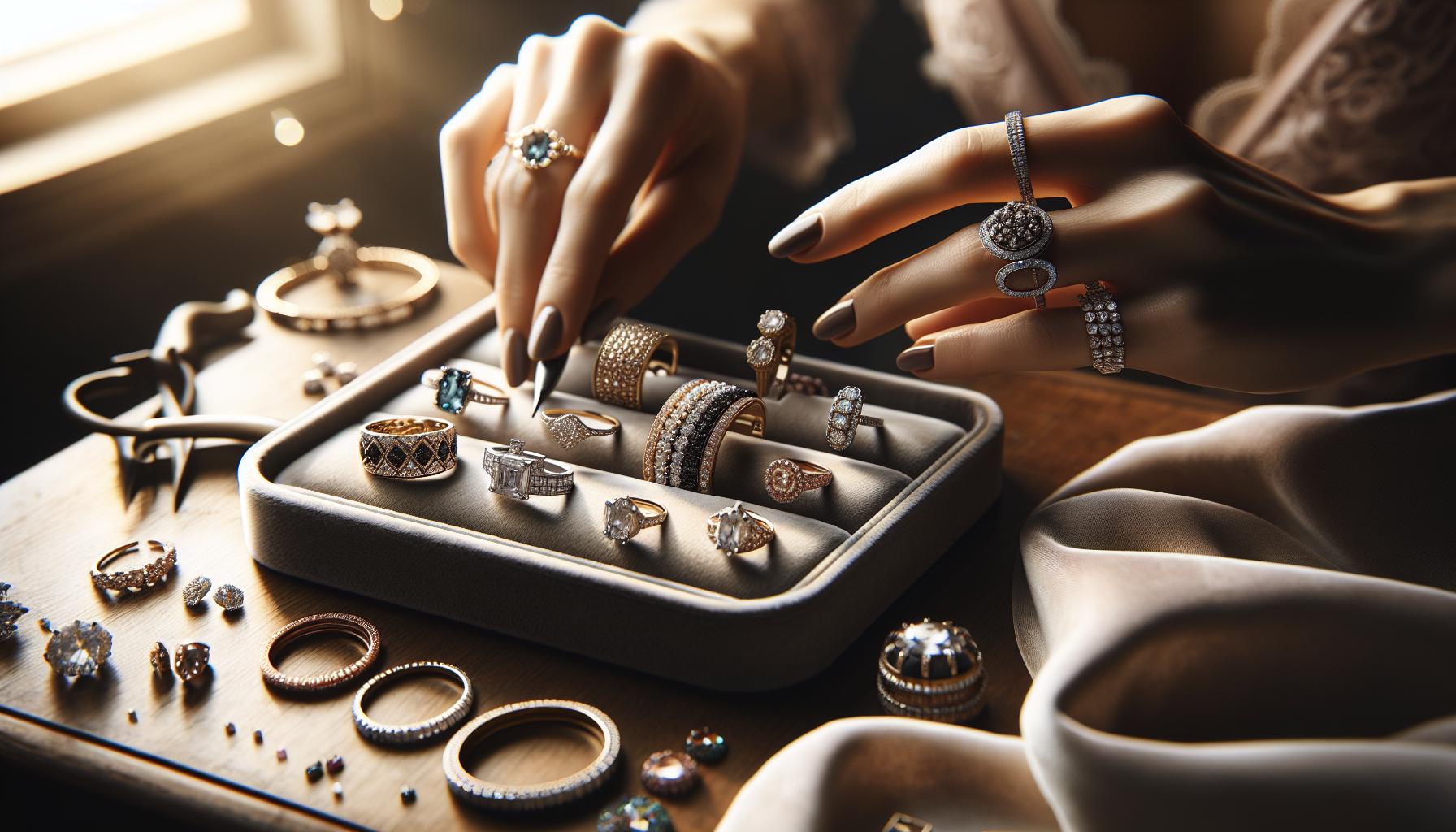
How to Identify the Best Selling Jewellery Styles
Identifying the best-selling jewellery styles is essential for maximizing profits in the jewellery business. Current trends often stem from a mix of cultural influences, celebrity endorsements, and seasonal changes. Engaging with these trends not only enhances your collection but also keeps your inventory aligned with consumer demands. To pinpoint which styles resonate, start by conducting thorough market research-analyzing social media platforms, industry reports, and competitor offerings can provide insights into emerging patterns.
Leveraging platforms like Instagram and Pinterest allows you to see real-time customer preferences. Notably, pieces like layered necklaces, personalized charms, and statement earrings have shown resilience in demand. Consider utilizing tools such as Google Trends to assess interest levels over time and regional preferences for specific styles. Additionally, past sales data can be invaluable, revealing which items flew off the shelves and should be restocked or expanded.
Engage with your audience by regularly soliciting feedback through surveys or social media engagement, encouraging conversations around what styles they wish to see more of. Hosting focus groups or pop-up events can also yield qualitative insights, helping you understand consumer tastes on a deeper level. By maintaining an adaptive approach and staying connected with your customers, you can identify and invest in the best-selling jewellery styles that drive profits and foster loyalty.
Remember, the key is to combine these insights with your unique aesthetic to create a collection that not only meets market demand but also sets your brand apart in a crowded space.
Understanding Your Target Market for Jewellery
Understanding the preferences and needs of your target market can dramatically shift the trajectory of your jewellery business. With a global market that includes distinct styles and preferences, recognizing the nuances of your audience is crucial. The jewellery industry is not just about selling shiny objects; it’s about connecting with the emotional and aesthetic desires of customers. Whether they are looking for a statement piece for a special occasion or everyday wear that reflects their personal style, knowing what motivates purchases is key.
To effectively identify your target market, start by segmenting potential customers based on demographics such as age, gender, income level, and lifestyle. For example, millennials may favor sustainable and ethically sourced materials, while older generations might prioritize classic designs and quality craftsmanship. Employing tools like customer surveys or social media insights can help you gauge the interests and buying habits of your audience. Conduct focus groups to further enhance your understanding, allowing customers to voice their preferences directly, which not only helps you in product design but also creates a community around your brand.
Once you gather data, it’s important to analyze it to spot trends and preferences. Use analytics tools to monitor customer interactions on your website and social media channels. This data can inform you not only of what types of jewellery are popular but also of the messaging that resonates most. Tailoring your marketing strategies to highlight these insights-be it through targeted ads featuring popular styles or content that educates consumers on design choices-will enhance engagement and conversion rates.
Moreover, keep an open line of communication with your customers. Engage them through social media platforms and encourage feedback. This not only fosters a sense of loyalty but also provides real-time insights into evolving trends. By remaining adaptable and in tune with market shifts, your jewellery business can not only meet the needs of your target market but anticipate them, creating a cycle of perpetual growth and innovation.
Maximizing Profit: Pricing Strategies that Work
To thrive in the competitive jewellery market, mastering the art of pricing is essential. A well-structured pricing strategy not only maximizes profits but also attracts the right customers to your brand. Basic pricing strategies often hinge on factors such as cost of materials, labor, overhead, and market demand. However, understanding the emotional connection customers have with jewellery can transform basic pricing into a powerful sales tool.
One effective approach is value-based pricing, where prices reflect the perceived value in the eyes of your customers rather than just the costs involved. This method requires a deep understanding of your target market and what they value most, such as unique designs, craftsmanship, and even ethical sourcing. For example, a piece made from ethically sourced gems may command a higher price among eco-conscious consumers. By highlighting these elements in your marketing, you can justify a premium price point.
Dynamic Pricing Strategies
Implementing dynamic pricing strategies can also boost profitability. This involves adjusting prices based on various factors, such as seasonality, demand fluctuations, and even competitor pricing. For instance, during wedding season, consider raising the prices of engagement rings and wedding bands, as demand typically surges. Conversely, offering discounts during off-peak seasons can help maintain cash flow and encourage sales when demand is traditionally lower.
Another tactic is to bundle products for promotional pricing. By grouping related items, such as a matching necklace and earrings set, you can create perceived value for customers while increasing the average transaction size. Offer limited-time promotions to create urgency; this not only spurs immediate sales but also enhances customer engagement and encourages repeat purchases.
Ultimately, testing and evolving your pricing strategies based on feedback and sales data is crucial. Use analytics to track which items sell best at what price points and be prepared to adjust as market conditions change. This adaptive approach ensures that you stay competitive while maintaining strong profit margins. By prioritizing customer perception and strategic pricing, your jewellery business can achieve sustained growth and profitability.
Effective Marketing Techniques for Jewellery Sales
To capture the attention of potential customers in the dazzling world of jewellery, effective marketing techniques are essential. Engaging storytelling, combined with targeted promotions, can significantly elevate your brand’s visibility and resonance with your audience. Consider this: brands that successfully communicate their values and unique selling propositions not only increase consumer interest but also foster loyalty and trust over time.
Leverage Social Media Platforms
Utilizing social media is one of the most dynamic ways to market jewellery. Platforms like Instagram and Pinterest are inherently visual and serve as perfect avenues to showcase stunning pieces. Regularly posting high-quality images, behind-the-scenes content, and customer testimonials can create a compelling narrative around your brand. Engage with your audience through interactive content such as polls about design preferences, or share stories of special moments tied to your pieces, such as engagements or anniversaries. Hashtags relevant to the jewellery industry can funnel niche traffic to your posts, expanding your reach.
Content Marketing and SEO
An effective marketing strategy should also include a strong content marketing component. Maintaining a blog that covers topics such as jewellery care tips, styling advice, or insights into the gemstones used can position your brand as an authority in the industry. Furthermore, optimize your content for search engines by using relevant keywords that potential customers are searching for; this can improve your visibility on Google and attract organic traffic to your online store.
Email Marketing Campaigns
Don’t underestimate the power of email marketing. Building a subscriber list allows you to nurture relationships with interested customers. Craft personalized emails that highlight new arrivals, exclusive offers, or seasonal promotions. Consider segmenting your lists to tailor messages based on customer preferences and past purchases. This level of customization can enhance customer experience and lead to increased conversions.
Collaborations and Influencer Partnerships
Collaborating with fashion influencers or bloggers can amplify your jewellery’s exposure. Choose individuals whose style aligns with your brand values to ensure authentic endorsements. Influencers can wear your pieces in their content, broadening your audience reach significantly. Additionally, consider participating in local events or partnerships with other businesses to create unique promotional opportunities, such as giveaways or joint marketing campaigns.
By integrating these marketing strategies, you can create a synergistic approach that not only attracts new customers but continues to foster a lasting relationship with them, ensuring your jewellery business shines brightly in a crowded market.
Setting Up Your Online Jewellery Store Successfully
To carve out a successful niche in the bustling online jewellery market, establishing a well-structured online store is paramount. Many aspiring jewellers underestimate the importance of a professional-looking website that not only showcases their unique products but also provides an enjoyable and secure shopping experience. The first step is to choose the right e-commerce platform, such as Shopify or WooCommerce, which are tailored for small businesses and come with user-friendly interfaces. This allows you to create a visually appealing storefront with customizable templates that reflect your brand’s identity.
Offering a streamlined shopping experience is pivotal. Ensure that your website has the following elements:
- High-Quality Images: Showcase your jewellery with clear, high-resolution photographs from multiple angles. This instills trust and helps customers visualize their potential purchases.
- Detailed Descriptions: Include informative descriptions that highlight materials, dimensions, and care instructions. This not only aids in decision-making but also aids in SEO.
- Mobile Optimization: With a significant portion of e-commerce traffic coming from mobile devices, your website must be adaptable for mobile browsing, allowing seamless navigation on any device.
Next, implementing secure payment methods cannot be overstated. Providing a variety of payment options, including credit cards, PayPal, and Apple Pay, ensures that customers can complete transactions easily and securely. Additionally, showcasing trust signals, such as SSL certificates and customer reviews, can significantly reduce cart abandonment rates.
Offering excellent customer service is another essential component. Develop a comprehensive FAQ section and provide multiple channels for customer support, such as live chat, email, and phone support. Personalize the shopping experience by considering customer preferences through recommendation algorithms or follow-up emails. This level of service not only enhances customer satisfaction but also promotes repeat business, which is crucial for maximizing profit margins in your jewellery venture.
Choosing the Right Platforms to Sell Jewellery
In the ever-evolving landscape of online jewellery retail, selecting the right platforms to sell your creations can significantly influence your success. With numerous options available today, understanding their unique offerings is vital to ensuring you maximize your reach and profitability. Whether you’re a budding artisan or a seasoned jeweller, the platform you choose should resonate with your target audience while also accommodating your business needs.
When considering options, start with established e-commerce platforms like Shopify and Etsy. Shopify provides a customizable online store with various tools to help you manage inventory, payments, and marketing efforts, making it ideal for sellers who desire a standalone website presence. Conversely, Etsy caters specifically to artisans and makers, which may help you attract customers looking for unique, handcrafted jewellery. Additionally, listing your products on popular marketplace sites like Amazon or eBay can provide unparalleled access to a vast audience, albeit with increased competition and potential fees.
Expertise and Features to Look For
As you explore your choices, be sure to evaluate the features that align with your business strategy:
- E-commerce capabilities: Look for a platform that offers easy navigation, swift checkout, and mobile compatibility to enhance the customer shopping experience.
- Analytics tools: Select platforms that provide data insights, enabling you to track sales performance and customer engagement effectively.
- Marketing resources: Consider the marketing tools available, such as email campaigns, social media advertising options, and SEO support, which can significantly boost your visibility.
Some platforms also offer integration with social media sites, allowing you to sell directly through platforms like Instagram and Facebook. This can be a game-changer, as engaging with customers in familiar environments often leads to higher conversion rates.
Ultimately, the key to choosing the right platform lies in understanding where your potential customers are and what will best accommodate your selling style. Take time to test and assess multiple platforms to discover which aligns best with your business goals, ensuring a robust and fruitful jewellery-selling experience.
Engaging Customers with Stunning Product Photography
Captivating product photography can be the difference between a sale and a missed opportunity. In the realm of jewellery sales, visuals matter exponentially, as potential buyers often cannot physically interact with your pieces. Investing time and resources into showcasing your jewellery in the best light pays off, not just in terms of aesthetics but also in how it influences purchasing decisions. Customers want to envision how a ring will look on their finger or how a necklace will complement their outfit, making high-quality images essential for a thriving online jewellery business.
To truly engage customers, consider implementing a few key techniques in your product photography:
- Lighting: Natural light is your best friend. Shoot your jewellery in well-lit spaces, preferably near windows, to enhance the sparkle and shine of each piece. Avoid harsh overhead lighting, which can create unwanted shadows and glare, detracting from the item’s beauty.
- Background and Setting: Use clean, neutral backgrounds that won’t compete with your jewellery. Marble surfaces, wooden textures, or soft fabric can add depth and elegance. You could also include lifestyle images showing your pieces being worn in real-life scenarios, helping customers visualize their purchase.
- Angles and Details: Experiment with various angles to showcase the unique features of your pieces. Include close-ups to highlight exquisite details like the sparkle of gemstones or the craftsmanship of settings. A mix of wide shots and detailed close-ups can keep the viewer intrigued.
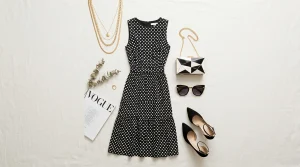
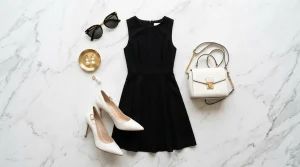
- Styling: Consider pairing your jewellery with complementary items, such as a chic outfit or other accessories. This not only demonstrates how the item can be styled but also provides context for potential customers.
Utilizing these strategies will not only improve the aesthetic appeal of your listings but also significantly enhance customer engagement. High-quality images paired with compelling descriptions can create an emotional connection, prompting buyers to feel as though your pieces are a must-have addition to their collection. As you refine your photography skills, remain mindful of your brand aesthetic-consistency across your images will help establish a recognizable identity that fosters trust and loyalty among customers.
Remember, great product photography doesn’t always necessitate professional equipment. With a good smartphone camera and a little creativity, you can achieve stunning results. Invest in a tripod to stabilize your shots, and use photo editing software to polish your images further. By focusing on clear, eye-catching photography, you elevate the perceived value of your products, enabling you to command higher prices while increasing your chances of securing sales.
Creating a Memorable Brand for Your Jewellery Business
Creating a memorable brand in the jewellery market is essential for distinguishing your business and fostering customer loyalty. A strong brand resonates with consumers, making them feel connected to your story and values. Consider the iconic identity of renowned brands like Tiffany & Co., which evoke feelings of luxury and romance through signature packaging and consistent design aesthetics. It’s not just about the products; it’s about the emotional experience you create around them.
To begin building your brand, start with a clear mission statement that reflects your values and vision. Ask yourself what your jewellery represents and how it differs from others in the market. Integrate this vision into every aspect of your business, from your website to your packaging. Use storytelling to connect with your audience; share the inspiration behind each piece, the craftsmanship involved, and the materials you choose. Customers are more likely to engage with and remember a brand that tells a compelling story.
Design Consistency
Your visual identity is crucial in establishing brand recognition. Create a cohesive design for your logo, packaging, and online presence that resonates with your target audience. Stick to a specific color palette and typography, ensuring that these elements reflect the personality of your brand. For instance, warm, earthy tones may communicate a more organic, handmade feel, while sleek, metallics could speak to modern elegance. Consistency helps in building a recognizable brand image.
Engagement and Community Building
Foster a sense of community among your customers by engaging with them on social media platforms. Use these channels not only for promotion but for building relationships. Encourage customers to share pictures of themselves wearing your jewellery, and showcase their content on your profiles. This strategy not only enhances visibility but also creates a sense of belonging among your customers. Hosting events, whether online or in-person, can further strengthen these connections, providing a platform for feedback and interaction.
Remember, the heart of a memorable brand lies in authenticity. Remain true to your craftsmanship and ethical values, and don’t shy away from sharing your journey and the challenges you face. Through consistent storytelling, a clear design strategy, and community engagement, you will foster a brand that not only stands out in the jewellery market but also resonates deeply with your audience. By prioritizing these elements, you’ll create a lasting impression that inspires trust and loyalty, essential for maximizing your business’s profits.
Building Trust: Authenticating Your Jewellery Pieces
Establishing trust in the jewellery market is paramount, especially as concerns about authenticity and ethical sourcing continue to rise. Customers want assurances that the pieces they purchase are genuine, beautifully crafted, and responsibly sourced. To foster this trust, jewellers must adopt robust authentication practices that not only verify the quality of their products but also convey transparency and integrity to potential buyers.
One effective way to authenticate your jewellery is through certifications from recognized gemological institutions. For instance, diamonds can be accompanied by grading reports from reputed organizations like the Gemological Institute of America (GIA) or the American Gem Society (AGS). These reports provide essential details about the diamond’s quality, including its cut, color, clarity, and carat weight. Having well-documented proof of authenticity for gemstones not only enhances buyer confidence but also helps in justifying your pricing strategy.
Additionally, incorporating detailed information about the materials used in your jewellery can further support consumer trust. Utilize clear descriptions on product pages to specify the origin of gems and metals, such as ethically sourced gold or conflict-free diamonds. This not only appeals to socially conscious customers but also enhances the perceived value of your creations. Be transparent about your supply chain; consider showcasing any partnerships with ethical suppliers or certifications that validate your commitment to responsible sourcing.
Engagement with customers post-purchase can also build long-term trust. Consider implementing follow-up communications where you educate customers on how to care for their pieces, reinforce the uniqueness of their purchase, and encourage them to share their experiences. This ongoing relationship can be cultivated through engaging content on your website or social media, as well as loyalty programs that reward repeat customers. By building a community around your brand and maintaining open lines of communication, you’ll not only authenticate your jewellery but also create a loyal customer base that feels valued and informed.
In summary, authenticity is vital for ensuring customer confidence in jewellery purchases. By leveraging certifications, being transparent about materials, and fostering customer engagement, you can establish a trustworthy brand presence that resonates with discerning buyers and maximizes your profit potential.
Optimizing Your Sales: Tips for Seasonal Trends
Capitalizing on seasonal trends can significantly boost your jewellery sales, creating opportunities to connect with your customers and align your offerings with their current desires. Every season presents unique occasions and moods, influencing how consumers shop for jewellery. By staying ahead of these shifts, you not only attract more customers but can also enhance your bottom line.
To effectively optimize your sales during peak seasons, start by understanding key holidays and events relevant to your target market. For example, Valentine’s Day and Christmas are iconic periods for gifting, so prepare your inventory with love-themed pieces, such as heart-shaped necklaces or gemstone rings that symbolize affection. Incorporating limited-time collections can create urgency, prompting consumers to make a purchase before items run out. Leverage social media platforms to highlight these collections with eye-catching visuals and engaging captions that evoke the sentiments associated with these seasons.
Another strategy is to adjust your marketing campaigns in line with seasonal trends. Utilize themes and colors that resonate with each season – think pastels for spring, vibrant hues for summer, warm tones for autumn, and cooler shades for winter. Create special promotions or discounts tied to these seasons that encourage customers to explore your collections. For example, a “Spring Fling” sale can invite customers to refresh their jewellery wardrobe while making it feel like an event.
Don’t underestimate the power of storytelling. Share narratives that connect your jewellery pieces to the seasons. Whether it’s designing a piece inspired by the first blooms of spring or the cozy feel of autumn, these stories can resonate deeply with customers and enhance their emotional connection to your brand. Engaging with your audience through various channels-such as newsletters, blogs, and social media-will keep them informed and excited about your seasonal offerings.
Finally, using strategic analytics to track which products sell best during each season will help refine your inventory and marketing techniques moving forward. Monitor sales data and customer feedback to identify trends and preferences, allowing you to create targeted campaigns and offerings that meet evolving consumer needs throughout the year. By embracing seasonal trends and making them part of your jewellery store’s identity, you can create a dynamic shopping experience that attracts and retains loyal customers.
Jewellery Care: Keeping Pieces Looking Their Best
Maintaining the beauty and longevity of jewellery pieces can significantly enhance their appeal and value, making jewellery care an essential topic for both collectors and sellers. Keeping pieces well-maintained not only preserves their brilliance but also promotes customer satisfaction and loyalty, which ultimately translates to increased sales. Regular care adds perceived value to your offerings, ensuring customers return for more.
To effectively care for jewellery, start with the basics of cleaning. Use gentle solutions-warm soapy water and a soft cloth are often sufficient for most metal types. For more delicate stones or intricate designs, consider specialized cleaners or a professional polishing service. For example, pearls require extra care; avoid exposing them to harsh chemicals and clean gently with a soft cloth after wearing. Metals like sterling silver can tarnish over time, so encourage customers to store their pieces in airtight bags or anti-tarnish cloths when not in use.
Proper storage plays an equally vital role in jewellery care. Encourage your customers to keep different pieces separate to prevent scratches and tangles. Using padded jewellery boxes or individual pouches can significantly reduce wear and tear. Additionally, including care instructions with every purchase can establish your brand as knowledgeable and customer-focused, enhancing trust.
Highlighting the importance of jewellery care in your marketing can also create added value for your business. Offering periodic workshops or online tutorials on jewellery care, showcasing how to clean and maintain pieces, can engage your customers and position your brand as a trusted resource. Furthermore, creating an online section dedicated to care tips can drive traffic to your website and improve customer interaction. By fostering a sense of responsibility towards their jewellery, you empower customers to make informed choices, ultimately leading to higher satisfaction and increased profitability for your jewellery business.
DIY Jewellery Projects to Increase Profit Margins
Creating DIY jewellery projects can be a lucrative avenue for both personal expression and profit maximization. By crafting unique pieces yourself, you can significantly reduce costs while offering customers something they can’t find in mainstream retail. Not only does this approach save money, but it also allows for creativity, enabling you to tailor designs to meet current trends and customer preferences. Engaging in DIY jewellery projects can set your offerings apart in a crowded market, drawing consumers who value handcrafted, unique items.
One effective method is to start with basic materials and tools accessible to everyone, such as wire, beads, and findings. With a few classes or online tutorials, anyone can learn how to make simple bracelets, earrings, or even necklaces. You can source materials from local suppliers or online wholesalers to ensure lower investment costs. Consider focusing on trendy items, like layered necklaces or personalized charms, which are currently in high demand. By keeping an eye on seasonal trends, you can create collections that resonate with consumers and leverage marketing opportunities during peak shopping seasons, like holidays.
- Upcycling materials: Transform existing pieces or broken jewellery into fresh designs-a sustainable approach that appeals to eco-conscious consumers.
- Custom orders: Offer customers the option to personalize their pieces, such as names or initials, enhancing perceived value and willingness to pay a premium.
- Bundling products: Create sets of jewellery-like matching earrings and necklaces-which can increase the average order value and encourage bulk purchases.
Incorporating workshops or tutorials into your business model can also enhance customer engagement and loyalty. By showcasing your DIY techniques online or in-person, you not only build a community but also position yourself as an authority in jewellery design. Establishing an inviting, educational atmosphere can turn casual shoppers into dedicated fans and repeat customers. Additionally, customers who learn how to make their own pieces may lead to increased sales of supplies or kits from your store, enabling another revenue stream while fostering a sense of connection to your brand.
Frequently asked questions
Q: What are the best platforms to sell jewellery online?
A: The best platforms to sell jewellery online include Etsy, eBay, and Shopify for dedicated stores. Each platform offers unique features: Etsy is great for handmade pieces, while Shopify provides customizable e-commerce solutions. Consider where your target audience shops to maximize visibility and sales. For more on choosing platforms, see the relevant section of our article.
Q: How can I effectively market my jewellery business?
A: To effectively market your jewellery business, utilize social media platforms like Instagram and Pinterest for visual marketing. Leveraging influencer partnerships and running targeted ads can help reach a wider audience. Additionally, creating high-quality content around your products can engage potential customers and drive traffic to your store.
Q: What pricing strategy should I use for selling jewellery?
A: A successful pricing strategy involves researching competitor prices and understanding your cost structure. Consider using a keystone markup method, where you double the wholesale price, or a perceived value pricing approach based on customer willingness to pay. Test different pricing strategies and adjust based on customer feedback.
Q: How important is product photography for selling jewellery?
A: Product photography is crucial for selling jewellery since buyers can’t physically touch or try on items. High-quality images showcasing your pieces from multiple angles and in different settings can greatly enhance appeal. Ensure the lighting is natural, and consider lifestyle images to inspire potential buyers.
Q: What should I include in my jewellery product descriptions?
A: Include details such as materials used, dimensions, and care instructions in your jewellery product descriptions. Highlight unique selling points and any personalization options. Engaging storytelling about the inspiration behind the piece can also attract buyers. For tips on effective descriptions, refer to the marketing section of our article.
Q: How can I build trust with my jewellery customers?
A: Building trust with your jewellery customers involves providing clear authentication for your pieces, excellent customer service, and transparent information regarding returns and policies. Encourage customer reviews and display them prominently, as social proof can significantly influence purchase decisions and enhance credibility.
Q: What are seasonal trends in jewellery sales to consider?
A: Seasonal trends in jewellery sales often revolve around holidays like Valentine’s Day, Mother’s Day, and Christmas. Capitalize on these trends by creating themed collections or promotions. Analyzing past sales data can also provide insights into the best times to introduce new products or discounts. Check our section on optimizing sales for detailed strategies.
Q: How can I enhance my brand’s appeal in the jewellery market?
A: Enhancing your brand’s appeal involves creating a strong brand identity through consistent visuals and messaging. Share your brand story and values, and connect emotionally with customers through storytelling. Engaging with your audience via social media and offering unique designs helps build a loyal customer base. For more branding tips, see the branding section in our article.
Wrapping Up
As you wrap up your journey through “How to Sell Jewellery: Maximum Profit Strategies,” remember that the key to success lies in understanding your audience and leveraging effective selling techniques. By implementing the insights you’ve gained, including optimizing your inventory and creating irresistible offers, you’re well on your way to maximizing profit. Don’t wait-start applying these strategies today to see immediate results!
For more valuable resources, check out our guides on jewellery care and cleaning techniques, or explore our DIY tutorials that empower you to enhance your skills further. If you’re serious about boosting your jewellery business, consider signing up for our newsletter for exclusive tips and tricks. Your success story begins today, and we’re here to support you every step of the way. Join our community, share your experiences in the comments, and let’s keep the conversation going! Remember, the world of jewellery is vast-there’s always something new to learn and explore!
Get our latest guides, news, and insights highlighted in your Google Search & AI Overviews.