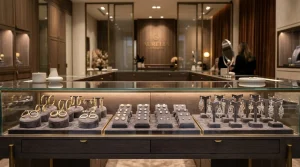
Did you know that the gold jewellery market has grown significantly, with trends showing that investing in it can yield attractive profits? Trading in gold jewellery not only offers a potential financial return but also allows you to engage with an art form that has captivated humanity for centuries. Whether you’re a seasoned investor or a newcomer, understanding how to effectively trade in gold jewellery is crucial for maximizing your returns. From knowing the best times to buy and sell to understanding market trends and gold purity, this guide provides actionable tips and insights tailored to your financial goals. As you immerse yourself in this enriching journey, you’ll discover how to blend passion with profit, transforming your love for jewellery into a lucrative venture. Stay tuned for expert tips that will inspire confidence and strategy in your gold jewellery trading endeavors!
Understanding the Value of Gold Jewellery
The allure of gold jewelry transcends mere aesthetics; it is a blend of artistry, cultural significance, and intrinsic value that has captivated humanity for centuries. Understanding the value of gold jewelry is crucial for anyone looking to trade or sell their pieces. Unlike other commodities, gold jewelry carries with it the story of its craftsmanship, design, and the emotions tied to its ownership. Factors such as craftsmanship, brand, age, and market demand significantly influence its value, making it imperative for sellers to assess their pieces thoughtfully.
Elements Contributing to Gold Jewelry Value
When evaluating gold jewelry, several key aspects come into play:
- Purity: Gold purity is measured in karats, with 24 karats representing pure gold. Pieces with higher karat ratings generally command higher prices.
- Design and Craftsmanship: Unique designs or intricate craftsmanship can increase the value. Designer brands often come with a premium price tag.
- Market Trends: The gold market is subject to fluctuation based on global economic conditions. Prices can rise or fall significantly based on investor demand and economic forecasts.
- Condition and Age: Vintage or antique pieces in good condition can attract collectors and enthusiasts, potentially increasing their value.
By conducting thorough research and perhaps consulting with appraisers or jewelers, sellers can gain insight into the current market value of their gold jewelry. This knowledge empowers them to make informed decisions about when and how to trade or sell their pieces, maximizing their potential profit.
Ultimately, understanding the multifaceted value of gold jewelry involves not just a grasp of its material worth but an appreciation for its cultural significance and emotional heritage. Whether you are a collector or looking to sell, recognizing these elements can lead to more satisfying transactions and a deeper connection to the jewelry you own.
Factors That Affect Gold Jewellery Pricing
When assessing the pricing of gold jewelry, several factors come into play, influencing both its market value and the profit a seller can expect. Understanding these factors can empower you to make informed decisions, ensuring that you get the best price possible for your cherished items.
One of the most critical aspects to consider is the purity of the gold, measured in karats, with 24 karats denoting pure gold. Jewelry with a higher karat rating typically commands a premium. Therefore, before selling, it’s vital to check the purity mark often found on the piece, as this significantly affects the valuation.
The craftsmanship and design of a piece can also elevate its value. Jewelry that features unique designs or is handcrafted tends to attract higher prices compared to mass-produced items. Moreover, pieces from renowned designers can fetch a premium due to brand recognition and desirability among collectors. When appraising your jewelry, consider how its aesthetic and artisanal qualities contribute to its overall value.
Market Trends play a crucial role in gold pricing. The global economic climate can cause fluctuations in gold’s value, as demand and supply dynamics shift based on investor interests, geopolitical factors, and currency strength. Staying updated on economic indicators and gold market trends can help you capitalize on selling at the right moment, maximizing your profits.
Lastly, the condition and age of your gold jewelry can affect pricing. Vintage and antique pieces, particularly those that are well-maintained, often attract collectors and can command higher market prices. If you have older pieces, be sure to highlight their provenance, which can add to their allure and potential selling price.
By considering these insights-purity, craftsmanship, market trends, and the condition and age of your jewelry-you can navigate the world of gold jewelry trading with confidence, ensuring your pieces are accurately valued and sold at the optimal time for maximum profit.
Where to Sell Your Gold Jewellery for Maximum Profit

When it comes to cashing in on your gold jewelry, the venue you choose can significantly impact the price you receive. Selling gold isn’t just about finding the right buyer; it’s about strategically assessing the best options available in the market to ensure maximum profit. Numerous players-ranging from local jewelers to online platforms-offer varied selling experiences. Therefore, understanding where to sell can empower you to make an informed decision.
Local Jewelers and Pawn Shops
One of the most straightforward options is visiting local jewelers or pawn shops. Jewelers can provide immediate offers based on their expertise and the jewelry’s condition. Pawn shops typically offer quick transactions but may not always provide the best rates. It’s important to shop around; prices can vary dramatically between establishments. Always check if they have qualified gemologists who can evaluate your pieces accurately, as this adds credibility to their offer.
Online Gold Buyers
In today’s digital age, online platforms are increasingly popular for selling gold jewelry. Companies such as Samuelson’s Diamonds and Cash for Gold USA offer streamlined selling processes that often result in fair offers based on current gold market prices. Typically, you can send your items in secure appraisal kits, making the process convenient. Research reviews and ratings of these services to ensure you choose a reputable buyer, as this can lead to higher offers and less hassle.
Gold Exchanges and Auction Sites
Consider alternative avenues such as gold exchanges or auction platforms. Auction sites connect you with a larger audience, which can lead to competitive bidding for more unique or designer pieces. While this method may take longer, it can yield substantial returns, especially for jewelry items with distinctive features or high craftsmanship. Be sure to factor in any seller fees that may apply, as they could affect your overall profit.
Ultimately, the best option will depend on your specific jewelry items, their condition, and your personal preferences for speed versus potential profit. By exploring various avenues for selling your gold jewelry, you not only increase your chances of getting a better price, but you also gain valuable insights into the fluctuating gold market that can benefit you in future transactions.
Choosing the Right Time to Trade Gold Jewellery
When it comes to trading gold jewellery, timing can be as crucial as the jewellery’s quality itself. Understanding market trends and fluctuations in gold prices can significantly influence the profit you stand to make. For instance, gold prices tend to rise during periods of economic uncertainty or inflation, which can be a prime time to sell. Keeping an eye on market reports and news related to economic indicators can help you pinpoint the right moment for trading your pieces.
To make the most informed decisions, consider the following factors that can affect the timing of your trade:
- Seasonal Trends: Historically, gold prices often experience spikes around the holiday season when demand increases for gifts. The wedding season in many cultures can also drive up prices, so selling during these peak periods might yield better returns.
- Gold Market Trends: Pay attention to reports from trusted financial news sources regarding trends in the gold market. A general rise in commodity prices or increased demand from countries like India and China can signal an optimal trading period.
- Economic Conditions: Economic stability or instability can heavily influence gold prices. When the economy experiences downturns, gold typically becomes a “safe haven” investment, which may increase its value. Similarly, periods of economic growth might see lower prices.
Additionally, utilizing online resources to track gold prices in real-time can provide you with valuable insights. Websites and mobile apps that offer gold price alerts can notify you when prices hit your target, allowing you to act swiftly. Engaging with local jewellers or participating in forums dedicated to precious metals can also immensely benefit your timing decisions, helping you stay informed about local market nuances. By combining knowledge, research, and some intuition about market behavior, you can choose the right moment to trade your gold jewellery for maximum profit.
Essential Tips for Beautifying Your Gold Pieces
To truly elevate your gold jewellery and maximize its value when trading, a little effort in beautification can go a long way. Not only does sparkling and well-maintained jewellery attract more attention, but it can significantly increase its perceived value. Simple steps in cleaning, styling, and presentation can yield impressive results.
Start with an effective cleaning routine. Gold jewellery often gathers grime and oils from our skin, dulling its shine. A mixture of warm water and a few drops of mild dish soap can work wonders. Soak your pieces for a few minutes, then gently scrub them with a soft toothbrush to reach those intricate details. Rinse with clear water and pat dry with a soft cloth. For added sparkle, consider using a jewelry polishing cloth that’s designed specifically for gold. This routine not only enhances the appearance but also helps you spot any potential issues such as loose stones or damage.
Styling Your Pieces
When preparing to trade your gold jewellery, think about how you present it. Consider arranging various pieces together in a visually appealing way. For instance, layering delicate necklaces or combining bold statement pieces can create a stunning effect. Use a velvet or satin-lined box to showcase your jewellery; the right background can make the gold stand out brilliantly, enticing potential buyers. Also, consider the current trends in styling. Mixing gold with complementary materials like silver or precious gemstones can offer a contemporary touch that resonates well with today’s buyers.
Professional Appraisal
Give your jewellery a professional appraisal before selling. This service can not only confirm the authenticity and value of your gold pieces but also provide insights into how to market them effectively. A certified jeweller is equipped to assess quality factors such as purity and weight, which can also affect prices. Highlighting any antique or designer provenance can further captivate interest and justify higher asking prices.
In the end, investing time in the beautification process will not only enrich your personal enjoyment of the pieces but also potentially maximize their value when it’s time to trade. Clean, styled, and well-maintained jewellery speaks volumes about care and can draw in buyers willing to pay top dollar.
The Best Places to Get Your Gold Appraised

Getting the right appraisal for your gold jewellery is crucial in ensuring you receive a fair price when it comes time to sell. The value of gold depends on several factors, including the craftsmanship, age, and, significantly, the purity of the metal. Here are some reliable options to consider when seeking a professional appraisal.
One of the most trusted places to get your gold jewellery appraised is at licensed jewellers or gemologists. These professionals possess the expertise to assess the quality and authenticity of your jewellery accurately. Many qualified jewellers will provide you with a detailed report that includes the carat weight, gold purity, and an estimated value, which can be beneficial for potential buyers. Look for jewellers who are members of recognized professional organizations, as this often indicates adherence to high standards in jewellery evaluation.
Another excellent option is to visit dedicated appraisal services or gemological laboratories. These institutions specialize in appraising various types of jewellery and employ certified gemologists. While the cost may be slightly higher-often ranging from $100 to $200 for a comprehensive appraisal-the precision and detailed documentation they provide can be well worth the investment, especially if you’re selling high-value items.
If convenience is a priority, consider online appraisal services, which have become increasingly popular. Platforms like SnapAppraise allow you to upload a photo of your jewellery and receive an instant estimate without the obligation of an in-person visit. While you might not get the level of detail that in-person appraisals provide, online services can serve as a quick starting point for understanding the value.
Lastly, pawn shops and gold-buying retailers can often provide appraisals right on the spot. While their primary aim is to purchase your jewellery, they can give you a rough estimate of value. However, it’s advisable to seek multiple opinions before making any decisions, as offers from these shops can sometimes be lower than market value.
By tapping into these resources, you’re more equipped to understand the true worth of your gold jewellery, empowering you to negotiate effectively and maximize your profit when it’s time to trade.
Negotiating Tips for Selling Gold Jewellery Successfully

When it comes to negotiating the sale of your gold jewellery, understanding your item’s value and being equipped with effective strategies can dramatically impact your final price. Many sellers overlook the importance of preparation; however, a well-informed approach can turn a mediocre offer into a lucrative deal. Here are some important tips that can help you successfully negotiate when selling your gold jewellery.
Start by educating yourself on the current market prices for gold, as they fluctuate daily. Knowing the weight, purity, and current spot price per gram will arm you with the information needed to argue for a fair price. For instance, if you have a piece that weighs 10 grams and is 18K gold, you can calculate its intrinsic value and use that as a starting point during negotiations. Having this data readily available not only boosts your confidence but signals to buyers that you are knowledgeable and serious about getting a fair price.
Another effective strategy is to explore various buyers before making a deal. This can include pawn shops, online gold buyers, and jewelers. Each buyer may offer different prices based on their operating costs and profit margins. It’s advisable to get multiple appraisals and offers, as this opens avenues for comparison. For instance, online platforms like Abe Mor or dedicated gold buying services often provide more competitive rates compared to local pawn shops, which may have lower offer limits due to their business model [[2]].
When it comes time to negotiate, remain polite yet firm. Use your research as leverage by stating specific values and offers you have collected from other buyers. It’s also helpful to be ready to walk away if the offer is unsatisfactory; sometimes, this tactic can lead buyers to reconsider and improve their offer just to retain your business. A friendly yet resolute demeanor during these discussions will influence the buyer’s respect for you and your jewellery, potentially yielding a better offer.
Lastly, don’t be afraid to ask questions about the buyer’s process. Inquire about how they determine prices and explain your understanding of gold values. If you feel uncertain, seek clarification. Strong negotiations not only involve knowing your material but also establishing a rapport with the buyer. This connection can open pathways for discussions about future sales or even referrals to other trustworthy buyers, which can be invaluable.
By leveraging the right knowledge and strategies, you can approach your gold jewellery sale with confidence and maximize your profit potential.
How to Prepare Your Gold Jewellery for Sale
Preparing your gold jewellery for sale is a crucial step that can significantly impact your profit. Just as a fine wine is best served in the right glass to enhance its character, your jewellery deserves a presentation that accentuates its value. Prior to selling, take the time to clean and polish your pieces to ensure they shine brightly and attract potential buyers. A well-maintained piece not only appears more appealing but also suggests that it has been cared for, driving up perceived value.
Essential Steps for Preparing Your Gold Jewellery
Start with a thorough cleaning process. Use a gentle solution of warm water and mild dish soap. Soak the jewellery for a few minutes, then gently brush it with a soft toothbrush to remove any dirt or tarnish. Rinse well and dry with a soft, lint-free cloth. Avoid using harsh chemicals or abrasive materials that can scratch or damage the gold. If your item has intricate designs or stones, consider visiting a professional jeweller for a comprehensive cleaning.
Next, gather all necessary documentation. If you have original receipts, appraisals, or certificates of authenticity, include these with your items. Such documents can provide potential buyers with confidence in the quality and value of the jewellery, making them more willing to pay top dollar. For example, a recent appraisal from a reputable jeweller can help establish a fair starting price during negotiations.
Organizing and Presenting Your Jewellery
Proper organization is equally important when preparing to sell. Ensure you present your items neatly, ideally in a jewellery box or display case that showcases each piece effectively. If selling online, invest in high-quality photographs. Use natural light and clear focus to highlight the details and craftsmanship of each item. Captivating images can make your listing stand out and attract more buyers.
Lastly, consider the timing of your sale. Market conditions can fluctuate, affecting gold prices. Keep an eye on market trends and aim to sell when prices are favorable. Websites and financial news outlets often provide insights into gold pricing and forecasts, equipping you with the information needed to make informed decisions about your sale.
Taking these steps to prepare your gold jewellery not only enhances its appeal but can also position you to achieve the maximum possible profit when you decide to sell. Remember, every detail matters in the sale of jewellery, from presentation to market timing, so approach this process with care and confidence.
The Impact of Gold Purity on Trade Value
The value of your gold jewellery is significantly influenced by its purity, often measured in karats. Gold purity levels range from 10K (41.7% pure gold) to 24K (99.9% pure gold), and the higher the karat, the more valuable the item typically is. This fundamental aspect makes understanding gold purity essential for anyone looking to trade in their jewellery for maximum profit. When you know the purity of your pieces, you can better assess their worth, ensuring that you’re not selling them for less than they’re truly worth.
Understanding Gold Purity and Its Implications
Gold purity affects both market value and buyer interest. For instance, 18K gold is often preferred for its balance of durability and value, making it a sought-after choice for quality jewellery. In contrast, 14K gold may appeal to budget-conscious shoppers or those looking for more durable items for everyday wear. When trading, this means that pieces made from higher purity gold will fetch a higher price. Thus, knowing the karat of your items can help you target the right buyers and negotiate effectively.
To determine the purity of your gold, look for hallmarks or stamps typically found on the inner band of rings, clasps, or other components of the jewellery. If hallmarks are absent or if you are unsure, a professional appraisal can provide clarity on the gold’s purity and authenticity, which ultimately contributes to its trade value. In today’s market, buyers are increasingly savvy; thus, having verified information regarding purity can enhance your bargaining position significantly.
The Benefits of High Purity Gold
Investing in high-purity gold jewellery can be advantageous, as these pieces often retain value better over time and are more attractive to collectors and investors. Additionally, gold’s characteristic of not tarnishing means that well-preserved high-purity pieces shine brightly, captivating potential buyers. When preparing to trade, highlight the purity of your jewellery in listings or negotiations, as this will attract more inquiries and potentially higher offers. Moreover, always consider the current market trends for gold prices, as fluctuations can affect how much buyers are willing to pay based on purity and overall value.
In conclusion, understanding the impact of gold purity not only equips you with knowledge to assess your jewellery’s value accurately but also empowers you in the trading process. By ensuring you maintain purity records and presenting your pieces authentically, you increase your chances of achieving maximum profit when the time comes to sell.
Exploring Alternative Options for Gold Jewellery Trading
In today’s dynamic market, there are numerous innovative avenues for trading gold jewellery beyond traditional selling methods. Exploring these alternative options can not only maximize your profits but also provide opportunities to connect with new audiences while ensuring your cherished pieces find the right homes.
One popular choice is to engage in online trading platforms and auction sites. Websites like eBay or specialized jewellery marketplaces offer a global reach, allowing sellers to attract buyers who are genuinely interested in unique gold items. When listing your jewellery online, ensure you provide high-quality images and detailed descriptions, highlighting factors such as karat weight and design intricacies. This transparency can significantly increase buyer confidence and ultimately the selling price.
Additionally, consider joining local gold exchange groups or forums that focus on jewellery trading. These communities often consist of enthusiasts and collectors who appreciate the craftsmanship and history behind each piece. Engaging with other members can lead to bartering opportunities, where you might trade your gold jewellery for other items, services, or even cash, potentially increasing your overall investment value.
You might also explore pawnbrokers and consignment shops. Pawnbrokers traditionally offer quick cash for valuables, and while the payouts can sometimes be lower than expected, they provide a straightforward option for immediate liquidity. Consignment shops, on the other hand, allow you to display your jewellery for a longer period, potentially fetching a higher price as the right buyer may take time to find. Always research the shop’s reputation and fee structures to ensure it’s a profitable choice.
Lastly, craft your jewellery into new pieces or collaborate with local artisans. This approach not only gives your gold a fresh life but can also appeal to buyers looking for bespoke items. Transforming old gold into modern designs may yield a higher price than selling raw pieces, especially if the final product reflects current trends or unique artistry that stands out in the market.
By considering these alternative trading options, you can diversify your strategies, enhance your selling experience, and maximize your returns on gold jewellery. Always stay informed about market trends and buyer preferences to adjust your approach as necessary.
Common Mistakes to Avoid When Selling Gold
When it comes to selling gold jewellery, many individuals unknowingly sabotage their chances of securing the best deal. One common mistake is to underestimate the importance of research. Identifying the current market value of gold and understanding the specific worth of your jewellery ensures that you are not shortchanged. Always start by checking the latest gold prices, as the value shifts based on market conditions. Understanding the factors that influence pricing, such as karat weight and design intricacies, allows sellers to present their pieces with authority.
Another common pitfall is rushing the selling process. Impatience can lead to hasty decisions, such as accepting the first offer that comes your way. Instead of settling too quickly, take time to explore multiple selling venues. Pawn shops may provide immediate cash, but platforms like online auctions or dedicated jewellery marketplaces can attract higher bids from serious buyers. Before committing to a sale, compare offers from different sources to ensure you get the best possible return.
Moreover, neglecting the presentation of your jewellery can also diminish its appeal. Poor photos or a lack of detailed descriptions fail to entice potential buyers. When listing items online, invest time in capturing high-quality images from various angles and include comprehensive descriptions highlighting unique features, including any certifications, provenance, or significant craftsmanship. This not only builds trust with buyers but can also significantly boost the perceived value of your treasures.
Lastly, many sellers overlook the necessity of getting their gold jewellery appraised by a professional before selling. An appraisal provides insight into the exact value and authenticity of your pieces, empowering you to negotiate confidently and avoid potential scams. This proactive approach creates a solid foundation for a successful sale, ensuring you avoid the common mistakes that can affect your profit margins.
Recap of Key Strategies for Successful Gold Trading
To thrive in the competitive landscape of gold jewellery trading, it’s essential to harness a blend of knowledge, strategy, and timing. The old adage “knowledge is power” rings particularly true when it comes to ensuring you receive the maximum profit for your gold pieces. Begin with a thorough understanding of the current gold market value, which can fluctuate frequently. By staying updated on market trends and prices, you can strategically time your sale. For instance, when prices soar, it’s an opportune moment to list your items.
Another cornerstone of successful trading lies in showcasing your jewellery to its best advantage. Quality matters not only in craftsmanship but also in presentation. Invest time in taking high-resolution images from multiple angles and providing detailed descriptions of each item’s unique characteristics, including its history or any special features. This not only attracts buyers but can elevate the perceived value of your jewellery, making it more appealing in a competitive marketplace.
Furthermore, understanding the nuances of gold purity is crucial. The purity levels, measured in karats, significantly impact the value of your pieces. Higher karat jewellery typically fetches a better price, so ensure you communicate this clearly when negotiating with potential buyers. Know your pieces well enough to discuss their purity confidently, as this builds trust and can lead to better offers.
Lastly, never underestimate the value of establishing multiple selling avenues. Whether local jewellery shops, online marketplaces, or auctions, each platform has its pros and cons. Diversifying your sales strategy can increase your chances of securing the best deal. In summary, equip yourself with knowledge, present your pieces well, understand the value of purity, and explore various selling options to maximize your profit in gold jewellery trading. Embrace these strategies, and you’ll be well on your way to becoming a savvy trader in gold jewellery.
Frequently asked questions
Q: What are the best methods for trading gold jewellery?
A: The best methods for trading gold jewellery include selling to reputable jewellers, online marketplaces, or gold-buying services. Always compare offers and choose a trustworthy platform to ensure maximum profit. Consider local pawn shops for immediate cash but research their credibility first.
Q: How do I assess the purity of my gold jewellery before selling?
A: Assess the purity of your gold jewellery by checking for karat marks (e.g., 10K, 14K). A simple acid test can also determine purity. Knowing the karat ensures you get a fair price when trading. Refer to “The Impact of Gold Purity on Trade Value” for more detailed information.
Q: When is the best time to sell gold jewellery for profit?
A: The best time to sell gold jewellery is when gold prices peak, typically during economic uncertainty or inflation. Keeping an eye on gold market trends can help you time your sale effectively for maximizing profit. Check financial news for insights.
Q: What questions should I ask when getting my gold jewellery appraised?
A: When getting your gold jewellery appraised, ask about the appraiser’s qualifications, methodology, and fees. Additionally, inquire about how they determine value and if they provide a written report. This ensures a transparent process for valuation.
Q: Should I clean my gold jewellery before selling it?
A: Yes, cleaning your gold jewellery before selling can enhance its appearance, potentially increasing its value. Use a gentle cleaner specifically formulated for gold. However, avoid any aggressive cleaning tools that may scratch or damage the pieces.
Q: What documents or information do I need to sell my gold jewellery?
A: When selling gold jewellery, it’s helpful to have any purchase receipts, authentication papers, or appraisals available. Providing proof of authenticity and ownership boosts credibility and may lead to better offers.
Q: Can I trade gold jewellery through online platforms?
A: Yes, trading gold jewellery through online platforms is increasingly common. Websites like eBay and specialized marketplaces allow you to list items for sale. Always check the platform’s security measures and fees before proceeding.
Q: What are common pitfalls to avoid when selling gold jewellery?
A: Common pitfalls to avoid include accepting the first offer, neglecting to verify the purchaser’s reputation, and not researching current market prices. Always get multiple quotes and ensure you understand the quality and value of your jewellery to maximize profit.
The Conclusion
As you embark on your journey to trade in gold jewellery, remember the key strategies we’ve discussed to maximize your profits. By understanding market trends and leveraging expert resources, you can confidently navigate the selling process and achieve the best value for your items. Don’t wait too long-market conditions can change rapidly, and the right offer might be just around the corner!
For those looking to deepen their knowledge, explore our articles on jewellery care tips and DIY tutorials to keep your pieces in pristine condition. Interested in starting your own jewellery business? Check out our insights on authentication methods that can give you a competitive edge.
Ready to take action? Sign up for our newsletter to stay updated on market trends and exclusive tips directly in your inbox. Your journey in trading gold jewellery can lead to rewarding outcomes-let’s make it happen together! Share your thoughts below, and join our community of jewellery enthusiasts for more engaging discussions.
Get our latest guides, news, and insights highlighted in your Google Search & AI Overviews.