
Acrylic paint is a popular choice for artists due to its vibrant colors and versatility, but it can quickly become a nightmare when it stains your clothes, furniture, or floors. Whether you’re a seasoned artist or a DIY enthusiast, knowing how to effectively remove acrylic paint can save your projects-and your belongings. In this guide, we’ll explore seven tried-and-tested methods that not only tackle fresh spills but also dried stains, ensuring that you can reclaim your surfaces with confidence. Get ready to dive into practical solutions that will empower you to tackle even the toughest paint messes!
How Acrylic Paint Stains Surfaces: Understanding the Problem

Acrylic paint is a popular medium for many artists due to its versatility and fast-drying properties. However, its vibrant colors and durability can pose significant challenges when it comes to cleaning up and removing stains from various surfaces. Understanding how acrylic paint interacts with different materials is crucial in addressing stains effectively. When dry, acrylic paint forms a resilient bond, making it difficult to remove without the right techniques and solutions. This bond varies based on the surface it adheres to; for instance, porous materials like wood or fabric may absorb the paint, while non-porous surfaces like glass or plastic can be cleaned more easily.
The seriousness of the stain often depends on the paint’s age and the material it stains. Fresh acrylic paint can generally be wiped away with soap and water, but dried paint requires more aggressive methods. It’s essential to recognize that different surfaces react differently to cleaning agents; for instance, solvents such as acetone may damage some plastics or finishes. Therefore, identifying the surface type before selecting a removal method can save time and prevent additional damage.
Additionally, the environment in which the paint is applied plays a role in the difficulty of stain removal. In areas with significant moisture or extreme temperatures, the acrylic’s properties may change, further complicating its removal. This understanding is vital for anyone tackling acrylic paint stains, allowing for informed choices that lead to successful outcomes and the preservation of the underlying materials. Knowing this information can empower you to act confidently and efficiently when faced with an acrylic paint mishap.
Essential Tools for Acrylic Paint Removal
To effectively tackle the challenge of removing acrylic paint, having the right tools on hand can make all the difference. While some methods rely on household items, others demand specialized solutions. This toolkit not only simplifies the clean-up process but also helps protect surfaces from damage during paint removal.
Start with the essentials: rubbing alcohol, acetone, and denatured alcohol. These solvents act effectively on dried acrylic paint and can break down the paint’s structure, allowing for easier removal. Rubbing alcohol is often the first choice due to its availability; it works wonderfully on non-porous surfaces. If the stains are particularly stubborn, acetone can be your go-to; just remember to test it on a small, inconspicuous area first, as it may damage some finishes. For a natural approach, consider using white vinegar. A mixture of vinegar and water can effectively loosen paint while being gentle on surfaces.
To enhance your paint removal efforts, gather soft cloths, sponges, and scrapers. Soft cloths are perfect for applying solvents and wiping away residue, while sponges can be used for rinsing areas to minimize damage to more delicate surfaces. For scraping dried paint, opt for plastic scrapers rather than metal ones, as they are less likely to gouge the surface underneath.
Additionally, a selection of household detergents can be beneficial for fresh stains. A liquid dish soap mixed with warm water creates a powerful cleaning solution that is safe for most surfaces. Always keep some baking soda on hand; it can serve as a gentle abrasive when mixed with water, effectively tackling more grounded stains without causing harm.
A successful paint removal effort doesn’t solely rely on chemical solutions-it also involves preparation. Wear gloves and work in a well-ventilated area to safeguard your health. Finally, be sure to have protective sheets or drop cloths to shield surrounding areas from spillage and mess during the removal process. With these tools in your arsenal, you can confidently approach any acrylic paint mishap, ensuring a cleaner, preserved surface in the end.
Method 1: Using Rubbing Alcohol Effectively
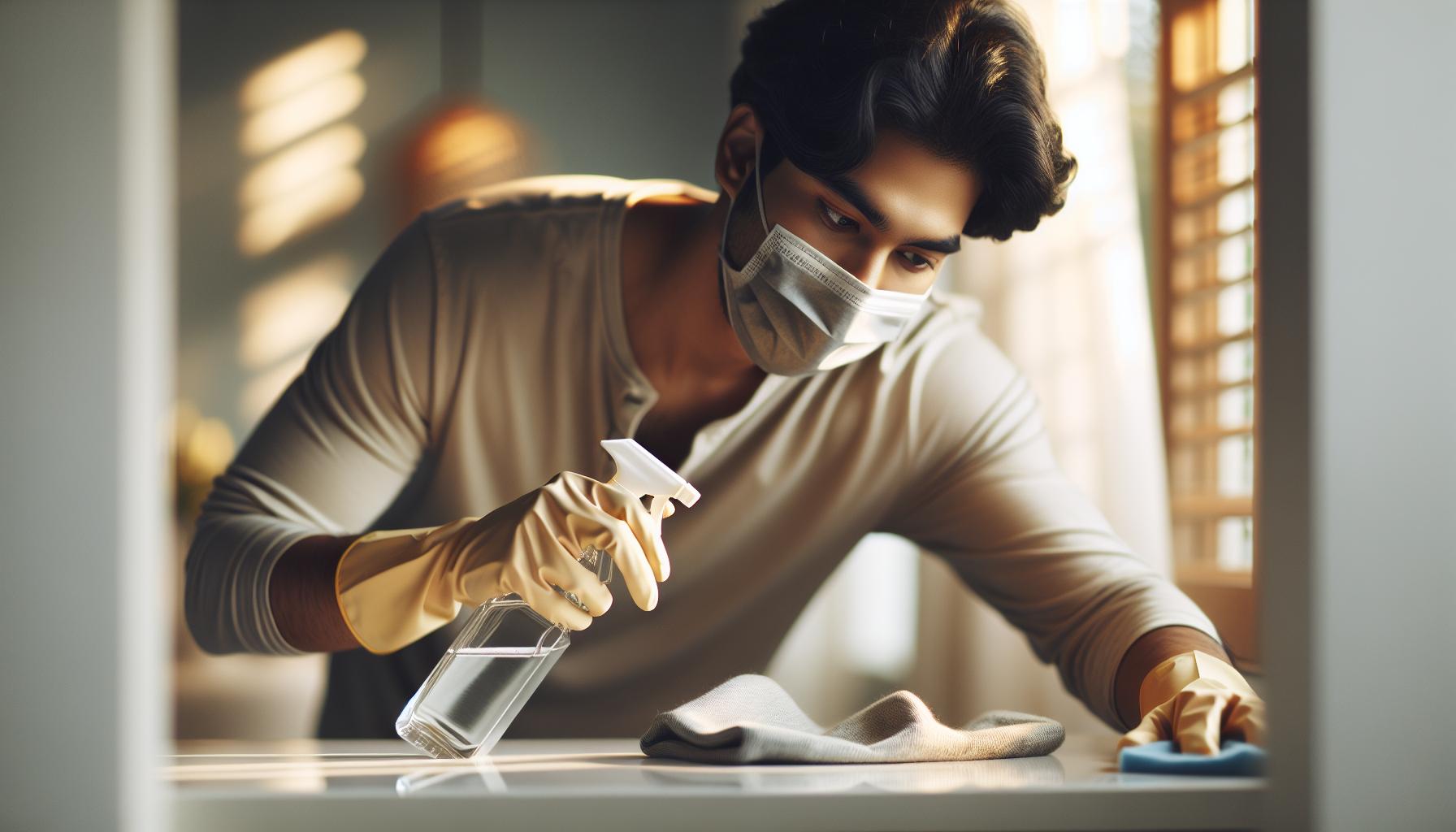
Using rubbing alcohol can be a game-changer when it comes to removing acrylic paint stains. Its effectiveness stems from its ability to dissolve paint without overly damaging the underlying surfaces, making it a favorite among artists and DIY enthusiasts alike. The beauty of rubbing alcohol is not just in its effectiveness, but also in its availability; it’s a household staple that can be found in most medicine cabinets and stores.
To start, ensure the area is well-ventilated, as the fumes can be strong. Soak a clean, soft cloth or a sponge in rubbing alcohol, then gently dab it onto the paint stain. It’s crucial to work from the outside of the stain towards the center to prevent spreading. Allow the alcohol to soak into the paint for a few moments, which helps to break down the bonds that hold the paint to the surface. After a short wait, use the cloth to wipe away the paint, applying more alcohol as necessary. Be patient-sometimes, it might take several applications to completely lift the stain.
When to Use Rubbing Alcohol
Rubbing alcohol is particularly suited for non-porous surfaces like glass, metal, and certain plastics. It’s less effective on porous materials, such as unsealed wood or fabric, where it might not penetrate deep enough to dissolve the paint without also damaging the surface. For these cases, consider complementary methods for a more comprehensive approach.
Additionally, if you’re dealing with dried paint, applying rubbing alcohol can still be effective. Saturate the stain and let it sit for a few minutes before scraping gently with a plastic scraper. Always test on an inconspicuous area first to ensure there’s no adverse reaction with the surface material.
In sum, rubbing alcohol is a valuable ally in your paint removal toolkit, synonymous with both efficacy and accessibility when tackling unwanted acrylic stains.
Method 2: Acetone for Stubborn Stains
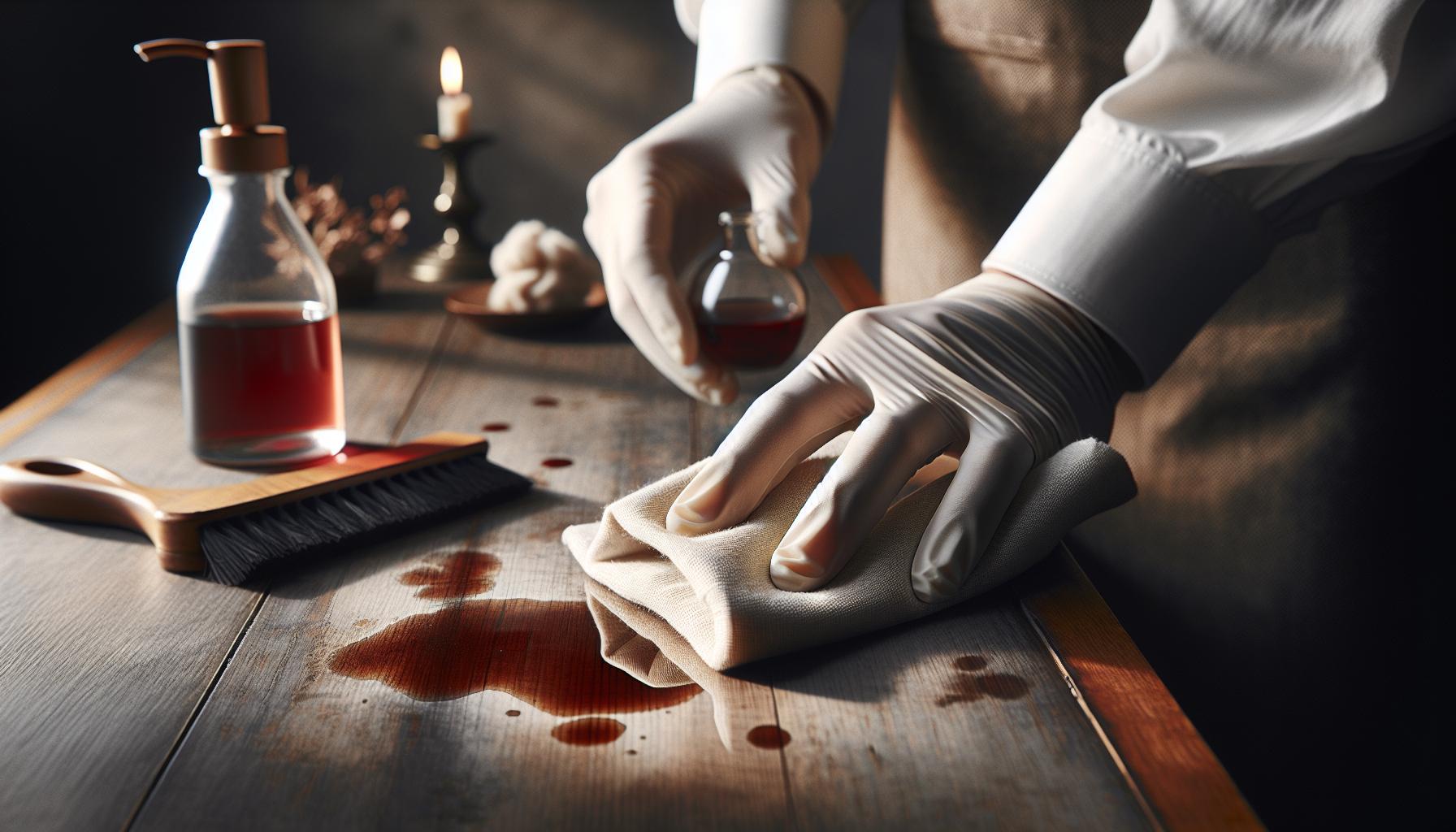
Acetone is a powerful solvent often associated with nail polish remover, but its efficacy in tackling stubborn acrylic paint stains truly sets it apart. If you’ve encountered a particularly challenging paint mark that seems impervious to other methods, acetone might be your best bet. Known for its ability to dissolve various types of paint, including acrylic, this solvent works by breaking down the chemical bonds in the paint, allowing you to wipe it away with relative ease.
Before diving in, make sure to test the acetone on a small, inconspicuous area of the surface to ensure it won’t cause damage. Suitable surfaces include metal, glass, and some plastics, while porous materials like unsealed wood may not fare well under acetone’s influence. Once you’ve confirmed it’s safe, soak a clean cloth or cotton ball in acetone and gently apply it to the stained area. It’s essential to work methodically, starting from the edges of the stain and moving toward the center to avoid spreading the paint further. Allow the acetone to sit for a moment to penetrate the paint, then gently scrub with the cloth. If necessary, repeat this process, reapplying acetone until the stain lifts.
For best results, ensure that the area is well-ventilated; acetone produces strong fumes that can be overwhelming. Additionally, wearing gloves can protect your skin, as acetone can be drying. When you’re finished, be sure to clean the surface with soap and warm water to remove any residue left behind by the acetone. This step not only cleans the area but also mitigates any risk of lingering solvent affecting the finish of the surface. With patience and care, acetone can help you reclaim your surfaces, turning troublesome paint stains into barely-remembered mishaps.
Method 3: The Power of Vinegar and Water
Using vinegar and water is a surprisingly effective method for tackling acrylic paint stains, thanks to the natural properties of vinegar as a mild acid. This solution not only aids in breaking down the paint but is also gentle on most surfaces-making it a favorite among DIY enthusiasts looking for environmentally friendly cleaning methods. With vinegar’s ability to act as a solvent, it can loosen the adhesive nature of dried acrylic paints, making it easier for you to wipe them away without causing significant damage to the underlying material.
To utilize this method, simply mix equal parts of white vinegar and water in a bowl. Soak a cloth or sponge in the solution and apply it directly to the paint stain. Allow it to sit for 5 to 10 minutes. This waiting period is crucial as it gives the vinegar enough time to penetrate the paint and facilitate its removal. Afterward, use the cloth to gently scrub the area in a circular motion. For stubborn spots, you can repeat the process, ensuring you don’t rub too hard, especially on sensitive surfaces like painted walls or wood finishes, which could get scratched or damaged.
For those particularly challenging areas where the paint clings stubbornly, an additional tactic involves gently scraping with a plastic scraper or an old credit card after applying the vinegar solution. This combination of soaking and scraping can yield excellent results, especially if the paint is older or has been subjected to heat. Always remember to rinse the surface with clean water afterward to remove any residual vinegar, which may otherwise attract dirt or cause discoloration in certain materials.
This method not only provides an effective solution against paint stains but embodies a sustainable approach to cleaning, utilizing something as commonplace as vinegar, readily available in most households. So, next time you face a paint mishap, consider reaching for the vinegar before resorting to harsher chemicals-your surfaces will thank you!
Method 4: Household Detergents That Work Wonders
While you might think of household detergents as mere cleaning agents for dishes and laundry, they can also work wonders in removing acrylic paint from various surfaces. Their formulations typically contain surfactants that effectively break down the bonds of paint, making it much easier to lift off stains without causing damage. This method is particularly suitable for delicate surfaces, such as fabric or painted walls, where harsher chemicals could lead to unwanted wear.
To utilize household detergents for paint removal, start by selecting a mild dish soap or laundry detergent. Combine a few drops of the detergent with warm water in a bowl, creating a soapy mixture. Here’s a simple step-by-step guide to maximize the effectiveness of this method:
- Soak the Stain: Dampen a clean cloth or sponge in the soapy water and apply it directly to the paint stain. Allow it to sit for about 10 minutes to give the detergent time to penetrate and loosen the paint.
- Gently Scrub: After soaking, use the cloth to gently scrub the area in a circular motion. The combination of the detergent’s surfactants and the friction from scrubbing will help lift the paint away from the surface.
- Rinse Thoroughly: Once the paint has loosened, rinse the surface with clean water to remove any soapy residue. This is essential, as leftover detergent can attract dirt and grime if not properly washed away.
If the paint remains stubborn, repeat the soaking and scrubbing process. For fabric surfaces, consider using a soft-bristled toothbrush to gently agitate the paint without damaging the fibers.
Using household detergents not only provides a safe and effective means of tackling acrylic paint stains but also embodies an eco-friendly alternative. Moreover, the convenience of having these products readily available in your home makes this method accessible for anyone facing unexpected paint mishaps. Whether you’re dealing with a splatter on your favorite shirt or a paint mark on the wall, a simple solution might just be a few drops of detergent away!
Method 5: Scraping Techniques for Dried Paint
When faced with the challenge of removing dried acrylic paint, scraping can be an effective and straightforward technique when executed carefully. Unlike other methods that might employ solvents or scrubbing, scraping targets the paint directly, making it ideal for tougher, set-in stains on hard surfaces such as wood, glass, or metal. The key to success in this method is to use the appropriate tools and techniques to minimize damage to the underlying surface while effectively removing the painted layer.
Start by gathering the right tools, which include a plastic or metal scraper, a utility knife, and a soft cloth. If you’re working on a particularly delicate surface, such as painted wood or soft plastic, opt for a plastic scraper to avoid scratches. For tougher surfaces, a metal scraper may be necessary, but take care not to apply excessive pressure to avoid gouging. To begin, gently scrape along the edge of the stained area, meticulously lifting the edges of the dried paint. Use short, controlled strokes rather than long swipes to maintain precision and avoid damaging the surface beneath.
Step-by-Step Scraping Process
- Prep the Surface: Ensure the surface is clean and dry before starting. Remove any loose debris or dirt to avoid grinding particles into the surface while scraping.
- Test a Small Area: If you’re unsure how the surface will react, test scraping in a less visible area first. This will help gauge the compatibility of your scraping tool with the material.
- Angle the Scraper: Hold your scraper at a 30-degree angle to the surface and slide it under the paint. The angle helps lift the paint without digging into the underlying material.
- Patience is Key: For tougher, thicker layers of paint, it may be beneficial to work in segments, applying gentle pressure and gradually lifting the paint rather than forcing it off all at once.
After successfully scraping away the paint, it’s crucial to inspect the surface for any remaining residue or scratches. Wipe down the area with a damp cloth to remove any paint flakes or dust. For surfaces that may still have a slight adhesive residue, consider using a mild cleaning solution or a specific paint remover, but always follow up with a gentle rinse to avoid build-up of cleaning agents.
With patience and the right technique, scraping can be a practical solution for dealing with dried acrylic paint without resorting to harsh chemicals, making it a valuable addition to your paint removal arsenal.
Method 6: Commercial Paint Strippers: When to Use Them
When tackling stubborn acrylic paint stains, sometimes you need more than household solutions to get the job done. Commercial paint strippers can be an effective go-to for situations where other methods fall short. These products come in various formulations, often designed specifically for tackling different types of paint, including acrylic. They can provide quick results, minimizing the manual labor involved in paint removal, which is especially useful for large areas or tough spots that resist other techniques.
Before you choose a commercial paint stripper, it’s crucial to assess the surface you’ll be working on. Some strippers are heavy-duty and suitable for metal, while others may be safer for wood, plastic, or delicate finishes. Always read the label to ensure compatibility with your target surface. Additionally, consider whether you need a gel, liquid, or paste; gels tend to adhere well to vertical surfaces, making them ideal for cabinets or doors.
Using a commercial paint s
Method 7: Preventing Future Paint Mishaps
To avoid the hassle of dealing with stubborn acrylic paint stains later, implementing a few proactive strategies can save you both time and effort. Recognizing the challenges that acrylic paint can pose, especially when it dries, is essential to maintaining your surfaces and ensuring a smooth painting experience in the future.
A well-organized workspace can dramatically minimize accidents. Always cover areas that are not being painted with drop cloths or newspaper. This simple step can catch splatters and drips before they settle on your floors or furniture. Additionally, opting for wider brushes or rollers allows for more control and reduces the likelihood of overloading your tools, thus preventing paint from spilling out and causing stains.
Another preventative measure is to always act quickly. If you notice a spill, use a damp cloth to blot the paint away immediately rather than letting it set. This not only makes the job easier but can often eliminate the paint entirely before it adheres to the surface.
Lastly, consider using acrylic paint specifically formulated with less adhesion or experimenting with protective coatings on surfaces that are frequently painted. These coatings can create a barrier, making clean-up easier and preventing the paint from bonding too strongly with the material underneath. Maintain a dedicated cleaning kit that includes sponges, cloths, and mild detergents, so you’re prepared to address any accidental spills right away. By incorporating these simple yet effective strategies, you can greatly reduce the chances of finding yourself in a sticky situation with acrylic paint in the future.
Tips for Caring for Surfaces After Paint Removal
After successfully removing acrylic paint from a surface, the next crucial step is to care for that surface to ensure its longevity and maintain its aesthetic appeal. Once paint is gone, a few simple actions can help restore and refresh the area, preventing any potential damage from the removal process and preparing it for future use.
To begin, clean the surface thoroughly with a gentle soap and warm water solution. This step helps eliminate any residues left from solvents or cleaners used during the paint removal process. Use a non-abrasive cloth or sponge to avoid scratching the surface. This approach not only cleans but also reinvigorates the finish of soiled materials such as wood or drywall.
Next, consider applying a protective coating if the surface is exposed to regular wear and tear. For wooden surfaces, a clear varnish or polyurethane can guard against future paint mishaps and moisture. For painted walls, a touch-up with the same paint can ensure color consistency and add an extra layer of protection.
Moreover, monitor the surface for any signs of damage or deterioration post-cleaning. It’s beneficial to inspect for paint adherence or fading periodically, especially in high-traffic areas. If wear starts to appear, tackle it early with a light clean or a touch-up seemingly to keep it looking fresh.
Finally, ensuring that surfaces are properly maintained after any restoration is vital for long-term care. Regular dusting, avoiding harsh chemicals, and being cautious with heavy objects can help sustain the beauty and integrity of surfaces. By implementing these protective measures, you not only preserve the appearance and functionality of your surfaces, but you also enhance the overall environment of your space.
Extra Precautions: Safety and Environmental Considerations
Ensuring safety and environmental responsibility during paint removal processes is paramount. Many of the solvents and chemicals used to effectively remove acrylic paint can emit harmful fumes or pose health risks if not handled correctly. To safeguard yourself and your surroundings, it’s crucial to work in a well-ventilated area. Open windows and, when possible, use fans to dispel fumes. Additionally, wearing appropriate protective gear such as gloves, goggles, and a mask can help prevent exposure to irritants that could affect your skin or respiratory system.
When selecting paint removal methods, consider their environmental impact. Many commercial paint strippers contain toxic substances that can be detrimental to both health and the environment. Opting for biodegradable or environmentally friendly products can reduce your ecological footprint. Simple household items like vinegar and baking soda can act as effective solvents for acrylic paint, significantly lowering the risk of harmful chemical exposure while providing a green alternative for cleaning. This choice not only protects your health but also minimizes the potential impact on your home’s ecosystem and the wider environment.
After removing paint, proper disposal of materials and remnants is essential. Many solvents used in paint removal must be disposed of as hazardous waste. Check your local guidelines for disposal instructions to ensure that your actions do not contribute to water and soil contamination. In some cases, community hazardous waste programs can take care of these materials safely and responsibly.
By incorporating these precautions and making informed choices, you can effectively remove acrylic paint while prioritizing both your health and the environment. Emphasizing safety and sustainability can enhance your overall experience, making it not only productive but also responsible.
Frequently Asked Questions About Paint Removal Techniques
Tackling the pesky challenge of acrylic paint removal often raises a multitude of questions among DIY enthusiasts and artists alike. Whether you’re dealing with accidental spills on clothes or stubborn splatters on your floor, understanding the nuances of effective paint removal techniques can make your task significantly easier. Here, we delve into some of the most common inquiries surrounding this topic and provide practical insights to empower your cleaning efforts.
One frequently asked question is, “What is the best method for removing acrylic paint from fabric?” For fresh stains, acting quickly is key. Gently blot the area with a damp sponge, avoiding heavy rubbing that may set the paint further into the fibers. A mixture of warm water and a few drops of dish soap can effectively break down the paint’s composition, allowing you to lift it away. For dried stains, consider using rubbing alcohol or white vinegar. Always remember to test any cleaning solution on an inconspicuous area first to prevent any damage to the fabric.
Another common query revolves around “How can I safely remove acrylic paint from walls?” Start by gently scraping off any excess paint with a plastic scraper to avoid damaging the surface. Then, apply a solution of warm water and gentle detergent using a sponge, wiping gently in a circular motion. For stubborn stains, a mixture of equal parts vinegar and water can be an excellent choice. It’s effective yet much safer for indoor air quality compared to harsher chemical solvents.
“Are there eco-friendly alternatives to commercial paint strippers?” Absolutely! Many household items can serve as effective paint removers. Beyond vinegar, baking soda combined with warm water can create a powerful paste when left on the paint for a short period before scrubbing. Furthermore, essential oils like tea tree or orange oil not only help in removing paint but also impart a pleasant fragrance while you clean.
Finally, you might wonder, “What safety precautions should I consider while removing paint?” Always work in a well-ventilated area to minimize inhalation of fumes, especially when using solvents like acetone or commercial strippers. Wearing gloves protects your hands from irritation, and goggles can shield your eyes from splashes. If dealing with more aggressive chemicals, a mask could be beneficial to safeguard your respiratory health.
By addressing these common questions, you can approach the task of acrylic paint removal with confidence and efficiency. Whether you opt for natural solutions or more specialized products, understanding your options empowers you to tackle any paint mishap that comes your way.
Frequently Asked Questions
Q: How do you remove dried acrylic paint from fabric?
A: To remove dried acrylic paint from fabric, gently scrape off excess paint with a spoon or knife. Then, soak the fabric in a solution of warm water and detergent for 30 minutes. Rub the stained area, rinse, and repeat if necessary until the paint is lifted.
Q: What is the best way to remove acrylic paint from skin?
A: The best way to remove acrylic paint from skin is to use rubbing alcohol. Soak a cotton ball in rubbing alcohol and gently rub the painted area until the paint dissolves. Rinse with soap and water afterward to remove any residue.
Q: Can vinegar remove acrylic paint?
A: Yes, vinegar can effectively remove acrylic paint. Mix equal parts vinegar and water, apply it to the painted area, and let it sit for a few minutes. Use a soft cloth to gently scrub the area until the paint comes off. Rinse thoroughly with water.
Q: What is the easiest way to clean acrylic paint from brushes?
A: The easiest way to clean acrylic paint from brushes is to rinse them under warm water while gently working out the paint using your fingers. For stubborn paint, use a mixture of soap and water or a brush cleaner specifically designed for acrylics.
Q: Does rubbing alcohol damage surfaces when removing acrylic paint?
A: Rubbing alcohol can potentially damage sensitive surfaces like acrylic sheets or certain finishes. Always test it in an inconspicuous area first, and use it sparingly to avoid damage while effectively removing paint.
Q: Can commercial paint strippers remove acrylic paint?
A: Yes, commercial paint strippers can effectively remove acrylic paint, especially from non-porous surfaces. Follow the manufacturer’s instructions carefully, apply the stripper, and scrape off the paint once it has softened.
Q: How can I prevent acrylic paint mishaps in the future?
A: To prevent acrylic paint mishaps, always cover surfaces with drop cloths, use painter’s tape for clean edges, and work in a well-lit, organized area. Keeping paint containers tightly sealed when not in use can also minimize spills.
Q: What should I do if paint remover doesn’t work on acrylic paint?
A: If paint remover doesn’t work on acrylic paint, you can try using an alternative by soaking the item in warm soapy water or using a mixture of vinegar and baking soda. Persistence is key; repeat the process as needed for stubborn stains.
For detailed guidance, refer to the section on household detergents and preventative measures in your article.
Future Outlook
Now that you’ve discovered seven effective methods for removing acrylic paint, it’s time to put them into action! Remember, whether you’re tackling a small spill or an extensive project, the right technique can make all the difference. If you still have questions or want to learn more about caring for your materials, check out our related guides on cleaning techniques and DIY tutorials.
Don’t forget to subscribe to our newsletter for more valuable tips, and feel free to share your experiences in the comments below-your insights could help others facing similar challenges! For even deeper knowledge, explore our articles on jewelry care and styling advice to elevate your creative projects. Your journey towards mastery starts now, so dive in and let your creativity shine!